REVIEW · TOKYO
Mount Fuji and Hakone Tour with Personal Driver & Transport
Book on GetYourGuide →Operated by Travel Japan · Bookable on GetYourGuide
A clear Mount Fuji view can fix your whole trip. This private day blends shrine photos, crystal-clear ponds, flower gardens, and the Mt. Fuji 5th Station all with comfortable door-to-door transport. I especially liked the focus on classic Fuji viewpoints and the way the driver helps you catch the right moments for photos. One thing to consider: you’ll be on the move most of the day, so it’s not a low-effort outing.
You’re not stuck in a crowded group. You get a comfy van, an English- or Hindi-speaking driver, and a flexible schedule with built-in sightseeing time at each stop. I also like that the route is built around multiple chances to see Fuji, because weather can be moody around this mountain.
The only drawback I’d flag is timing: the tour covers a lot of ground in 10 hours. If you hate rushing—or you’re traveling with very limited stamina—this may feel like too many photo stops in one day.
In This Review
- Key things to know before you go
- The day plan: how the 10 hours actually feel
- Pickup and drop-off: where you’ll start and end
- Arakura Fuji Sengen Shrine: the iconic start with a photo window
- Oshino Hakkai: calm ponds and traditional houses
- Lake Kawaguchi: the 1.5-hour photo session that actually matters
- Oishi Park: flowers and an unobstructed Fuji line
- Saiko Iyashi-no-Sato Nenba: a reconstructed village pause
- Mt. Fuji 5th Station: the highest vehicle-accessible views
- Hakone time: using the 3-hour window wisely
- The driver experience: helpful, punctual, and tuned for photos
- Comfort and convenience: what’s included (and what’s not)
- Price and value: $346 per group up to 6
- Who this tour fits best (and who should skip it)
- Should you book the Mount Fuji and Hakone private driver tour?
- FAQ
- How long is the Mount Fuji and Hakone tour?
- What is the price for this tour?
- Where can I be picked up?
- What languages does the driver speak?
- What does the tour include?
- Are meals included?
- Are entrance fees included?
- What time do you spend at key stops?
- What’s the cancellation and payment flexibility?
Key things to know before you go
- Private van all day: no waiting around for strangers, and the driver can adjust to your pace.
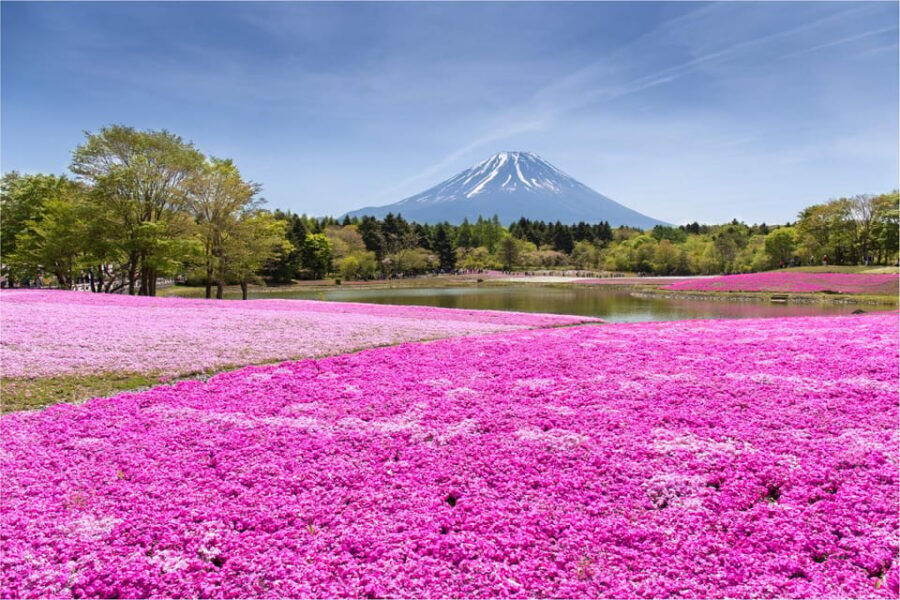
- Many Fuji viewpoints: shrine views, parks, lakes, and finally the 5th Station for panoramic payoff.
- Built-in photo time: each stop includes free time so you’re not glued to a checklist.
- Oshino Hakkai ponds: crystal-clear water and traditional houses in a calm setting.
- English/Hindi driver: practical help on what to look for and where to point your camera.
- Hakone included: you still get time there after the Fuji highlights.
The day plan: how the 10 hours actually feel
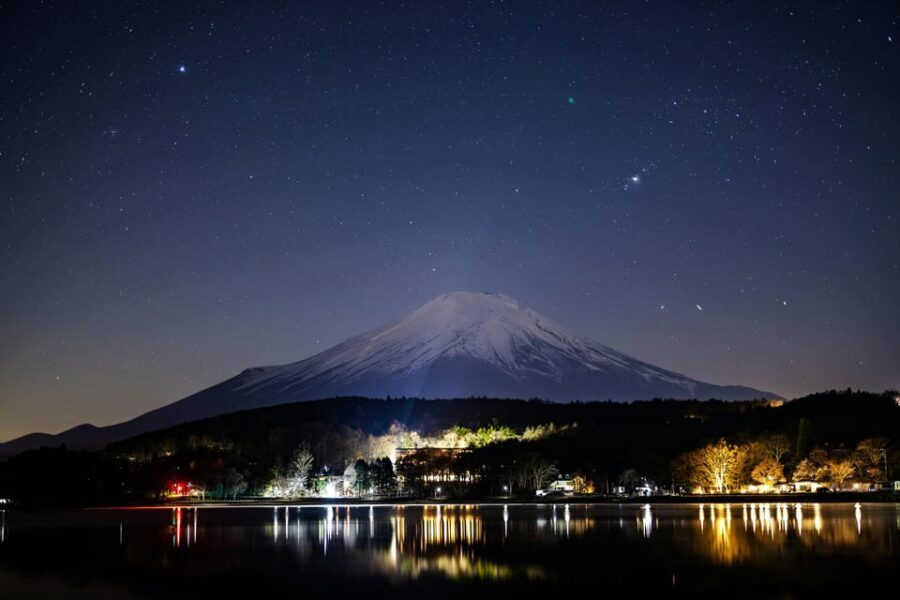
This is a private-group tour designed as a long scenic day rather than a series of quick “look-and-go” stops. You start with pickup and a comfortable ride toward Mount Fuji, then work your way through signature sights, with free time built in at each stop for photos and wandering.
The rhythm is simple: scenic viewpoint → short break to reset and shoot photos → next spot. The schedule is tight, but the driver’s job is to keep it smooth. In practice, this kind of private format is what makes the difference between seeing Fuji once versus stacking multiple chances to catch it well.
Also, it runs about 10 hours total, which is ideal if you want the big Fuji hits without sacrificing your whole trip. It’s less ideal if you were hoping for a relaxed, slow-paced “stay and enjoy” day.
A few more Tokyo tours and experiences worth a look

Pickup and drop-off: where you’ll start and end
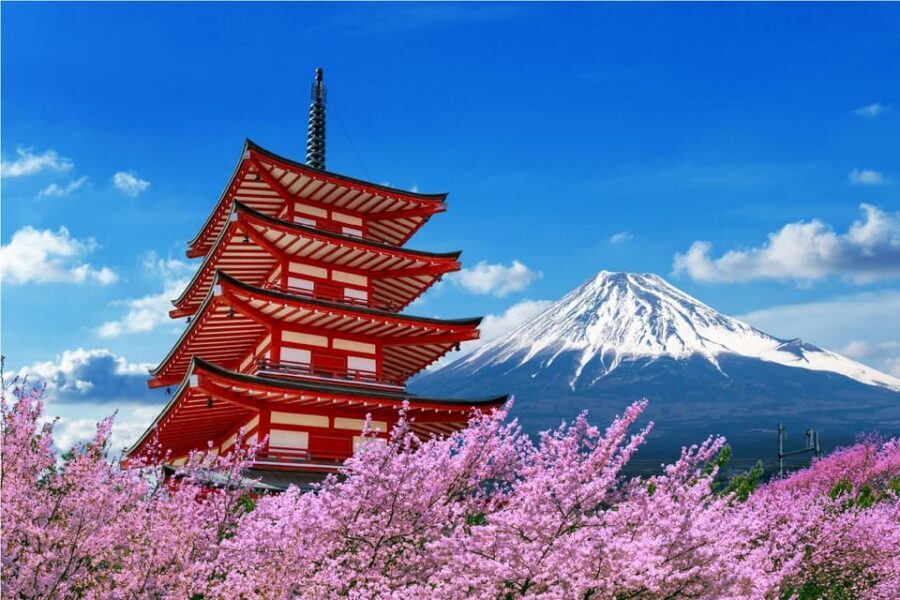
You have three pickup options: Kamakura, Tokyo, or Hakone. If you’re staying in Tokyo, hotel pickup is available from 23 locations, which is great if you don’t want to navigate trains with cameras, luggage, or a tight schedule.
Drop-off is also flexible. You can be dropped in Tokyo or in the Kamakura/Hakone areas, and the day can end at convenient Tokyo neighborhoods including Chiyoda, Edogawa, and Adachi. That matters because the hardest part of any day trip is getting back without losing an hour to transit.
In plain terms: this tour aims to make the “getting there” part painless, so you can spend your energy on the views.
Arakura Fuji Sengen Shrine: the iconic start with a photo window
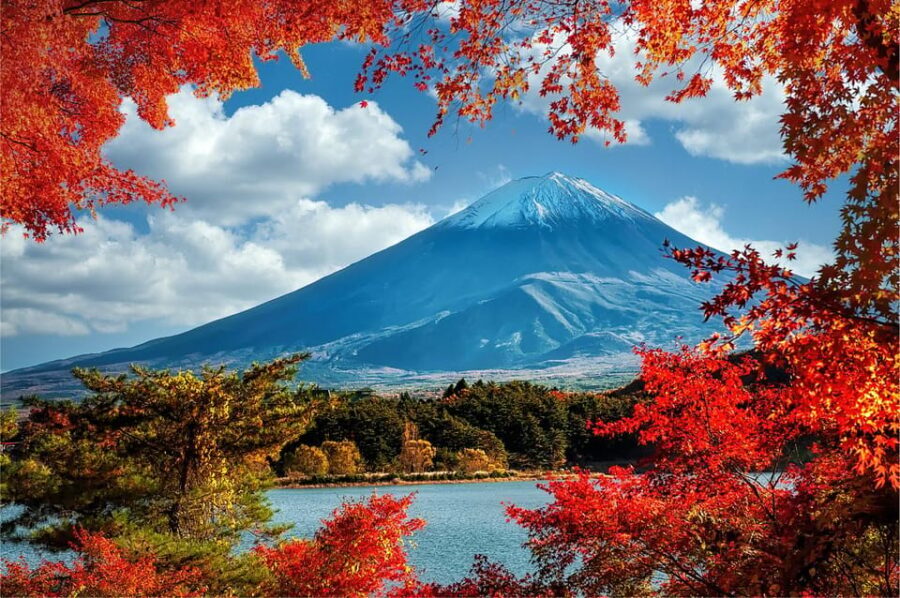
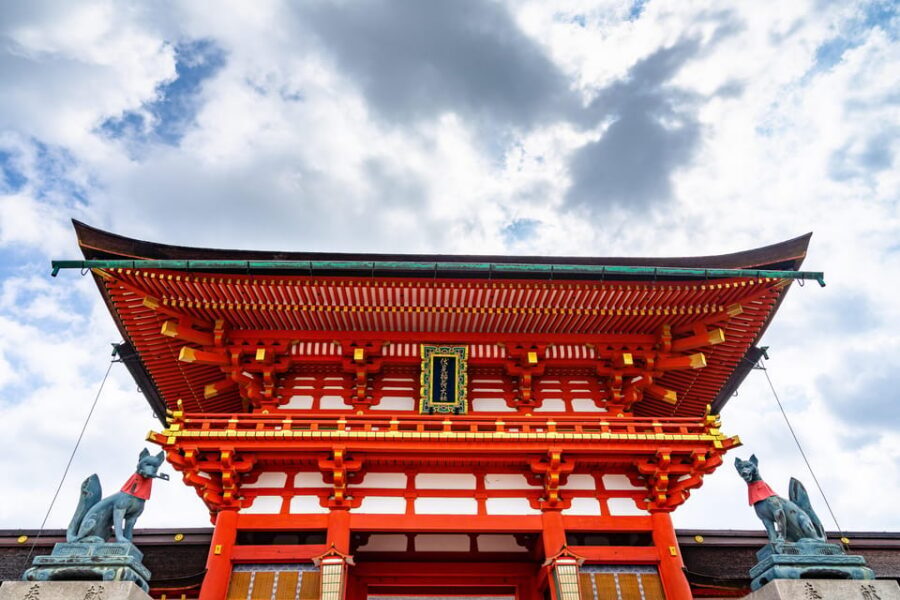
The day begins with a stop at Arakura Fuji Sengen Shrine, one of the classic places to orient yourself with Mount Fuji. You’ll get a 45-minute break here, built specifically for sightseeing and photos.
What I like about starting at a shrine viewpoint is that it sets the tone fast. You don’t spend the whole morning traveling while Fuji stays hidden in the distance. Instead, you get an early shot at the mountain, with enough time to wait for good angles and compose without panic.
Practical tip: if the sky is clear, use the first minutes to establish your viewpoint, then use the rest of the time for your best photos and a slower look. And keep an eye on the driver’s timing—this day works because each stop has a real purpose.
Oshino Hakkai: calm ponds and traditional houses
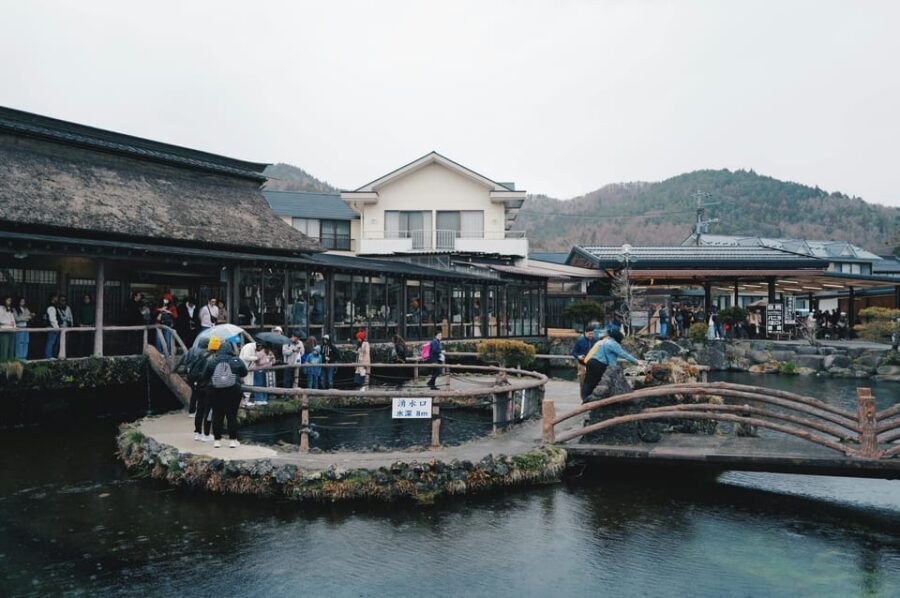
Next up is Oshino Hakkai, a quieter stop designed around scenery you can actually enjoy. You’ll have 30 minutes to explore the ponds and traditional houses.
This is one of those places where the value is in how unhurried it feels compared to the rest of the day. The ponds are described as crystal-clear, and the traditional houses make the scenery feel intentionally preserved rather than commercial. If you want a break from the constant “look up, take photo” rhythm, this is a nice reset.
Drawback: because you only have half an hour, plan to focus on the ponds first. If you wander too long before you shoot, the clock catches up quickly.
Lake Kawaguchi: the 1.5-hour photo session that actually matters
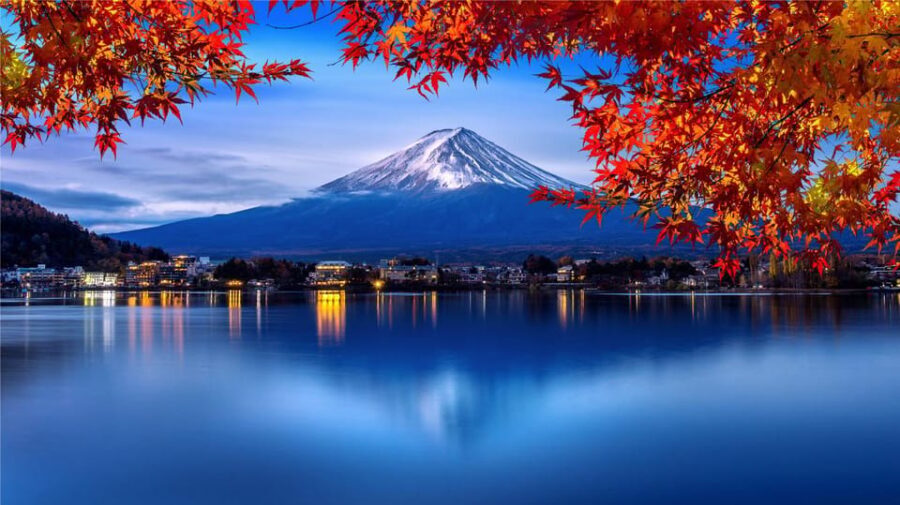
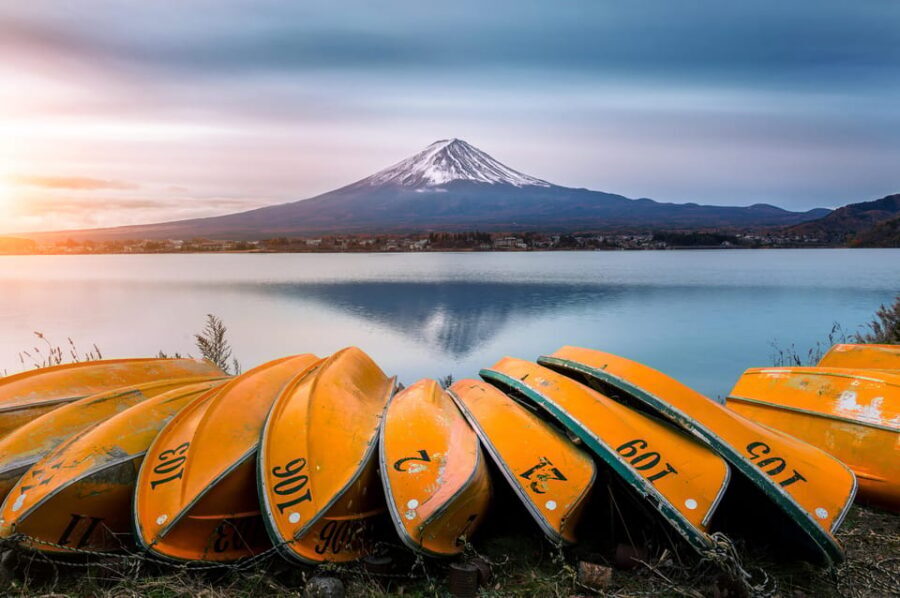
Then you’ll head to Lake Kawaguchi, where you get 1.5 hours. That longer window is key. Short stops are fine for a quick glance, but lakes and shoreline viewpoints need time. Light changes, and the best compositions usually come after you’ve walked a bit.
Here’s what I’d watch for: Fuji visibility. The mountain’s presence can vary even when the weather looks fine. With 1.5 hours, you can adjust your angle, reposition, and still have time left for actual sightseeing rather than rushing.
If you care about photos, this is the point in the day where I’d treat it like your main shoot. Don’t burn all your energy at earlier stops—you’ll thank yourself later.






Oishi Park: flowers and an unobstructed Fuji line
After the lake, you’ll stop at Oishi Park for about 30 minutes. This is timed for quick enjoyment: colorful flower displays with unobstructed views of Mount Fuji.
This stop is compact, but it’s designed for immediate payoff. In a tight day, you need at least one place where the scenery feels instantly “right” for photos. Oishi Park fills that role.
The main consideration is simple: 30 minutes goes fast. If the area is crowded, keep your expectations practical. Get your best Fuji shot, then step back and enjoy the moment without trying to photograph every angle.
Saiko Iyashi-no-Sato Nenba: a reconstructed village pause
You then visit Saiko Iyashi-no-Sato Nenba for about 45 minutes. This is a reconstructed traditional Japanese village, giving you a time-travel feel without needing a full multi-day itinerary.
I like this stop because it balances the day. Earlier you get water, flowers, and views. Here you get a sense of place—built to help you picture how people lived in the region. Even with the limited time, 45 minutes is enough to walk around, take a few photos, and get the idea.
Practical tip: if you’re serious about photos, prioritize viewpoints first, then use the rest of your time for slower walking and details. Don’t let souvenirs or side paths steal your Fuji window later.
Mt. Fuji 5th Station: the highest vehicle-accessible views
The highlight is Mt. Fuji 5th Station, with about 45 minutes for exploring, taking photos, and free time at the highest point accessible by vehicle.
This is the “big altitude” moment of the day. Even if you’re not hiking, reaching the 5th Station gives you a different feel than the lakeside viewpoints. The panoramic views are the main event, and the free time matters because it lets you adjust to what you’re seeing in the moment—whether it’s clear views, atmospheric haze, or partial visibility.
What I’d do with your 45 minutes:
- Take photos early in your visit, while you’re fresh.
- Then slow down for a panoramic look.
- Keep an eye on timing so you’re ready for the ride onward to Hakone.
If you want one “wow” payoff that feels distinct from the rest of the tour, this is it.
Hakone time: using the 3-hour window wisely
After the Fuji highlight, you’ll have about 3 hours to visit Hakone. The driver handles the flow, and this portion is your flexible buffer—enough time to do some sightseeing without turning the whole day into a marathon.
Because the details of what you focus on aren’t spelled out here, the best way to use Hakone time is to tell the driver what you want most before you arrive. If you like quiet scenery, choose areas that let you breathe. If you want photos, ask for the most scenic photo points and get them done early.
The biggest practical issue in Hakone is also the most common travel problem: weather and visibility. If conditions are changing, you want to use your time where the views are most reliable.
The driver experience: helpful, punctual, and tuned for photos
This tour stands out in one specific way: the driver actively helps you notice what matters. The style of guidance is practical—pointing out important sceneries, suggesting good photo moments along the way, and keeping things moving on schedule.
I also like that the driver is punctual and adjusts to your constraints. In past tours, that’s the difference between a tour that feels like a checklist and one that feels like a day with support. Here, you’re also traveling with an English-speaking driver (and the driver can speak Hindi too), which helps if you need quick clarification about timing, meeting points, or what’s coming next.
One small but helpful detail: the driver contacts you 10–20 minutes before arrival. That reduces the stress of waiting on pickup day.
Comfort and convenience: what’s included (and what’s not)
You’re paying for a full private transportation package: a private vehicle for the whole day, with all tolls, parking fees, and fuel costs covered, plus complimentary bottled water.
You also get a personalized itinerary with flexible scheduling and free time at each stop so you aren’t being rushed from one photo spot to the next like a human conveyor belt.
What’s not included is also important:
- Meals and snacks are on you.
- Optional attraction entrance fees aren’t covered.
- Souvenirs are, of course, your choice.
For a day this packed, it’s smart to plan snacks/water timing around the stops. Even with bottled water included, you don’t want to be hungry during the later Fuji moments.
Price and value: $346 per group up to 6
The price is $346 per group (up to 6 people). That’s where the value comes from. The tour isn’t priced per person in a way that punishes small groups. If you fill most of the seats, your cost per person drops fast.
What you’re really buying is:
- Private, door-to-door transport for the day
- An English/Hindi-speaking driver
- Built-in breaks for photography and sightseeing
- Several major Fuji/Hakone highlights in one run
- Covered logistics (tolls, fuel, parking) that usually add up on your own
Is it expensive if you’re traveling solo? It can be. But if you’re a small group—or you can split the cost with friends—this is the kind of day trip where private transport becomes worth it quickly.
Who this tour fits best (and who should skip it)
This is a strong fit if you:
- Want multiple Mount Fuji photo chances in one day
- Prefer private transport over shared group schedules
- Need help with pacing and navigation through a busy scenic region
- Care about getting time at the 5th Station without booking separate tickets or transfers
It may not fit if you’re:
- Older or need very low walking tolerance (the tour notes it isn’t suitable for people over 95 years)
- Looking for a slow, unhurried day with lots of downtime
- Traveling with expectations of lots of detailed instruction at each site (this tour provides practical guidance, but the structure centers on scenic breaks and driving time)
Should you book the Mount Fuji and Hakone private driver tour?
Yes, if you want a practical way to see the “greatest hits” of Fuji scenery without spending your whole day on trains. This itinerary’s strength is the balance: iconic viewpoints, calm water scenery, flower/park breaks, a traditional reconstructed village, and then the big altitude moment at the Mt. Fuji 5th Station, followed by Hakone time.
I’d say skip it if you want a relaxed vacation day where you can linger for hours at a single place. This is built for motion and photo windows, not long stays.
If you book, I’d go in with one clear strategy: treat the lake and 5th Station as your main photo goals, and use the earlier stops to set your angles and get Fuji even if conditions shift. With private transport and a driver who helps you find the best moments, you’re set up to make that strategy work.
FAQ
How long is the Mount Fuji and Hakone tour?
It lasts about 10 hours.
What is the price for this tour?
It costs $346 per group, up to 6 people.
Where can I be picked up?
Pickup options include Kamakura, Tokyo, or Hakone. If you’re in Tokyo, hotel pickup is available from 23 locations.
What languages does the driver speak?
The driver speaks English and Hindi.
What does the tour include?
A private vehicle for the whole day, an English-speaking driver, hotel pickup and drop-off from the listed areas, all tolls/parking/fuel, and complimentary bottled water.
Are meals included?
No. Meals and snacks are not included.
Are entrance fees included?
Optional attraction entrance fees are not covered.
What time do you spend at key stops?
You’ll have time at the main viewpoints and villages, including about 45 minutes at Arakura Fuji Sengen Shrine and the Mt. Fuji 5th Station, 30 minutes at Oshino Hakkai, 1.5 hours at Lake Kawaguchi, about 30 minutes at Oishi Park, and about 45 minutes at Saiko Iyashi-no-Sato Nenba. Hakone has about 3 hours.
What’s the cancellation and payment flexibility?
You can cancel up to 24 hours in advance for a full refund, and you can reserve now and pay later.