REVIEW · OSAKA
Nara, Todaiji Temple & Kuroshio Market Day BUS Tour from Osaka
Book on Viator →Operated by S.A. Tour · Bookable on Viator
Three stops. One long day.
This Nara and Wakayama combo tour connects Wakayama Castle, Kuroshio Market, and the Todaiji Temple area with a guide in an A/C vehicle, plus a convenient mobile ticket.
Two things I really like here are the mix of hands-on food culture and big-ticket temple sights, and the way a good guide can turn it into an easy story instead of a list. I’ve seen guides like Chan bring humor and clear explanations, and guides like Poey or Alan do the same with strong, friendly energy. My one main caution is the timing: you may spend a lot of the day on the road, and the stop pacing can feel rushed or uneven on some days.
In This Review
- Key highlights to know before you go
- The 8:30 departure and why the day can feel long
- Wakayama Castle: classic grounds, extra ticket, and a day-of check
- Kuroshio Market: tuna show energy and why cash helps
- Nara sika deer and Todaiji: the biggest wow factor (plus extra fees)
- Price vs. value: what you pay, what you still need, and what you get
- Group size, comfort, and the vehicle reality
- Who this tour fits best (and who should skip it)
- Should you book this Nara, Todaiji & Kuroshio Market Day Tour?
- FAQ
- How long is the Nara, Todaiji Temple & Kuroshio Market Day bus tour from Osaka?
- What time does the tour start and where do you meet?
- What’s included in the tour price?
- Are admission tickets included for Wakayama Castle and Todaiji?
- How much time is spent at Kuroshio Market?
- How large is the group?
- What are your cancellation options?
Key highlights to know before you go
- Wakayama Castle stop gives you a classic Japanese castle setting, with admission extra
- Kuroshio Market includes a tuna-related show experience plus a seafood focus
- Nara sika deer time is built in, so you can feed and photograph them
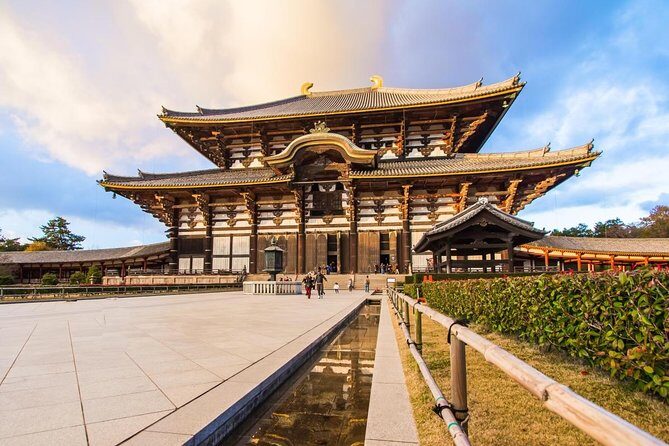
- Todaiji Temple is the real anchor stop, and the paid halls are worth planning for
- Guide quality matters because some days run more informative than others
The 8:30 departure and why the day can feel long
The tour starts at 8:30am in Osaka (2 Chome-2 Umeda, Kita Ward) and ends back at the same meeting point. The total day is about 10 hours, but the practical reality is that a big chunk of that is transit.
This is ideal if you hate the stress of transfers and want someone else to handle routes. It’s less ideal if you’re the type who wants a slow, deep pace at each place. One recurring frustration is that some days can feel like more time spent on the bus than at the stops, so mentally budget for travel even if the sightseeing on paper looks balanced.
The good news: the vehicle is air-conditioned, and the tour caps out at 45 people. With that size, you can still move around at stops, but it won’t feel like a private outing.
You can also read our reviews of more shopping tours in Osaka


Wakayama Castle: classic grounds, extra ticket, and a day-of check
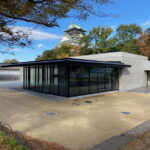
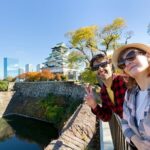
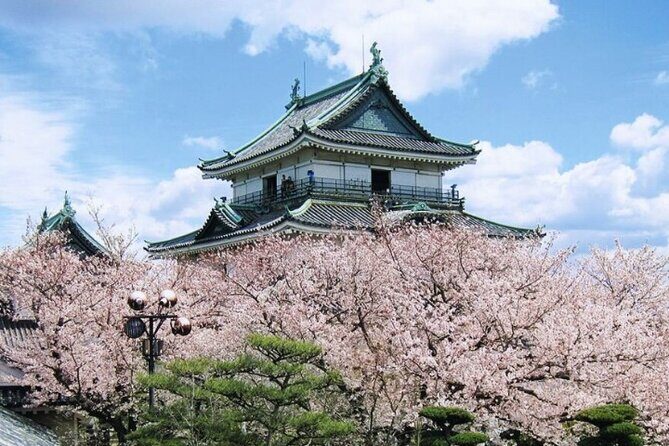
Wakayama Castle is the first stop, and it’s listed as 1 hour 20 minutes on site, with admission not included. Adult admission is JPY 410 (child JPY 200), so you’ll want yen ready even for basic entry fees.
The castle itself traces back to construction in 1585 under Toyotomi Hideyoshi, with later fortifications and expansion connected to Tokugawa Hidetada. In other words, even if you don’t chase every detail, it’s a proper “this is Japan’s castle era” setting.
Here’s the practical consideration: there has been at least one experience where the castle was closed without visitors being well informed ahead of time. I can’t predict that for your date, but I do suggest you do a quick day-of sanity check on operating status (or ask your guide early). If it’s open, you’ll likely be glad for the chance to step into the castle grounds; if it’s not, your time gets squeezed fast because you’re already in a fixed-day schedule.
If you love castles, try to use that time for the key photo angles and the main grounds view, not for a museum sprint. With a guided day like this, the priority is usually “see the place, get the story,” not “read every plaque.”
Kuroshio Market: tuna show energy and why cash helps
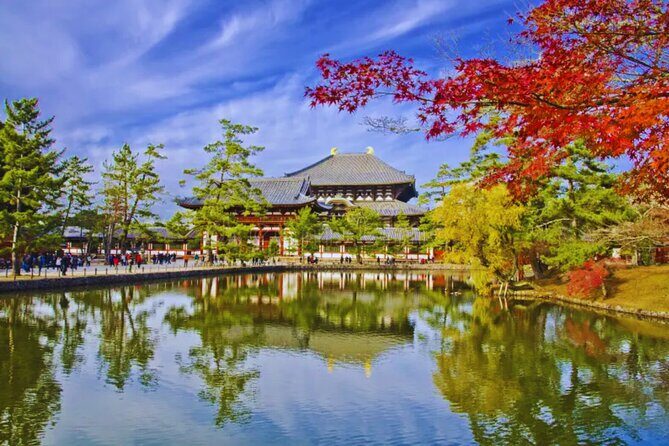
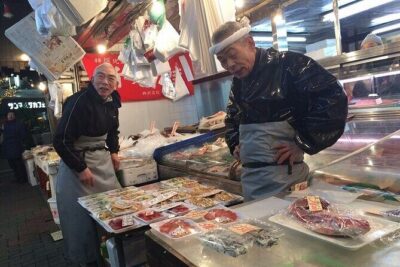
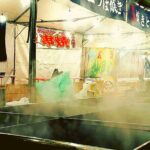
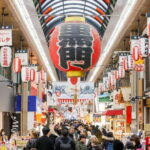
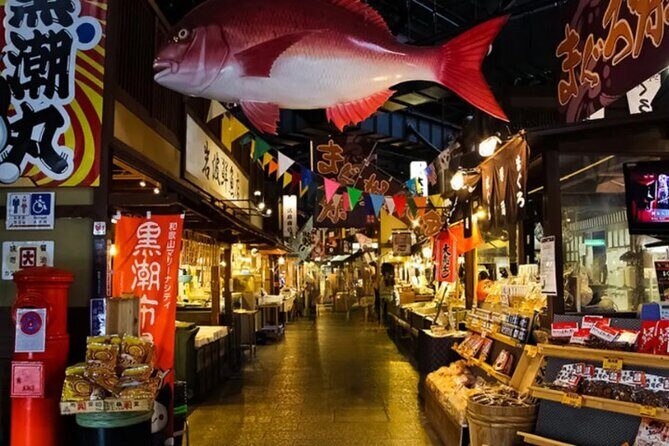
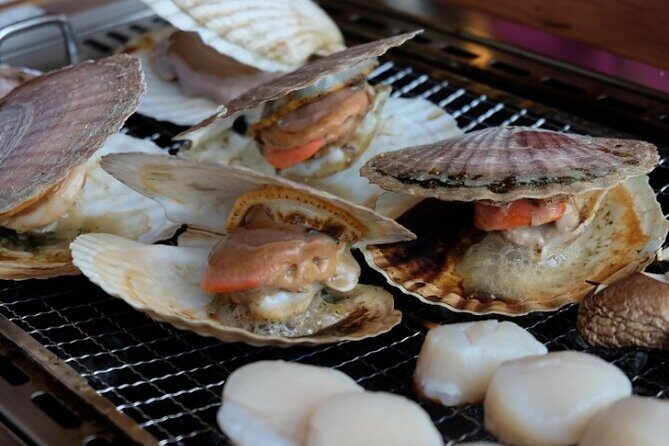
Kuroshio Market is next, and you get about 2 hours there. Admission is free, but the experience is food-centered: fresh seafood, market atmosphere, and a tuna filleting/dismantling demonstration that turns the whole visit into something more than just browsing stalls.
This stop is valuable because it adds a different kind of Japan than temples: quick, sensory, and rooted in daily work. You’re in Wakayama’s seafood orbit, so if you like eating while you travel (or even just watching the process), this is the kind of place where the guide’s timing and small explanations matter.
Two things to plan for:
- Bring cash (yen). Some vendors only take cash, and even temple-related fees in the rest of the day have been described as cash-only experiences.
- Decide your spending style early. Two hours sounds like a lot until you factor in walking, demo time, and deciding what to actually buy and eat.
One tradeoff: a few people felt the market portion swallowed more time than it should have, leaving less breathing room for Nara. That’s not a guarantee for your day, but it does mean you should treat the market as a “hit the highlights” stop. If you want to linger over every stall, you might feel the squeeze later at Todaiji and the deer area.
A good strategy is to arrive with a simple plan: watch the tuna show, then pick one or two seafood bites you really want. After that, you can enjoy the atmosphere without turning it into a stress-fueled shopping marathon.
Nara sika deer and Todaiji: the biggest wow factor (plus extra fees)
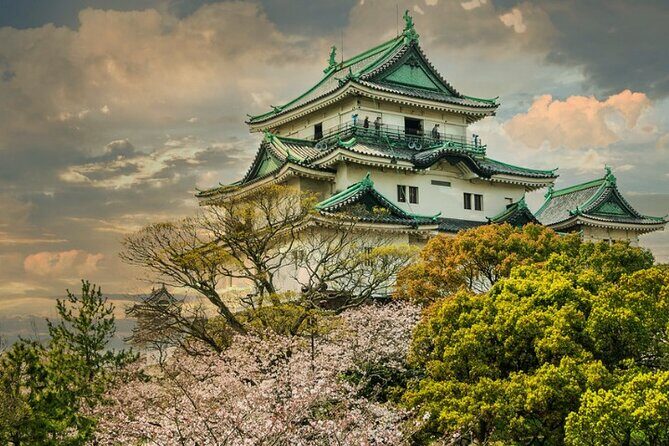
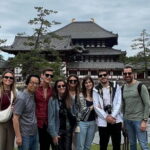
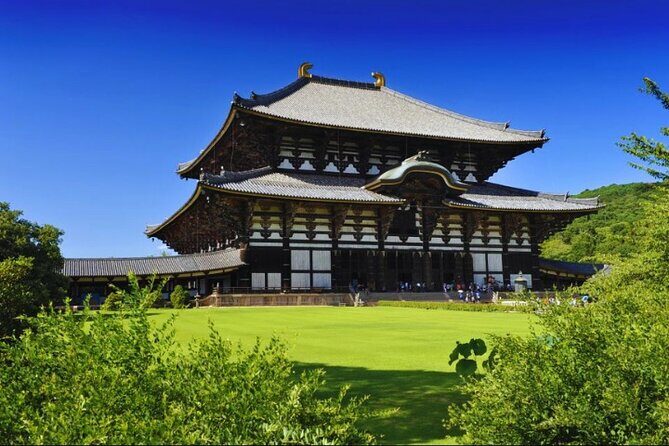
Todaiji is the anchor for most people, and it’s also the most meaningful site on the schedule. It’s Japan’s largest wooden building and a World Cultural Heritage site, and you’re given about 2 hours in the area.
Even though the general stop entry is listed as free, several of the key inner spaces carry extra fees. Plan for JPY 600 per person for the Great Buddha Hall, Hokke-do, Kaidan-do, Senju-do, and the Todai-ji Museum. In plain terms: you’ll probably want to pay at least the main hall fee if you came for the famous Buddha space.
That fee detail changes the value math. The tour price looks good partly because it doesn’t include these major temple charges. So budget a little extra upfront, and don’t let it surprise you on the day.
Now, the other big part of Nara here is the sika deer time. The tour includes the chance to interact with them, take photos, and feed them. That’s the fun, silly contrast to the heavy temple atmosphere. It also tends to take longer than you think, because once you get close, it’s hard not to stop for photos and watch how the deer behave.
How to make this portion work:
- Treat deer feeding and photo time as its own block, not a “quick stop” between activities.
- Leave room in your schedule for the temple interior fee areas. If you rush the paid sections, you miss the point.
Some people also felt the end of the day got rushed, so if you care most about the temple halls, keep moving at a steady pace and don’t get stuck waiting too long for a single perfect photo.
Price vs. value: what you pay, what you still need, and what you get
The tour price is $99.04 per person for a roughly 10-hour day trip. That includes an A/C vehicle and a professional English/Chinese-speaking guide, plus a mobile ticket for convenience.
The admissions you should expect to pay separately are:
- Wakayama Castle: JPY 410 adult (JPY 200 child)
- Todaiji paid halls and museum areas: JPY 600 per person
On paper, the attraction fees don’t look huge compared to the tour cost. The real value question is whether you feel the guide and organization are helping you spend time wisely.
When the guiding is strong, the day feels efficient: you get useful context fast, you know what’s worth prioritizing at each stop, and you’re not guessing your way through crowds. Guides like Chan and Poey were specifically described as funny, helpful, and professional, and that kind of guide presence makes a difference on a schedule-driven tour.
When the guiding is weak, the tour can feel like a bus ride with drop-offs. One complaint described a guide who mostly directed people with limited assistance at Nara, and another said English commentary was hard to follow. Since you’re paying for a guided experience, that’s the one variable you can’t fully control.
Also note: no lunch is included. If you’re not the type who snacks lightly, you’ll need to budget for food on your own. And because some places in Japan can be cash-friendly even when cards exist, carrying yen helps keep you flexible.
Overall, I think the price can be a good deal if you want three major experiences in one day and you’re okay with a less-than-lazy pace. It’s less of a bargain if you’re mainly temple-focused and hate spending time shopping at a market.
A few more Osaka tours and experiences worth a look

Group size, comfort, and the vehicle reality
The tour max is 45 travelers, with a minimum of 8 for it to run. That gives you a decent chance it will depart, but group size still affects how much individual attention you get at each stop.
On comfort, there’s a mixed signal from feedback. One person mentioned the vehicle interior wasn’t very clean and that the back row wasn’t comfortable for adults on a long ride. Another said the driver was kind, even while criticizing the vehicle condition.
If you’re sensitive to long-bus comfort, pick your seat when you board if the tour setup allows it. Generally, the last rows can feel cramped on long days, so aim for a spot that gives you more legroom and easier access.
If you’re traveling with kids or you just hate the road, it’s worth going in with eyes open. This is still a day trip—high sightseeing, high transfer time.
Who this tour fits best (and who should skip it)

This tour fits best if you want a guided day trip from Osaka that checks off the big name sights: Todaiji Temple, Nara sika deer, plus Wakayama’s castle setting and a seafood-market experience. It’s also a good fit if your Japanese is limited and you’d rather rely on a guide’s explanation than figure everything out yourself.
You might skip it if:
- You’re sensitive to bus time and want a slower pace.
- You’re mainly interested in deep, quiet temple study. This schedule can feel too tight for that.
- You dislike market-style “browse and buy” stops and prefer a pure sightseeing route.
If you’re visiting Osaka for the first time and want a single day that hits history, food culture, and animal photo ops, this one can work nicely—just don’t expect a leisurely itinerary.
Should you book this Nara, Todaiji & Kuroshio Market Day Tour?
I’d book it if you’re the type who wants three core experiences in one day and you like being guided through the highlights. Plan on extra fees for Todaiji’s main hall areas and carry cash, and you’ll be set up for a smoother day.
I’d hesitate if you’re very picky about timing, because some people felt the bus time and stop pacing didn’t match expectations, and the castle stop can be vulnerable to closures. If you still book, do yourself a favor: go in prioritizing the temple and deer moment first, and treat the market as a fun add-on rather than the main event.
FAQ
How long is the Nara, Todaiji Temple & Kuroshio Market Day bus tour from Osaka?
It runs for about 10 hours.
What time does the tour start and where do you meet?
The start time is 8:30am, and the meeting point is 2 Chome-2 Umeda, Kita Ward, Osaka, 530-0001, Japan.
What’s included in the tour price?
The price includes an air-conditioned vehicle and a professional English/Chinese-speaking guide.
Are admission tickets included for Wakayama Castle and Todaiji?
No. Wakayama Castle admission is extra (JPY 410 adult / JPY 200 child), and Todaiji paid areas including the Great Buddha Hall and related buildings/museum are JPY 600 per person.
How much time is spent at Kuroshio Market?
You get 2 hours at Kuroshio Market.
How large is the group?
The tour has a maximum of 45 travelers.
What are your cancellation options?
You can cancel for a full refund if you cancel up to 24 hours in advance of the experience start time.