REVIEW · TOKYO
【NEW】Shibuya Tea Ceremony Tokyo-Chaan
Book on GetYourGuide →Operated by The Osaka&Tokyo · Bookable on GetYourGuide
Tea ceremonies can feel serious. This one keeps it clear, calm, and hands-on. You’ll get a proper matcha lesson in a quiet tatami room, then taste what you make with seasonal sweets.
What I like most is the English guidance from Japanese instructors with 10+ years of experience, plus the chance to do the whisking yourself with traditional tools. If your class includes teachers like Sakura sensei or Kini, you’ll hear both the cultural background and the practical steps in a way that clicks fast.
The main thing to consider is the age rule: kids under 4 can’t participate, and for kids 4 and up everyone needs a ticket, or entry can be refused.
In This Review
- Key highlights worth planning for
- Matcha, manners, and kimono guidance in Shibuya
- Getting to the start point: Manji Building in Dogenzaka
- Welcome and the meaning of tea ceremony before you touch tools
- The Otemae demonstration: watching the steps and etiquette come alive
- Hands-on matcha making with traditional utensils
- Tasting with seasonal sweets that fit the matcha
- What you’re paying for: $18 value in real instruction
- Who should book this tea ceremony (and who might skip it)
- Should you book Shibuya Tea Ceremony Tokyo-Chaan?
- FAQ
- FAQ
- Is the tea ceremony in English?
- How much does Shibuya Tea Ceremony Tokyo-Chaan cost?
- What’s included in the experience?
- Do I make matcha myself, or is it only a demonstration?
- Are there age restrictions?
- Where does the class start?
- Can I pay later?
- What’s the cancellation window?
Key highlights worth planning for

- English-first teaching so you can follow each step without guessing
- Otemae demonstration showing tool use and tea-serving etiquette
- Hands-on matcha whisking with authentic utensils
- Freshly ground matcha that you make yourself to control the result
- Seasonal Japanese sweets paired alongside your tasting
- Traditional setting on tatami for a genuinely quiet break in Shibuya
Matcha, manners, and kimono guidance in Shibuya

This is the kind of tea ceremony that works for real life: you’re learning the culture, but you’re also doing the work. The experience is built around a classic flow—welcome, observation, then hands-on practice—so you won’t just watch matcha happen. You’ll make it.
I’m especially drawn to the instructor setup. The teachers are Japanese, they wear traditional kimono, and they speak English fluently. The description also emphasizes that each instructor has over 10 years of tea ceremony experience, so you’re not getting a watered-down demo meant to explain things in a rush. The goal feels practical: help you understand what’s happening, then help you reproduce it.
There’s also a nice rhythm to the pacing. You start with context, then watch the Otemae demonstration, then switch into hands-on mode. That matters because matcha isn’t only about taste—it’s about technique. When you try it yourself, the small details start to make sense fast.
You can also read our reviews of more tours and experiences in Tokyo.



Getting to the start point: Manji Building in Dogenzaka

Your class meets at the 2nd Floor of the Manji Building, 1-15-9 Dogenzaka, Shibuya-ku, Tokyo. If you’re building the day around this, treat it like a small appointment rather than a vague activity. Shibuya is busy, and the ceremony room is not.
A practical tip: plan to arrive with a little buffer so you can settle before instructions begin. Tea ceremonies run on quiet attention. If you’re rushing in, it’s harder to focus on what the instructor is showing—especially during the tool demonstration.
Since the experience ends back at the meeting point, it’s also easy to weave into a Shibuya day. You can do shopping or sightseeing around it, but give the ceremony itself the calmer slot it deserves.
Welcome and the meaning of tea ceremony before you touch tools

Before you whisk anything, you’ll be welcomed into a traditional Japanese room. This is where the tone gets set. The instructor explains the meaning and history of the tea ceremony, and you’ll also receive the basic etiquette you’ll need later.
Why this part matters: matcha making can look like a handful of steps, but the ceremony is a system. When you understand what the steps represent—attention, manners, and the idea of serving with care—you’re more likely to enjoy the activity instead of treating it like a cooking class you’re rushing through.
This isn’t just lecture time. The welcome sets you up to understand what you’re about to watch in the demonstration. It also gives you the etiquette cues so you’re not scrambling mid-ceremony.
The Otemae demonstration: watching the steps and etiquette come alive
Next comes the live Otemae demonstration, where the instructor shows how the tea tools are used and explains the basic manners of tea serving. This is where you learn what the ceremony feels like in motion.
Pay attention to two things during the demo:
- Tool handling and sequence – You’re watching how each utensil is used, not just what the final drink looks like.
- How etiquette shows up in the movements – You’ll be doing this later, so the demo gives you a mental map.
If you like learning by watching first (most people do), this structure helps. You’re not expected to instantly perform. You see the full flow, then you try it.
And because the instructor speaks English fluently, you can connect the movements to the explanation instead of relying only on visual imitation.
Hands-on matcha making with traditional utensils

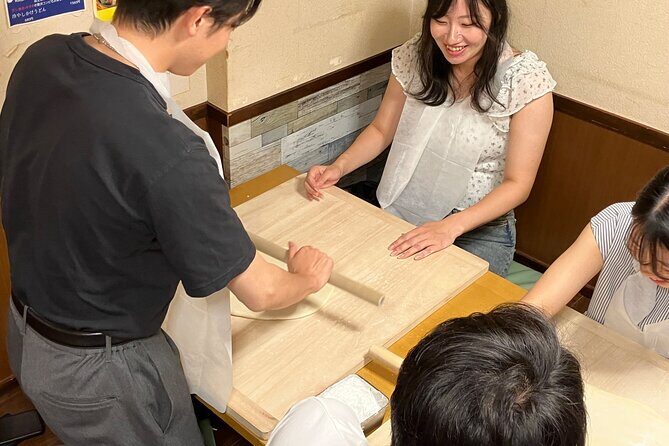
Now the fun part: your turn to make matcha. You use traditional utensils to prepare your own bowl, using freshly ground matcha powder.
I like that the experience doesn’t stop at tasting. Being hands-on changes everything. When you whisk, stir, and prepare the bowl yourself, you start to notice what affects texture and flavor. Even if you don’t make it perfectly on the first try, you’ll understand the process well enough to appreciate the difference between good matcha and matcha that was made in a hurry.
The experience description is also clear that you’ll prepare the tea using authentic tools. That matters for accuracy. If you were using shortcuts or modern substitutes, you’d learn a version of the routine. Here, you’re closer to the traditional approach.
For the best outcome, go at the pace the instructor sets. Tea ceremony skill is mostly about control and attention. If you get tense, you’ll feel it in the bowl.






Tasting with seasonal sweets that fit the matcha

Once your matcha is ready, you taste it. The experience includes seasonal Japanese confections that go well with matcha, served in a calm and authentic setting.
This is more than a snack break. The pairing helps your palate understand what matcha is doing. Matcha tends to have a distinct grassy sweetness and a slight bitterness; sweets balance that. When you taste them together right after making your own tea, the whole experience clicks.
Also, the setting matters. You’re in a peaceful tatami room, not a fast-paced café. That quiet makes the tasting feel intentional. You’re not rushing to take a photo and move on.
In other words, you get the satisfaction of craft plus the comfort of dessert—without needing to be a matcha expert.
What you’re paying for: $18 value in real instruction

At $18 per person, you’re not just paying for a drink. You’re paying for:
- Instructor time with English guidance
- A live Otemae demonstration
- Hands-on matcha making with authentic utensils
- Matcha powder included
- Confections included
So is it worth it? For me, the value comes down to how rare this format is. Matcha tastings exist everywhere, but a structured ceremony with explanation, etiquette, and tool-based practice is harder to come by without committing to a longer or more expensive class.
Also, you’re getting a break from Shibuya’s noise. That quiet tatami room experience is part of the package. Even if you’re not sure you’ll become a tea nerd, you’ll come away with a new appreciation for the ritual and a skill you can repeat.
The main trade-off is that this is a lesson, not a long meal experience. You’ll leave with the satisfaction of understanding and making matcha, but you shouldn’t expect it to replace a dinner plan.
Who should book this tea ceremony (and who might skip it)

This is a great fit if you:
- Want a calm cultural activity in English with real instruction
- Like learning by doing, not just watching
- Enjoy traditional settings and structured etiquette lessons
- Are curious about matcha beyond ordering it in a shop
It may not be for you if:
- You’re traveling with someone who needs lots of entertainment or constant action (tea ceremony is intentionally slow and quiet)
- Your group includes children under 4, since the experience isn’t suitable for them
- You want a purely casual, no-explanation snack stop—this class is built around learning
One more practical note from the rules: if you’re traveling with kids 4 and up, each child needs their own ticket. Entry can be refused if a child under 4 is present with an adult ticket. If you’re bringing family, double-check tickets so the experience stays smooth.
Should you book Shibuya Tea Ceremony Tokyo-Chaan?

Yes, if you want a genuine introduction to tea ceremony that doesn’t require prior knowledge. The combination of English-speaking instructors, kimono-clad hosts, a clear Otemae demonstration, and hands-on matcha making is exactly the kind of cultural activity that feels worth your time.
I’d book it especially if Shibuya is your home base and you want a calm, structured pause during a busy day. It’s the sort of experience where you’ll leave knowing more than you started: how matcha is made, how etiquette works, and how the pairing with seasonal sweets changes what you taste.
FAQ
FAQ
Is the tea ceremony in English?
Yes. The activity is guided in English, with instructors who speak English fluently.
How much does Shibuya Tea Ceremony Tokyo-Chaan cost?
The price is $18 per person.
What’s included in the experience?
You get the entrance fee, matcha (powdered green tea), and confections.
Do I make matcha myself, or is it only a demonstration?
You’ll do both. You’ll watch an Otemae demonstration and then make your own matcha using traditional utensils before tasting it.
Are there age restrictions?
Yes. Children under 4 cannot participate. If you are traveling with a child aged 4 or above, they need their own ticket.
Where does the class start?
The meeting point is the 2nd Floor, Manji Building, 1-15-9 Dogenzaka, Shibuya-ku, Tokyo 150-0043, Japan.
Can I pay later?
Yes. The listing notes Reserve & Pay Later, so you can book a spot and pay nothing today.
What’s the cancellation window?
You can cancel up to 24 hours in advance for a full refund.