REVIEW · OSAKA
Osaka Food Walking Tour with Market Visit
Book on Viator →Operated by ALL STAR OSAKA WALK · Bookable on Viator
Food has a schedule in Osaka.
This half-day Osaka food walking tour pairs a visit to Osaka-Kizu Wholesale Market with a Shinsekai lunch, so you get the city’s seafood-and-comfort-food story in just a few hours. I like that the guide keeps things practical, with tastings and real local stops that help you understand what you’re eating and where it fits in.
Two big standouts: the chance to try fresh sashimi at the market and the classic Osaka comfort foods you’ll eat in Shinsekai. The one thing to keep in mind is that you’ll still pay a little for subway/public transport (¥410 per person) along the way, and the tour runs on foot for most of the morning.
In This Review
- Key things you’ll notice
- Kizu Wholesale Market: where Osaka’s seafood appetite begins
- What you might like most
- One practical consideration
- The Shinsekai transition: tea, knives, and local rhythm
- Why these add-ons are worth it
- Shinsekai lunch: Osaka comfort food in real portions
- The best strategy before lunch
- Ebisu Bridge and Dotombori: ending where the city never stops
- Price and what you actually get for $130.64
- When the price feels especially fair
- Group size, timing, and how to plan your morning
- Who this Osaka food walk is best for
- Should you book this Osaka Food Walking Tour with Market Visit?
- FAQ
- How long is the Osaka Food Walking Tour with Market Visit?
- What does the tour cost?
- Where does the tour start and end?
- What time does the tour begin?
- What’s included in the price?
- Is public transportation included?
- Are alcoholic beverages included?
- How large is the group?
- Is the tour private?
- What is the minimum age for participants?
Key things you’ll notice
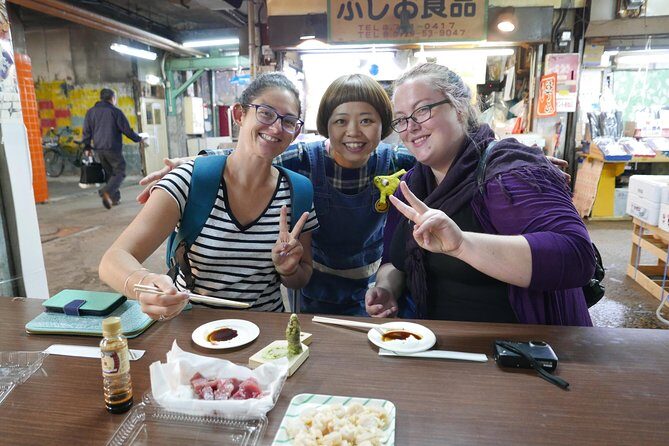
- Fresh seafood tastings at Osaka-Kizu: you’ll sample items right where fish and produce move fast.
- Small-group max six people: easier questions, more chatting, and less rushing at each stop.
- Shinsekai lunch focused on Osaka flavors: you’re not just snacking; you’re eating a proper meal.
- Tea comparison stop: you’ll visit a tea shop where you can compare Japanese tea types.
- Kitchen knife shop visit: a quirky add-on that fits Osaka’s food culture.
- Easy finish near Dotonbori: the tour ends at Ebisu Bridge so you can keep exploring.
Kizu Wholesale Market: where Osaka’s seafood appetite begins
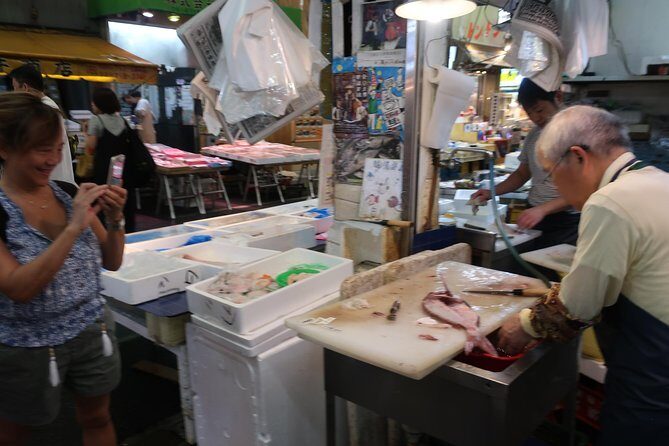
Your day starts at Daikokucho Station (meeting point near 3-chōme-11-10 Shikitsuhigashi, Naniwa Ward). The tour runs from 9:00am and the first major stop is Osaka-Kizu Wholesale Market. You’ll be with a small group, and that matters here—wholesale markets move at human speed if you’re not stuck behind a big herd.
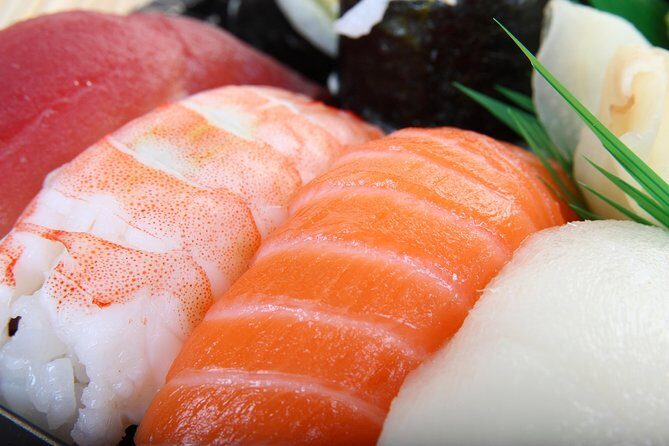
At the market, you’re there for more than photos. The tour is built around tasting—fresh sashimi, seafood, and seasonal Japanese fruit—while a local guide helps you make sense of what you’re seeing. One review highlighted that the guide, Ichiro-san, was patient and careful with the group, and explained the areas with history and useful facts. That kind of guiding turns a noisy market into something you can actually navigate.
A smart way to approach this part: come hungry, but don’t expect every bite to be enormous. The point is variety. You’ll likely pick up the “why” behind Osaka’s food reputation here—seafood quality is the headline, and then fruit supports the freshness theme.
You can also read our reviews of more walking tours in Osaka
What you might like most
The market’s energy comes from its purpose: it’s a place for buying and selling, not performing. That gives your tastings a real backbone. And because you’re also getting street-food-style options where locals eat (not just a sit-down plate), you get a better sense of daily Osaka life.
One practical consideration
If you have a sensitive stomach, keep it in mind. Markets mean lots of smells and changing sights. The tour does include food samples and snacks, but the environment is still “live,” so go slow and hydrate if you need to.
The Shinsekai transition: tea, knives, and local rhythm
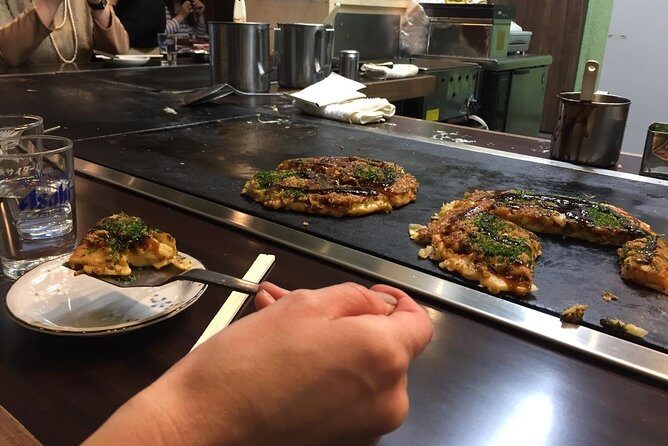
After the market, you head toward Shinsekai, another area known for food culture and recognizable Osaka personality. The tour includes about one hour in Shinsekai, and it’s structured so you’re not only eating—you’re learning how locals shop and choose.
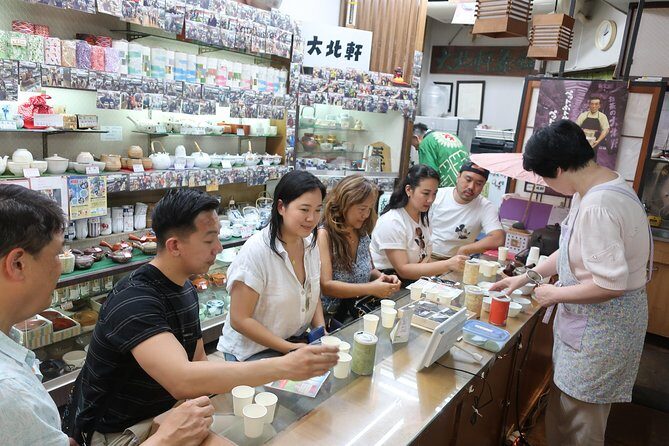
A nice detail here is the guided stop at a tea shop where you can compare different types of Japanese tea. That’s not a random souvenir stop. In Osaka (and Japan generally), tea often anchors the meal experience—light flavors can cut through rich foods, and tasting differences teaches your palate more than a lecture does.
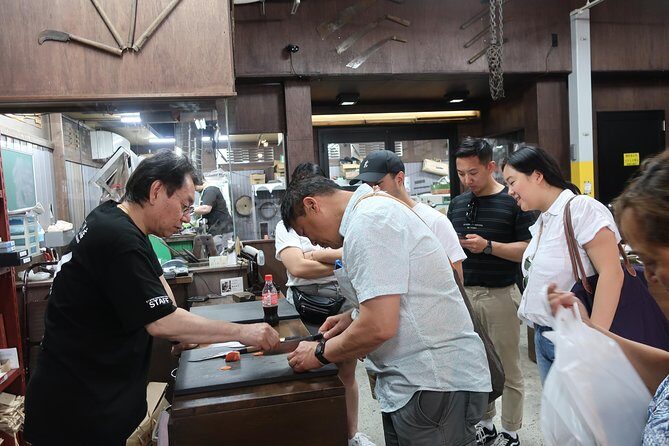
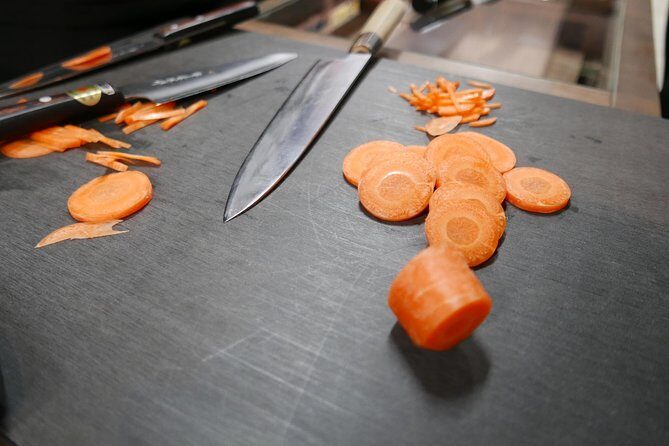
Then there’s the kitchen knife shop stop. The tour info notes the shop holds excellent work, and it fits the food theme perfectly. In a city where cooking skill is taken seriously, seeing the tools behind preparation adds context to why the seafood and dishes you tried in the morning matter.
Why these add-ons are worth it
Tea and knives might sound like side quests, but they connect to the main story: Osaka food isn’t just about what’s on your tray. It’s also about how it’s selected and prepared. These stops help you notice quality signals beyond taste alone—texture, aroma, and craftsmanship.
You can also read our reviews of more food & drink experiences in Osaka

Shinsekai lunch: Osaka comfort food in real portions
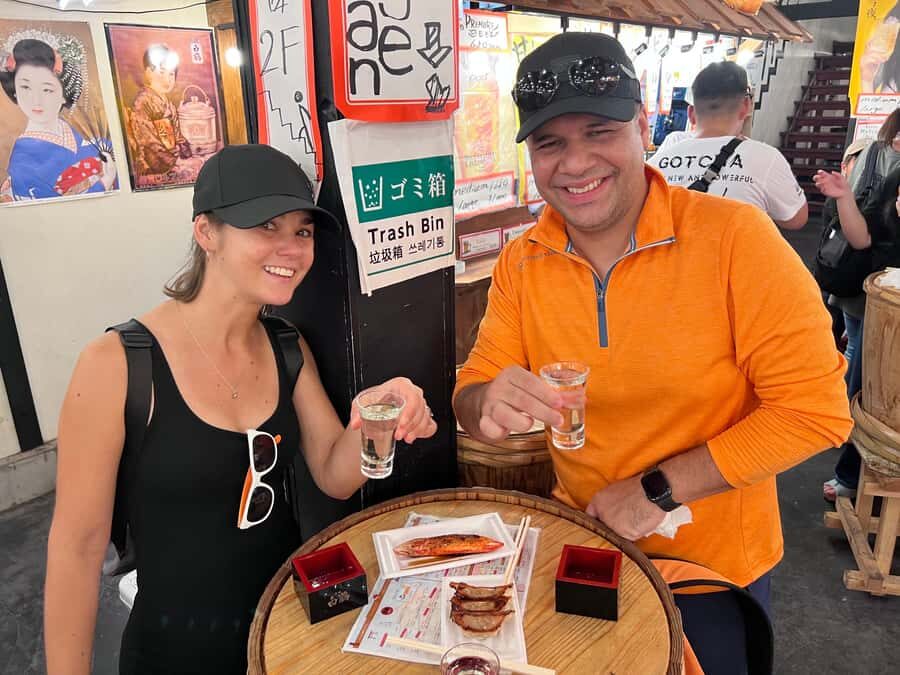
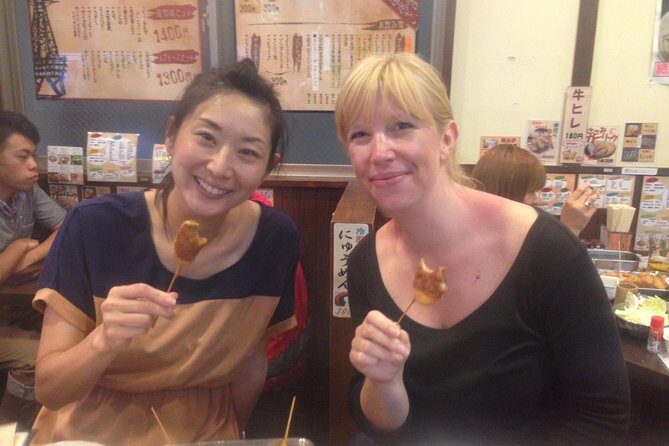
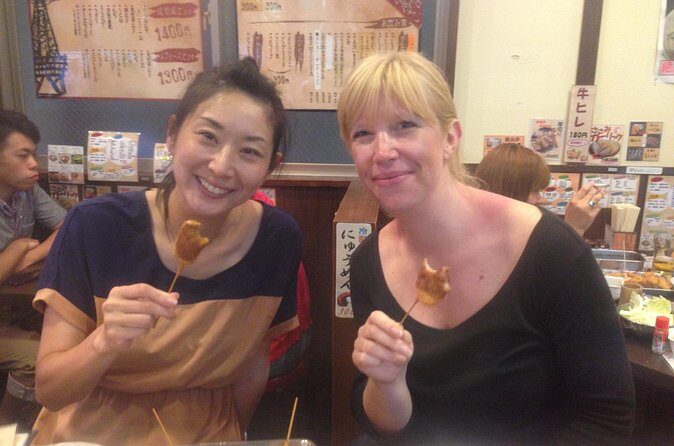
Lunch is the core payoff of the Shinsekai portion. The tour is built around Osaka comfort food, and one specific dish mentioned is okonomiyaki cabbage pancakes. If you’ve never had okonomiyaki in Osaka, this is a good entry point because you’ll be eating in a context that locals treat as normal.
You’ll also get food samples for lunch (and additional snacks are included in the tour). That means your meal isn’t just one dish—your schedule is designed so you can taste multiple things without turning the day into a calorie spreadsheet.
One helpful detail from the tour description: the guide will take you to lunch in a Shinsekai restaurant, and the tour emphasizes meals that locals enjoy. That’s exactly what you want when time is tight. Instead of wandering and hoping for a good choice, you’ll eat something that fits the area’s reputation.
The best strategy before lunch
Don’t overdo it at the market. The best Osaka food tours create a flow: market tastings train your senses, then lunch delivers the comfort-food satisfaction. If you keep a steady pace, the lunch feels like the main event, not a consolation prize.
Ebisu Bridge and Dotombori: ending where the city never stops
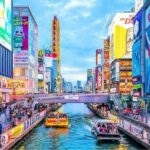
The last part is short—about 10 minutes at Ebisu Bridge, and the tour ends near Dotonbori in Namba. This is a smart finish point. You’re leaving the structured part of the day in the middle of one of Osaka’s most famous food-and-shop streets.
Practical tip: if you’re still hungry (and you probably will be), use your last energy wisely. Scan for places that match what you already tasted: seafood-adjacent bites if you want a repeat theme, or more okonomiyaki and street snacks if you want comfort.
You’ll get the feeling that the tour is a springboard. It doesn’t trap you in a single restaurant or museum zone. It gets you into motion at the exact location where Osaka’s eating culture is easy to continue on your own.
Price and what you actually get for $130.64
At $130.64 per person for roughly 4 hours, this tour isn’t the cheapest food walk, but it’s also not priced like a luxury private driver situation. You’re paying for three real things: guided tastings, lunch, and the time saved from figuring out the best market-and-restaurant combination.
Included in the experience:
- Food samples for lunch
- Lunch
- Snacks
Not included:
- Alcoholic beverages
- Public transportation (listed as ¥410 per person)
- Insurance
So what does that mean for value? You’re covered for the meal portion of your day, which is usually the biggest cost when you’re eating in Japan. The remaining cost is mainly transit and optional drinks. If you plan to skip alcohol (common for this kind of walking tour), the price feels more reasonable because you’re not paying for things you won’t eat.
When the price feels especially fair
- If you want small-group attention (max six) rather than a mass tour.
- If you care about learning what you’re eating, not just collecting bites.
- If you want a market visit without trying to DIY it in a crowd.
Group size, timing, and how to plan your morning
This is built as a small-group experience with a maximum of six people per group. That affects the whole feel of the tour: you can ask questions, you’re less likely to get separated at tastings, and the guide can actually manage pacing at the market.
It starts at 9:00am, and the tour runs around 4 hours total. That timing is ideal if you’re in Osaka for a short trip. You get market energy early, then lunch mid-day, and you still have plenty of afternoon for wandering Namba/Dotonbori.
One logistics note that matters: public transportation isn’t included, and the tour lists ¥410 per person for transit. Plan to budget that small extra cost so you’re not surprised when you’re paying in the moment.
Also, the tour offers a mobile ticket and confirmation is received within 48 hours of booking, subject to availability. And if you’re traveling with kids, the minimum age is 1 year old, with children accompanied by an adult.
Who this Osaka food walk is best for
This tour suits you if you want an Osaka food day that’s structured but not stiff. You’ll like it if you care about seafood quality, want to try sashimi, and want an Osaka comfort-food lunch like okonomiyaki without gambling on where to eat.
It’s also a good fit if you enjoy small-group guidance. The Ichiro-san feedback stands out because it points to careful pacing and clear explanations—exactly what helps at a market, where the sights can otherwise blur into noise.
Where it might not fit as well: if you dislike walking or want lots of free time to roam independently during the tour. This one is designed to follow a plan and hit specific food stops.
Should you book this Osaka Food Walking Tour with Market Visit?
If your goal is an efficient, high-signal introduction to Osaka eating culture, I’d say this is a strong booking. The combination of Osaka-Kizu Wholesale Market tastings, a Shinsekai lunch, plus extra stops like tea comparison and a knife shop gives you more than just food—it gives you context.
Book it if:
- you want fresh seafood sampling in the heart of the city’s market world
- you like the idea of a guide like Ichiro-san guiding you calmly through crowded spaces
- you want to end near Dotonbori so your afternoon keeps rolling
Consider a different option if:
- you’d rather not pay extra for transit
- you prefer a more flexible, stop-anywhere-on-your-own plan
FAQ
How long is the Osaka Food Walking Tour with Market Visit?
The tour is about 4 hours.
What does the tour cost?
It costs $130.64 per person.
Where does the tour start and end?
It starts at Daikokucho Station and ends near Ebisu Bridge in Dotonbori (Namba).
What time does the tour begin?
The start time is 9:00am.
What’s included in the price?
Food samples for lunch, lunch, and snacks are included.
Is public transportation included?
No. Public transportation is listed as ¥410.00 per person.
Are alcoholic beverages included?
No, alcoholic beverages are not included.
How large is the group?
It’s a small-group experience with a maximum of six people per group.
Is the tour private?
It’s described as private, with only your group participating.
What is the minimum age for participants?
The minimum age is 1 year old, and children must be accompanied by an adult.