REVIEW · OSAKA
Osaka: Food Tour Kuromon Market & Dotonbori with Guide
Book on GetYourGuide →Operated by AMIGO TOURS JAPAN GK · Bookable on GetYourGuide
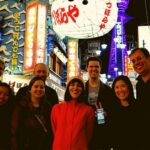
Osaka eats at street level. This guided night tour strings together Kuromon Market snacks, Dotonbori lights, and a proper photo stop at Ebisu Bridge.
I especially love the Kuromon Market start, where you get guided access to stalls you might miss on your own, plus Osaka street-food classics like takoyaki. I also like the built-in payoff in Dotonbori—neon streets and the iconic Glico sign—so you’re not just eating, you’re seeing.
One consideration: the guide setup depends on the person leading your group. I’ve seen solid reports with guides like Paula and Angeles, but there’s also been at least one no-show complaint. Arrive a little early and keep an eye out for the Amigo Tours sign outside Hotel Royal Classic Osaka.
In This Review
- Key things I’d watch for
- Starting outside Hotel Royal Classic Osaka (and why 10 minutes matters)
- Kuromon Market: your Osaka flavor launch pad
- Wanaka takoyaki: the crispy-outside, creamy-inside lesson
- Mitoya Three Colour Dango: chewy sweetness between savory bites
- Hozenji area walking: the atmosphere part you can’t order
- Kushikatsu Yokozuna (plus okonomiyaki) in front of Gigo
- Egg Tart: custard tart as a proper sweet finale
- Dotonbori neon walk: the Osaka energy that food can’t replace
- Ebisu Bridge and the Glico sign photo stop
- Price and value: what $84 gets you (and what you should expect)
- Guides: why Paula and Angeles change the experience
- What to bring (so you don’t waste the night)
- Is this the right fit for you?
- FAQ
- FAQ
- Where does the tour start and end?
- What languages does the guide speak?
- What food tastings are included?
- Are entrance fees included?
- What should I bring?
- Is the tour wheelchair accessible?
- Are pets allowed?
- Should you book this Osaka food tour?
Key things I’d watch for
- Kuromon Market tastings with named stops for takoyaki and color dango
- Wanaka and Mitoya help you order fast and try the right version of each dish
- Hozenji area wandering for atmosphere beyond food counters
- Kushikatsu Yokozuna in front of Gigo for crispy skewers plus okonomiyaki
- Egg Tart to end with a custard tart and flaky crust
- Ebisu Bridge and the Glico sign for an instant Osaka photo win
Starting outside Hotel Royal Classic Osaka (and why 10 minutes matters)
This tour begins at street level outside Hotel Royal Classic Osaka, and the guide is waiting with a sign of Amigo Tours. That may sound basic, but it’s the difference between a smooth start and a stressful hunt in an area that can get crowded fast.
Plan to arrive at least 10 minutes early. You’ll want time to confirm you’re in the right group and get any quick tips from the guide before you start moving. Bring comfortable shoes because this is a walking-focused food experience, and bring a camera if you’re chasing that classic Osaka signage shot.
Weather matters too. The tour explicitly suggests carrying an umbrella or raincoat, plus sun protection (sunglasses and sunscreen). Osaka nights can be humid, and cold seasons can mean wet streets—so pack for feet first, then for photos.
You can also read our reviews of more food & drink experiences in Osaka
Kuromon Market: your Osaka flavor launch pad
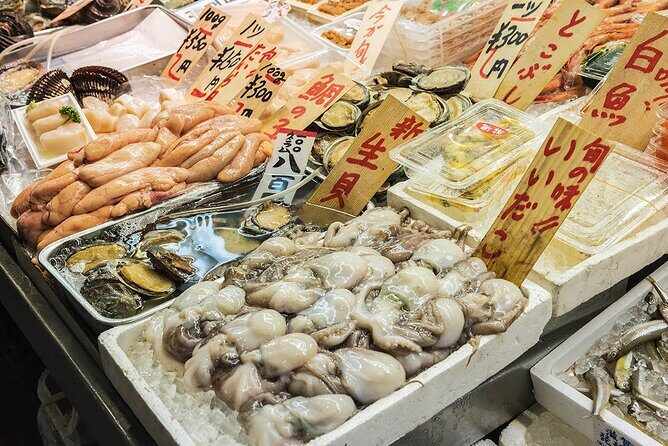
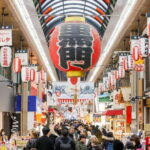
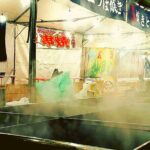
Kuromon Market is the kind of place where the smells hit you before you even read a menu. It’s busy, colorful, and intensely food-focused, which is exactly why a guided walk helps. Without guidance, you might keep picking your favorites randomly. With a plan, you end up sampling signature Osaka bites in a smarter order.
The tour starts with this market environment, built around fresh local specialties and quick tasting stops. This is also where you learn the rhythm: grab, taste, react, move on. Markets reward that pace.
I like that the itinerary doesn’t just say market food. It names key places you’ll visit, which gives you something concrete to look for as you’re walking. The goal here is simple: get you eating Osaka classics quickly, then transition into the neighborhoods and neon energy.
Wanaka takoyaki: the crispy-outside, creamy-inside lesson
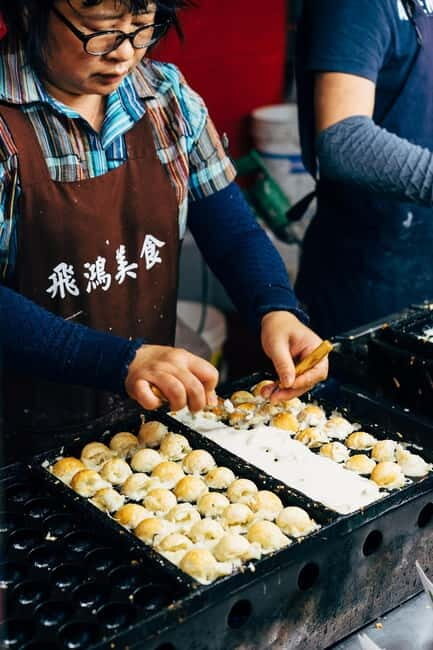
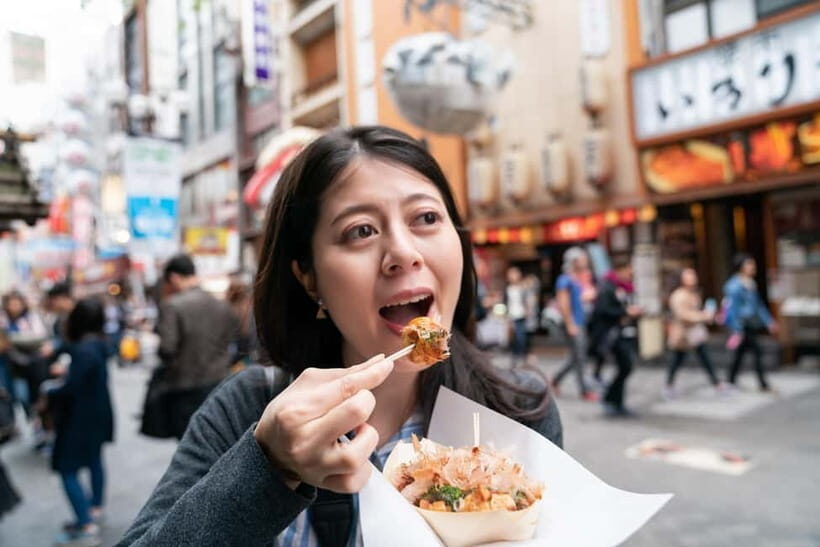
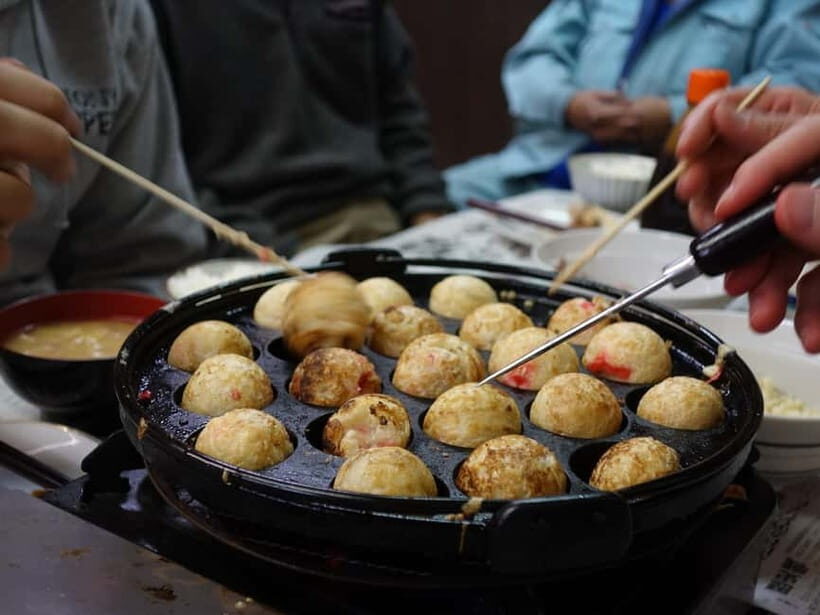
Your first major Osaka street-food target is takoyaki, tried at Wanaka. These are those ball-shaped bites filled with something like octopus, served hot and usually drizzled with sauces. The version the tour highlights is crispy on the outside and soft and creamy inside—the texture contrast is the whole point.
Why this stop matters: takoyaki is one of those foods people think they understand, but Osaka’s best versions can be a different world. A guide can help you avoid the common ordering mistakes—like getting something that’s too bland or missing key toppings—and can also keep you from waiting too long at the wrong station.
Practical note: takoyaki is meant to be eaten right away. If you try to take it slow for pictures, it can cool off. I’d treat the first bite like a warm-up: eat, then photograph the glow of the stall behind it while you still have the heat memory fresh.
Mitoya Three Colour Dango: chewy sweetness between savory bites
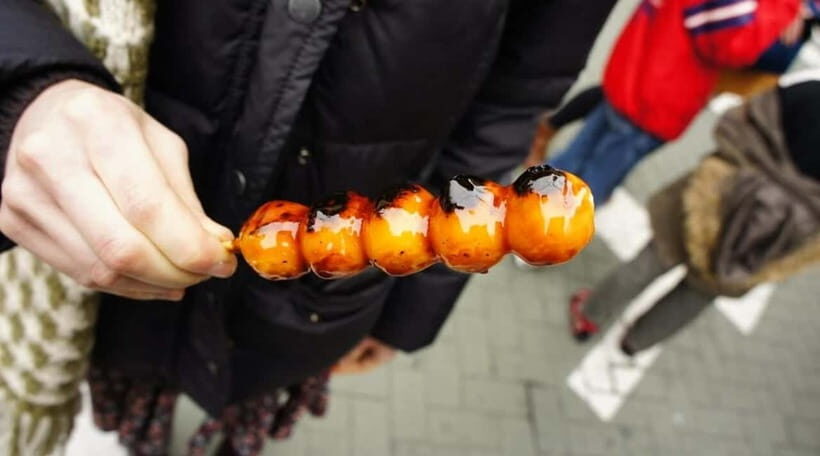
After takoyaki, the tour shifts gears with Three Colour Dango dumplings at Mitoya. These are skewer-served rice flour dumplings, served in different colors, and known for their chewy texture.
This stop is a smart pivot because your stomach has already spent time on savory fried street food. Dango gives you a softer, sweeter contrast and helps reset your palate for what comes next.
Also, the “three colour” detail isn’t just for looks. It signals variety in how dango is presented and flavor notes you might notice as you eat. Even if you’re not a big dessert person, dango is the kind of snack that makes the whole food crawl feel balanced rather than heavy.
Hozenji area walking: the atmosphere part you can’t order
Once you’ve eaten your way through the market section, you’ll move into the Hozenji area. This isn’t just a filler stop. Hozenji is where you get a different Osaka feel—more neighborhood texture, streets that feel older than the neon strip, and a change of pace from food counters.
Why I like including this: a food tour that only involves eating inside stalls can start to feel one-note. The Hozenji walking portion helps you connect the dishes to place. You’ll also get a breather before the next crunch-heavy bites.
If you’re the type who likes to photograph street details, this is a good stretch to slow down for a few seconds—signs, lane angles, and the general vibe of the area. Just don’t let the group pace slip too far behind you.
A few more Osaka tours and experiences worth a look

Kushikatsu Yokozuna (plus okonomiyaki) in front of Gigo
Next up: Kushikatsu Yokozuna, located right in front of Gigo. That landmark helps you find it quickly during a night walk. This stop is built around two Osaka specialties:
- Okonomiyaki, a savory pancake with lots of flavor
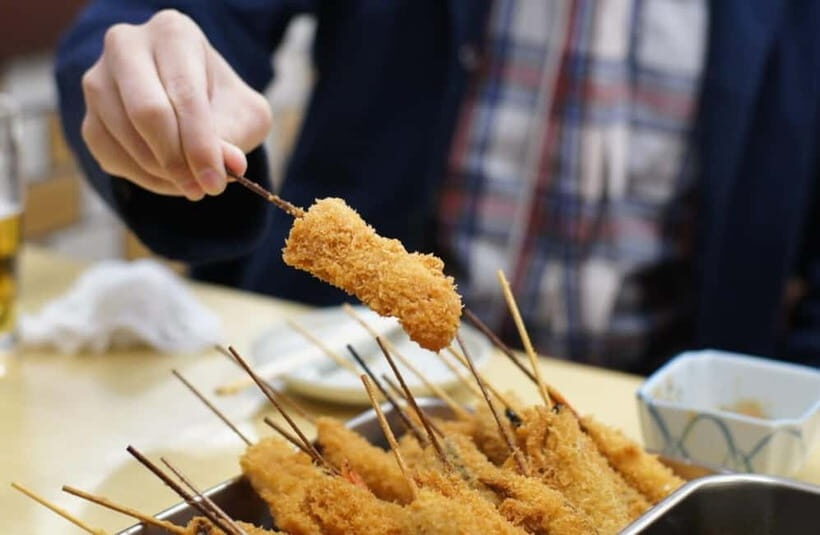
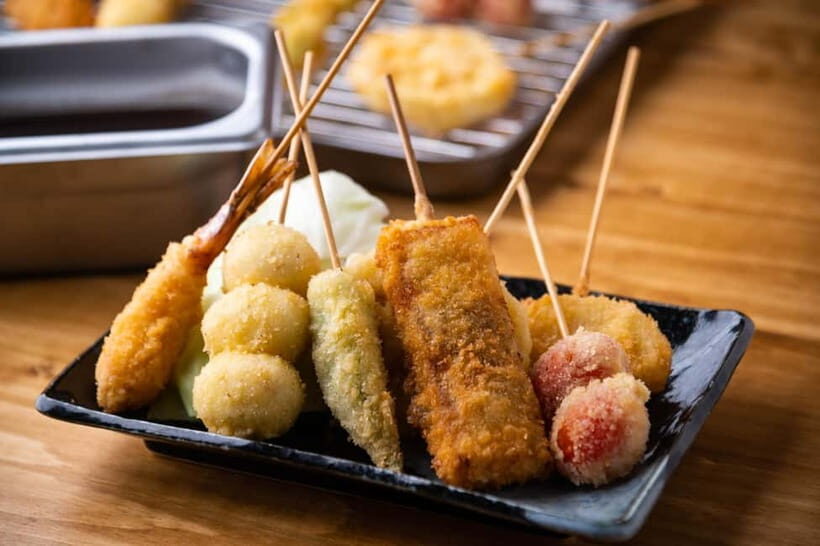
- Kushikatsu, crispy deep-fried skewers served with dipping sauce
The standout here is how different these two dishes feel in your mouth. Okonomiyaki is thick and savory, often built like a layered comfort food. Kushikatsu is all crunch and bite, made for quick eating between photos and street views.
For people who think fried food is all the same, this is a useful correction. The guide’s role matters because fried foods can vary by sauce and preparation, and Osaka is picky about its own classics. The tour also keeps you moving, which is key: if you linger too long, fried food loses its best texture.
Tip: when you’re doing multiple tastings close together, keep your water and your pace in mind. You don’t need to power through. A few small bites, then regroup, is often better than forcing big mouthfuls back-to-back.
Egg Tart: custard tart as a proper sweet finale
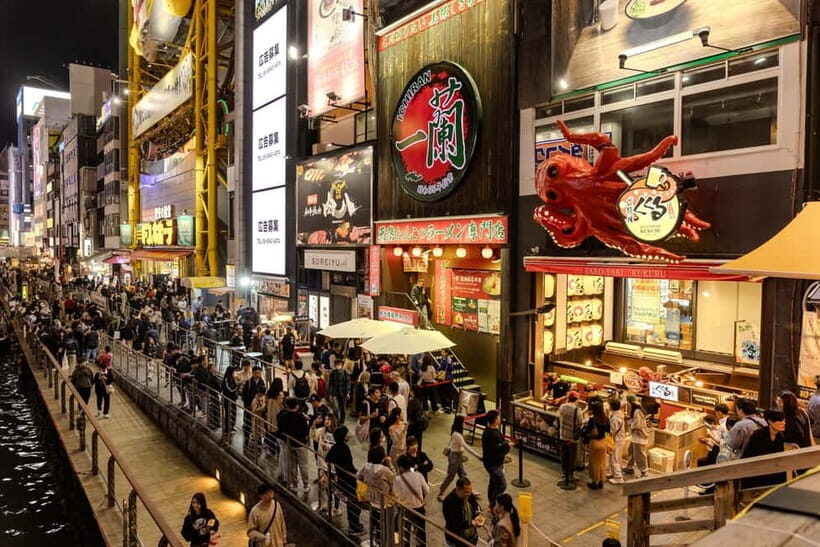
By the time you reach Egg Tart, you’re likely ready for something comforting and less savory. This stop is famous for custard tarts with a delicate, flaky crust and a rich, creamy filling.
Ending here makes sense. Custard tarts are satisfying without being as heavy as some other dessert options. They also give you an easy final flavor memory: creamy custard, buttery pastry, and a sweet finish that doesn’t fight the savory dishes you had earlier.
If you want a small practical strategy: take a quick look at the tart before the first bite, so you know what you’re photographing. Custard tart photos don’t always need fancy angles. A close shot of the crust texture can look great even in a simple shop setting.
Dotonbori neon walk: the Osaka energy that food can’t replace
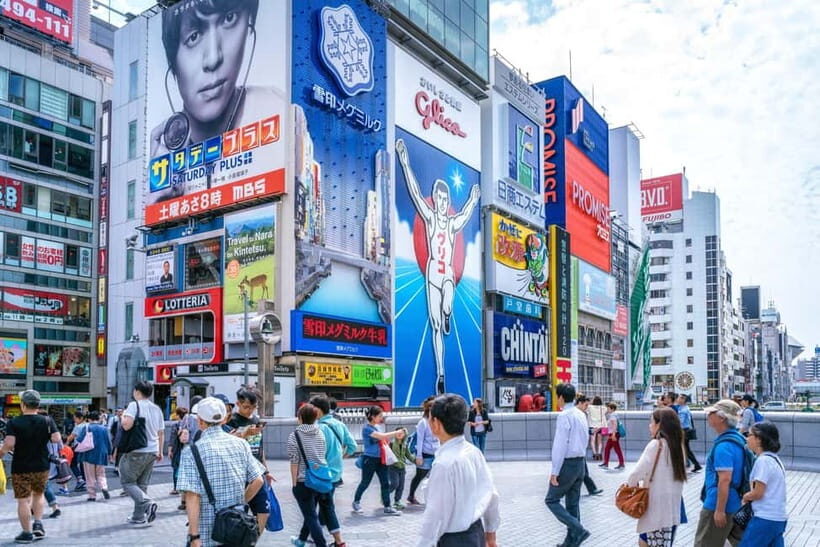
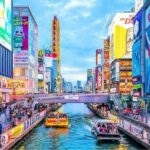
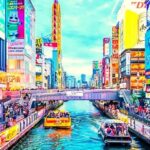
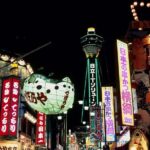
After dessert, the tour takes you to Dotonbori, one of Osaka’s most famous entertainment districts. This is the part where the city goes loud—bright billboards, neon lights, and streets full of motion.
You’ll walk the lively lanes, admire the signage, and absorb the atmosphere. The big benefit of adding this after the tastings is timing. Your stomach is less stressed, and your eyes can enjoy the city. The route also gives you a reason to keep moving: you’re hunting both food flavors and visual landmarks.
This is where the tour feels like more than eating. It’s an Osaka night out shaped into a manageable route, so you don’t spend your entire evening wandering with no plan.
Ebisu Bridge and the Glico sign photo stop
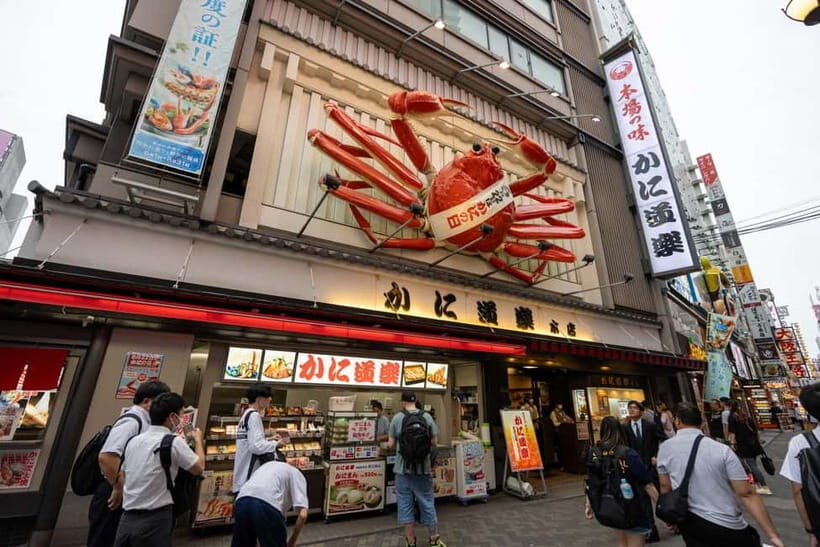
Before the tour ends, you’ll visit Ebisu Bridge for a memorable photo with the legendary Glico sign. This is one of those Osaka landmarks that almost everyone recognizes, and it’s also one of the easiest photos to get wrong if you’re trying to wing it late.
Having the stop in the itinerary helps because you arrive at a planned moment rather than searching while hungry and distracted. If you care about photos, this is your time: get your angle, take a few shots, then move on before the group starts to shift.
Price and value: what $84 gets you (and what you should expect)
At $84 per person, this tour sits in the midrange for guided food experiences. The value case is strong because you’re not just paying for walking. You’re paying for:
- A bilingual guide in English and Spanish
- Multiple named tasting stops (takoyaki, color dango, okonomiyaki, kushikatsu, and custard tart)
- A guided route through local neighborhoods like Kuromon Market and Hozenji
- A guided push into Dotonbori plus the Ebisu Bridge photo moment
If you tried to recreate this yourself, you’d face a few friction points: figuring out where to go for each dish, how to order quickly, and how to connect it all into a route that makes sense in a single night. The guide reduces that uncertainty, especially for foods like takoyaki and kushikatsu where small differences matter.
That said, don’t expect everything to be included. Entrance fees to attractions aren’t included, and you should plan for personal expenses not covered in the described tastings. This tour is about food and neighborhood walking, not ticketed sightseeing.
Guides: why Paula and Angeles change the experience
The quality of the guide shows up in the way the night feels. I’ve seen great feedback tied to guides like Paula and Angeles. The common thread is practical city knowledge while you walk—helping you notice nearby attractions as you pass—and energetic guidance that keeps the pace friendly.
Language isn’t the only factor. Even with English or Spanish, having someone who can explain what you’re eating and how to order without confusion makes a real difference. That’s also why one caution note matters: a no-show issue has been reported by one person, so give yourself a buffer at the start and don’t assume the meeting will fix itself if you arrive too late.
What to bring (so you don’t waste the night)
You’ll get the most out of this tour if you pack for movement and comfort. The basics are clearly stated:
- Comfortable shoes
- Camera
And because the weather advice is specific, I’d follow it:
- Bring an umbrella or raincoat
- Dress for hot or cold conditions
- Sunglasses and sunscreen for clear weather
- In cold seasons: warm layers and extra socks, plus footwear that handles wet streets
This is exactly the kind of tour where a sore foot can ruin your appetite and your photos, fast. Start the night comfortable.
Is this the right fit for you?
This Osaka food tour is a great match if you want a guided night route that mixes market classics with neon-city energy. It’s also ideal if you like trying several Osaka specialties in one evening—without spending your time figuring out logistics between stops.
I’d especially consider it if you:
- Want takoyaki, okonomiyaki, kushikatsu, and a custard tart all in one plan
- Like walking neighborhoods like Hozenji and seeing the city beyond a single street
- Prefer a guide who can help you navigate food spots quickly
If you’re mainly after quiet cultural museums or long, seated meals, this won’t be that kind of experience. This is street food plus city lights. Think snack-to-photo-to-street-walk.
FAQ
FAQ
Where does the tour start and end?
It starts at the meeting point outside Hotel Royal Classic Osaka (look for the Amigo Tours sign) and ends back at the same meeting point.
What languages does the guide speak?
The tour offers a bilingual guide in English and Spanish.
What food tastings are included?
The tour includes tastings of Osaka dishes such as takoyaki, Three Colour Dango Dumpling, okonomiyaki, kushikatsu, and a custard tart from Egg Tart.
Are entrance fees included?
No. Entrance fees to specific attractions are not included.
What should I bring?
You should bring comfortable shoes and a camera. It’s also recommended to bring an umbrella or raincoat and dress appropriately for the season.
Is the tour wheelchair accessible?
No. It is not suitable for wheelchair users.
Are pets allowed?
No. Pets are not allowed.
Should you book this Osaka food tour?
If you’re aiming for an efficient, fun night in Osaka that blends Kuromon Market bites with Dotonbori neon and an Ebisu Bridge Glico sign photo, I’d book it. The price makes sense because you’re getting several named tastings plus guided neighborhood walking, not just one stop and a promise.
Book it especially if you like street food and want help finding the right places fast. Just arrive early, watch for the Amigo Tours sign, and keep your feet happy.