Kyoto clicks into place when you follow the right loop. I like the calm photo-pace along Gion Shirakawa Street and the spiritual contrast of Yasaka Shrine. The main thing to weigh is time and walking: it’s a long day, and lunch isn’t included.
What makes this tour feel practical is how it bundles key stops with real routing—plus temple entry tickets for the heavier hitters like Kiyomizu-dera. You’ll also benefit from a live guide in English or Japanese, and from guide flexibility I’ve seen described by past participants (for example, Yoshi adjusting the schedule, and Saya steering people toward good lunch and nearby shopping).
In This Review
- Key Points I Think You’ll Appreciate
- Starting at Izumo no Okuni: a fast way to orient in Gion
- Gion Shirakawa Street and Hanamikoji: where the district feels authentic
- Yasaka Shrine plus Kōdaiji Temple: a strong Shinto-to-Buddhist contrast
- Entoku-in: the quiet temple pause that saves the whole day
- Lunch in Gion: how to use the 1-hour window well
- Kiyomizu-dera: UNESCO views with enough time to actually see them
- Yasaka Kōshin-dō wish balls: a colorful stop that feels different
- Yasui Kompira-gū: blessings for breaking bad habits and better relationships
- Price and value: what $102 really covers in a 7.5-hour day
- Who this tour suits best (and who should think twice)
- Should You Book This Kyoto Gion Highlights & Hidden Treasures Tour?
- FAQ
- Where is the meeting point for this tour?
- How long is the tour?
- What’s included in the price?
- Is lunch included?
- What languages are available for the guide?
- Is this tour private or small-group?
- What stops are visited during the day?
- Are dietary restrictions supported?
- What is the cancellation policy?
Key Points I Think You’ll Appreciate
- Gion on foot, with the best streets paced correctly: Shirakawa teahouses, then a pass along Hanamikoji Street.
- Shinto and Buddhism in one day: Yasaka Shrine, then Kōdaiji and Entoku-in.
- Kiyomizu-dera with enough time for the views: 1.5 hours set aside at UNESCO-listed grounds.
- Wish balls at Yasaka Kōshin-dō: a fun, colorful detour that breaks up the temple rhythm.
- Yasui Kompira-gū for personal prayers: blessings tied to breaking bad habits and strengthening good relationships.
- Tickets handled where it matters: entry included for Kōdaiji, Entoku-in, and Kiyomizu-dera.
Starting at Izumo no Okuni: a fast way to orient in Gion
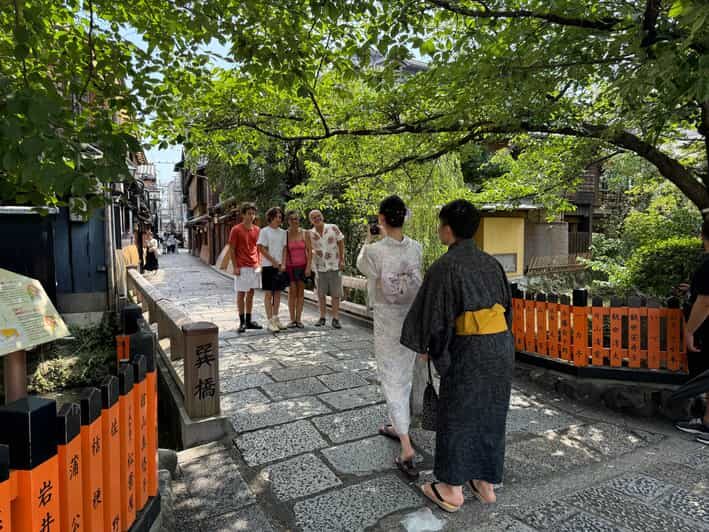
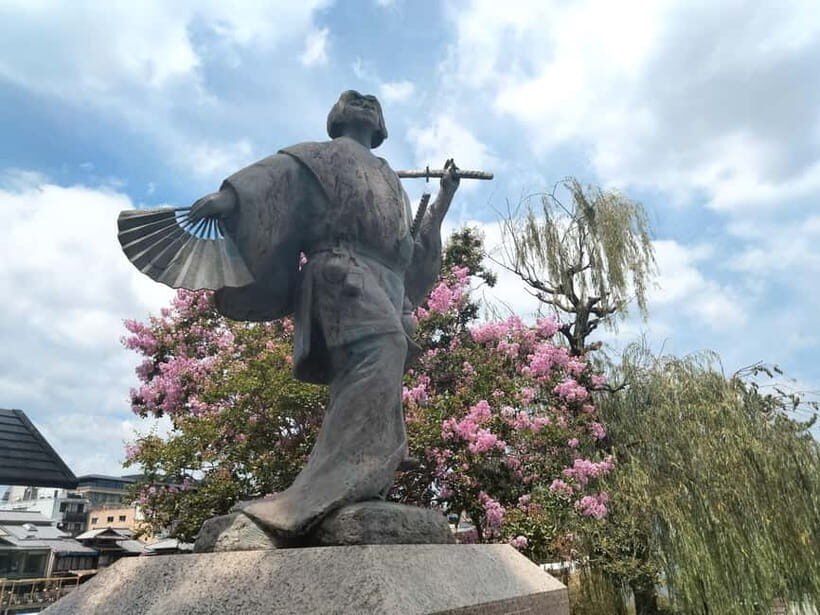
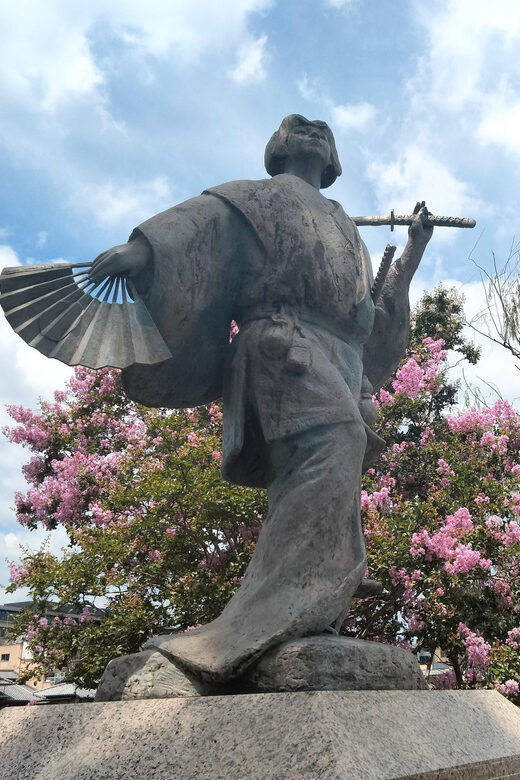
The meeting point is right on the map: the statue of Izumo no Okuni at the east end of Shijō-Ōhashi bridge. If you’ve ever wandered Gion with no plan, you know how easy it is to drift into the wrong streets. Starting here gives you a solid anchor, and it’s the kind of spot where a guide can quickly explain what you’ll see next.
There’s also a short viewpoint stop early on (about 15 minutes, based on the route). I like this kind of reset. It’s not just for photos—it helps you understand where you are relative to the temple cluster later.
You can also read our reviews of more guided tours in Kyoto
Gion Shirakawa Street and Hanamikoji: where the district feels authentic
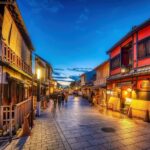
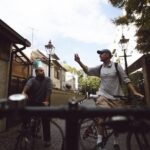
This day spends real time in the Gion area, not just a drive-by. You start at Gion Shirakawa Street, known for traditional teahouses and a slower, scenic walk. The point isn’t only aesthetics. When you move through streets like this with someone who understands what you’re looking at, you notice details you’d otherwise miss—how the lanes guide the eye, how buildings face the street, and why certain areas feel more hushed than others.
Then you pass along Hanamikoji Street. It’s famous for historic architecture and for geisha sightings, so even if you’re not chasing that, it’s a great cultural signal that you’ve entered the heart of old Kyoto. The tour gives you a pass-by rather than a long stall here, which I appreciate if you’re trying to fit multiple major sites in one day.
One practical consideration: this part of Kyoto can feel busy depending on the time of day. If you’re prone to feeling rushed, plan your body for a steady walking pace and take quick breathers when the guide stops.
Yasaka Shrine plus Kōdaiji Temple: a strong Shinto-to-Buddhist contrast
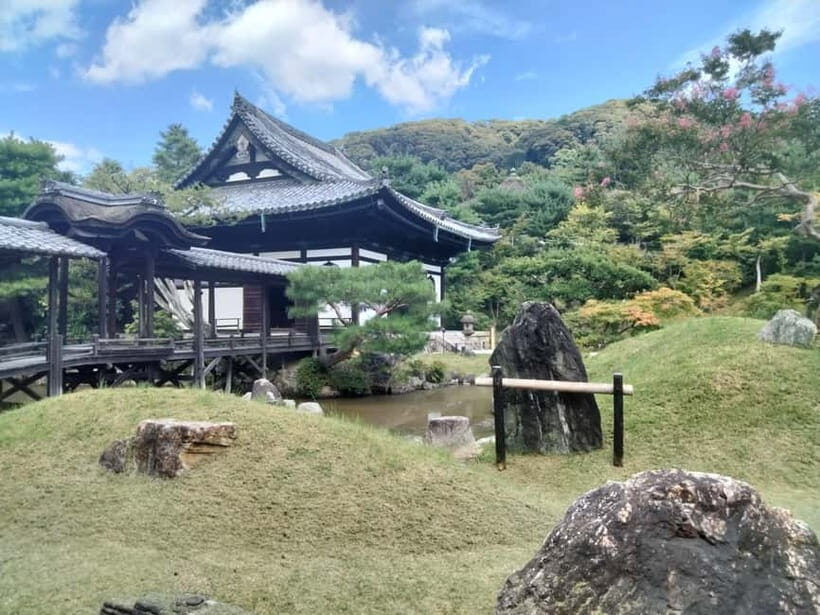
Yasaka Shrine is your first major religious stop, with about 15 minutes on site. The benefit here is how quickly you see Shinto’s visual language—simple, direct, and built for everyday worship. I like starting with a shrine because it frames Kyoto as a living spiritual city, not just a museum of temples.
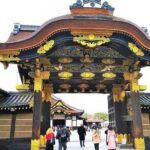
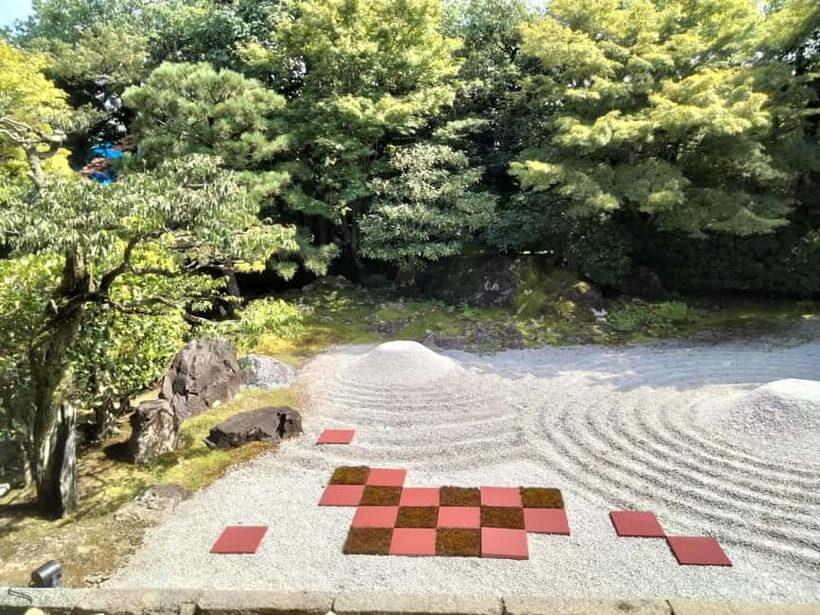
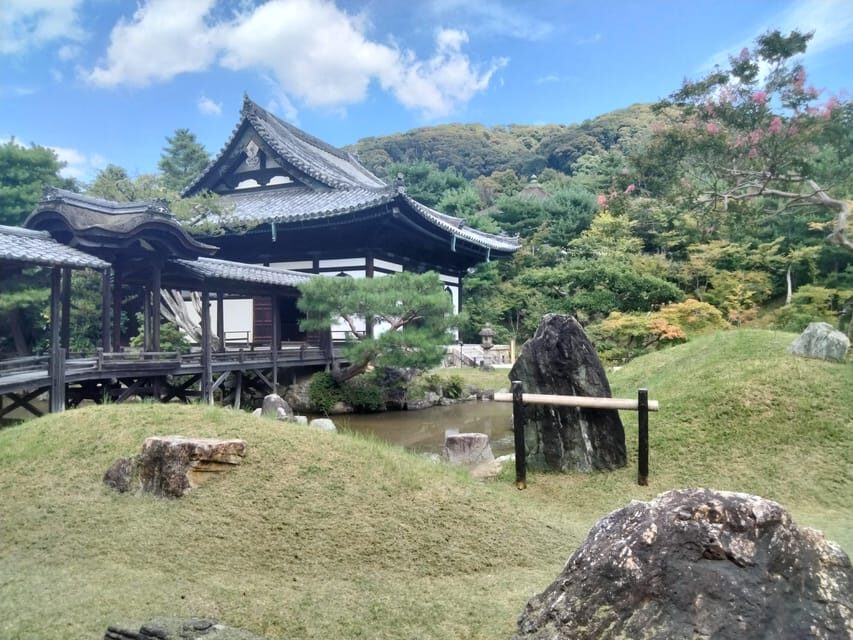
Next comes Kōdaiji Temple (about 1 hour). This is one of the stops where the tour’s structure really pays off: it’s long enough to look around without feeling like you’re just sprinting from sign to sign. The included entry ticket matters here too, because it removes one decision point from your day.
What you’ll likely notice as you move from shrine to temple grounds is how Kyoto’s sacred spaces feel different even when they share a neighborhood. Yasaka Shrine gives you a more outward-facing mood. Kōdaiji shifts you toward interior forms, garden-focused walking, and architecture that rewards a slower pace.
Entoku-in: the quiet temple pause that saves the whole day
Between the big names, you get Entoku-in for about 25 minutes. This is exactly the kind of pacing I look for in a guided itinerary: a shorter stop that still feels meaningful. It’s the break that keeps Kiyomizu-dera from being your only temple experience.
Entoku-in also sits in that sweet spot of being important but not so time-consuming that it drains you. If your legs start to complain, this is where you’ll feel grateful for the shorter visit. If you’re curious about how Kyoto’s temple world varies, you’ll likely appreciate the change in feel.
Lunch in Gion: how to use the 1-hour window well
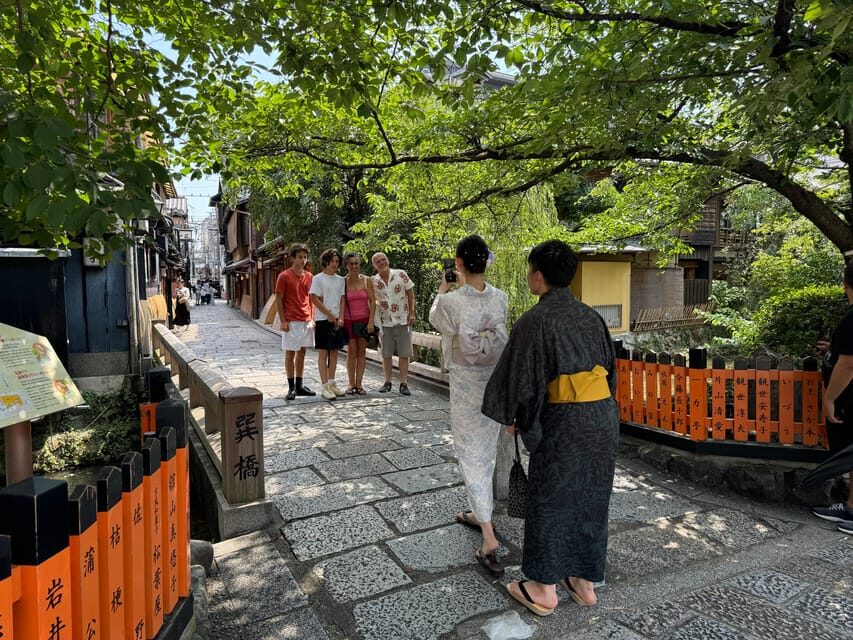
Lunch is scheduled as an hour in Gion, and it’s not included in the tour price. That’s a choice I can live with. Kyoto has plenty of meals that are better when you pick based on your preferences, allergies, and mood.
If you want to make this hour work hard, you can treat it as two stages: eat somewhere easy to return from, then do a small wander for snacks or tea after. The tour experience has a built-in advantage here—guides have been described as helping people find a great restaurant and then pointing them to a shopping area afterward.
Practical note: if you have dietary restrictions, you should tell the tour in advance. The tour information specifically asks you to inform them of dietary restrictions ahead of time.

Kiyomizu-dera: UNESCO views with enough time to actually see them
Kiyomizu-dera is the day’s main visual payoff, and the tour gives it about 1.5 hours. That’s the right amount of time if you want to do more than just stand at one view.
It’s also listed as a UNESCO World Heritage site in the tour description, and you’ll get the famous city views plus historic temple architecture. This is one of those places where getting lost can waste your energy. A guide helps you manage flow, so your time goes toward seeing the big moments rather than searching for the next viewpoint.
Consider the terrain. Even with guided direction, you’ll be on your feet. Wear shoes that can handle temple steps and uneven ground. If you’re coming from a long morning in Gion streets, treat this stop like a reset: slow down, pause for photos, and take breaks before you feel your stamina slipping.
Yasaka Kōshin-dō wish balls: a colorful stop that feels different
After Kiyomizu-dera, the itinerary shifts gears with Yasaka Kōshin-dō (about 20 minutes). This temple is known for its colorful display of wishes balls. I like stops like this because they’re playful without being silly, and they give your brain a lighter break after the big, high-emotion temple moments.
This is also where you can get a little creative with your visit. Instead of only reading the sacred space as history, you can treat it as an everyday ritual—something people do to mark hopes, prayers, and personal intentions.
Yasui Kompira-gū: blessings for breaking bad habits and better relationships
The final shrine stop is Yasui Kompira-gū (about 20 minutes). The tour description calls out a specific kind of prayer: blessings for breaking bad habits and ensuring good relationships.
That focus is why this stop tends to land for people. Many temple visits stay on the level of aesthetics and culture. This one ties the spiritual experience to real-life choices, which makes it feel less like a performance and more like a purposeful moment.
Even if you don’t plan to pray, the tone of a shrine like this is a nice way to close the day. You end calmer than you started, and it helps the whole itinerary feel coherent rather than like a checklist.
Price and value: what $102 really covers in a 7.5-hour day
At $102 per person, you’re paying for a full guided walking day (450 minutes) plus entry tickets to Kōdaiji Temple, Entoku-in, and Kiyomizu-dera, along with a live guide in English or Japanese. Lunch is not included.
Is it expensive? Not for the value you get. Temple entry and guided routing are the two big cost-and-effort savers. You’re essentially outsourcing the planning problem: where to go, how to group the stops, and how to spend your limited Kyoto time.
Also, the tour’s structure matters. You don’t just get listed attractions—you get time on each stop that matches its importance (Kōdaiji at about an hour, Kiyomizu-dera at 1.5 hours). That helps you avoid the classic problem of paying for a tour but spending most of it in transit or confusion.
One more value point: the tour is available as private or small groups. That usually makes it easier for a guide to adjust pace and answer questions without the day feeling like a rush.
Who this tour suits best (and who should think twice)
This tour is a strong match if you want:
- A guided Kyoto day focused on Gion + the big temple anchors without spending your morning drawing a map.
- A balance of popular and lesser-paced stops, including Entoku-in and the wish ball detour.
- A guide who handles questions and timing, especially if you’re the type who might want flexibility.
It might be less ideal if you:
- Have very limited mobility or fatigue tolerance. The day involves sustained walking across a historic district and up to major temple grounds.
- Are hoping for a food-first experience. Lunch is not included, and your hour will require you to pick where to eat.
Should You Book This Kyoto Gion Highlights & Hidden Treasures Tour?
I’d book it if your priority is a well-structured day that pairs Kyoto’s most recognizable sights with meaningful side stops—without making you do the logistics. The included entry tickets for major temples, the purposeful time allocations, and the fact that guides can be flexible (for example, Yoshi adjusting timing and Saya helping with lunch decisions) add up to a day that feels smoother than a DIY route.
If you want Kyoto, but you want to feel guided rather than overwhelmed, this is the kind of tour that helps you see a lot while still having moments to breathe.
FAQ
Where is the meeting point for this tour?
Please meet your guide in front of the statue of Izumo no Okuni, located at the east end of Shijo Ohashi bridge.
How long is the tour?
The duration is 450 minutes (about 7.5 hours).
What’s included in the price?
The tour includes a live guide and entry tickets to Kōdaiji Temple, Entoku-in Temple, and Kiyomizu-dera Temple.
Is lunch included?
No. Lunch is not included, but there is a 1-hour lunch break in Gion.
What languages are available for the guide?
The tour offers live guides in English and Japanese.
Is this tour private or small-group?
Yes, private or small groups are available.
What stops are visited during the day?
You’ll visit Yasaka Shrine, Kōdaiji Temple, Entoku-in, Kiyomizu-dera, Yasaka Kōshin-dō Temple, and Yasui Kompira-gū Shrine, plus walking and passing through Gion areas such as Hanamikoji Street.
Are dietary restrictions supported?
You should inform the tour in advance of any dietary restrictions.
What is the cancellation policy?
Free cancellation is available up to 24 hours in advance for a full refund.