REVIEW · OSAKA
Osaka Market Tour & Cooking Class with Local Expert Masato/Shohei
Book on Viator →Operated by Traveling Spoon · Bookable on Viator
If food is your language, this Osaka class is for you. You’ll pair a guided market walk with a hands-on cooking lesson, then sit down to eat what you made. The best part is the focus on why ingredients work, not just how to copy a recipe.
I really like the way the host builds confidence. You cook alongside someone like Masato or Shohei, ask questions as you go, and learn practical skills you can use at home. The other big win: you can request options for allergies and dietary needs, and the class is careful about what’s going into your food.
One consideration: if you don’t choose a menu in advance, the default is a sushi-making class, and raw fish isn’t included. Also, it’s a shared class (max 13), so check whether you prefer a more private, slower pace.
In This Review
- Key Things You’ll Appreciate
- Entering Osaka’s Food Scene the Smart Way: Market First, Stove Second
- Matsuyamachi Station Meeting Point and How the Timing Usually Feels
- Karahori Shotengai Market Option: A Covered Street of Ingredients
- Cooking Class Core: Learn Techniques While Making Three Dishes
- The Sushi Option: What You’ll Make and What’s Not Included
- Bento and Curry Rice Menus: Choosing the Style That Fits Your Trip
- Home-Kitchen Pace: Questions, Patience, and Allergy Care That Feels Real
- Group Size, Shared Format, and Getting Value From a Shared Class
- What You Eat at the End: Sitting Down and Finishing With Tea
- Price and Value: Is $120 Worth It?
- Who Should Book This Osaka Market and Cooking Class?
- Should You Book This Osaka Cooking Class?
- FAQ
- How long is the Osaka market tour and cooking class?
- Where does the tour meet and end?
- How much does it cost?
- Is the class private or shared?
- What dishes will I learn to make?
- If I choose the sushi option, is raw fish included?
- Is there a market tour included?
- Can the class accommodate dietary restrictions or allergies?
- Is hotel pickup included?
- Can I cancel and get a full refund?
Key Things You’ll Appreciate
- Karahori Shotengai walk (option chosen): a short, covered-street intro to ingredients and Japanese pantry staples
- Three dishes from scratch: you’re not just watching—you’re cooking, adjusting, and tasting
- No raw fish in the sushi option: you’ll still learn core techniques and flavor building
- Allergy- and diet-aware chefs: lactose-free, gluten-free, vegetarian, and vegan can be accommodated on request
- Small group size (max 13): easier to ask questions and keep the class from feeling rushed
- Tea at the end: a simple finish that makes the meal feel complete
Entering Osaka’s Food Scene the Smart Way: Market First, Stove Second
Osaka earns its food reputation for a reason, but the trick is knowing what you’re looking at. This experience handles that part for you by starting with ingredients—so when you get into the kitchen, you understand what you’re holding and why it matters. Instead of guessing at Japanese pantry items, you get real context right away.
I like that it’s practical learning. You’re not stuck memorizing food trivia. You’re learning how Japanese cooking thinks: seasonality, texture (crisp, chewy, silky), and balancing flavors like sweet, salty, and savory.
The market portion, when you select it, is also a time-saver. You’re only going for about 30 minutes in Karahori Shotengai, which means you get a local shopping-street feel without turning the whole day into a long wandering session. If you want a focused cooking day, that’s a plus.
You can also read our reviews of more shopping tours in Osaka

Matsuyamachi Station Meeting Point and How the Timing Usually Feels
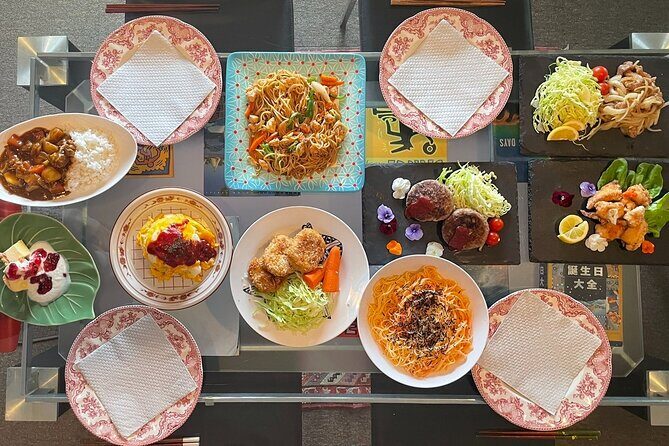
The class starts back at Matsuyamachi Station (2 Chome-6 Andojimachi, Chuo Ward, Osaka). Since it’s near public transportation, it’s easy to build into a day without complicated transit plans.
The whole experience runs about 2 hours 30 minutes. That timing is ideal for a food-focused outing: long enough to cook three dishes, but not so long that it dominates your day. You’ll also likely spend time transitioning between the meeting area, the market (if selected), and the cooking space. In a small group, transitions tend to feel smooth because the host can manage the pace.
Tip for your day plan: schedule something light afterward. You’ll be eating your meal at the end, and it’s the kind of class where you’ll want a little time to cool down, digest, and maybe jot notes while the flavors are still fresh.
Karahori Shotengai Market Option: A Covered Street of Ingredients
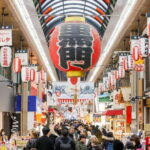
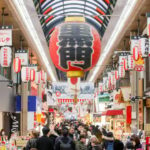
If you choose the market addition, your host takes you to Karahori Shotengai, a covered shopping street with small stalls selling vegetables, fresh food, and condiments. It’s a classic “ingredients in the wild” stop.
Here’s what makes this market portion valuable: you learn to spot ingredient roles, not just names. For example, you may hear about seasonal items like lotus root, bamboo shoots, and shiitake mushrooms—and the kinds of textures they bring to Japanese dishes. Even if you never buy anything complicated, you’ll understand what to look for when you’re back home in a regular supermarket.
A short market walk can also reduce “where do I even start?” stress. Japanese markets can be overwhelming if you arrive hungry and undecided. With a guide, you get a path through the chaos, and you’ll return to cooking with better instincts.
Potential drawback: it’s not meant to be an all-day shopping tour. If your dream is bargain-hunting and lingering, you may find the market time a bit brief. But if your goal is to fuel your cooking class with the right context, it hits the sweet spot.
Cooking Class Core: Learn Techniques While Making Three Dishes
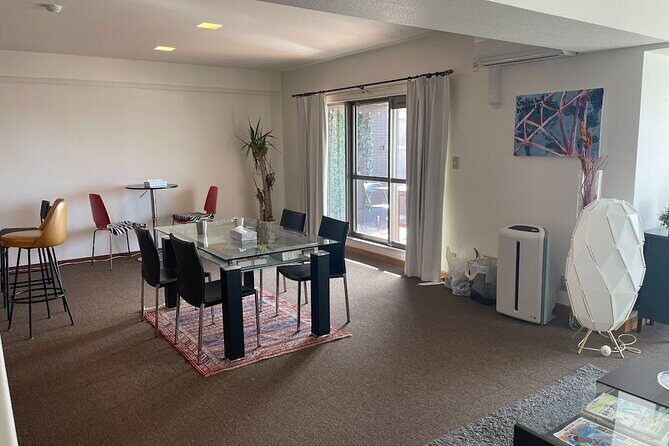
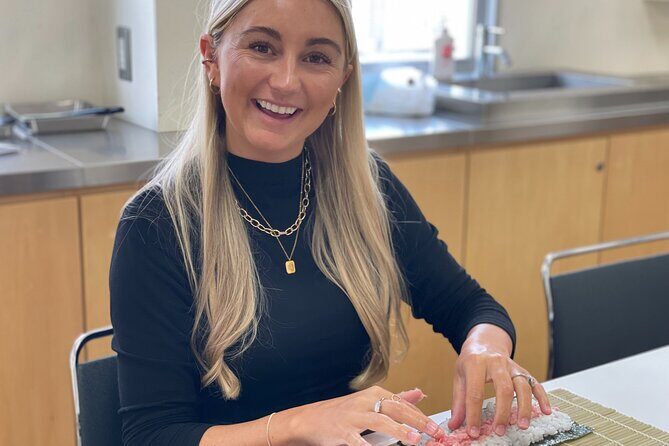
This isn’t a sit-and-watch demo. You’ll cook a meal together with your host and learn through hands-on work. The structure is straightforward: you prepare dishes from scratch, learn techniques, and then sit down to eat.
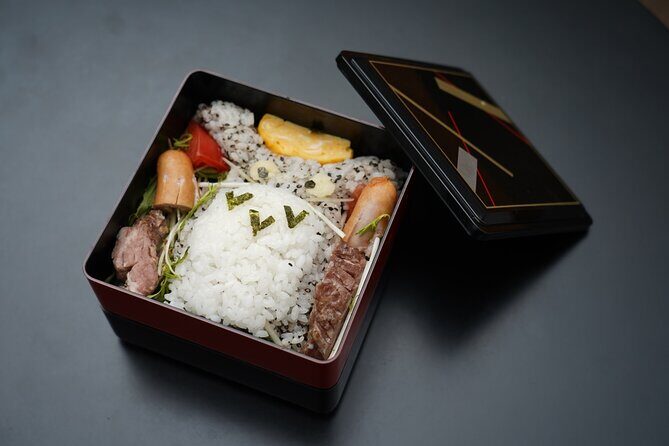
You can indicate a menu preference when booking. If you don’t, the default is sushi-making. Menu options described include sushi, character bento boxes, and Japanese curry rice. In other words, you’re not locked into one narrow style—there’s a chance to match the class to your interests.
One of the best parts of cooking with a pro is the correction. You’ll get feedback as you go—how to handle ingredients, how to adjust seasoning, and how to get the texture right. That’s where the class becomes more than a meal. It becomes a skill upgrade.
Also, go in ready to ask questions. The experience is built for it. In small groups, your host can actually address what you’re stuck on—like cutting technique, flavor balance, or timing.
The Sushi Option: What You’ll Make and What’s Not Included
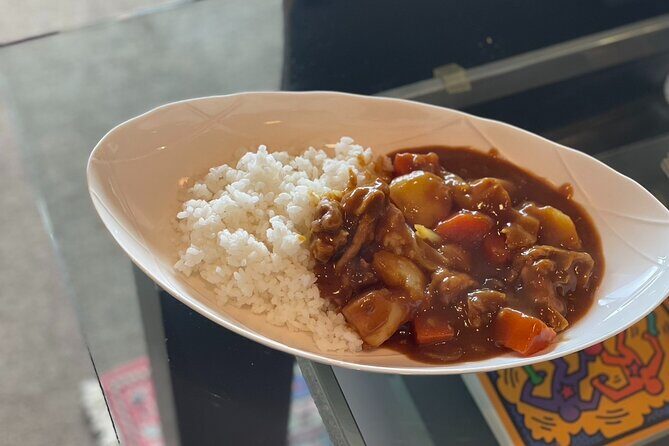
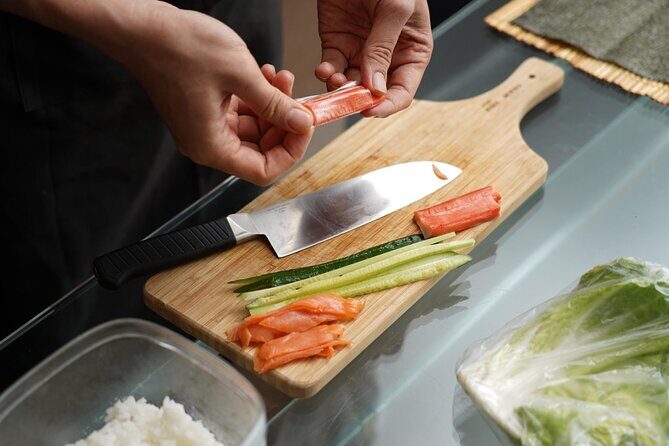
If you choose the default or sushi menu, you’ll learn sushi-related skills using a specific ingredient lineup that includes tamagoyaki (rolled Japanese omelet), Wagyu beef, and seasonal vegetables like lotus root, bamboo shoots, and shiitake mushrooms.
Here’s the important clarity: raw fish is NOT included. That matters for a few reasons. It’s great if you don’t eat raw seafood. It also shifts the focus back to cooking and seasoning technique—rice, fillings, omelet prep, and the flavor logic behind the build.
If you’re coming to Japan hoping to understand sushi beyond the seafood stereotype, this approach is helpful. You learn how texture and seasoning create the “sushi experience,” even without raw fish.
One practical tip: if you have strong preferences (or you want a specific kind of sushi outcome), tell the booking team your preference in advance. The smoother your expectations match the menu, the more fun the class will feel.
A few more Osaka tours and experiences worth a look

Bento and Curry Rice Menus: Choosing the Style That Fits Your Trip
If you’re more into comfort food or presentation, consider the menu choice. Character bento boxes lean into playful form and practical packing logic. That means you’re not only learning flavor—you’re learning how Japanese meals can be built for portioning and visual appeal.
Japanese curry rice is a great fit if you want something you can recreate at home. Curry teaches thickening, balancing, and making sure aromatics and seasonings land right. It’s also a good choice if you want variety without feeling too delicate or technique-heavy.
Even if you pick one menu option, expect your host to teach the fundamentals behind it. That’s the secret: you’re learning Japanese cooking thinking, not just one recipe.
Home-Kitchen Pace: Questions, Patience, and Allergy Care That Feels Real
The class is hosted by a professional chef, and the experience is designed to go at your pace. When Masato is unavailable, an equally wonderful chef colleague will host the class. So you’re not taking a risk with quality based on the name attached to the day.
What you’ll likely notice fast is how the host handles questions. In this kind of class, patience is everything. When you’re dealing with knives, simmering, and rice timing, it’s easy to feel clumsy. The better hosts don’t just correct—they explain. That’s how you leave with skills instead of just photos.
Allergy handling is also a major focus. You’re asked to advise the team at booking about allergies, dietary restrictions, or cooking preferences. The class can accommodate lactose free, gluten free, vegetarian, and vegan diets on request.
This is where the value gets real. Food tours are fun, but allergy mistakes are not. A careful chef-led setup reduces risk and lets you focus on learning and eating instead of worrying.
Group Size, Shared Format, and Getting Value From a Shared Class
This experience has a maximum of 13 travelers. That’s small enough for interaction, but it still functions like a true class—everyone cooks, everyone eats, and the host keeps things organized.
Shared cooking does mean you’re not getting a private one-on-one lesson. If you want total personal attention for every step, you might prefer a private session. But for most people, the shared format is a smart value trade. It keeps costs reasonable while still letting you ask questions.
The class also moves fast enough to feel like a real meal experience, not a half-day course. In about 2.5 hours, you’ll go from ingredients to finished dishes to tea and eating.
What You Eat at the End: Sitting Down and Finishing With Tea
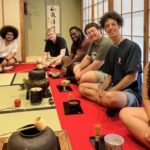
Once the cooking is done, you sit down and enjoy the meal you created. That homecooked rhythm matters. You get to taste your work while the lessons are still in your hands and in your head.
The class ends with tea, which helps round out the meal. It’s a small touch, but it makes the experience feel complete rather than like a quick cooking workshop followed by nothing.
Also, because the menus are different based on preference, your end meal will reflect what you chose. If you picked sushi, you’ll likely eat what you made around the sushi build. If you picked curry rice or bento, you’ll eat those dishes. That direct feedback loop is one reason cooking classes stick better than tastings.
Price and Value: Is $120 Worth It?
At $120 per person, the price feels high on the surface—until you map it to what you’re actually getting. You’re paying for:
- A chef-led, hands-on cooking lesson
- Ingredients and cooking time to make three dishes
- A meal you eat at the end, plus tea
- Optional guided market time in Karahori Shotengai
- Expert help with technique and flavor balance
- Small group size (up to 13) for better interaction
If you compare this to eating multiple meals out plus paying for a cooking experience, it often pencils out. You’re essentially getting a guided culinary afternoon plus a skill lesson. And for many people, the “I can cook this again at home” factor is where the value lands.
One more value point: the default menu can be sushi, but you can request a menu preference. That choice lets you steer the experience toward what you’ll enjoy eating later.
Who Should Book This Osaka Market and Cooking Class?
You should book if you fit one of these categories:
- You love food and want to learn techniques, not just eat your way through a city
- You want a structured way to understand Japanese ingredients you’ll see in stores back home
- You have dietary needs and want a chef-led setup that can handle requests like lactose free or gluten free
- You’re visiting Osaka and want a hands-on plan that doesn’t require long transit or a full day
You might skip it if you want a long market spree, private attention, or a cooking class that includes raw fish. Remember: the sushi option explicitly does not include raw fish.
Should You Book This Osaka Cooking Class?
I’d book it if you want a clear path to understanding Japanese cooking—market ingredients first, then real instruction in the kitchen, then tea and the meal you made. The small group size helps, and the allergy-aware approach reduces stress in a way that matters more than most food tour extras.
Choose it especially if you’re the type who gets more from a hands-on lesson than from a lecture. And if sushi is your default interest, keep one note in mind: raw fish isn’t part of the class.
FAQ
How long is the Osaka market tour and cooking class?
The duration is about 2 hours 30 minutes.
Where does the tour meet and end?
The start is at Matsuyamachi Station (2 Chome-6 Andojimachi, Chuo Ward, Osaka). The activity ends back at the meeting point.
How much does it cost?
It’s $120.00 per person.
Is the class private or shared?
It’s a shared class, with a maximum of 13 travelers.
What dishes will I learn to make?
The class covers three authentic Japanese dishes from scratch. Menu choices include sushi, character bento boxes, or Japanese curry rice, with sushi as the default if no preference is provided.
If I choose the sushi option, is raw fish included?
No. Raw fish is not included in this class.
Is there a market tour included?
The market tour is available as an option. If selected, you’ll go to Karahori Shotengai for about a 30-minute guided visit.
Can the class accommodate dietary restrictions or allergies?
You should advise your needs at booking. The class can accommodate lactose-free, gluten-free, vegetarian, and vegan diets on request.
Is hotel pickup included?
No. Hotel pickup and drop-off are not included.
Can I cancel and get a full refund?
Yes. You can cancel up to 24 hours in advance for a full refund.
If you want, tell me which menu you’re leaning toward (sushi, character bento, or curry rice) and whether you want the market option. I can help you pick the best match for your schedule.