REVIEW · KYOTO
Kyoto: Tea Ceremony Experience
Book on GetYourGuide →Operated by Camellia Tea Ceremony · Bookable on GetYourGuide
Matcha turns Kyoto quiet for 45 minutes. You learn how to whisk real Kyoto matcha and you snack on seasonal sweets while a host explains what’s going on and why it matters.
The lesson happens in a traditional tearoom in Higashiyama, near major sights like Kiyomizu-dera—yet it still feels like a pause button for your day. One thing to consider: the tearoom is upstairs, and you’ll be on the floor unless you use the chairs/tables available.
In This Review
- Kyoto Matcha Ceremony at Flower Teahouse: What Makes It Worth Your Time
- Quick Hits Before You Go
- Finding Flower Teahouse in Higashiyama’s Ninenzaka Alley
- What Happens in the First Minutes Inside the Machiya
- Seasonal Sweets and Tea: A Tiny Break That Still Teaches Culture
- Your Hands-On Moment: Whisking Matcha the Right Way
- Utensils, Schools, and Room Layout: The Details That Make It Feel Authentic
- Sitting on the Floor vs. Using the Chair: Comfort Matters
- Photos, Video, and How to Capture the Moment
- Price and Value: Is $32 a Good Deal in Kyoto?
- Timing Tips: Slot It Between Kiyomizu-dera and Gion
- Who Should Book This Tea Ceremony?
- Should You Book This Kyoto Tea Ceremony? My Honest Take
- FAQ
- How long is the Kyoto tea ceremony experience?
- What’s included in the price?
- Is the tea ceremony taught in English?
- Can I take photos or record video?
- Where is the meeting point?
- Are kimono rentals included?
- Is the tearoom accessible for wheelchairs?
Kyoto Matcha Ceremony at Flower Teahouse: What Makes It Worth Your Time
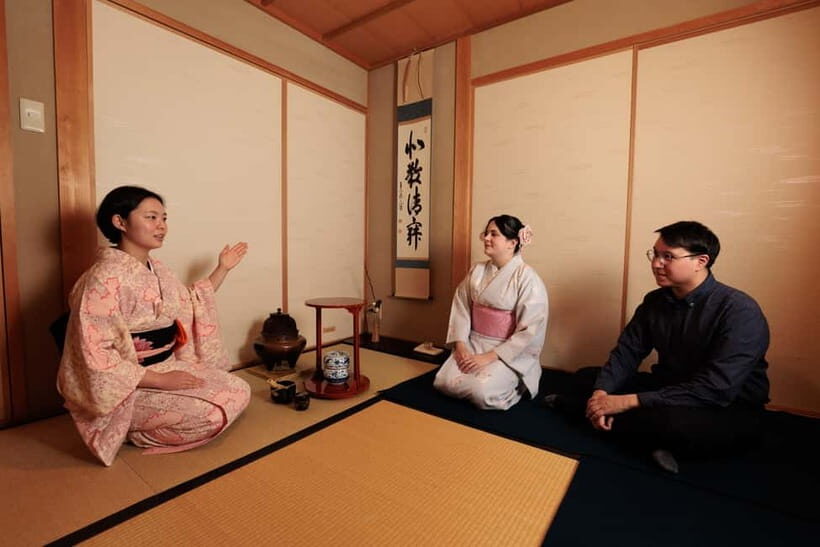
If you’re doing Kyoto properly, you need a “slow” activity. This tea ceremony is that kind of stop. It’s not just a show. You actually touch the tools, follow the steps, and make your own bowl of matcha with guidance.
What really makes this experience click is the combination of three things: a traditional machiya setting, an English-speaking host who explains the ritual in plain language, and hands-on matcha whisking that doesn’t require prior know-how. Reviews consistently point out how calming the pace feels—more Zen than classroom—with plenty of time to ask questions while you’re sipping and nibbling.
The other big plus is the cultural framing. You’re taught why certain details matter: the utensils, the order of actions, and even the room layout and decoration. It’s the difference between tasting matcha and understanding why Kyoto treats it like an art form.
Quick Hits Before You Go
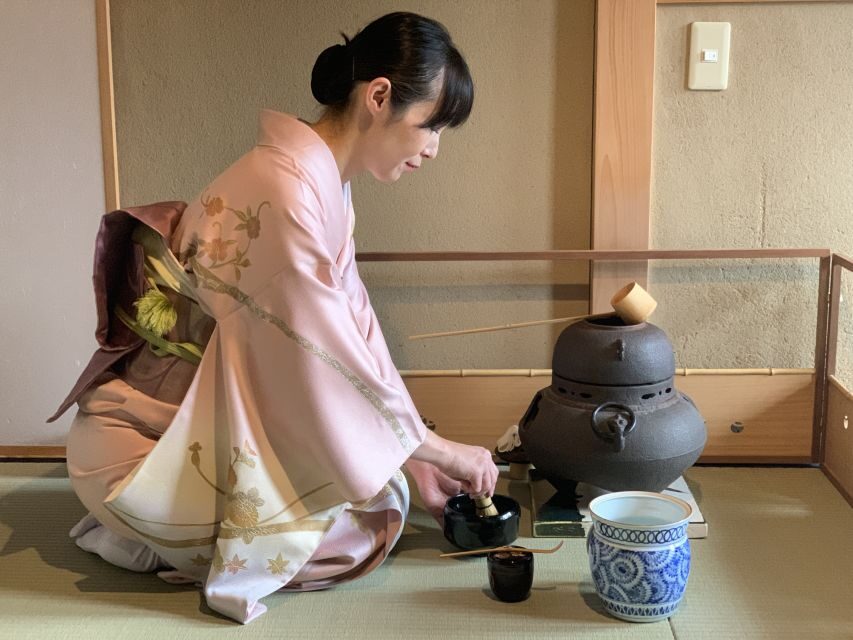
- Hands-on matcha whisking: You’ll froth your own bowl with your host’s help, not just watch.
- Seasonal sweets + matcha pairing: You start with traditional sweets and then move into the tea steps.
- Utensils and room details: You learn how tools and tearoom layout shape the ceremony.
- Talk about the three schools: Your host can explain differences and answer your questions.
- English instruction: The instructor/host speaks English and guides the pace.
- No video, non-flash photos OK: You can take still photos, but you can’t record video during the workshop.
You can also read our reviews of more tours and experiences in Kyoto.



Finding Flower Teahouse in Higashiyama’s Ninenzaka Alley
This is a Kyoto “walk-and-look” kind of meeting point, so I’d build in a little patience. The location is down an alley that branches from the main thoroughfare of Ninenzaka in Higashiyama.
The easiest way to get oriented: head to the Park Hyatt hotel. Opposite it is a Studio Ghibli store. From there, go to the alleyway that sits just to the left of the store. That alley is where you’ll find Flower Teahouse.
If you’re touring Kiyomizu-dera and Kodai-ji the same day, you’re in luck. Flower Teahouse is a short walk from a cluster of big names: Kiyomizu-dera, Kodai-ji, Yasaka-jinja, Maruyama Park, Chion-in, and Gion. So you can tuck this in between temple time and evening strolls without feeling like you’re crossing the city.
What Happens in the First Minutes Inside the Machiya
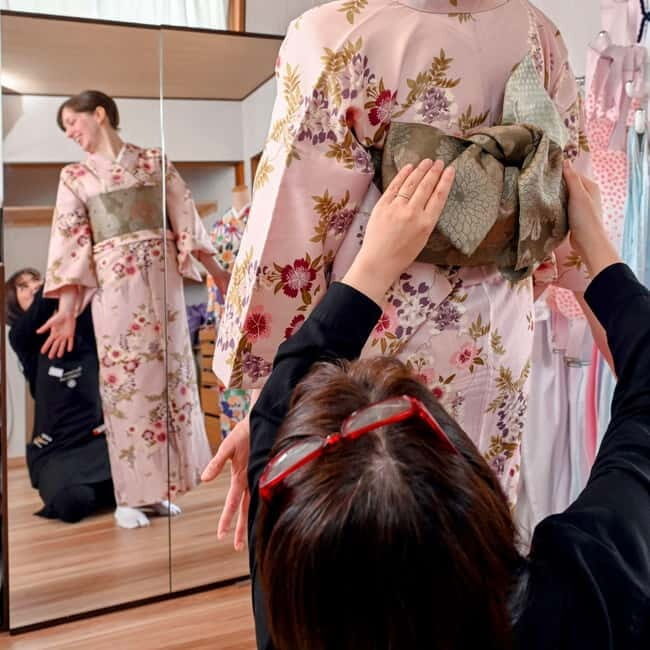
When you arrive, the experience starts in a traditional machiya in Higashiyama. You’ll settle in, then your host/instructor gives a short introduction to matcha and the ceremony itself.
Expect three kinds of explanation early on:
- Utensils: what each item is for and why it’s handled a certain way.
- Steps of the ceremony: the basic flow from preparing to serving.
- Room decoration and layout: not just aesthetics—this is part of the ritual’s order and mood.
This “setup talk” matters. Kyoto can feel busy and fast. Taking a few minutes to slow down and learn the logic behind the movements helps the later whisking and sipping actually make sense. You’re not just copying steps—you’re understanding the intention.
Then the host typically begins the ceremony portion while you’re offered a seasonal sweet. Reviews mention how chat-friendly this moment is. You can ask questions about Japanese culture, and some hosts will talk about the three schools of tea ceremony if you want that context.
Seasonal Sweets and Tea: A Tiny Break That Still Teaches Culture
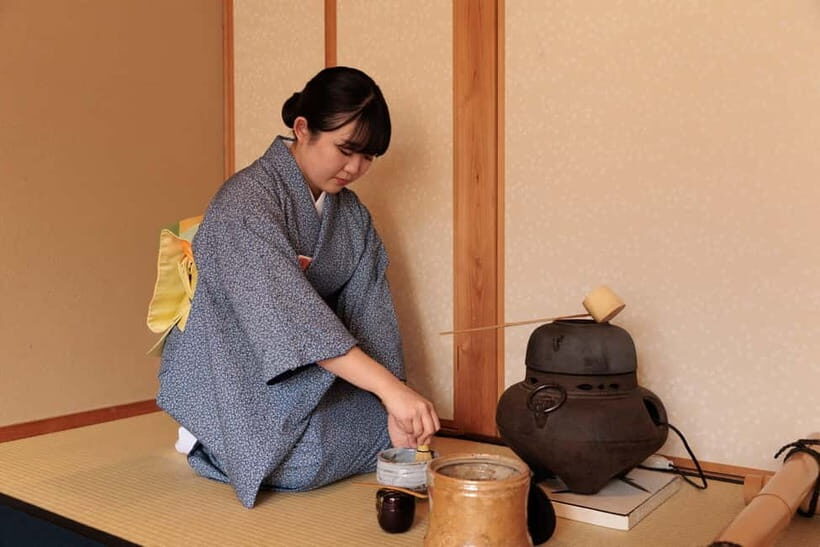
Before you start whisking, you’ll get a chance to taste traditional seasonal sweets alongside your tea time.
This is a smart design. Sweet + matcha helps you adjust to matcha’s flavor profile. It also gives the ceremony a human rhythm: you settle in, nibble, then move into the hands-on part. You’re not rushed from meeting spot to final sip.
One practical tip: if you like to ask questions, do it during this sweet-and-chat stretch. That’s when the host is most free to explain things like the meaning of actions, differences between tea schools, or why matcha is treated with extra care in Kyoto.
Your Hands-On Moment: Whisking Matcha the Right Way
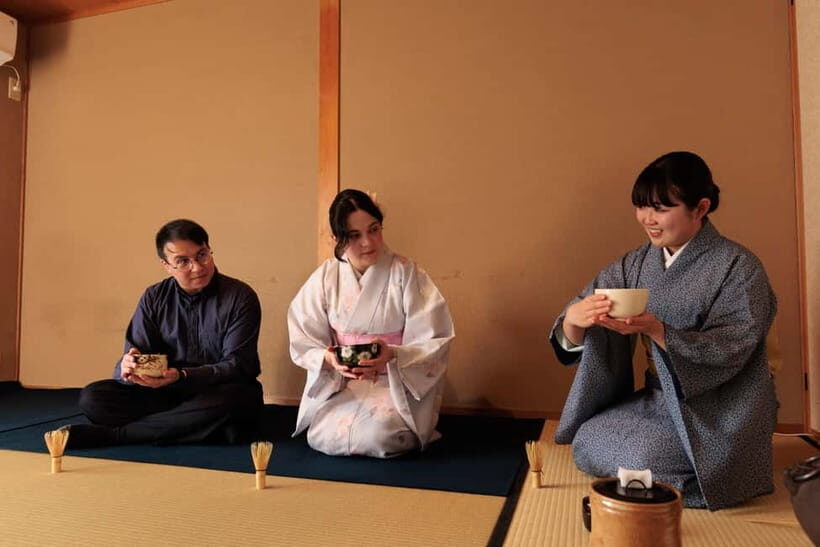
The most memorable part is the hands-on bowl. After watching the tea ceremony begin, you’ll froth your own matcha with guidance.
A helpful detail from past participants: the initial demonstration can be relatively short—around ten minutes—before it becomes your turn. That keeps the total experience focused and doable, especially for travelers who don’t want an hour of pure watching.
Here’s what you’re aiming for:
- whisking the matcha so it becomes properly frothy
- understanding the order of steps rather than rushing randomly
- tasting and adjusting with your host’s feedback
Hosts such as Ikuko are specifically mentioned for clear explanations and patient help getting foam that looks and tastes right. If you’re new to matcha, don’t worry about being perfect. The point is learning the mechanics and the mindset behind them.
Then you drink what you made. You’ll taste the matcha you whisked, not a pre-poured cup. That makes the lesson stick.






Utensils, Schools, and Room Layout: The Details That Make It Feel Authentic
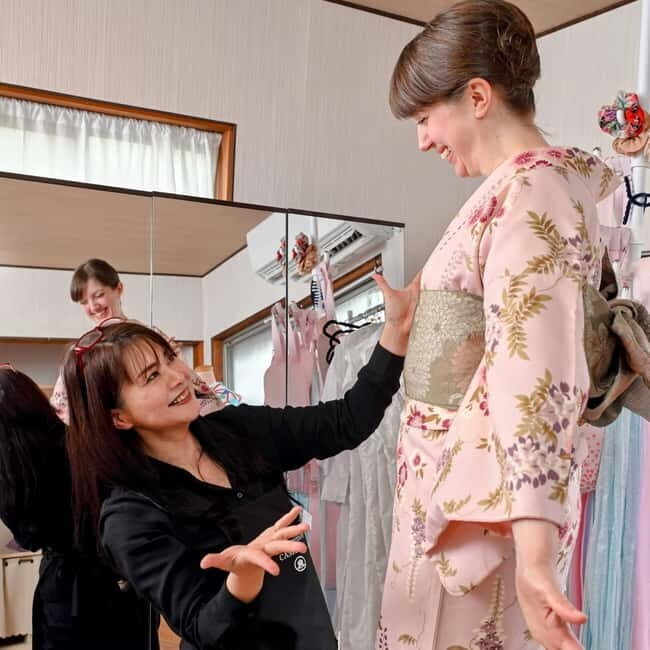
A lot of tea ceremonies tell you what you’re doing. This one also explains what the details are supposed to communicate.
You’ll learn:
- how the utensils are used and why each has a role
- why the tearoom decoration and layout matter for the flow of the ceremony
- how the ceremony fits into broader Kyoto culture
Some people come expecting only a matcha tutorial. The best value here is that you leave with a framework. You’ll understand why movements are precise and why the ceremony feels more like a thoughtful ritual than a drink tutorial.
If you’re the type who likes context, you’ll probably enjoy the discussion around the three schools of tea ceremony. Even if you only pick up the basics, you’ll start noticing that Japanese traditions often carry variation and regional philosophy, not one single “correct” version.
Sitting on the Floor vs. Using the Chair: Comfort Matters
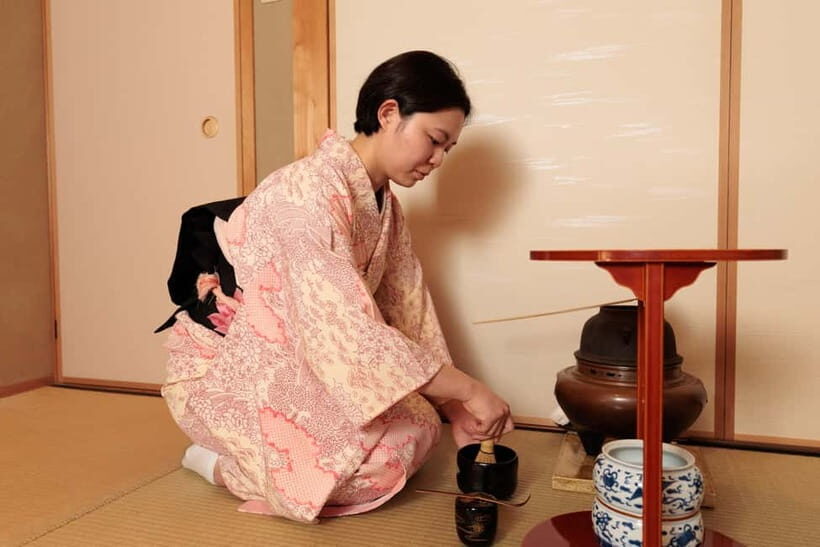
Here’s the trade-off no one should gloss over. The tearooms are upstairs, and the ceremony may involve sitting on the floor for a good chunk of the session.
The good news: chairs and tables are available for guests who find it difficult to sit on the floor. Past participants note it can get uncomfortable for some bodies if you try to go full traditional for the entire time. The hosts understand, and you can adjust your seating instead of trying to tough it out.
Also, if mobility is a concern, the Garden Teahouse is wheelchair accessible. Restrooms are available too.
If you want to make this experience easy on yourself:
- plan comfortable layers (Kyoto can shift temp quickly)
- choose the chair if you know floor sitting won’t work
- wear shoes you can remove quickly (you’ll likely be asked to remove them when appropriate)
Photos, Video, and How to Capture the Moment
You can take still photos, and that’s great because this is a visually rich setting. The rule is simple:
- Non-flash still photography is permitted
- Video recording is not allowed
So if you want to capture your matcha-making moment, bring the best settings for indoor light. Skip flash. Keep it low and steady.
And if you’re traveling solo, a helpful note from reviews: staff such as Nel have offered to help take photos when someone is on their own. If you want that, just ask politely when you arrive.
Price and Value: Is $32 a Good Deal in Kyoto?
At $32 per person for a 45-minute experience, the value is strongest when you want more than a quick snack-and-sip.
Here’s what you’re paying for:
- matcha and seasonal sweets
- traditional tea-making utensils
- a personal instructor/host
- hands-on whisking guidance (the big differentiator vs. passive shows)
This is also a good price point for Kyoto because it includes the core materials and instruction, rather than making you buy everything separately. Plus, the location is a walkable base for a day of Higashiyama sightseeing, which helps you avoid the cost and time of extra transport just to reach the activity.
If you’re expecting a full, lifelong tea-master training session—you’ll be disappointed. One lower-score comment notes you get the demonstration first and then make your own matcha, but it’s still a shorter lesson rather than full choreography training. Think of it as an authentic introduction, not a certification.
For most visitors, that’s exactly what you want.
Timing Tips: Slot It Between Kiyomizu-dera and Gion
This is easy to schedule if you’re already in the Higashiyama area. Flower Teahouse is near Kiyomizu-dera and also not far from Gion.
A practical approach:
- Do morning temple time (or late afternoon if you prefer fewer crowds).
- Book this around the time you’d normally crave a break.
- Then continue into Gion for evening streets, lanterns, and dessert shopping after you’re done.
Because there are chairs available, and because the session is only 45 minutes, this works even if you’re tired from walking. It can be a reset that keeps the day from feeling like nonstop stairs and shopping alleys.
Who Should Book This Tea Ceremony?
This one fits best if you:
- want a short, meaningful cultural activity that doesn’t eat an entire afternoon
- like food experiences with a story (sweets + matcha)
- enjoy learning the meaning behind rituals, not only the steps
- want English instruction and a friendly Q&A moment
- are in Kyoto long enough to justify one “slow” stop
It might be less ideal if you:
- expect a long, multi-hour masterclass
- hate waiting on floor seating even with the option of chairs
- want to record everything on video (video isn’t allowed)
Should You Book This Kyoto Tea Ceremony? My Honest Take
I’d book it if you want a Kyoto experience that feels specific and personal. The hands-on matcha whisking, the seasonal sweets, and the attention to utensils and room details are a strong combo for the money and time.
I’d think twice only if you know you’ll struggle upstairs-floor sitting despite chair options, or if you’re set on filming video. Otherwise, this is exactly the kind of activity that makes a Kyoto trip feel deeper without making your day complicated.
If you’re already walking Higashiyama and want a smart pause, this ceremony is a great call.
FAQ
How long is the Kyoto tea ceremony experience?
The experience lasts 45 minutes.
What’s included in the price?
Your booking includes matcha, traditional seasonal sweets, tea-making utensils, and a personal instructor/host.
Is the tea ceremony taught in English?
Yes, the instructor/host is English-speaking.
Can I take photos or record video?
Video recording is not allowed. Non-flash still photography is permitted.
Where is the meeting point?
You meet down an alley branching from Ninenzaka in Higashiyama. The simplest route is to head to the Park Hyatt hotel; opposite it is a Studio Ghibli store, and the alley is just to the left of the store.
Are kimono rentals included?
No. Kimono rentals are not included.
Is the tearoom accessible for wheelchairs?
The tearooms are upstairs. The Garden Teahouse is wheelchair accessible, and chairs and tables are available if sitting on the floor is difficult. Restrooms are available.