REVIEW · TOKYO
Tokyo Meiji Shrine & Harajuku: Walk Through Japanese Culture
Book on Viator →Operated by Sunrise Adventure · Bookable on Viator
Two worlds in one short walk. This small-group route links the chaos of Harajuku with the quiet gravity of Meiji Jingu, so Tokyo feels like two different cities in the same hour. You’ll go from candy-colored youth fashion streets to a huge torii gate and, just a bit later, the kind of peaceful forest where your thoughts actually slow down.
I especially like how the guides make the sights make sense, not just look cool. Listening to guides like Mika, Lakki, and Nicolas turns Shinto customs into something you can follow on the ground, and their easy humor keeps the pace light. I also like that the tour stays focused: about 2 hours with a max of 10 people means questions are welcome and you’re not stuck staring at the back of someone’s camera.
One possible drawback: if you want hours and hours in shopping streets, this is a walk-through, not a shopping spree. Some stops are tight (around 15 minutes early on), so it helps to arrive ready to move, then keep your longer exploring for afterward.
In This Review
- Key highlights to know before you go
- From Takeshita Street to a Torii Gate in One Short Walk
- Why a 10-Person Group Makes This Feel Personal
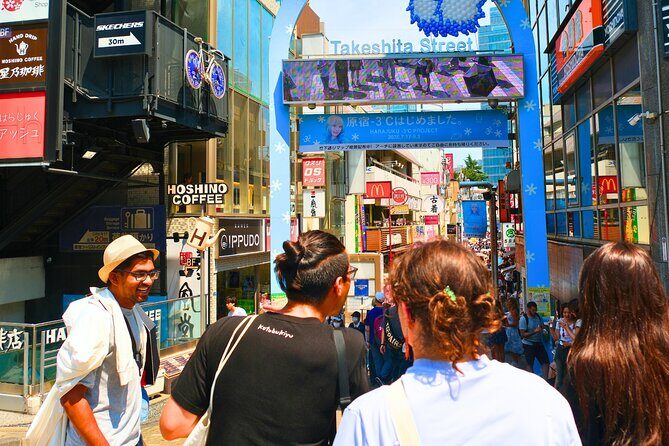
- Takeshita Street: Youth Fashion, Pop Color, and Easy People-Watching
- Omotesando Views at Tokyu Plaza Harajuku: Mirrors and Rooftop Perspective
- Omotesando Hills: The Stylish Stretch That Sets Up What Comes Next
- Meiji Jingu Shrine: Torii Gate to Forest Calm
- Meiji Shrine Imperial Garden: Purification, Prayers, and Omikuji Fortune Slips
- Sake Barrels and the Best Way to Extend Your Day After
- What You’ll Actually Learn (and Why It Feels Different)
- Who This Tour Suits Best
- Should You Book This Tour?
- FAQ
- How long is the walking tour?
- What is the group size for this tour?
- Where do I meet the guide?
- Does the tour use a mobile ticket?
- Is there an admission fee for the stops?
- Which stops are included on the route?
- How much time is spent at the Imperial Garden?
- Where does the tour end?
- Is the tour suitable for most people?
- What is the cancellation policy?
Key highlights to know before you go
- Small-group pacing keeps it personal, not crowded, with room to ask questions.
- A real contrast route: youth style streets then a shrine forest that feels like a time-out from the city.
- Stop-by-stop context so you understand what you’re seeing at the torii gate and shrine grounds.
- Hands-on Shinto moments in the Imperial Garden, including purification and fortune slips.
- Photo-friendly Omotesando views with a mirrored entrance moment and a rooftop terrace overlook.
From Takeshita Street to a Torii Gate in One Short Walk
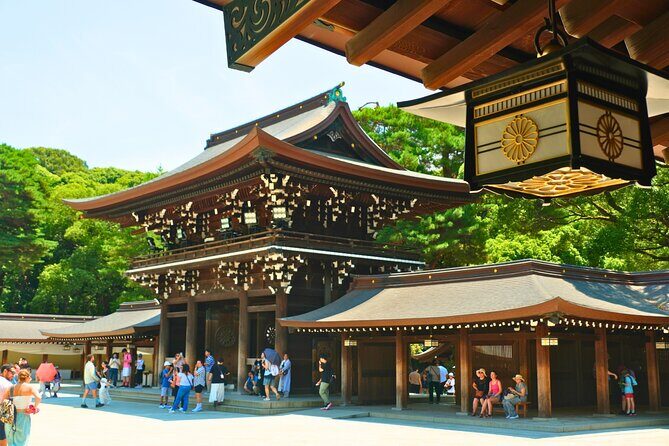
This is one of those Tokyo experiences that works because it changes your mindset fast. In the first stretch you’re surrounded by youth fashion energy, bright colors, and all the little street details that make Harajuku feel uniquely Tokyo. Then, the tour does something smart: it doesn’t just send you from point A to point B. It builds the contrast so the shrine doesn’t feel random.
The handoff is dramatic in the best way. You’ll walk from modern shopping streets to the moment a massive torii gate appears in front of you. That shift is the point, and it’s where the tour earns its keep. It turns “sightseeing” into a story about how tradition and street culture sit next to each other in the same city.
If you’re short on time but want depth, this layout is efficient. You’re not forced to choose between Harajuku and Meiji Shrine as separate missions. You get both, with context attached.
You can also read our reviews of more walking tours in Tokyo


Why a 10-Person Group Makes This Feel Personal
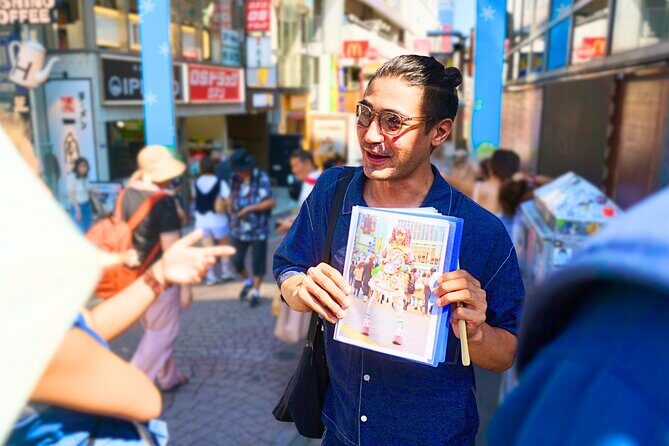
Tokyo walking tours can be hit-or-miss when the group is big. Here, you’re capped at 10 travelers, and it shows. The flow stays calm enough that your guide can answer the questions people actually ask in the moment.
That matters at Meiji Shrine, where the customs aren’t always obvious if you’ve never seen Shinto practices up close. You don’t want to wander around guessing what a ritual means. You want to understand what you’re doing and why it’s done in that way.
Also, the tour is about 2 hours total, so the guide can keep moving without rushing you out the door. You get time to look, pause, and ask, but you’re still anchored to a schedule that brings you through the most meaningful stops.
Takeshita Street: Youth Fashion, Pop Color, and Easy People-Watching
Takeshita Street is the part of Harajuku most people picture. It’s a narrow pedestrian street where the energy is immediate: colorful outfits, fun shop windows, and that sense that everyone is dressing for the moment.
In a short time window (about 15 minutes), you won’t “master” Takeshita Street, and that’s fine. The goal is to get your bearings and see what kind of youth culture Tokyo does so well. If you’ve never been, you’ll probably notice how visual it all is. Even if you don’t buy anything, the street teaches you how fashion works here as identity.
What I like about this stop on a guided walk is that you’re not just scrolling with your eyes. You’re getting the cultural background that helps you see why Harajuku is more than a shopping street. In fact, part of the tour’s appeal is connecting street fashion to wider ideas, not treating it like random novelty.
If you’re the type who loves to read signs, watch how people move, and catch quick photo moments, Takeshita Street works well early in the tour. You start with motion, then the itinerary naturally cools down.
Omotesando Views at Tokyu Plaza Harajuku: Mirrors and Rooftop Perspective
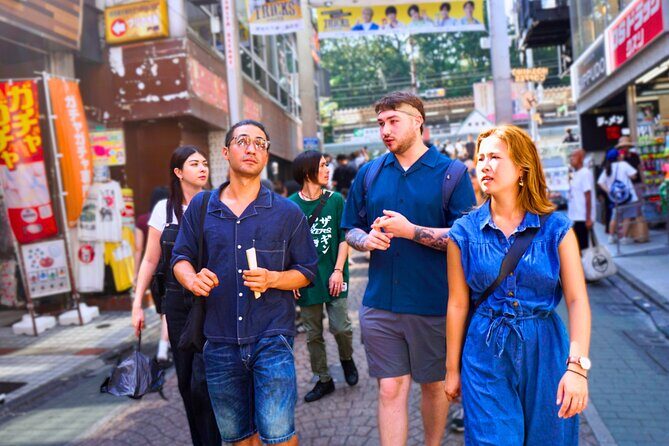
After Takeshita Street, the tour shifts to Omotesando, which feels like the more grown-up, design-forward side of the area. The stop at Tokyu Plaza Omotesando Harajuku is quick (about 15 minutes), but it’s chosen for a reason.
You’ll get a mirrored entrance photo moment, which sounds simple, but it’s actually handy in Tokyo. Omotesando is spread out, and this kind of “in-between” stop helps you reset your eye before the next walk. Then you head to a rooftop terrace for a view over Omotesando.
That rooftop perspective gives you something you often don’t get on city walks: context for scale. You see how the street layout supports the architecture, and you get a sense of how this area differs from Harajuku’s tighter lanes.
A small caution: if weather is bad, rooftop time may feel less comfortable. The tour includes the terrace, but you’ll want to dress for the conditions because standing outdoors for views is part of the point.
Omotesando Hills: The Stylish Stretch That Sets Up What Comes Next
Omotesando Hills is the kind of place where walking feels like slowly reading an architectural page. It’s tree-lined, and the street has that polished, stylish rhythm that makes it a favorite for people who like design details.
On this walk, the timing matters. You’re not going here as a standalone fashion stroll. You’re going here as a contrast—your eyes are adjusting from Harajuku into something more structured, more international in feel.
This is where the tour starts preparing you for the shift into the shrine grounds. You’ll feel the change: modern street style on one side of the route, sacred space ahead. That contrast pays off when you reach Meiji Jingu, because you’re already mentally set to notice boundaries: where city energy stops and a different kind of quiet starts.






Meiji Jingu Shrine: Torii Gate to Forest Calm
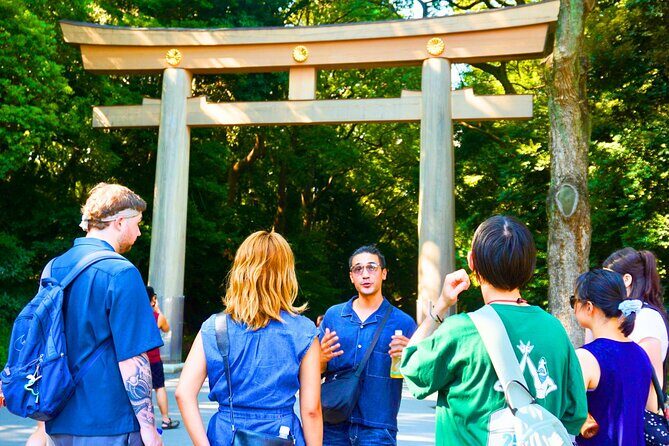
Then comes the headline moment: Meiji Jingu Shrine. The tour takes you under a massive torii gate and into the forest path, where the soundscape changes quickly.
This is where the guided context matters most. Without explanation, you can still enjoy the setting, but you may miss what you’re looking at and why it’s arranged that way. With the guide, you learn about Shinto beliefs as you move through the space.
What I like is how the tour turns a pretty walk into something structured. You’re not wandering randomly, and you’re not stuck at one spot either. The pacing keeps you moving through the shrine area while letting you look closely when it counts.
Also, this is where many people feel the emotional “click” of the whole tour. One review described the moment the huge shrine gate appears and suddenly you’re walking into the woods. That reaction is common here because Meiji Jingu pulls you out of Tokyo without asking permission.
Meiji Shrine Imperial Garden: Purification, Prayers, and Omikuji Fortune Slips
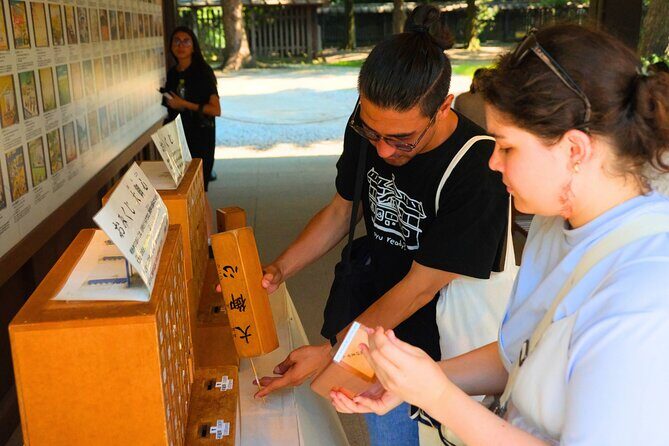
If Meiji Jingu is the mood, the Imperial Garden is the practice. This is the longest stop on the tour (about 1 hour), and it’s where you get a chance to take part rather than only watch.
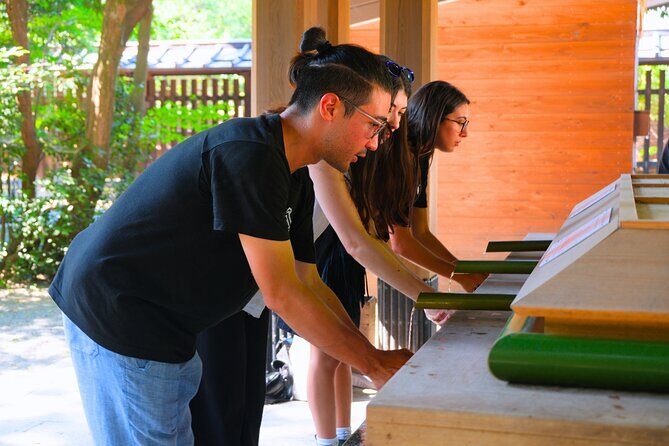
You’ll experience Shinto traditions firsthand, including purification with water, offering prayers, and trying omikuji fortune slips. That last part is often the most memorable for people because it feels like a small ritual with a personal payoff. You’re not just hearing the symbolism; you’re doing the motions and learning what the fortune slip means.
This is also the stop where a friendly guide earns their keep. The customs have specific steps, and if you don’t understand the flow, you can feel awkward or unsure about what to do next. With the guide leading you, you can participate confidently and actually learn from it.
One practical note: you’ll likely want to go slowly during this section. The point is the ritual experience, not speed-walking for photos. Wear comfortable shoes and expect to stand or move at a respectful pace.
Sake Barrels and the Best Way to Extend Your Day After

The tour ends back near the start point, but it doesn’t feel like a hard stop. After the quieter shrine time, you get a final taste of something familiar to the area. The walk ends along a path lined with barrels of sake, which is a nice visual reminder that tradition has a living, everyday presence here.
From a value perspective, that ending matters. You get a meaningful cultural finish instead of “and now hurry back.” It also helps you transition back into the city without losing the calm you just found.
If you still have energy after the tour, use that contrast to guide your next plan. You’ve already seen the street-culture side and the shrine side. Choose your next activity based on the mood you’re in: if you feel chatty and social, head back toward Harajuku. If you feel reflective, you might lean toward a slower walk elsewhere near central Tokyo.
What You’ll Actually Learn (and Why It Feels Different)
This isn’t a lecture tour where you mostly stand and listen. The design is about learning through movement: Harajuku first so you understand the street identity side, and Meiji Shrine second so you understand the spiritual side.
You’ll likely pick up context like:
- how Harajuku fashion connects to wider cultural ideas, not just trends
- what the Shinto space is asking you to notice as you walk
- what everyday shrine practices mean, especially purification and omikuji
And based on real feedback from guides such as Mika, Lakki, and Nicolas, the strongest takeaway is understanding significance. That’s what turns a good sightseeing visit into a real memory. When you know why something matters, you look longer, remember more, and feel more satisfied when you leave.
Who This Tour Suits Best
I think this tour fits best if you:
- want to cover Harajuku + Meiji Shrine without spending a full day on logistics
- enjoy guided explanation while still getting time to look around
- like contrast experiences, where Tokyo feels different in quick succession
- prefer a small group format for questions and flow
It’s also a good choice for couples, solo visitors, or families who want structure. The walking time is manageable, and the pace is set by the guide so you’re not constantly deciding what to do next.
If you’re the type who wants long shopping time on Takeshita Street, you’ll need to pair this with extra free time before or after. Treat the tour as the cultural spine of your day, not the whole schedule.
Should You Book This Tour?
I’d book it if your goal is to see two famous Tokyo worlds and understand how they connect. The value is strong for the price because you’re not only visiting major spots, you’re getting Shinto context and street-culture framing that makes the walk feel purposeful. Plus, the group size stays small, so it doesn’t turn into a noisy shuffle.
Skip it only if you dislike guided walking tours or you need lots of time for shopping at the street stops. Also, if you’re only interested in one side (strictly shrine-only or strictly Harajuku-only), you might prefer a tour focused on that one theme.
If you’re trying to make a Tokyo day count, this route is a smart way to do it.
FAQ
How long is the walking tour?
The tour runs for about 2 hours.
What is the group size for this tour?
It’s a maximum of 10 travelers.
Where do I meet the guide?
The meeting point is UNIQLO Harajuku in Shibuya, Jingūmae (1-chōme 14-30).
Does the tour use a mobile ticket?
Yes, the tour includes a mobile ticket.
Is there an admission fee for the stops?
The stops listed have admission ticket free.
Which stops are included on the route?
The tour includes Takeshita Street, Tokyu Plaza Omotesando Harajuku, Omotesando Hills, Meiji Jingu Shrine, and the Meiji Jingu Shrine Imperial Garden.
How much time is spent at the Imperial Garden?
About 1 hour is dedicated to the Imperial Garden.
Where does the tour end?
The tour ends back at the meeting point.
Is the tour suitable for most people?
The tour notes that most travelers can participate.
What is the cancellation policy?
You can cancel for a full refund up to 24 hours before the experience starts.