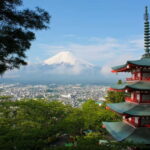
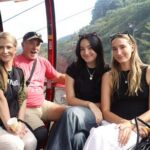
REVIEW · HAKONE
Hakone Adventure: Explore Nature’s Beauty and Tranquility
Book on GetYourGuide →Operated by DeepExperience, Inc. · Bookable on GetYourGuide
In This Review
- One day. Four big transport rides.
- Key things to know before you go
- Why Hakone’s mountain-train start matters more than you think
- Cable car and ropeway: the quickest way to feel the caldera’s scale
- Owakudani’s geothermal valley: steam, sulfur air, and that black-egg tradition
- Lake Ashi cruise with torii gates: where the day can turn magical
- Hakone Shrine with a timebox: how to make it work on a crowded day
- Price and value: $139 plus the transport you still have to pay
- What the guide actually adds (beyond directions)
- Smart day-trip tactics: lines, weather, and what to pack
- Who should book this Hakone Adventure?
- Should you book this Hakone Adventure or plan solo?
- FAQ
- Where does the tour start?
- How long is the Hakone Adventure tour?
- What transport rides are included in the experience?
- Is Mount Fuji guaranteed on this tour?
- What is included in the price?
- What is not included?
- What language is the tour guide?
- Is the tour suitable for everyone?
- What should I bring and wear?
- Are there any rules about smoking?
One day. Four big transport rides.
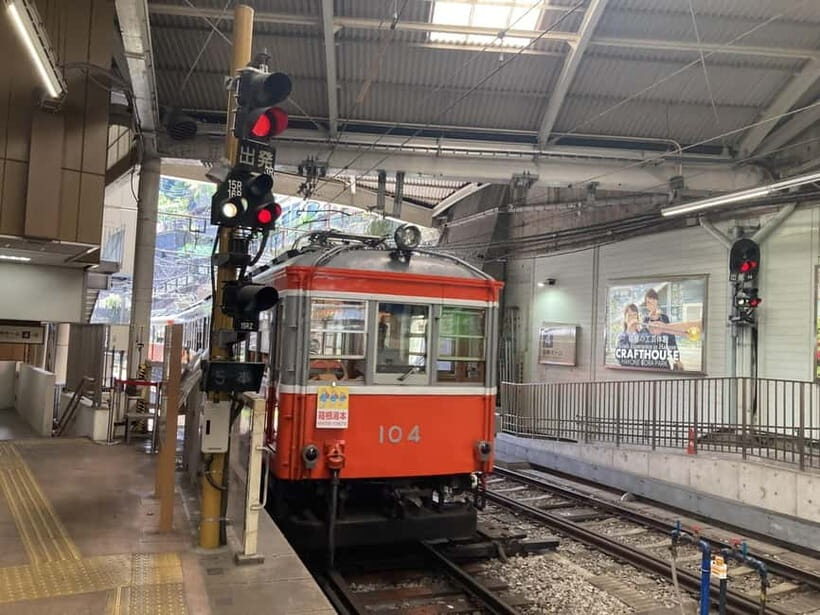
Hakone works best when you let someone else manage the connections, and this tour is built around exactly that: Hakone Tozan Railway up the mountain, then cable car and ropeway over the caldera, and finally a Lake Ashi cruise with the famous torii gates.
I like that the day gives you contrast, not just checkpoints: you’re moving from forested rail views to geothermal steam at Owakudani, then cooling off on the lake. I also like the human side—having an English-speaking guide (I’ve seen guides like Yumiko and Taku named in recent bookings) means you’re not just looking, you’re understanding what you’re seeing.
One consideration: the schedule can feel tight if transport queues run long, and you’ll also need to budget transport fares paid separately. On a crowded day, you can lose time for late stops like the shrine.
Key things to know before you go
- Hakone Tozan Railway: Japan’s only mountain train ride, built for scenic uphill switchbacks
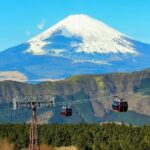
- Caldera views from the air: cable car and ropeway viewpoints above active volcanic terrain
- Owakudani’s steam and sulfur smell: a short but memorable stop with real geothermal atmosphere
- Lake Ashi torii gates + Mt Fuji chance: the cruise is where the photo payoff often happens on clear days
- Hakone Shrine timebox: you’ll want to move at a steady pace to fit it all in
- Private-group style guidance: smoother transitions when the route involves multiple transport modes
You can also read our reviews of more tours and experiences in Hakone.
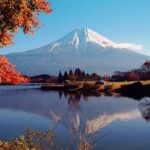
Why Hakone’s mountain-train start matters more than you think
This day trip feels efficient because it starts with something most people can’t easily DIY in a low-stress way: Japan’s only mountain railway, the Hakone Tozan Railway. You’ll ride uphill through wooded slopes, and the train’s route naturally spaces out the scenery. It’s the kind of ride that makes you slow down without forcing a long hike.
I also like that the guide frames the region early—Hakone isn’t just pretty. It’s historically a gateway between areas, and that context helps the rest of the day click into place. When you later see Owakudani and the lake, you’re not thinking random stops—you’re seeing one dramatic setting from multiple angles.
One practical note: you’ll still be sharing space with other passengers, especially at transfer points. This tour reduces the planning headache, but it doesn’t erase peak-day reality.
Cable car and ropeway: the quickest way to feel the caldera’s scale
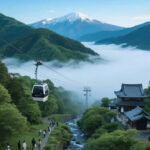
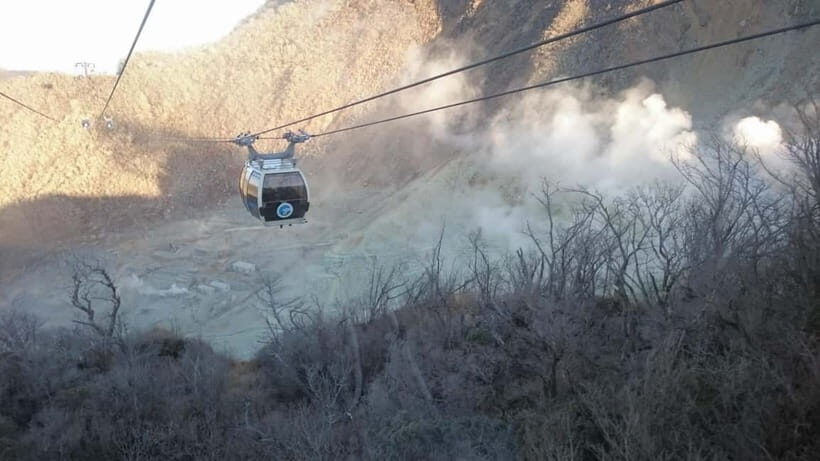
After the train, the route switches gears to cable car and ropeway segments above Hakone’s volcanic caldera. This is where you really start to understand why the region is famous: the terrain looks engineered by geology, not by weather. You get higher viewpoints without committing to a full day of walking.
These rides also do something sneaky for your day: they simplify your energy management. Instead of “walk here, climb there,” you move efficiently while still getting that sweeping, higher-elevation sense of place. Bring warm layers even in shoulder seasons; time aloft and wind can make you feel cooler than you expect.
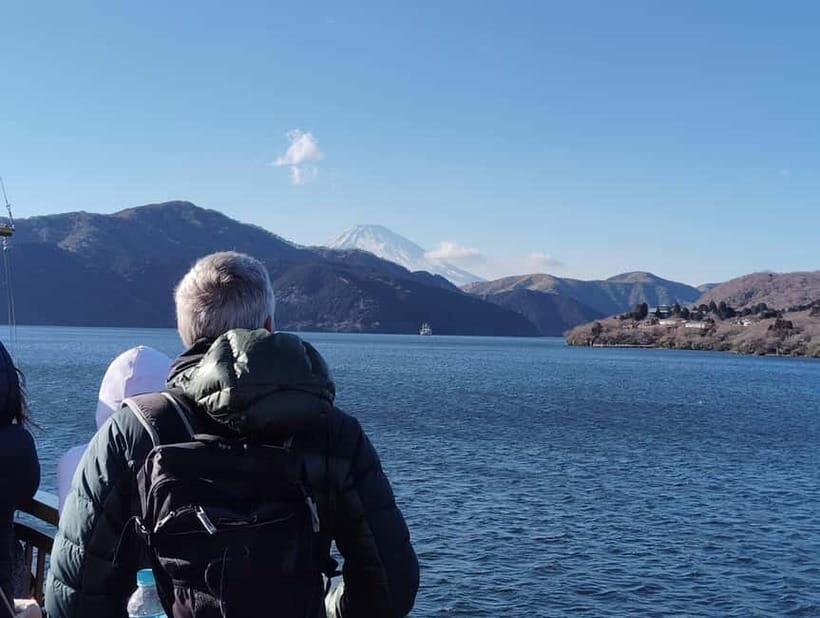
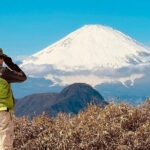
Expect photo stops built into the experience. If you’re chasing Mt Fuji views, keep your camera ready when the light is good. The tour promises Mount Fuji views on clear days, and the cruise is often where it becomes most visible.
Owakudani’s geothermal valley: steam, sulfur air, and that black-egg tradition
Owakudani is the star for many people, and it’s easy to see why. Here you’ll visit the active geothermal valley, where steam rises from vents and the air can carry a distinct sulfur scent. Even if you’re not a geology fan, your brain gets it immediately: this is a living volcanic system.
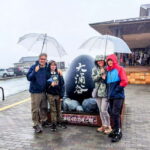
Your time here is guided and timed—think of it as enough to take it in without dragging your whole day down. You’ll get a short guided walk and sightseeing time, plus cultural stories that connect the heat and sulfur to local tradition. One named highlight from a recent French booking mentioned the tradition around black eggs, which are commonly associated with the Owakudani area. If you see them referenced, that’s part of why this stop feels more than just a viewpoint.
Tip for comfort: step close enough to experience the steam, but don’t linger if the smell gets intense. You’ll want to keep your nose functional for the rest of the day (yes, your future self will thank you on the lake).
Lake Ashi cruise with torii gates: where the day can turn magical
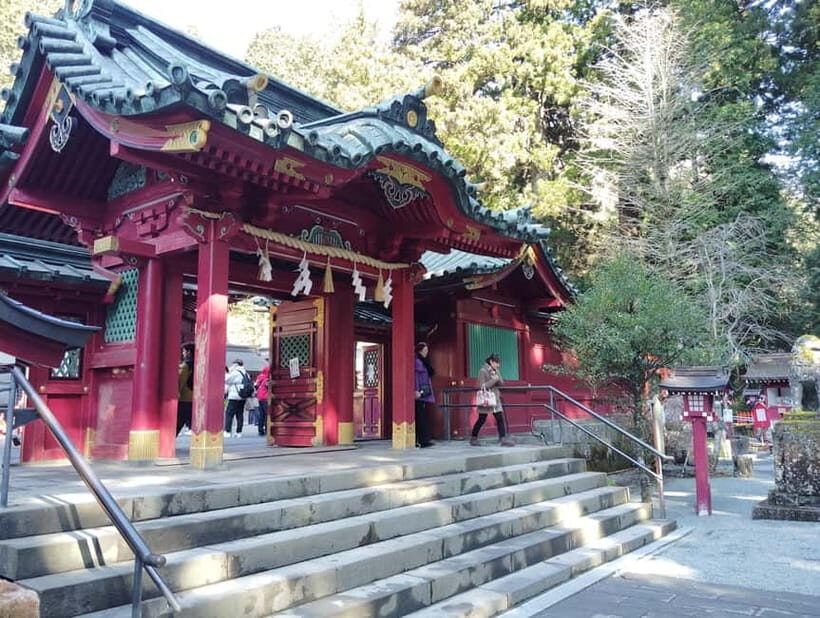
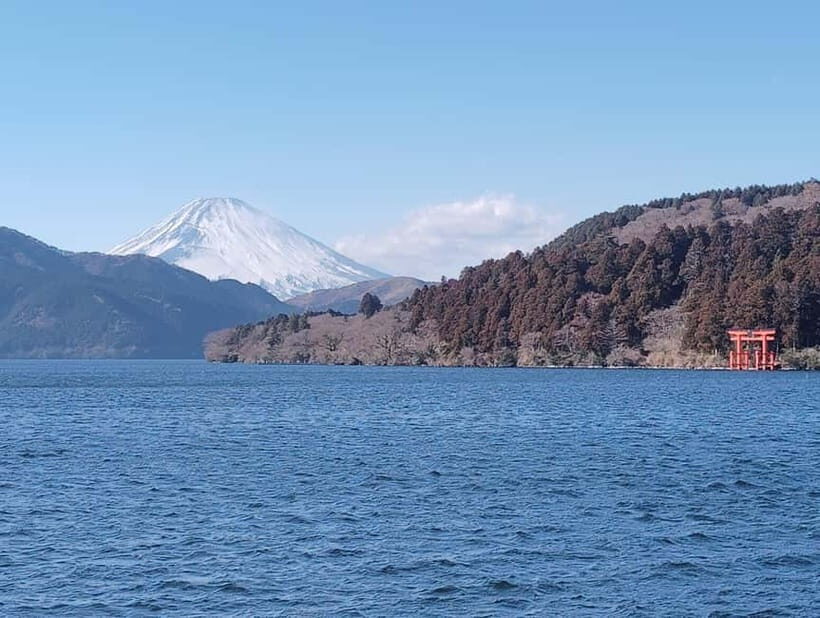
Then you shift from volcanic steam to calm water—Lake Ashi inside Mount Hakone’s caldera. The sightseeing cruise is a big part of the value here because it turns the lake into a moving viewpoint. You don’t have to coordinate walking distances or worry about missing a connection; you’re carried across the water as the shoreline slides by.
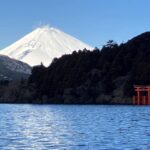
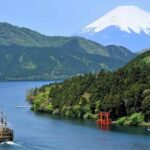
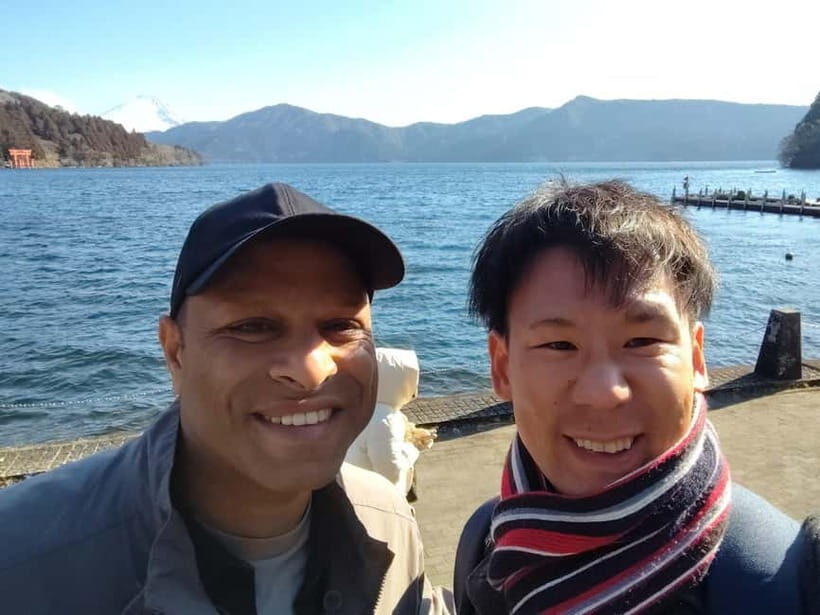
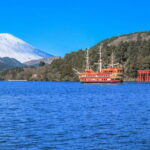
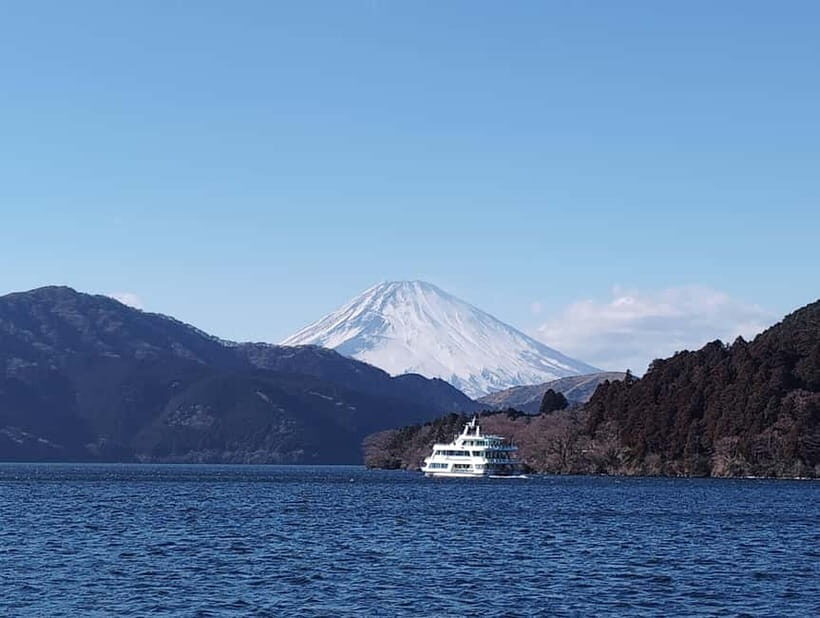
This is also where the iconic torii gates come in. The cruise route gives you repeated chances to catch them from different angles, and that repetition matters for photographers. If you get a clear day, you may also see Mt Fuji across the water. The key detail: it’s not guaranteed, but the opportunity is real.
The cruise duration is substantial enough to feel like a break. After the rides and Owakudani, you’ll likely enjoy the slower pace—this is the portion that helps the whole day feel balanced instead of nonstop transportation.
Hakone Shrine with a timebox: how to make it work on a crowded day
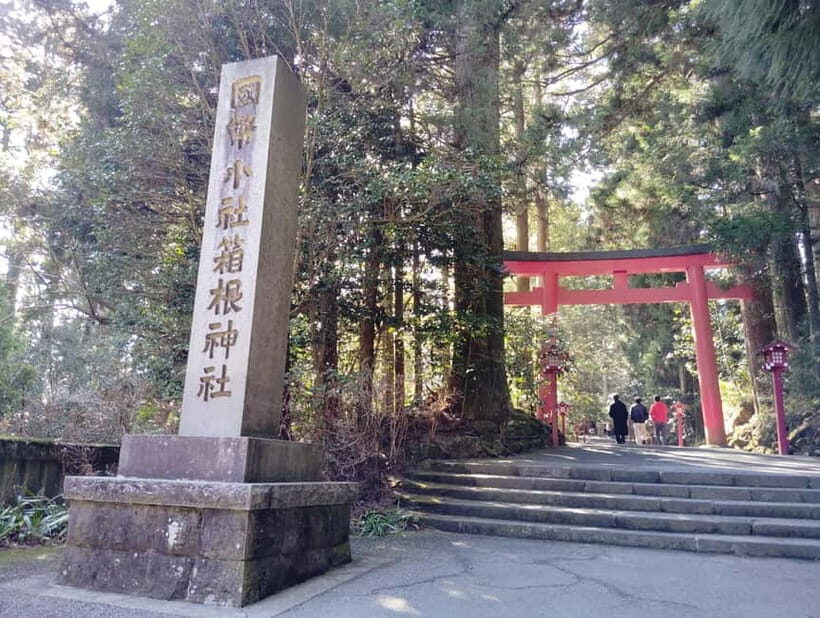
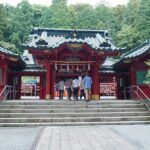
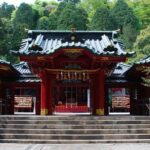
Hakone Shrine is your spiritual and cultural capstone. You’ll visit with guided time and enough room for sightseeing (including time to appreciate the location and take photos). For many people, this stop provides a nice contrast to the geothermal intensity earlier in the day.
The catch is timing. One booking noted that on a crowded Monday, ropeway lines stretched and they ran out of time at the end, missing the shrine. That doesn’t mean the shrine isn’t worth it—it means you should treat the day like a schedule, not a choose-your-own adventure.
If you care a lot about the shrine specifically, I’d aim to:
- keep your pace steady at every transfer
- use restroom and snack breaks early, not right at the end
- be ready to prioritize what you want to see first once you arrive
This tour is well planned, but peak crowds can still squeeze the edges.
Price and value: $139 plus the transport you still have to pay
At $139 per person, the tour can be a good deal if you value stress reduction and smooth logistics. You’re paying for an expert English-speaking guide and a route that strings together the mountain train, cable car, ropeway, cruise, and shrine without you hunting schedules.
But here’s the part you must not ignore: transport fares aren’t included. Multiple bookings flagged that this can make the final spend feel higher than expected. One person even argued they could buy a round-trip ticket for far less than the tour cost if they planned independently.
So how do you decide if this is worth it for you?
- Choose it if you want the guide to handle transitions and explain what you’re seeing as you go.
- Consider alternatives if you’re a strong planner and comfortable figuring out transit on your own.
- If you book, double-check the total you’ll pay once transport segments are added, so there are no surprises.
Also, private group guidance can be meaningful. In a recent booking, a guide named Yuuki was praised for being accommodating and knowledgeable, and another noted Taku helped keep the day smooth despite transport changes. That kind of real-time problem solving is hard to replicate when you travel solo.
What the guide actually adds (beyond directions)
It’s easy to think of guided tours as “talk while you walk.” Here, the guide’s role is more practical than that. You’re switching between multiple transport modes, and having someone who’s ready for timing and coordination reduces the mental tax.
You’ll also get context that makes the stops feel connected. Hakone’s story shows up again and again: it started as a checkpoint town along the old Tokaido Road and became a famous mountain resort, and that history helps explain why the region has both sacred places and dramatic natural areas. When your guide shares that kind of link, Owakudani and Lake Ashi feel like part of one itinerary instead of separate photo stops.
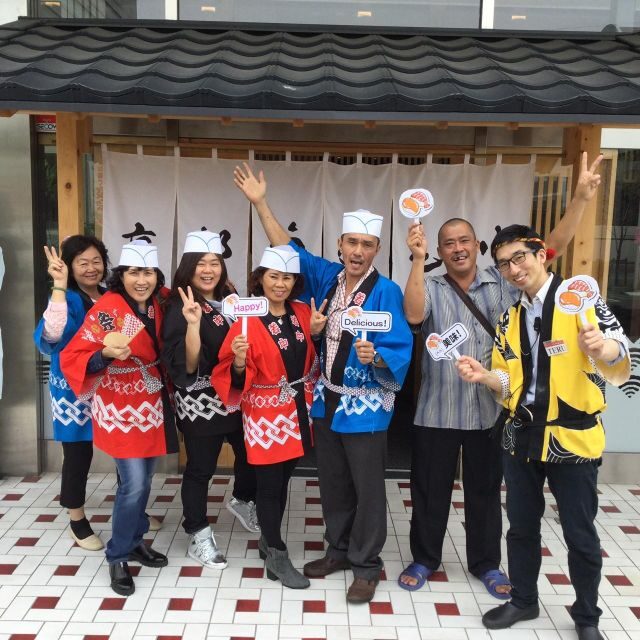
And yes, names matter—recent bookings specifically mentioned guides like Yumiko, Taku, Yuuki, and Kyo. That’s a sign the experience is built around guide quality, not just transportation.
Smart day-trip tactics: lines, weather, and what to pack
This is a long day, and the itinerary moves across different elevations and environments. That means your comfort matters as much as your camera.
Bring:
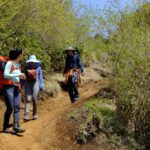
- comfortable shoes (there will be walking)
- warm clothing (especially for ropeway/cable car sections and wind)
- a camera
- sunscreen
Dress for weather changes. Hakone can feel colder than Tokyo even when it looks fine on your first photo.
Timing tactic: arrive at the meeting point about 15 minutes early. That small buffer protects you from last-minute confusion and helps the group start on time.
Crowd tactic: avoid the busiest days if you can. One booking described long queues on a Monday that ate into the schedule. If you’re flexible, weekdays or less crowded timing can protect the later stops.
Finally, plan for Mt Fuji as a maybe. The tour mentions Mount Fuji views on clear days, and cloud cover can block it. When it happens, it’s worth it. When it doesn’t, you still get the steam, torii gates, and the Hakone transport experience.
Who should book this Hakone Adventure?
This tour fits best if you:
- want one guided day that hits rail, cable car, ropeway, cruise, and shrine
- prefer not to coordinate transit between multiple areas yourself
- enjoy learning the stories behind what you see (volcanic activity, spiritual sites, regional history)
- want an English-speaking guide and a private-group format
It may not be the best match if you:
- need wheelchair-friendly access or have mobility limits beyond what can be managed comfortably (the tour states it’s not suitable for people with mobility impairments)
- have heart problems or are pregnant (also stated as not suitable)
- hate tight timing and the possibility of missing a late stop when queues run long
Should you book this Hakone Adventure or plan solo?
I’d book it if your priority is a smooth, guided, multi-transport day where you see Hakone from several angles without doing transit math. The combination of Hakone Tozan Railway, geothermal Owakudani, and the Lake Ashi cruise is exactly the kind of day where a guide earns their keep.
I wouldn’t rely on the listed price alone. Add transport fares in your budget so you can judge value honestly. If you’re cost-focused and comfortable navigating the systems yourself, you might find cheaper ways. But if your goal is comfort and context—plus that Mt Fuji-on-clear-days hope—this private English-guided route is a solid way to spend the day in Hakone.
FAQ
Where does the tour start?
You can choose from several meeting points, including 向山公園, 新宿警察署 新宿駅東口交番, 箱根湯本駅, and 小田原駅観光案内所. The exact meeting point depends on which option you book.
How long is the Hakone Adventure tour?
The duration is listed as 270 to 570 minutes. Starting times can affect how long your day ends up being.
What transport rides are included in the experience?
The day includes Hakone Tozan Railway, plus cable car and ropeway above the volcanic terrain, and a sightseeing cruise on Lake Ashi.
Is Mount Fuji guaranteed on this tour?
No. The tour description notes Mt. Fuji views are on clear days, so weather can affect what you see.
What is included in the price?
The tour includes an expert English-speaking guide, a curated route covering top Hakone sights, and help navigating between train, cable car, ropeway, and cruise.
What is not included?
Transportation fares and food/drinks are not included. You pay transport costs separately during the tour.
What language is the tour guide?
The guide is available in English.
Is the tour suitable for everyone?
The tour is not suitable for pregnant women, people with mobility impairments, or people with heart problems.
What should I bring and wear?
Wear comfortable shoes, bring warm clothing, and consider bringing a camera and sunscreen.
Are there any rules about smoking?
Smoking is not allowed.
—
If you tell me your travel month (and whether you’re starting from Tokyo or Odawara/Hakone Yumoto), I can help you think through the timing and how to best protect the Mt Fuji and shrine chances.