REVIEW · KYOTO
Kyoto&Nara Private Highlights Tour with English driver Pickup
Book on Viator →Operated by kansai holiday · Bookable on Viator
One long day, many Kyoto icons. This private car tour pairs easy hotel pickup with a customizable route, so you can hit the big sights without burning time on transit. I also like that the plan is built around realistic stop windows, not a rushed checklist. One possible drawback: the day’s “guiding” can vary, since some drivers focus on driving more than storytelling, so confirm the level of English help you want.
You can design your own order, then let the driver handle the movement and timing. The route naturally concentrates on Kyoto’s top hits (bamboo, Golden Pavilion, Inari, Gion, Kiyomizu-dera) and can extend into Nara for deer and Todai-ji. Expect 8 to 10 hours total, including travel time, which is a lot—so wear good shoes and plan to pace yourself inside each stop.
In This Review
- Key points before you go
- Why a private car day in Kyoto and Nara is worth the money
- Pickup, the ride, and how WiFi actually helps
- How to customize your highlights without turning it into chaos
- Arashiyama Bamboo Forest: the calm-start that sets your mood
- Kinkaku-ji and Fushimi Inari: two of Kyoto’s most photogenic stops
- Gion and Nishiki Market: old Kyoto vibes with practical payoff
- Kiyomizu-dera: the famous stage and city views
- Nara Park and Todai-ji: finishing strong, even if the last hours drag
- Entrance fees and what you should budget in advance
- Value for money: $422.70 per group and how the math really works
- Tips that make this tour smoother (and happier)
- What to know about English and guiding expectations
- Should you book this private Kyoto and Nara highlights tour?
Key points before you go
- Hotel pickup in Kyoto or Osaka: start the day with less hassle and more sightseeing time.
- Customizable highlights: you can adjust the order and swap in optional stops like Ginkaku-ji or Nijō Castle.
- Air-conditioned private van with WiFi: comfortable between temples, especially in hot weather.
- Most major Kyoto sights in one run: Arashiyama Bamboo Forest, Kinkaku-ji, Fushimi Inari, Gion, Nishiki Market, Kiyomizu-dera.
- Nara extension is built in: Nara Park deer and Todai-ji are common end-of-day anchors.
- Know which entrance fees are extra: Kinkaku-ji and Todai-ji are listed as not included.
Why a private car day in Kyoto and Nara is worth the money
Kyoto can be a navigation puzzle. Temples cluster in different neighborhoods, public transit is crowded, and walking between “close” sights can still take time. This is the core value here: a private vehicle and hotel pickup/drop-off mean you’re not spending your day fighting transfers or timing buses.
The other big win is control. Your driver can usually shift the order to reduce bottlenecks and help you line up your must-sees. One review specifically praised a guide named Gao for modifying the route to avoid traffic and even taking a small detour for coffee—exactly the kind of flexibility that turns a “tour” into a day that fits your energy level.
The tradeoff is that it’s still one full day. You’re doing multiple stops, and some are popular no matter what. If you like slow mornings and long museum-style visits, you may feel the calendar pressure by hour six or seven.
You can also read our reviews of more private tours in Kyoto


Pickup, the ride, and how WiFi actually helps
This tour uses an air-conditioned private vehicle with WiFi, with a luxury 6- or 9-seat van as the ride type. That matters more than it sounds. Between Kyoto and Nara, and between dense temple areas, you’ll spend time sitting—so having A/C turns the “in-between” into downtime instead of suffering.
WiFi is practical too. You can check last-minute details like train alternatives if plans change, or confirm which entrance lines look shortest when you arrive. Also, when you’re taking photos all day, it’s useful to quickly access maps or save directions for your next stop.
Pickup and drop-off are offered from Kyoto or Osaka hotels. That’s a big deal if you’re staying near a station but don’t want to commit to trains, transfers, or walking with luggage. It also reduces your morning stress, which is how these days get easier before they get hard.
How to customize your highlights without turning it into chaos
Customization is the point, but you still need a game plan. Kyoto and Nara are big enough that “everything” turns into “nothing.” What works best is choosing a few anchors, then letting the driver place the rest around them.
The tour layout commonly includes classic Kyoto anchors such as:
- Arashiyama Bamboo Forest
- Kinkaku-ji (Golden Pavilion)
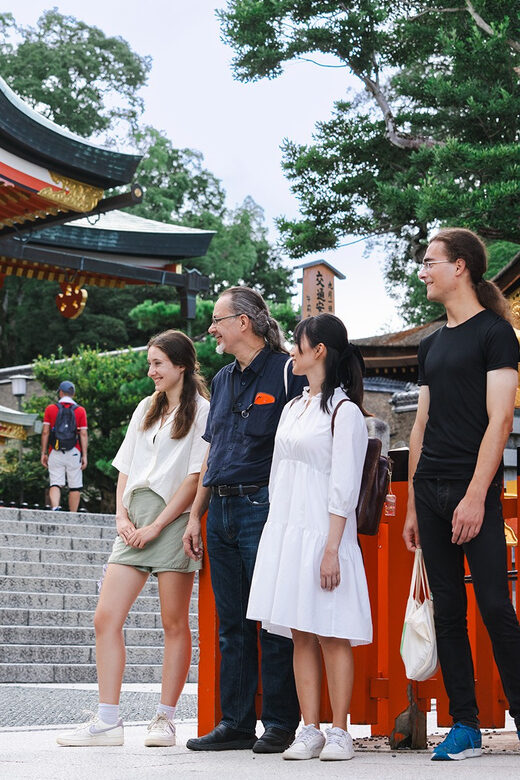
- Fushimi Inari Taisha
- Gion
- Nishiki Market
- Kiyomizu-dera
And if you extend to Nara, the natural end caps are:
- Nara Park
- Todai-ji
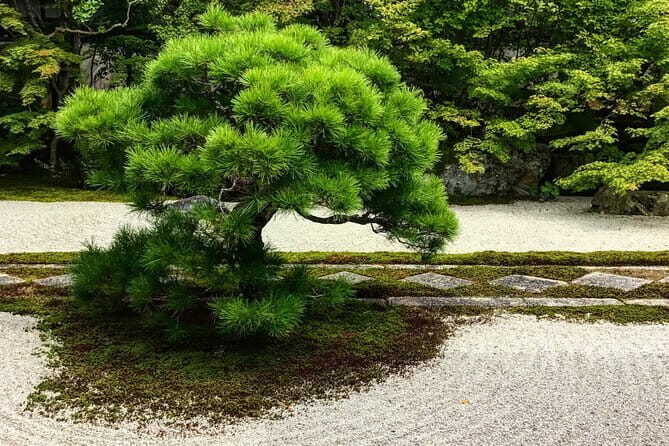
Your driver can also slot in optional stops listed as possible additions, like Ginkaku-ji, Nijō Castle, Sanjūsangen-dō, or even a Zen temple stop. The key is to decide what you want more: photo-heavy landmarks, food browsing time, or quieter temple pacing.
A smart way to communicate is to give priorities like:
- Must-see: (one or two places)
- Nice-to-have: (two or three)
- Skip if crowded: (one item)
That way, you don’t have to negotiate on the fly at every intersection, and the day stays calm.
Arashiyama Bamboo Forest: the calm-start that sets your mood
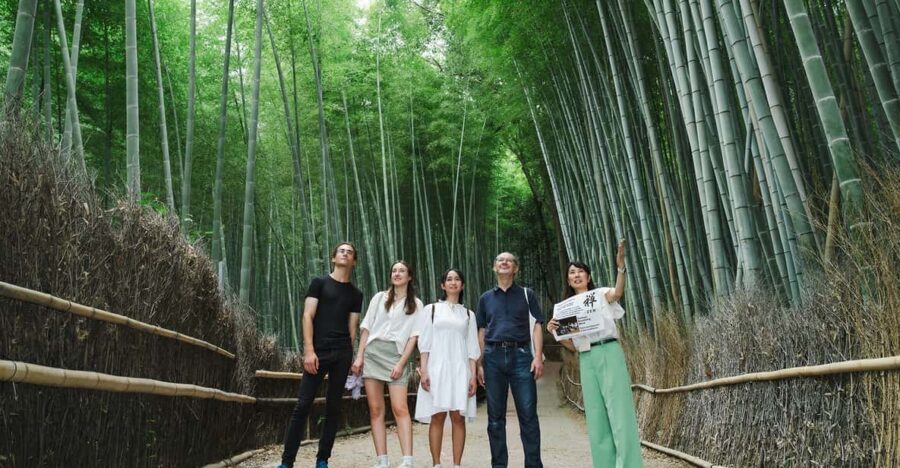
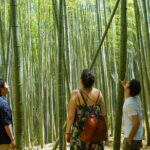
The day often begins with Arashiyama Bamboo Forest, where a short walking path winds through tall bamboo stalks. It’s iconic for a reason. Even when it’s busy, the setting has a way of slowing your footsteps.
You’ll typically get about an hour here, and the admission ticket is listed as free. That makes it a low-cost way to get a memorable Kyoto atmosphere early in the day, before you hit the more commercial areas later.
One practical consideration: bamboo forest paths are easy to walk but not always wide. If you’re traveling with people who need extra space or frequent breaks, go at a steady pace and build cushion time for slower moments.
Kinkaku-ji and Fushimi Inari: two of Kyoto’s most photogenic stops
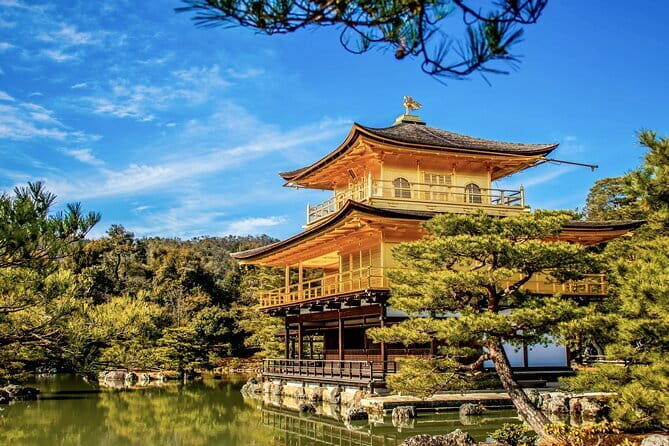
Kinkaku-ji (Golden Pavilion) is a standout visual: a three-story pavilion covered in gold leaf, and a UNESCO World Heritage site. The suggested time is about 30 minutes. That’s short, but it’s realistic—because once you’re inside the main viewing areas, crowds and angles do most of the work for you.
Here’s the practical bit: the entrance fee is not included, listed at ¥400 per person. So if you’re estimating day expenses, don’t forget Kinkaku-ji.
Then comes Fushimi Inari Taisha, known for its long corridors of thousands of torii gates in bright red. You’ll typically get around 45 minutes. This is the stop that rewards walking a little deeper, but it’s also the one where timing matters. If your route lets you arrive earlier, you’ll likely enjoy more breathing room on the trails.
Also, Fushimi Inari’s admission is listed as free. That’s helpful for budgeting, and it’s a good way to balance paid temples with free icons.
A few more Kyoto tours and experiences worth a look

Gion and Nishiki Market: old Kyoto vibes with practical payoff
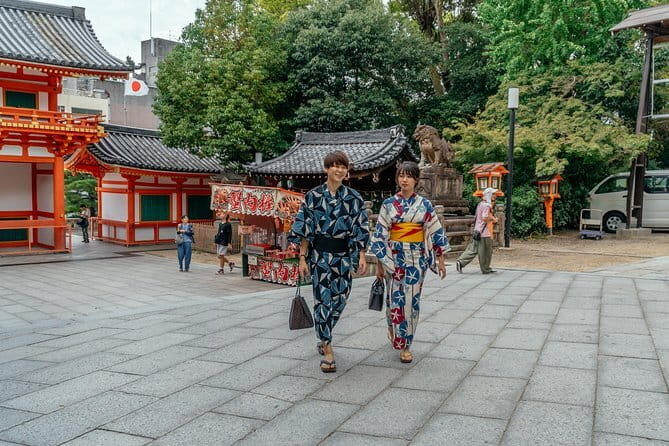
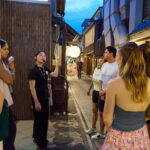
Gion is Kyoto’s best-known traditional district, with historic wooden townhouses and the famous geisha culture. You’ll usually have about an hour. Even if you’re not hunting for specific performances, the streets and architecture are the point—especially when you take your time and watch the street life shift.
The next stop often links well with Gion: Nishiki Market Shopping District, sometimes called Kyoto’s Kitchen. It’s lively and food-focused, and the schedule usually allows about an hour. This is where you can turn temple fatigue into snacks.
The admission is listed as free, which makes it a great “flex stop.” If you find your walking pace slowing down, you can slow further by shopping, tasting, and resting on the go. If you’re hungry at the right moment, this stop pays you back fast.
A tip for your planning brain: set a small budget for Nishiki, but also accept that you might spend more if you fall for one more sample. That’s part of the charm.
Kiyomizu-dera: the famous stage and city views
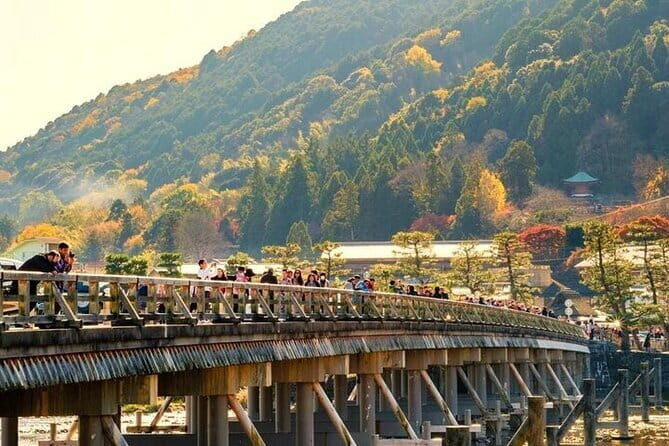
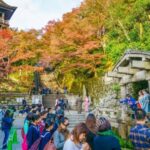
Kiyomizu-dera is one of Kyoto’s best-known temples, founded in 778. The big draw is its large wooden stage (built without nails) and the panoramic views over the city. You’ll typically get about an hour.
The entrance fee is not included, so plan on adding it to your day’s costs (the listing notes it as not included, though it doesn’t give a yen amount for this stop). Because Kiyomizu-dera is a major highlight, lines and crowd flow can affect how much you can see in your allotted time.
What I like about giving it an hour is that it’s long enough to enjoy both the main viewing areas and the surrounding temple grounds without feeling like you’re sprinting. If you’re sensitive to heights or steep paths, move slowly near viewing areas and choose your spots carefully.
Nara Park and Todai-ji: finishing strong, even if the last hours drag
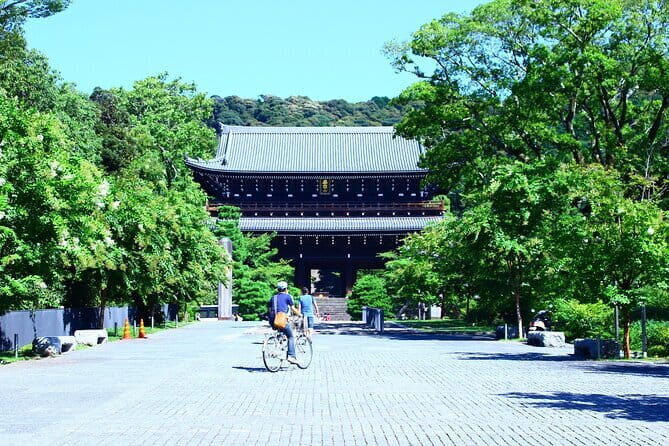
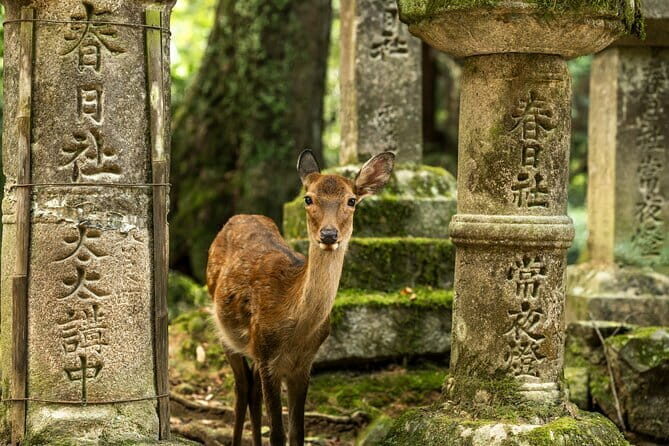
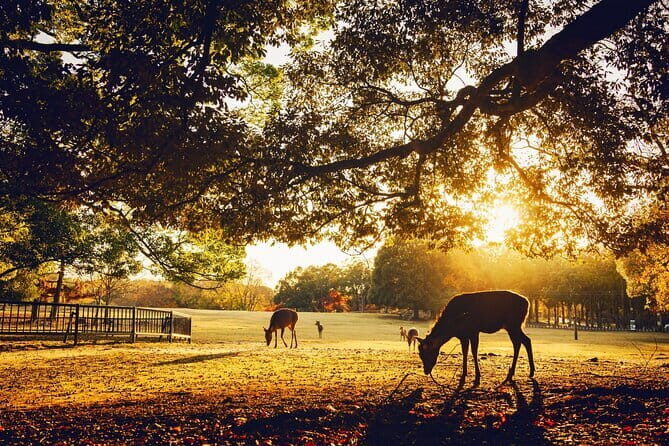
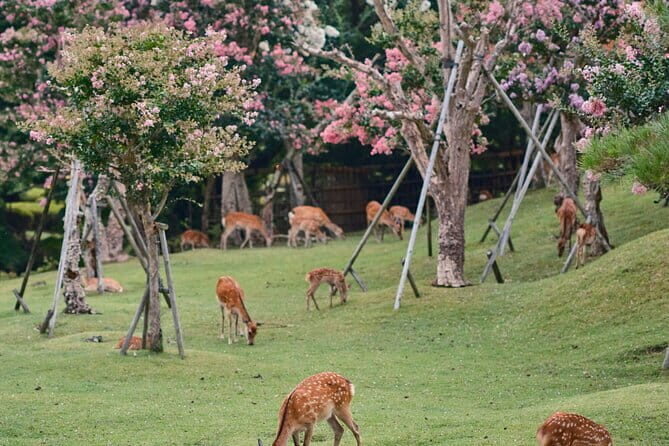
Nara often works best as the final “big payoff” after Kyoto. You’ll usually get around an hour at Nara Park, famous for the deer. They’re calm enough that you can enjoy them close-up, and the park walk adds a different feel than Kyoto’s dense temple cluster.
Nara Park’s admission is listed as free. That helps keep the day from turning too expensive once you’re already tired and traveling.
Todai-ji is the grand finale: the largest wooden building in the world and home to a massive bronze Buddha statue, with a listed suggested time of about an hour. The entrance fee is not included; the listing notes ¥800 per person.
This is the stop where you’ll notice the day’s stamina. An hour can fly by if you’re seeing everything quickly, or feel like plenty if you slow down. Either way, it’s a fitting end point for first-time Kyoto/Nara visitors because it’s huge, unmistakable, and memorable.
One consideration from experience shared by others: if you’re expecting the last stop to feel as magical as the first, you may be disappointed if your timing or energy level dips. I’d treat this as a reason to go in with realistic expectations and enjoy the scale rather than trying to feel “peak wonder” on demand.
Entrance fees and what you should budget in advance
This tour covers transportation, fuel, tolls, and parking. That’s a big part of the cost savings you get from private driving. But temple entrances are a pay-as-you-go item for certain major sites.
Not included entrance fees in the provided details include:
- Todai-ji: ¥800 per person
- Kinkaku-ji: ¥400 per person
For other listed stops in the schedule (like Arashiyama Bamboo Forest and Fushimi Inari), admission is listed as free. Kiyomizu-dera is noted as not included, but no yen amount is provided in the details you gave.
If you want a simple budgeting method, I’d plan for the two yen amounts above plus any entrance fees that come up at Kiyomizu-dera during the day. That keeps you from doing math at the ticket counter while everyone’s standing there.
Value for money: $422.70 per group and how the math really works
The price is $422.70 per group (up to 15) for an 8 to 10 hour experience. That sounds like a lot at first glance—until you remember what you’re buying:
- hotel pickup/drop-off
- private air-conditioned vehicle
- fuel, tolls, and parking
- WiFi onboard
For couples and small groups, this can be strong value compared with paying separately for transfers plus walking time plus taxis for “last mile” hops between neighborhoods. You’re also paying for time and convenience, not just seats.
What makes this tour especially worthwhile is that it doesn’t force you to choose between Kyoto highlights and Nara highlights. When your day is structured, you can do a meaningful cross-section of both without burning a whole day on trains and walking.
If you’re a solo traveler, it may feel less cost-effective, simply because private rides are private. If you’re traveling as a group, it’s easier to see the value: the fixed costs of the vehicle spread out across more people.
Tips that make this tour smoother (and happier)
A private day goes better when you prepare for the pace. Here are practical moves that match what’s been shared about how guides operate on the day:
- Pick your must-sees early: decide which places you’d regret skipping (for many people it’s bamboo + Inari + one of the big temples).
- Ask your driver to help with timing: one guide (Gao) was praised for changing the order to reduce traffic, and that kind of adjustment can save real minutes.
- Use the car for mini-resets: in hot weather, A/C breaks help you keep going. One review specifically called out comfort after each stop on a hot day.
- If you want food time, plan it: Nishiki Market is built for snacking and shopping, so decide whether you want a quick sample run or a full snack-and-browse hour.
- Don’t be shy about small requests: one guide was happy to handle a Starbucks-style detour, and another (Mia) was praised for being patient and for taking photos on a phone.
Also, bring comfortable footwear. Even when the car does the heavy lifting, Kyoto temples still involve lots of walking and stairs.
What to know about English and guiding expectations
One mixed point shows up clearly: not every driver provides deep cultural commentary. In at least one experience, the driver had limited English and didn’t guide much about what you were seeing.
At the same time, other named hosts were praised as informative and helpful—like Gao and Mia. That tells me the quality of storytelling may depend on who you’re assigned and whether you chose an added professional guide option.
So here’s my advice: if you want real narrative and culture explanations, confirm the option for a professional guide before you go. If you primarily want logistics plus the flexibility to move at your pace, a driver-led experience can still work very well.
Should you book this private Kyoto and Nara highlights tour?
Book it if you want a high-hit-rate day with minimal transit headaches. It’s ideal when you’re short on time, want hotel pickup, and like the idea of choosing your route rather than following a rigid group schedule.
I’d pass or adjust expectations if you’re chasing a deeply guided, story-heavy tour and you don’t want to risk variation in English proficiency. In that case, get clarity on whether you’re booking a professional guide, not just a driver who can chat casually.
If you like comfort, you’ll appreciate the air-conditioned private van and WiFi. If you like control, you’ll enjoy the customizable order and the chance to make small practical requests—especially when traffic and crowds start to pile up.
Bottom line: for most first-timers, this is a smart way to see Kyoto’s headline sights plus a strong Nara finish—without spending your day thinking about buses, lines, or directions.