REVIEW · TOKYO
Tokyo: 7 Kinds of Sake Tasting with Japanese Food Pairings
Book on GetYourGuide →Operated by True Japan Tour · Bookable on GetYourGuide
Seven pours, one smart lesson in taste. In Minato City, this 75-minute session serves seven kinds of sake with Japanese and Western bites just across from Tokyo Tower, guided by an English-speaking expert.
I love the way the flight moves from lighter styles (including sparkling) toward sweet and dessert sake, so you can actually taste how the spectrum changes. I also like that you get real production and serving know-how, not just random sip-and-smile talk, with hosts Tanaka-san and Taka-san steering the experience.
One possible snag: the meeting spot can be harder to spot inside the Kikai Shinko Kaikan building, so use the exact directions and the backup room if needed.
In This Review
- Key Things To Know Before You Go
- Entering Tokyo Tower Area: Finding Kikai Shinko Kaikan Without Stress
- What You Taste: Seven Sake Samples in a Clear Flavor Order
- Production and Serving: The Real Lesson Behind the Pour
- Pairing Sake with Japanese and Western Food Bites
- The Sweet Finish: Dessert-Style Sake and Why It Works
- Small Group Format: Why the 10-Seat Limit Improves Everything
- Value in Tokyo: Is $106 a Good Deal for 7 Sakes and 7 Pairings?
- Who Should Book This Tokyo Sake Tasting (and Who Should Skip It)
- Quick Practical Notes: Timing, Language, and Getting Around
- Should You Book It? My Decision Checklist
- FAQ
- Where do I meet the instructor?
- How long is the tasting?
- How much does it cost?
- Is the class offered in English?
- How many people are in the group?
- Is it wheelchair accessible?
- Is hotel pickup included?
- What’s included in the experience?
- Is it suitable for minors?
- What are your cancellation and payment options?
Key Things To Know Before You Go
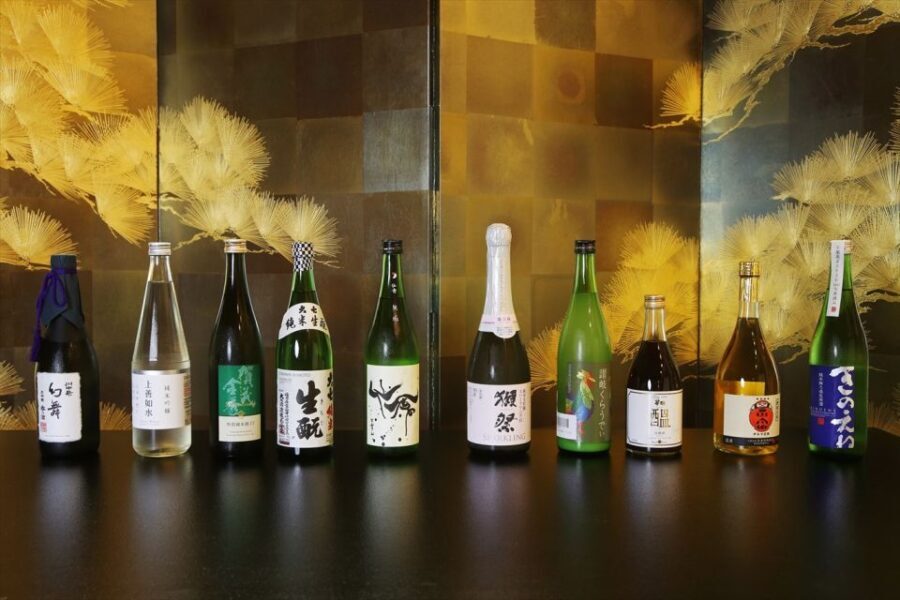
- Seven sake styles in one sitting: from sparkling to sweet, then a dessert-style pour at the end
- Pairing is built into every taste with Japanese and Western dishes, not side snacks
- You get the why behind the flavor: history basics plus how sake is made and served
- Small group feel with a limit of 10 participants, which keeps it personal
- Close to Tokyo Tower at Kikai Shinko Kaikan, with clear backup instructions if you can’t find the right desk
- Tanaka-san and Taka-san show up as the names to watch for at the front of the class
Entering Tokyo Tower Area: Finding Kikai Shinko Kaikan Without Stress
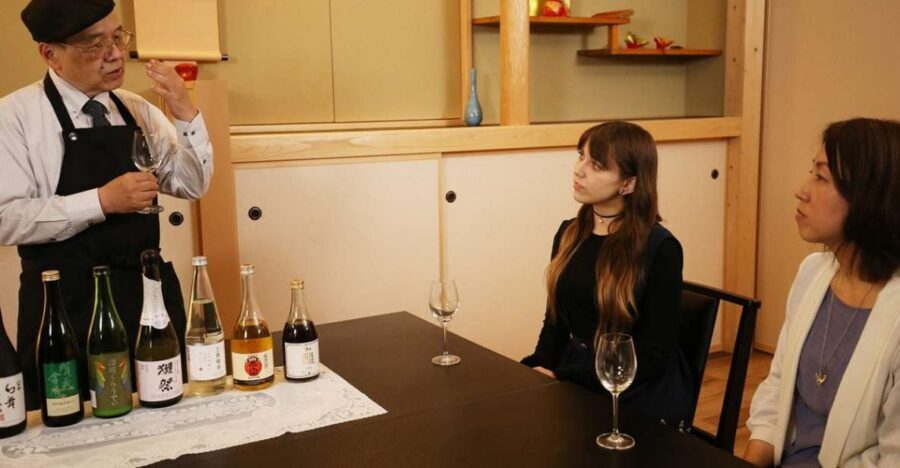
This tasting is based in Minato City at the Kikai Shinko Kaikan building, and the landmark is Tokyo Tower. That’s great news for your sense of direction—you’re not hunting through back alleys or industrial side streets.
Still, the building is an office-style setup, so don’t plan to “just walk in and figure it out.” Meet your instructor at the main entrance on the 1st floor. If you don’t see them right away, head to the True Japan Tour desk at Room B109 on the B1 floor. Doing this fast helps you start tasting on time, without a distracted scramble.
Once you’re inside, you’ll be in a teaching/demo-kitchen style space. That matters because it keeps the pacing tight: you’re not waiting around for course changes, and you’re not drifting between rooms.
You can also read our reviews of more food & drink experiences in Tokyo

What You Taste: Seven Sake Samples in a Clear Flavor Order
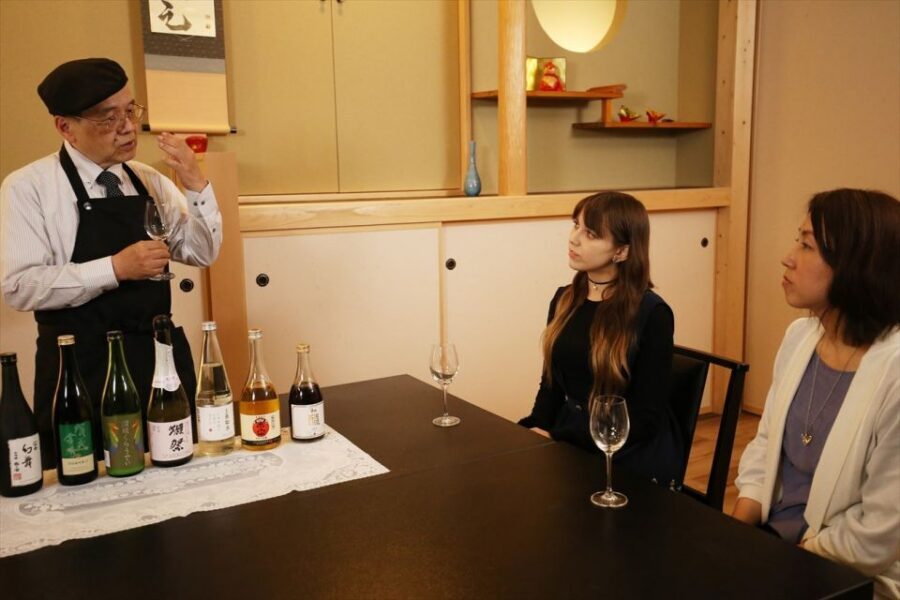
You’re signing up for a true seven-sake flight, and the structure is one of the smartest parts. The lineup is designed to take you across the flavor map, from lighter to richer, with finishes that go sweet.
Here’s what you can count on:
- Seven samples in total
- Styles range from sparkling to sweet
- The session ends with a dessert-style sake sample
Why that progression helps: when you taste multiple sakes back-to-back, you need a logical path. If everything were served randomly, it’s easy to get lost in sweetness or alcohol heat. This format lets you notice how aroma, body, and finish change as you move through the flight.
You’ll also learn how sake isn’t a single flavor. Even when two pours look similar in the glass, pairing and serving temperature can shift the whole experience. That’s the kind of takeaway that makes your next restaurant order more confident.
Production and Serving: The Real Lesson Behind the Pour
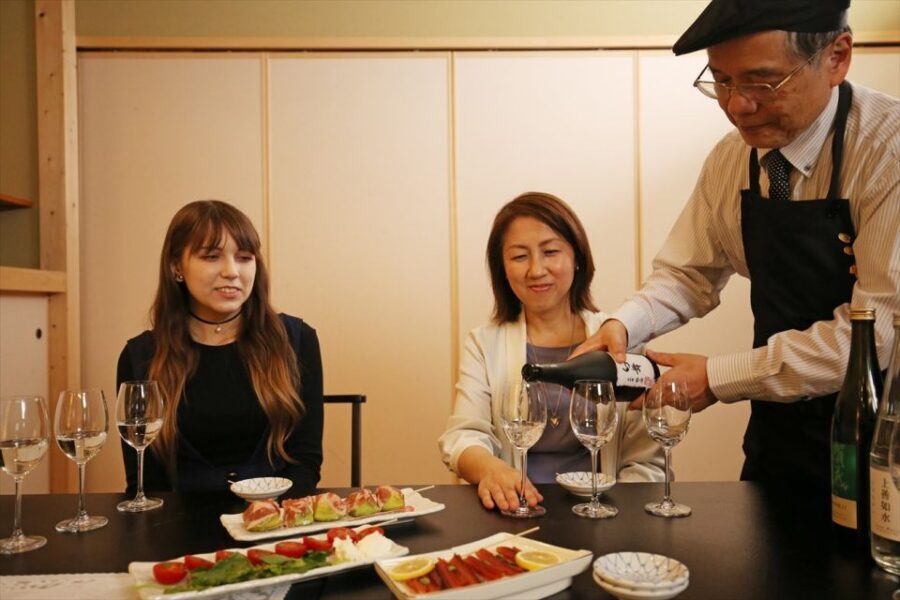
This isn’t just about tasting. You get the story of sake and the mechanics behind it from an accredited, English-speaking instructor.
In the class, you can expect basics on:
- how sake is produced
- the history and role of sake in Japanese culture (including its ties to religion and tradition)
- the different sake varieties and what they tend to taste like
I like this approach because it turns you from a casual drinker into a more deliberate taster. Instead of thinking, I like this one, you start thinking in terms of style and structure—how sweetness feels, how savory notes show up, and why the same dish can taste different with another pour.
Also, the hosts Tanaka-san and Taka-san come through as warm and animated. That matters in a tasting class, because you’ll ask questions. When the teacher makes it easy to speak up, you get more value out of every sample.
Pairing Sake with Japanese and Western Food Bites
The food pairing is not an afterthought here. You’ll eat along with the tasting in a multi-course format, mixing Japanese and Western-style dishes.
From the information provided, the pairings can include items like:
- Japanese cheese
- crudités
- duck
And in some sessions, you might even see certain bites cooked or prepared in front of you, which adds a “watch it happen” moment instead of just plating everything and walking away.
Why these pairings matter: sake can swing from refreshing to rounded, and matching the right style with the right bite changes everything. A savory or fatty bite can make certain sakes feel smoother, while lighter, brighter sakes often help cut through richness.
What’s practical for you as a visitor: after this, you’ll have a simple instinct for ordering. If you tend to like sweet drinks, you’ll learn what kinds of sakes land in that zone. If you prefer dry, savory flavors, you’ll understand what styles to look for and how to think about balance with your meal.
The Sweet Finish: Dessert-Style Sake and Why It Works
Most sake tastings end with something clean or classic. This one explicitly closes with a dessert-style sake sample.
That choice is more than just “one last sip.” Ending sweet helps you reset your palate. It also gives you a clearer contrast so you can remember the flight from start to finish.
If you’re the type who usually avoids dessert because it’s too heavy, this can be a useful lesson in texture and sweetness levels. You’ll get a taste that’s meant to be enjoyed like a finish, not like an extra alcoholic step.
And if you’re already a fan of sweet sake at Japanese restaurants, this final pour gives you a way to compare—so you’re not only relying on gut feeling next time.
A few more Tokyo tours and experiences worth a look



Small Group Format: Why the 10-Seat Limit Improves Everything
With a limit of 10 participants, this tasting stays interactive. That small size is a big deal because you can hear answers, and the instructor can react to the room.
A smaller group also tends to make the class feel less like a scheduled lecture and more like a guided table experience. In the sessions described, it can even feel very intimate, depending on how many people are booked.
For you, that means:
- fewer distractions
- more chances to ask questions about sake types and pairing choices
- a smoother timeline through all seven pours and seven pairings
This is one of those experiences where the quality comes from attention to pace. You don’t want to rush through tastes, and you also don’t want long gaps that dull your palate.
Value in Tokyo: Is $106 a Good Deal for 7 Sakes and 7 Pairings?
Price is $106 per person, and the value comes from what’s included, not just the venue.
You get:
- nationally accredited instructor
- 7 sake samples
- 7 food pairings
- a 75-minute guided experience
So you’re not paying only for drinks. You’re paying for tasting structure and pairing education. The fact that each sake is paired with bites means you’re getting multiple “small lessons” across the full flight.
In practice, that’s often more useful than a generic tasting where you sample and leave with no framework. Here, you finish with a better sense of how to match styles to food, which can make your future meals in Tokyo feel more intentional.
If you’re someone who likes both alcohol and Japanese food, the package is straightforward: you’re doing seven tastings plus seven pairings, guided in English, near one of Tokyo’s biggest landmarks.
Who Should Book This Tokyo Sake Tasting (and Who Should Skip It)
This experience is a strong fit if:
- you want a structured introduction to sake beyond basic labels
- you care about food pairings, including Japanese dishes and some Western options
- you prefer small groups and want time for questions
It’s not suitable for people under 20, so plan accordingly if you’re traveling with a younger group.
If you’re a total sake expert already, you might still enjoy the production and pairing logic. But if you mainly want a long, independent tasting with a lot of free-form exploration, this format is designed to teach and to finish within 75 minutes.
Quick Practical Notes: Timing, Language, and Getting Around
The session runs 75 minutes, so plan it as a focused activity. It fits well in a day that already includes sightseeing near Tokyo Tower.
The class is in English, which makes the production and variety explanations easier to follow without translation work.
You should also know it’s wheelchair accessible. If you have mobility needs, this is one of the better options compared with small, cramped tastings that are harder to navigate.
Hotel pickup isn’t included, so you’ll plan your own route into Minato City and the Kikai Shinko Kaikan building.
Should You Book It? My Decision Checklist
Book this Tokyo sake tasting if you want:
- a guided flight of seven sake styles
- food pairings with real logic for matching flavors
- short enough pacing that you stay sharp, with a clear ending at dessert-style sake
- an English-led session near Tokyo Tower
Skip it (or choose something else) if:
- you prefer long, free-form tastings where you control the whole pace
- you don’t care about food pairing or want deep, technical sake study beyond a beginner-friendly explanation
For most people looking for a meaningful, compact Tokyo food-and-drink experience, this is an easy yes.
FAQ
Where do I meet the instructor?
Please meet your instructor at the main entrance of the Kikai Shinko Kaikan building on the 1st floor. If you cannot find them, visit True Japan Tour at Room B109 on the B1 floor.
How long is the tasting?
The experience lasts 75 minutes.
How much does it cost?
The price is $106 per person.
Is the class offered in English?
Yes, the instructor is English-speaking.
How many people are in the group?
It’s a small group limited to 10 participants.
Is it wheelchair accessible?
Yes, the experience is wheelchair accessible.
Is hotel pickup included?
No, hotel pickup and drop-off are not included.
What’s included in the experience?
You get a nationally accredited sake instructor, 7 sake samples, and 7 food pairings.
Is it suitable for minors?
No. It is not suitable for people under 20.
What are your cancellation and payment options?
You can cancel up to 24 hours in advance for a full refund, and you can reserve now and pay later.