REVIEW · NAGANO
From Nagano: Tateyama-Kurobe Alpine Route
Book on GetYourGuide →Operated by Machinovate Japan Ltd. · Bookable on GetYourGuide
I love the variety of mountain transport on the way up, and I also really enjoy the chance to stop at the towering Kurobe Dam before the big summit push. The tradeoff is simple: it’s a full, long day with lots of switching vehicles, plus weather can limit access to the snow-corridor area.
You meet your English-speaking guide at JR Nagano Station (08:15), ride out toward Ogisawa, and then step through multiple transit modes toward Murodo at 2450 meters. If you like “systems” and big engineering, this route delivers; if you’re hoping for a slow, low-effort outing, you may find it tiring.
In This Review
- Key highlights you’ll feel fast
- From Nagano to Kurobe Dam: why the morning matters
- Kurobe Dam: the engineering pause before the altitude hits
- The mountain transport shuffle: how the route stays interesting
- Daikanbo to Murodo (2450m): your views go “postcard mode”
- Snow corridor time and museum breaks: how to use your free hours
- Ogisawa Station and the return: don’t be late, don’t be wiped out
- Price and logistics: is $232 good value?
- Guides and the pacing that make or break the day
- Weather and crowd reality checks
- Who should book this route—and who should reconsider
- Should you book this Tateyama-Kurobe day trip?
- FAQ
- What time do I meet the guide?
- How long is the tour?
- What is included in the ticket price?
- Is lunch included?
- What is the highest point on this route?
- How much time do I get at Murodo for sightseeing?
- Do I need to bring anything specific?
- Can the snow corridor close?
- Are pets allowed?
- Is the tour wheelchair accessible?
Key highlights you’ll feel fast
- Kurobe Dam first stop: a guided look at Japan’s highest dam (built 1956–1963).
- A real chain of transport: bus, Kanden Tunnel trolley bus, ropeway, and a final trolley ride.
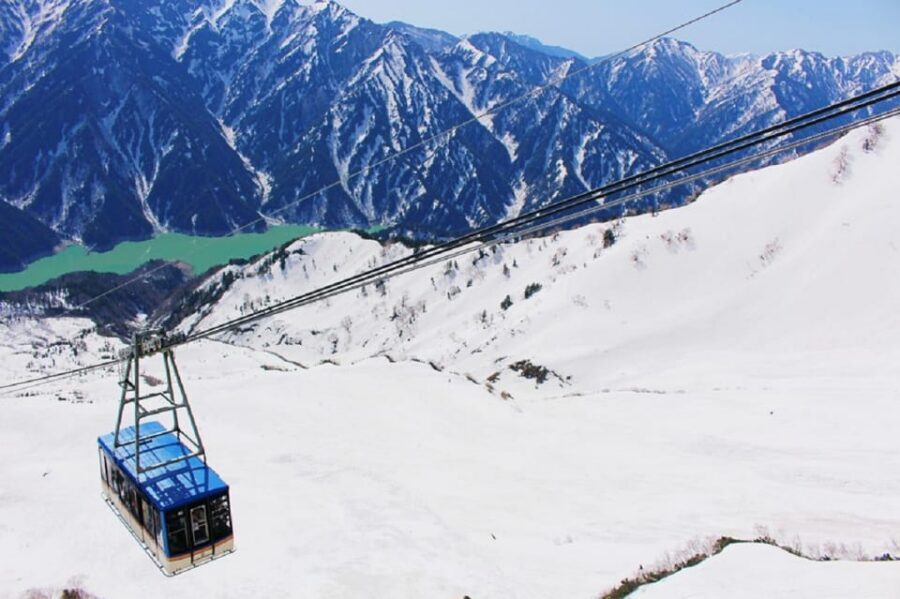
- Ropeway to Daikanbo: a 1700-meter span that sets you up for the highest stretch.
- Murodo at 2450m: Japan’s highest station, with time to explore museums and views.
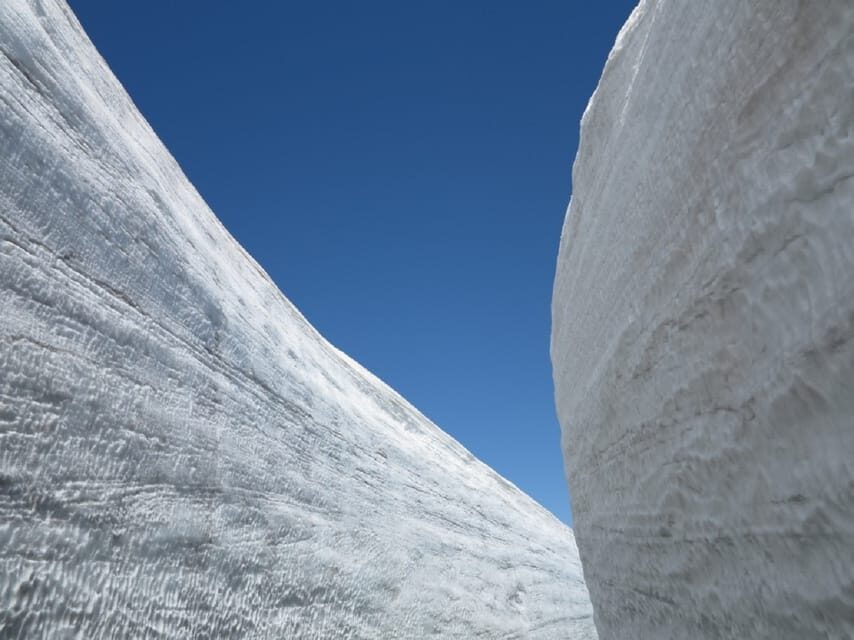
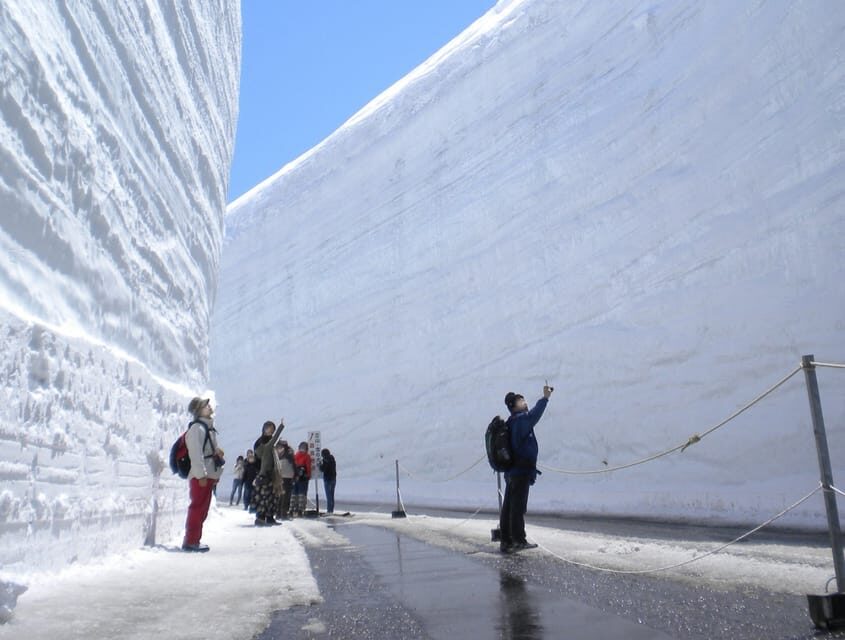
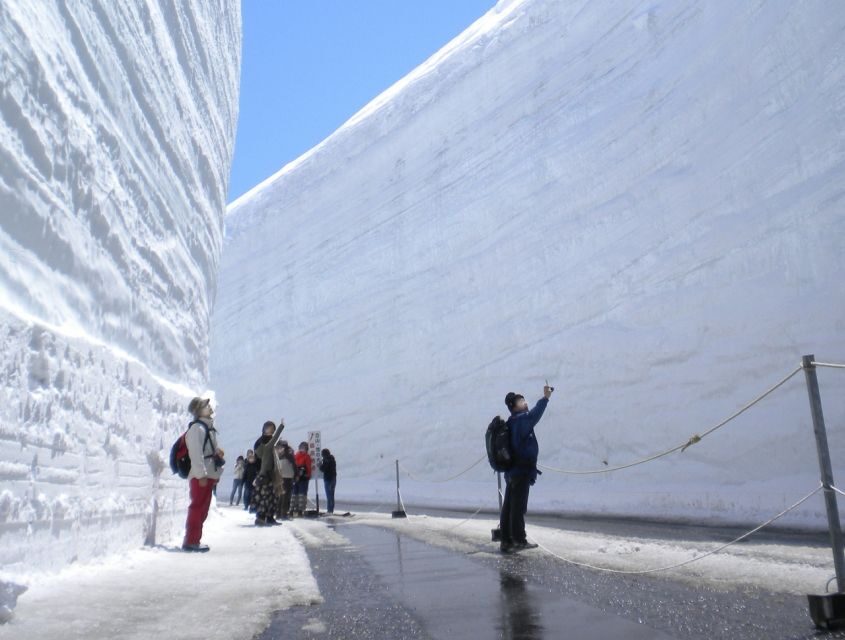
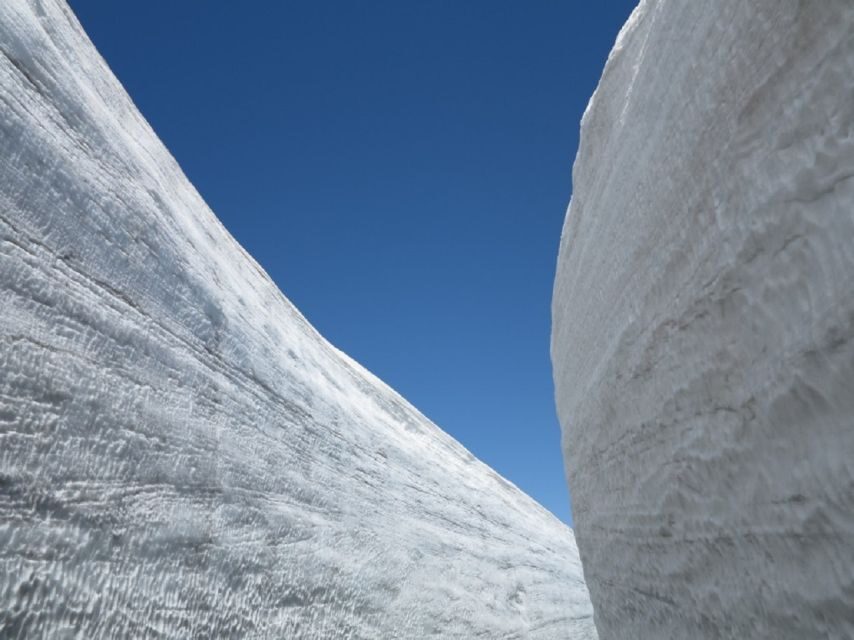
- The iconic snow corridor: a walk through a corridor rising about 20 meters above you.
- Time-managed free roaming: about 1.5 to 2 hours at the top to explore at your own pace.
From Nagano to Kurobe Dam: why the morning matters
This trip feels like a guided “vertical journey.” You start with an organized meet-up at JR Nagano Station right by the information area opposite the Shinkansen gates, then board your bus and settle in for the long approach. The schedule is built for smooth movement: you’ll reach Ogisawa Station around 10:15, then get ready for the first mountain transit jump.
What I like about this structure is that it breaks the day into clear chapters. Instead of arriving exhausted and missing the best part, you spend the morning traveling while your guide handles the transitions. You still need stamina for walking, but the logistics are mostly taken care of.
Also, don’t underestimate the psychological boost of arriving at Kurobe Dam before the high-altitude zone. The dam stop gives you something grounded and human-scale. Then, once you’ve seen it, the rest of the alpine climb hits harder—in a good way.
You can also read our reviews of more tours and experiences in Nagano.


Kurobe Dam: the engineering pause before the altitude hits
Your day pivots at Kurobe Dam, with a guided tour plus sightseeing and walking time (about 2.5 hours total). This isn’t a quick photo stop. It’s the main “wow” warm-up.
Here’s what makes it special on paper—and in person: the dam is Japan’s highest dam, constructed between 1956 and 1963, and it took up to 10 million people working to build it. That scale helps you read the whole route differently. You’re not just riding up a mountain. You’re experiencing the idea that people can shape extreme terrain for power, transport, and access.
You’ll have time to admire the surrounding mountain views from the dam area before the next leg. The practical benefit: you get a chance to breathe, stretch your legs, and reset before you go above the tree line feel.
One more note: the dam stop is guided. If you’re into explanations—why it looks the way it does, what “Japan’s highest dam” actually implies—you’ll get more out of this section than you would from a self-guided visit.
The mountain transport shuffle: how the route stays interesting
After Kurobe Dam, the route becomes a parade of different transport styles. This is one of the biggest reasons the Tateyama-Kurobe Alpine Route is so famous: it doesn’t rely on a single train or cable car. It stacks systems.
From Ogisawa, you take the Kanden Tunnel trolley bus as your first ascent step. Then you transition to the Tateyama Ropeway—a span of 1700 meters—which lifts you to Daikanbo, before you take the final trolley bus onward to Murodo.
What this means for you day-to-day: even if you’re not obsessed with “transport nerd” details, you won’t feel stuck on one monotonous ride. Each switch gives you a new viewpoint angle and a new pace. It’s also why timing matters. The schedule is built around getting these connections right, so wear comfortable shoes and keep your energy steady.
It can still feel like a lot, especially with crowds (more on that later). But the variety is genuine, not a marketing trick.
Daikanbo to Murodo (2450m): your views go “postcard mode”
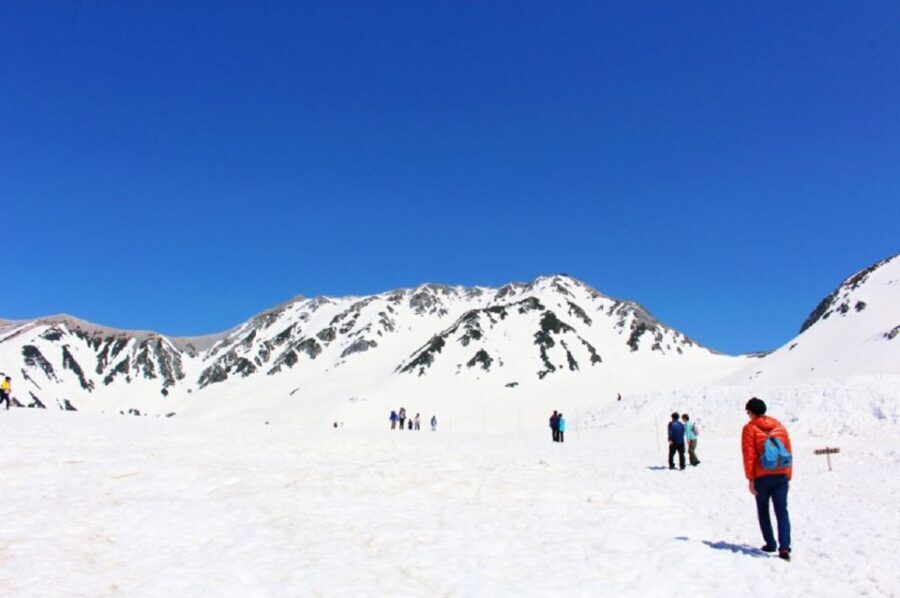
Reaching Murodo at 2450 meters is the point of the day. At this height, you’re at Japan’s highest station—an isolated outpost in a dramatic, harsh setting. You’re not just visiting a viewpoint. You’re stepping into a place designed for short stays and fast exploration.
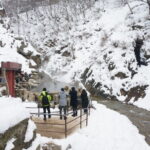
Once you arrive, you’ll have the chance to walk through the snow corridor, which rises roughly 20 meters above you. This section is iconic because you’re not standing at a distance. You’re inside it, surrounded by the “vertical” feeling of the snow walls overhead. If the day is clear, it can look almost unreal—like the mountain is staged for postcards.
And yes, it’s also physically simple but mentally busy: you’re walking in cold conditions, watching your footing, and taking in big shapes. Plan to move carefully and don’t rush the corridor walk.
Snow corridor time and museum breaks: how to use your free hours
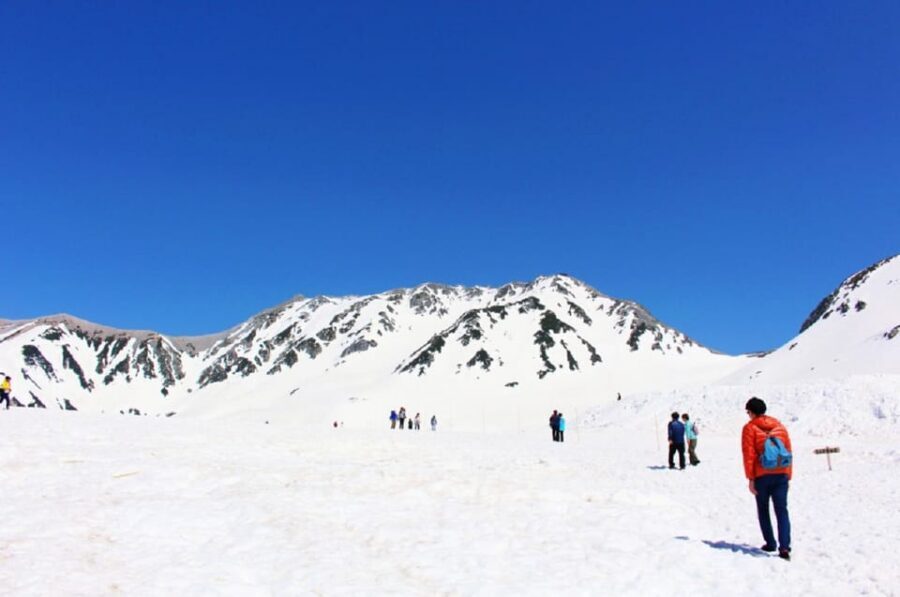
At the top, you’ll have about 1.5 to 2 hours of free time around the Murodo area. That window is long enough to slow down, not just sprint for photos.
Within that free time, you can explore museums as well. These help explain what you’re seeing—why the route exists, how the snow season shapes access, and what life looks like at high altitude. Even if museums aren’t your favorite, the benefit here is variety. You get a break from constant outdoor exposure and a chance to warm up mentally and physically.
My practical advice: treat this as two parts. First, do your “outside must-dos” (corridor and main viewpoints). Then, if you’re still feeling good, add the museums. If you go the other way, you might lose time waiting for the outdoor light to look right.
Also keep an eye on closures. The route to the snow corridor can close in extreme weather conditions. So if skies look rough, follow your guide’s guidance quickly. Don’t spend 20 minutes arguing with fog or drifting snow; shift to the workable plan and make the most of what’s open.

Ogisawa Station and the return: don’t be late, don’t be wiped out
Before the big summit stretch, you arrive at Ogisawa Station around 10:15, where there’s additional guided sightseeing and walking time (about 2 hours listed for that segment). Think of Ogisawa as the “gear-up area”—you’ll be close enough to the action to feel the climb, but not yet fully at altitude intensity.
On the way back, you reassemble the chain: you head back down, and then the bus ride returns you to Nagano Station (about 1.5 hours). The schedule runs tight enough that you’ll want to keep track of where your group is and when the next boarding happens.
If you want the day to feel fun instead of exhausting, take one small strategy seriously: don’t overpack snacks in a panic right at the end. Lunch isn’t included, and the day already has enough moving parts. Bring what you need for comfort, and plan to eat on your own according to what’s available.
Price and logistics: is $232 good value?
At $232 per person for a 1-day outing, you’re paying for a bundled experience: return transportation from Nagano to Ogisawa, the Tateyama-Kurobe Alpine Route ticket (covering transport to and from the summit), and an English-speaking guide.
Here’s the value logic I like: this isn’t just “a ticket to a cable car.” You’re getting multiple transportation legs handled as one package, plus guidance that helps you move efficiently through stations, timing changes, and the high-altitude schedule.
What’s not included is also straightforward: lunch and any Shinkansen/bullet train tickets. If you’re already in the Nagano area, that’s less of a worry. But if you’re budgeting from far away, remember your rail costs aren’t part of the $232.
In short: the price makes sense if you want a one-day, guided, transport-heavy route that would be more annoying to stitch together yourself.
Guides and the pacing that make or break the day
What stands out in the feedback you can learn from is how much guides matter here. People have credited guides by name—like Teddy and Orlando—for being helpful, patient, and sticking closely to the schedule while still making sure there’s time at each stop.
You’ll also see praise for the behind-the-scenes coordination during the transport changes—names like Kieron and Shawn come up in this context. In plain terms: this route works best when someone is managing the handoffs.
You should still bring your own common sense, though. This can be a crowded day, and it can feel noisy on bus segments. If you’re traveling with kids, or you’re sensitive to group energy, expect that. The good news is that the guide structure helps keep everyone moving in the right direction.
Weather and crowd reality checks
This is one of those trips where conditions can decide your exact experience.
- If it’s a clear day, the views from the corridor and summit area tend to feel extra sharp.
- If weather turns extreme, access routes to the snow corridor can close. Your plan may adjust.
- The itinerary is based on optimal traffic conditions, and timing can shift a bit depending on pace and day-of conditions.
So what should you do? Pack for possible cold walks and keep your expectations flexible. If you treat it like a fixed “must see every meter” challenge, you’ll get frustrated. If you treat it like a structured route through changing mountain reality, you’ll likely enjoy it more.
Who should book this route—and who should reconsider
You’ll probably love this tour if you want:
- a high-impact day with multiple alpine transport experiences,
- a guided stop at Kurobe Dam before the summit,
- and enough time at Murodo (2450m) to actually wander, not just rush.
You might want a different plan if:
- you hate tight schedules with several boarding transitions,
- you’re sensitive to crowds and group noise during bus rides,
- or you’re counting on the snow corridor as the only reason you came (because it can close in extreme weather).
The good fit here is a traveler who enjoys structure, doesn’t mind walking, and wants that unique “inside the snow corridor” feeling when conditions allow.
Should you book this Tateyama-Kurobe day trip?
Yes, if your goal is a world-famous alpine day that combines big engineering, dramatic high-altitude scenery, and a true mix of mountain transport—all with an English-speaking guide keeping things moving.
If your timing is flexible, you’ll feel even better about booking, because you can choose a day that looks kinder weather-wise. And if you’re the type who likes to get value out of a ticket bundle, this one is strong: the summit transport is included, and the day is built to squeeze a lot of unforgettable altitude into one calendar slot.
Just pack your comfortable shoes and sunglasses, expect a tiring but rewarding schedule, and be ready for the mountain to set the rules if the weather turns.
FAQ
What time do I meet the guide?
You meet your guide at 08:15 at JR Nagano Station, in front of the Information Board directly opposite the Shinkansen ticket gates.
How long is the tour?
The experience is listed as 1 day.
What is included in the ticket price?
It includes return transportation from Nagano Ogisawa, the Tateyama Kurobe Alpine Route ticket (covering transport to and from the summit), and an English-speaking guide.
Is lunch included?
No. Lunch is not included.
What is the highest point on this route?
The summit area stop is Murodo at 2450 meters, which is described as Japan’s highest station.
How much time do I get at Murodo for sightseeing?
You’ll have about 1.5 to 2 hours of free time around the Murodo area, including time to visit museums.
Do I need to bring anything specific?
You should bring comfortable shoes and sunglasses. The route may involve walking on possibly snowy trails.
Can the snow corridor close?
Yes. In extreme weather conditions, routes to the snow corridor may close.
Are pets allowed?
No. Pets are not allowed.
Is the tour wheelchair accessible?
The experience is listed as wheelchair accessible.