REVIEW · NAGANO
Snow Monkey & Shibu Onsen Afternoon Tour (Depart: Iiyama & Nozwa)
Book on Viator →Operated by IXSM Travel · Bookable on Viator
Snow monkeys in steam are hard to top. This afternoon tour pairs priority entry at Jigokudani Snow Monkey Park with a guided walk through Shibu Onsen.
I love the way the day is structured: you get a timed window for the monkeys, then a compact town-and-temple circuit that still feels relaxed. I also like the small-group setup (up to 60 people) and practical touches like on-board WiFi during the drive.
One big consideration: the monkeys are wild animals, so sightings are not guaranteed—especially in October and November—and your return timing to Iiyama/Nozawa can slip with weather or traffic.
In This Review
- Key highlights to know before you go
- Priority entry at Jigokudani: why it’s worth paying
- The 2km forest walk: what to wear and how to not regret it
- What the monkeys are really like: wild animals, timed viewing
- Shibu Onsen’s old streets: your payoff after the hike
- Tamamura Honten sake brewery stop: art, tradition, and seasonal choices
- Seasonal add-ons: Kokugon-ji and the spring-water stop
- Price, timing, and logistics: the real value math
- Meeting points, small group feel, and how guides keep it moving
- Who should book this Snow Monkey and Shibu Onsen afternoon tour?
- Should you book it? My honest call
- FAQ
- What’s the total duration of the tour?
- Where do you depart from?
- Is the Snow Monkey Park admission included?
- How much walking is involved?
- Do I need to bring rain gear?
- What’s included in the Shibu Onsen portion?
- Are all stops available every day?
- Is the tour refundable or changeable if plans change?
Key highlights to know before you go
- Priority entry at Jigokudani so you’re not stuck in the ticket crush
- A planned 50-minute monkey window after the walk in
- 2km (one-way) on snowy or muddy paths where the footing can be tricky
- Shibu Onsen’s long timeline, with old streets, traditional ryokan vibes, and free time to explore
- Tamamura Honten stop (free, but closed Sundays/New Year holidays) plus optional art-garden-style wandering
- Seasonal route bits, like a spring water stop in green season and Kokugon-ji only mid-April to November
Priority entry at Jigokudani: why it’s worth paying

Jigokudani is the main event, but it can also be the main headache—because when lots of people arrive, you waste time standing still. This tour’s core advantage is that you receive pre-secured tickets for immediate access, so you spend your energy where it counts: watching monkeys, not managing lines.
You’ll also like how the schedule respects the reality of the park. You’re not getting a long, vague “monkey time.” Instead, you have a set window—50 minutes at Jigokudani—so you can plan your pace without feeling rushed from stop to stop.
There’s another quiet benefit: when you’re on a tight afternoon, reducing stress matters. A guided drive from the pickup points sets you up for a smoother start, and the priority ticket handling helps you keep momentum even if conditions are less than perfect.
A few more Nagano tours and experiences worth a look


The 2km forest walk: what to wear and how to not regret it
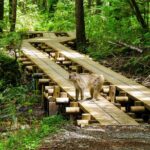
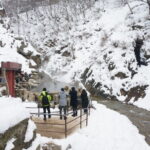
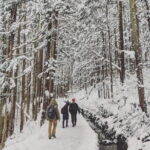
Here’s the honest part: the park requires a walk. You’ll go about 2km one-way along a forest trail, and in winter that often means snow, mud, and slippery patches. The good news is the path is scenic—cedar trees, quiet forest vibes, and a real sense you’ve left the city behind.
The not-so-fun part is your shoes. One person on this experience warned about a slippery path in winter and suggested spike shoes. Another noted the ground can be muddy and recommended bringing your own shoe covers, since even if boots are available for rent, sizes may be limited.
So here’s what I’d do if you want this day to stay enjoyable:
- Wear footwear with real traction (not just “okay” sneakers)
- Consider spike shoes if you’re traveling in colder months
- Bring a rain layer you can actually move in (and don’t plan to borrow an umbrella—rain gear isn’t included)
- Pack light, because you won’t have luggage space in the vehicle
This is also where moderate fitness comes in. The tour doesn’t require hiking skills, but it does require you to handle roughly 4km total walking on the day (including your time in/around the park and town walking). If you know walking long distances is painful for you, I’d skip this one.
What the monkeys are really like: wild animals, timed viewing
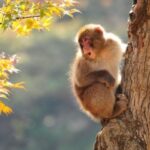
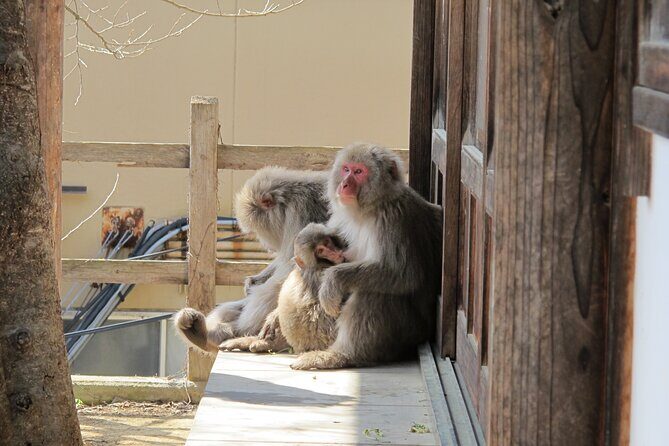
You’re going to Jigokudani for the famous “snow monkeys,” and the setting helps the moment land. The park is relatively compact, which works in your favor because you can actually scan the pools and look for activity without constantly repositioning.
Still, the tour is clear about one essential truth: monkey appearances are not guaranteed because they’re wild animals. The probability drops in October and November, and there’s no way to control that.
So think of the 50-minute viewing window as your best shot, not a promise. If you arrive and it’s quiet at first, keep moving at a calm pace, watch the slopes and water area, and let the light and temperature do their thing. That’s the difference between a frustrating visit and a memorable one.
Also, don’t expect the day to revolve only around the monkeys. Part of what makes this tour satisfying is that when the monkey viewing is over, you immediately shift into Shibu Onsen, where you can still enjoy the atmosphere even on an uneven monkey day.
Shibu Onsen’s old streets: your payoff after the hike
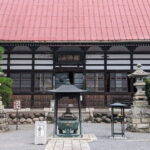
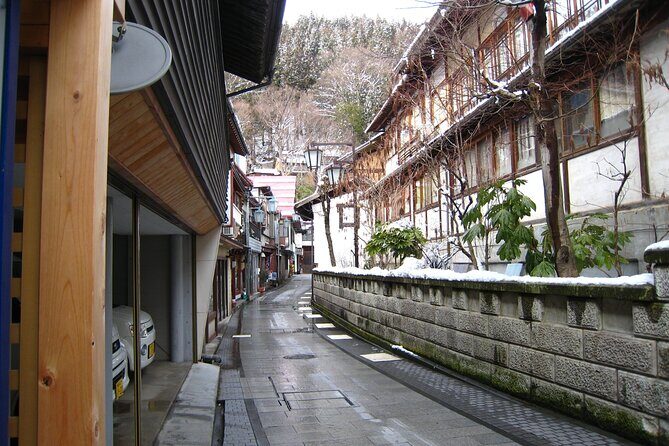
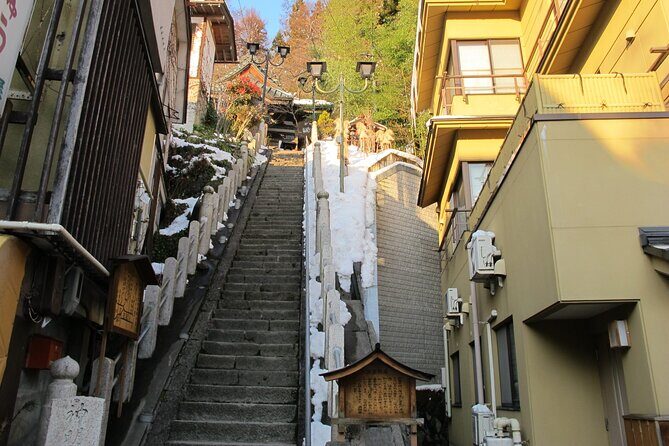
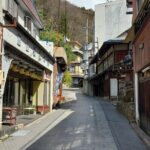
After the park, you shift into the slower rhythm of hot-spring town life. Shibu Onsen is described as one of Nagano’s oldest hot spring towns, with about 1,350 years of history. You’ll see traditional wooden ryokan-style buildings and stone-paved streets, plus the kind of small-town details that make Japan feel lived-in rather than staged.
The tour includes guided walks in Shibu Onsen, and you also get time to explore. The practical tip here: Shibu Onsen isn’t “museum-flat.” Plan on some walking and stairs as you wander between alleys and storefront fronts.
One more timing note: the tour is scheduled for the afternoon, and many shops close on Wednesdays, and Tamamura Honten is closed on Sundays and New Year holidays. If you can choose your travel day, booking around those closures gives you a more complete town experience.
Tamamura Honten sake brewery stop: art, tradition, and seasonal choices
You also visit Tamamura Honten, which is both a sake/beer brewery stop and an art gallery experience. It’s free to enter and only about 15 minutes, so think of it as a cultural palate cleanser between the hiking and the onsen streets.
The tricky part is the calendar. Tamamura Honten is closed on Sundays and on New Year holidays. If your trip lands on one of those days, you may miss this specific stop.
There’s also a seasonal swap worth understanding: in winter, you may have free access to Tamamura Honten in place of a guided walk in Shibu Onsen. That matters because weather can turn the town stroll into cold work. This structure lets you keep the afternoon moving without forcing you through rain/snow at every moment.
If sake isn’t your thing, the art-gallery side is still a nice change of pace. If sake is your thing, it gives you context for what you’ll see later in the town.
A few more Nagano tours and experiences worth a look
Seasonal add-ons: Kokugon-ji and the spring-water stop
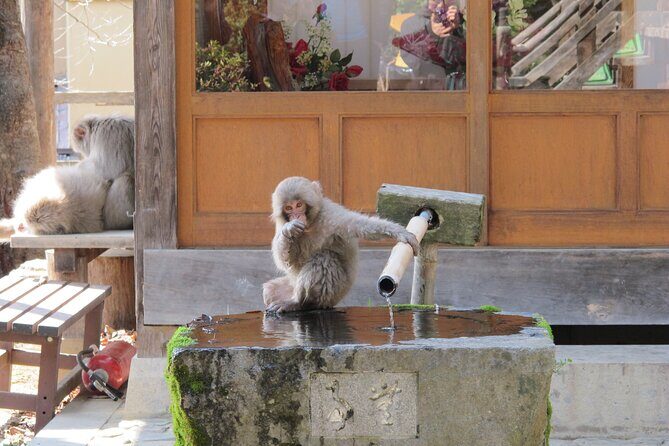
This route isn’t identical every day. Two seasonal pieces can appear depending on when you travel:
- A spring water stop (Green season only)
- Kokugon-ji Temple (mid-April to November only), about 15 minutes
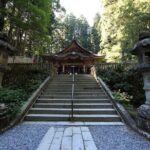
Kokugon-ji is listed as a countryside temple in Nakano, originally built in 825, and it’s connected to a well known as one of Shinshu’s famous waters. Even though the visit is short, it adds a sense of place—Nagano isn’t only about hot springs and snow.
The main takeaway: when you pick your travel month, understand you might get slightly different stops. That’s normal for this kind of regional tour, and it’s also why the afternoon pacing stays efficient.
Price, timing, and logistics: the real value math
At $78.60 per person, you’re paying for more than the monkey ticket. You’re getting:
- Transport in an air-conditioned vehicle
- Guided walks in Shibu Onsen
- Monkey Park entry tickets
- On-board WiFi
- A priority-style ticket plan so you reach the park faster
If you were doing this on your own, you’d still be paying for local transport, paying for the park entry, and coordinating timing around weather and walking. This tour packages that into one half-day plan.
The biggest timing reality is the return. The drop-off times are listed as:
- Back to Iiyama around 17:10–17:30
- Back to Nozawa around 17:30–18:00
But the tour notes that delays of 30+ minutes can happen because of weather or traffic. Return timing is therefore not something I’d treat like a train schedule.
If you have a dinner reservation or a train you care about, give yourself a buffer. I’d also avoid tight, same-minute connections.
One more practical constraint you’ll want to plan for: no luggage is allowed on the vehicle (there’s no luggage space). Use coin lockers or storage at the tourist info/storage services near Iiyama Station before you meet up. Travel light for this one—your day will feel better.
Meeting points, small group feel, and how guides keep it moving
This tour runs from the Iiyama and Nozawa area. Pickup timing matters: pickup time at Iiyama can be delayed if participants aren’t on time at the first pickup point, and the bus departs strictly on schedule. Don’t cut it close at the boarding area.
The group size is limited to 60 travelers, and that small scale is one reason the day works. You won’t feel lost in a crowd when the guide tries to explain what to look for at the park or when you’re walking through town.
Guide style is a big part of why people enjoy this afternoon. I’ve seen praise for guides like Tommy, Tome, and Rossella for being friendly, patient, and willing to tailor time to the group when possible. That matters because the tour has a walking component—someone who reads the room helps you have a smoother, less stressful time.
Who should book this Snow Monkey and Shibu Onsen afternoon tour?
This is a great fit if you want:
- A half-day plan that combines the snow monkeys with a real onsen town
- A guide to handle ticket access and sequencing
- A structured afternoon so you don’t have to figure out the day under pressure
It’s not a great fit if:
- Walking 2km one-way (plus additional town walking) is difficult for you
- You’re sensitive to slippery winter footing and can’t manage traction
- You’re hoping the monkeys are guaranteed to show up (they’re wild)
It’s also smart for families, as long as everyone can handle the trek. A stroller might be tough on rough paths and snowy surfaces, and the tour doesn’t mention stroller accommodations. If mobility is a concern, plan carefully.
Should you book it? My honest call
I’d book this tour if you want the best balance of iconic (snow monkeys) and local (Shibu Onsen streets and a brewery-art stop) without committing to a full day. The priority ticket setup and timed monkey window are real advantages, and the overall afternoon flow keeps you from spending the day in transit.
But book with eyes open. The monkey sighting is not guaranteed, and weather can change the day—especially with the walk and return timing. If you come prepared with traction and rain gear, and you schedule dinner/train plans with a buffer, this can be a very efficient, satisfying Japan afternoon.
FAQ
What’s the total duration of the tour?
The tour runs about 4 hours 30 minutes (approx.).
Where do you depart from?
Pickup and drop-off are based around Iiyama and Nozawa. The tour notes a first pickup point at Nozawa Onsen, with Iiyama pickup afterward.
Is the Snow Monkey Park admission included?
Yes. Monkey Park entry tickets are included.
How much walking is involved?
You’ll need a 2km walk on the snowy path to reach the park (one-way), and the tour also includes walking in/around Shibu Onsen. The tour recommends a moderate physical fitness level for this.
Do I need to bring rain gear?
Yes. Umbrella/rainwear is not included, and the tour says rain gear is needed to be arranged by participants.
What’s included in the Shibu Onsen portion?
You’ll get guided walks in Shibu Onsen, plus time to explore the hot spring town streets. Entry is free for the onsen town attractions listed on the route.
Are all stops available every day?
No. Tamamura Honten is closed on Sundays and New Year holidays, and many shops in Shibu Onsen are closed on Wednesdays. Also, Kokugon-ji is only available mid-April to November, and the spring water stop is only in green season.
Is the tour refundable or changeable if plans change?
The experience is non-refundable and cannot be changed for any reason.