REVIEW · NAHA
Okinawa Shuri Castle Peace Walking Tour
Book on Viator →Operated by MagicalTrip Inc. · Bookable on Viator
Shuri can feel huge—this tour makes it walkable. It’s a focused peace-minded route through Shurijo Castle area streets, sacred stops, and a lunch that tastes like Okinawa. You’ll move at a human pace, in a small group capped at 7, with a Mobile ticket so you’re not stuck hunting paperwork.
What I like most is the way the guide connects the dots for you, not just points at sights. One guide named Sara is highlighted for teaching Shuri-jo background and also explaining the practical work behind palace reconstruction, and she adjusts to what you care about. Second, the built-in Ryukyu-style soba lunch at Sui-Dunchi is a real payoff after time on foot.
The main catch: this walk includes heavy uphills, so it’s not a great match if you need step-free routes. On top of that, Okinawa’s heat can be intense in summer, so bring water and plan to dress for sun or rain.
In This Review
- Key highlights before you go
- Cost and timing: a 10:00 start with lunch built in
- Meeting in Shuri: find Shuri Textile Museum Suikara first
- Shureimon Gate: the entrance that sets the tone
- Shuri Kinjo cobblestones: where the old town vibe shows up
- Tamaudun Mausoleum: a UNESCO royal tomb stop
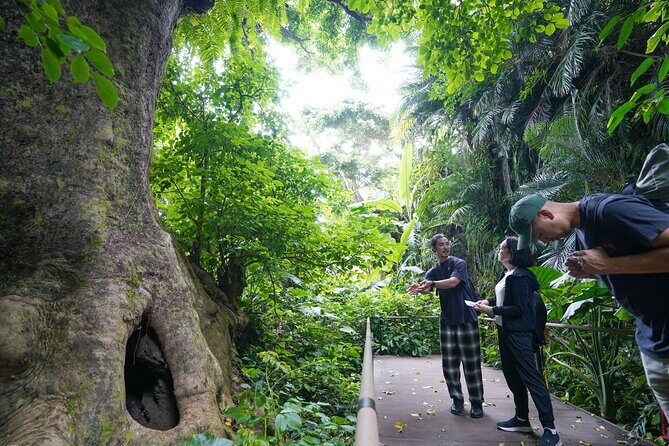
- Great Akagi Tree and Utaki Shrine: peace plus wartime memory
- Lunch at Sui-Dunchi: Okinawa-honto soba in a historic-style setting
- Small museum next to the restaurant: the add-on that makes it stick
- How the guide shapes your experience (and why Sara is a big deal)
- What to pack: shoes, water, and weather reality
- Who this tour fits best
- Should you book the Okinawa Shuri Castle Peace Walking Tour?
- FAQ
- How long is the Okinawa Shuri Castle Peace Walking Tour?
- What time does the tour start?
- Where do I meet the guide?
- Where does the tour end?
- Is a mobile ticket used for this tour?
- How big is the group?
- What should I know about dietary options?
- Is the route suitable for mobility issues?
- What happens if the weather is bad?
Key highlights before you go
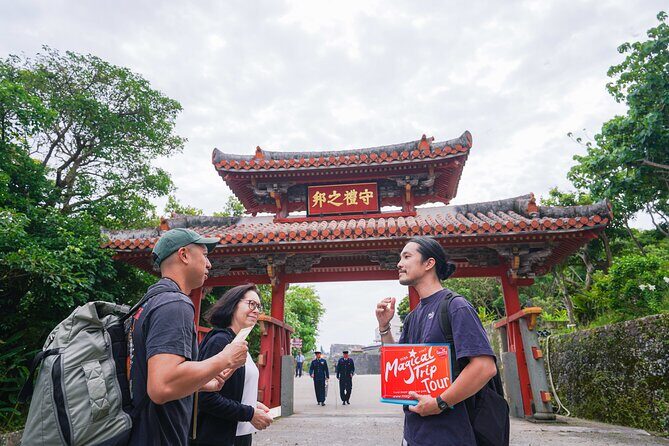
- Certified MagicalTrip guides trained for quality, authenticity, and a tour pace that fits your interests
- Shureimon Gate at the entrance to Shurijo Castle as a strong start point
- Tamaudun Mausoleum (UNESCO) with a solemn, royal-tomb setting
- Great Akagi Tree and Utaki Shrine tied to a WWII-surviving tree and Okinawa’s wartime memory
- Ryukyu soba lunch at Sui-Dunchi, then a small museum next to the restaurant
- Small group size (max 7) for a quieter walk and easier questions
Cost and timing: a 10:00 start with lunch built in
This tour runs about 4 hours and costs $71.85 per person. That price is usually what makes people hesitate—until you notice what’s actually included. You get a guided walking route through multiple Shuri-area stops, plus lunch at Sui-Dunchi, and entry is covered for the one museum stop where a ticket is required.
You’ll start at 10:00 am. It’s also explicitly designed to start on time, so arriving late can mean you miss the tour entirely—no slow drift-in, no second chances. The tour ends after the lunch-area museum visit, so plan your afternoon with that in mind.
The group is capped at 7, which matters more than it sounds. With fewer people, your guide can slow down for questions, and you spend less time waiting around at intersections or sight lines.
You can also read our reviews of more walking tours in Naha
Meeting in Shuri: find Shuri Textile Museum Suikara first
The meeting point is in front of Shuri Textile Museum Suikara. The address listed is 2-chōme-16 Shuritōnokurachō, Naha, Okinawa 903-0812.
This is a good location to anchor yourself because it’s close to the Shuri area’s transit options. The tour description notes it’s near public transportation, which is useful if you’re switching between Naha and Shuri during your day.
A small practical tip: if you’re arriving from elsewhere, give yourself buffer time before 10:00. You don’t want to be sprinting in humidity and stairs because this route includes uphill sections.
Shureimon Gate: the entrance that sets the tone
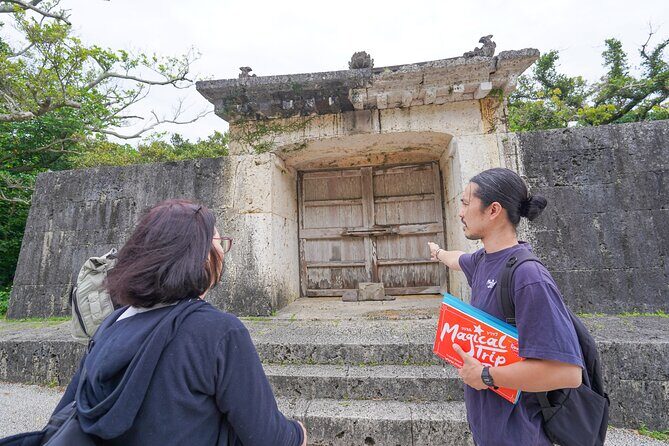
Your first major stop is Shureimon Gate, the iconic entrance to Shurijo Castle. You’ll start right around the Shuri Textile Museum Suikara area, then meet your guide in the vicinity of a Bingata dyeing studio. That early connection to textile culture gives the walk a local feel right away.
Shureimon Gate itself is free-entry on this route, which makes it a low-friction first stop. Even if you’re not a “gate and walls” person, this is a smart starting moment because it gives context for what you’re about to see: castle grounds, royal-era sites, and the older Shuri streets you’ll walk through next.
In this part of the tour, listen for how your guide frames Shurijo Castle as part of Okinawa’s story. A good guide helps you stop treating the sights like isolated photos and start seeing them as a connected route.
Shuri Kinjo cobblestones: where the old town vibe shows up
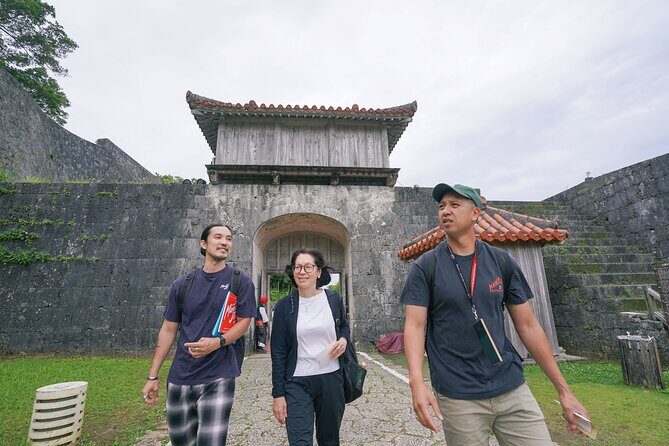
Next you’ll walk through Shuri Kinjo Town’s stone-paved roads. This is one of the best segments for “slow travel” energy. Cobblestones change how you walk, and they also change how you notice details—doorways, street corners, and the general feel of older neighborhoods.
This segment is scheduled for about 45 minutes and includes the stone-paved path area where admission is listed as included. The point here isn’t just walking. It’s using the old town streets to understand how the area functioned before everything became a modern grid.
You’ll see the walk described as charming and history-filled, but what you can actually plan for is simple: expect steady, small-footprint navigation in a concentrated area. If you like getting your bearings fast, this part helps.
Tamaudun Mausoleum: a UNESCO royal tomb stop
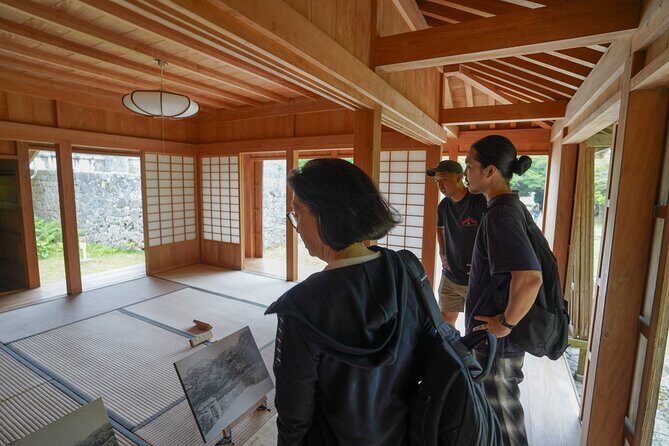
One of the most moving stops is Tamaudun Mausoleum. This is described as the royal tomb of the Ryukyu Kingdom, and it’s also a UNESCO World Heritage Site.
Admission is listed as free on this route, so you’re not hit with extra costs here. The time at the stop is about 45 minutes, which is enough to look carefully without feeling rushed.
What makes Tamaudun especially worth your time is the shift in tone. You go from walking old streets to entering a solemn setting designed for remembrance. Your guide’s job in this segment is to explain what this place represents, not just what it looks like—so let your questions happen here, not during the lunch hour.






Great Akagi Tree and Utaki Shrine: peace plus wartime memory
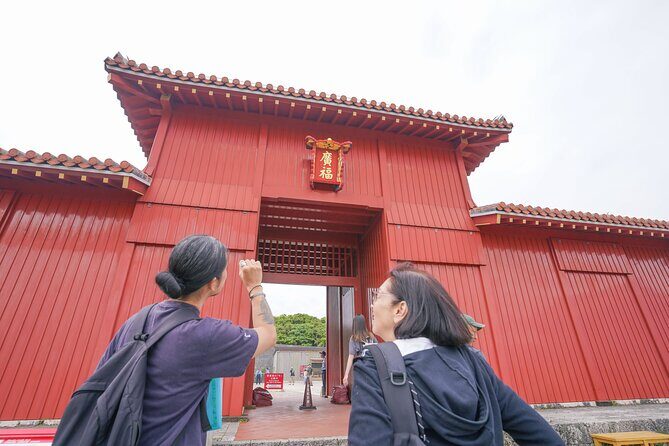
Another standout stop is Great Akagi Tree & Utaki Shrine (Kinjo area). The description specifically calls out an Akagi tree that survived WWII, and that detail matters for a “peace walking tour” because it ties a physical landmark to human history.
This stop is about 30 minutes and is also listed as free. It’s not a “run to the best viewpoint” kind of stop. Instead, it’s the kind of place where you slow your pace and actually notice the atmosphere.
The Utaki Shrine element adds a sacred layer to the story. Even if you’re not deeply religious, that combination of sacred space and wartime memory is exactly what makes this tour feel different from a standard castle stroll.
Lunch at Sui-Dunchi: Okinawa-honto soba in a historic-style setting
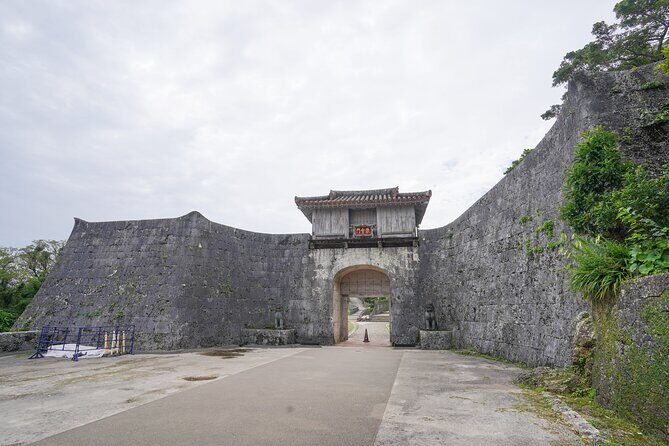
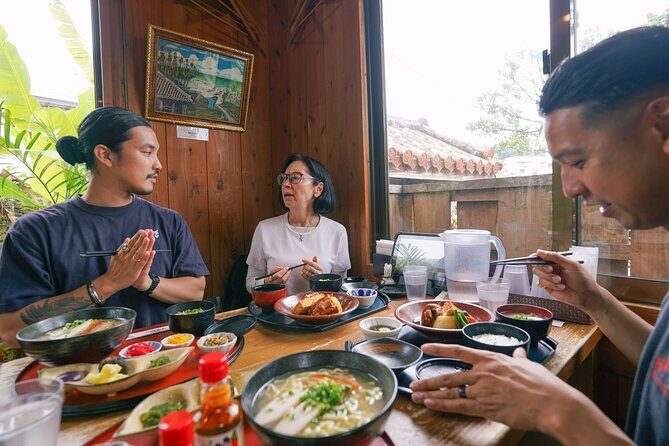
When you’re doing a walking tour in Shuri, the lunch plan is not just a perk—it’s a reset. Stop 5 is Okinawa-honto, where you eat at Sui-Dunchi.
This lunch is built into the tour for about 1 hour. It’s described as traditional Okinawan cuisine in a historic-style restaurant, with Ryukyu-style soba as the food focus.
Here’s the practical part: vegetarian options are limited because most Japanese restaurants aren’t fully equipped for vegetarian menus. If you have dietary needs, you’re asked to inform the company at least one day before the tour. The tour also states gluten-free requests can’t be accommodated.
So if you’re able to eat standard Okinawan dishes, great—you’ll likely enjoy this meal more because you’re not trying to solve logistics at noon. If you can’t, I’d treat this as a heads-up and plan accordingly.
Small museum next to the restaurant: the add-on that makes it stick
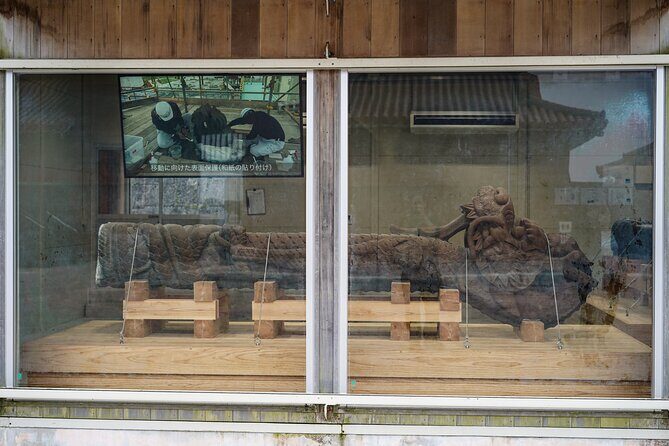
After lunch, the tour includes a visit to a small local museum next to the restaurant. The timing here is about 30 minutes, and the admission is listed as included.
This museum is described as showing vintage household items and an impressive collection of Awa items. The word is cut off in the description you have, so I won’t guess further than what’s explicitly stated. But the theme is clear: it adds everyday context, not just big historic landmarks.
I like this kind of museum slot because it softens the edges of the walk. You’ve spent time with gates, royal tombs, and sacred WWII-connected sites; then you end with household and local artifacts. It helps the story feel lived-in.
This also matters for your schedule: the tour ends after this museum visit, at 2-chōme-80 Shurikinjōchō, Naha, Okinawa 903-0815.
How the guide shapes your experience (and why Sara is a big deal)
This tour is led by a MagicalTrip Certified Guide. The company notes that guides are professionally trained and carefully selected, which is what you want for a walking tour where you’re moving through multiple sites quickly.
Two guide strengths show up in the details you’re given. First, your guide isn’t just reciting facts. You’ll get explanations about Shuri-jo and the surrounding region, including the fact that palace reconstruction is a real ongoing effort—not a vague story. Second, the tour can be tailored to what you want, which is valuable because “Shuri” means different things to different people.
A guide named Sara is specifically mentioned for being both phenomenal and highly educational, especially around Shurijo Castle context and reconstruction work. That’s exactly the sort of person you want on a “peace walking” route: someone who can connect memorial sites to an understandable storyline.
What to pack: shoes, water, and weather reality
Okinawa weather can swing hard. The tour notes summer temperatures can reach up to 40°C (110°F), and winter lows can drop to -5°C (20°F). That’s not the kind of range where you can dress on autopilot.
Because the route includes heavy uphills, you’ll want shoes with real grip and comfort over long walking time. Also plan to bring water, especially on warmer days. Even if you don’t get drenched, humidity changes how quickly you feel tired.
Bring layers if you’re touring in cooler months, and plan for sun protection if you’re going in summer. The tour explicitly says to dress appropriately for the weather, so follow that advice.
Who this tour fits best
This is a great match if you want:
- a guided peace-minded walk through meaningful Shuri-area sites
- a route that mixes castle-adjacent sights with sacred places like Tamaudun and the Utaki Shrine
- a lunch that’s not just “find something nearby,” but built into the experience at Sui-Dunchi
It’s not ideal if you need a fully step-free route. The tour isn’t recommended for mobility issues due to heavy uphills. It also won’t work smoothly if you require gluten-free meals, and vegetarian dining is limited.
Should you book the Okinawa Shuri Castle Peace Walking Tour?
Yes, if you want a structured way to see Shuri that feels intentional: gates and stone streets in the morning, a UNESCO royal tomb, WWII-connected sacred memory, then a Ryukyu soba lunch and a small museum that lands the story in everyday life.
Skip it (or plan very carefully) if uphill walking is a deal-breaker for you, or if you need strict gluten-free options. If you’re flexible with food and you pack for Okinawa’s weather, this tour’s value comes from how much it covers in about four hours with a small group and a certified guide who can explain what you’re seeing—not just point it out.
FAQ
How long is the Okinawa Shuri Castle Peace Walking Tour?
It runs for about 4 hours.
What time does the tour start?
The start time is 10:00 am.
Where do I meet the guide?
Meet in front of Shuri Textile Museum Suikara (2-chōme-16 Shuritōnokurachō, Naha).
Where does the tour end?
The tour ends at the small museum next to the restaurant.
Is a mobile ticket used for this tour?
Yes, the tour uses a mobile ticket.
How big is the group?
The tour has a maximum of 7 travelers.
What should I know about dietary options?
Vegetarian options are limited, and gluten-free requests can’t be accommodated. If you have dietary requests or allergies, you should inform the company at least one day before the tour.
Is the route suitable for mobility issues?
No. The tour is not recommended for individuals with mobility issues because it includes heavy uphills.
What happens if the weather is bad?
The experience requires good weather. If it’s canceled due to poor weather, you’ll be offered a different date or a full refund.