REVIEW · TOKYO
Tokyo: Two Types of Japanese Sweets Making and Tea Ceremony
Book on GetYourGuide →Operated by 日本文化体験 庵an東京 AN TOKYO · Bookable on GetYourGuide
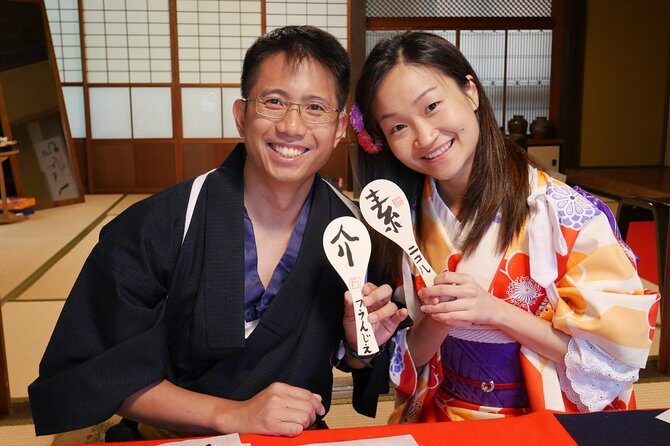
Sweet making turns fast into a calm ritual. This Tokyo workshop pairs two hands-on Japanese sweets with a matcha experience that feels surprisingly easy to join. I like that the ingredients are treated seriously, especially the Kyoto-made bean paste and the use of single-origin special matcha.
The flow is practical: you’ll learn, shape, and taste. I also like that the instructor provides English guidance as much as possible, so it doesn’t turn into a guessing game. One real consideration: the nerikiri shaping can take a steady hand and a little patience, so don’t expect perfect results on your first try.
You’ll be guided through dried-type Ohigashi and seasonal Nerikiri, then finish with a casual tea ceremony where you grind matcha and learn what makes it different from ordinary green tea.
In This Review
- Key things to know before you go
- What You’ll Make: Ohigashi and Nerikiri in One Session
- Ohigashi: Dried-Type Sweet Making That Starts Simple
- Nerikiri Flower Time: Where Patience Wins
- The Matcha Grind and a Casual Tea Ceremony You Can Actually Do
- Why the Ingredients Feel Like Real Value (Not Just a “Cute” Class)
- Timing, Pacing, and How the 125 Minutes Really Feel
- Where You Meet: AN TOKYO Japanese Culture Experience
- Who This Tour Is Best For (and Who Should Think Twice)
- Should You Book This Sweets and Matcha Workshop?
- FAQ
- What is included in the experience?
- How long is the workshop?
- Where do I meet the group?
- Is there English support during the class?
- Are there optional extras I might pay for?
- What is the cancellation policy?
Key things to know before you go
- You make two distinct sweets, not just watch and sample.
- Ohigashi uses Wasanbon sugar, the traditional Japanese sugar that changes the flavor and texture.
- Your nerikiri is seasonal, with a flower-shaped style and Kinton Nerikiri mentioned in the program.
- Matcha is hands-on, with a grinding demonstration followed by a tea-ceremony-style drink.
- English support is built in as much as possible, which helps a lot if your Japanese is limited.
- Optional extras cost extra, like take-out boxes, adding color, and a completion certificate.
What You’ll Make: Ohigashi and Nerikiri in One Session
This isn’t a “sit down and snack” class. It’s a sweets-and-tea workflow where you’re actively making things you can actually taste at the end.
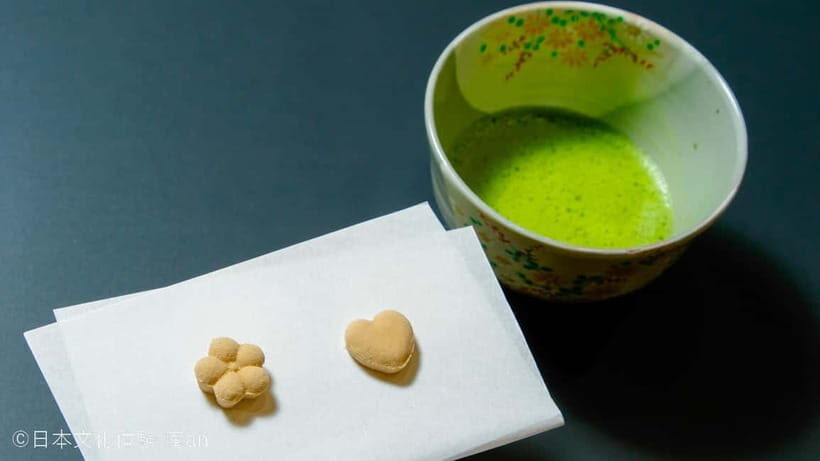
First up is Ohigashi, the dried-type Japanese sweet. You’ll work with traditional Japanese sugar called Wasanbon. That detail matters. Wasanbon tends to give sweets a different sweetness and a more delicate, old-school flavor compared with the sharper sweetness you might be used to from regular sugar. It also helps explain why these sweets feel lighter than many Western desserts.
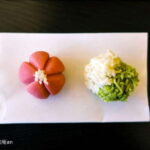
Then you move to Nerikiri, the molded sweet made with white or red bean paste. You’ll make two seasonal sweets, and the bean paste is specifically described as being produced by Kyoto’s long-established shops. In other words, you’re not just getting random ingredients; you’re getting a “real-deal” flavor base that shapes the whole experience.
What I like about pairing Ohigashi and Nerikiri is the contrast. One is more about structure and drying-style sweetness, and the other is about shaping and texture. Even if your final sweets aren’t museum-perfect, you still get to learn what makes each category feel different.
A few more Tokyo tours and experiences worth a look

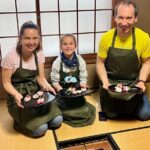
Ohigashi: Dried-Type Sweet Making That Starts Simple
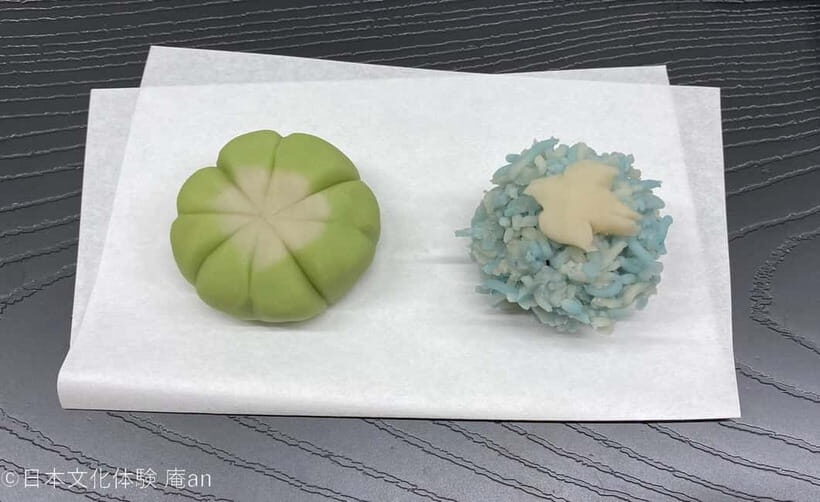
The workshop begins with an explanation of Japanese traditional sweets, then shifts into the practical part. You’ll learn the basics of Ohigashi and make the dried-type sweets during the early part of the session.
The important point for you is mindset. Dried-type sweets often feel more forgiving than the delicate, sculpted ones. The goal here is to understand the process and get the feel for the ingredients, especially that Wasanbon sugar foundation.
In a class like this, it also helps that Ohigashi is placed early in the schedule. You get momentum before the more detail-heavy nerikiri shaping. If you’re new to Japanese sweets, this is a smart way to start: you’re building confidence before things get fiddly.
Nerikiri Flower Time: Where Patience Wins
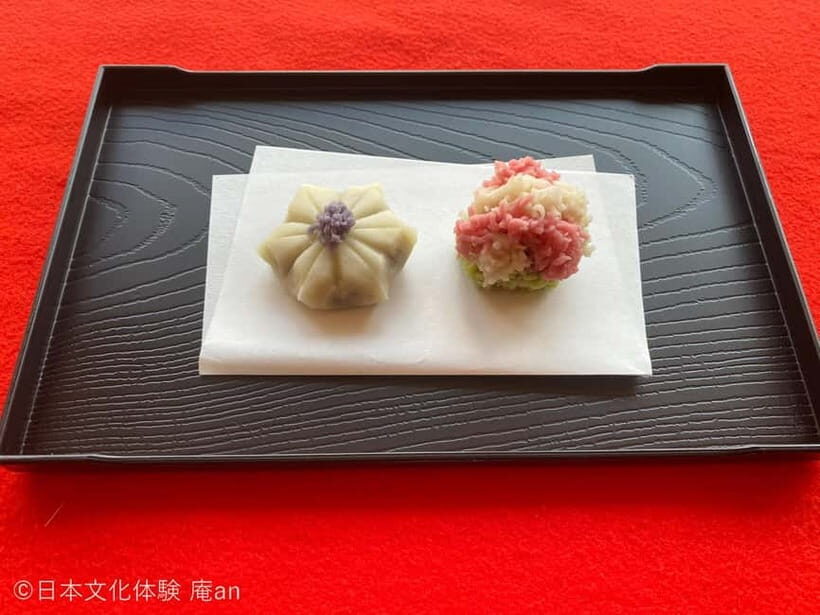
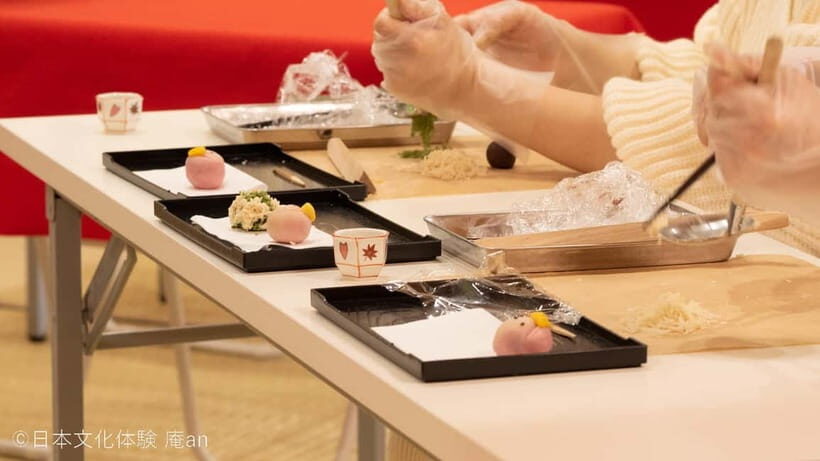
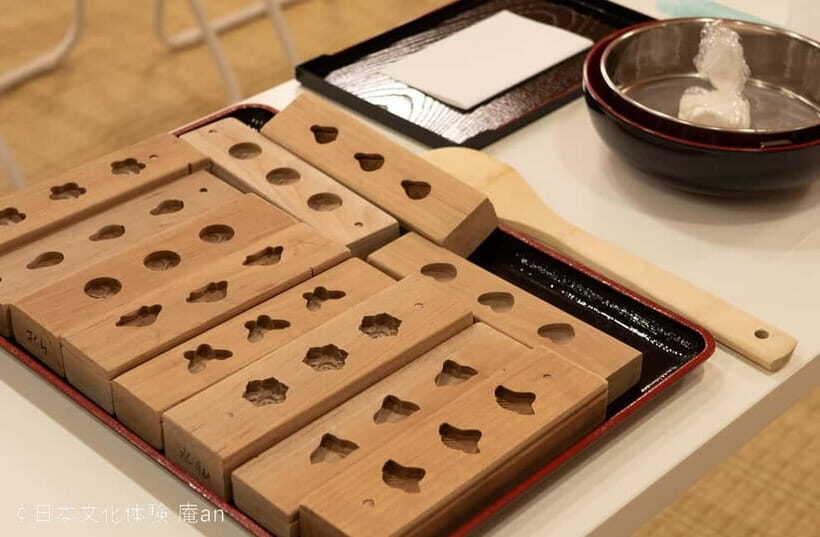
This is the part where your hands do most of the work. You’ll make two seasonal Nerikiri sweets, including a flower-shaped style described as Kinton Nerikiri in the program.
Here’s the honest consideration: nerikiri can be a little tricky. One review notes that nerikiri sometimes gets difficult and needs fine-touch control. That matches how nerikiri usually works in real life—you’re shaping a paste that wants to stick, stretch, or lose definition if you rush.
So if you go, go calm. Slow pressure, small adjustments, and accepting that your first attempt is for learning. The instructor experience matters here, too. The class is designed so you get help during the shaping, and English instructions are provided as much as possible.
Also watch for add-ons during this part. There’s an option for adding color (200 JPY), which can be fun if you want your sweets to look more vivid. If you’re budget-minded, you can skip it and still get a complete experience.
The Matcha Grind and a Casual Tea Ceremony You Can Actually Do
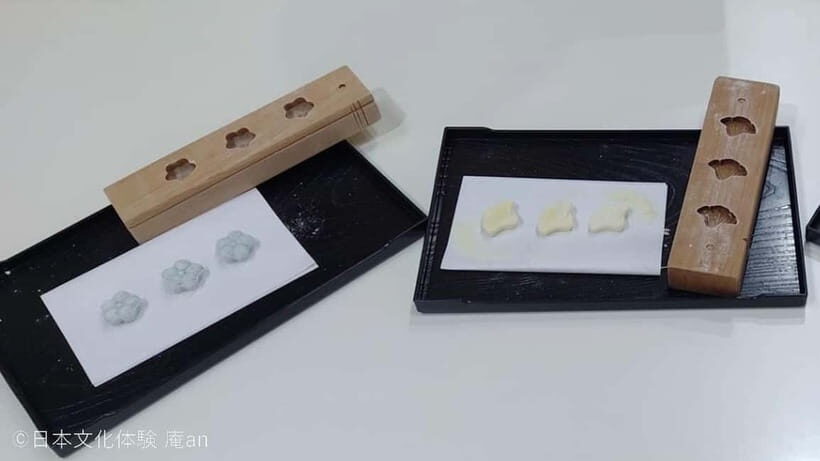
After the sweets, the session shifts to tea. You’ll get an explanation about tea, then move into a matcha grinding demonstration before you enjoy a tea-ceremony-style drink.
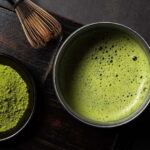
The program uses single-origin special matcha, and that changes how the experience feels. Even without being a matcha expert, you can notice that the aroma and flavor come through differently when the matcha is treated as a featured ingredient rather than an afterthought.
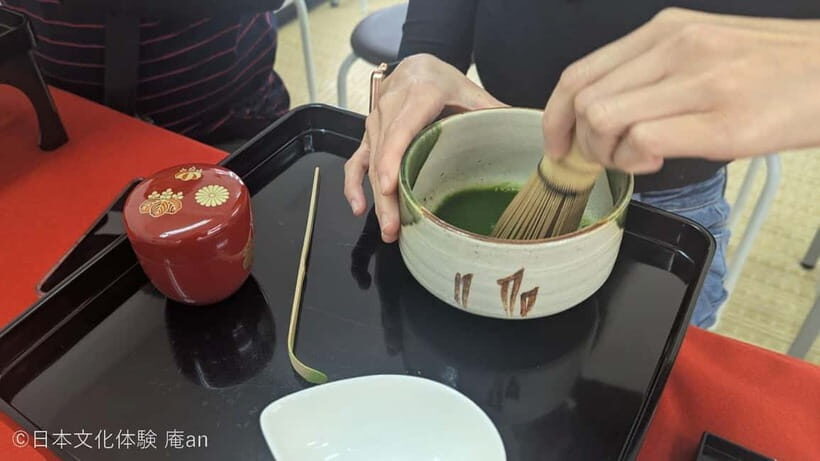
A standout part is the “you can do this” approach. One review specifically mentions that the instructor made it easy to foam the tea. That’s a key practical detail: matcha isn’t just flavor; it’s texture. When the class teaches you how to whisk and present it, you’re not just drinking—you’re participating.
You’ll also learn background on tea types. One review mentions the instructor explaining the difference between green tea and matcha, plus context about types of o-kashi. That kind of explanation is what turns a fun activity into something you remember and can reuse at home.
And because the tea ceremony is described as casual, you’re not expected to perform it like a formal ceremony master. You’re expected to learn the steps, taste, and understand what you’re making.
Why the Ingredients Feel Like Real Value (Not Just a “Cute” Class)
At $28 per person for a 125-minute experience, you’re paying for more than “making sweets.” You’re paying for instruction, time, and ingredients that aren’t treated like props.
The strongest value signals are:
- Kyoto-produced bean paste from long-established shops
- Wasanbon sugar for the dried-type ohigashi
- Single-origin special matcha
These are the building blocks of flavor. If the class used generic ingredients, the experience would feel like crafting for show. Here, the materials are part of the learning.
You also get a full “three-part” program: Ohigashi + two Nerikiri sweets + matcha with tea ceremony. That combo is efficient. You’re not spending separate afternoons hunting down different experiences across town.
What’s not included is also worth knowing, because it affects your total cost:
- A sweets take-out box is 100 JPY
- Adding color is 200 JPY
- A completion certificate is 300 JPY
If you want souvenirs, plan for the box. If you want extra decoration, plan for color. If you just want the experience and the taste, you can keep it simple.






Timing, Pacing, and How the 125 Minutes Really Feel
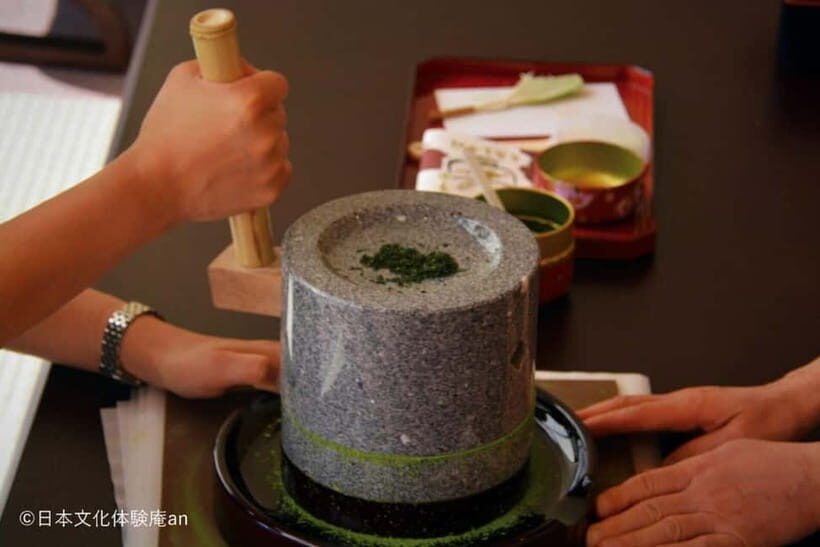
The session is 125 minutes, and it’s structured in a way that keeps your brain from melting halfway through. You start with explanations, then you make the Ohigashi, then there’s a break, then you move into Nerikiri shaping, another break, and later the tea explanation plus matcha grinding and tea ceremony.
The schedule also includes picture time and then eating/drinking before the end. That “eat at the end” detail matters. When you’re making sweets yourself, tasting them while they’re fresh and still part of the session is usually the best payoff.
Two practical notes that affect your day:
- The workshop operates 10:00 to 17:00, and reservations after 17:00 are processed next day.
- They note that they can’t hold the event to accommodate delays.
So if you’re using transit, build in a little buffer. This isn’t a class you want to sprint into at the last second.
Where You Meet: AN TOKYO Japanese Culture Experience
You’ll meet at AN TOKYO Japanese Culture Experience. That matters because the workshop is centered around their space and their tools for sweets and matcha prep.
The instructor is Japanese, and English translation is provided as much as possible. In practice, that means you can follow along even if you don’t speak much Japanese, but you’ll still want to be ready to watch, ask, and copy the hands-on steps.
One rule to keep in mind: those who do not participate in the experience won’t be allowed to enter. In other words, it’s truly hands-on once you’re there.
Who This Tour Is Best For (and Who Should Think Twice)
This workshop is ideal if you want an experience that’s both cultural and practical. I’d especially recommend it if:
- You like food experiences where you make something yourself
- You’re curious about how Japanese sweets differ by type, not just by flavor
- You want matcha plus a tea-ceremony-style drink without a scary learning curve
It’s also a good choice for people who want a calm, focused activity in Tokyo. You’re not rushing between dozens of stops. You’re doing two styles of sweets and then relaxing into tea.
Who might think twice:
- If you hate anything that requires precision with your hands, the nerikiri shaping could feel frustrating. One review notes it needs fine touch.
- If you only want tasting and zero crafting, this is still hands-on by design.
Should You Book This Sweets and Matcha Workshop?
If your goal is a memorable Tokyo food experience with real ingredients and real instruction, this is an easy yes. The value comes from the combination: two types of Japanese sweets plus matcha grinding and a casual tea ceremony, all packed into 125 minutes.
Book it if you want to learn the logic behind Japanese sweets—especially the difference between categories like ohigashi and nerikiri—and if you’re interested in understanding matcha beyond just drinking it.
Skip it (or at least consider alternatives) if nerikiri-style shaping sounds stressful. You can still enjoy the tea and the explanations, but your enjoyment will depend on how you handle a technique-focused part of the session.
If you do book, keep it simple on the extras unless you truly want them: the class already gives you a complete take-home story, and you can add a take-out box or color only if it fits your style.
FAQ
What is included in the experience?
You’ll do a set experience that includes making two types of Japanese sweets (Ohigashi and Nerikiri) and participating in a tea ceremony with matcha.
How long is the workshop?
The experience duration is 125 minutes.
Where do I meet the group?
The meeting point is AN TOKYO Japanese Culture Experience.
Is there English support during the class?
English translation is provided as much as possible.
Are there optional extras I might pay for?
Yes. A sweets take-out box costs 100 JPY, adding color costs 200 JPY, and an experience completion certificate costs 300 JPY.
What is the cancellation policy?
You can cancel up to 24 hours in advance for a full refund.