REVIEW · TOKYO
Mt. Fuji and Hakone Day Trip From Tokyo with Bullet Train Option
Book on Viator →Operated by H.I.S.Co., Ltd. · Bookable on Viator
A full day with Mt. Fuji and Hakone beats planning misery. I love how this trip bundles the big hitters in one run, and I love having the free Wi‑Fi coach so you’re not stressed about every connection. One thing to consider: weather and traffic can quietly shrink the experience, so you’ll want a clear-plan mindset before you go.
If you’ve got limited time in Tokyo, this is one of the more practical ways to reach Hakone’s geothermal world. You’ll start in Shinjuku, ride out to Mt. Fuji’s 5th Station when access allows, then work your way through Owakudani, the Hakone Ropeway, and a Lake Ashi cruise. It’s long—about 11 hours—but it’s also structured, with set stop times and a guide who keeps the day moving.
In This Review
- Quick hits before you go
- Shinjuku meeting at the Robert Indiana Love landmark
- Coach ride with free Wi‑Fi, plus the real bullet train time-saver
- Mt. Fuji 5th Station: why the stop time feels short
- Owakudani valley: the geothermal stop that makes Hakone feel real
- Hakone Ropeway from Owakudani to Sounzan: the best views come with wind
- Lake Ashi cruise: a relaxing break with Mt. Fuji potential
- Lunch option: worth it if you pick the right moment
- Odawara split point: where the day narrows to your return plan
- How the 11-hour schedule really plays (and what can change it)
- Who should book this Mt. Fuji and Hakone day trip
- Book it or skip it: my call on the value
- FAQ
- Where is the meeting point for the tour?
- Does the tour include a bullet train option for the return to Tokyo?
- What’s included in the tour price?
- How long do you stop at Mt. Fuji 5th Station?
- What happens if Mt. Fuji is not visible due to fog or bad weather?
- Are the Ropeway and pirate ship cruise always operating?
- What if I miss the Shinkansen after the tour?
Quick hits before you go
- Shinjuku start at the Robert Indiana Love sculpture: easy landmark, central meeting point
- Two return styles: back to Tokyo by coach or save time with a Shinkansen option from Odawara
- Owakudani plus the Ropeway: sulfur vents and then a cable ride over volcanic views
- Lake Ashi pirate-themed cruise: a relaxing break, with Mt. Fuji possible on clear days
- Optional lunch upgrade: included only if you pick the lunch option
- Small group limit (up to 45): less chaos than some big-bus tours
Shinjuku meeting at the Robert Indiana Love landmark
Your day kicks off in Shinjuku at the Robert Indiana Sculpture called Love (6-chōme-5-1 Nishishinjuku). The operator says staff will be waiting for you with a blue flag featuring the HIS logo. That matters, because you’re arriving at a busy transit hub and you don’t want to waste time scanning streets.
Practical tip: plan your trip to Shinjuku early, then give yourself extra minutes to confirm you’re at the right side of the area. Late arrivals can mean you miss the tour and can’t join partway through because the schedule is tight.
Also note the tour has a rule you should follow: you’ll use a seat belt on the bus. It’s Japan law, but it’s also a good reminder that this is a full, moving day—not just a sightseeing crawl.
A few more Tokyo tours and experiences worth a look



Coach ride with free Wi‑Fi, plus the real bullet train time-saver
The tour includes an air-conditioned coach with free Wi‑Fi, and you’ll use it during the drive toward Mt. Fuji’s 5th Station. Wi‑Fi helps most on long rides, especially if you’re trying to plan which station exit you’ll need later or you’re mapping your own Tokyo return plan.
You also get a genuine choice on the return:
- Return by motorcoach: keep it simple, back to Shinjuku around 19:30 (traffic can push later).
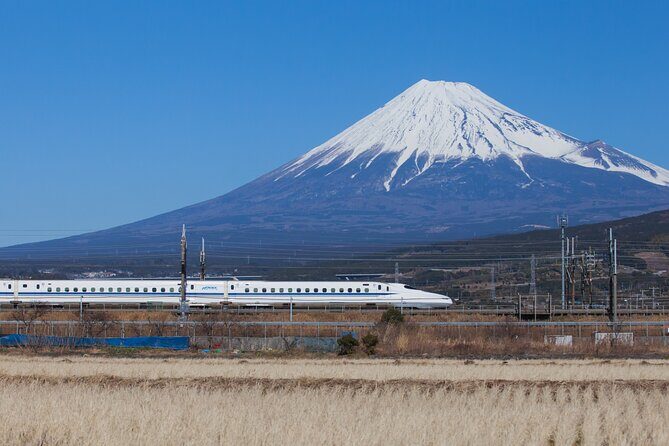
- Bullet train return option: take the Shinkansen from Odawara to Tokyo Station, with non-reserved seats provided.
Why that bullet train option is valuable: it reduces the stress of a long bus ride back after a full day of climbing, ropeways, and cruises. But it also shifts some of the final leg responsibility to you—there’s no private shuttle from Tokyo Station to Shinjuku, and the tour guide won’t board the Shinkansen to Tokyo.
If you want the smoothest finish, get your Tokyo Station-to-Shinjuku plan figured out before you board the train. If your hotel is not near major lines, allow extra time and be ready for a last transfer.
Mt. Fuji 5th Station: why the stop time feels short
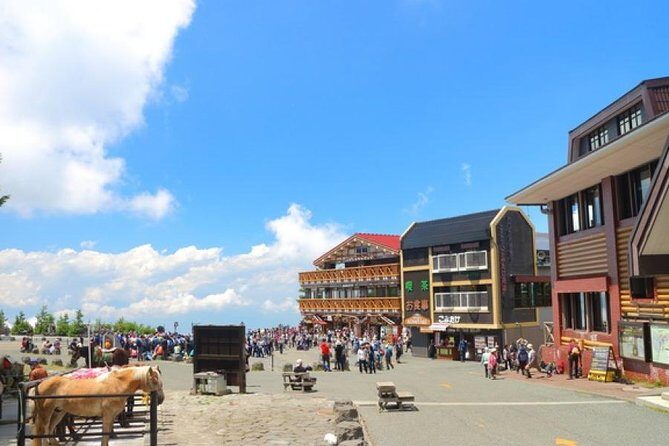
This is the stop most people picture: Mt. Fuji at its 5th Station. The tour schedules a 30-minute visit, with admission-free access and “sacred ambiance” around the area you’re visiting. On a clear day, it can feel like you’ve stepped into an icon.
But the key reality is this: road access can change, and the operator says they may visit the highest station possible if the 5th Station isn’t accessible due to road or weather conditions. If severe weather or road issues block access, the itinerary may swap to alternatives such as the Fujisan World Heritage Center or sightseeing at Fuji 1st to 4th Station—and in heavier disruptions, you might go further afield like Oshino Hakkai or Lake Kawaguchi area stops.
So here’s how to manage your expectations:
- Treat the 5th Station time as enough for views, photos, and a quick walk.
- Don’t assume you’ll get long wandering time.
- If you want souvenirs, you’ll likely need to do it fast during your stop window.
Also: Mt. Fuji might simply be invisible. The operator states there’s a chance you won’t see it due to fog or weather, and the tour won’t be canceled or refunded for weather visibility issues. That’s not a reason to skip the day; it’s a reason to keep your attitude flexible and focus on what you can control.
Owakudani valley: the geothermal stop that makes Hakone feel real
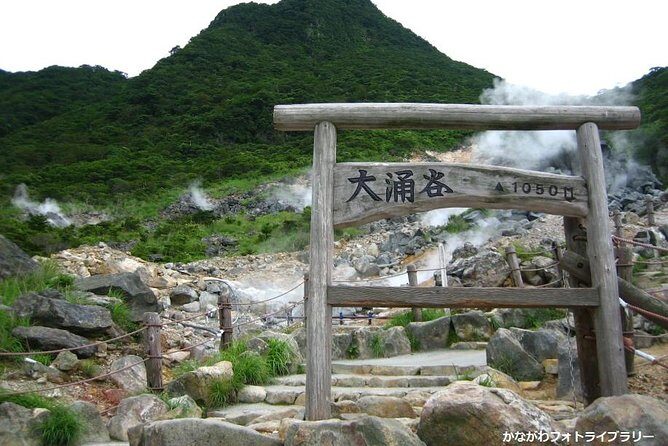
Owakudani (Owaku-dani valley) is where Hakone earns its reputation. You’ll spend about 30 minutes exploring this volcanic area with steaming vents and fumaroles. The air can feel intense and otherworldly—hot, sulfuric, and very different from Tokyo streets.
This stop works well in a group tour because your guide helps interpret what you’re seeing. Even if you’ve read about volcanoes before, it’s one thing to know words and another to stand near active geothermal vents.
What I like about this segment for first-timers: it’s not just pretty. It’s practical science-from-the-ground. You’ll get visuals and context in a short amount of time, then you move on before it starts to feel repetitive.
What to watch: this is still a daytime stop built into an 11-hour schedule. If you need lots of slow walking time, you may want to prioritize what you want most—either photos, viewing, or taking in the explanation.
Hakone Ropeway from Owakudani to Sounzan: the best views come with wind
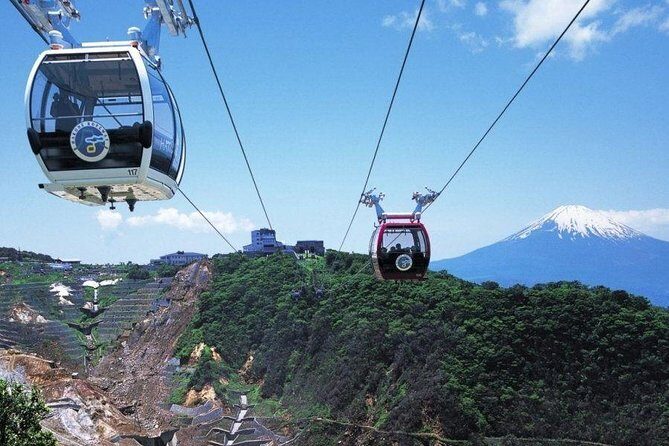
After Owakudani, you’ll board the Hakone Ropeway, riding from Owakudani to Sounzan Station. The ropeway time on the schedule is about 25 minutes, and admission is included.
This is often where the day’s scenery turns “wow” because you’re crossing above volcanic terrain rather than just looking at it from the ground. But conditions matter. The operator warns that the Ropeway and the Hakone Pirate Ship can be unable to operate due to circumstances, and then you’ll be guided to alternative destinations rather than canceling.
One real-world takeaway from how these tours operate: the line and boarding flow can change when connections get reshuffled due to traffic or operating adjustments. If you’re sensitive to waiting, go in with patience, and keep your phone charged.
Also pack practical footwear. The tour explicitly asks for shoes that let you walk smoothly during the day.






Lake Ashi cruise: a relaxing break with Mt. Fuji potential
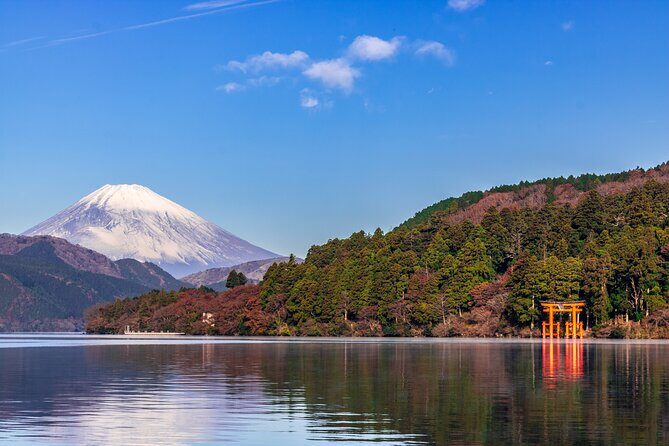
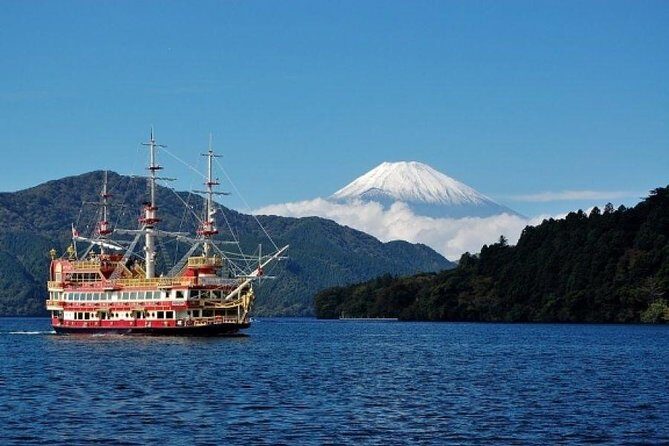
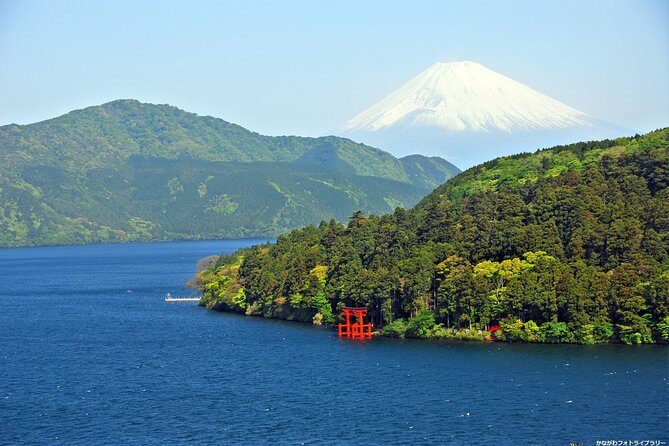
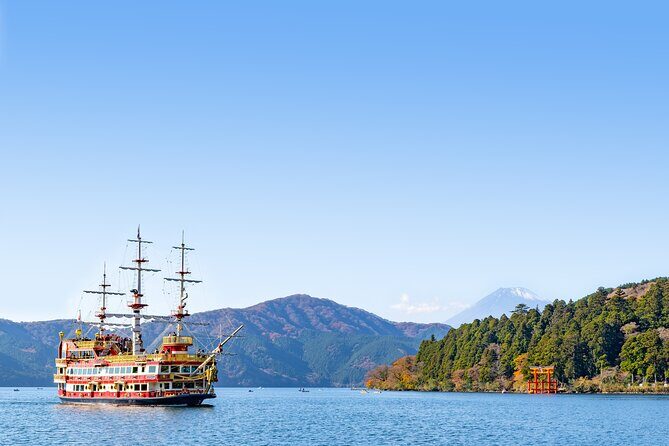
Lake Ashinoko (Lake Ashi) is where you slow down. You’ll take a cruise for about 30 minutes, and admission is included. The tour describes the boat as pirate-themed, and on clear days you may see Mt. Fuji peeking from behind the hills.
This stop is a strong pacing tool. You’ve been on the bus, then on foot near geothermal vents, then up in the ropeway. The cruise gives you a calmer rhythm—breeze, photos from the deck, and a different angle on the whole region.
Timing note: visibility depends on weather. The operator also says Fuji might not be visible on foggy days. If that happens, the cruise still works as a scenic interlude, but you’ll want to avoid treating it as a guaranteed Fuji moment.
If the pirate ship is canceled, you’ll be redirected for sightseeing at Hakone Machi rather than losing the whole segment. That means the day keeps moving.
Lunch option: worth it if you pick the right moment
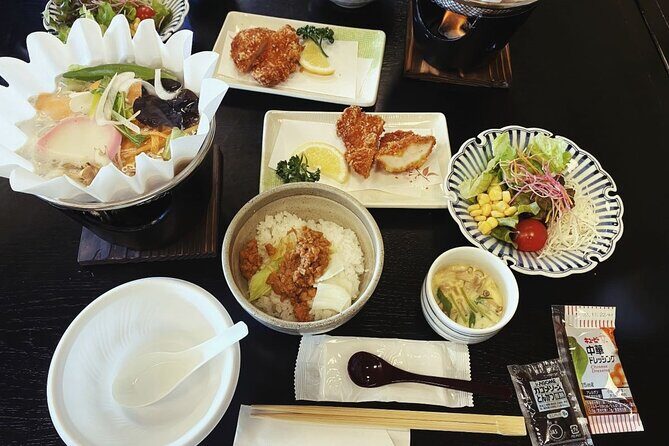
Lunch is included only if you select the +Lunch option. The tour describes it as a Japanese-style lunch, and in practice it’s often buffet-style in an onsen-restaurant setting.
Here’s the value logic: with an 11-hour day built around timed stops, having lunch handled for you can be a big deal. It reduces the hunt for a place to eat between ropeway and cruise logistics.
But you should also know this isn’t universally loved. I’ve seen mixed feedback on lunch quality and comfort, including complaints about timing, room temperature, and food quality. So my advice is simple:
- If you’re hungry and want the least friction, choose the lunch option.
- If you’re picky about food or sensitive to comfort conditions, consider bringing a small snack stash so you’re covered if the lunch venue isn’t your favorite.
Odawara split point: where the day narrows to your return plan
Near the end, you’ll break at Odawara Station Tourist Information Center. The tour says this is where travelers returning by Shinkansen split off and take the train from Odawara Station to Tokyo Station. Those returning by bus continue back toward Shinjuku.
If you choose bus return, the tour ends at Shinjuku West Exit. If you choose bullet train return, the tour guide won’t board the Shinkansen and will provide guidance on how to get back to your hotel from Tokyo Station before you board.
This last step is the place where things can go sideways. Tokyo Station is big and transfers can be confusing if you haven’t done them before. One traveler described needing extra time and struggling with signs to find the right platform, then having to do another metro change at Shinjuku.
My practical fix: when you’re handed your return instructions, take out your map app and confirm your next transit step immediately. Don’t assume you’ll figure it out once you’re standing there with a crowd.
How the 11-hour schedule really plays (and what can change it)
This tour runs about 11 hours and typically returns to Shinjuku around 19:30, depending on traffic. The itinerary has set stop lengths, including:
- Mt. Fuji 5th Station: about 30 minutes
- Owakudani: about 30 minutes
- Hakone Ropeway: about 25 minutes
- Lake Ashi cruise: about 30 minutes
What can change the experience:
- If roads to Mt. Fuji 5th Station are blocked, you’ll swap to Fuji 1st–4th Stations or other approved alternatives like the Fujisan World Heritage Center.
- If Hakone Ropeway or the pirate ship can’t operate, you’ll be redirected to alternative destinations, with no tour cancellation.
- Traffic congestion can shorten or adjust time at sightseeing spots.
This is why I think the best mindset is “structured highlights, not a slow nature day.” You’re not trying to win a marathon of scenery. You’re trying to hit the big landmarks efficiently, then go back to Tokyo with a win.
Who should book this Mt. Fuji and Hakone day trip
You’ll likely be happiest with this tour if:
- You want to see Mt. Fuji + Hakone in one day without building your own timetable.
- You enjoy a guide-led pace with English support on key points.
- You’re okay with “enough time” at major stops rather than long, wandering visits.
- You want a Tokyo-to-country reset in comfort, with Wi‑Fi on the coach.
It may not be ideal if:
- You want maximum unhurried time at one place.
- You get stressed by weather-driven visibility changes (since Fuji views are not guaranteed).
- You hate the idea of a long day followed by a transit transfer back to your hotel.
The fact that the tour caps at 45 travelers helps keep it manageable, and you’ll usually feel like you’re moving with a plan rather than stuck in endless waiting.
Book it or skip it: my call on the value
At $97.52 per person, this is not cheap, but it can be a fair value for Tokyo visitors because you’re paying for:
- transportation out of Tokyo with an air-conditioned coach
- free Wi‑Fi
- an English-speaking tour conductor
- guided stops across multiple zones (Mt. Fuji and Hakone)
- included admissions for major components like the Ropeway and Lake Ashi cruise
- an optional lunch that can remove an awkward planning gap
If you’re deciding, here’s the simplest way to choose:
- If you want maximum landmarks per day and minimal logistics, this is a strong pick.
- If your schedule is flexible, you’re willing to accept “maybe Fuji, maybe not,” and you can handle a full day pacing, you’ll probably feel it was worth it.
- If you’re the type who needs Fuji views no matter what, consider pairing this with more flexible plans in Japan—because fog and weather can erase the famous skyline even when everything else goes right.
FAQ
Where is the meeting point for the tour?
The meeting point is at the Robert Indiana Sculpture called Love in Shinjuku: 6-chōme-5-1 Nishishinjuku, Shinjuku City, Tokyo 160-0023, Japan.
Does the tour include a bullet train option for the return to Tokyo?
Yes. You can return by coach or choose a bullet train option. For the Shinkansen return, you split off at Odawara Station and take the train to Tokyo Station with a non-reserved seat ticket provided.
What’s included in the tour price?
The tour includes an air-conditioned coach with free Wi‑Fi, an English-speaking tour conductor, and all fees and taxes. It also includes admission tickets for the Hakone Ropeway and the Lake Ashi cruise. Lunch is included only if you choose the +Lunch option.
How long do you stop at Mt. Fuji 5th Station?
The scheduled stop at Mt. Fuji 5th Station is about 30 minutes.
What happens if Mt. Fuji is not visible due to fog or bad weather?
The tour may still run, and there’s a chance you won’t see Mt. Fuji. The operator states the tour will not be canceled and there is no refund for weather-related visibility issues.
Are the Ropeway and pirate ship cruise always operating?
They operate as scheduled when possible, but if the Ropeway or the Hakone Pirate Ship cannot operate, you’ll be guided to alternative destinations. The tour is not canceled and refunds are not issued for this reason.
What if I miss the Shinkansen after the tour?
If you miss your bullet train after disembarking at Odawara due to a delay, the operator says there’s no refund. You should ride the next train in the non-reserved section, and you should choose a bullet train departing from Odawara Station.