REVIEW · TOKYO
Tokyo Private Day Trip With English Speaking Driver
Book on GetYourGuide →Operated by JAPAN MULTI TRAVELS · Bookable on GetYourGuide
Tokyo rush is real; this tour cuts the stress. I especially like the English-speaking guide/driver and the Wi‑Fi in the vehicle, which makes a long day feel manageable. One thing to plan for: Tokyo Skytree and Tokyo Tower entries cost extra since tickets aren’t included.
This is a true private setup, so you’re not stuck with a slow group or fixed explanations. I like how the route mixes classic Tokyo with modern neighborhoods, and how guides such as Sam and Taro often keep things calm and flexible, even when families are involved.
The big consideration is the timing. It’s a 10-hour day including pickup and drop-off, with an extra window of 30 minutes; after that, there’s a per-hour charge, so you’ll want to pick your must-dos early.
In This Review
- Key points you’ll actually care about
- Why this private driver day works in Tokyo
- Price and value: what $320 per group really buys
- Pickup, timing, and avoiding the common Tokyo day-trip traps
- Imperial Palace photo stop: a smart opener, not just a random stop
- Tsukiji Outer Market: quick bites and souvenir shopping energy
- Sensō-ji and Nakamise Street: where old Tokyo shows up fast
- Akihabara: free time for electronics, anime, and fast browsing
- Tokyo Skytree area: skyline views plus a lunch window
- Tokyo Tower area: classic silhouette and another built-in break
- Shibuya Crossing and the Harajuku corridor: high energy, big memories
- Meiji Shrine and the calm reset
- Liberty Walk Tokyo and Odaiba: modern Tokyo beyond the postcard
- Customization: how to shift the day without breaking it
- Luggage, kids, and language support that actually helps
- Practical tips before you go
- Should you book this Tokyo private day trip?
- FAQ
- How many people is this private Tokyo day trip for?
- How long is the tour?
- Are Tokyo Skytree and Tokyo Tower tickets included?
- Is Wi-Fi included in the vehicle?
- Are meals included?
- Where can pickup and drop-off happen?
Key points you’ll actually care about
- Private van for up to 5 people with hotel pickup and drop-off, so you don’t spend your day routing trains.
- English support in the vehicle (plus other languages available), which helps when signs, rules, and schedules feel confusing.
- Wi‑Fi and bottled water included, useful for maps, translation, and quick family coordination.
- Built-in breaks for photo stops, walking, and lunch around Skytree and Tokyo Tower areas.
- Customization is allowed, so you can shift priorities while still hitting the big landmarks.
- Skytree and Tokyo Tower tickets aren’t included, so add that cost if you want to go up.
Why this private driver day works in Tokyo
Tokyo can feel like two cities at once: ancient streets and neon skyscrapers, all packed into the same day. This trip is built for that reality. You get a driver who handles the getting-there part, which is the part that usually turns a day trip into a stress test.
The private format matters. Instead of standing around waiting for other people’s pace, you set the tempo. And when you want extra time for photos, snacks, or a quick browse, you’re not negotiating with a group schedule. Guides like Sam and Taro come up in the feedback for a reason: they tend to keep things polite, organized, and not overly chatty.
There’s also a practical comfort layer that makes a big difference over 10 hours. Air-conditioned transport, bottled water, and on-board Wi‑Fi mean you can refresh and stay connected rather than relying on battery life and signal.
You can also read our reviews of more private tours in Tokyo


Price and value: what $320 per group really buys
The price is $320 per group (up to 5 people) for a 10-hour day including pickup and drop-off. On paper, it’s easy to compare this to a taxi. In real life, that comparison can mislead you.
Here’s what you’re paying for:
- Time: Tokyo travel time can balloon during traffic. Having one organized route cuts wasted back-and-forth.
- Convenience: hotel pickup and drop-off means you start and end without transfers.
- Navigation help: even when you know Tokyo, finding parking, entrances, and exact stops can take energy.
- English-speaking guidance: you get context at landmarks and smoother decisions at busy places.
What’s not included helps you budget honestly. You’ll pay for paid tickets (Tokyo Skytree and Tokyo Tower are explicitly not included), and food or shopping is on you. That’s normal for this kind of day, but it means you’ll want to plan your lunch and any viewpoints you want to pay for.
One more value clue: the transport quality gets very strong scores, including a figure showing 96% gave a perfect score. In a city where driving can be intense, that’s a real confidence boost.
Pickup, timing, and avoiding the common Tokyo day-trip traps
Your day runs on a clock that includes pickup and drop-off. You have 10 hours total, and there’s a free extra window of 30 minutes. After that, the trip provider charges ¥6,000 per hour for extra time, so it’s not the kind of tour where you can drift slowly all day.
Pickup is available from specific areas in Tokyo’s 23 wards, and outside those wards there can be extra charges depending on where you’re staying. Pickup is not available from airports, ports, or stations, so plan to get to your hotel or meeting point first.
On the day, be ready in the lobby about 10 minutes before pickup. Drivers wait no longer than 60 minutes after the scheduled pickup time, and sometimes traffic can push things later (up to about 30 minutes is mentioned as a possibility). The upside is you’re not left scrambling without a plan.
Also, if you have luggage, tell the company ahead of time so they can discuss space for your group. This matters because private vans are comfortable, but Tokyo days add bags fast.
Imperial Palace photo stop: a smart opener, not just a random stop
You start with a photo stop at the Tokyo Imperial Palace area, then walk and look around for about 30 minutes. This is a good first move because it sets a tone: calm gardens and historic space before the day gets loud.
Why it’s worth it:
- It gives you an easy orientation point for the rest of Tokyo.
- You’re not immediately thrown into the most crowded neighborhoods.
- You can use the time to set photo angles and get your bearings.
The drawback is simple. It’s a photo-and-walk stop, not a deep dive with lots of paid entrances. If you want long museum-style time, you’ll need to adjust expectations and rely on the rest of the day’s pacing.
Tsukiji Outer Market: quick bites and souvenir shopping energy
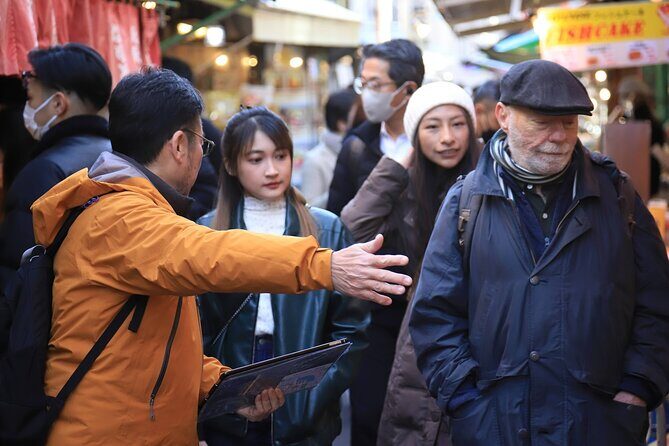
Next up is Tsukiji Outer Market, with about 40 minutes for photos, visiting, and shopping. Even if you’ve seen food markets online, this one works better in person. The streets are narrow, the stalls are close, and you’ll feel the hum right away.
What I like about fitting Tsukiji into a private itinerary:
- You can stop for snacks without turning it into a 3-hour detour.
- If you have picky eaters, you can choose what to sample quickly.
- You can buy small gifts without carrying a long list across train stations.
One consideration: it’s a walking-and-browsing segment, so wear shoes you can handle. Also, since food isn’t included, you’ll want cash or card ready for quick purchases.
A few more Tokyo tours and experiences worth a look




Sensō-ji and Nakamise Street: where old Tokyo shows up fast
After Tsukiji, the schedule moves to Sensō-ji Temple in Asakusa. You get about 40 minutes, including a guided tour feel and time for walking and shopping, plus time along Nakamise Shopping Street.
This is one of the strongest parts of the route because it’s not just photos. The temple area has a rhythm: approach the gates, pause for views, then walk into the shopping street energy. It’s easy to understand Tokyo’s mix here—spiritual tradition and everyday commerce side by side.
Practical tip: if you want shopping time, don’t leave it for the last five minutes. Nakamise is popular, and deciding what to buy takes actual attention when you’re standing among lots of stalls.
Potential drawback: because it’s a top attraction, expect crowds. A private guide helps you keep movement sensible, but you still won’t avoid congestion completely.
Akihabara: free time for electronics, anime, and fast browsing
Then the trip shifts to Akihabara with about one hour of photo stops, visiting, free time, and shopping. Akihabara is a different kind of Tokyo. It’s less about temples and more about gadgets, collectibles, and the pop-culture vibe.
If you want a clean win from this stop:
- Use the hour to do focused browsing rather than trying to see everything.
- If your group has different interests, separate for 20–25 minutes and regroup.
- Plan one “anchor” store or street so you don’t spiral into indecision.
One thing to remember: “free time” means you’re responsible for getting your group back to the van on time. That’s where the private structure helps, but you still need basic timekeeping.
Tokyo Skytree area: skyline views plus a lunch window
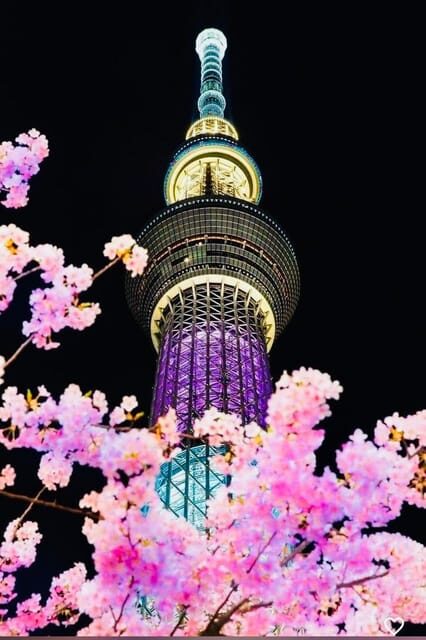
The day then brings you to the Tokyo Skytree area with about 80 minutes total, including a break, photo stop, visit, lunch, and shopping time. Even if you don’t go up, the area is a full experience for skyline photos and river-and-city views.
Budget note: Skytree ticket entry isn’t included, so if you want to access observation decks, you’ll need to pay separately. If you’d rather save money, you can still enjoy the surroundings and take plenty of photos.
This stop is also a scheduling gift. The lunch and shopping time means you can re-energize halfway through the day instead of running on fumes. If your group needs a restroom break, this kind of long window helps.
Tokyo Tower area: classic silhouette and another built-in break
After Skytree, you head to Tokyo Tower for another break window of about 80 minutes, again with photo stops, visiting, and lunch time.
Same money story: Tokyo Tower tickets aren’t included, so plan for any paid entry if you want heights-level views.
Why this pairing works:
- Skytree and Tokyo Tower give you two totally different skyline moods.
- You get repeated “reset time” so you don’t lose the day to fatigue.
- You have two chances for lunch, which is good if one place looks too crowded or too expensive.
The drawback is that both are photo-heavy stops. If you’re not into viewpoints, you may feel like the time is spent standing around. Customization helps here if you want to shift focus.
Shibuya Crossing and the Harajuku corridor: high energy, big memories
Next comes Shibuya Crossing with about one hour for photos, visiting, and shopping time. This is the place you’ve seen in movies and screenshots, but in person it hits differently. The crossing feels like the city’s heartbeat: fast, loud, and oddly orderly.
A smart way to use your time here is to pick a side to stand from first. Then get one “from above” style angle if possible, and only then move into shopping streets. Otherwise, you end up wandering with zero plan while the light changes.
Then the route continues through Takeshita Street, with about 40 minutes for photo stop, visiting, and shopping. Takeshita is where Tokyo’s playful fashion culture is easy to spot. The sidewalks are busy, so expect slow movement.
Meiji Shrine and the calm reset
After Harajuku energy, you get Meiji Shrine for about 40 minutes. This contrast is one of the best parts of the schedule. One moment you’re in crowds and storefronts; the next you’re walking among trees and quiet pathways.
This stop is valuable because it slows your day down. It’s also a good moment to take better photos without neon reflections and moving crowds everywhere.
Like the other popular sites, it can still be crowded, but the atmosphere tends to feel more breathable.
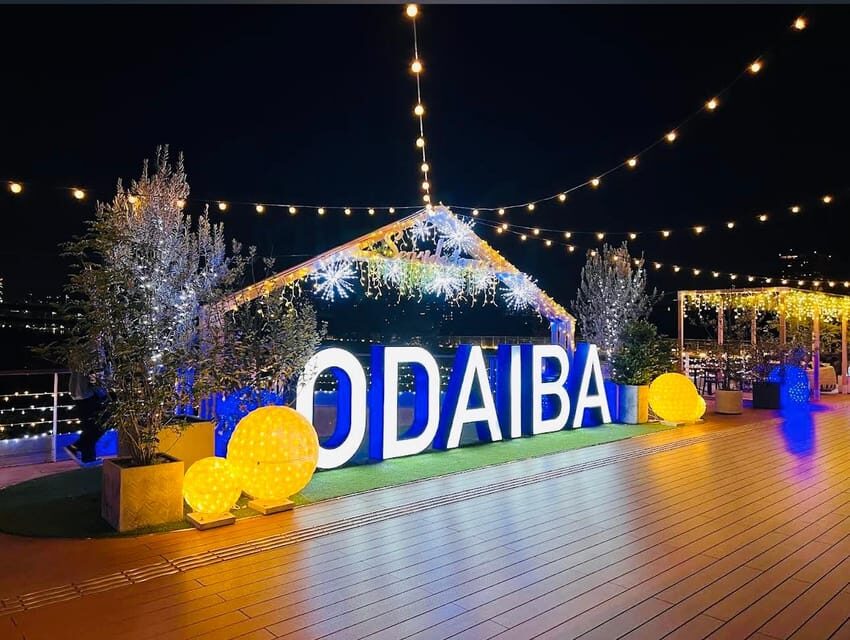
Liberty Walk Tokyo and Odaiba: modern Tokyo beyond the postcard
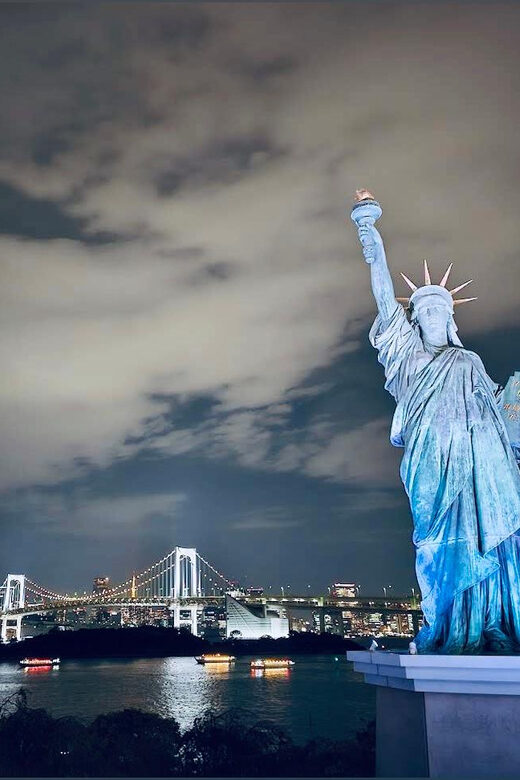
The tour includes Liberty Walk Tokyo as a shopping/photo stop for about 30 minutes. Exact interests vary here, but it’s the kind of stop that makes a Tokyo day feel more specific to you, not just to the itinerary.
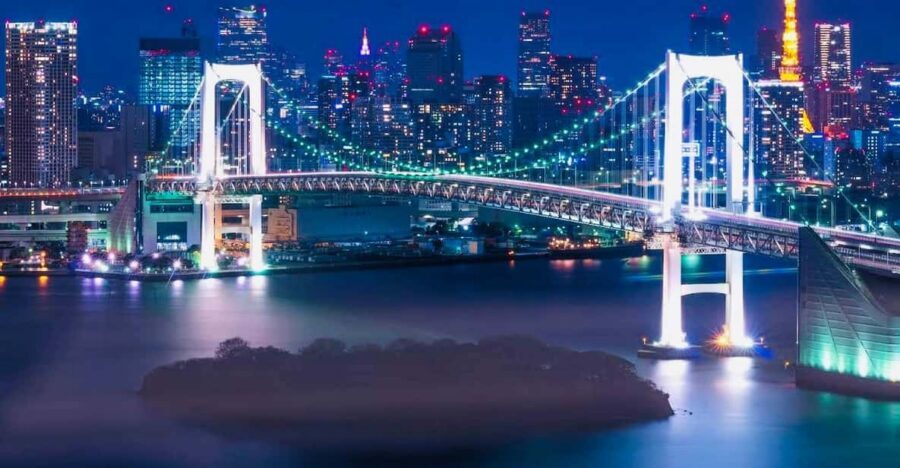
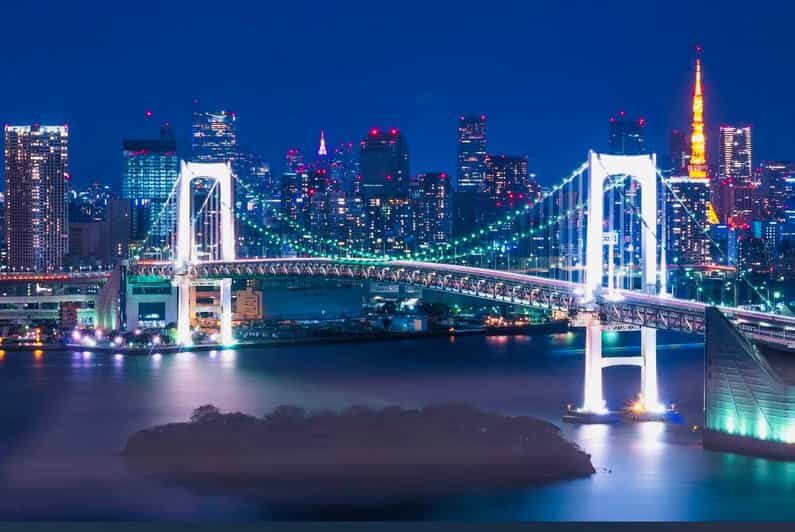
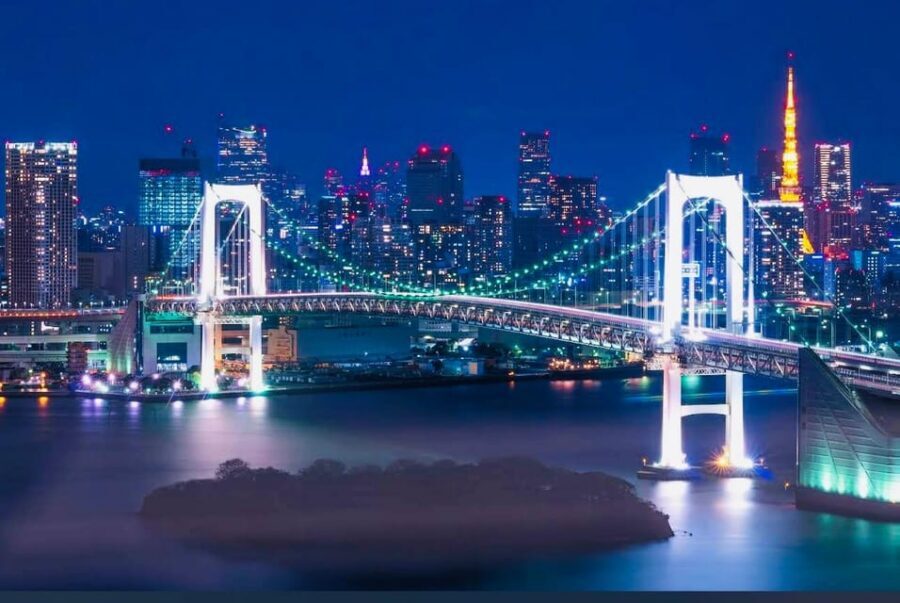
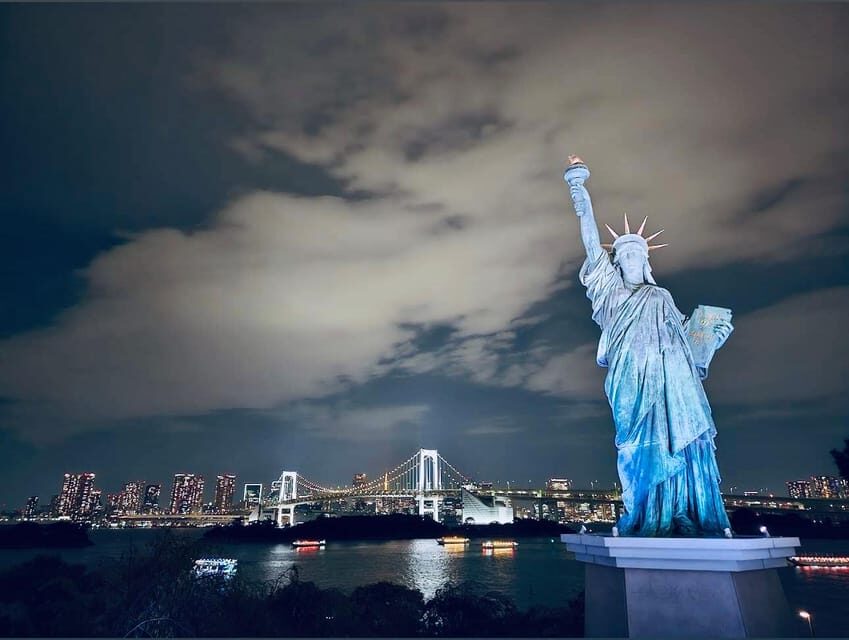
From there, there’s a scenic pass at Rainbow Bridge, then you reach Odaiba for about 30 minutes of photo stop, visiting, and shopping. Odaiba is a good reminder that Tokyo isn’t only temples and streets. It’s also built environments, waterfront views, and a different kind of city pacing.
Why these later stops matter: by the time you reach Odaiba, you’ve already seen the classics. Now you get a modern “Tokyo after dark, even if it’s daytime” vibe—helpful for groups who want variety, not repetition.
There’s also a final longer stop with about two hours for photos, visiting, and shopping. The tour is set up so you can use that time to catch something you care about most, especially if you moved faster earlier.
Customization: how to shift the day without breaking it
This is a customized tour, and that’s more useful than it sounds. In Tokyo, “small changes” can save you big time. If your group loves shopping, you can lean in on the neighborhood stops. If you care more about temples and views, you can adjust walking time and prioritize landmark moments.
The key is staying honest about your pace. You have limited hours, and the trip ends at a fixed point. So customization works best when you decide your top three priorities before the driver starts the route.
The guides in the feedback also come across as flexible about family needs. One family note highlights patience with kids, and another mentions a guide who didn’t fill silence with unnecessary chatter. That style matters. It lets you ask questions naturally instead of fighting a loud narration.
Luggage, kids, and language support that actually helps
If you’re traveling with kids, the private format is a big deal. You can slow down for breaks and regroup without holding up strangers. The vehicle setup also helps you keep small items together, which matters when you’re moving through crowded streets.
If you have luggage, you should tell the company in advance. Private vans have comfort, but you’re still working with space. Also let them know about child seats or allergies if you have them.
Language support includes English plus other languages such as Hindi, Japanese, Punjabi, and Urdu. Even if you only need English for key explanations, that makes a big difference when you want to understand what you’re looking at, not just where to stand.
Practical tips before you go
Bring a camera, and have a credit card and cash available. You’ll be spending money on food and shopping because those are not included, and some paid viewpoints cost extra.
Avoid alcohol and drugs, as they’re not allowed during the tour. It’s a standard rule, but it also keeps the day comfortable for everyone.
Finally, if you want a smoother day, think about your clothes and shoes. You’ll do multiple walking segments across different neighborhoods, including temple areas and busy shopping streets. Comfortable shoes aren’t a “nice to have” here. They’re the difference between enjoying Tokyo and counting blisters.
Should you book this Tokyo private day trip?
Book it if you want a stress-light Tokyo sampler: Shibuya Crossing, Meiji Shrine, Asakusa Sensō-ji, Tsukiji Outer Market, Akihabara, plus skyline and waterfront areas like Skytree, Tokyo Tower, and Odaiba. The private van, English support, Wi‑Fi, and included pickup/drop-off give you real time value.
Skip it or adjust expectations if your dream day is slow and museum-heavy, or if you mainly want paid observation decks at Skytree and Tokyo Tower without extra costs. Tickets are not included, so factor that in.
If you can plan your top priorities and accept that it’s a packed 10-hour day, this is a solid way to see a lot of Tokyo without wrestling transit.
FAQ
How many people is this private Tokyo day trip for?
It’s priced per group up to 5 people, with private transportation.
How long is the tour?
The tour lasts 10 hours including hotel pickup and drop-off.
Are Tokyo Skytree and Tokyo Tower tickets included?
No. Tickets for Tokyo Skytree and Tokyo Tower are not included.
Is Wi-Fi included in the vehicle?
Yes. Wi-Fi is included onboard.
Are meals included?
No. Food or shopping isn’t included, though there is time set aside for lunch during the route.
Where can pickup and drop-off happen?
Pickup and drop-off are available in Tokyo’s 23 wards and from listed areas like Urayasu. Pickup is not available from airports, ports, or stations, and areas outside the 23 wards may require extra charges.