REVIEW · TOKYO
Tokyo: Tsukiji Fish Market Culture Tour with Sashimi Tasting
Book on GetYourGuide →Operated by Japan Wonder Travel · Bookable on GetYourGuide
Fish smells, fast feet, and a plan. Tsukiji feels chaotic, but this small-group culture tour gives you structure while you hunt for the best seasonal seafood. I especially liked the way the guide steers you to seasonal offerings you’d miss on your own, plus a straightforward sashimi tasting that’s more than just a tiny bite. The main downside: the time is tight, so if your goal is pure eat-until-you’re-full shopping, you may want more freedom than the tour schedule allows.
You’ll also get real-world guidance from English-speaking assistants, and the tour has had standout guides like Shoko, Shun, and Taka. Expect backstreet wandering in the outer market, shop introductions that help you order with confidence, and free samples that vary by day. After the guided portion (you’ll often have close to 1.5 hours with your guide), you’re set loose to keep exploring at your own pace.
In This Review
- Key things to know before you go
- Entering Tsukiji: where you start (and why it matters)
- The 90-minute guided flow through the outer market
- The pacing tradeoff
- Sashimi tasting: what you get and how to use it
- What’s included vs. what’s on you
- Outer-market backstreets: the part that feels most local
- Shopping and dining tips you can actually use right away
- Price and value: is $38 a good deal here?
- What to bring, and how to avoid common Tsukiji annoyances
- Who this tour fits best (and who might feel shortchanged)
- After the tour: how to keep your Tsukiji experience going
- Should you book this Tsukiji Fish Market Culture Tour?
- FAQ
- How long is the Tsukiji Fish Market Culture Tour with Sashimi Tasting?
- Is the sashimi tasting included?
- Is food included in the price?
- What language is the tour guide?
- How many people are in the group?
- Do I need cash?
Key things to know before you go
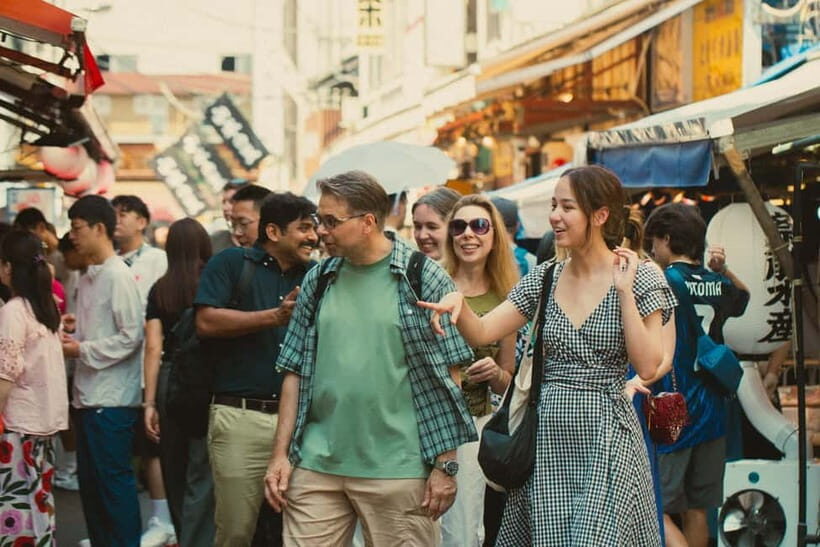
- A guide helps you choose among 400+ shops, so you don’t burn time wandering in circles
- Sashimi tasting is included, with a focused selection rather than a random snack
- Backstreet outer-market routes make the experience feel like insider navigation
- English-speaking assistants share history and practical tips for ordering and shopping
- Free samples vary by day, and food isn’t guaranteed as a full meal
- Small group (up to 10) keeps the pacing lively but not overwhelming
Entering Tsukiji: where you start (and why it matters)
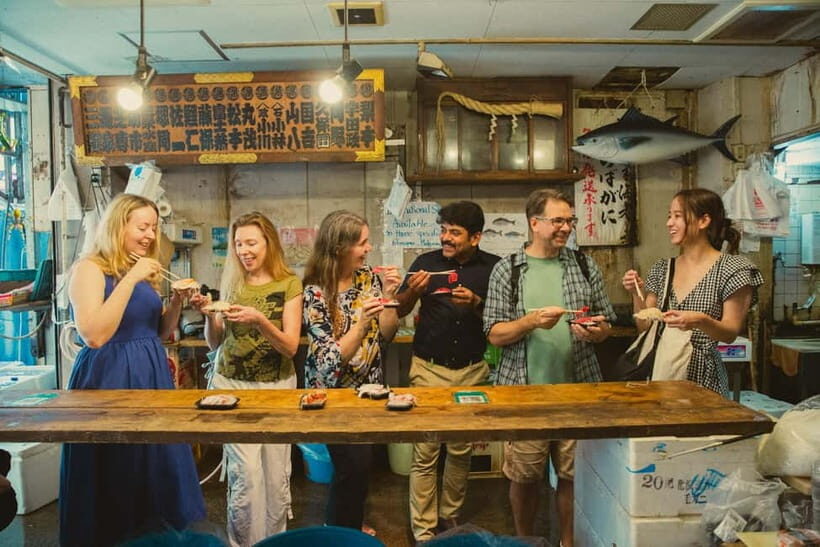
Your biggest win is simple: you arrive with the map problem solved. This tour starts at one of two likely meeting spots around Tsukiji—either Tsukiji Hongwan-ji Temple or the 築地ボン・マルシェ築地みやげコーナー area—then moves into the outer market experience.
Why does the start point matter? Tsukiji is a web. If you’re going on your own, it’s easy to get funneled toward tourist-heavy corridors and miss the “working market” feel. Starting with a guide helps you get your bearings fast, and you’re less likely to lose 20 minutes just figuring out which lane you’re in.
You’ll also be dealing with normal market conditions: lots of people, narrow space, and the need to keep moving. Comfortable shoes are not optional. If your feet get grumpy, your seafood mood drops with them.
You can also read our reviews of more food & drink experiences in Tokyo

The 90-minute guided flow through the outer market
The guided portion is built for flow: you’re not stuck watching a lecture. You’ll spend about 1.5 hours touring the outer market with your English-speaking assistant, then you continue on your own afterward.
Here’s what the guide is really doing during that time:
- pointing out the best seasonal offerings without you having to hunt
- showing you where the local shops feel most “in the know”
- giving enough context so your choices make sense, even if you’re new to Japanese seafood
Tsukiji has over 400 shops, and that number becomes real the moment you step inside. With a guide, you’re choosing from the right pockets of the market rather than getting lost in the sheer volume. In a place like this, that’s not a luxury—it’s the difference between an enjoyable stroll and a stressful blur.
The pacing tradeoff
The flip side is that this tour is designed to cover highlights, not to linger everywhere. The best version of this experience is when you treat it like: guided orientation + tastings + a smart launch into your own eating plan. If you want slow walking, endless stops, and lots of sit-down time, you may feel rushed.
And yes, it’s rain-or-shine. You’ll still walk, so bring clothes you don’t mind getting market-dusty, and assume you’ll need a little flexibility.
Sashimi tasting: what you get and how to use it
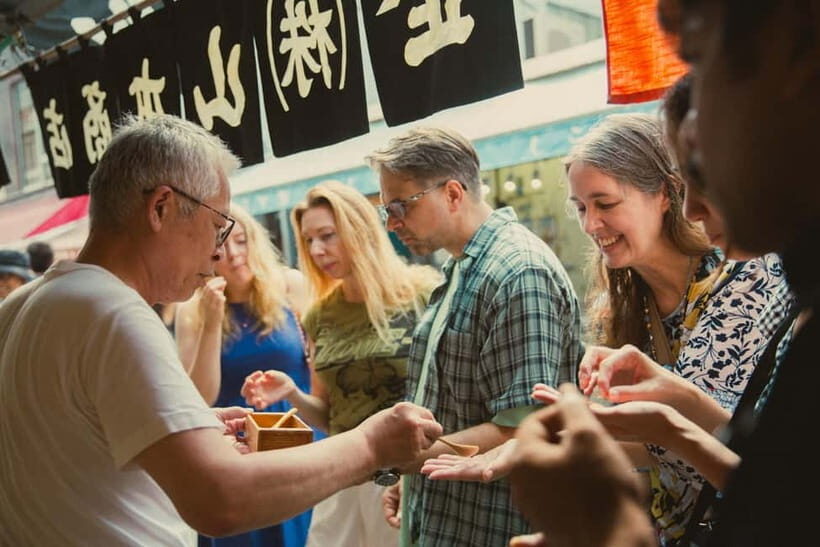
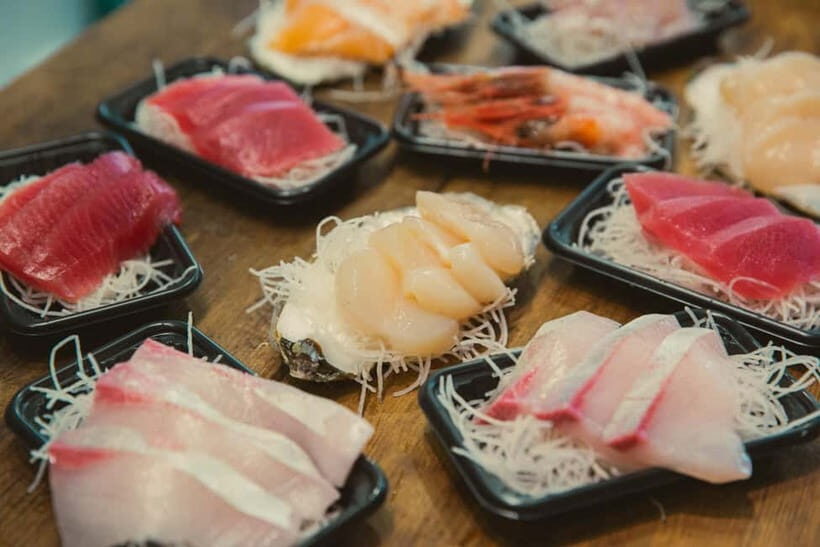
This is a big reason to book. You’ll have sashimi tasting as part of the tour, plus free samples that can vary day to day. One review noted the tasting offered more than expected, which tells me the goal is to give you a real sample rather than a token bite.
But the real value isn’t only the food. The guide’s role is to make you a better customer immediately after:
- you’ll learn what makes certain selections worth trying
- you’ll get cues on what to order later when you’re browsing on your own
- you’ll see how different shops think about freshness and seasonality
If you’re worried about what you’ll like, start with the tasting. It’s the safest “first contact” with Tsukiji’s seafood culture. Then, once you understand the vibe, you can confidently branch into cooked dishes or additional raw/seafood options wherever you want—at your pace.
What’s included vs. what’s on you
Food is not listed as fully included as a meal. Instead, you’ll get the sashimi tasting and some free samples depending on the day. That’s actually good news if you prefer choice. You’re not locked into one set of dishes; you can decide what to chase next once you understand your preferences.
Just keep cash in mind. Many spots you may want to visit later often run on cash rather than card-only systems.
You can also read our reviews of more shopping tours in Tokyo


Outer-market backstreets: the part that feels most local
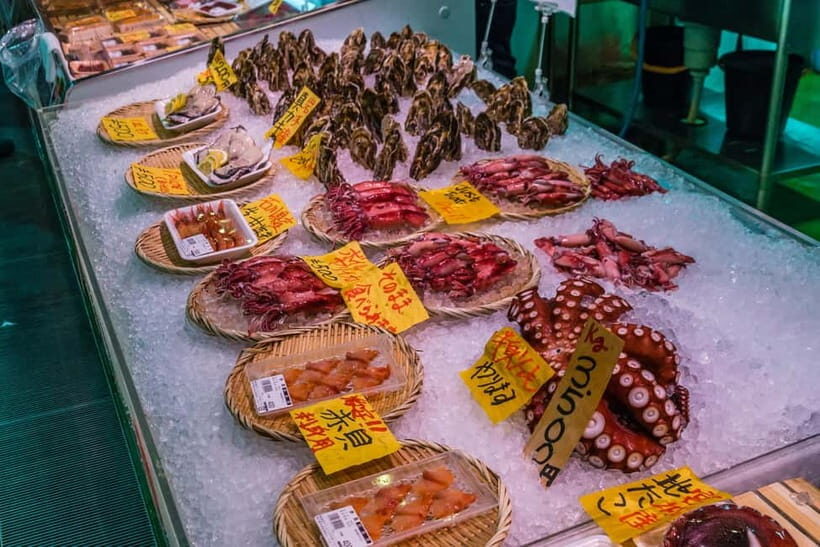
The outer market is where you’ll spend most of your time on this tour, and the guide focuses on backstreets, not just the main walkways. That difference matters.
On a main drag, you often get the same patterns: similar souvenirs, similar menus, and a lot of people moving in the same direction. Backstreets are where you get:
- quieter shop windows
- a stronger sense of routine and “working market” energy
- real practical tips from people who know what they’re selling
You’re also likely to get introductions—your assistant helps you meet local shop staff and get recommendations at the places you visit. That kind of small social bridge is huge when language is a barrier, because it turns your questions from awkward to natural.
One review also praised the guide for sharing history and different Japanese delicacies, which is exactly what helps you connect the dots between what you see and what you should taste.
Shopping and dining tips you can actually use right away
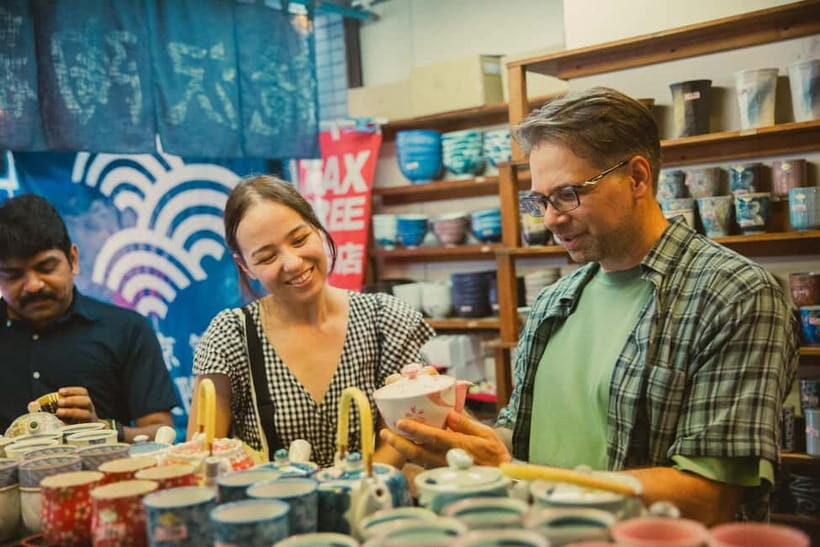
This tour isn’t just “look at fish.” It’s about leaving with choices you can make quickly. Your guide typically gives you:
- shopping recommendations so you know what categories are worth your money
- dining suggestions so you don’t waste time chasing places that don’t fit your cravings
- quick guidance on how to navigate the market without getting stuck
Here’s how you should use those tips after the guided time ends:
- Pick one seafood direction (raw, grilled, tempura, or specialty dishes).
- Use your tasting as a reference point for flavor and texture.
- Then walk the market like you’re choosing your own route, not hunting for a specific place.
This is the smart structure: you get a guided head start, then you act like a local—slow down when something smells amazing, speed up when it’s not your thing.
Price and value: is $38 a good deal here?
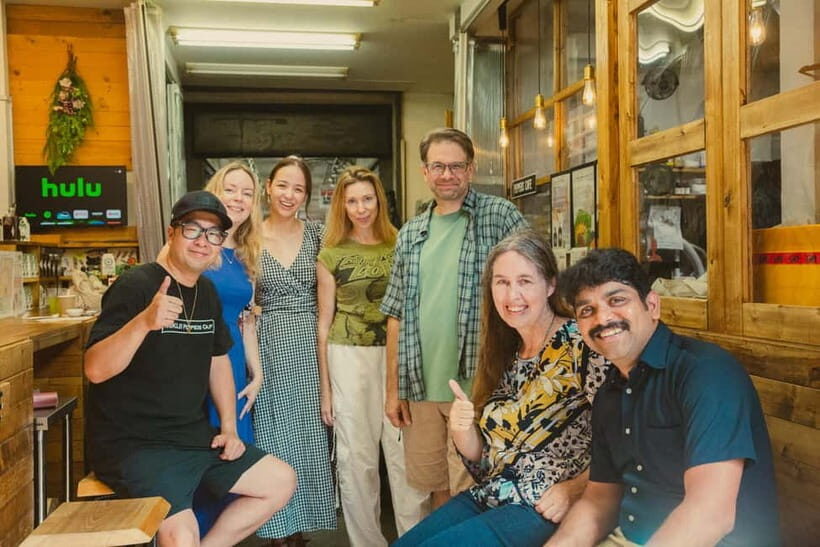
For $38 per person, the headline value is that you’re buying three things at once: direction, translation help, and seafood tastings. You’re also getting a small group (limited to 10), which affects the experience more than you’d think. More people means more chaos; fewer people means your assistant can actually guide you.
Now, is it worth it compared with DIY? Usually yes—if you care about efficiency and you’re not fluent in Japanese market ordering. Tsukiji’s scale (those 400+ shops) can overwhelm even curious travelers. A guide reduces wasted wandering and helps you hit the right stalls faster.
But there’s a realistic expectation to set: you’re not paying for a full meal tour. The tasting and samples are the included food moments. After that, you’re responsible for your own shopping and eating. If you prefer a strict guided “food crawl” where you get many paid-for dishes, this might feel shorter than you want.
What to bring, and how to avoid common Tsukiji annoyances
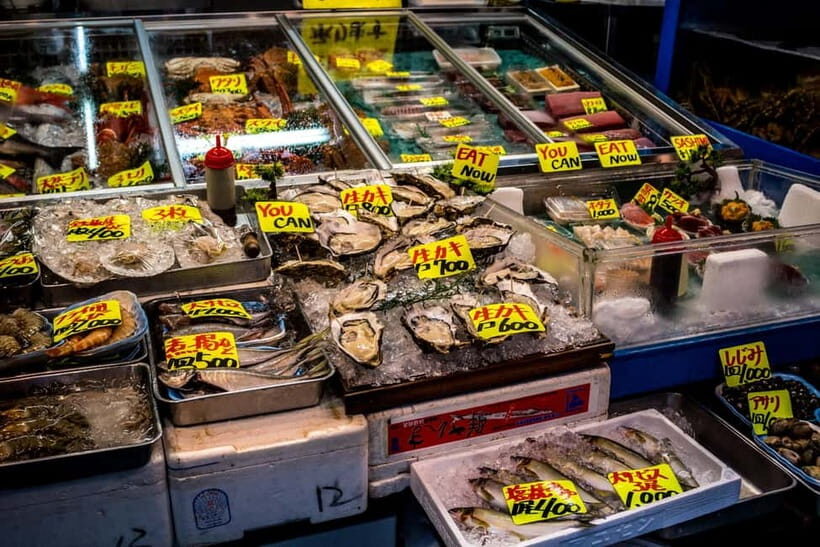
Tsukiji rewards preparation. Bring:
- comfortable shoes (moderate walking and tight spaces)
- a camera (you’ll likely want to capture stall scenes)
- comfortable clothes for crowds and weather
- cash (many local spots only accept cash)
A small practical tip: plan for smells. Fish markets are exactly what they sound like. You’ll be outside and moving around, so the experience feels alive, not sealed and “theater-like.” If you’re extremely sensitive to odor, take that into account before you go.
Also remember it’s not wheelchair accessible. The routes involve walking and market surfaces, so it’s best for visitors who can move comfortably for the full outing.
Who this tour fits best (and who might feel shortchanged)
This is ideal if you:
- want a fast, high-value introduction to Tsukiji’s outer market
- appreciate an English guide who explains what you’re seeing and tasting
- like the idea of learning the system, then exploring on your own afterward
- are happy with samples plus a sashimi tasting rather than a full sit-down meal
It may not fit you as well if:
- your main goal is maximum time eating at many stalls
- you want an unstructured “walk until you find everything you want” approach
- you dislike market-style crowds and narrow walking paths
The reviews also suggest satisfaction when the guide helps people understand how to use the market. When people arrived expecting a more food-heavy schedule, they felt disappointed. So if your travel style is “lots of eating stops,” you should adjust expectations.
After the tour: how to keep your Tsukiji experience going
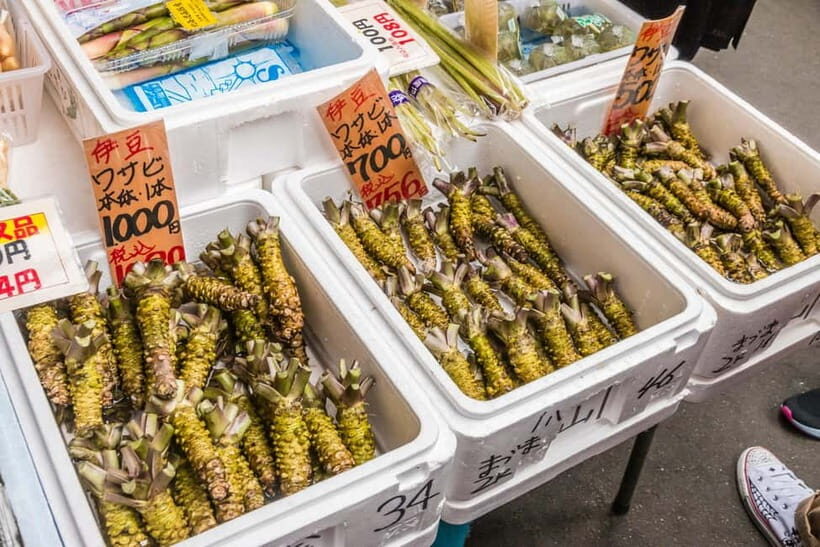
Once the guided portion ends, you’ll be in a better position than most first-timers. You’ll know where to go next and what to look for. Treat this time like your personal sampling window.
Good ways to continue:
- follow the direction your assistant suggested (one seafood category, then branch)
- pick a shop you’re drawn to and ask for options that match what you liked in your tasting
- keep cash handy for smaller stalls where cards may not work
Also, don’t try to cram everything at once. Tsukiji is an emotional experience: you’ll want souvenirs, food, photos, and snacks all at once. If you try to do it like a checklist, you’ll rush the best parts. Instead, slow down for one or two standout stops, then move on.
Should you book this Tsukiji Fish Market Culture Tour?
I think you should book if you want a smart introduction to Tsukiji that doesn’t rely on guesswork. For $38, you get a guided orientation through a huge market, a sashimi tasting, and practical help on where to shop and eat next. The small-group size also makes a difference because you’re not just getting swept along with strangers.
I’d skip it or look for something more food-focused if your top priority is long eating time across many stalls. This tour is built to guide you, taste a bit, then send you off with confidence. If that matches your style, you’ll leave Tsukiji feeling like you learned the market—not just that you walked through it.
FAQ
How long is the Tsukiji Fish Market Culture Tour with Sashimi Tasting?
The tour duration is listed as 90 minutes to 4 hours, with the guided tour portion described as about 1.5 hours.
Is the sashimi tasting included?
Yes. Sashimi tasting is included as part of the tour.
Is food included in the price?
Food is not included as a full meal. You may receive free samples that vary by day, along with the sashimi tasting.
What language is the tour guide?
The tour is guided in English.
How many people are in the group?
It’s a small group, limited to up to 10 participants.
Do I need cash?
Yes. You should bring cash, since many local spots only accept cash.