REVIEW · OSAKA
90 min Shared Handmade Udon Experience
Book on Viator →Operated by Udonzin Beat · Bookable on Viator
There are few better ways to learn food in Osaka. You knead Sanuki udon dough with your feet, then eat what you make in a small, Michelin-listed restaurant setting. The class also comes with a take-home recipe, plus free photos so you can remember the messy parts.
What I like most is the hands-on pace and the teaching style. Hosts such as Keiko and Nozomi focus on clear guidance, so even if you’ve never cooked noodles before, you still end up with something you can be proud of. I also love that you don’t just watch. You make the dough, and the chef serves your udon right after.
One thing to consider: this is a feet-on-dough experience, so wear clothes you can get messy in. And if you have a wheat allergy, this is not recommended.
In This Review
- Key highlights worth your time
- A Sanuki Udon Workshop in Osaka’s Michelin-Listed Room
- How the Class Works: Feet-Kneaded Dough to Your Own Bowls
- Chef-Cooked Noodles and Additive-Free Broth You Can Taste
- Sipping Sake or Beer While You Learn (What’s Included and What Costs Extra)
- Recipe Take-Home and Photos: Making It Stick After 90 Minutes
- Who This Udon Class Fits Best in Osaka—and Who Should Skip It
- Price and Value: What $52.85 Buys You
- Tips to Go Smoothly: Clothes, Timing, and Small-Group Energy
- Should You Book This Handmade Udon Experience?
- FAQ
- How long is the udon-making experience?
- How much does the 90 min shared handmade udon experience cost?
- Is udon tasting included, and is it hot or cold?
- Do I get a recipe to take home?
- Are sake or beer included?
- Is there a vegetarian option?
- What should I wear?
- Is this class suitable if I have a wheat allergy?
- Can I join alone?
- What is the cancellation policy?
Key highlights worth your time
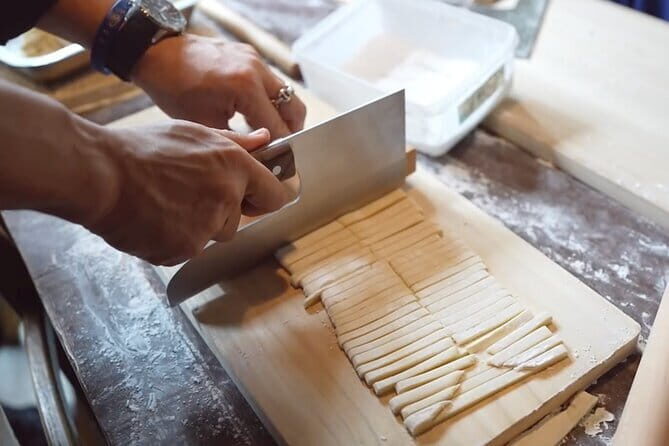
- Feet-kneaded Sanuki udon for a firm-but-soft texture you can feel in your first bite
- Michelin guide featured (2018–2023) restaurant setting for a more authentic, serious kitchen
- Additive-free broth built from kombu, shiitake mushrooms, and katsuobushi
- Hot or cold udon tasting so you can match your mood and Osaka weather
- Free photos taken during the class, plus a home recipe you can actually use
- Small group feel with a maximum of 20 participants
A Sanuki Udon Workshop in Osaka’s Michelin-Listed Room
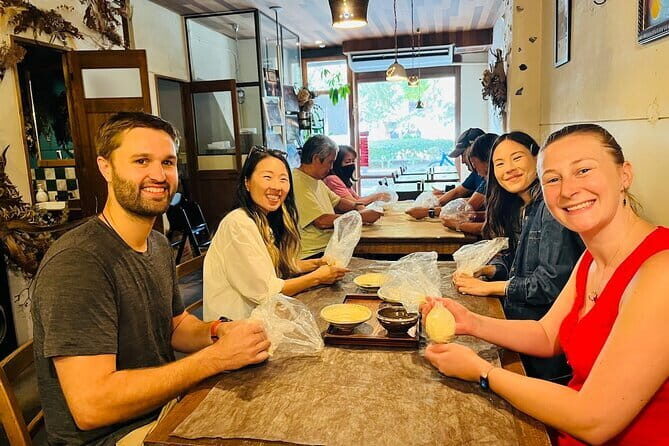
This class is set up like a real kitchen lesson, not a tourist show. You’ll start at UDONZIN美糸1-chōme-16-17 Shinmachi, Nishi Ward, Osaka, and you’ll finish back at the meeting point. The restaurant itself is small and cozy, and that matters because it keeps the experience personal and hands-on.
The other big credibility point is the Michelin connection. The restaurant was featured in the Michelin Guide from 2018 to 2023. That doesn’t mean every step is fancy. It means they take food seriously, and you can taste it in the broth and noodle texture you’re served.
One more practical note: it’s near public transportation, so you’re not likely to lose time fighting Osaka trains just to reach a noodle class. Also, you’ll have a mobile ticket, which usually keeps check-in simple.
You can also read our reviews of more tours and experiences in Osaka.



How the Class Works: Feet-Kneaded Dough to Your Own Bowls
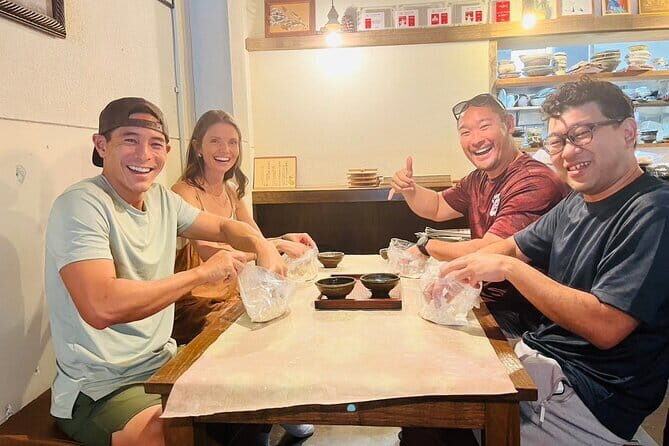
The core experience is making Sanuki udon the traditional way. In Sanuki-style udon, the dough is kneaded with your feet. That physical method isn’t just a gimmick. It helps build texture so the noodles come out firm and soft, with a smoother feel than what you’ll typically find in packaged udon.
The class runs about 90 minutes. You’ll get detailed guidance while you work the dough. And because people of different ages join, the instruction is paced to be understandable, even if you’re starting from zero. This is one of those experiences where you learn by doing, and the learning sticks because your hands—and your shoes—are involved.
You’ll also learn the cultural side as part of the teaching. From the way the hosts talk about udon history and process, the goal is to help you understand what you’re making, not just how to follow steps.
At the end, you’re not stuck with raw dough and polite disappointment. The chef cooks your noodles, then serves them in beautiful bowls with the special broth. That timing is key: it turns a cooking class into a meal right away.
Chef-Cooked Noodles and Additive-Free Broth You Can Taste
This is where the class earns its spot on a food-focused Osaka itinerary. Your udon is cooked by the chef, and you eat it hot or cold, depending on how it’s offered for your session.
The broth is described as made from all-natural, additive-free ingredients. The flavor building blocks are kombu, shiitake mushrooms, and katsuobushi (bonito stock). If you’ve ever wondered why good udon broth tastes deep without feeling heavy, this ingredient list is a big part of the answer.
Also, the class helps connect the dots between process and flavor. When your dough texture is right and your broth is properly built, the meal feels balanced. You’re not just tasting noodles; you’re tasting a system.
The bowls are part of the experience too. They’re presented in a way that feels like dining, not a classroom break. That’s a small thing, but it makes the tasting feel like it has intention.
Sipping Sake or Beer While You Learn (What’s Included and What Costs Extra)
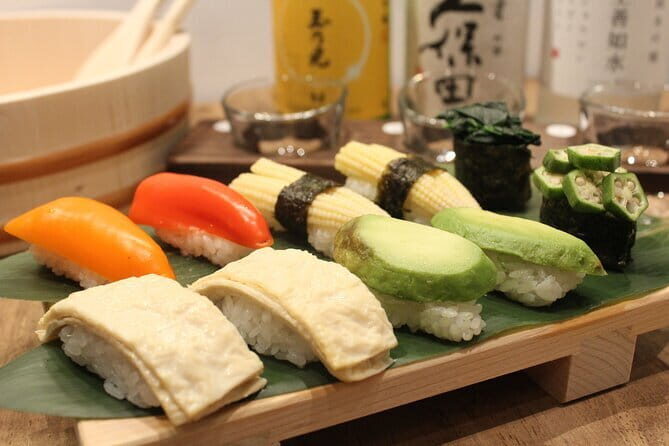
You can add a more relaxed, dinner-like vibe if you want. During the experience, you can make udon while sipping Japanese sake or beer. Drinks are not included in the fee, so budget for them if you plan to order.
This choice is actually useful for planning your evening. If you want a clean, kid-friendly session, skip alcohol. If you’re traveling as adults and enjoy pairing food with drinks, you can keep it simple: ask for sake or beer and treat the class like part of your Osaka meal plan.
You can also order side dishes like tempura or extra udon. Those are not included in the fee, so think of them as upgrades rather than essentials. If you’re hungry, ordering sides can help. If you just want to focus on the main udon lesson, you’ll probably be fine with the included udon tasting.
Recipe Take-Home and Photos: Making It Stick After 90 Minutes
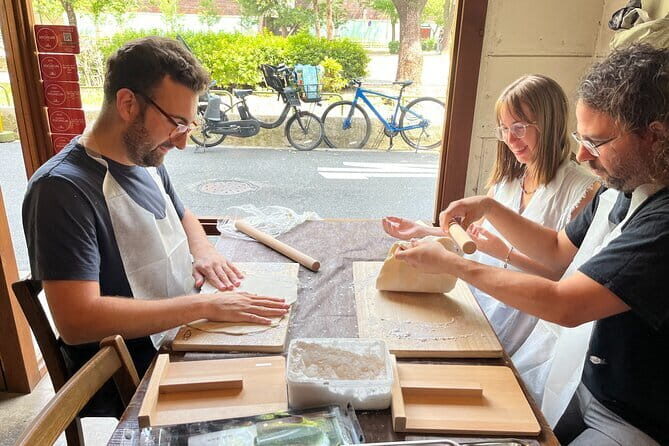
A lot of cooking classes stop at the kitchen door. This one goes further. You receive a recipe for making udon at home. That matters because udon isn’t just flavor—it’s texture. If you try to recreate it later without the right steps, you’ll likely end up with something that tastes okay but doesn’t feel right. The take-home recipe gives you a path to closer results.
You also get free photos. The instructor takes and shares photos of your experience during class. That’s a nice touch for two reasons. One, you’ll probably be messy and focused on the dough, not thinking about photos. Two, you’ll have something to remember besides the taste.
And because the class is timed around the restaurant’s regular customers, arriving on time helps. The session is designed to start smoothly, then get you eating and learning on schedule.




Who This Udon Class Fits Best in Osaka—and Who Should Skip It
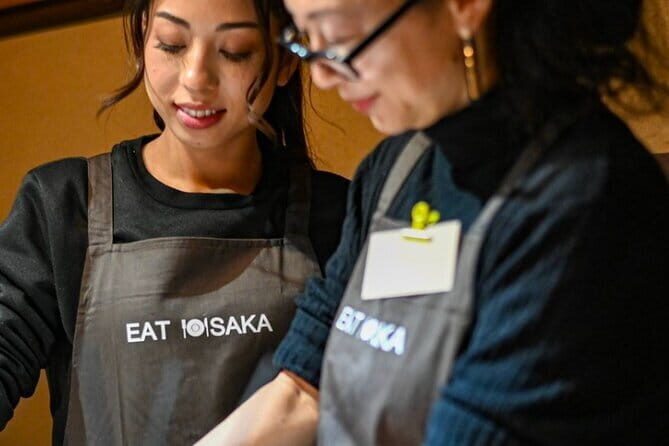
This class is built for a wide range of people. It’s described as a fun activity for everyone, including those with no cooking experience. That includes kids. In one family example, children ages 10 and 4 joined and found the experience engaging. Another group example was a mix of friends and families, with a warm, welcoming instructor guiding the whole table.
If you’re traveling with kids, this type of cooking class is often a winner because it’s interactive. You’re not just watching someone else cook. You’re working the dough, and that hands-on element keeps attention.
Vegetarians are welcome. Just let the provider know in advance about dietary restrictions. The class itself is built around broth, so giving them a heads-up is the best way to make sure you get a satisfying option.
There are two clear “not for everyone” signs. First, it’s not recommended for travelers with a wheat allergy. Second, there’s a minimum of two participants required for classes. If you want to join alone, you’ll need to contact them in advance to find a suitable session.
Finally, be ready to meet people. The group may be combined with other participants, and the maximum is 20 travelers. For many people, that’s part of the fun. For others, it’s just something to plan for.
Price and Value: What $52.85 Buys You
The price is listed at $52.85 per person, and it includes quite a few practical things that add up.
Included items are:
- Handmade udon lesson
- Udon tasting (hot or cold)
- Recipe for making udon at home
- Free photos
- Local taxes
So you’re paying not just for “a class,” but for an entire package: instruction, materials and process, a real tasting meal, and the ability to reproduce it later with a recipe. You’re also paying for a chef to cook your noodles and for a broth built from specific natural ingredients.
What’s not included helps you judge value too. Alcoholic beverages are extra. Side dishes like tempura or extra udon are also extra. If you keep it to the included tasting, you’ll stay close to the base value. If you add drinks and sides, the total rises—but you’d be adding a meal component, not replacing the lesson.
In my book, this is the kind of experience that’s worth it when you want something you can’t easily copy from a restaurant visit. Eating udon is easy. Learning the texture and process well enough to recreate it at home is harder. That recipe and the feet-kneaded method are what you’re really buying.
Tips to Go Smoothly: Clothes, Timing, and Small-Group Energy

This class comes with one simple rule: wear clothes you don’t mind getting messy. With feet kneading dough, spills and flour are part of the deal. If you show up in your best clean outfit, you’ll spend the class worrying instead of learning.
Arrive on time. The restaurant resumes serving regular customers after your class, so sessions need to start promptly. Being late can also affect how smoothly the instructor moves between steps.
Plan for a shared experience. You might be grouped with other participants. With up to 20 travelers maximum, it’s not a massive tour. It’s still social and busy enough that you’ll feel the energy of a real dining room.
If you’re deciding what to bring, keep it simple: comfortable footwear you don’t mind getting dough-flour situations with, and a mindset that this is a hands-on cooking workshop. The reward is you’ll leave with both udon skills and something you can taste immediately.
Should You Book This Handmade Udon Experience?
I think this is a strong booking choice if you want a practical Osaka food activity with real technique. The Sanuki udon method is specific, the restaurant’s Michelin guide history adds confidence, and the included tasting plus take-home recipe makes it more than a one-time meal.
You should probably skip it if you have a wheat allergy, if you can’t participate in a two-person minimum session, or if you hate getting a little messy. If you’re vegetarian, tell them ahead of time so they can plan an appropriate option.
If you’re in Osaka and you want an experience that mixes culture, hands-on learning, and a satisfying meal in about 90 minutes, this udon class is the kind of plan you’ll feel good about afterward.
FAQ
How long is the udon-making experience?
It lasts about 1 hour 30 minutes.
How much does the 90 min shared handmade udon experience cost?
The price is $52.85 per person.
Is udon tasting included, and is it hot or cold?
Yes. Udon tasting is included, and it can be hot or cold.
Do I get a recipe to take home?
Yes. You’ll receive a recipe for making udon at home.
Are sake or beer included?
No. Alcoholic beverages are not included in the fee.
Is there a vegetarian option?
Vegetarians are welcome. You should let the provider know in advance about dietary restrictions.
What should I wear?
Wear clothes you don’t mind getting messy, since you’ll be making dough.
Is this class suitable if I have a wheat allergy?
It is not recommended for travelers with a wheat allergy.
Can I join alone?
Classes require a minimum of two participants. If you want to join alone, you should contact the provider in advance to find a suitable session.
What is the cancellation policy?
You can cancel for free up to 24 hours in advance for a full refund. If you cancel less than 24 hours before the start time, the amount you paid is not refunded.