REVIEW · KYOTO
Kyoto: Replica food making experience
Book on GetYourGuide →Operated by JEUGIA Corporation · Bookable on GetYourGuide
Kyoto has plenty of food to eat, but this is how you make food you cannot eat. In this replica sample workshop, you learn the traditional method used to create lifelike menu displays, then package your creation like something from a supermarket aisle.
What I like most is the hands-on craft (hot wax, shaping, batter wrapping) and the fact that you leave with a finished souvenir you can actually show off, not just a photo.
One thing to consider: you’ll be working with hot wax and the process is a little tricky, so it’s not a “sit back and watch” activity. Also, the replicas are for display only—make sure you don’t put them on the table and fool yourself at dinner.
In This Review
- Key things to know before you go
- Why Kyoto Replica Food Workshops Feel Like Real Japanese Food Culture
- Meeting Point: Finding the Workshop by the Crab Sign
- What You’ll Make: Tempura Shrimp and Pumpkin Replica Bowls (Plus Lettuce)
- How the Replica Process Works: Wax, Water, Shape, and Batter Wrapping
- Learning in a Small Group: English/Japanese Guidance That Keeps You Moving
- Your Take-Home Replica: Display-Only Sample Packaging
- Timing: Getting the Most From a 1-Hour Workshop
- Price and Value: Is $22 Worth It?
- Who Should Book This Workshop (And Who Might Not Love It)
- Quick Practical Notes Before You Start
- Should You Book Kyoto Replica Food Making?
- FAQ
- How long is the Kyoto replica food making experience?
- What do I make during the workshop?
- What is the cost per person?
- Is the class offered in English?
- Is the replica food edible?
- Is it suitable for children?
- Where do I meet for the experience?
Key things to know before you go
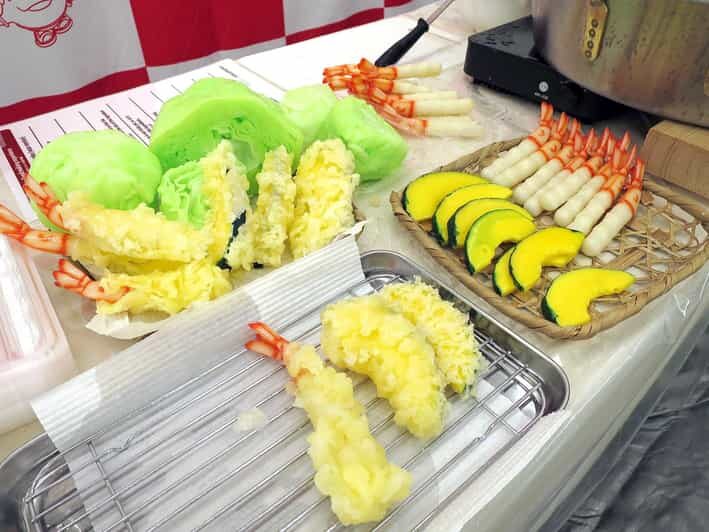
- You’ll create a real replica sample using the same idea you see outside Japanese restaurants
- Melted wax + hot water shaping is the core technique for getting texture right
- You can make shrimp and pumpkin tempura, with an optional lettuce replica
- Small group of up to 4 means more attention and better chances to get the look you want
- Take-home packaging is designed to resemble what you’d find in a Japanese store
Why Kyoto Replica Food Workshops Feel Like Real Japanese Food Culture
Kyoto’s restaurant windows are full of “food that looks real.” This workshop connects that visual culture to the actual making behind it. You’re not just learning a craft—you’re learning a practical design system restaurants use to communicate what’s on the menu, even when you can’t read every sign or when the kitchen keeps busy.
I also like the payoff. Many Kyoto activities give you a trinket. Here, you get a mini version of a meal presentation style that’s unmistakably Japanese: a finished replica you can hold, photograph, and keep.
And yes, you’ll leave with a sense for why the details matter. The wax shaping step affects how the “fried” look reads, and the batter wrap changes how it sits and catches the light.
You can also read our reviews of more food & drink experiences in Kyoto
Meeting Point: Finding the Workshop by the Crab Sign
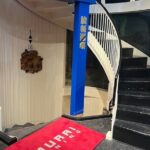
Your starting point is easy to spot if you use the local landmark method. Meet diagonally across from Kani Douraku, the crab shop with a big crab signboard.
In practice, that means you should plan to arrive a few minutes early and locate the sign first, then walk into the workshop when your time slot begins. The class runs for about an hour, so arriving right on time helps you get the full explanation and keep your pace with the group.
If you’re wandering the area looking for lunch afterward, this location is also convenient. You’re close to plenty of food stops, so the workshop can act like a fun break before you go eat something real.
What You’ll Make: Tempura Shrimp and Pumpkin Replica Bowls (Plus Lettuce)
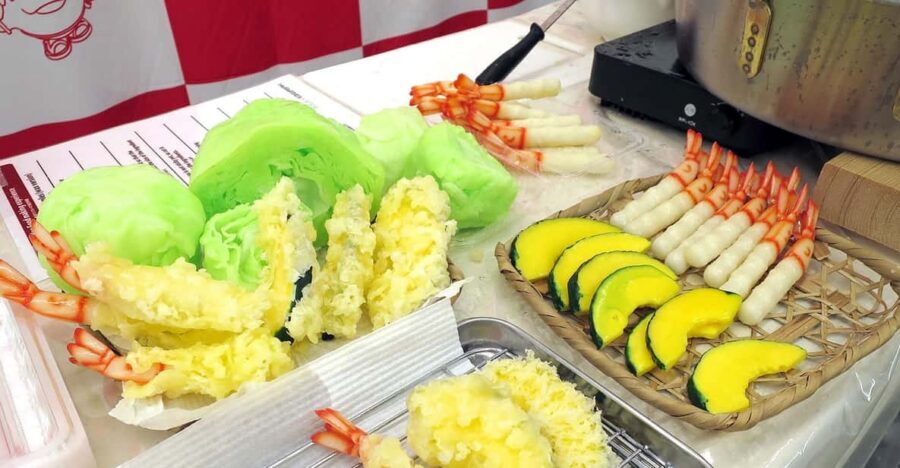
The main project is shrimp and pumpkin tempura replicas made with wax. You’ll be creating items that look like they belong in a display case outside a restaurant—complete with the fried texture vibe that makes tempura read instantly at a distance.
You’ll also have the option to add lettuce as your replica choice. That’s a nice add-on if you want variety, or if you like the idea of mixing crunchy-looking greens with a tempura theme.
What matters for your expectations: this is not an abstract art class. It’s closer to a step-by-step technique workshop where you follow a method, practice the look, and end up with something that resembles the outside-the-door food samples you already see around Kyoto.
How the Replica Process Works: Wax, Water, Shape, and Batter Wrapping
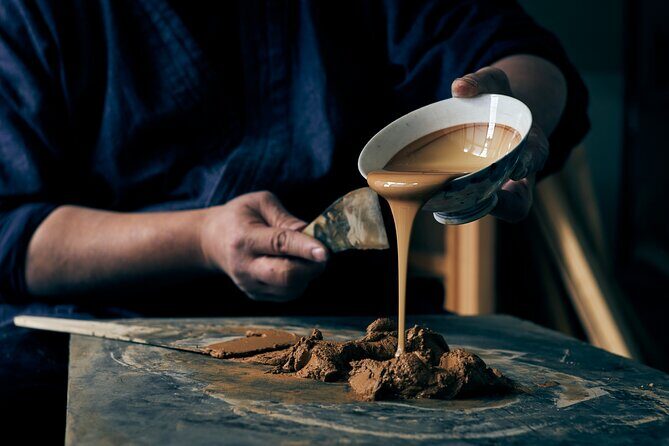
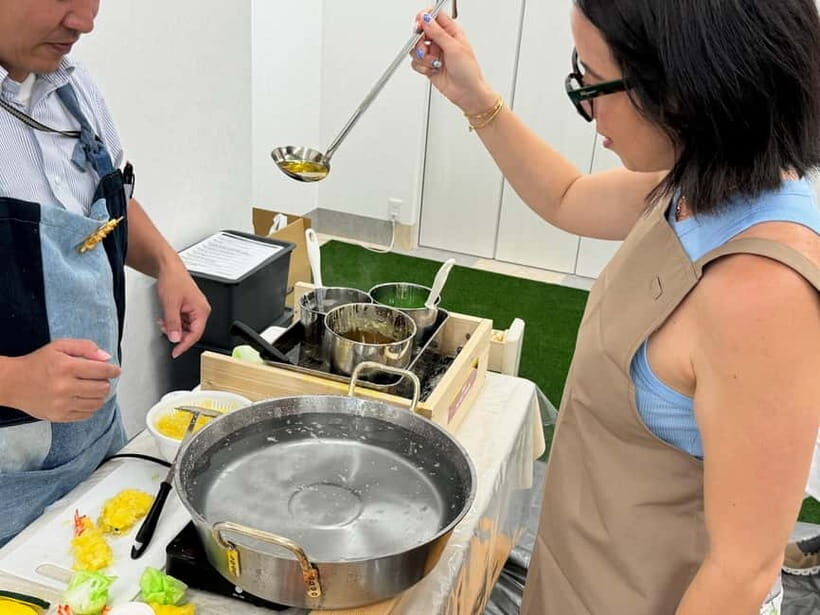
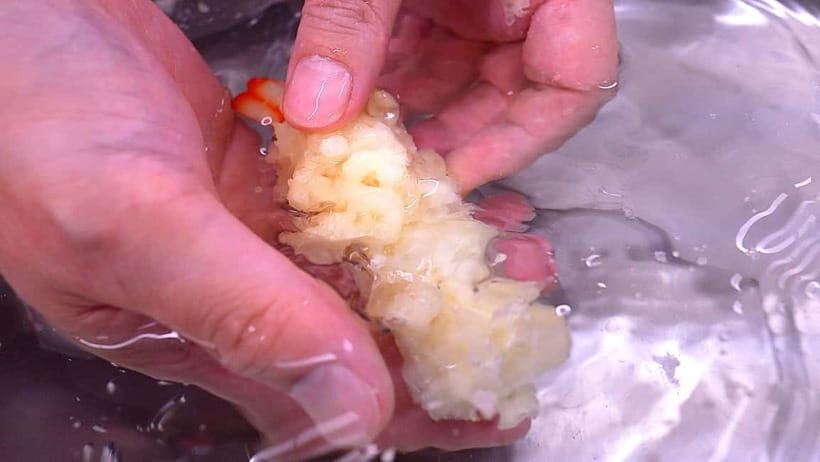
The workshop is built around a technique that sounds simple until you do it: you shape melted wax to form the base of your food replica.
Here’s the flow you can expect:
- You work with melted wax and pour it into hot water to help it take shape.
- You shape the wax before it hardens, aiming for the right look for tempura ingredients.
- Then you wrap the wax form in a realistic-looking batter layer.
That batter step is where your replica starts to look convincing. It’s also where instructors can really help, because small adjustments change the final “fried” texture.
One practical tip I think is worth your attention: the method is sensitive to how you handle the material and how you work through the steps in order. That’s why they ask you to arrive at your reserved time—so the whole process can be explained as one continuous sequence, not in fragments.
Also, be ready for mess. Wax can find its way onto sleeves. Plan on wearing clothing you’re okay with, and you’ll likely appreciate that the workshop provides aprons and chef-style jackets.
Learning in a Small Group: English/Japanese Guidance That Keeps You Moving
This is a small group class with a limit of 4 participants. That small size is a big deal in a hands-on workshop. You’re not stuck waiting for a turn while everyone else watches. You get quicker feedback, and if you get confused, you can fix it fast.
The instructor supports English and Japanese, which helps for most visitors. Communication is part craft, part coaching—clear directions prevent you from rushing the wax step or skipping the details that affect the final look.
People tend to love this part because the tone feels friendly, not stiff. Expect patience, real coaching, and lots of encouragement while you work. It also helps that the instruction covers both what to do and why each step matters for the final appearance.
And because you’re working with your hands (and learning a method), you’ll likely end up taking home more than a souvenir. You’ll have a story: the sequence of steps, what wax does, and how “display food” gets its texture.
A few more Kyoto tours and experiences worth a look


Your Take-Home Replica: Display-Only Sample Packaging
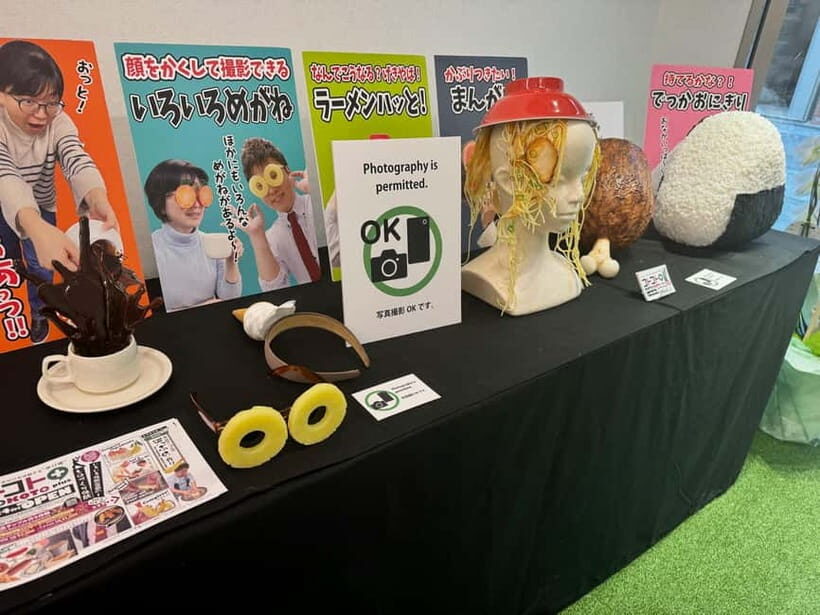
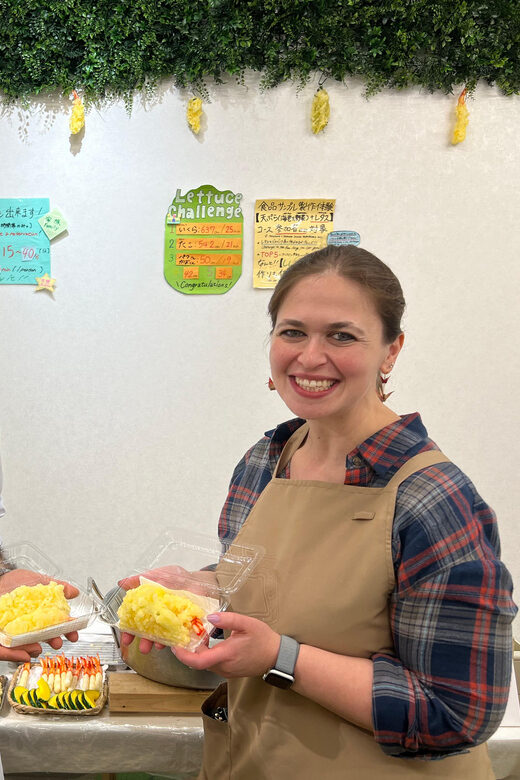
You don’t just leave with a piece of crafted “fake food.” You get it packaged like an actual product—formatted to look like it belongs in a Japanese supermarket setting.
That packaging detail matters because it turns your replica into something you can safely store and show, without it getting squished or turning into a loose craft project. It also makes it easier to transport back home.
One important reminder: these replicas are for display only. They’re not meant to be served or eaten. So if you’re the kind of person who likes to prank friends with convincing replicas, keep the punchline to the “looks real” category—not the “try this” category.
Timing: Getting the Most From a 1-Hour Workshop
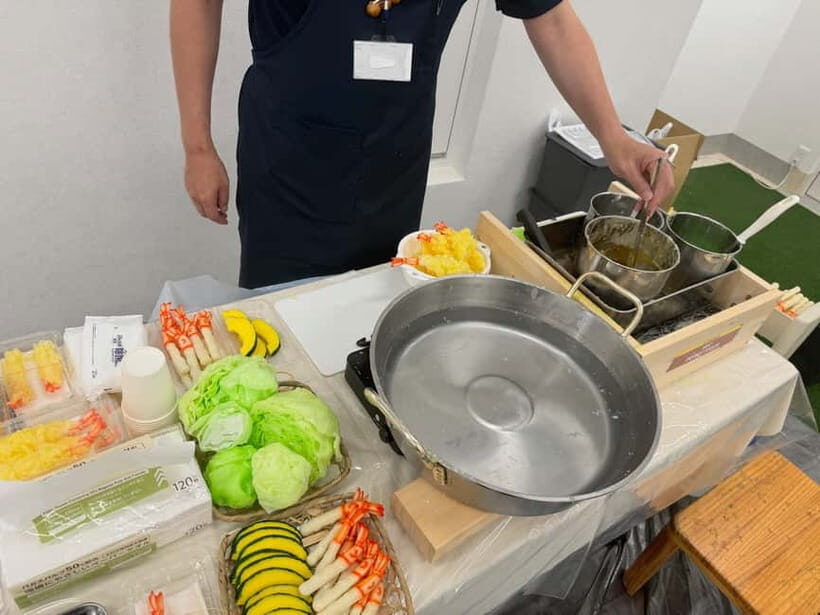
The duration is about 1 hour, so you should treat it like a scheduled appointment, not a casual stop. They want you to arrive at your reserved time so they can explain the dish process all at once.
A common mistake on short classes is to arrive late, then spend the first portion catching up. That’s when frustration kicks in. If you keep it simple—arrive a little early, listen carefully at the start, and follow the steps—you’ll feel the fun payoff sooner.
If you’re building the day around Kyoto sightseeing, I’d place this workshop as a mid-morning or mid-afternoon activity. It breaks up temple circuits and gives your day a “do something with your hands” rhythm.
Price and Value: Is $22 Worth It?
At about $22 per person for roughly an hour plus take-home materials and a finished replica, the value is stronger than it looks at first glance. You’re not just paying for guidance. You’re paying for:
- instruction in a specialized Japanese food-display craft
- all materials used in the process
- the actual souvenir you make and keep
- packaging that protects and presents your finished sample
In Kyoto, you can spend money on small souvenirs everywhere. Those usually become clutter. This one is different: it’s interactive, it teaches you something unusual, and it gives you a keepsake that makes sense in the context of Japanese restaurant culture.
Is it a bargain? It’s not bargain-bin pricing, but it’s also not “high end craft” pricing. For many visitors, it lands in the sweet spot: affordable enough to add to the trip, meaningful enough to remember.
Who Should Book This Workshop (And Who Might Not Love It)
This workshop fits best if you:
- enjoy hands-on activities more than lecture-based ones
- like food culture and want a maker-focused angle on Kyoto
- want a souvenir that looks genuinely Japanese, not generic
It’s also a great pairing with your food day. You can craft tempura replicas, then immediately go eat actual tempura nearby.
Families can work well too, especially because the class is limited to 4 people and instructors can guide. That said, it’s not suitable for children under 6. If you’re traveling with kids, you should expect they may ask for parental help during parts of the process.
For romance trips, honeymoons, and friend groups, it’s a fun shared challenge. Wax craft has a playful edge, and your end result looks good enough to become part of your travel story.
Quick Practical Notes Before You Start
- Wear clothes you don’t mind getting a little wax on. Aprons and jackets are available, but you should still dress smart.
- Listen first, then work. The sequence matters when you’re shaping and wrapping.
- Bring patience. The technique is doable, but your first attempt won’t be factory perfect. That’s part of the charm.
- Plan your post-class time. If you want to eat, you’re right in a food-friendly area after the workshop.
Should You Book Kyoto Replica Food Making?
If you like practical, hands-on activities, I’d book it. The biggest reason is simple: you leave with something real—a finished replica sample—and you understand the technique behind the Japanese “food display” culture rather than just admiring it.
Skip it only if you hate messy materials, get nervous with hot items, or want a super passive experience. Also think twice if you’re traveling with very young children, since it’s not suitable under age 6.
For the right traveler, this is one of those Kyoto experiences that feels small on paper and surprisingly memorable in real life: wax shaping, batter wrapping, and a souvenir that tells a story every time you pull it out.
FAQ
How long is the Kyoto replica food making experience?
It lasts about 1 hour.
What do I make during the workshop?
You’ll make shrimp and pumpkin tempura replicas, with an optional lettuce replica choice.
What is the cost per person?
The price is $22 per person.
Is the class offered in English?
Yes. The instructor provides instruction in English and Japanese.
Is the replica food edible?
No. The replicas are for display only and should not be served at the dinner table by mistake.
Is it suitable for children?
It’s not suitable for children under 6. For children who participate, parental assistance may be requested for certain parts of the process.
Where do I meet for the experience?
Meet diagonally across from Kani Douraku, with the large crab signboard.