REVIEW · NAGANO
Nagano Spring: 1-Day Cherry Blossoms & Snow Monkeys Guided Tour
Book on Viator →Operated by Snow Monkey Resorts Tours (Machinovate Japan Ltd.) · Bookable on Viator
Monkeys in hot water and sakura in spring. This 1-day guided tour strings together Jigokudani Snow Monkey Park with northern hanami cherry blossom stops, so your day feels like two seasons at once. If you like seeing wildlife up close (with rules), and then strolling among cherry trees when the timing is right, this is an efficient way to do both.
Two things I really like: the small-group feel (up to 20 people) and the fact the schedule adapts to what’s blooming that day. One consideration: sakura timing can change your afternoon, and if the blossoms aren’t ready you’ll swap to Zenko-ji Temple and a sake brewery store instead.
In This Review
- Key things to know before you go
- A Full-Day Mix of Snow Monkeys and Northern Sakura
- Price and What You Actually Get for $150.89
- Start at Jigokudani Monkey Park: Hot Springs Up Close
- Lunch in Nagano: Enza Cafe or Japanese Dining GOEN
- Hanami Time: How the Guide Finds Sakura When Timing Matters
- If Sakura Aren’t Ready: Zenko-ji and Sake Instead
- Guide Quality and Group Size: What Makes the Day Feel Smooth
- Practical Tips That Make a Big Difference
- Weather, Rules, and the Rare Plan B for the Monkeys
- Who This Tour Is Best For
- Should You Book This Nagano Spring Tour?
- FAQ
- What time does the tour start and how long is it?
- Where do I meet the tour, and where does it end?
- Is transportation included from Nagano Station?
- Is entry to Jigokudani Monkey Park included?
- Is lunch included, and can I eat vegetarian?
- What happens if the cherry blossoms are not in bloom?
- How close can I get to the snow monkeys?
- What is the group size limit?
- Are the monkeys always in hot springs in spring?
- Can I cancel and get a full refund?
Key things to know before you go
- Jigokudani Snow Monkey Park (2 hours) with entry included and strict viewing distances
- Hot-spring monkeys with no barriers between you and the viewing area
- Lunch included at Enza Cafe or Japanese Dining GOEN, with vegetarian options available
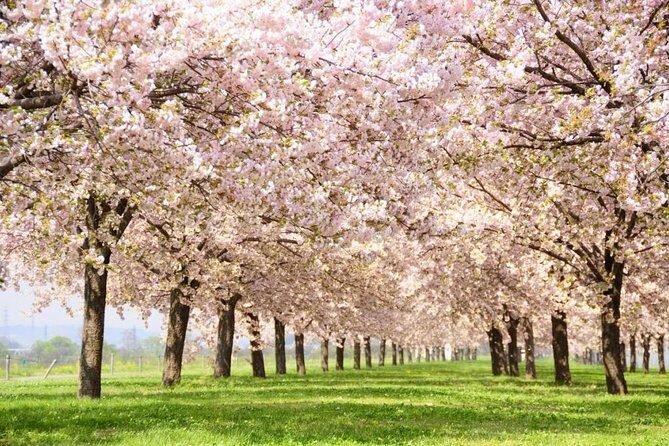
- Hanami spots chosen by bloom conditions, with the afternoon length helping decide your return time
- Backup plan if sakura aren’t in bloom: Zenko-ji Temple and a sake brewery store
A Full-Day Mix of Snow Monkeys and Northern Sakura
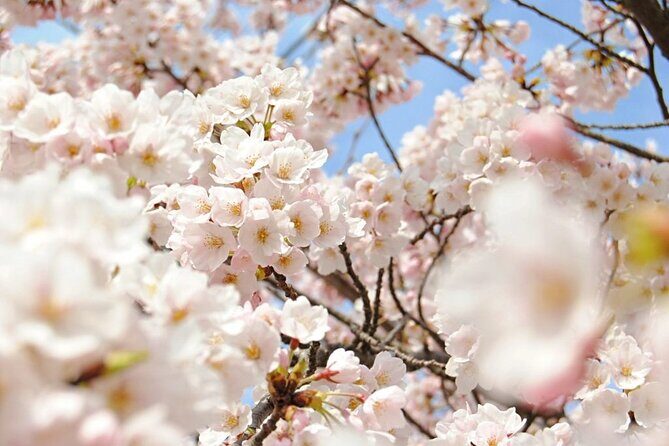
What makes this tour special is how it plays with contrast. You start with winter-style energy at Jigokudani, where Japanese macaques often spend time around the hot springs. Then, after lunch, you shift to spring in northern Nagano, hunting for blooming cherry trees with a guide who checks conditions and adjusts where you go.
This setup is great if you’re short on time and don’t want to piece together trains, buses, and timing yourself. It also means you get a smoother day if you’re not confident navigating on your own—transport is handled from Nagano Station to each stop, and the guide keeps the pacing realistic.
The tour runs about 9 hours, starting at 9:35 am and ending back at the meeting point. Your return time can land between 5:30 pm and 6:30 pm, depending on how the blossoms look and where the guide takes you.
You can also read our reviews of more guided tours in Nagano

Price and What You Actually Get for $150.89
At $150.89 per person, this isn’t a budget snack-tour. But it does pack in several “cost you would pay anyway” items.
You get:
- Round-trip transport from Nagano Station to the park, lunch, and afternoon viewing spots
- An English-speaking guide
- Jigokudani Monkey Park entry
- Lunch
- A cherry blossom (hanami) afternoon at a location selected for bloom condition
And you should also factor in what you avoid: research time, missed connections, and trying to line up peak sakura timing with the timing of snow monkey viewing. With Japanese spring, that timing is half the battle.
One more quiet value point: the tour caps at 20 travelers. That tends to mean fewer people to manage, easier group reassembly, and more breathing room when you’re doing hands-on, “look-but-don’t-touch” wildlife viewing.
Start at Jigokudani Monkey Park: Hot Springs Up Close
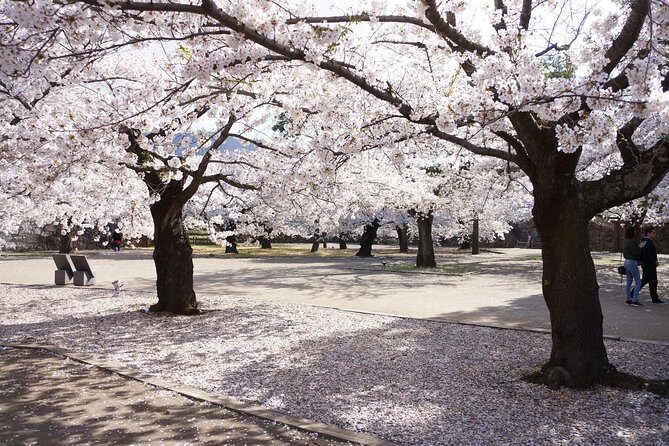
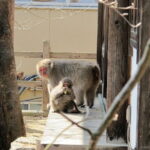
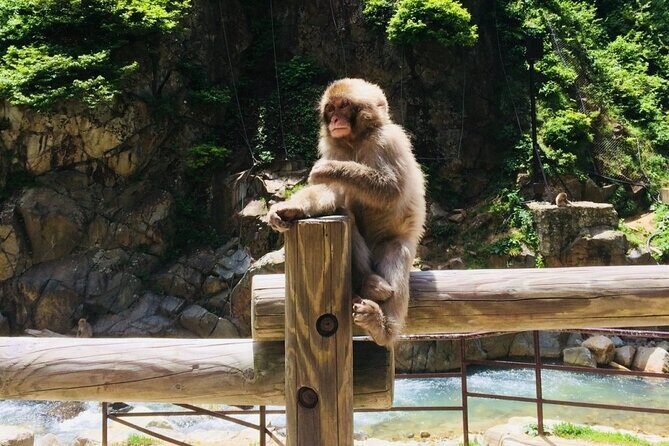
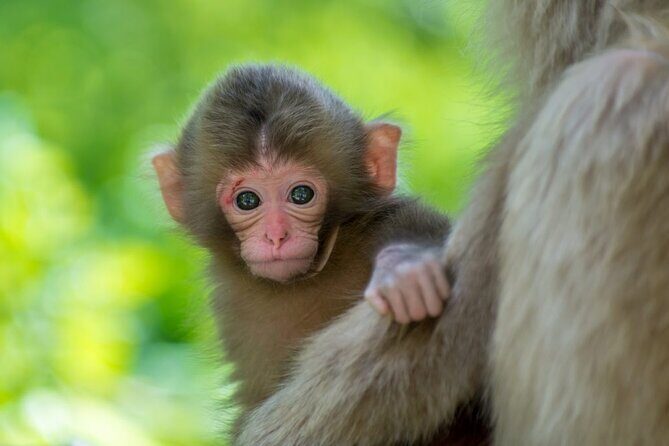
Your day’s anchor is Jigokudani Snow Monkey Park, a long-established place for one big reason: Japanese macaques here are famous for using hot springs. It’s been operating since 1964, and the park is known for the unusual setup—there are no barriers separating the monkeys from visitors.
That last detail is thrilling and slightly nerve-wracking if you’re picturing a zoo-style experience. The tour’s rules matter here. You’re required to keep a minimum distance of 1 to 2 meters and follow park instructions at all times. You can’t touch, hold, feed, or bathe with the monkeys. Your guide explains the rules before you enter.
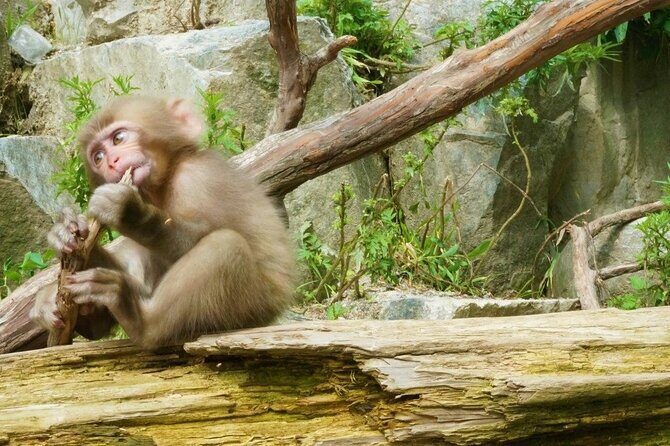
What you’ll feel during the visit is part sightseeing, part wildlife etiquette lesson. In spring, the monkeys may be playing or eating in the water, not only bathing like they do in colder months. Either way, the experience is about watching behavior naturally—how they move, soak, socialize, and ignore you as you try not to get too close.
You’ll have about 2 hours at the park, which is a good chunk for wildlife time. It also gives you a buffer if the monkeys are busy doing monkey things instead of doing the perfect photo pose.
A small tip: wear comfortable shoes. Even if the park isn’t described as a hardcore hike here, you’ll still be walking, standing, and repositioning to see what’s happening.
Lunch in Nagano: Enza Cafe or Japanese Dining GOEN
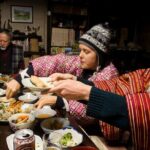
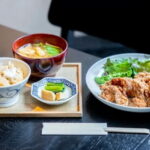
After the monkeys, you head to lunch for about 1 hour at a nearby restaurant. The tour uses one of two options depending on availability: Enza Cafe (within walking distance of the park) or Japanese Dining GOEN.
The meal is included, and there are vegetarian options available. That’s a practical win if you have dietary needs and you don’t want to guess what you can order on a tight schedule.
From a day-planning perspective, lunch is also a smart break. You’re coming from a sensory-heavy experience (lots of attention on the monkeys), and then you need real energy for the afternoon hanami. This tour’s pacing keeps you from turning the day into a sprint.
Hanami Time: How the Guide Finds Sakura When Timing Matters
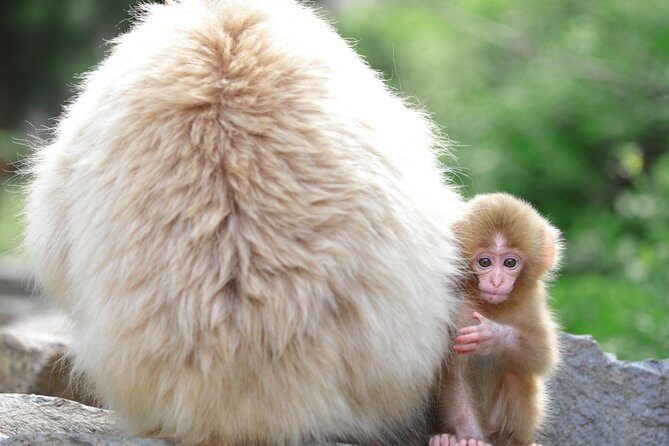
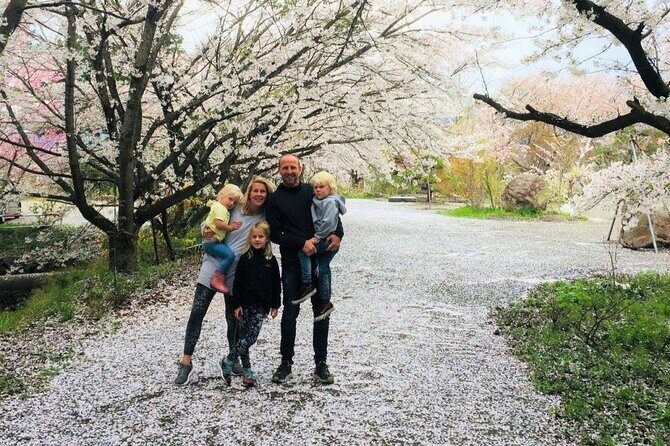
Your afternoon is the cherry blossom portion—an organized hanami session where the guide chooses locations based on bloom condition. The tour keeps it flexible: you’re not locked into one fixed viewing spot in case petals are earlier or later than expected.
That flexibility is a big deal in April and May. Northern Nagano can lag behind Kyoto or Tokyo, and conditions can change quickly. The tour notes that it monitors blossom status and selects the possible viewing location(s), which affects how the timing plays out and why your tour can end anywhere from 5:30 pm to 6:30 pm.
You’ll spend about 1.5 hours on the hanami portion, with admission included for the activities listed as free. Practically, that means you’ll likely get:
- time to stroll and take photos
- time to actually look at the trees instead of just snapping one picture and rushing out
A particular detail I appreciate here: this is explicitly focused on northern Nagano sakura, not just the most famous name on a map. If you want a slice of spring that’s tied to regional bloom patterns, that approach fits the vibe.
A few more Nagano tours and experiences worth a look




If Sakura Aren’t Ready: Zenko-ji and Sake Instead
Spring doesn’t always cooperate. If the sakura trees aren’t blooming on your tour day, the plan switches.
You’ll be notified three days in advance of the tour, and the afternoon changes to Zenko-ji Temple and a sake brewery store. This is a helpful safeguard, because it keeps the day from turning into an “almost” experience.
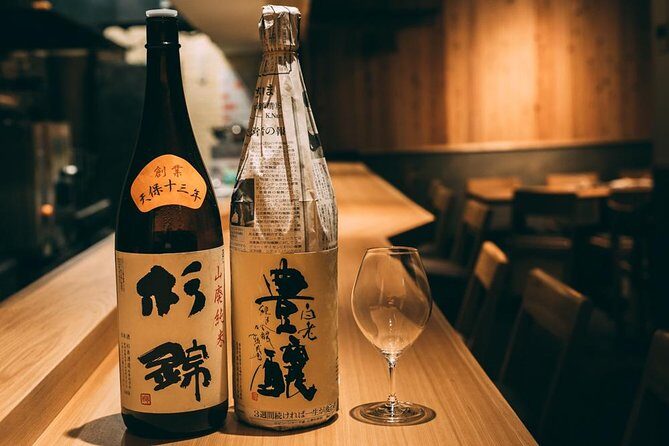
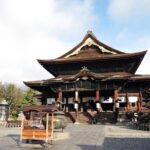
Even if you came specifically for cherry blossoms, it’s worth knowing this trade can still feel meaningful. You’re getting a cultural stop that’s still tied to the Nagano area, plus the sake theme adds something hands-on and local to complement the wildlife morning.
Guide Quality and Group Size: What Makes the Day Feel Smooth
This is the kind of tour where your guide can make a huge difference. You’re handling wildlife rules at the park and then relying on the guide to make calls about blossom conditions afterward.
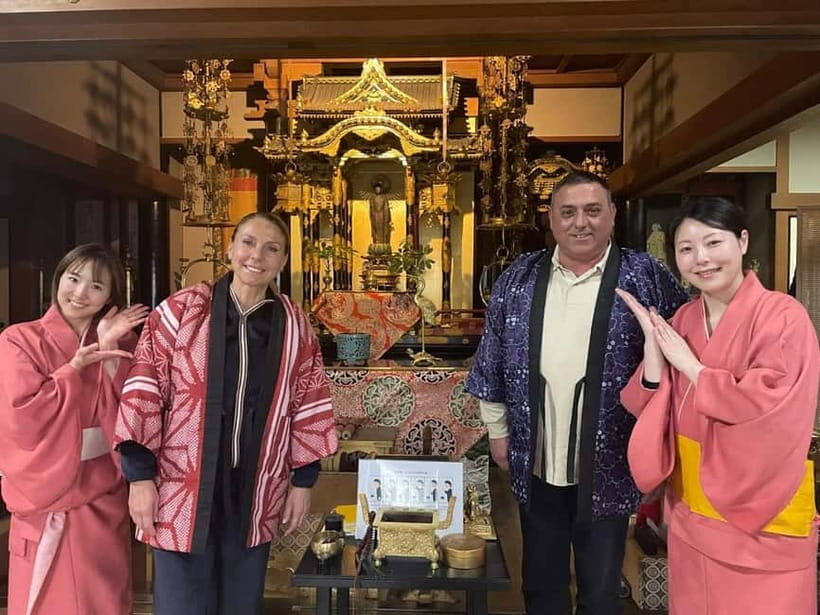
The tour is led by an English-speaking guide, and I’ve seen how that translates in practice when guides explain what you’re seeing and manage the group so you don’t feel rushed. Names that come up include Joyce, Kunihiko Endo, Jens, Ryu, and Peter—and the consistent theme is organization plus the ability to answer questions while keeping time moving.
Also, with a maximum of 20 travelers, you’re not stuck in a huge crowd. That matters at Jigokudani, where you’re watching and repositioning. A smaller group helps you keep your bearings faster and gives your guide room to check that everyone is following instructions.
Practical Tips That Make a Big Difference
These tours are often won or lost by small choices you make before you step out the door:
- Shoes matter. You’ll walk around during the park visit and then move between stops.
- Be ready for “close-ish” rules. At Jigokudani there are no barriers, and you must stay 1–2 meters away.
- Plan for variable timing. Your afternoon bloom location can shift, and your end time can land later depending on conditions.
- Bring a light layer. Even in spring, mornings near mountain areas can feel cooler than you expect. (Not a tour guarantee, just a smart hedge.)
One more point: the tour provides a mobile ticket, which is handy if you don’t want to deal with paper vouchers while traveling.
Weather, Rules, and the Rare Plan B for the Monkeys
This day is built around the park, and the tour notes a rare but real possibility: sometimes the monkeys may not come into the park. On those rare occasions, the park closes and an alternative tour is provided.
That’s not something you can control, but it’s good that a backup exists. It also means you should keep a little mental flexibility in your schedule, especially if you’ve built other plans tightly around that day.
Who This Tour Is Best For
This experience is a great fit if you want:
- a one-day solution to see snow monkeys and cherry blossoms
- a guided schedule that handles transportation from Nagano Station
- a small group experience with wildlife viewing rules clearly managed
- a flexible afternoon that can shift based on blossom conditions
It’s also a good choice if you care about safety and etiquette at wildlife sites. The tour is explicit about what you can and can’t do—so you’re not guessing.
If you’re the type who likes doing everything on your own, you might feel limited by the fixed structure. But given that the sakura timing can change, most people prefer having someone else make the call.
Should You Book This Nagano Spring Tour?
I’d book it if your heart is set on seeing Japanese macaques at Jigokudani and you want cherry blossoms in the northern Nagano style without juggling logistics. The price makes more sense when you look at what’s included: transport from Nagano Station, guide support, park entry, lunch, and a bloom-condition-based afternoon.
I’d think twice if you’re extremely risk-averse about cherry blossom timing. There is a clear fallback plan (Zenko-ji and sake), but if your entire dream is one specific sakura moment, weather and seasonal variance can’t be fully controlled.
If you do book, go in with the right mindset: you’re not just chasing pretty trees. You’re watching animals in a natural-feeling hot spring environment, following rules that keep humans and wildlife safe, then turning into a hanami stroller when the guide finds the best bloom.
FAQ
What time does the tour start and how long is it?
The tour starts at 9:35 am and runs for about 9 hours. Your end time can vary between 5:30 pm and 6:30 pm.
Where do I meet the tour, and where does it end?
You start at Nagano Station (Kurita, Nagano, 380-0921, Japan). The tour ends back at the same meeting point.
Is transportation included from Nagano Station?
Yes. Transportation from Nagano Station to all listed destinations and activities is included.
Is entry to Jigokudani Monkey Park included?
Yes. Jigokudani Monkey Park entry ticket is included in the tour.
Is lunch included, and can I eat vegetarian?
Lunch is included. It’s held at either Enza Cafe or Japanese Dining GOEN, and vegetarian options are available.
What happens if the cherry blossoms are not in bloom?
If the trees aren’t in bloom on your tour day, you’ll visit Zenko-ji Temple and the sake brewery store instead. You’ll be notified three days in advance.
How close can I get to the snow monkeys?
You must keep a minimum distance of 1 to 2 meters and follow all park rules. You cannot touch, hold, feed, or bathe with the monkeys.
What is the group size limit?
The tour has a maximum of 20 travelers.
Are the monkeys always in hot springs in spring?
In spring, the monkeys may not always be bathing in the hot springs. They may also be playing or eating in the water.
Can I cancel and get a full refund?
Yes, you can cancel for a full refund up to 24 hours before the experience’s start time. If you cancel less than 24 hours before, the amount you paid will not be refunded.