REVIEW · TOKYO
Private Edo-Tokyo Open Air Architectural Museum Tour
Book on GetYourGuide →Operated by Showcase Tokyo Architecture Tours · Bookable on GetYourGuide
Modern Tokyo has a past you can walk. This private 5-hour tour turns the Tokyo Edo Open Air Architectural Museum into a readable story, from samurai-era forms to modern influences. I especially loved seeing Kunio Maekawa’s wartime modern design ideas alongside traditional rooms, and I liked how the English guide tailors the pace to what you care about. One drawback: it’s mostly outdoors and many buildings require shoe removal, so plan for walking and simple foot management.
The best part is how the tour connects Japan’s architecture to Europe without making it feel like a textbook. You’ll spot Dutch and European design language in Japanese settings, then finish in East Tokyo’s shitamachi streetscape vibe that feels straight from a familiar animation world—just note, it’s not a Ghibli Museum visit. If you want minimal transit time and no walking, this may feel like “work,” but the payoff is real.
In This Review
- Key Highlights You’ll Actually Feel
- Where This Tour Really Takes Place: Tatemono-en, Not the Ghibli Museum
- The Value of 5 Hours With a Private English Guide (and What You Pay For)
- Kunio Maekawa’s Wartime Modernism: Where European Ideas Meet Japan
- Sutemi Horiguchi and the Dutch Connection: Art Deco + De Stijl in Japanese Rooms
- Mitsui Family Residence: Luxury Interior Details That Change Your Sense of “Home”
- East Tokyo Shitamachi in Animation-Like Streets: Old Train, Bathhouse, and the Vibe
- Shoe Rules, Outdoor Weather, and Other Small Logistics That Matter
- How the Best Guides Make Architecture Click (Yuichi, Yuki, and Interest Matching)
- Getting There Without Stress: Pickup Options and Transit Reality
- Who This Tour Is For (and Who Should Skip It)
- Should You Book? My Honest Recommendation
- FAQ
- Where is the meeting point for the tour?
- Is pickup included from Tokyo or Shinjuku?
- How long is the tour?
- Is admission included?
- Does this tour include a visit to the Ghibli Museum?
- Do I need to remove my shoes?
- Is the tour guide English-speaking?
Key Highlights You’ll Actually Feel
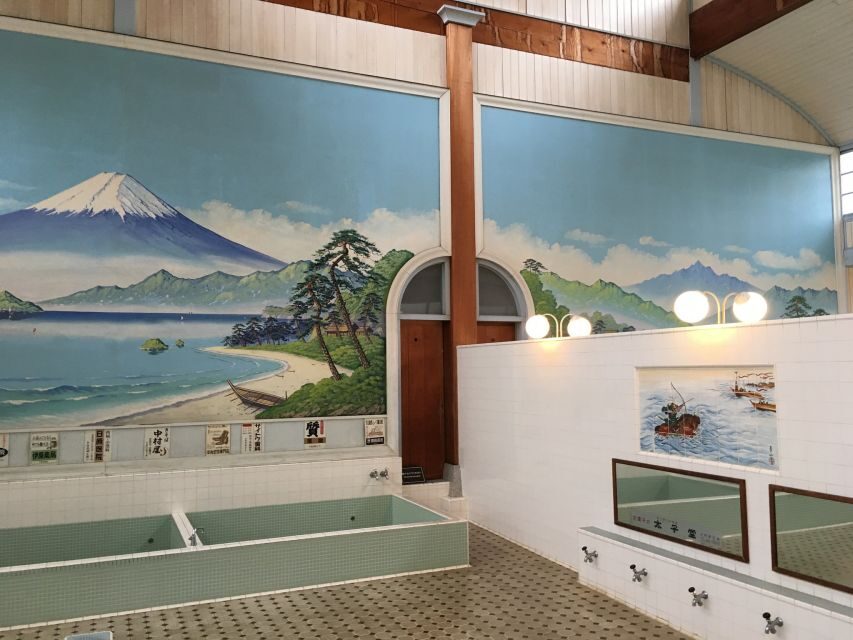
- Kunio Maekawa’s modern wartime house: Le Corbusier and Antonin Raymond influence, translated for Japan.
- Sutemi Horiguchi and Dutch design: early Dutch introductions paired with Art Deco and De Stijl-style composition.
- Mitsui-family luxury interior: a peek at what comfort and status looked like behind the scenes.
- Shitamachi atmosphere: a street-and-building feel that matches the animation-style mood people hunt in Tokyo.
- English private guide customization: guides like Yuichi and Yuki can steer the day toward your interests.
Where This Tour Really Takes Place: Tatemono-en, Not the Ghibli Museum
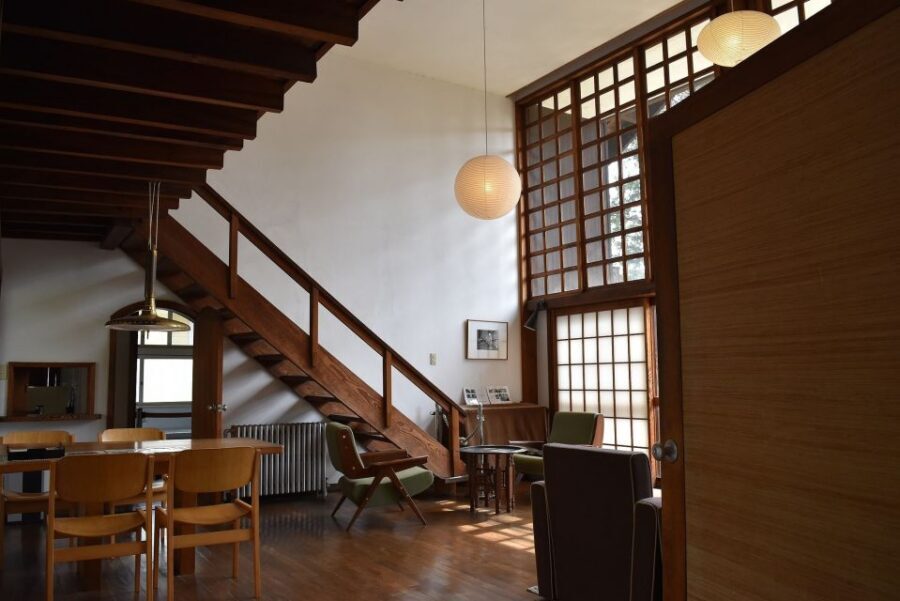
This experience centers on Tatemono-en, the Tokyo Edo Open Air Architectural Museum. It’s an outdoor museum, meaning you’re not just looking at walls behind glass—you’re moving between buildings in a setting designed to help you understand how homes, shops, baths, and public spaces worked as everyday places.
Two things keep the whole day grounded. First, the tour is architectural, so you spend time on design choices: layout, rooms, materials, and what those choices say about the era. Second, the animation-like “feel” is created by the museum’s streetscape mood and preserved structures—not by visiting the Ghibli Museum. If you were hoping for that ticketed site, keep your expectations aligned: this tour stops at Tatemono-en.
You can also read our reviews of more private tours in Tokyo



The Value of 5 Hours With a Private English Guide (and What You Pay For)
At $193 per person for 5 hours, this is not a “cheap and cheerful” add-on. You’re paying for a licensed English guide and a private group setup, which matters here because the museum is big and the architectural details are easier to understand with context.
You also get practical help with the day. Pickup is available at either JR Shinjuku Station or JR Tokyo Station, and the meeting point is Tokyo Station Marunouchi Front Plaza (after exiting the JR Tokyo Station Marunouchi Central Gates, toward the center of the station building). The guide will be waiting at the carriage porch area for VIP guests, identifiable by a flag and a bag illustration featuring the Nakagin Capsule Tower—small detail, but it helps you find them fast.
A key cost note: your transportation fee to and from Tatemono-en isn’t included (about 700 JPY one way). The tour uses trains and buses. On a first Tokyo trip, that can feel like an extra step, but the guide support reduces the anxiety.
Is it worth it? If you like architecture, you’ll get more from a guided walk than from wandering alone. And if you’re curious about how Western European design landed in Japan—without losing local identity—that focus is hard to replicate without a guide.
Kunio Maekawa’s Wartime Modernism: Where European Ideas Meet Japan
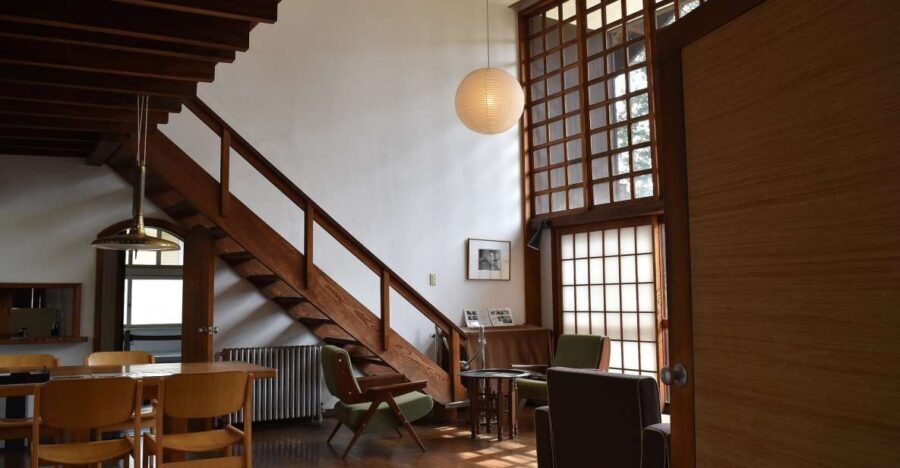
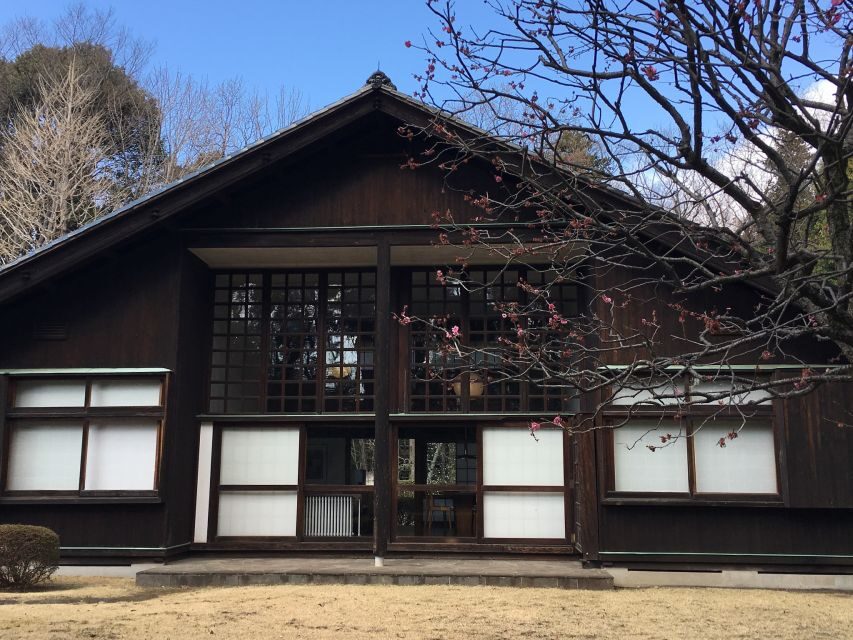
The tour often starts with a house designed by Kunio Maekawa, an architect who worked under Le Corbusier and Antonin Raymond and later helped shape modern architecture in Japan. The building here was constructed during World War II, and what’s striking is that it doesn’t feel like “wartime survival design.” It feels sophisticated, with a careful sense of space and structure.
Why this stop matters: Maekawa is the bridge. You’re not only looking at “modern” in a general way—you’re seeing how a Japanese architect absorbed European modernism and then reshaped it for local life. When you compare that to traditional Japanese room styles nearby (later in the museum), the contrast becomes a learning tool instead of just visual variety.
And in real terms, a good guide makes Maekawa easier to read. In past bookings, guides like Yuichi and Yuki have explained the historical and cultural context clearly, so you’re not just staring at a facade. You get the why behind the design decisions.
Practical tip: you’ll likely do short walks between buildings, then stop often. If you’re sensitive to standing still for explanations, pace yourself and wear shoes that don’t make every turn into a chore.
Sutemi Horiguchi and the Dutch Connection: Art Deco + De Stijl in Japanese Rooms
Next up is a house designed by Sutemi Horiguchi, who introduced Dutch architecture to Japan for the first time. The timing is part of the story: it was built in 1925, shortly after Horiguchi returned from Europe.
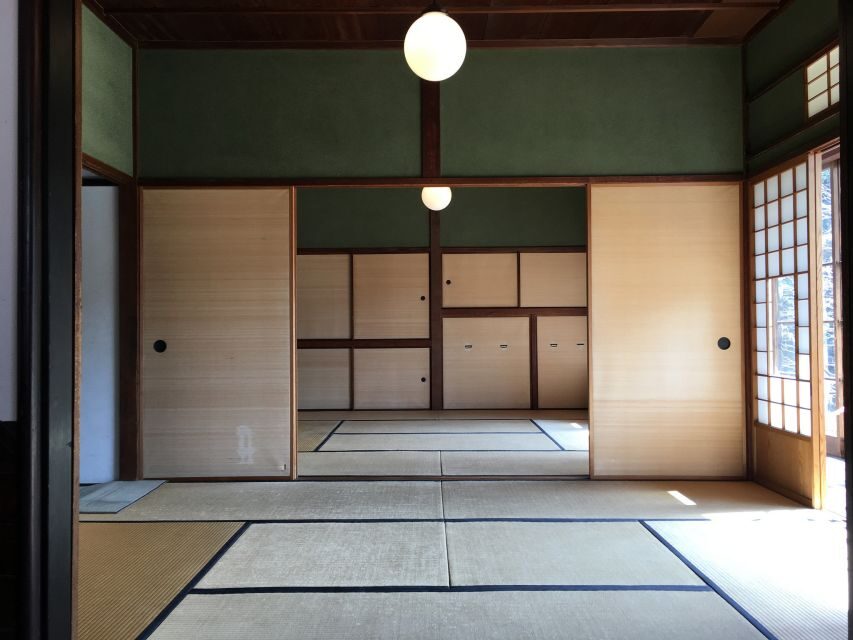
This is where the museum becomes more than “old houses.” You’ll see European design signals showing up in Japanese residential space. Specifically, the house is described as featuring Art Deco style and De Stijl (The Style)-style composition. De Stijl is known for its strict geometry and strong color logic, so it’s interesting to see how that kind of thinking behaves when it’s placed next to traditional Japanese rooms rather than in a European setting.
If you care about design history, this stop is a big deal. Japan didn’t simply copy Western trends. It adapted them into existing cultural patterns—so European influence becomes visible without erasing Japanese spatial habits.
A note on expectations: you’re not guaranteed every design detail to “click” instantly. That’s normal. This tour works best if you’re willing to ask questions and let the guide connect the dots.
Mitsui Family Residence: Luxury Interior Details That Change Your Sense of “Home”
The tour also includes the residence of the Mitsui family, described as one of Japan’s richest families. This is where you’ll see luxurious interior decoration—an important contrast to the earlier design experiments.
Why I think this matters: architecture isn’t only about style. It also reflects money, power, and how a household organized comfort and status. In a museum setting, it’s easy to treat every building as “a historical artifact.” The Mitsui stop helps you remember these were real lived spaces, with practical daily routines—just for people at the top of society.
Even if you’re not an interior-design person, pay attention to how the rooms feel different in use. Luxury spaces can teach you more about social priorities than simple exterior views do.
You can also read our reviews of more museum experiences in Tokyo



East Tokyo Shitamachi in Animation-Like Streets: Old Train, Bathhouse, and the Vibe
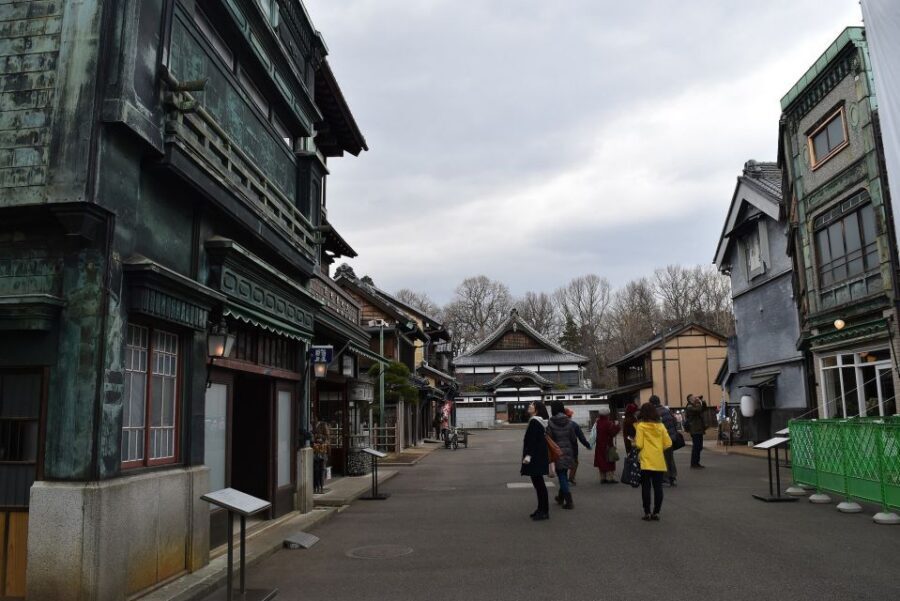
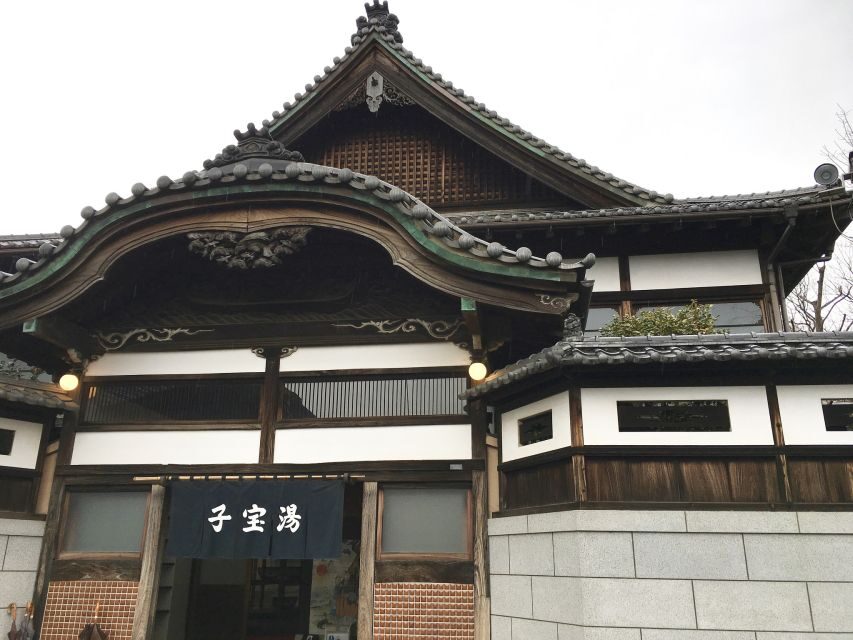
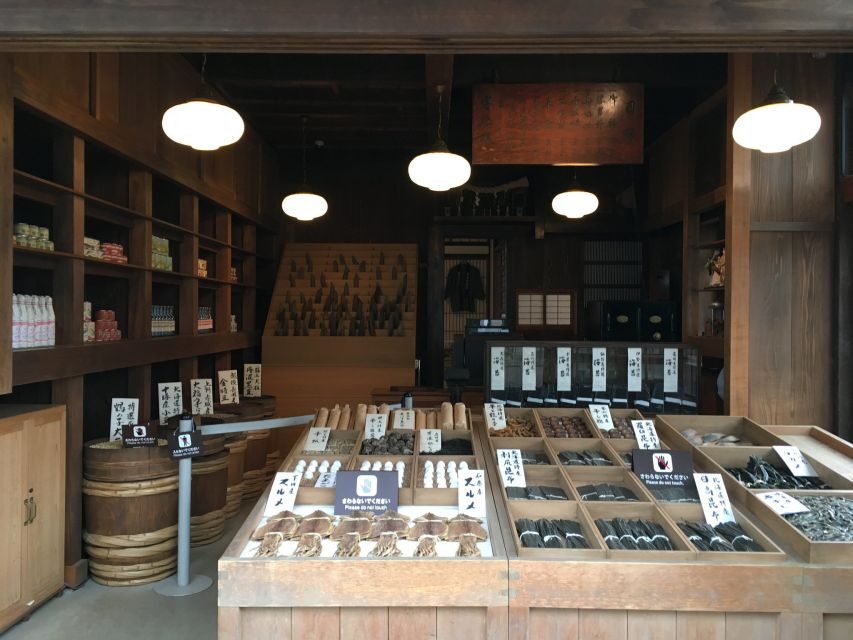
The second half of the tour leans heavily into ambiance, especially for people who love animation that captures old Tokyo mood. You’ll walk through Shitamachi, East Tokyo, lined with buildings that give a similar “storybook street” feeling.
Two specific highlights are built-in to the experience here:
- A traditional bathhouse
- An old train that used to run through Tokyo
This portion is valuable even if you don’t chase pop-culture references. The shitamachi streetscape works because it’s not just about famous architecture names—it’s about everyday urban life. A bathhouse tells you how people cleaned, socialized, and organized daily rhythm. A train reminds you how movement shaped city life.
It’s also a good segment for anyone who gets tired of pure analysis. You’ll still learn, but the setting helps you feel the era instead of only hearing about it.
Shoe Rules, Outdoor Weather, and Other Small Logistics That Matter
Most visitors know Japan is strict about shoe rules, but it still surprises people how often it appears on this type of museum tour. Many of the historic buildings require you to remove your shoes before entering. So wear comfortable shoes that are easy to slip on and off.
Also, because this is an open-air museum:
- you’ll feel the weather
- you’ll walk between buildings
- you’ll want breaks that aren’t too ambitious
If it’s hot, bring water and accept that you’ll cool down by moving slowly indoors when you can. If it’s cold, dress in layers so you can adjust between outdoor sections and indoor entries.
How the Best Guides Make Architecture Click (Yuichi, Yuki, and Interest Matching)
One of the strongest selling points isn’t the buildings alone—it’s how the tour is taught.
In the available feedback, guides such as Yuichi and Yuki come up for two reasons. They explain the history and design context clearly, and they adapt the tour so it fits your interests. One booking even highlighted that the guide was matched to what the person cared about, including traditional architecture and tea rooms/gardens.
That matters because architecture tours can go two ways. Either you hear facts and feel lost, or you get an interpretive path that makes those facts meaningful. With a strong guide, the buildings become chapters: modernism vs tradition, European influence vs local adaptation, and wealth signals vs ordinary life.
If you’re the kind of person who likes asking why a window is where it is, or how a room layout shapes daily life, you’ll get a lot out of this.
Getting There Without Stress: Pickup Options and Transit Reality
The tour includes pickup at JR Shinjuku Station or JR Tokyo Station, depending on what your booking offers. The meeting point for the Tokyo pickup is the Marunouchi Front Plaza area at Tokyo Station.
Even with pickup, Tatemono-en is outside the station area, so the tour uses trains and buses. Your transportation fee to and from Tatemono-en is about 700 JPY one way, and it’s not included.
One practical comfort: at least one recent booking described a guide who met the person at their hotel and escorted them to the museum. That’s not guaranteed for every reservation, but it signals that the guides understand transit can be intimidating for first-timers and they’ll do what they can to help you navigate.
If you’re anxious about Tokyo transit, I’d treat this as a positive: you’re not doing it alone.
Who This Tour Is For (and Who Should Skip It)
This tour is a great fit if:
- you enjoy architecture and design history
- you want to see how Western modern and European styles were adapted in Japan
- you like guided storytelling more than self-guided wandering
- you’re traveling with someone who appreciates “learning while walking”
It’s not ideal if:
- you hate walking between stops
- you strongly prefer a museum with seating and minimal transitions
- you don’t want to deal with shoe removal
If you want animation vibes but also want real-world cultural depth, this is one way to get both without spending time on the wrong ticketed site.
Should You Book? My Honest Recommendation
I’d book this if you want Tokyo that goes beyond temples and skyline photos. The specific mix—Maekawa’s modernism, Horiguchi’s Dutch-to-Japan influence, and the shitamachi atmosphere—gives you a day with variety that still feels focused.
The price is higher than a basic museum ticket, but you’re paying for a private English guide who can explain why buildings look the way they do. And the shoe-removal and outdoor walking mean it’s not a “sit and cruise” tour, so go in prepared.
If you’re on a short Tokyo trip and you care about design history, this is a strong use of time.
FAQ
Where is the meeting point for the tour?
The meeting point is Tokyo Station Marunouchi Front Plaza. After you exit the JR Tokyo Station Marunouchi Central Gates, head toward the center of the station building.
Is pickup included from Tokyo or Shinjuku?
Yes. Pickup is included at either JR Shinjuku Station or JR Tokyo Station.
How long is the tour?
The tour lasts 5 hours.
Is admission included?
Yes. Admission fees are included.
Does this tour include a visit to the Ghibli Museum?
No. The tour does not go to the Ghibli Museum.
Do I need to remove my shoes?
Many of the historic buildings require guests to remove their shoes before entering, so it’s smart to wear comfortable shoes that are easy to slip on and off.
Is the tour guide English-speaking?
Yes. The tour includes an English-speaking licensed guide, and it’s a private group.