REVIEW · TOKYO
Private Ryogoku Walking Tour with Sumo Wrestler and Master Guide
Book on Viator →Operated by Beauty of Japan · Bookable on Viator
Sumo, snacks, and stories in one walk. I love the chance to talk with a sumo wrestler guide and the walk through Tokyo’s Kokugikan sumo world. One caution: at $402.32 per person, this is premium pricing, so you’ll want to make sure you really want a private, guided experience.
You’ll cover two of Tokyo’s most memorable districts—Asakusa and Ryogoku—on foot in about 2 to 2.5 hours. Expect classic sights like Senso-ji and Nakamise Street, plus stadium time and a local shrine stop tied to sumo tradition. You’ll also have a translator along with your guide, and the tour runs in a small group (up to 5).
In This Review
- Key Things You’ll Notice on This Sumo and Asakusa Walk
- Ryogoku and Asakusa: Why a Wrestler-Led Walk Works
- Starting at Ryogoku Station and Edo Noren’s Restored 1929 Look
- Ryogoku Kokugikan Stadium: Walking Around the Heart of Sumo
- Nomi Sukune Shrine: The Legend Behind the Sport
- Asakusa’s Senso-ji and Nakamise Street: Classic Tokyo, With Time to Enjoy It
- A Possible Hokusai Stop for Art Lovers
- Price and Value: Is $402.32 per Person Worth It?
- Guide Quality: Active or Retired Wrestler, Either Way
- Logistics That Matter on the Ground
- Who Should Book This Sumo and Asakusa Tour?
- Should You Book It?
- FAQ
- How long is the tour?
- Is this tour private?
- Who leads the tour?
- What areas does the tour cover?
- What stops are included?
- Are tickets or admissions included?
- Is food included?
- Where does the tour start?
- What if an active wrestler is not available?
- Is there a minimum age?
- Can I get a refund if I cancel?
Key Things You’ll Notice on This Sumo and Asakusa Walk
- A real wrestler guide: not a generic narrator, and you’ll be able to ask questions in plain language
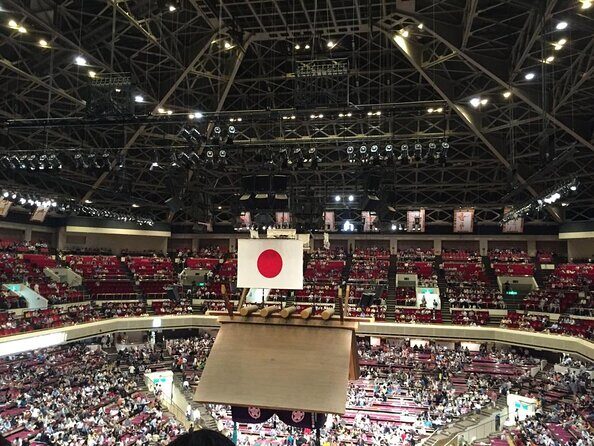
- Kokugikan time: you get stadium context even without being at a tournament
- Sumo tradition on-site: Nomi Sukune Shrine links the sport to its legendary origins
- Asakusa made practical: Senso-ji and Nakamise Street with time to snack and shop
- Small group feel: max 5 people keeps the pace human
- Smart handling of tournament gaps: if an active wrestler can’t join, a just-retired wrestler may step in
Ryogoku and Asakusa: Why a Wrestler-Led Walk Works
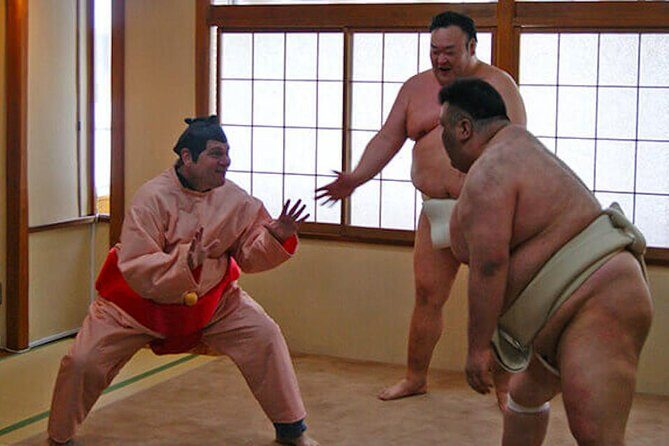
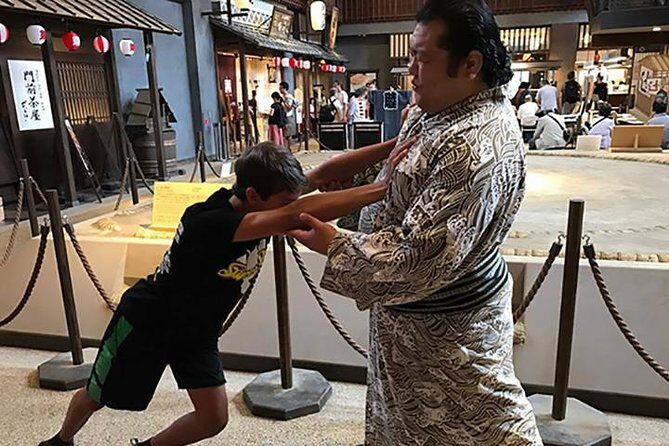
Tokyo has plenty of history tours. This one has something more useful: a working insider’s point of view. A sumo wrestler guide (and a translator) changes the tone fast. Instead of hearing sumo as facts in a slideshow, you get questions answered while you’re standing in the places where the sport is trained, honored, and consumed by fans.
I also like the way the tour stitches together two sides of Tokyo. Ryogoku is sumo town—practical, focused, and steeped in the sport’s identity. Asakusa is classic Tokyo—temple crowds, old-school streets, and the kind of snack-and-shop wandering you can do whether you’re a foodie or a compulsive window-browsing type.
The other smart part: the itinerary is built around walking. You’re not racing from one photo stop to another. You’ll have enough time at key locations to actually read what’s around you and ask follow-up questions.
You can also read our reviews of more walking tours in Tokyo
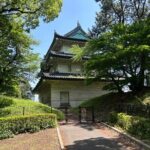
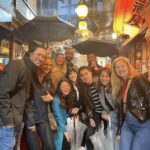
Starting at Ryogoku Station and Edo Noren’s Restored 1929 Look
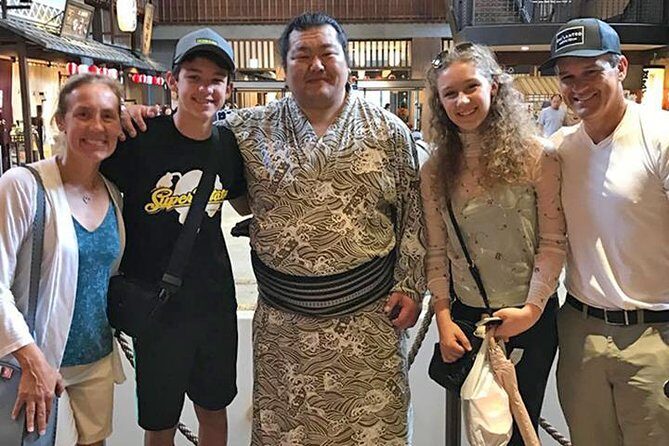
The tour starts near Ryōgoku Station, which is a big deal because it keeps the day simple. You begin right where Ryogoku’s sumo identity is easiest to feel, and you don’t need a complicated transport shuffle before you even start.
Your first stop is Ryogoku Edo Noren, set in a historic former Ryogoku Station building that dates back to 1929 and has been restored. It’s the kind of place where you can sense the shift from old infrastructure to modern local life. Instead of being only a museum, it’s a shopping and restaurant complex, so the atmosphere feels lived-in.
Why this stop is worth it:
- The setting helps you understand how Ryogoku became tied to the sport and its fan culture.
- You get an early taste of the neighborhood vibe before the bigger sumo sites.
What to watch out for: if you hate shopping areas (even mildly), this first leg might feel like a warm-up rather than the main event. Still, it’s included and it sets the tone.
Ryogoku Kokugikan Stadium: Walking Around the Heart of Sumo
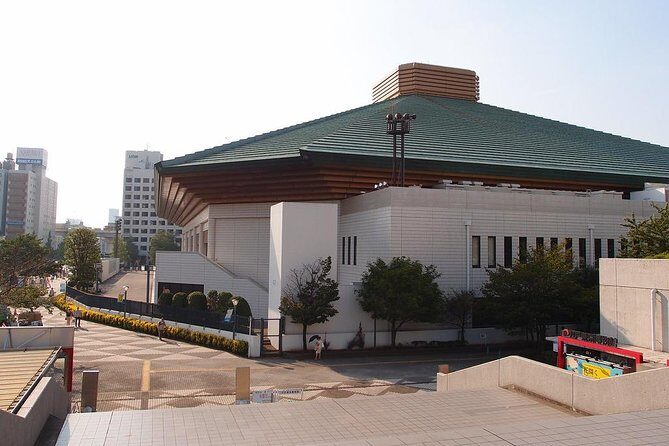
Next you head to Ryogoku Kokugikan, a stadium built in 1985 that can hold over 10,000 visitors. Even if you’re not attending a tournament, Kokugikan is still impressive in a very tangible way. It’s big, purposeful, and clearly designed for a sport with intense routine and ceremonial weight.
On this tour, the emphasis isn’t just on the building. You also get context about the training world. The tour includes time that connects you with where wrestlers practice and the stable environment, which matters because sumo isn’t only what you see on match day.
The payoff here is conversation. With your sumo guide and translator in the room, you’ll likely learn how things work behind the scenes—how the sport’s structure shapes daily life, and how fans interpret everything from posture to preparation.
A practical note: your time at Kokugikan is roughly 30 minutes, so you’ll want to come with questions ready. Good questions make this stop feel like a private Q&A, not just a walk-by photo session.
Nomi Sukune Shrine: The Legend Behind the Sport
From the stadium, you shift to a smaller, quieter stop with a different kind of meaning. Nomi Sukune Shrine is dedicated to the deity said to have initiated sumo in ancient Japan. That’s not just trivia. It helps explain why sumo has ritual built into it, even when it’s treated as a modern sport.
Here’s what makes the shrine stop memorable:
- You’re in a setting tied to the sport’s origin story.
- The tour points out that new Yokozuna champions visit and worship here.
- There’s also a stone statue in the garden engraved with Yokozuna names.
That last detail is great for anyone who likes thinking in names and generations. You’re not only learning the legend—you’re seeing how the shrine records the sport’s lineage.
If you’re a fan of calm places, you’ll probably enjoy the atmosphere more than you expected. It’s also a nice pacing break after a big stadium.
Asakusa’s Senso-ji and Nakamise Street: Classic Tokyo, With Time to Enjoy It
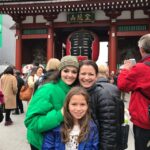
Then comes the Tokyo you probably pictured before you arrived: Asakusa. You’ll visit Senso-ji, one of the most iconic temples in the city, and then walk through Nakamise Street for snacks and shopping.
This part works well because it’s not rushed. You get time to slow down, snack, and browse. Nakamise Street is known for its traditional food and souvenir offerings, and the tour gives you permission to treat it like a real street rather than a checklist. Translation included means you can ask what to try, not just guess.
What I like about combining Senso-ji with the surrounding street time is that you get balance. Temple visits can turn into quick photo stops. Here, the tour is set up so you’re also experiencing the texture of the neighborhood—smells, small storefront energy, and the fun chaos that makes Asakusa feel authentically old-school.
A drawback to keep in mind: this is the kind of area where crowds can slow you down. That’s not the tour’s fault. It just means you’ll feel more “wandering” and less “precision walking” than in the stadium portion.
You can also read our reviews of more guided tours in Tokyo



A Possible Hokusai Stop for Art Lovers
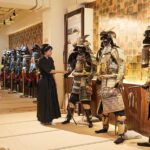
The schedule also notes a Hokusai-dedicated museum for those who like his work. If you’re an art fan, this can be a satisfying tonal shift after sumo and temple streets.
Because the description here is brief, I’d treat this as a bonus rather than the main pillar of the day. If you specifically want art time, you should plan to ask your guide how it fits into your exact route and pacing on the day you book.
Price and Value: Is $402.32 per Person Worth It?
Let’s talk money like adults.
The tour costs $402.32 per person, and it’s typically booked about 25 days in advance. This is not a budget activity. So what are you buying?
You’re buying three things at once:
- A private setup (only your group participates) with a maximum of 5 people
- A sumo wrestler guide plus a translator
- Entry and access for key locations, including an admission ticket included at Ryogoku Edo Noren
If you were doing this on your own, you could absolutely walk through Ryogoku and Asakusa. But you wouldn’t easily recreate the specific perspective a wrestler can bring while you’re looking at the places connected to practice, tradition, and fan culture. That’s the value engine.
Still, the price will sting a bit if your goal is mainly photos and general sightseeing. In that case, you might prefer a cheaper temple-and-streets tour, and then go to the stadium area separately on your own.
The best fit is the person who likes to learn by asking questions and wants the day to feel like a conversation rather than a lecture.
Guide Quality: Active or Retired Wrestler, Either Way
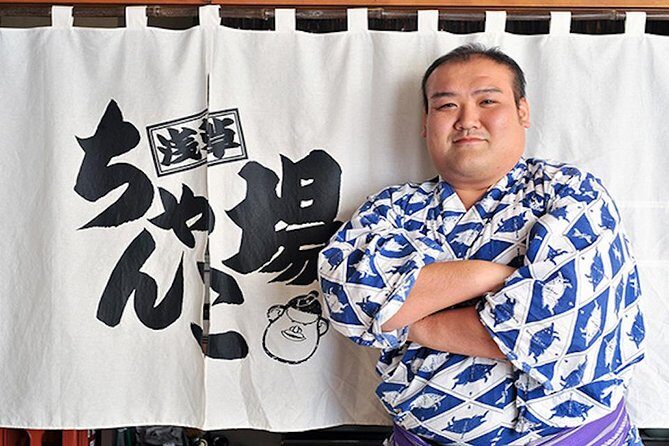
One detail that matters for expectations: your guide may be a just-retired sumo wrestler instead of an active one, depending on tournament schedules or other reasons. The good news is that the tour notes there’s no difference in the quality or depth of knowledge expected from a retired wrestler.
This is also where you should lean into the format. Even a retired wrestler carries firsthand understanding of the sport’s culture and routines. With a translator in the mix, you’ll get the benefits of direct Q&A rather than secondhand storytelling.
If you want to maximize the value of this part of the tour, come ready with a few topics:
- how the stable world works day to day
- what the rituals mean to wrestlers
- how fans read what happens in the ring
Your guide and translator are there to make those conversations possible.
Logistics That Matter on the Ground
This experience is private, with only your group participating. That keeps the pacing flexible and gives your guide room to tailor responses.
Duration is listed as about 2 hours, and it’s also described as around 2.5 hours. Either way, plan for a short, concentrated outing rather than a half-day expedition.
Food and drinks are not included, so budget for snacks if you want more than what you might pick up on Nakamise Street. Transportation to and from the meeting point is also not included, so use your own transit plan to reach Ryōgoku Station.
A couple more practical notes that affect comfort:
- Minimum age is 10 years, and most people can participate
- You’ll be walking through mixed urban areas and may hit crowd density in Asakusa
Who Should Book This Sumo and Asakusa Tour?
This tour is a great match if you fit one (or more) of these:
- You’re a sumo fan—or you want to become one quickly
- You like learning through conversation with a real insider
- You want classic Asakusa sights with a guide who can steer you
- You’re traveling with a small group and prefer private attention
You might skip it if:
- You mostly want low-cost sightseeing and don’t care about specialist explanations
- You’re allergy-free and hate snack browsing (Nakamise Street will still be part of the walk)
- You’re uncomfortable paying premium pricing for guided access and translator support
Should You Book It?
Yes—if you want the sumo part to feel real, not generic. The combination of a wrestler guide, translator, and visits to places that define the sport’s environment is exactly what makes this tour more than a themed walk.
If you’re unsure, use this rule: if you’d be disappointed by a standard “museum and photos” day, book it. If you’d be happy with self-guided Asakusa and Ryogoku photos, you can probably build a cheaper version on your own.
Either way, plan to bring curiosity. Ask questions. Treat the day like a guided conversation between Tokyo’s old streets and sumo’s on-and-off the-do-hyphen world.
FAQ
How long is the tour?
The tour is listed at about 2 hours, and it’s also described as about 2.5 hours. Either way, plan for a short, focused walking experience.
Is this tour private?
Yes. Only your group participates, and the booking allows a maximum of 5 people.
Who leads the tour?
It’s led by a sumo wrestler guide, and a local translator is included.
What areas does the tour cover?
You’ll see Ryogoku and Asakusa, including Ryogoku’s sumo-related sites and Asakusa’s Senso-ji and Nakamise Street.
What stops are included?
Stops include Ryogoku Edo Noren, Ryogoku Kokugikan stadium, and Nomi Sukune Shrine. The schedule also notes a Hokusai-dedicated museum for art lovers.
Are tickets or admissions included?
Admission for Ryogoku Edo Noren is included. Admission for Ryogoku Kokugikan is listed as free. All taxes and fees are included.
Is food included?
No. Food and drinks are not included.
Where does the tour start?
It starts at Ryōgoku Station, 1-chōme-3-20 Yokoami, Sumida City, Tokyo 130-0015, Japan.
What if an active wrestler is not available?
The tour notes the guide may be a just-retired sumo wrestler if active wrestlers aren’t available due to tournaments or other reasons. The quality and knowledge are expected to be the same.
Is there a minimum age?
Yes, the minimum age is 10 years.
Can I get a refund if I cancel?
No. This experience is non-refundable and cannot be changed for any reason.