Fuji from Tokyo in one smooth day. This private-style trip is built around Mt. Fuji viewpoints and a human-friendly English-speaking driver, so the day feels efficient instead of chaotic. I like the way you get a tight route with multiple Fuji backdrops, plus helpful in-car extras like WiFi and bottled water. The main drawback to consider is simple: not everything is included, and you may need to budget for admission tickets and optional activities depending on what you choose.
This is a long day that starts early (8:00 am) and runs about 10 hours, even though it’s a small group. You’ll be in an air-conditioned car most of the time, which is great when weather or crowds change the plan, but it also means you’re doing a lot of “see, pause, move” rather than a slow wander. If you want a relaxed pace, plan on bringing snacks and keeping your expectations realistic for a one-day Fuji sampler.
In This Review
- Key highlights worth caring about
- A private-feeling Fuji day that still moves at real Japan speed
- Pickup at 8:00 am: the schedule rhythm you should plan for
- Mt. Fuji 5th Station: the big elevation moment (and the ticket reminder)
- Oshino Hakkai: eight ponds, local snacks, and a calmer pace
- Arakurayama Sengen Park: shrines, pagodas, and the postcard viewpoint
- Lake Yamanaka and the Hananomiyako flower park: the best times for Fuji reflections
- Narusawa Ice Cave: volcanic history you can walk into
- Optional Oishi Park lavender views and Gotemba Premium Outlets
- Price and what you’re really paying for at $652.15 per group
- How to get the best Fuji day from your driver
- Should you book this Mt. Fuji private day trip?
- FAQ
- What time does the tour start?
- How long is the Mt. Fuji private day trip?
- Is pickup from my accommodation included?
- Are entrance tickets included?
- Is lunch provided?
- How many people are in the group?
- Is WiFi available during the ride?
Key highlights worth caring about
- English-speaking driver service that helps you make sense of the route fast
- Mt. Fuji 5th Station as the main elevation viewpoint stop
- Oshino Hakkai’s eight ponds with water tied to Mt. Fuji
- Narusawa Ice Cave shaped by historic volcanic activity
- Optional Oishi Park and Gotemba Premium Outlets when you want extra variety
- Small group size (up to 6) with bottled water, WiFi, and pickup
A private-feeling Fuji day that still moves at real Japan speed
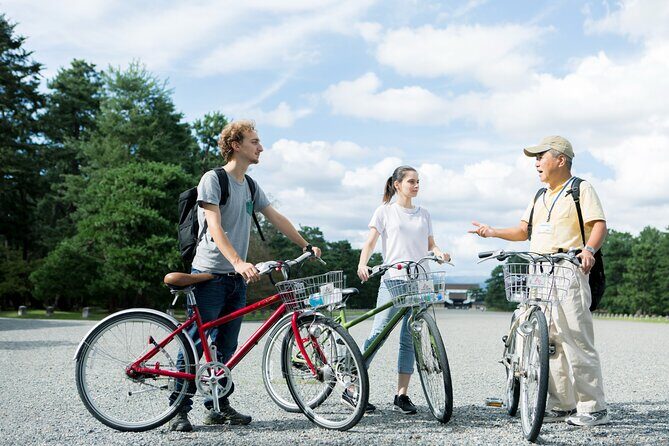
This trip is sold as private, but what you’ll feel most is control. You’re not packed into a giant coach, and the day is designed to be navigated by someone who can explain what you’re seeing and keep things flowing. The group limit is small (up to 6 travelers), so conversations are easier and questions don’t get swallowed by the noise.
You also get a practical set of in-car comforts: air-conditioned vehicle, WiFi on board, and bottled water. That matters on a long day where weather can shift fast around Fuji. In Japan, small conveniences add up. They keep you comfortable while you jump between viewpoints, lakes, and the cave.
One name you’ll see connected to this service is HAROON TAHIR. In addition, a guide named Dev stands out in the feedback for being an awesome, knowledgeable presence on the itinerary. Either way, your best strategy is the same: ask questions in the car. Good timing is part of the experience, not a bonus.
You can also read our reviews of more private tours in Tokyo


Pickup at 8:00 am: the schedule rhythm you should plan for
Your day starts at 8:00 am with pickup from your Tokyo area meeting point and ends back at the same place. You’re looking at roughly 10 hours total, so think of it as a full-day mission to hit the “most people-actually-remember-this” Fuji spots.
The tour includes pickup offered from your accommodation, which is a major time saver. Instead of spending your morning figuring out trains and transfers, you roll out with a driver. That’s especially nice when you’re trying to coordinate with early light or you just don’t want to wrestle stations before caffeine.
Also, you’ll use a mobile ticket. That cuts down on paper scrambling. Just keep your phone charged and your ticket handy.
Bring the right mindset: this is a sightseeing circuit. Expect short-to-medium visits at each stop, with more time spent at places that are the center of the view or the signature attraction.
Mt. Fuji 5th Station: the big elevation moment (and the ticket reminder)
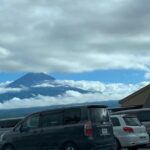
Mt. Fuji 5th Station is the headline. You’re going up for the reason you came: open sightlines and a dramatic sense of scale. Even when the view is hazy, you still get that unmistakable feeling of being up against the mountain rather than looking at it from a distance.
This stop is listed for about 1 hour, and admission tickets are not included. That’s the one “gotcha” to watch. You can still have a great time without overthinking it, but you should plan for potential extra costs so the day doesn’t get stressful at the last minute.
What I’d do in your hour: keep your eyes up for Fuji’s shape and keep your camera ready, but don’t block your own view by constantly shooting. Fuji can change behind the clouds, and you’ll want a moment where you actually see it, not just capture it.
One more consideration: Fuji-area weather can be fickle. The car gives you comfort, but once you step outside, you’ll want layers. Even in a warm day in Tokyo, it can feel different as elevation changes.
Oshino Hakkai: eight ponds, local snacks, and a calmer pace
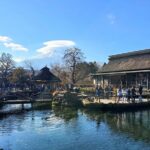
Oshino Hakkai is where the Fuji story gets personal. You’re at a small area known for eight ponds, fed by fresh water connected to Mt. Fuji. It’s a nice break from the high-elevation push, because the setting feels more village-like and less “summit-focused.”
You’ll spend about 1 hour here, and admission is listed as free. That’s a win for value. You can walk, look at the water, and slow down enough to enjoy the atmosphere rather than rushing for photos.
This stop also includes food and souvenir vendors, which can be fun if you treat it like a quick tasting stop rather than a full shopping spree. If you’re hungry, this is often the easiest place to grab something before the day keeps moving.
The main drawback? It can be busy, and busy spots go faster when you only have an hour. If you want slower wandering, pick a calm moment, enjoy the ponds first, then let the shops catch you after.
Arakurayama Sengen Park: shrines, pagodas, and the postcard viewpoint
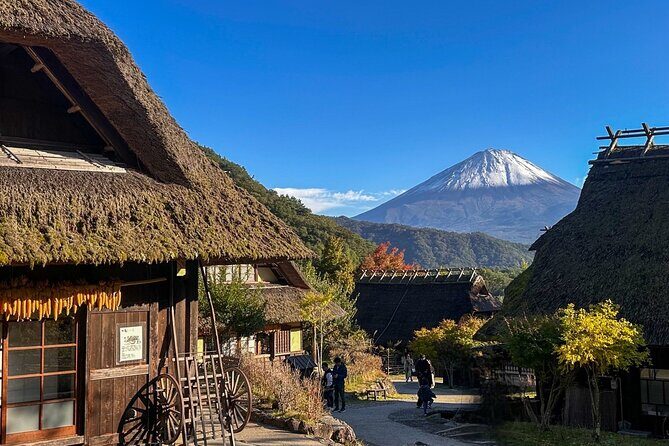
Next up is Arakurayama Sengen Park, a place built around shrines and pagodas. The highlight is the Mount Fuji Observation Deck, described as being halfway up the mountain and famous for exactly the kind of view you’ve seen in brochures and postcards.
Your time here is about 1 hour, and admission is not included. Again, it’s not necessarily a dealbreaker, but it’s worth budgeting so you don’t get surprised.
What makes this stop work is the viewpoint angle. It’s not just “Fuji in the distance.” You get a more layered composition: shrine structures, park setting, and Fuji beyond. That’s why it’s such a popular shot spot.
The consideration is physical. Even if the stop is “only” an hour, you may still walk and climb a bit to get the angles right. Wear shoes you can move in comfortably, and keep a reasonable pace. The day is long, and you want energy left for the lakes and the cave.
A few more Tokyo tours and experiences worth a look




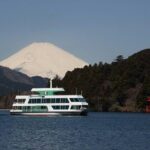
Lake Yamanaka and the Hananomiyako flower park: the best times for Fuji reflections
If the earlier stops are about elevation and icons, the lake section is about mood. Lake Yamanaka is one of the Fuji Five Lakes, and it’s described as the largest by surface area and also the highest in elevation. That combo matters because it can change how Fuji sits in the frame—often bigger in feel, not just big in size.
You’ll get about 1 hour at Lake Yamanaka, and admission is free. That keeps costs under control while still giving you a classic Fuji “water mirror” type of scenery.
Then you’ll move to Yamanakako Hananomiyako Park, a flower park on the lakeside near Lake Yamanakako, with seasonal flowers and views aimed at the side of the lake closest to Mt. Fuji. It’s described as having seasonal color and rich nature, with the park lining the shore.
You also get about 1 hour here, and admission is not included. If you’re visiting during a flower season, the park can feel like a visual payoff after the earlier sightseeing stops. If you’re outside peak bloom, you’ll still enjoy the shore setting, but the “flower wow” factor may be lower.
Either way, this is a great part of the day for slower strolling and fewer photo-only stops. Take a moment to just breathe in the open air and watch how the light changes across the water.
Narusawa Ice Cave: volcanic history you can walk into
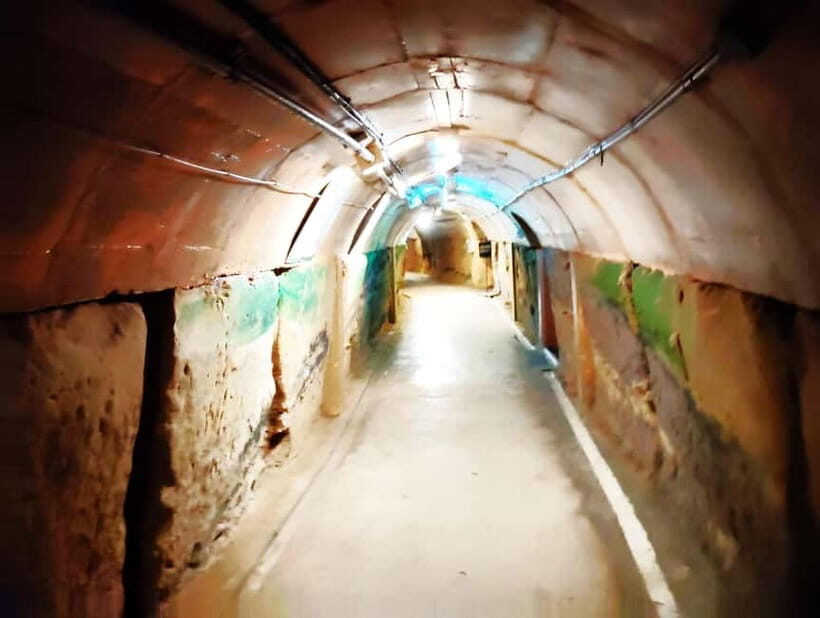
Narusawa Ice Cave is where the day adds a different kind of wonder. The ice cave was formed after Mt. Nagao erupted in 864, and the description explains that lava hollowed out a large underground cave. As you move through, temperatures drop steadily.
You’ll spend about 50 minutes here, and admission is not included. This stop is shorter than the viewpoints, which makes sense: it’s more focused, and you’re moving through a defined experience.
The value here is variety. Fuji isn’t just a mountain. It’s part of a volcanic landscape shaped by time. Walking through a cave with a temperature shift is the kind of contrast that keeps the day from feeling repetitive.
Practical thought: since it’s an ice cave, expect it to feel cooler. If you’ve been outside earlier, you’ll likely appreciate a jacket even on a mild day.
Optional Oishi Park lavender views and Gotemba Premium Outlets
You’ll have two optional add-ons, each about 30 minutes.
Oishi Park is on Lake Kawaguchi and is known for panoramic views with lavender fields by the lake, plus Lake Kawaguchi and Mt. Fuji in the same scene. Admission is listed as free. If you like that “Fuji + field + water” look, this can be a satisfying final-feeling viewpoint.
Gotemba Premium Outlets is a shopping break. It’s described as Japan’s most popular outlet mall, with 210 stores offering luxury, sports, and international brands. Admission is free here too. If your group wants souvenirs that are easier to take home than landscape photos, this is a practical option.
The main consideration with optional stops is energy. At this stage of the day, you’ll want to choose based on your vibe: scenery payoff or a shopping reset. If you do both, you may end up feeling rushed at the edges.
Price and what you’re really paying for at $652.15 per group
The price is $652.15 per group, up to 5 in one part of the description, with the tour also stating a maximum of 6 travelers. Either way, the key is that this is not a cheap mass-transport option. You’re paying for a car, a driver, and a route built for a full Fuji day.
Included comforts are clear: air-conditioned vehicle, WiFi on board, and bottled water. Those aren’t glamorous, but they improve the ride and keep the day moving smoothly.
What’s not included matters more for budgeting:
- Lunch is not provided.
- Admission ticket fees can apply (listed as not included at several stops).
- Cruise and rope way tickets are also not included.
That means the “real cost” depends on how many optional or paid activities you take and whether you buy tickets at each stop. Still, the value can be solid if you split the cost across a small group and you care about convenience and time.
One extra practical note: free cancellation is offered up to 24 hours in advance for a full refund. That gives you flexibility if Fuji weather looks questionable.
How to get the best Fuji day from your driver
This is where your day can go from good to great.
First, plan your priorities before you leave Tokyo. If your #1 goal is the highest viewpoint feel, keep Mt. Fuji 5th Station as the anchor and don’t overschedule your photo priorities elsewhere. If you prefer culture and views, Arakurayama Sengen Park should be treated as a must.
Second, use the driver’s English-speaking advantage. Ask what stop is most likely to deliver the best view that day. You can’t control clouds, but you can control how you respond to them.
Third, pack for temperature swings. Elevation and caves can feel cooler than Tokyo. Layers and comfortable shoes pay off.
Finally, since lunch isn’t included, bring a simple snack strategy. Even if you plan to buy food at Oshino Hakkai, having a backup snack keeps you from getting cranky mid-route.
Should you book this Mt. Fuji private day trip?
I’d book it if you want a Fuji-focused day that feels organized, small-group, and driver-supported—especially if you’re short on time in Tokyo and don’t want to stitch together trains and transfers. The route hits the classic highlights: the 5th Station viewpoint, Oshino Hakkai’s eight ponds, Arakurayama Sengen Park’s postcard deck, the lakes, and Narusawa Ice Cave.
Skip it (or adjust your expectations) if you’re hoping for a leisurely day with all tickets covered and no extra costs. The tour is thorough, but you’ll still pay for admissions and you’ll need to handle lunch on your own.
If you book, do it with a bit of planning. This kind of tour is typically booked about a month in advance, so earlier is smarter if your dates are set.
FAQ
What time does the tour start?
The tour starts at 8:00 am.
How long is the Mt. Fuji private day trip?
It runs about 10 hours (approx.).
Is pickup from my accommodation included?
Pickup is offered, and the tour ends back at the meeting point.
Are entrance tickets included?
Admission tickets are not included (several stops list admission as not included, while some are free).
Is lunch provided?
No. Lunch is not provided.
How many people are in the group?
It’s a small group experience with a maximum of 6 travelers. The pricing is listed per group and mentions up to 5 in one part of the details.
Is WiFi available during the ride?
Yes, WiFi is included on board, along with bottled water and an air-conditioned vehicle.