REVIEW · NAHA
Naha: Journey into Okinawa’s WWII Navy Underground HQ
Book on GetYourGuide →Operated by DeepExperience, Inc. · Bookable on GetYourGuide
WWII Okinawa feels real underground. This 90-minute tour pairs the museum with a guided walk through the Japanese Navy bunker complex, tying the exhibits to the corridors where command life played out. I like how it turns big, headline history into places you can actually stand inside, and I also like that it’s built around a guided interpretation, not just a self-guided ticket.
You start at 海軍戦没者慰霊之塔, get an English explanation, and then move into reconstructed command rooms, communication spaces, and offices. The walkthrough stays dim and close, so you feel the pressure of those “what do we do now” moments tied to the Battle of Okinawa. One possible drawback: because the experience includes dimly lit corridors and a short walking route, it may feel tiring or claustrophobic if you dislike dark spaces or low-light environments.
If you want, you can end up with strong, respectful English guidance. For example, some tours have been led by guides such as Kumiko or Kay, who focused on answering questions and keeping the mood thoughtful. Still, if clear English commentary is essential to you, it’s wise to keep an eye on how your guide communicates before you commit.
In This Review
- Key points at a glance
- Meeting at 海軍戦没者慰霊之塔: Setting the Tone Before You Go Underground
- The Walk-In Museum: Why the Battle of Okinawa Comes First
- Inside the Former Japanese Navy Underground Headquarters: What You’re Actually Seeing
- The Dim Corridors and the Human Weight of Shortage
- Reconstructed Spaces vs. Reality: A Balanced Way to Think About It
- Value at $77: When the Guide Is Worth It (and When It Might Not Be)
- Private Group Pace: Why “Just Your Group” Matters Underground
- Practical Tips for a Respectful, Comfortable Visit
- Where It Ends: 海軍壕売店 OFICCIAL SHOP
- Should You Book This Tour?
- FAQ
- How long is the tour?
- What is included in the price?
- Where do I meet the guide?
- What language is the tour guide?
- Does the tour include the museum before entering the tunnels?
- How does the underground part feel?
- What kind of group is this tour?
- What is the starting and ending location?
- Is free cancellation available?
Key points at a glance
- Museum first, then tunnels: You get the Battle of Okinawa context before you step inside the bunker.
- Reconstructed command spaces: Operations rooms, communications, and offices are set up to show how command worked.
- Dim corridor realism: The walk is intentionally low-light, matching the atmosphere of underground wartime life.
- Strong human-scale details: You hear about shortages and desperate measures tied to Okinawa’s final battles.
- Private group format: It’s a calmer pace where questions can actually land.
Meeting at 海軍戦没者慰霊之塔: Setting the Tone Before You Go Underground
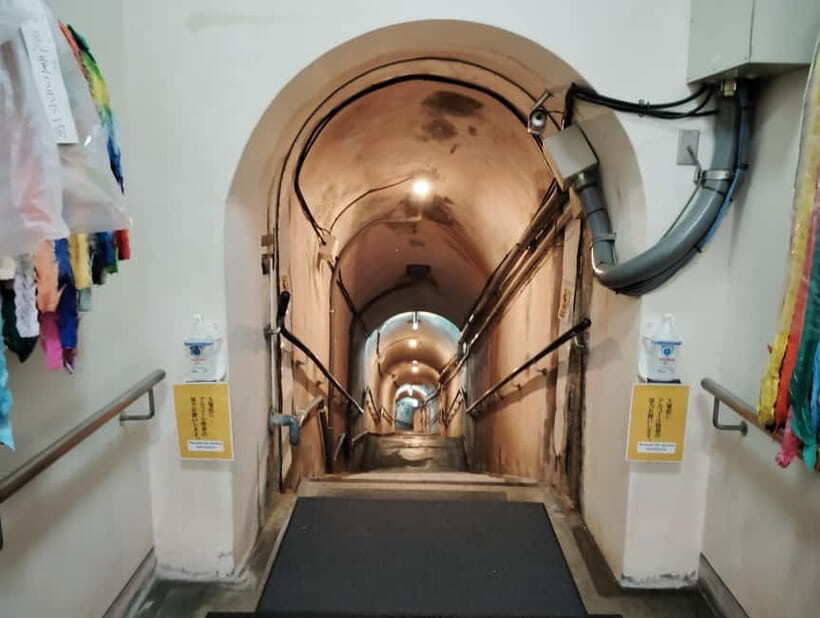
This tour starts at 海軍戦没者慰霊之塔, near the entrance of the Former Navy Headquarters Cave. That matters because the site isn’t trying to be “just a history stop.” The memorial setting puts you in the right mindset before you go into the command bunker world.
Your guide meets you in front of the memorial tower area, holding a yellow sign that says DeepExperience. That’s useful because this isn’t the kind of place where you can wander in and instantly know where your group starts. When I’m choosing tours like this, I look for that simple clarity: meet-up point is easy to find, guide is easy to spot, and the timing doesn’t drift.
From the beginning, the tour’s length gives you a clear shape: about 90 minutes total, with roughly 1.5 hours for the visit, guided content, sightseeing, and walking. It’s long enough to connect “what happened” with “where it happened,” but short enough that you’re not stuck for hours in enclosed spaces.
You can also read our reviews of more tours and experiences in Naha.



The Walk-In Museum: Why the Battle of Okinawa Comes First
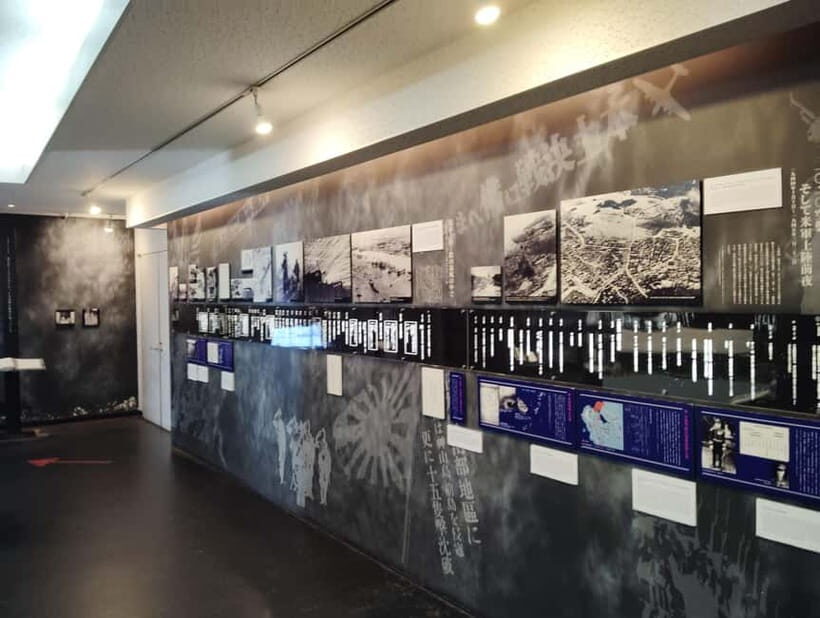
Before you enter the underground complex, you visit the museum. This is the best part of the pacing. The Battle of Okinawa isn’t just a date range; it’s the story of how the island’s people and systems were pulled into the Pacific War’s final phase. The museum helps you understand that before you step into reconstructed rooms that can otherwise feel like generic wartime dioramas.
In the museum, you’ll see artifacts and exhibits tied to the Battle of Okinawa. That’s a big deal for two reasons. First, it makes the underground tour more than a “set tour.” Second, it gives you a vocabulary for what you’ll see next—command structure, communication needs, and why the Navy prepared underground headquarters in anticipation of invasion.
A practical note: if you’re the kind of person who likes to read slowly and take your time, keep expectations realistic. The museum is part of a guided flow, not an all-day self-guided museum marathon. But the payoff is that the tunnel visit becomes easier to follow, because you’re anchored in the battle’s meaning from the start.
Inside the Former Japanese Navy Underground Headquarters: What You’re Actually Seeing
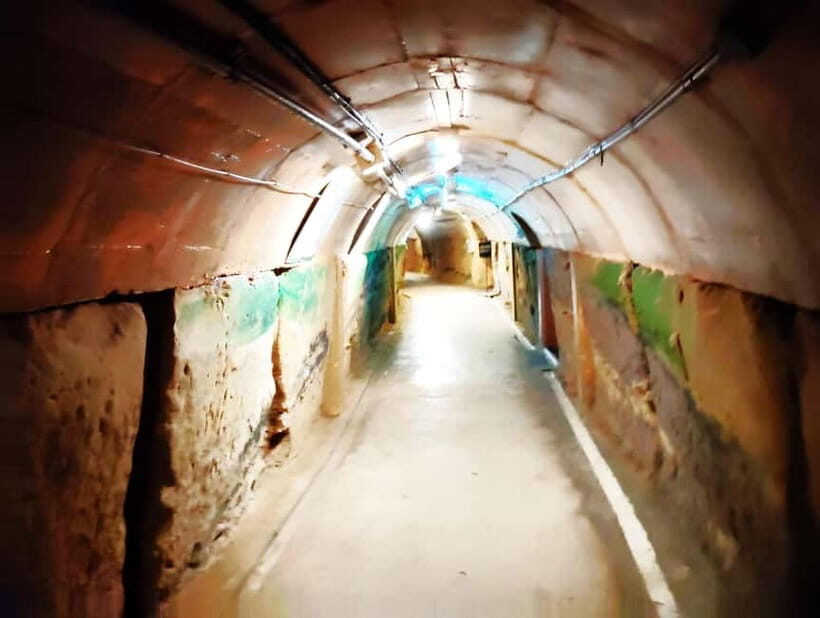
Once you enter the complex, the tour focuses on the Former Japanese Navy Underground Headquarters itself—an extensive bunker network dug out as a central command base by the Japanese Navy in preparation for the American invasion.
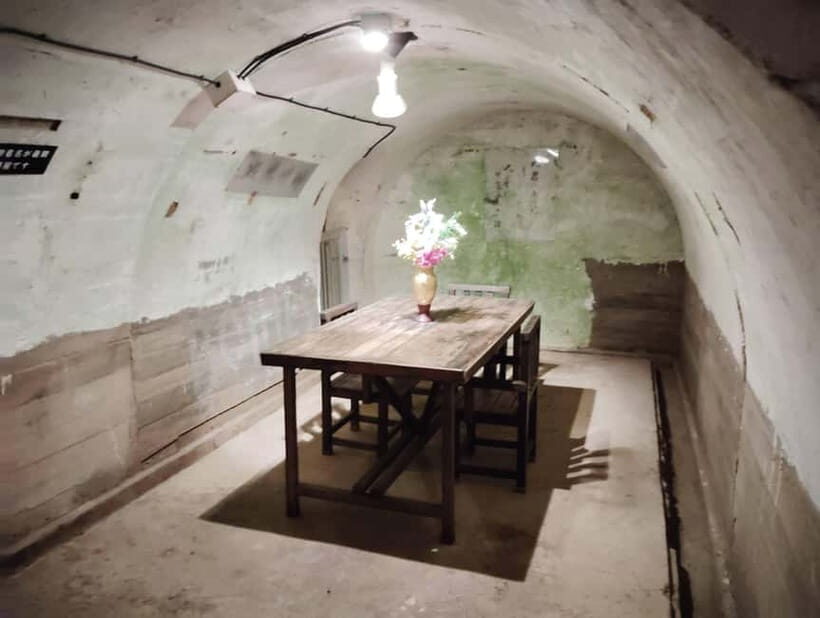
What stands out is the way the tour moves through reconstructed spaces:
- Operations rooms
- Communication facilities
- Command offices
Those categories matter, because they reflect how command life worked underground: decisions weren’t made in empty space. They were made through coordination, messages, and constant updates—exactly what an underground command center was built to support.
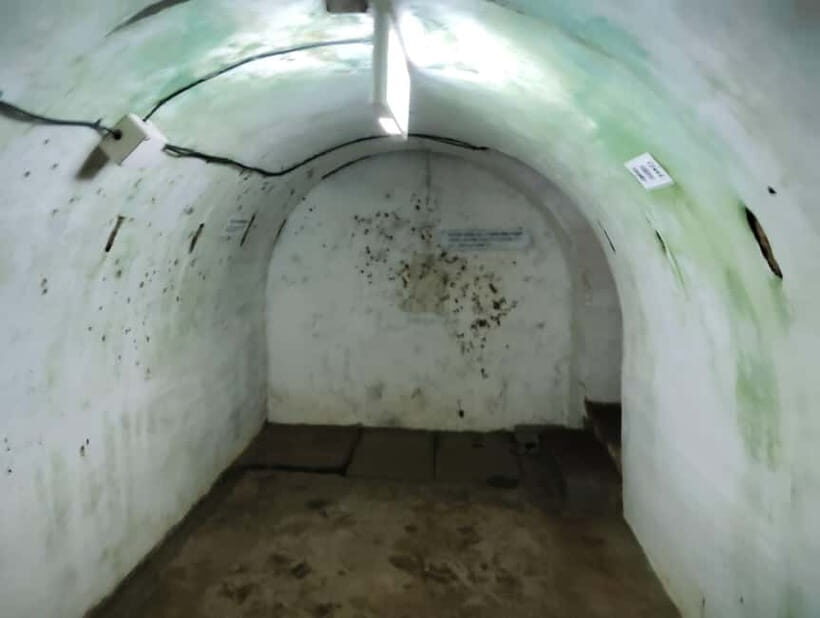
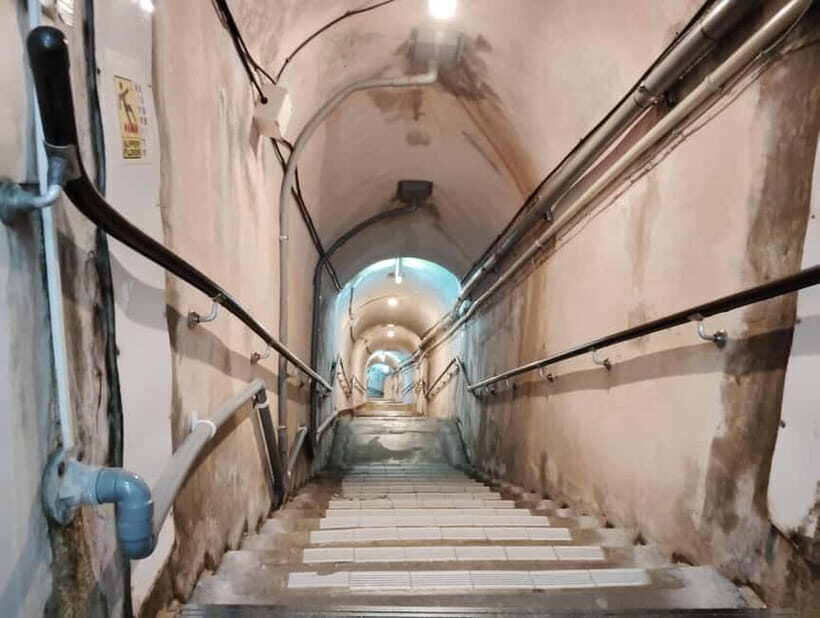
You also walk through the underground bunker complex along dimly lit corridors. This isn’t presented as a themed attraction. The dim lighting is there to help you understand how confined and high-stress conditions were. Even if you’re not a “war history” person, walking those corridors makes the story physical.
The guide’s job here is crucial. A good guide doesn’t just point at walls. They connect each room to what was happening in the battle—why communications mattered, why operations needed structure, and why command spaces were designed for durability and secrecy even as the situation deteriorated.
The Dim Corridors and the Human Weight of Shortage
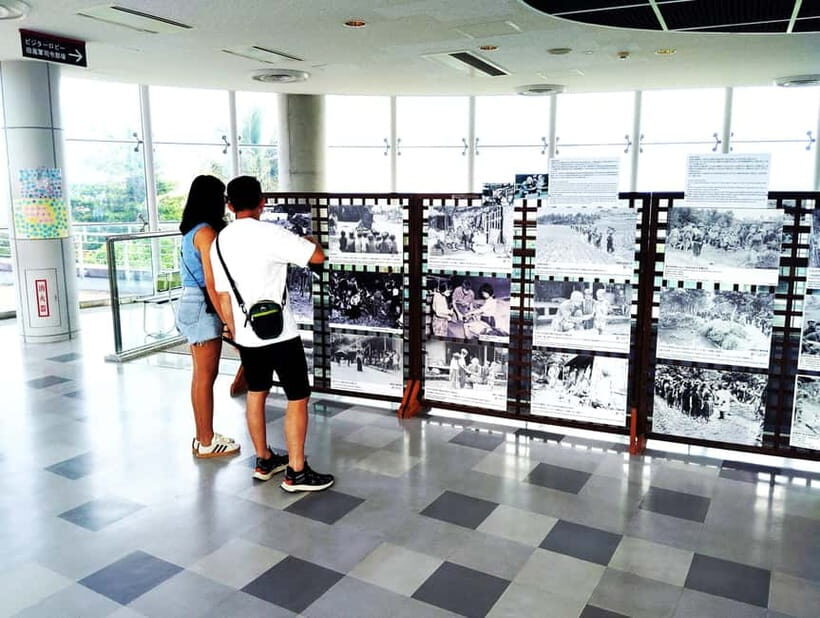
This is where the tour shifts from information to feeling. The corridors are dim, and the route is designed so you experience the underground scale and the closeness of the spaces.
The tour explains that thousands of Japanese soldiers took shelter in these tunnels. That changes how you look at the reconstructions. You’re not just seeing “equipment rooms.” You’re imagining repeated movement, cramped waiting, and the psychological reality of a place built to survive an invasion that eventually came.
The story also includes the reality of shortages as ammunition ran low. In the final desperation, some soldiers resorted to handmade spears for attacks against the enemy. Hearing that within the bunker context is heavy. It’s not there to shock you; it’s there to show how survival turned into improvisation when normal supply and resupply failed.
I appreciate that this tour keeps the focus on impact. You learn how the Battle of Okinawa affected the island and its people, not only military outcomes. If you’re visiting Okinawa for broader WWII understanding, this framing helps you place local lives inside the Pacific War’s final acts.
Reconstructed Spaces vs. Reality: A Balanced Way to Think About It
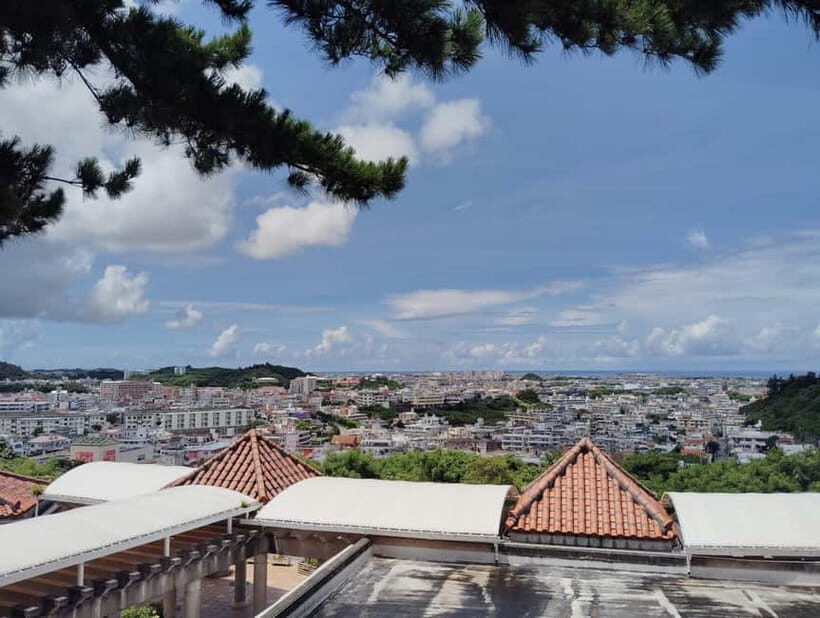
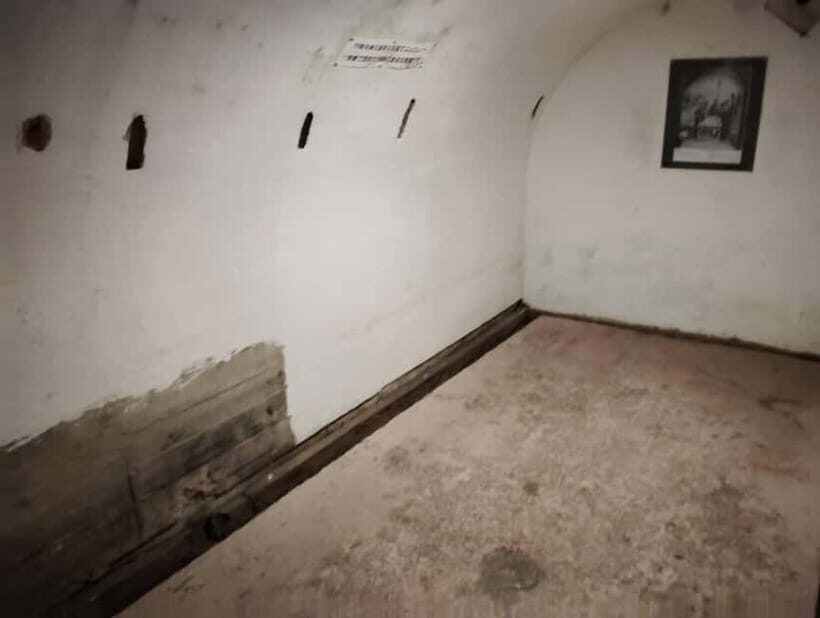
A quick reality check (the helpful kind): these rooms are reconstructed. That’s stated in the tour description as being designed to preserve the wartime atmosphere.
So what should you do with that? You’ll get the most from it if you treat reconstructions as interpretive tools rather than “time machines.” They help you understand layout and function—operations, communications, command—so your brain can map “how things worked” onto the physical space.
That also means you shouldn’t expect the bunker to be untouched, or to feel like a museum archive frozen in time. Instead, think of it as guided interpretation anchored in an actual historical location category: an underground headquarters environment used for command preparation and shelter during the battle period.
This is also where a strong guide makes the difference. Some guides (like Kumiko and Kay, based on past English-led experiences) have been praised for being respectful and responsive to questions. Even if the reconstructions already do a lot of the heavy lifting, a good guide ties details together so you leave with understanding that lasts longer than your photos.






Value at $77: When the Guide Is Worth It (and When It Might Not Be)
At about $77 per person for roughly 90 minutes, this tour sits in the “paid guided experience” category. You’re not just paying to enter a site; you’re paying for interpretation: museum context plus a structured walking tour through the underground complex.
Here’s how I think about value in places like this:
- If you want the story connected step-by-step, the guide is the value. You get explanations of what each reconstructed area represented and how it connects to the Battle of Okinawa.
- If you prefer self-guided reading and you’re comfortable processing exhibits on your own, you might not need much beyond the museum component.
There’s also a sensitivity factor. A site like this has a tone. A guide helps keep that tone from turning into distracted sightseeing. Some visitors have felt that a guide added meaning and answered questions; others have felt the museum and bunker could stand on their own. Your best bet is to choose based on your own style: do you like guided narrative, or do you prefer to wander with your own reading?
In my view, the sweet spot for this tour is someone who wants a clear pathway through complex events without spending hours piecing it together.
Private Group Pace: Why “Just Your Group” Matters Underground
The tour is listed as a private group. Practically, that usually means you’re not squeezed into a rushed line. You can ask questions in a way that doesn’t feel awkward, and you can adapt to what your group needs—especially in a somber setting where people often process differently.
One experience noted a very small group setup, which made the visit feel personal and meaningful. Even if your group size varies, the private format tends to reduce that “herd herding” feeling common in high-volume attractions.
Also, a shorter, private tour can be a win in Okinawa heat. One past experience specifically mentioned it being hot, and the guide’s care and pacing helped. Underground spaces can be cooler than outside, but you’ll still have time above ground around the meeting area and during transitions. Bring water and plan for warmth.
Practical Tips for a Respectful, Comfortable Visit
This tour involves walking dim corridors and spending time underground after a museum stop. A few practical choices will make the experience smoother:
- Wear comfortable shoes. The route includes walking through corridors, and you’ll want stable footing.
- Expect low light. The corridors are described as dimly lit, so your phone camera may struggle and your eyes may need a moment to adjust.
- Dress for warmth outside, but don’t be surprised if it feels cooler underground. You may want a light layer.
- Come with curiosity, not just a checklist. The most memorable moments come when you’re willing to follow the guide’s explanation of how command and shelter worked during the Battle of Okinawa.
And since this is a site tied to wartime suffering, keep your behavior low-key. Speak softly. Pause when the story turns difficult. You’re walking through reconstructed spaces meant to preserve atmosphere, not to “perform” for your feed.
Where It Ends: 海軍壕売店 OFICCIAL SHOP
After the underground experience, the tour finishes at 海軍壕売店 OFICCIAL SHOP. This is a useful wrap-up, because it gives you a clear endpoint and a place to transition back to normal sightseeing.
If you still want to linger in the area, this is often where you can pick up refreshments or small souvenirs without the pressure of trying to find your way back to the meeting point.
Should You Book This Tour?
Book it if you want a guided, structured way to understand the Battle of Okinawa alongside a walk through reconstructed Navy command spaces. It’s a good fit if you like learning in the exact place where events unfolded—especially when the explanations cover how operations and communications worked underground.
Consider skipping the guide and doing a self-paced museum visit instead if you prefer to read quietly on your own, or if you already know the Battle of Okinawa story well and just want the site at your pace.
One more decision tip: if English guidance quality matters most to you, choose your booking timing carefully and be ready for the fact that communication experiences can vary. If you’re going specifically for the human storytelling and Q&A, that’s when a strong English guide can make all the difference.
FAQ
How long is the tour?
The tour lasts 90 minutes, including the museum visit and the guided walk through the underground complex.
What is included in the price?
The tour includes a visit to the Former Japanese Navy Underground Headquarters, a museum visit, and a guided tour.
Where do I meet the guide?
You meet in front of the memorial tower near the entrance of the Former Navy Headquarters Cave. Your guide will be waiting with a yellow sign that says DeepExperience.
What language is the tour guide?
The live tour guide speaks English.
Does the tour include the museum before entering the tunnels?
Yes. The museum visit comes first, and then you enter the underground bunker complex for the guided portion.
How does the underground part feel?
You’ll walk through dimly lit corridors, including reconstructed spaces like operations rooms, communication facilities, and command offices.
What kind of group is this tour?
It’s a private group.
What is the starting and ending location?
It starts at 海軍戦没者慰霊之塔 and finishes at 海軍壕売店 OFICCIAL SHOP.
Is free cancellation available?
Yes. You can cancel up to 24 hours in advance for a full refund.