REVIEW · TOKYO
Tokyo: Ramen Tasting Tour with 6 Mini Bowls of Ramen
Book on GetYourGuide →Operated by Tokyo Ramen Tours · Bookable on GetYourGuide
Few cities make food education this fun. In this Tokyo ramen tour, you sample six mini bowls from three different shops and neighborhoods, with a guide who teaches you how ramen styles actually differ.
What I like most is the structure: you pick your bowls from 11–12 options, so you get variety instead of random sampling. I also love that the tour turns eating into learning, using slides/handouts to explain origins, types, and preparation, with guides like Sahori and Bunga often calling out the details that separate one ramen style from another.
The main drawback is simple: you walk about 3 kilometers (1.86 miles) in 3 hours, so it’s not ideal if you hate being on your feet.
In This Review
- Key things that make this tour work
- Ramen School in Tokyo: 6 Mini Bowls Across 3 Shops
- How the 3-Hour Format Fits Your Day (and why the walking is part of it)
- Shibuya Route: Hokkaido, tonkotsu fusion, and curry ramen
- Shinjuku Route: Tokyo classics, rich chicken, and luxurious fish or chicken
- Ueno Route: Kyushu basics, tsukemen contrast, and modern Tokyo
- Choosing Your 6 Bowls From 11–12: How to taste like a ramen expert
- What the guide teaching actually adds to your meal
- Food volume, timing, and how not to overdo it
- Price and value: Is $122 a fair deal?
- Who should book this ramen tour (and who should skip it)
- Should you book this Tokyo ramen tasting tour?
- FAQ
- How long is the Tokyo ramen tasting tour?
- How many ramen bowls do I get to try?
- Can I choose which ramen I eat?
- What neighborhoods does the tour include?
- How much walking is involved?
- Are there vegan or vegetarian options?
- What’s included in the price?
Key things that make this tour work
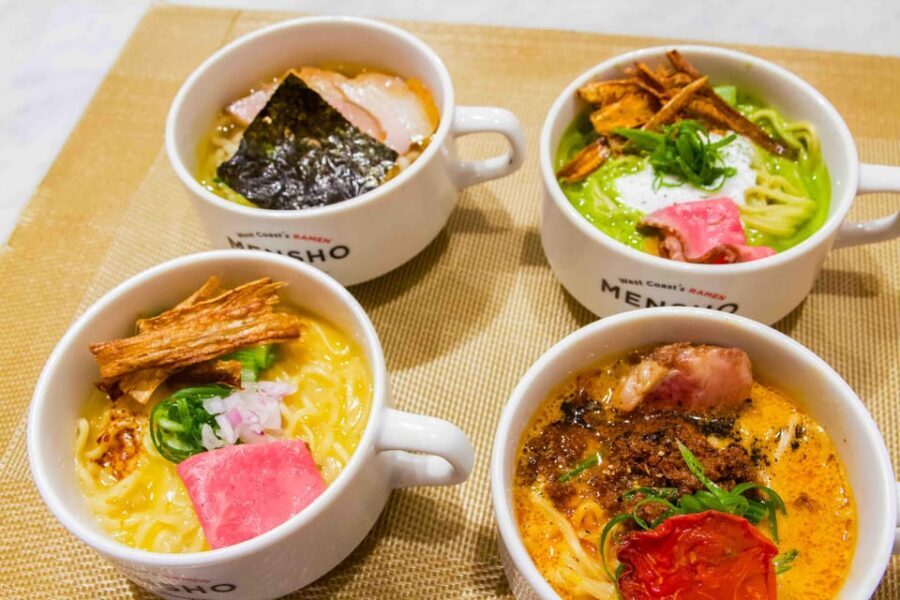
- Six mini bowls, chosen by you: about 1/4 the size of a full bowl, so you can compare styles without being miserable.
- Three shops with distinct styles: each stop focuses on a different kind of ramen, not just variations on one theme.
- Ramen education built into the meal: slides/handouts help you understand why the broth, noodles, and toppings matter.
- Neighborhood hopping in Tokyo: Shibuya or Shinjuku (and sometimes Ueno), with a real sense of place.
- Small group (up to 8): easier to ask questions and keep the pace comfortable.
Ramen School in Tokyo: 6 Mini Bowls Across 3 Shops
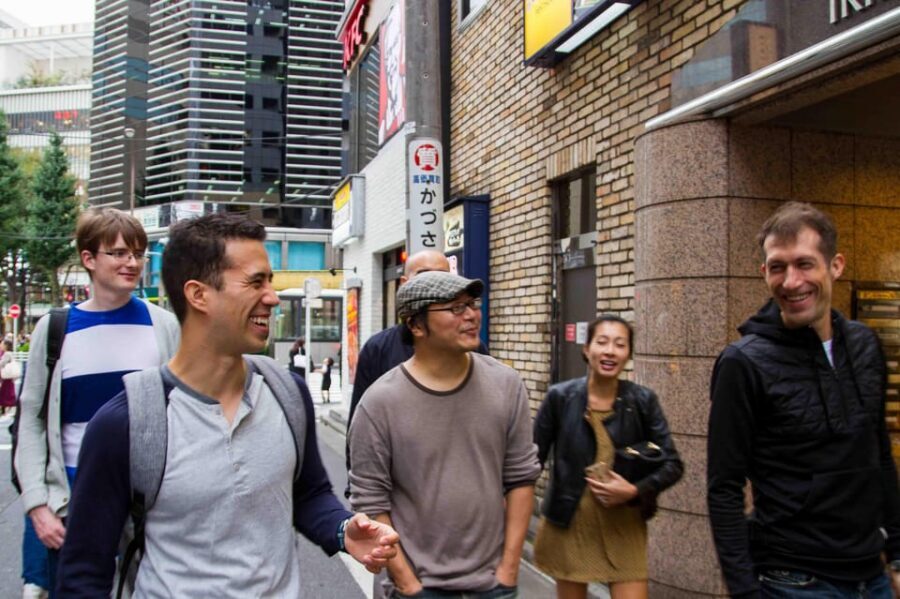
This is the kind of Tokyo food tour that doesn’t try to impress you with speeches. It feeds you first, then gives you the tools to taste with intention.
You’ll visit three ramen shops, and at each one you’ll try mini portions—roughly 1/4 of a full bowl—so you can do a proper sampler without exploding. The mini bowls are made specifically for the tour, which matters because it keeps the comparison fair: you’re not stuck with one giant bowl that ruins your judgment for the next stop.
The other big win is that you get to make choices. Instead of being assigned, you typically select your ramen from a list of 11–12 options, then eat six total. That turns the whole thing into a mini ramen build-your-own experience—perfect if you’re the type who wants to try tonkotsu but also wants to see how other broths stack up.
And because the guides often bring real passion—Bunga and Sahori are common names in past groups—you’re not just eating. You’re learning the difference between a broth built for depth and one built for clarity, and you start noticing how noodles change the whole bowl.
You can also read our reviews of more food & drink experiences in Tokyo

How the 3-Hour Format Fits Your Day (and why the walking is part of it)
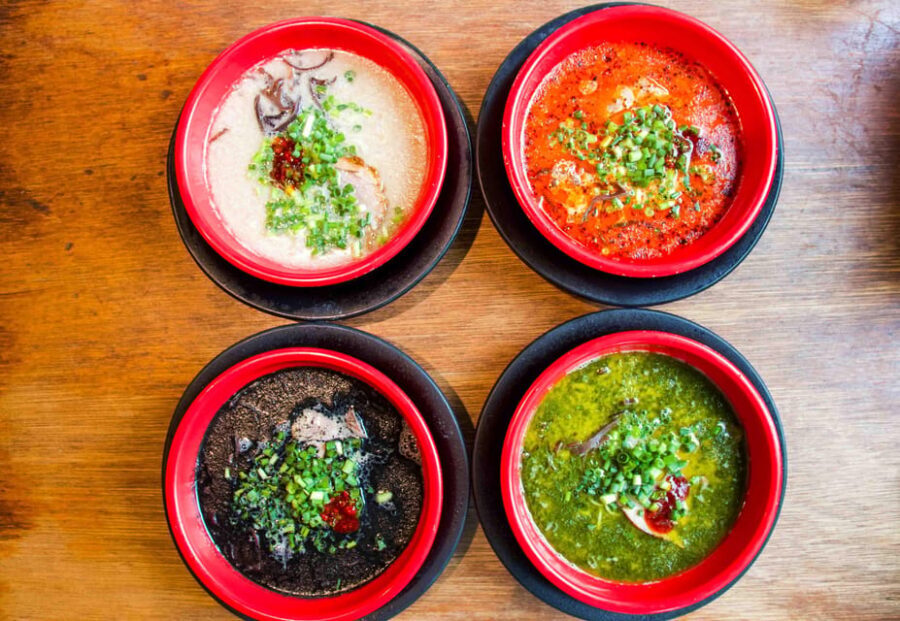
The tour runs for 3 hours, in a small group limited to 8 people. That timing is a sweet spot in Tokyo: enough time to get through three stops, but not so long that your whole evening collapses into ramen naps.
You should plan for walking. The route covers about 3 kilometers (1.86 miles) total. In a city like Tokyo, that’s not a crazy distance, but it’s very real when you’re also eating. I treat it like a “digestive warm-up” rather than a sightseeing chore, because the spacing between shops helps you keep your appetite for bowl number six.
You also start and end in different places depending on the route. The tour starts in Shibuya, and ends in Ebisu (or Shinjuku, depending on the day/option). Meeting points can vary by booking choice, so plan to show up a few minutes early and double-check your exact start location.
One practical thought: if you’re doing this on a day packed with other food plans, treat it like your main meal. It’s six bowls plus a beverage, and even in mini form, you’ll feel it by the end.
Shibuya Route: Hokkaido, tonkotsu fusion, and curry ramen
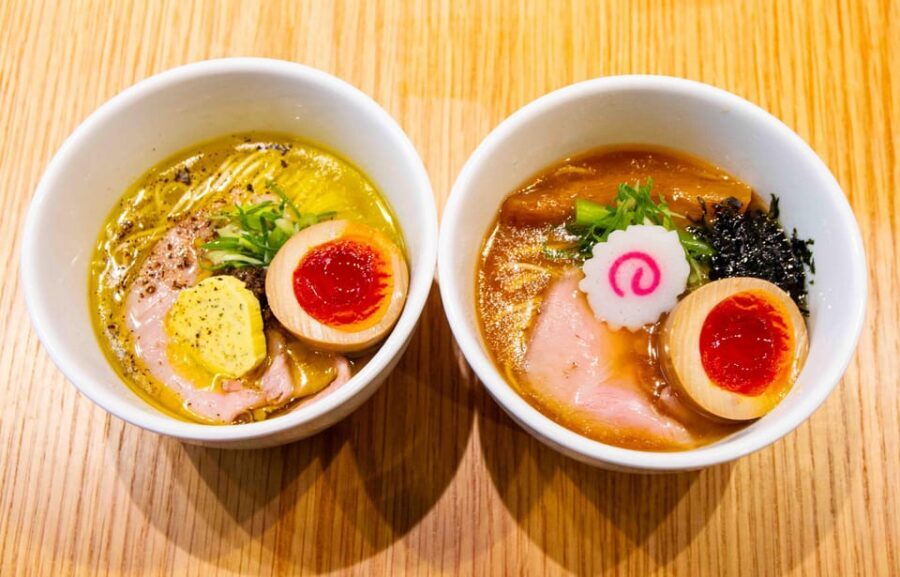
On the Shibuya route, your first shop sets the tone with Classic Hokkaido Ramen. Hokkaido ramen is often associated with hearty satisfaction and bold comfort flavors, so it’s a strong “foundation bowl” to start with. You’ll taste how regional styles can feel different even when they belong to the same broad ramen universe.
Shop two is where the tour flexes variety: Fusion Tonkotsu (pork bone) ramen. Tonkotsu is famously rich, and when it’s presented as fusion, you get to experience how chefs adapt a style while keeping the core idea intact. This is a great stop for anyone who thinks tonkotsu is just about being heavy—because you’ll likely spot the way flavor balance can still be tuned.
Shop three shifts gears again to Savory Curry Ramen. Curry ramen can land in that sweet spot between Japanese comfort food and deep, slow-simmered warmth. It also helps you see how “ramen” isn’t only about broth type—it’s also about seasoning direction and aroma.
A key note for all routes: the broths in these shops blend chicken, pork, and fish. That means even when a ramen is branded as a specific base (like tonkotsu or curry), you’re still tasting a mix of proteins behind the scenes. If you’re ordering based on dietary needs, keep that in mind.
Shinjuku Route: Tokyo classics, rich chicken, and luxurious fish or chicken
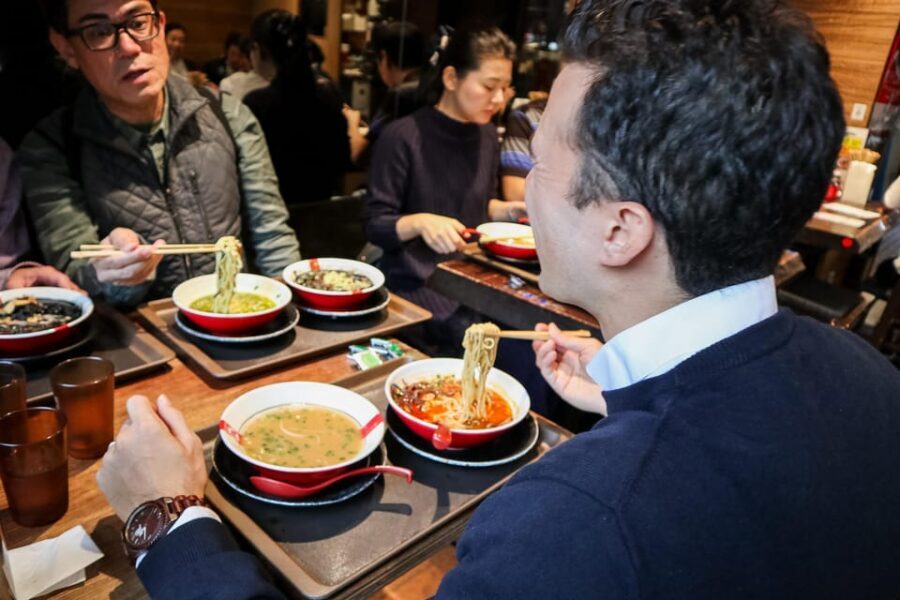
If your day runs the Shinjuku route, your shop lineup becomes a more Tokyo-centered contrast set.
Shop one is Classic Tokyo Ramen. This is where the tour helps you calibrate your palate for what many people think of as “standard ramen.” It’s a good anchor bowl because later styles may feel more intense or more specialized, and you’ll notice those differences more clearly once you’ve had a baseline.
Shop two is Modern Tori Paitan (rich chicken ramen). Paitan is typically associated with a thicker, more concentrated texture, and tori paitan is a strong way to understand what chicken richness tastes like in noodle soup form. This stop also tends to make people appreciate “white broth” flavors that aren’t just salty—they’re layered.
Shop three leans into luxury: Chicken or Fish ramen, described as a more sumptuous option. Whether it highlights chicken depth or fish savoriness, this last bowl tends to feel like the tour’s payoff—more refined, more focused, and a fitting finish after five different taste directions.
Across both Shibuya and Shinjuku options, the tour’s real trick is comparison. You’re not just eating ramen—you’re learning what changes when the broth, seasoning, and noodle style shift.
Ueno Route: Kyushu basics, tsukemen contrast, and modern Tokyo
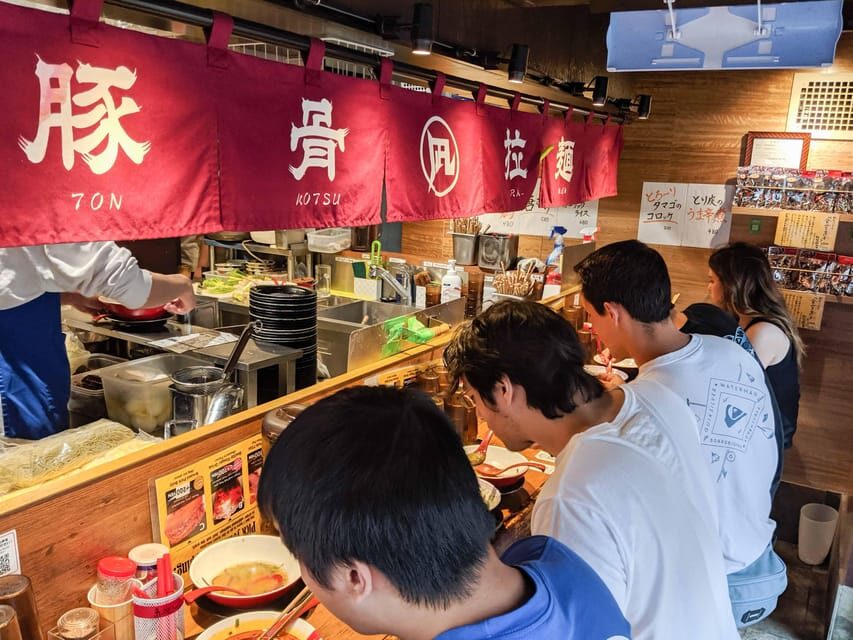
The Ueno route offers a different kind of education, leaning into ramen styles that show how ramen culture spreads beyond one regional identity.
Shop one is Classic Kyushu Ramen. Kyushu styles are often associated with strong broth impressions, and this stop is where you can start mapping how “regional identity” shows up in the spoon. Think of it as a chance to understand ramen geography, not just flavor preferences.
Shop two is Contemporary Tsukemen (dipping) ramen. Tsukemen changes the entire eating experience. Instead of broth being poured over noodles, noodles are typically dipped into a separate broth, and that changes texture, aroma, and how the noodles hold onto flavor. It’s a great “aha” moment because it proves ramen is more than soup—it’s a whole system.
Shop three brings you back to Tokyo with Modern Tokyo Ramen. This final stop ties the route together, letting you reflect on what feels distinctly Tokyo versus what feels distinct to regions like Kyushu or Hokkaido.
If you’re the type who gets stuck repeating your favorite restaurant style back home, this Ueno grouping can help reset your instincts fast.






Choosing Your 6 Bowls From 11–12: How to taste like a ramen expert
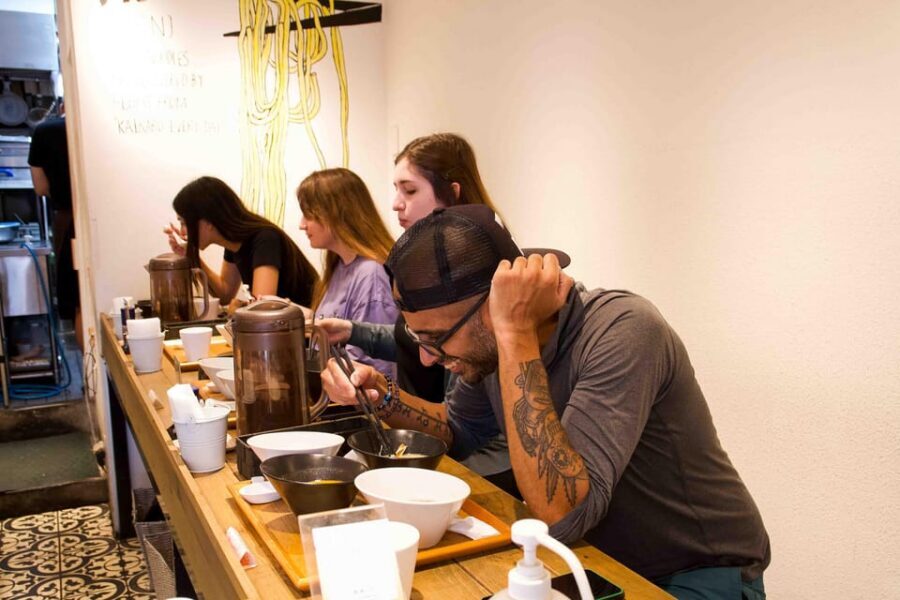
This tour is built for decision-making. Because you can choose your six bowls from 11–12 choices, you can steer toward the flavors you want to learn instead of eating what you didn’t plan for.
Here’s how I’d choose if you want the most value:
- Pick at least one broth style you already love (like tonkotsu or miso-based styles you’re familiar with).
- Pick one style that scares you a little, like curry ramen or a dipping format like tsukemen.
- Try to include one “protein-first” bowl (like tori paitan chicken ramen) so you can compare it to the pork-bone side.
This matters because the tour’s teaching is visual. Guides use slides and handouts (and you may see tablet-style explanations) to help you remember the basics: ramen origins, categories, and preparation details. If you’ve actively chosen your bowls, those lessons stick better.
Also, don’t underestimate the mini-bowl size. Because these are about 1/4 portions, you can take bigger risks. If one bowl turns out not to be your thing, you still have four more to correct your course.
What the guide teaching actually adds to your meal
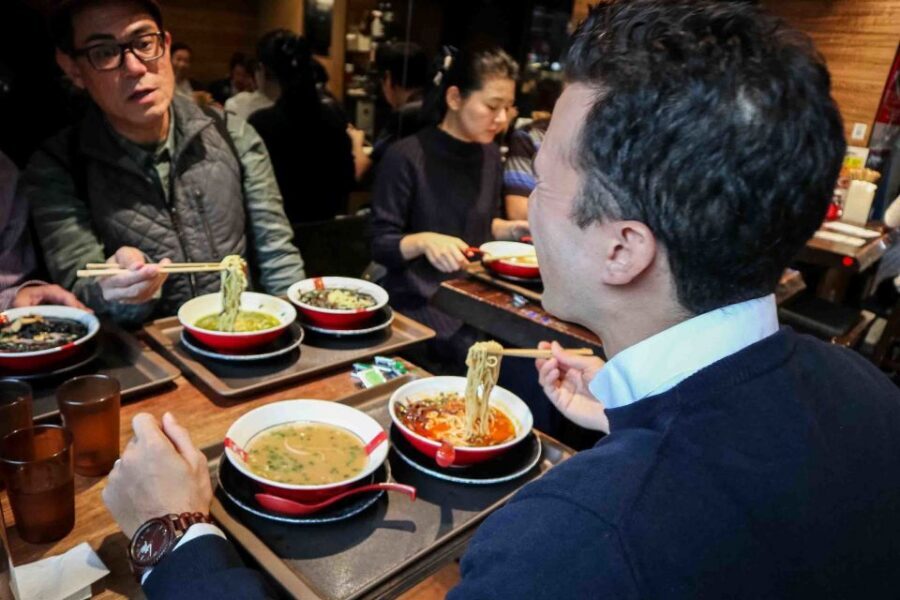
Some food tours just tell stories. This one also hands you a framework.
You’ll learn about ramen origins and how styles evolved, plus what goes into preparation. The tour uses colorful slides and handouts to explain types and differences, which helps you stop thinking of ramen as one dish. Instead, you start treating it like a set of variables: broth base, thickness, seasoning direction, noodle shape and bite, and how toppings interact with everything.
One thing I noticed from past group experiences is how much guides emphasize small details. Names like Makayla and Daisy show up as well as Sahori and Bunga, and the common thread is that the explanation isn’t generic. Guides often connect flavor to technique, and they make room for questions, which is exactly what you want when you’re trying to become a better restaurant-ordering person.
And yes, the food volume can be a lot. But because the tour helps you taste intentionally, you’re more likely to enjoy the full run rather than just counting down to the end.
Food volume, timing, and how not to overdo it
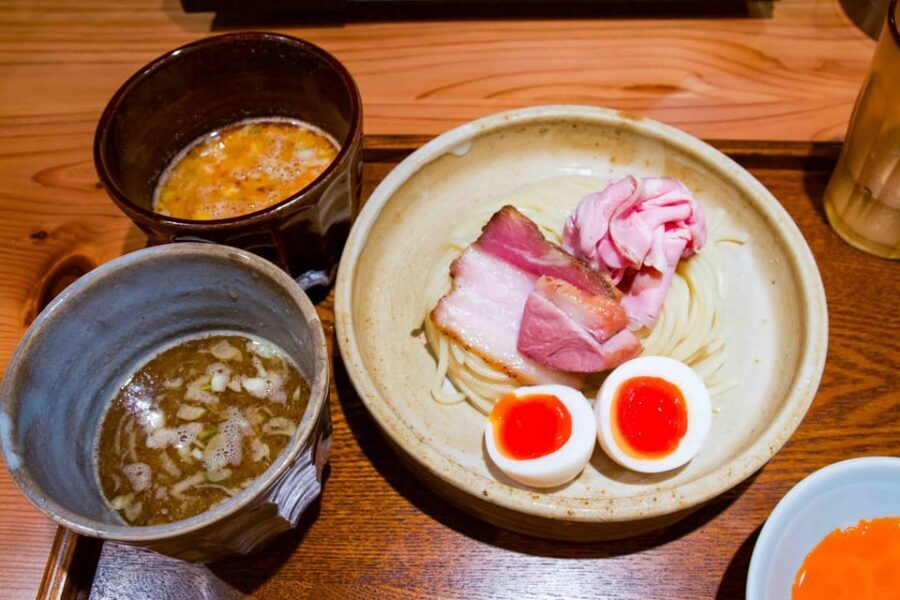
Six mini bowls plus a beverage in 3 hours is still a lot of food. People love this format because it gives variety, but you should plan the rest of your day around it.
My practical rule: treat ramen tour day like a lighter day. Skip a heavy lunch before you go. If you eat a full breakfast, make it reasonable. You’ll thank yourself around the fifth bowl.
Also, Tokyo weather can swing fast. When rain hit hard for some groups, the guide helped with getting through to the next stop. You can’t count on that every day, but it’s a reminder to pack simple rain protection if you’re traveling in the wetter months.
Finally, since the broths combine chicken, pork, and fish, you should know exactly what you’re consuming. If you’re vegetarian or vegan, this tour isn’t the one to book. There is a separate vegan/vegetarian ramen tasting tour, and that’s the safer fit.
Price and value: Is $122 a fair deal?
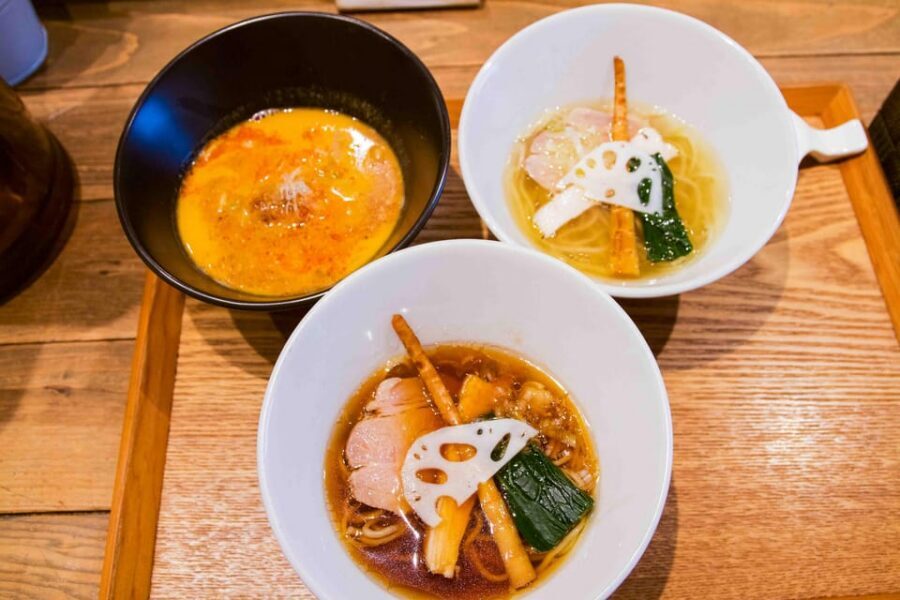
At $122 per person, this isn’t a bargain dinner. But it also isn’t just “pay for ramen.” You’re buying three award-winning shop stops, a guided ramen education, and the chance to compare styles side-by-side.
Here’s why it can feel worth it:
- You get 6 mini bowls instead of one or two full meals.
- The mini bowls are tour-only sizes, which makes the tasting more consistent.
- You get guided explanation that helps you understand what you liked and why.
- The group size stays small (up to 8), which usually means less waiting and more Q&A time.
Is it pricey? Yes. But if you care about ramen beyond the basics—if you want to learn how Hokkaido differs from Kyushu, or what tsukemen does to flavor perception—this price can start to look like a ramen education plus food.
If you only want one signature bowl and then you’re done, you can probably find cheaper options on your own. But if you want a structured ramen comparison, this is one of the more efficient ways to do it.
Who should book this ramen tour (and who should skip it)
This tour is best for people who:
- Love ramen and want to learn the differences between styles, broths, and noodle approaches.
- Like guided food experiences with structure (three shops, specific learning goals).
- Are comfortable walking around Tokyo for about 3 km and finishing six mini bowls.
It’s not the right fit if you:
- Have low tolerance for walking. The route is short on paper, but it’s 3 hours of moving between stops.
- Need vegan or vegetarian options. These broths include chicken, pork, and fish. Book the separate tasting tour if that’s your need.
- Want a slow, sit-down afternoon. This is a taste-and-walk format.
Should you book this Tokyo ramen tasting tour?
If you want a fun, practical way to become more confident ordering ramen in Tokyo, I’d say yes. The combination of six mini bowls chosen by you, three ramen styles in three shops, and a guide who explains what you’re eating turns it into more than just a meal.
Book it early in your trip if you can, because you’ll likely carry what you learn into your other ramen outings. And if you’re worried about whether you’ll eat everything: the mini bowl size is exactly what makes the comparison doable.
If you’re budget-first, you may decide it’s more than you want to pay. But if ramen is a key part of your Tokyo trip, this is one of the more focused ways to understand the cuisine quickly.
FAQ
How long is the Tokyo ramen tasting tour?
The tour lasts 3 hours.
How many ramen bowls do I get to try?
You’ll try 6 mini bowls of ramen during the tour.
Can I choose which ramen I eat?
Yes. You choose 6 ramen from a selection of 11–12 options.
What neighborhoods does the tour include?
Depending on the route you book, you’ll visit three neighborhoods including Shibuya or Shinjuku, and there is also a Ueno route option.
How much walking is involved?
Expect about 3 kilometers (1.86 miles) of walking.
Are there vegan or vegetarian options?
The ramen broths used in this tour contain chicken, pork, and fish. There is a separate vegan/vegetarian ramen tasting tour instead.
What’s included in the price?
Included: 6 mini bowls of ramen and 1 beverage. Train tickets, if required, are not included.