REVIEW · OSAKA
Osaka: Traditional Japanese Ceramics Private Experience
Book on GetYourGuide →Operated by Tocoton LLC · Bookable on GetYourGuide
Sakura blossoms on your chopsticks set. This Osaka ceramics workshop is a hands-on break from the crowds, with private instruction and a local walk from JR Teradachō Station to a century-old house. You’ll shape and glaze a food-themed piece using Shigaraki clay, then talk Japanese culture and cuisine with your instructor, Anna.
I especially like how the class gives you real choice. You pick one of three options tied to Japanese dining: a sake set, a sushi set, or a chawan (tea bowl). That decision helps you end with a souvenir that actually fits your taste back home.
One consideration: your pottery takes time to finish. If you ask to have it shipped, plan on about 1.5 months for delivery, and shipping costs aren’t included. Also, be on time—being more than 15 minutes late is treated as a no-show.
In This Review
- Key Things to Know Before You Go
- From Teradachō Station to a Studio You’ll Want to Remember
- Your Three Options: Sake Set, Sushi Set, or Chawan
- Make a sake set
- Make a sushi set
- Make a chawan for tea
- Shigaraki Clay and Japanese Glazes: What You’ll Learn With Your Hands
- The Value of a Private Class With Anna (and Real Conversation)
- The Walk, the Pace, and Practical Studio Etiquette
- What You Take Home: Finished Piece Plus a Sakura Gift
- Shipping your pottery (plan ahead)
- Price and Value: Is $96 Worth It?
- Who Should Book This Osaka Ceramics Workshop
- Should You Book Ceramics Tocoton in Osaka?
- FAQ
- How long is the Osaka ceramics private experience?
- Where do I meet the guide?
- What can I make during the workshop?
- Does the class include materials and instruction?
- Is the class private?
- What languages are available?
- Is pickup included?
- Do I receive a souvenir gift even if I ship my pottery?
- Can the pottery be shipped home?
- What’s the late policy?
- What’s the cancellation policy?
Key Things to Know Before You Go
- Meet at JR Teradō Station north exit and look for the Ceramics Tocoton sign
- Private class format with step-by-step guidance (no rushing)
- Choose your dining-themed piece: sake set, sushi set, or chawan
- Work with Shigaraki-area clay plus typical Japanese glazes
- Language support includes English, Spanish, Catalan, or Japanese
- You get a handcrafted parting gift: a small patterned plate plus Sakura-shaped chopsticks holder
From Teradachō Station to a Studio You’ll Want to Remember

The experience starts with a simple meet-up and then a short, purposeful walk out of the main tourist flow. You meet your guide at JR Teradachō Station’s north exit. Your guide carries a sign for the studio, Ceramics Tocoton, so you’re not left playing guessing games in a busy station.
From there, you head to a century-old, two-story house next to a street full of local shops and food. This is one of the quiet perks of the workshop format. Instead of jumping straight to a classroom, you get a taste of how Osaka looks and smells when you’re not in the postcard zone.
The tone inside is part studio, part lived-in home feel, which is exactly why this class works so well for beginners. It doesn’t feel like a factory tour. It feels like someone is showing you how they make everyday Japanese ceramics—then handing the work to you.
You can also read our reviews of more private tours in Osaka



Your Three Options: Sake Set, Sushi Set, or Chawan
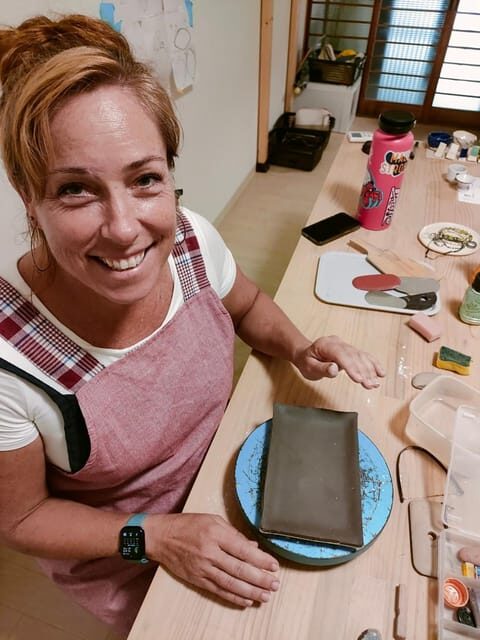
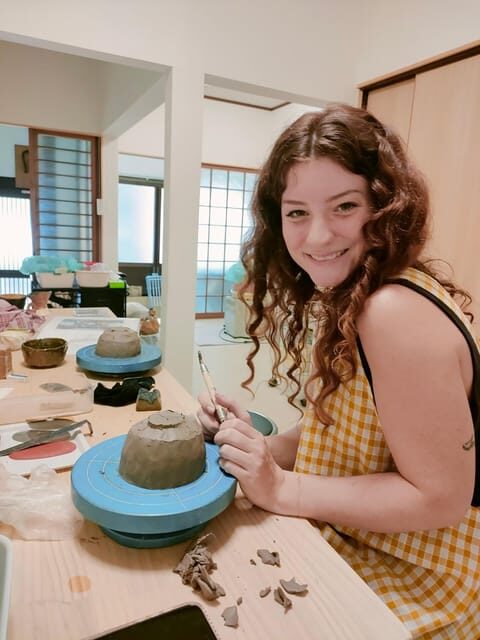
The workshop is built around constructing one finished ceramic set during your 2-hour session. You’ll choose what you make based on what you’d actually use (or display) after the trip.
Make a sake set
If you love Japanese evenings, this is the most social option. You’ll craft a small sake bottle and a matching glass. It’s small enough to travel well, and it’s the kind of piece that makes dinner guests ask where you got it.
Make a sushi set
This option is for anyone who wants something visually fun. You’ll create a sushi plate and a chopstick holder. Even if you’re not a DIY person, you can still end up with a satisfying, giftable set because the forms are straightforward and the style is clearly Japanese.
Make a chawan for tea
A chawan is a classic choice and a more personal one. You’ll shape and finish a tea bowl. Reviews around this experience point to how relaxing the process can feel—slow, careful forming rather than quick tourist stamping.
No matter which option you pick, you’re not just copying a pattern. You’re making decisions about shape and glaze approach with guidance from Anna, and that’s what turns the workshop into a skill you can actually talk about later.





Shigaraki Clay and Japanese Glazes: What You’ll Learn With Your Hands
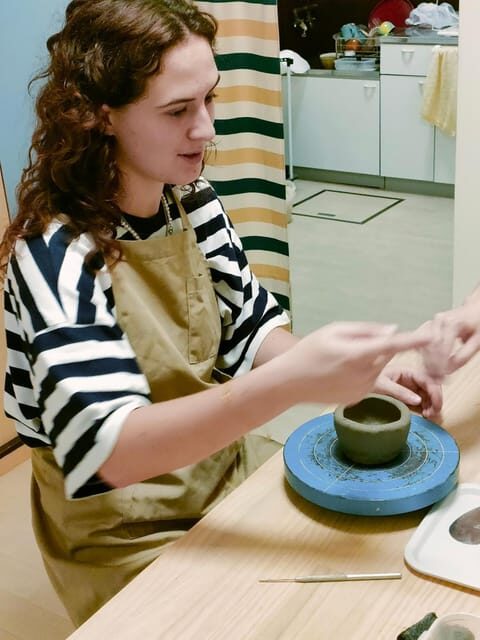
This class doesn’t rely on fancy equipment or pre-made parts. You start with clay from the Shigaraki area, one of Japan’s traditional pottery production regions. That matters because it connects your souvenir to a real production tradition, not just a craft demo.
You’ll work with typical Japanese glazes for decoration. The goal is to give you a piece that looks like it belongs in Japan—colors and finish that match the style you’d see in local ceramics.
You’ll also learn the construction steps in a clear, practical way. Anna’s instruction is designed so you can follow along even if you’ve never held clay before. And if you already have some experience, you’ll likely still find it useful because she focuses on the why behind the how—how the form and glazing choices affect the final look.
A small but important detail: this class is timed so you can finish the main construction and decoration during the session. Your piece still needs its final firing/finishing step afterward, which is why the shipping option exists later.
The Value of a Private Class With Anna (and Real Conversation)
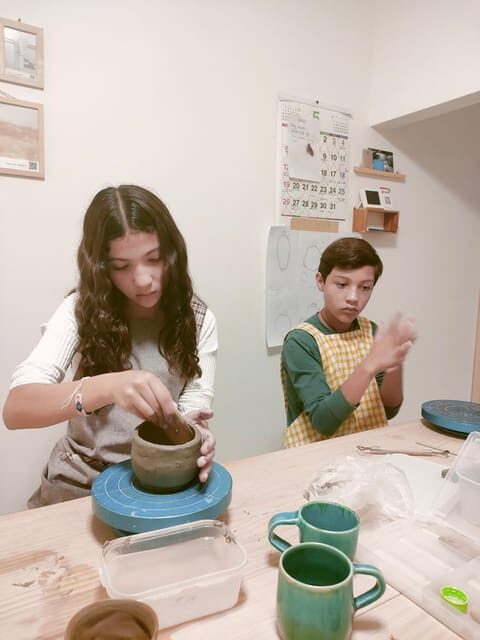
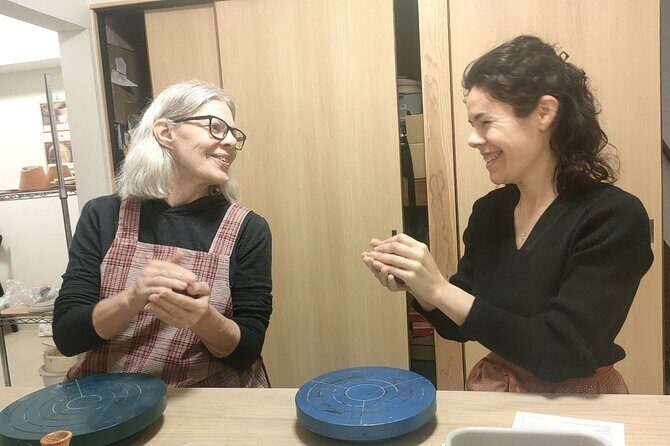
The biggest quality-of-life upgrade here is that you’re not in a group squeezed into a schedule. This is a private group workshop, so you can ask questions without feeling like you’re slowing everyone else down.
Anna brings both technique and context. She has studied ceramics making in Osaka and Barcelona, and that background shows up in how she explains process—hands-on guidance plus cultural framing.
What that looks like in real time:
- You’ll get a step-by-step workflow for shaping and assembling your chosen piece
- You’ll talk about Japanese culture through ceramics, including connections to Japanese cuisine
- You’ll get help picking a direction for decoration so your work doesn’t feel random
Your language options matter too. The class is offered in English, Spanish, or Catalan, plus Japanese. The experience is unusual in that it’s specifically available in these non-Japanese languages. That makes it a smart choice if you want the craft plus cultural conversation without having to rely on guesswork.
If you’re someone who likes calm activities after a full day of sightseeing, this workshop can feel genuinely restful. Between the clean studio setup, the steady guidance, and the quiet focus of handwork, it’s the kind of activity that makes your trip feel balanced.
The Walk, the Pace, and Practical Studio Etiquette
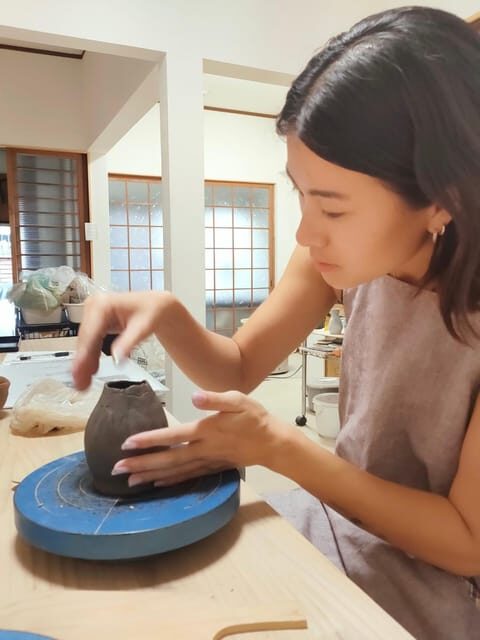
The workshop is designed around a simple schedule: meet at Teradachō Station, walk to the studio, create, then finish with gift and next steps.
Pace is a big deal here. Because it’s private, you’re not forced into fast production. Instructions land better when you have time to ask, adjust, and try again. That’s especially helpful for clay, which doesn’t forgive rushed decisions.
Timing matters for logistics. If you’re going to be more than 15 minutes late, you’ll need to contact the team, because being late beyond that is considered a no-show. Osaka is easy to navigate, but stations can still swallow time if you miss an exit—so give yourself margin.
The studio also provides what you need to work safely and comfortably: materials, tools, and guidance. You’re responsible for getting there, but once you arrive, the process is supported.
What You Take Home: Finished Piece Plus a Sakura Gift
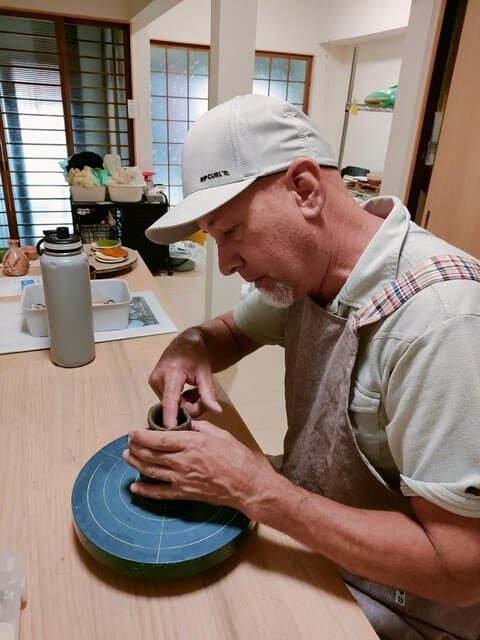
Here’s where the value gets very clear. Your price includes:
- The instructor
- Materials (Shigaraki clay and typical Japanese glazes)
- A finished ceramic product
- Pickup from Teradachō Station
- A handcrafted gift
The parting gift is especially nice because it’s not just a token. You’ll receive a small dish with a traditional Japanese pattern plus a Sakura-shaped chopstick holder, made by your instructor. That means even if you’re trying to travel with limited luggage, you still come away with something crafted and Japanese-looking.
Shipping your pottery (plan ahead)
If you want your made piece sent home, you can request shipping. The timeline is about 1 month and a half, and shipping costs aren’t included.
That’s not a deal-breaker, but it does change your planning. If you need the pottery in your hands before you leave Japan, you’ll want to ask how pick-up works versus shipment. If you’re okay waiting for a post-trip delivery, shipping can be a smart way to avoid carrying fragile items.
Price and Value: Is $96 Worth It?
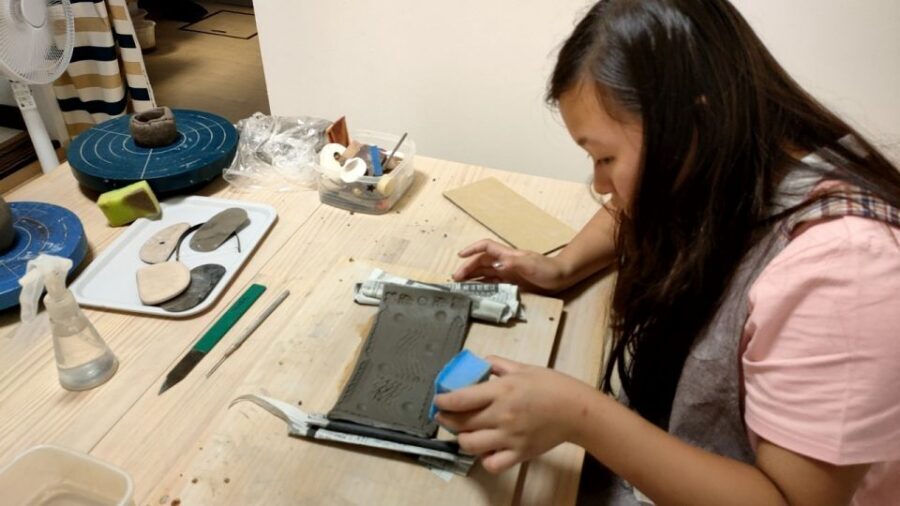
At $96 per person for a 2-hour private workshop, you’re paying for more than clay time. You’re paying for:
- Private attention (not a rushed group)
- Materials and instruction
- Pickup from Teradachō Station
- A finished ceramic piece
- A separate instructor-made gift (sakura chopstick holder plus a small patterned dish)
In practice, this format often beats the DIY feel of cheaper craft options because you get real guidance and a cultural explanation tied to the materials you’re using. If you want a souvenir you can actually use—rather than something you’ll move to a shelf and forget—this is one of those experiences that tends to hold value.
If you’re only looking for quick photos, you might find it slow. But if you like learning a skill you can describe clearly in conversation, the price looks fair fast.
Who Should Book This Osaka Ceramics Workshop
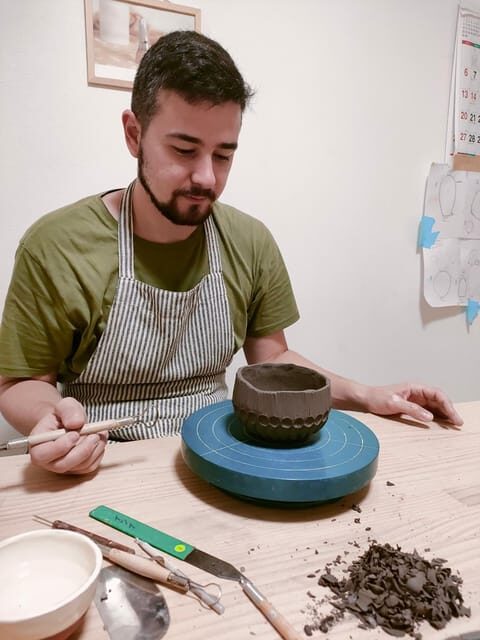
This workshop fits best if you:
- Want a hands-on souvenir instead of a shopping spree
- Prefer private, patient instruction
- Like food-related Japanese culture (sake, sushi, tea)
- Speak English, Spanish, Catalan, or Japanese and want real conversation, not just gestures
It may not fit if:
- You need something for very young kids. It’s not suitable for children under 5
- You’re not willing to plan around firing/finishing and possible shipping timing
- You’re often late (the 15-minute rule is strict)
Should You Book Ceramics Tocoton in Osaka?
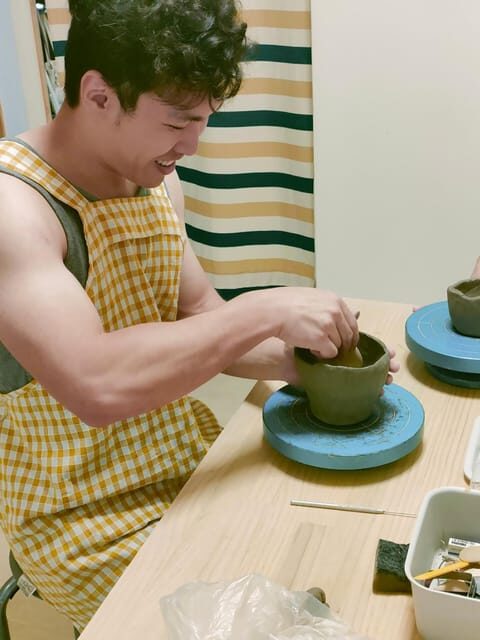
I think you should book this if you want a true Osaka experience that’s still easy to do. The station pickup, the walk to a local-feeling studio, and the private instruction make it feel organized without feeling like a factory. The choice of making a sake set, sushi set, or chawan helps you end with something that matches your interests, not someone else’s template.
If you want one craft class that combines skill, Japanese food culture, and an actual take-home gift, this workshop is a strong bet. Just plan for timing and shipping if you choose to send your pottery home.
FAQ
How long is the Osaka ceramics private experience?
It lasts 2 hours.
Where do I meet the guide?
Meet at JR Teradachō Station’s north exit. Look for the guide holding a sign for Ceramics Tocoton.
What can I make during the workshop?
You’ll create one ceramic item/set: a sake set (small bottle and glass), a sushi set (sushi plate and chopstick holder), or a chawan for tea.
Does the class include materials and instruction?
Yes. The experience includes the instructor, materials (including clay from the Shigaraki area and typical Japanese glazes), and a finished ceramic product.
Is the class private?
Yes. It’s offered as a private group experience.
What languages are available?
The workshop is available in English, Catalan, Spanish, and Japanese.
Is pickup included?
Yes. Pickup from Teradachō Station is included.
Do I receive a souvenir gift even if I ship my pottery?
Yes. The experience includes a parting gift: a small dish with a traditional Japanese pattern and a Sakura-shaped chopstick holder made by your instructor.
Can the pottery be shipped home?
Yes, if desired. It takes about 1.5 months to ship. Shipping costs are not included.
What’s the late policy?
If you’re going to be more than 15 minutes late, contact the team. Being more than 15 minutes late will be considered a no-show.
What’s the cancellation policy?
You can cancel up to 24 hours in advance for a full refund.