REVIEW · TAKAYAMA
Japanese Cooking Class with Local Family in Takayama Old Town
Book on Viator →Operated by Hisa Takayama Private Tour Guide · Bookable on Viator
Cooking in a real Takayama home feels different. You get welcomed into a 200-year-old townhouse on the Old Town main street, then cook a full seasonal meal with Hisa and Bob in a kitchen that feels like it belongs to the family—not a tour company.
I especially love the access to their historic spaces, including a home that used to function like a local clinic. And I like that the class is genuinely hands-on: you learn core home-cooking techniques, make dashi from scratch, and cook five seasonal dishes tailored to what you want to eat.
One consideration: it’s three hours in a real home setup, so it’s more structured than a casual food walk. Wear comfy clothes for apron-on cooking, and plan to follow their flow rather than expecting lots of free roaming.
In This Review
- Key things that make this class worth your time
- Inside a 200-year-old townhouse on Takayama’s main street
- Tea, wagashi, and the rhythm of seasonal home cooking
- Aprons on: a practical look at dashi and core ingredients
- Cooking five seasonal dishes in one smooth 3-hour flow
- Learning tools, not just recipes
- Dessert of fresh fruit, Japanese-style
- Lunch at 10:00 or dinner at 4:30: pick the slot that matches your day
- Price and value: is $211.37 really fair?
- Who this fits best (and who might want something else)
- Should you book this Takayama cooking class?
- FAQ
- How long is the Japanese cooking class?
- Is lunch included, or is it only dinner?
- What will I learn to cook during the class?
- Can the menu accommodate dietary restrictions or requests?
- Are alcoholic beverages included?
- Where is the meeting point?
- Is this tour private or shared with other groups?
- When will I receive confirmation after booking?
- Is cancellation free if plans change?
Key things that make this class worth your time
- 200-year-old wooden townhouse in Takayama Old Town with family stories built into the visit
- Tea and wagashi at the start, setting a calm pace before you cook
- Semi-outdoor kitchen cooking in the way meals were prepared in past generations
- Dashi from scratch plus ingredient walkthroughs you can actually use later
- Five seasonal dishes adjusted to your preferences and restrictions
- English-speaking hosts, Hisa and Bob, with help from the family along the way
Inside a 200-year-old townhouse on Takayama’s main street
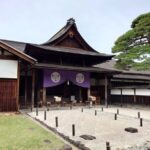
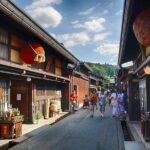
This experience starts in the kind of place you rarely see as a visitor. The home sits on 93 Kamisannomachi in Takayama’s Old Town, right on the main street, yet stepping inside feels quiet and protected from the crowds outside.
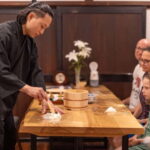
Hisa and Bob guide you through the spaces of a wooden townhouse that’s been in the family for generations. One of the most interesting details is how the house was once used as a clinic, where many babies were born. Even if you’re not a history person, this context changes how you see the rooms: it turns a building into something personal, lived-in, and practical.
This is also where the class gains extra value. Because you’re not just watching cooking, you’re learning where the ingredients and routines fit into daily life in the Hida mountains.
You can also read our reviews of more tours and experiences in Takayama.

Tea, wagashi, and the rhythm of seasonal home cooking
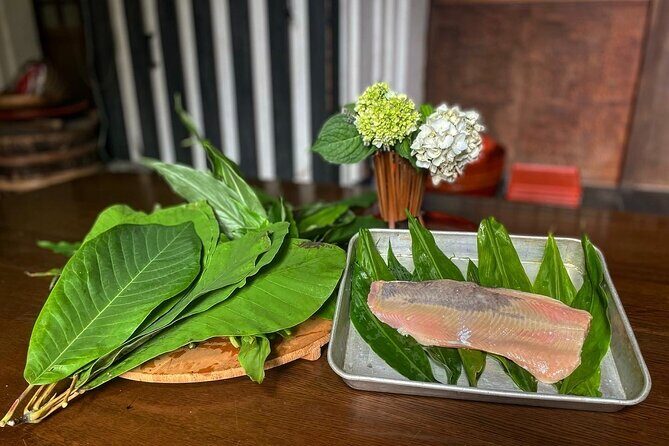
Before you touch a knife or pan, you’re welcomed with Japanese tea and delicate wagashi (traditional sweets). It’s a small moment, but it helps you switch gears from tourist mode to home mode fast.
Then the hosts walk you through how Japanese home cooking works—especially what changes with the seasons. The key idea here is that Japanese cooking isn’t only about recipes. It’s about choosing ingredients at the right time and using techniques that respect flavor balance, not just heat or salt.
You’ll also get the chance to tell them what you’d like to focus on and any dietary needs. The hosts explicitly say they’re happy to accommodate requests as much as possible, so this is a good pick if you’re picky, avoiding certain foods, or traveling with restrictions.
Aprons on: a practical look at dashi and core ingredients
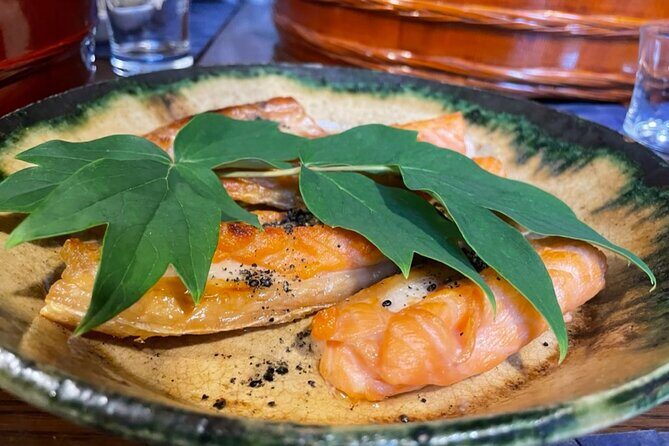
After the intro, you’ll put on a traditional apron and step into the semi-outdoor kitchen. This is one of my favorite parts of the concept, because semi-outdoor cooking gives you the communal feel of older Japanese kitchens while still being comfortable enough for a class setting.
You’ll learn to make dashi, which is the foundation for so many Japanese flavors. Even if you’ve eaten Japanese food before, dashi is where the whole system clicks: you understand why broth matters, how it tastes, and how it supports other seasonings.
From there, the hosts guide you through key ingredients and cooking techniques. A repeated theme across classes like this is that the lesson sticks because you’re not only told what to do—you’re shown, then you do it with help nearby.
A bonus here is the setting: the hosts (Hisa and Bob) are both fluent in English, so you’re not piecing things together through gestures. That makes the technical bits easier to remember later when you try to cook at home.
Cooking five seasonal dishes in one smooth 3-hour flow
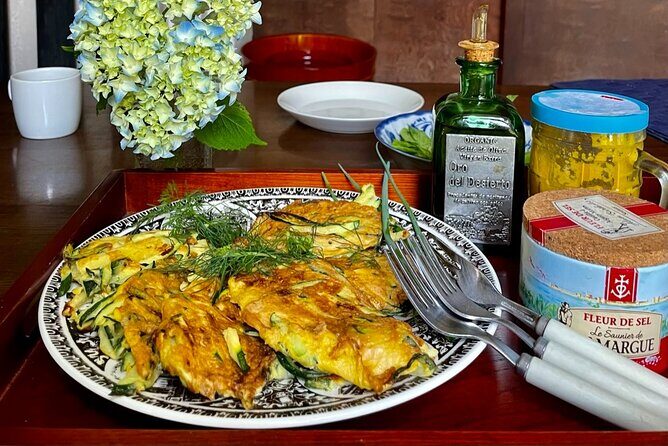
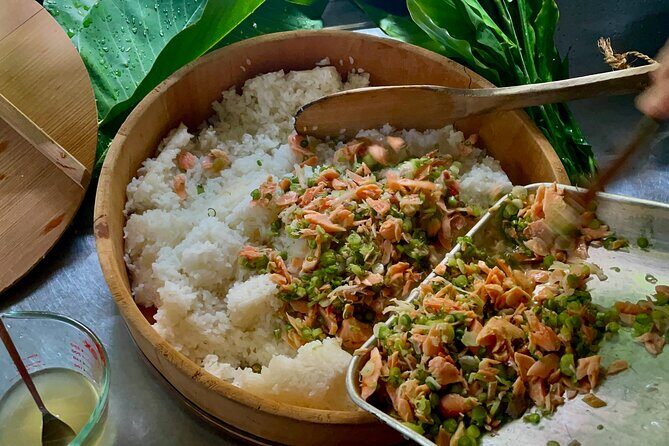
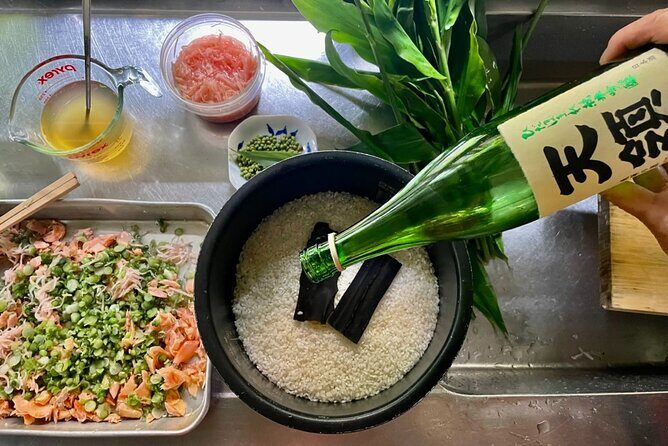
The heart of the class is the meal itself. Together, you’ll cook five seasonal dishes tailored to your preferences, plus a dessert of fresh seasonal fruit prepared in a uniquely Japanese style.
Because the menu adapts, it helps to think of the class as a framework rather than a fixed checklist. Based on what people have experienced, you may see techniques and dishes like:
- sushi-style items and rice work
- tempura or gyoza-style cooking
- tofu and other staple ingredients
- Japanese omelette techniques
- grilled or plated meat (depending on season and menu choices)
- fish preparation, using ingredients that fit regional style
The exact mix can vary, but the learning goals stay consistent: you work step by step, learn tools and methods used in a real home kitchen, and build a full meal so you understand how everything tastes together.
This “cook the whole thing” approach is where the class feels more valuable than a quick tasting tour. You leave with muscle memory for techniques, not just a few photos of plated food.
Learning tools, not just recipes
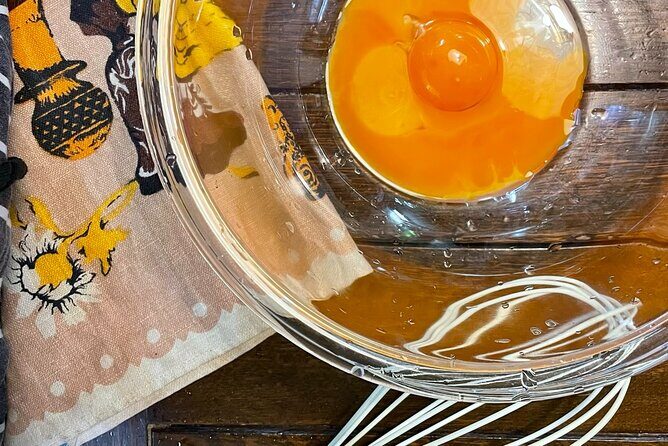
One thing I look for in any cooking class is whether it teaches transferable skills. Here, you’ll learn how traditional tools and techniques fit into the workflow of home cooking.
In a real Japanese home kitchen, you don’t separate “learning” from “doing.” The hosts guide you through each stage—rice prep, simmering or frying steps, seasoning timing, and how to get the right textures—while you’re actively making the dishes.
In plain terms: you’ll understand what to watch for while cooking. That’s what helps when you try to reproduce the meal later, even if your pantry doesn’t match a Japanese market exactly.

Dessert of fresh fruit, Japanese-style
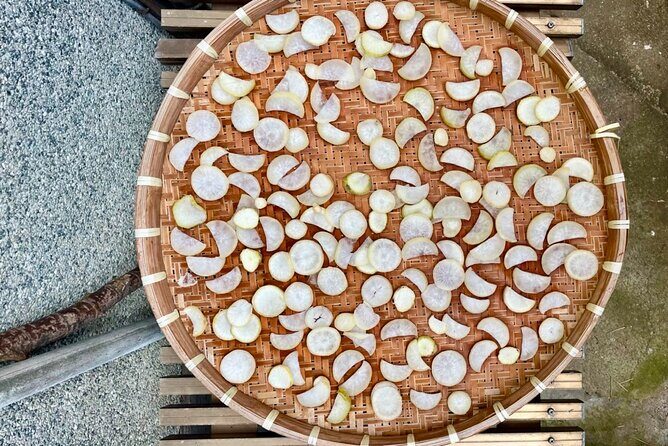
You finish with fresh seasonal fruit prepared in a Japanese style. It’s a nice counterpoint to a meal that’s likely savory and warm.
Even without a long explanation, the fruit course does something important: it shows a typical Japanese pattern of ending with something light, seasonal, and clean-tasting. It also makes the meal feel complete rather than like you stopped at the last “main” dish.
If you’re the type who likes to eat everything on the table instead of saving room for dessert you’ll pay for later, this is a strong win.
Lunch at 10:00 or dinner at 4:30: pick the slot that matches your day
This class comes in two main timeframes:
- 10:00 AM slot includes lunch
- 4:30 PM slot includes dinner
That matters because Takayama’s Old Town is best enjoyed with a rhythm. If you want to wander after, the lunch slot can be a smooth start to your afternoon. If you want an evening anchor, the dinner slot fits well with slower pacing.
The class itself runs about three hours, so you’re not committing half your day. You also get a full meal during that window, which helps you avoid the common “cooking class then hunger immediately after” problem.
Price and value: is $211.37 really fair?
At $211.37 per person, this isn’t a budget activity. But when you look at what’s included, the value starts to make sense.
You’re paying for:
- private access to a family townhouse that’s normally closed to the public
- a hands-on class with English-speaking hosts
- a multi-dish seasonal meal (five dishes plus dessert)
- tea and snacks at the start
- a group format where you’re not sharing the kitchen space with strangers
Also, the class is booked on average about 49 days in advance, which usually signals demand. If you want a specific day or time slot, plan ahead so you’re not stuck trying to fit it around everything else.
Alcoholic beverages are not included. If you want to try sake as part of the experience, ask in advance so expectations are clear. (The hosts have been known to offer local sake pairings, but it’s best to confirm what’s possible for your date.)
Bottom line: this price feels fair if your goal is an actual home meal and cultural context, not just a few bites and a quick demo.
Who this fits best (and who might want something else)
This class is ideal if you want:
- a small, personal experience with a local family in Takayama
- a deeper connection to how people cook at home in the Hida mountains
- hands-on practice with key techniques like dashi
- help tailoring the menu for your tastes and restrictions
It may be less ideal if you prefer large-group entertainment, super flexible timing, or a meal that’s mostly sightseeing with occasional food. This is cooking first, home visit second, and it works best when you’re ready to participate.
Should you book this Takayama cooking class?
Yes, if you like food that comes with context and you want to spend time inside a real Japanese home setting. The combination of historic townhouse access, English-speaking hosts (Hisa and Bob), and a full five-dish seasonal meal makes it one of the more memorable things you can do in Takayama without it turning into a generic “tour stop.”
If you’re traveling in a small group and you can handle a three-hour block in a home kitchen, book it early and tell them your preferences ahead of time. That’s the trick that turns a great class into a personal one.
FAQ
How long is the Japanese cooking class?
The class runs for about 3 hours.
Is lunch included, or is it only dinner?
There are two time slots. The 10:00 AM slot includes lunch, and the 4:30 PM slot includes dinner.
What will I learn to cook during the class?
You’ll cook five seasonal dishes with guidance from the hosts, starting with making dashi and learning about key ingredients.
Can the menu accommodate dietary restrictions or requests?
Yes. You can write your requests on food preferences and restrictions, and the hosts say they’re happy to accommodate as much as possible.
Are alcoholic beverages included?
No. Alcoholic beverages are not included.
Where is the meeting point?
Meet at 93 Kamisannomachi, Takayama, Gifu 506-0846, Japan.
Is this tour private or shared with other groups?
It’s private. Only your group participates.
When will I receive confirmation after booking?
Confirmation is sent within 48 hours of booking, subject to availability.
Is cancellation free if plans change?
Yes. You can cancel for a full refund if you do it up to 24 hours before the experience’s start time.