REVIEW · TOKYO
Tokyo: Dark Side of Tokyo Shinjuku Red Light Walking Tour
Book on GetYourGuide →Operated by Localized Walking & Food Tours · Bookable on GetYourGuide
Neon Tokyo has a darker edge. This 2-hour walk through Shinjuku after dark is built around Kabukicho’s lights, alley culture, and the LGBTQ nightlife scene. I like the way it balances street-level fun with context, not just photo stops.
What I really enjoyed is the route itself: you go from Omoide Yokocho to Kabukicho, then on to Golden Gai, with a shrine stop that feels like a reset button in the middle of all that neon. I also love the food guidance—guides tend to steer you toward simple, local meals and easy places to continue after the tour.
One drawback to plan around: the meeting point can be tricky to find on your first day in Tokyo, and the tour does not wait for late arrivals. If you’re even slightly unsure about Shinjuku Station, give yourself extra time.
In This Review
- Key points I’d circle before you go
- Shinjuku at night is a different city
- Meeting in Shinjuku Station: the East Exit Police Box is your friend
- Kabukicho walk for the first 40 minutes: neon, alleys, and the LGBTQ nightlife vibe
- Omoide Yokocho: the alley snack culture stop
- Golden Gai: tiny bars, big personality, and careful guidance
- Hanazono Shrine: a calm reset inside the neon storm
- 2 Chome: understanding the neighborhood around the nightlife
- Food and drink recommendations: how the guide helps you keep the night going
- Who should book (and who should skip)?
- Price and value: $29 for a guided evening route
- Should you book this Shinjuku night tour?
- FAQ
- How long is the Tokyo Shinjuku dark-side walking tour?
- How much does it cost?
- Where do I meet the guide?
- What languages are the guides?
- Is there an age limit?
- Are alcohol or drugs allowed during the tour?
- What if my plans change?
Key points I’d circle before you go
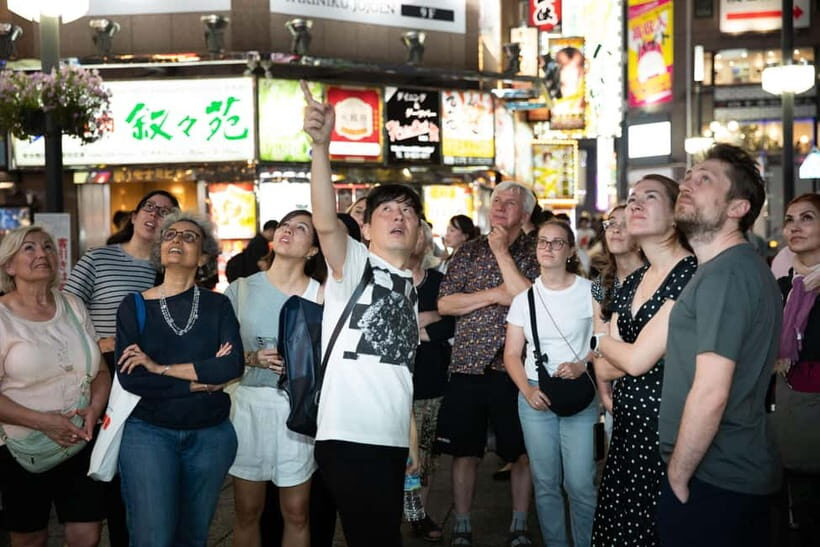
- Two starting-point options at Shinjuku Station, both tied to landmark spots you can actually find
- Omoide Yokocho + Kabukicho + Golden Gai in one evening route, so you don’t waste time zigzagging alone
- A shrine stop (Hanazono Shrine) that gives your night a breather and a little contrast
- Food and drink recommendations are a big part of the guide value, not just sightseeing
- Adult-focused experience (not suitable under 18), and the tour has rules about no alcohol or drugs during the walk
Shinjuku at night is a different city
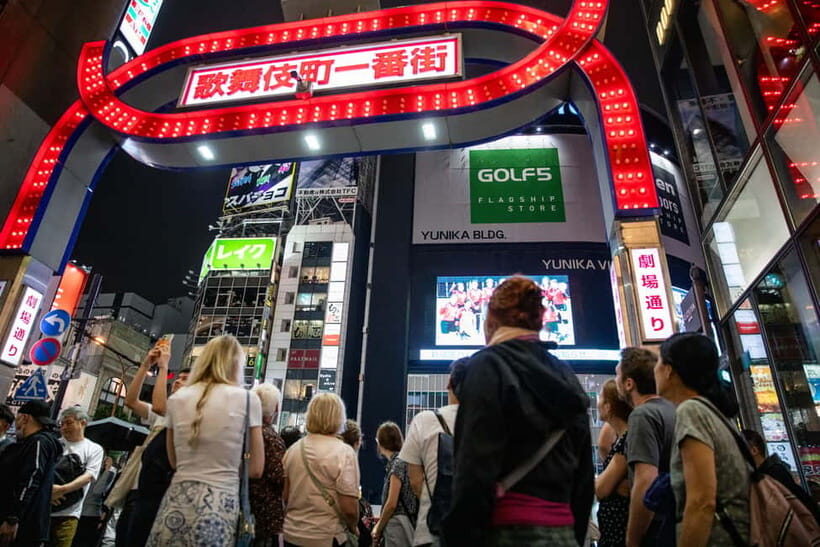
Tokyo day and Tokyo night can feel like two separate worlds. Shinjuku after sunset is where the city gets loud with neon, tight alleyways, and constant motion. That’s exactly why this tour works: you’re walking the entertainment zone while your guide explains what you’re seeing and why it exists.
The tour is centered on Kabukicho, Shinjuku’s best-known nightlife area. But it’s not only about the biggest signs or the busiest streets. You’ll also notice the mix of old and new Japan happening side by side—small alleys and tiny bar fronts next to big commercial buildings, all under the same electric glow.
I also appreciated that the tour is framed as the dark side in a practical way. You’re not being taught to chase shock value. You’re getting context for how Japan’s nightlife has developed, how districts like this evolve over time, and how locals treat these streets as part of everyday city life.
You can also read our reviews of more walking tours in Tokyo
Meeting in Shinjuku Station: the East Exit Police Box is your friend
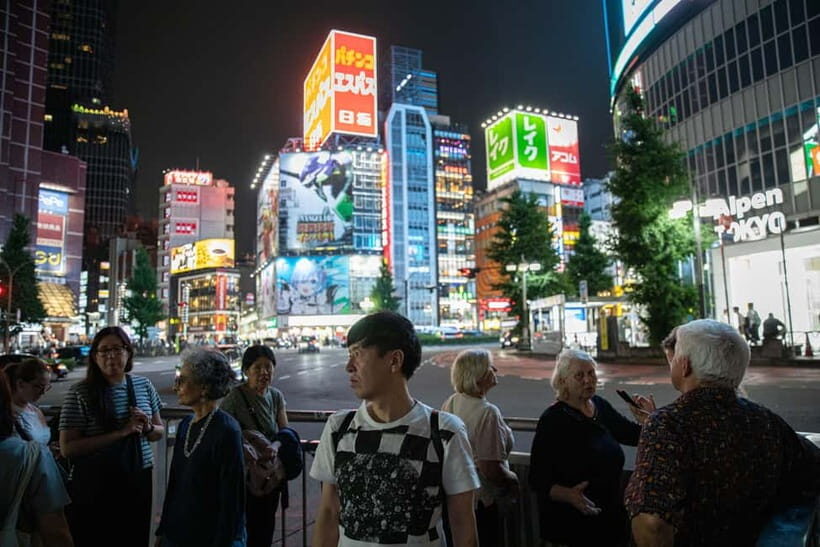
Logistics are half the success here. The tour has two possible starting locations:
- Shinjuku Tourist Information Center, Shinjuku Station East Exit Police Box area
- Shinjuku Station East Exit Police Box
Either way, the most important detail is simple: don’t be late. Shinjuku Station is one of the biggest stations on Earth, and the meeting point area can be confusing when you’re new to Tokyo. Your best strategy is arriving early enough to walk the last few minutes calmly, not power-walking and guessing.
Also, the tour has a short guided orientation at the start (about 10 minutes from the meeting point option). That means if you miss the group, you miss the momentum. If you tend to run late, you’ll want to plan a buffer for train exits, street crossings, and finding the exact spot.
Kabukicho walk for the first 40 minutes: neon, alleys, and the LGBTQ nightlife vibe
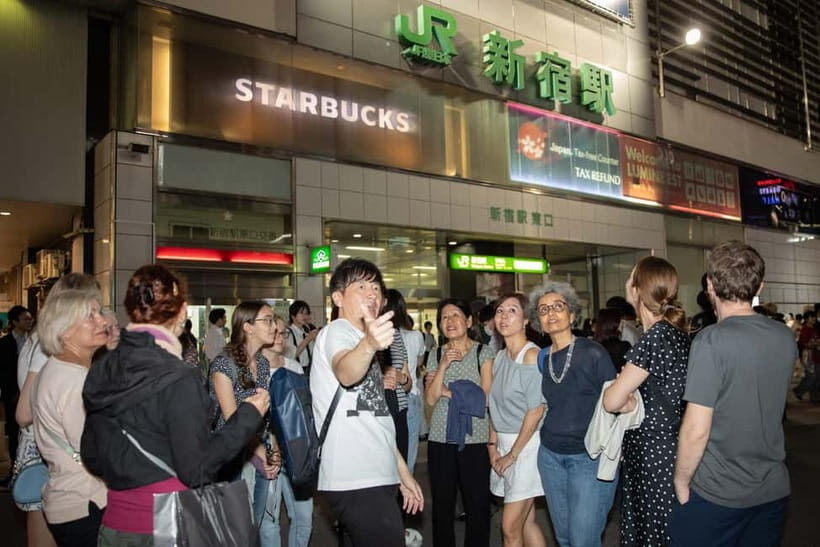
Kabukicho hits fast. During the main stretch, you’re guided through narrow lanes and busy entertainment streets where the signs are bright enough to read like a second language. This is where you’ll feel the district’s personality—loud storefronts, late-night energy, and the sense that the city is performing for itself.
A key part of the experience is how your guide reads the neighborhood for you. Instead of just pointing at what’s visible, they explain the district’s cultural significance and how it shifted over the years—from its red-light roots into today’s broader entertainment mix.
You’ll also get street-level guidance that matters in an area like this. Your guide helps you understand what you’re walking past and how to move through it without feeling lost or awkward.
Two things make this segment especially good value:
- You’re getting a route you wouldn’t choose easily on your own, because the streets are busy and the area is easy to misread from the outside.
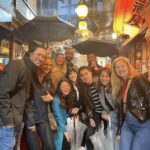
- The tour adds a human layer—guides often keep the night light with jokes and conversation while still sharing real context. Names you might recognize from past groups include guides like Dani, Gray, Loc, Huy, and Polina, all of whom are described as fun, engaging, and quick to answer questions.
Omoide Yokocho: the alley snack culture stop
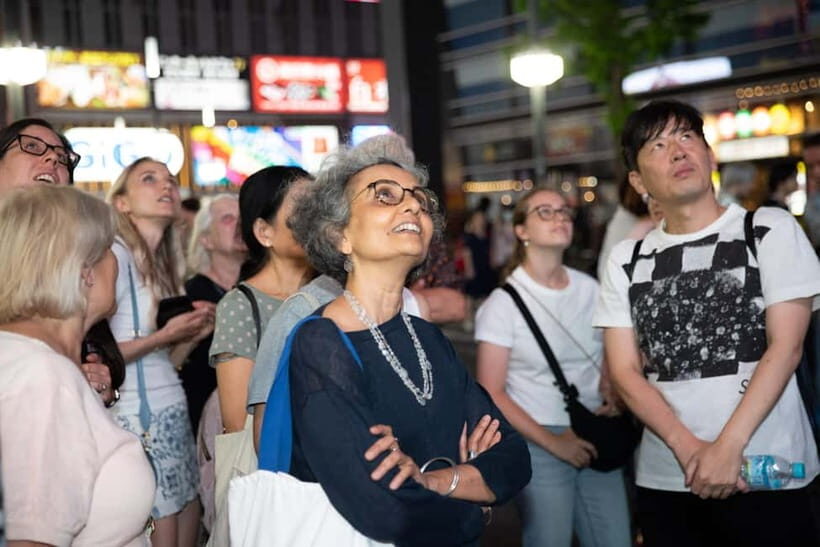
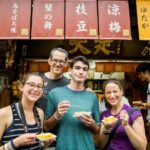
One of the most memorable segments is Omoide Yokocho. This is the kind of place where Tokyo feels tactile: narrow space, strong smells of cooking, and that “everyone knows this corner” feeling. Even if you’re not hunting a meal in that exact moment, it’s the best kind of stop because it shows how nightlife districts work on a practical level.
This stop also sets up what comes next. You learn how the entertainment zones connect: from tight, informal alley culture to bigger nightlife areas with more obvious visibility. Your guide can point out what makes Omoide Yokocho distinct—its style of dining and how the street structure shapes the whole experience.
If you like eating while you travel, this is one of the best places to slow down and pay attention. And if you don’t, don’t worry—you can still enjoy it as a cultural snapshot. Just keep your expectations realistic: this isn’t a museum stop. It’s an active alley, so go with the flow.
Golden Gai: tiny bars, big personality, and careful guidance
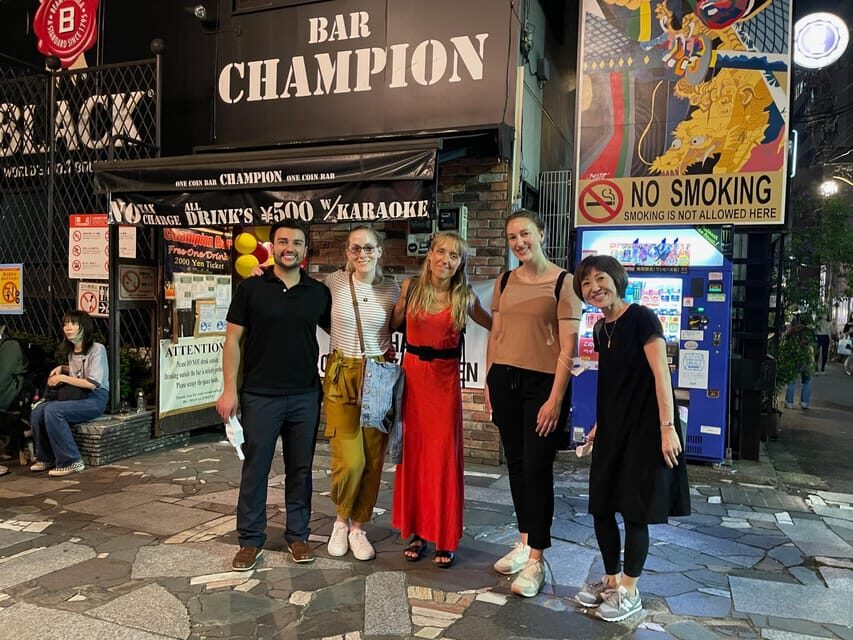
Then the tour shifts to Golden Gai, another Shinjuku institution. If Kabukicho is about volume and signage, Golden Gai is about small spaces and strong individuality. The bars here tend to be compact, and that changes how the whole district feels. It can look chaotic from a distance, but up close it’s organized by people and habits.
This is one of the best parts of the route because it gives you contrast. You see how the same neighborhood can offer totally different types of nightlife experiences, from larger streets to micro-venues. And since the tour is guided, you’ll be less likely to stand around wondering what’s going on.
Golden Gai is also where your guide’s storytelling really helps. In past experiences, guides like Loc and Huy are praised for explaining the background of the districts and answering questions so the place makes sense, not just looks cool.
One practical note: you’ll likely want to keep moving at the pace the guide sets. These lanes can get tight, and it’s easier to enjoy when you’re part of the flow.






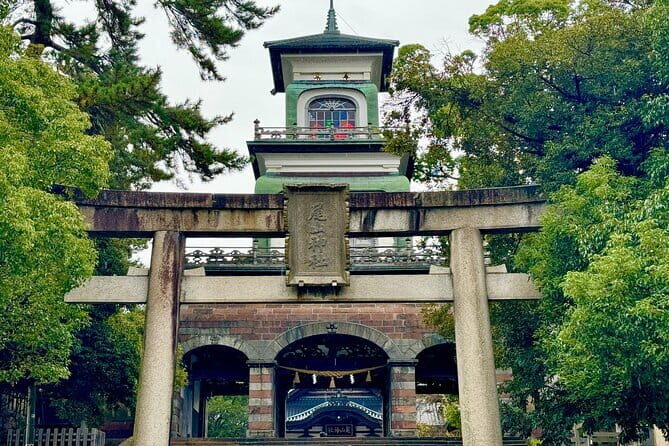
Hanazono Shrine: a calm reset inside the neon storm
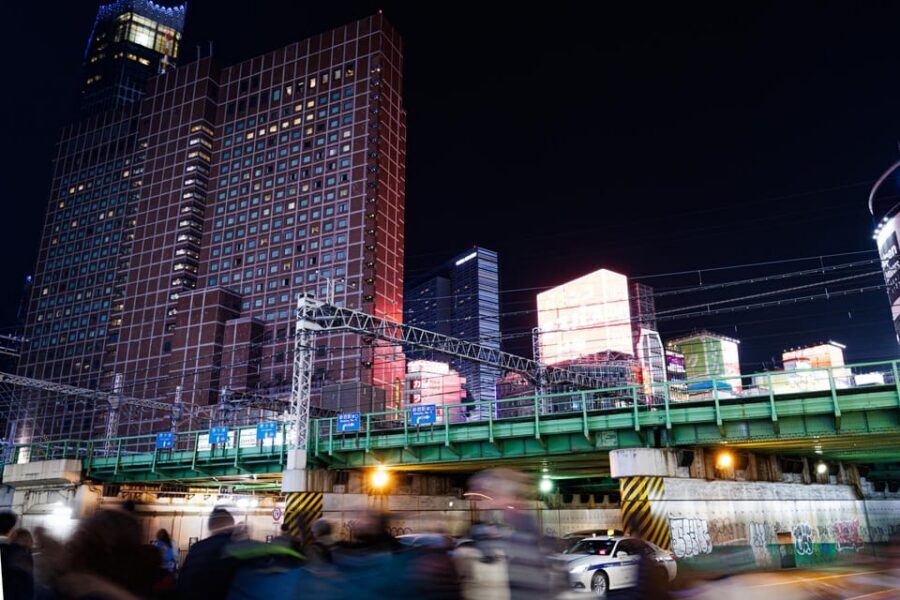
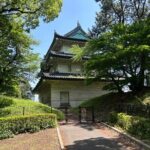
Next comes Hanazono Shrine. It’s a short stop, but it does something valuable: it breaks the rhythm.
In a district tied to nightlife, a shrine stop can feel like a gentle contradiction—in the best way. You’re reminded that this is still Tokyo, still a lived-in city, not only a theme park. If the neon is getting a bit too intense, this is where you catch your breath, look around, and recalibrate.
Even if you’re not a shrine expert, it’s worth taking a moment here. Your guide’s job is partly to explain what you’re seeing and partly to help you understand why it matters in the overall district story.
2 Chome: understanding the neighborhood around the nightlife
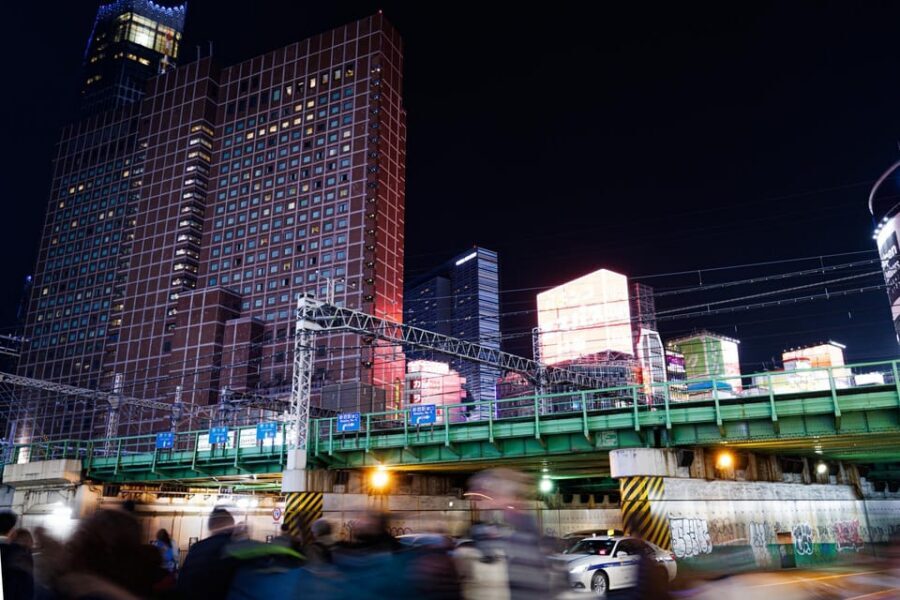
The last notable area in the walk is 2 Chome. This is where you start to see how nightlife sits inside a real neighborhood rather than floating above it. You’ll get a guided look that ties the bigger entertainment zones to the surrounding streets and daily city layout.
This segment is useful if you want your trip to have legs after the tour. You’ll finish with a better sense of direction and what areas connect to where. That matters because Shinjuku is the kind of place where people can feel like they’re circling endlessly unless they understand the street logic.
The tour wraps with drop-off at Shinjuku Golden-Gai and 3 Chome, depending on the option. So you’re not stuck in some remote zone. You end where nightlife planning already makes sense.
Food and drink recommendations: how the guide helps you keep the night going
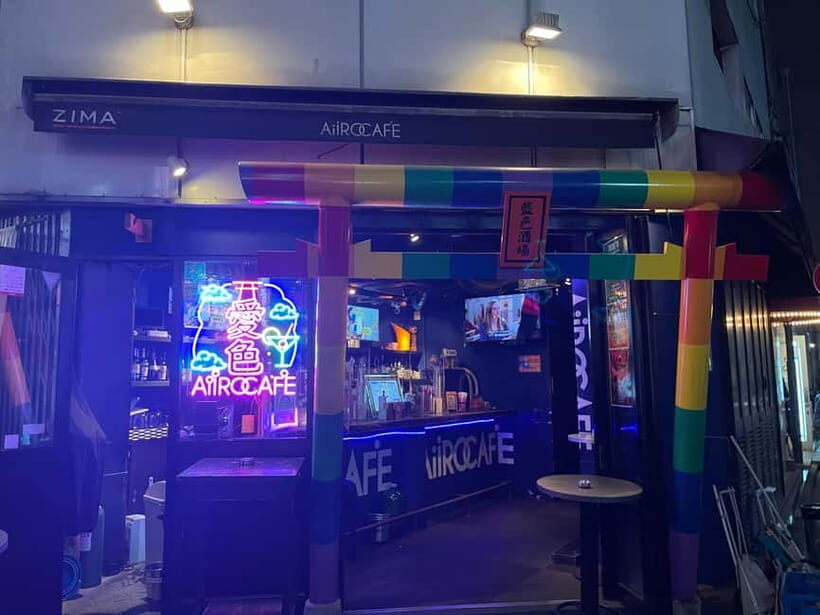
No one should pretend this tour is a food tour with a set menu. But food and drink advice is clearly part of the point. Guides are described as giving recommendations, and those suggestions often land right after key stops.
In particular, people have mentioned things like:
- An okonomiyaki restaurant suggestion early in the evening (linked to a guide named Dani)
- Ramen recommendations afterward, including a mention of sari Suberi tied to a guide (Loc)
So when you book, plan like this: you’ll likely get hungry during the walk, and you’ll leave with names and direction you can actually use. That makes the $29 price feel less like paying for a stroll and more like paying for a smart evening plan.
Who should book (and who should skip)?
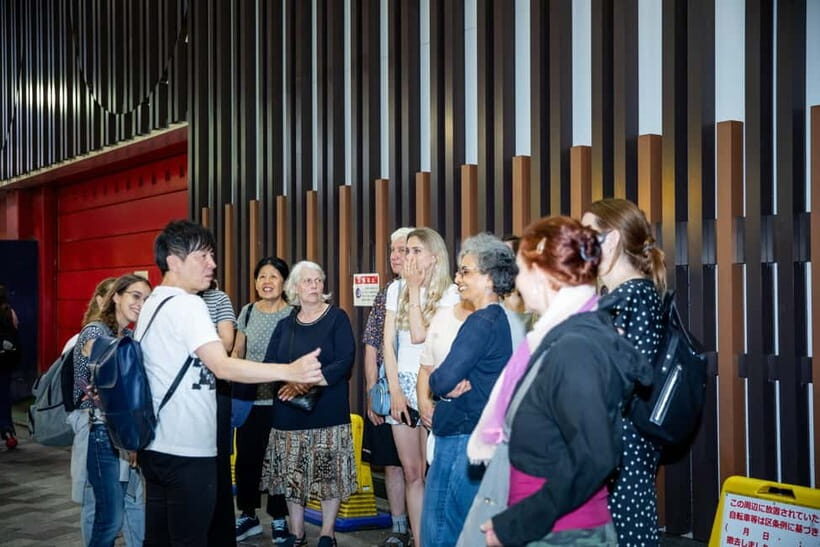
This tour is not suitable for children under 18, so it’s clearly adult-focused. It also has rules: no alcohol and no drugs during the activity. That’s part of how it stays safe and accessible for people with different comfort levels.
You’ll probably love it if:
- You want an orientation to Shinjuku’s nightlife without spending your whole evening wandering in the wrong direction
- You’re curious about LGBTQ nightlife culture and how entertainment districts evolve in Tokyo
- You like questions and conversation, not just silence and photos
You might want to skip or be extra cautious if:
- You’re uncomfortable with a red-light district context, even with guidance
- You don’t handle crowded stations well and might struggle with finding the meeting spot on time
Price and value: $29 for a guided evening route
At $29 per person for about 2 hours, the value comes from three things:
- A local guide who helps you read the district instead of treating it like neon wallpaper
- A set route that hits the key areas people usually over- or under-shoot
- Food recommendations that help you continue the night without wasting time searching
Tokyo walking tours can range widely in price, and what you’re paying for here is not a fancy vehicle or a long lineup of stops. You’re paying for direction, context, and the kind of practical guidance that saves stress in a place like Shinjuku.
Should you book this Shinjuku night tour?
Book it if you want a guided way to see Kabukicho and nearby nightlife corners with context, plus solid food leads for after the walk. It’s a good “first night in Shinjuku” kind of tour because you’ll understand the street logic and where to head next.
Skip it if you’re nervous about adult nightlife areas, hate crowds, or think you’ll struggle to find the meeting point on time. The tour is strict about not waiting for late arrivals, and Shinjuku Station punishes slow-moving plans.
If you’re the kind of traveler who likes learning what you’re actually walking through, this is a straightforward, good-value way to do Shinjuku after dark.
FAQ
How long is the Tokyo Shinjuku dark-side walking tour?
The tour lasts 2 hours.
How much does it cost?
The price is $29 per person.
Where do I meet the guide?
The meeting point can vary by option. It’s either at the Shinjuku Tourist Information Center near Shinjuku Station East Exit Police Box, or directly at the Shinjuku Station East Exit Police Box.
What languages are the guides?
The live tour guide is available in Spanish and English.
Is there an age limit?
Yes. It is not suitable for children under 18.
Are alcohol or drugs allowed during the tour?
No. Alcohol and drugs are not allowed.
What if my plans change?
You can get a full refund if you cancel up to 24 hours in advance, and you may see an option to reserve and pay later.