REVIEW · KYOTO
Kyoto Matcha Green Tea Tour
Book on GetYourGuide →Operated by Arigato Travel KK · Bookable on GetYourGuide
Matcha in Uji feels like time travel. I love how this tour strings together World Heritage sights with real tea culture, and I also love that you actually do matcha making (not just tasting). One thing to plan for: the meeting window is strict, and once the tour starts you can’t reach the guide by phone.
You’ll spend your 3 hours with an English-speaking guide in a group limited to 8 people, which keeps the vibe calm enough to ask questions and actually hear the stories. Expect tea fields, the Uji River area, local tea shops, and multiple food stops—then finish with an intimate tasting that brings everything together. If you’re traveling with kids, note that unaccompanied minors aren’t allowed, and children must be with an adult.
In This Review
- Key points at a glance
- Why Uji is the right place for matcha
- Meeting at Keihan Uji station: the smoothest start
- The Uji walking route: temples, riverside calm, and tea-town streets
- Food stops: how the tasting fits with what you eat
- Inside Byodoin Temple and the shrine stops
- Matcha making class: grinding, whisking, and tasting correctly
- Tea-town shopping time: use it to buy matcha, not regret it later
- Guides and group size: why the experience feels personal
- Price and value: is $173 for 3 hours fair?
- Who should book this Kyoto matcha tour
- Should you book Kyoto Matcha Green Tea Tour?
- FAQ
- How long is the Kyoto Matcha Green Tea Tour?
- Where is the meeting point?
- Is hotel pickup included?
- What language is the tour guide?
- How large is the group?
- What’s included in the price?
- Is there a matcha making experience?
- Are unaccompanied minors allowed?
- Is there a minimum drinking age?
- Is transportation included?
Key points at a glance
- Meet at Keihan Uji station: find the entrance spot (not JR Uji), and plan to arrive early for the short grace period.
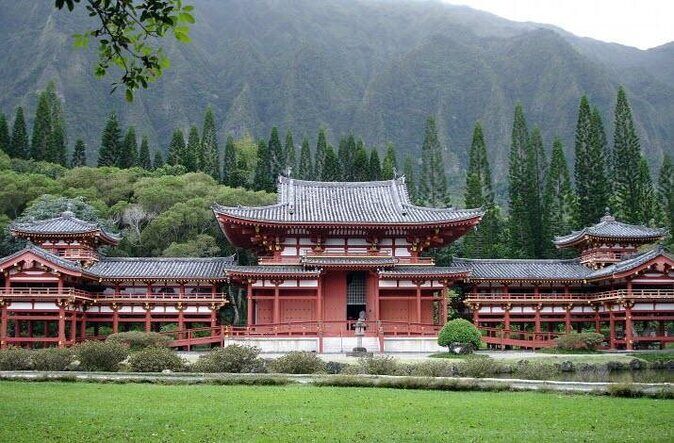
- UNESCO stops in Uji: you’ll visit iconic religious landmarks like Byodoin Temple.
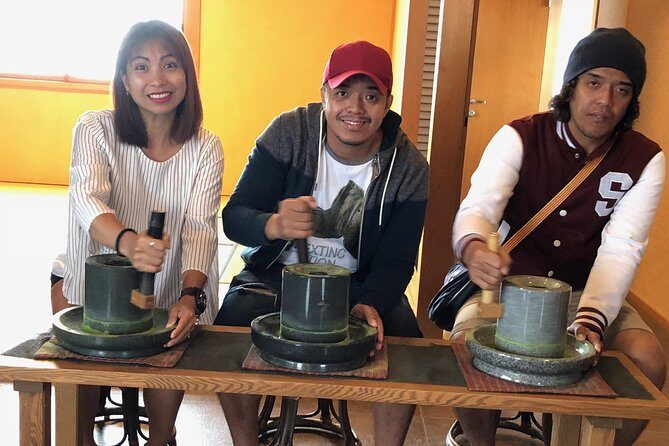
- Hands-on matcha experience: tea grinding plus matcha making and tasting, guided step by step.
- Eat your way through Uji: multiple food stops with local snacks and sweet finishes, including wagashi and matcha ice cream.
- Small group energy: up to 8 participants makes the pace relaxed and questions easy.
- Shopping time included: a built-in window to buy matcha and treats without rushing your day.
Why Uji is the right place for matcha
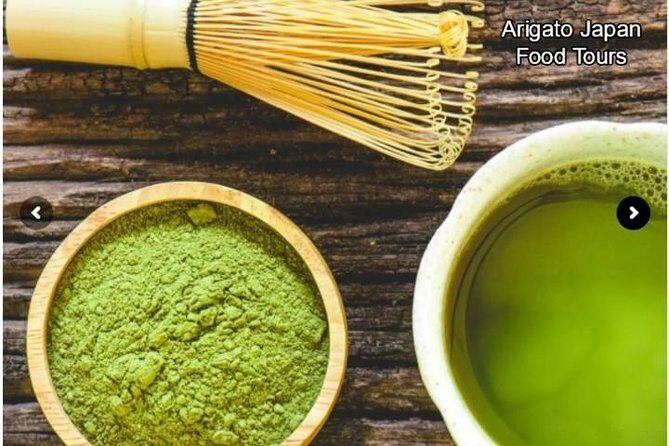
Uji is where matcha stops being a trendy drink and starts feeling like a craft. This tour leans into that idea by pairing tea culture with the town’s religious and historical landmarks. The result is not just tea “as a product,” but tea as something people have built lives around for centuries.
In Uji, even the setting helps. You’ll walk through areas tied to tea growing, linger near the Uji River, and move through quiet streets that feel more local than choreographed. And because the guide tells the “how did this place become matcha’s home?” story, you leave with context, not just a souvenir box.
You can also read our reviews of more tours and experiences in Kyoto.



Meeting at Keihan Uji station: the smoothest start
Logistics can make or break a short tour, and this one is only 3 hours. You meet at the entrance of Keihan Uji station (宇治駅), and that matters: it’s not JR Uji station. If you’re coming from Kyoto City, the trip is about 40 minutes, so I’d build in extra buffer time—especially if you’re also wrangling luggage or mapping apps.
Here’s the practical part: the guides can wait an additional five minutes after the starting time, then the tour departs. Also, once the tour begins, you can’t get directions or contact the guide on the phone. Translation: if you’re even a little unsure where you are, get yourself to the right station entrance early and wait where you can.
Good news: the small group size helps here. You’re less likely to miss a departure because you’ll be easier to spot at the meeting point when the guide is holding a sign.
The Uji walking route: temples, riverside calm, and tea-town streets
Because this is a 3-hour loop, the pace stays efficient. The goal isn’t to sprint between famous sites; it’s to string them together so each stop explains the next. You’ll cover multiple Uji landmarks and stroll through parts of town that make matcha feel tied to everyday life rather than a single museum stop.
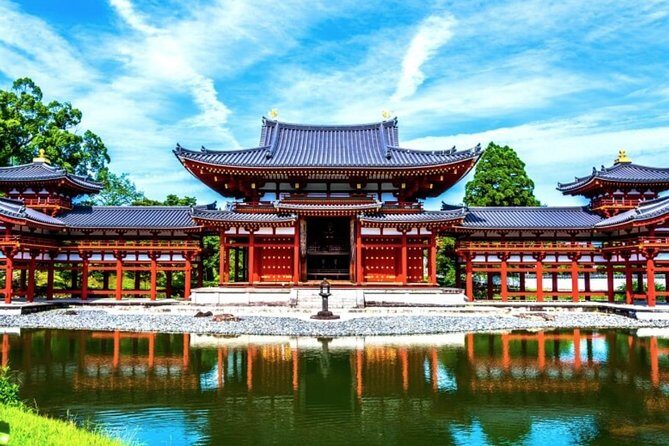
A major anchor is Byodoin Temple. It’s not just a pretty destination—your guide connects it to what made Uji important to Kyoto’s noble families and why religion and daily routine have always overlapped here. Another stop includes a shrine you’ll learn about in a way that goes beyond “it’s old.” You’ll hear what these places meant, and how people approach them.
Then you transition to food and tea spaces. You’re not stuck only indoors. The tour includes walking along the Uji River area and time in local tea shops, so the “taste of matcha” moment doesn’t feel random—it follows your day’s moving story.
Food stops: how the tasting fits with what you eat
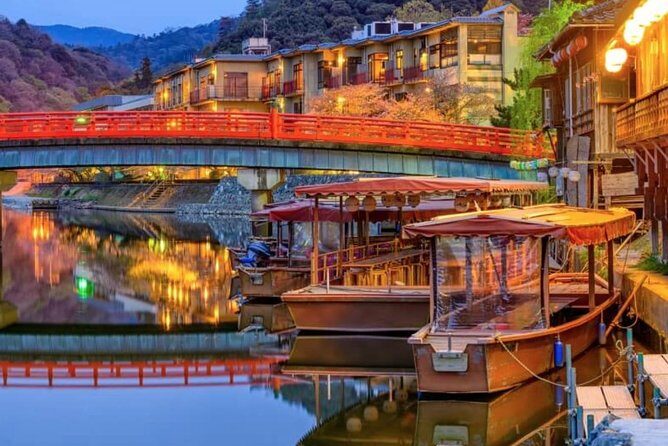
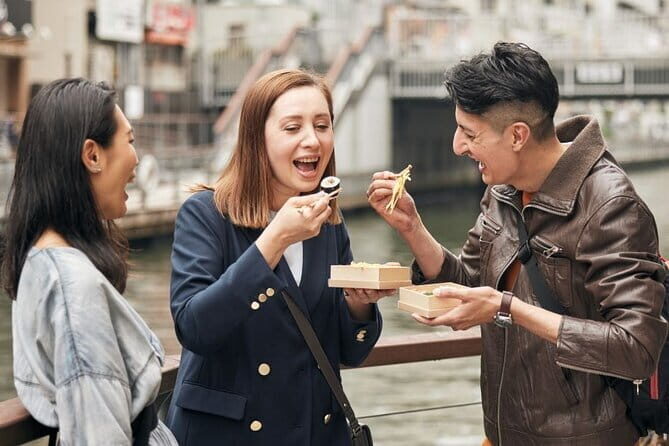
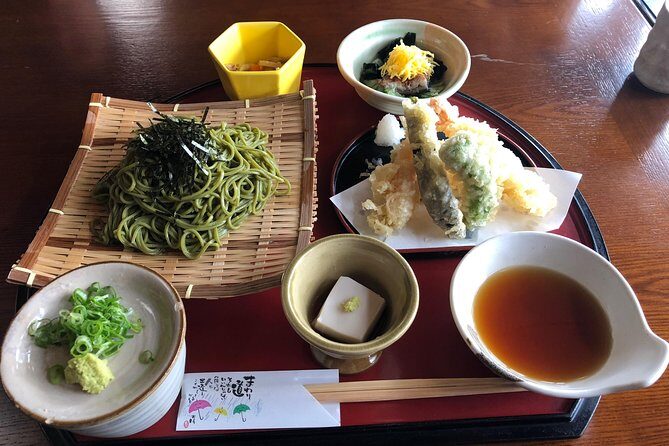
This tour is built around the idea that matcha isn’t just a drink. It’s a flavor that pairs with specific sweets and that changes how you notice texture and aroma. That’s why the experience includes a variety of dishes at multiple food stops—so your tasting isn’t floating in isolation.
You’ll also get specific matcha-themed treats that show up on the schedule:
- Matcha tasting
- Wagashi sweets
- Matcha ice cream
Even without being overly technical, these choices teach your palate. Wagashi tends to shift your focus to sweetness, shape, and subtle balance. Matcha ice cream helps you compare “fresh whisked” matcha flavor with a dessert format—useful because many people only ever try matcha in one way.
A lunch stop is part of the day as well, often centered around local favorites you can eat while taking in the area’s atmosphere. If you’re hungry, this tour does the sensible thing: it feeds you during the walking, instead of leaving you to scramble for food between stops.
Inside Byodoin Temple and the shrine stops
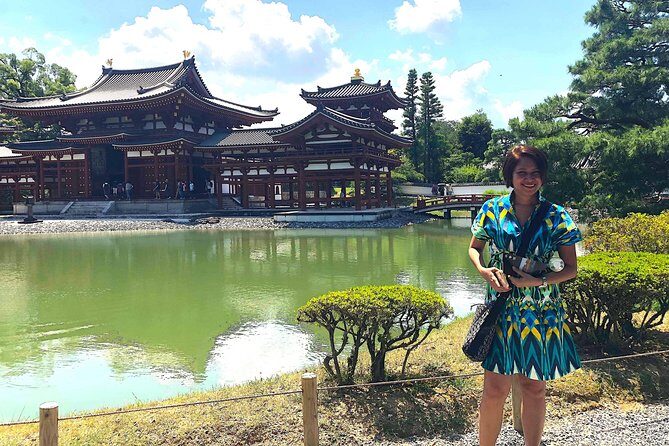
Uji’s religious sites are where the tour’s “why” becomes real. Seeing the landmarks is one thing, but the guide’s explanations are what make it stick—how Uji’s past shaped the town you walk through now, and how people made meaning in places like temples and shrines.
Byodoin Temple is highlighted as a must-see, and it’s easy to see why once you’re there. The experience is more than ticking off a famous name; you’re given context so the architecture and setting feel connected to Uji’s identity. You’ll also get a chance to understand the spiritual side with practical notes—how people behave in these spaces and what visitors should keep in mind.
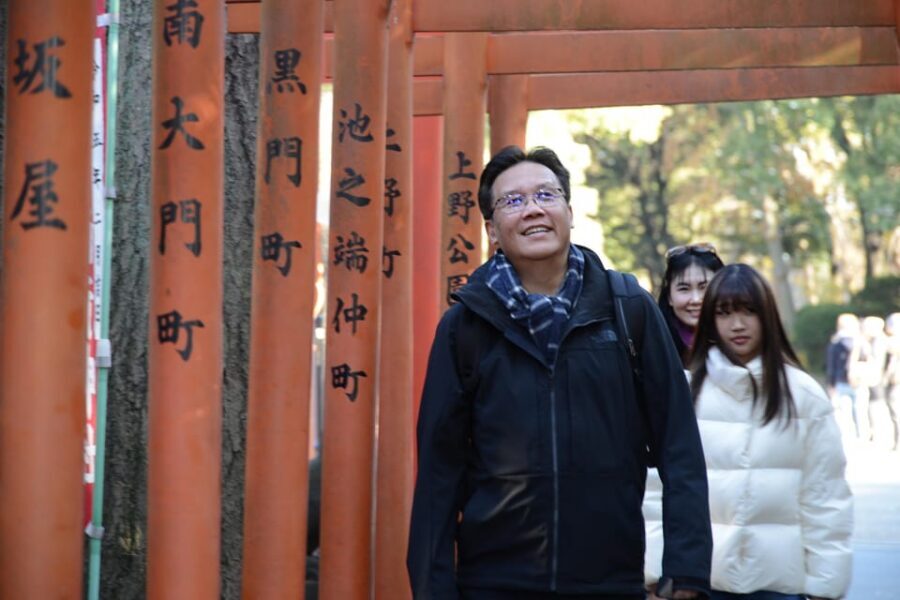
The shrine stop adds another layer. Instead of treating every sacred site as the same “photo spot,” the guide explains significance in a way that helps you notice differences. If you like travel that doesn’t just look good but also makes sense, this part is a strong reason to book.




Matcha making class: grinding, whisking, and tasting correctly
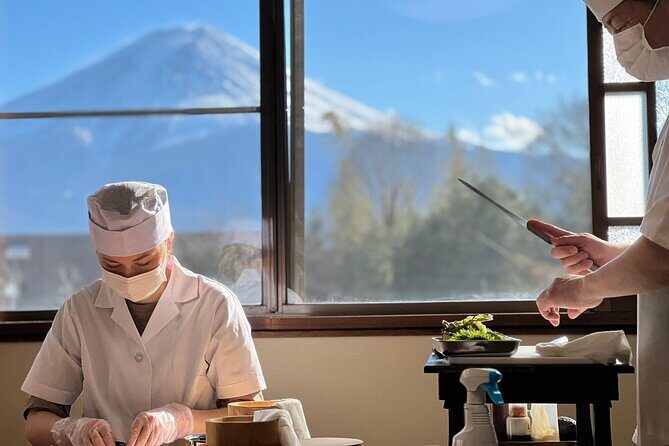
This is the heart of the tour. And it’s not just “try matcha once.” You’ll do matcha making, including the tea grinding step, then participate in a tasting session where the flavors and texture are explained.
Why this matters: most people drink matcha without understanding what’s going on. Here, the process gives you something to connect to later—how the leaves become the drink, and why freshness and technique affect what you taste. The tour pushes you to use all five senses, which is exactly what you want for an experience like this. Smell the aroma. Notice the texture. Watch the consistency. Then taste again with your brain switched on.
Also, you’re not just whisking into a plain cup. The day is designed to build from tasting to sweets and back again. You’ll try matcha in multiple forms, including matcha ice cream, so your final impressions aren’t based on one flavor moment.
If you’re the kind of traveler who likes “hands-on” activities—rather than only photo stops—this portion is where you’ll feel like you got your money’s worth.
Tea-town shopping time: use it to buy matcha, not regret it later
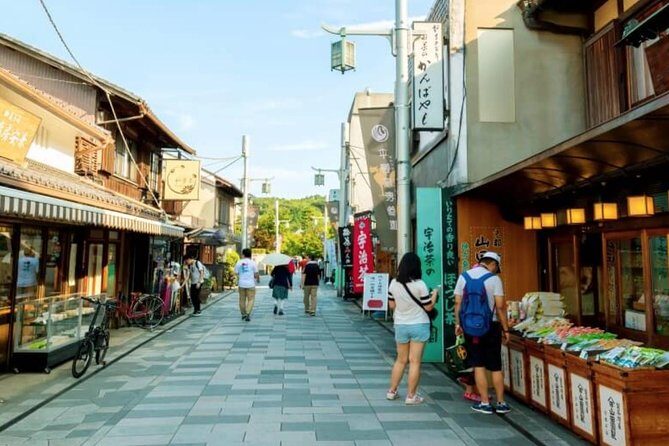
The tour includes shopping time, which is exactly what you want in Uji. You can leave with matcha and related treats without trying to stitch it into your schedule on your own. The key is to shop with a plan.
Here’s how I’d handle it:
- If you want matcha to drink at home, focus on matcha-related items during the included shopping window.
- If you want edible gifts, use the sweet-time momentum (wagashi and matcha desserts) as a guide for what to pack.
Because this is only 3 hours, shopping works best when you keep it practical. Try to avoid spending 45 minutes comparing every tin while the rest of the day slips away.
Guides and group size: why the experience feels personal
Small groups matter more than people think, especially for a hands-on food and culture tour. This one caps at 8 participants, so you get room to ask questions and stay engaged while walking and tasting.
The guide quality seems consistent across different languages and personalities. For example, past guides like Karim, Miki, Sanae, Thomas, Jamelah, Raquel, and Heroai have all been specifically praised for being friendly, patient, and able to answer questions. That track record matters because matcha making and temple/shrine context both benefit from a guide who can explain clearly and adjust to the pace of the group.
Even the practical touches show up in reviews—like accommodating communication needs and helping people collect goshuin stamps (if you’re the stamp-hunter type). The tour doesn’t feel like a script reading; it feels like a guided day with structure.
Price and value: is $173 for 3 hours fair?

At $173 per person for a 3-hour experience, this isn’t a bargain-basement walking tour. But it also isn’t “just a guide with a clipboard.” You’re paying for multiple things that add up quickly:
- A live English guide
- A small group format (up to 8)
- Multiple food stops (so you’re eating during the tour)
- A matcha tasting
- A hands-on matcha making component
- Included sweets and dessert items like wagashi and matcha ice cream
- Time for shopping
What’s not included matters too. There’s no hotel pickup, no gratuity included, and transportation costs aren’t part of the price. So you’ll need to get yourself to the meeting point at Keihan Uji station.
If you compare this to piecing it together on your own, the biggest value is the guided flow. Someone else handles the order, the pacing, and the “what to look for” part—then you get the practical matcha-making step in a way most casual visits don’t offer.
If you love food experiences and want a real process, this price starts to make sense fast. If you only want a quick taste and a couple photos, you might find it too structured.
Who should book this Kyoto matcha tour
This tour is a great fit if:
- You want matcha culture with real context, not just a drink stop.
- You enjoy learning while walking through temples, shrines, and local streets.
- You like hands-on activities, especially tea grinding and matcha making.
- You’re traveling with someone who cares about food pairings and local sweets (wagashi is included, and so is matcha ice cream).
It’s also reasonable if you want a day that’s active but not exhausting. The pace is described as relaxed, and the small group size keeps it from feeling like you’re being herded.
One more practical note: unaccompanied minors aren’t allowed, and children must be accompanied by an adult. There’s also a minimum drinking age listed as 21, so if you plan to have any alcohol during your day, keep that rule in mind.
Should you book Kyoto Matcha Green Tea Tour?
I’d book it if you want a focused 3 hours in Uji that blends UNESCO-style sightseeing with a hands-on matcha class and included food. This is the type of tour that teaches you what you’re tasting and why it matters in Uji’s culture.
Skip it if your ideal Japan day is purely independent wandering with zero structure. The meeting logistics are important, and the experience does have a clear sequence—so you’ll want to show up on time and stay with the group.
FAQ
How long is the Kyoto Matcha Green Tea Tour?
The tour lasts 3 hours.
Where is the meeting point?
Meet at the entrance of Keihan Uji station (宇治駅) in Otsukata Uji, Kyoto 611-0021. It is not JR Uji station.
Is hotel pickup included?
No, hotel pickup is not included.
What language is the tour guide?
The tour includes a live guide in English.
How large is the group?
This is a small group limited to 8 participants.
What’s included in the price?
The tour includes dishes at multiple food stops, matcha tasting, matcha making, wagashi sweets, matcha ice cream, and shopping time.
Is there a matcha making experience?
Yes. Matcha making is featured, along with the matcha tasting.
Are unaccompanied minors allowed?
No. Unaccompanied minors are not allowed, and children must be accompanied by an adult.
Is there a minimum drinking age?
Yes. The minimum drinking age is 21.
Is transportation included?
Transportation costs are not included. You’ll need to get yourself to the meeting point.