REVIEW · TAITO CITY
Tokyo: Sumo Show Experience with Chicken Hot Pot and a Photo
Book on GetYourGuide →Operated by Asakusa Sumobeya Co.,Ltd. · Bookable on GetYourGuide
Tokyo can hand you sumo in a single sitting. This 2-hour show at Asakusa Sumo Club brings a real dohyō ring to life with bilingual explanations, then caps it with a chanko-nabe-style chicken hot pot meal. I love how the program is family-friendly without feeling dumbed down, and I like that you can learn rules and rituals while the action happens. One thing to weigh: this is entertainment with retired wrestlers, so it’s not the same energy as watching an active stable training morning.
The setup feels close enough to notice details, from the choreography to the way the wrestlers reset between moments. If you like interactive shows, you’ll probably be smiling. Just note the sumo challenge is limited and can be decided by lottery, so plan to enjoy it either way.
In This Review
- Key Points to Know Before You Go
- Sumo Show in Tokyo: What Makes This 2-Hour Program Worth Your Night
- Inside the Dohyō: Where the Show Happens and Why It Matters
- The Pre-Show Rituals: Geisha Dance and Morning Exercises
- The Best-of-Three Match: How You’ll Understand More Than You Think
- The Sumo Challenge: Your Chance to Step Into the Ring
- Chicken Hot Pot (Chanko-Nabe Style) and the Meal Setup
- Seating Choices: Standard vs VIP vs VVIP (And What You Gain)
- Price and Value: What You’re Really Paying For
- Who This Experience Fits Best (And Who Might Want a Different Sumo Option)
- Little Extras You’ll Remember: Souvenirs, Photos, and Names to Watch
- Quick Practical Notes So You Don’t Trip Over Details
- Should You Book This Tokyo Sumo Show?
Key Points to Know Before You Go
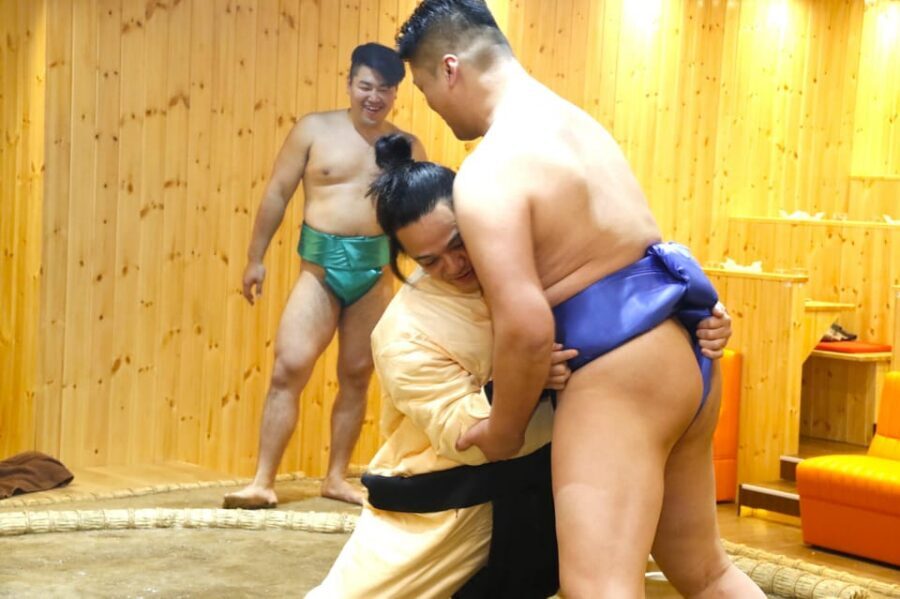
- Real dohyō ring on site: the show is built around a functional sumo ring, not a stage imitation.
- Bilingual coaching (English and Japanese): you’ll pick up the rules as you watch, not after the fact.
- Geisha dance before the bouts: a formal, elegant warm-up that sets the tone.
- Ring-side meal during the program: all-you-can-eat chicken hot pot keeps things comfortable while you learn.
- Limited sumo-challenge spots: you might get in the ring, but don’t count on it.
Sumo Show in Tokyo: What Makes This 2-Hour Program Worth Your Night
If you want Tokyo culture that’s fun and readable, this sumo show is a strong bet. You get an entertaining performance with a host and live commentary, and you also get enough context to understand what you’re seeing. The show runs about 2 hours, so it fits cleanly into a dinner-and-a-show schedule.
The best part is that it doesn’t treat sumo like a mystery. You’ll learn key do’s and don’ts, how techniques work, and what to watch for during the best-of-three match. Then you get a chance to step into the ring for a challenge—perfect if you’re traveling with kids, or if you just want to test your own “my legs are noodles” theory.
The tone is family-friendly. The mood is laughter, cheering, and simple explanations—exactly what many people want on a Tokyo night when they don’t want to scramble for translations or long transit plans.
You can also read our reviews of more tours and experiences in Taito City.
Inside the Dohyō: Where the Show Happens and Why It Matters
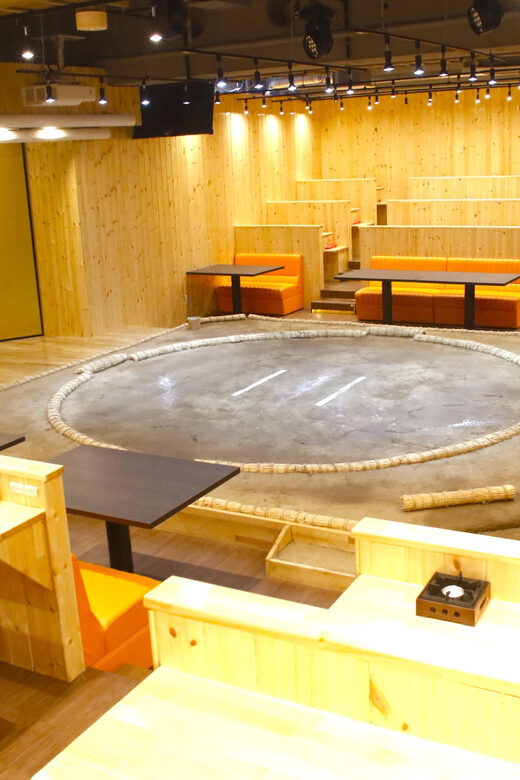
The venue’s centerpiece is a real sumo ring, the dohyō, right in the middle of the restaurant space. That single detail changes the whole experience. You’re not watching from far away or imagining the ring—you’re surrounded by the ritual space where the bouts play out.
Seats are set up so you can see the action closely from most angles. If you want the tightest view, the experience offers seating upgrades: VIP for a front-row feel and VVIP for premium central seating with the most unobstructed look at the ring. The standard option still gives an intimate view, but you’ll feel the difference if you’re the type who likes details—footwork, belt grips, and how quickly wrestlers reset.
One small practical note: all seats offer close views, but like any small room, the perspective changes with where you’re sitting. If you’re picky about sightlines, spend for VIP or VVIP and you’ll likely feel happier all night.
The Pre-Show Rituals: Geisha Dance and Morning Exercises
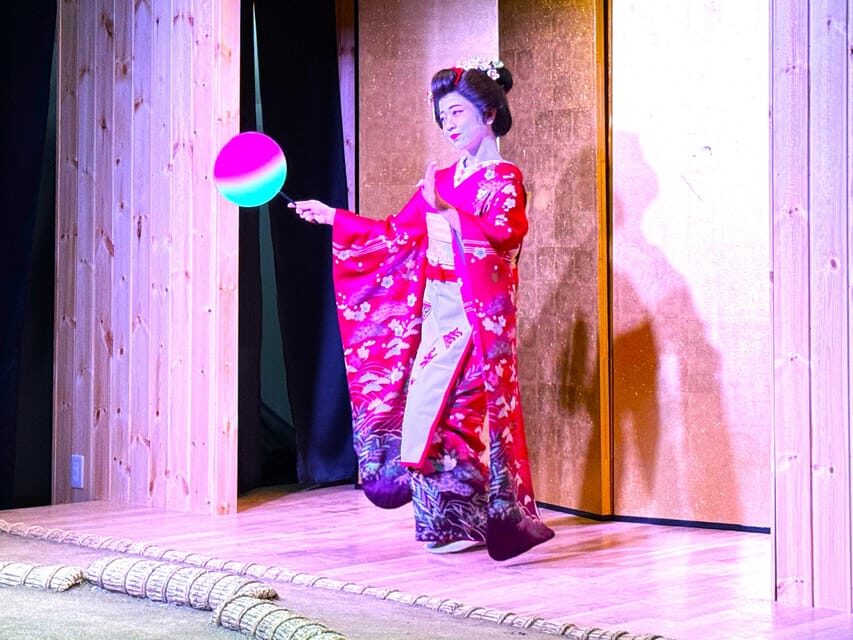
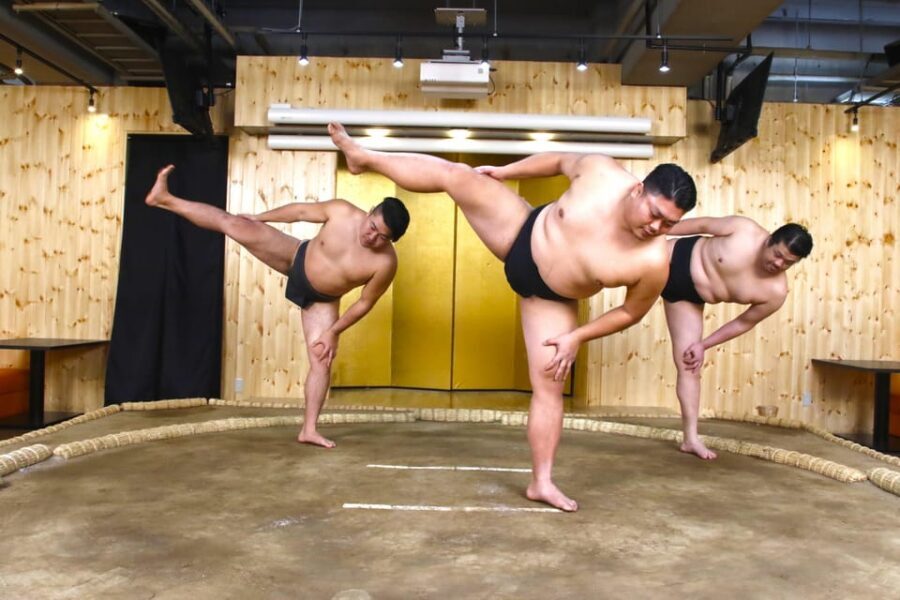
The program begins with a traditional Japanese dance performed by a geisha in an elegant kimono. It’s not just a fancy opener—it frames sumo as something ceremonial, not only athletic. After that, you watch live demonstrations connected to sumo, including morning exercises and classic techniques explained in an easy-to-follow way.
This is where the bilingual format does a lot of work for you. With live English and Japanese commentary, the host can point out what’s happening and why it matters. Even if you know almost nothing about sumo, you’ll get the basics: how wrestlers move, what the rituals signal, and what the audience is supposed to notice.
If you’re traveling with kids, this warm-up is especially useful. It turns the show into a sequence you can follow, instead of a blur of shouts with no translation.
The Best-of-Three Match: How You’ll Understand More Than You Think
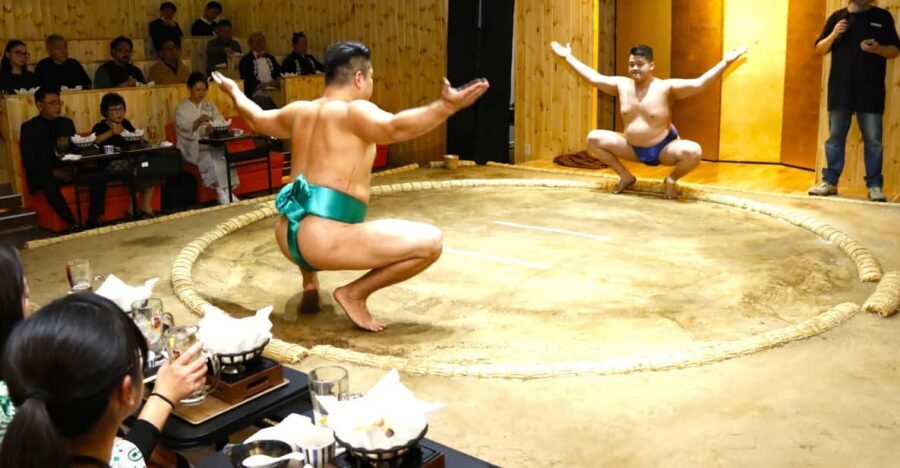
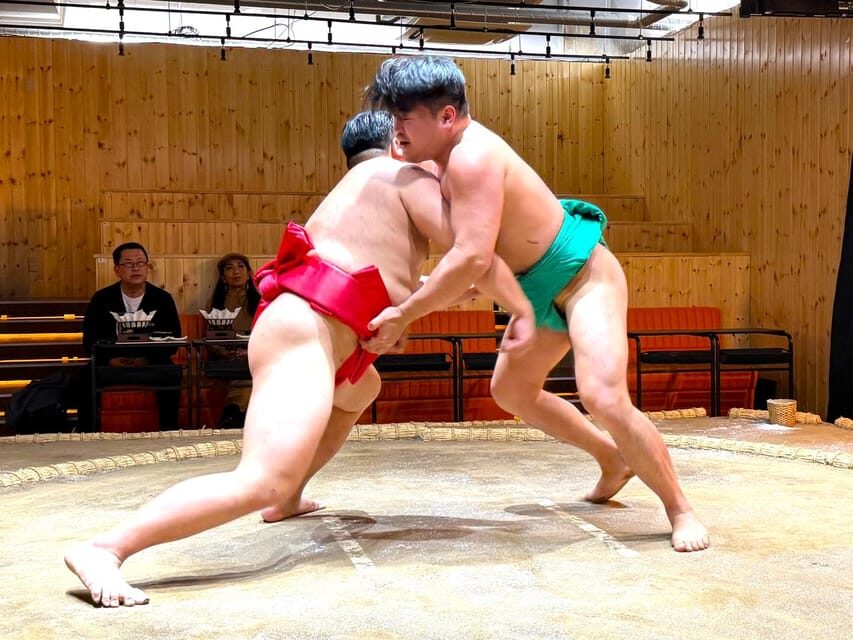
After the warm-up, you’ll watch a best-of-three match between retired professional sumo wrestlers. This is the core entertainment moment, but it’s also the learning payoff.
The commentary matters here. Sumo can look strange at first—sudden bursts of motion, lots of pushing and careful foot placement. With the moderator explaining rules and techniques live, you’ll start catching patterns: who controls the space, who gets the grip they want, and when a bout turns from slow to explosive.
One reason people rate this show so highly is that it balances performance with clarity. You’re not just seated and waiting for something to happen. You’re guided into noticing what’s going on—without turning it into a lecture.
The Sumo Challenge: Your Chance to Step Into the Ring
Want the main-story moment where you become part of the show? You can step into the ring and challenge a sumo wrestler. That’s where the evening goes from “I watched sumo” to “I tried sumo.”
Two things to know:
- Challenger spots are limited per show.
- If there are more applicants than spots, participants are selected by lottery.
So even if you don’t get picked, you still get the comedy and choreography of the match. But if you really want the ring moment, show up ready to commit to it as best you can—this is one of those experiences where the selection process is part of the game.
From the show’s style, the interaction is designed to be safe and fun for a range of ages. Reviews also mention the host and wrestlers keeping things playful and upbeat, which helps if you’re nervous or traveling with children.


Chicken Hot Pot (Chanko-Nabe Style) and the Meal Setup
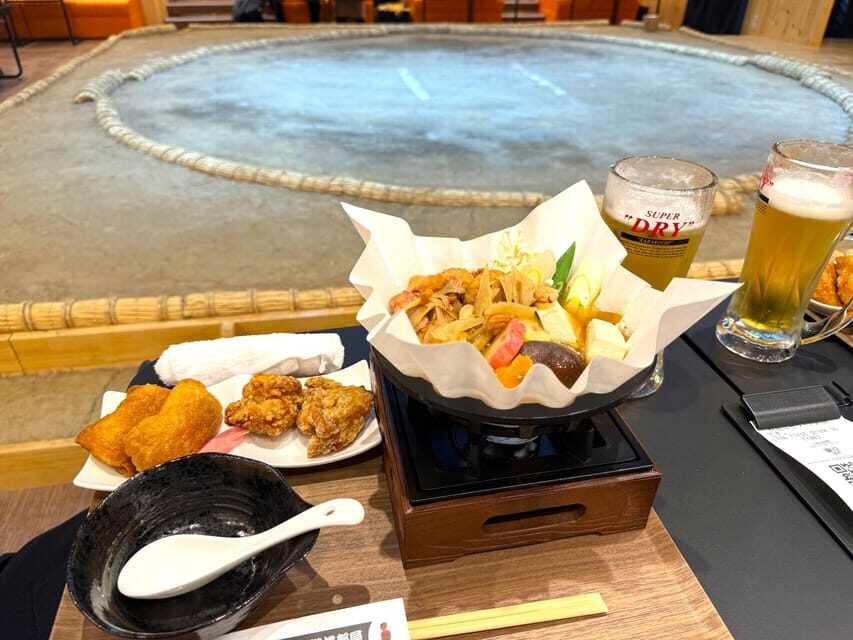
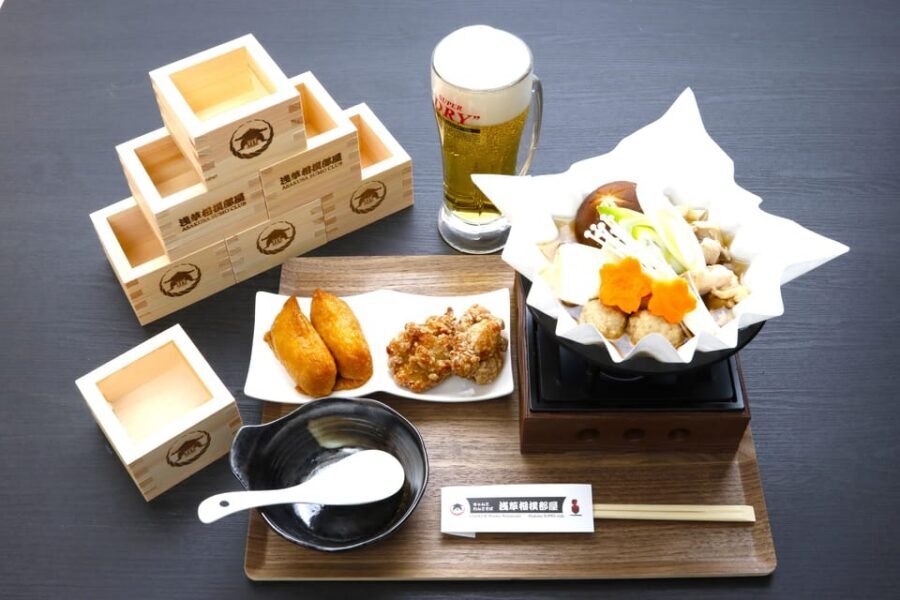
A big reason this works as a Tokyo night plan: you eat while the show runs. The included meal centers on all-you-can-eat chicken hot pot, plus Japanese side dishes. In real life, that means you’re not doing the usual Tokyo two-step of theater first, then searching for food afterward.
You might see familiar extras alongside the hot pot, like edamame, inari sushi, and sweet rolls, depending on the service that night. The meal is designed around comfort and easy sharing—especially helpful when you’re sitting close to the ring and don’t want to constantly stand up or hunt for your food.
A couple of practical tips:
- You’ll get one complimentary drink, and additional drinks are available for purchase.
- Some reviews mention ordering refills using a QR code, which is handy if you want to keep the evening moving.
Does it feel like a gourmet feast? It’s more like a satisfying, traditional comfort meal built for the show’s pacing. One review notes the food can feel limited in variety, but the hot pot is the star, and the show itself is what delivers the real value.
Seating Choices: Standard vs VIP vs VVIP (And What You Gain)
You’ve got three seating levels: Standard, VIP, and VVIP. If you’re the type who values sightlines, VIP is often the sweet spot. It puts you in a front-row style view where the ring action feels immediate.
VVIP takes that further with premium central seating and the most unobstructed view of the dohyo. That matters if you want to see belt grabs, hand placement, and quick changes in momentum—those details get easier when your view is direct.
If you’re booking standard seats, you’re still set up for close viewing. The difference is how “front-row” it feels, not whether you can see anything at all. For many families, standard works perfectly well because the show is interactive and entertaining even when you’re not in the tightest spot.
Price and Value: What You’re Really Paying For
At $103 per person for about 2 hours, you’re not just buying a ticket to watch sumo. You’re paying for a package.
Here’s what’s included:
- Live bilingual commentary in English and Japanese
- Entertaining sumo performances featuring retired wrestlers
- A traditional geisha dance
- The chance to challenge a wrestler in the ring (limited spots)
- All-you-can-eat chicken hot pot and Japanese dishes
- One complimentary drink
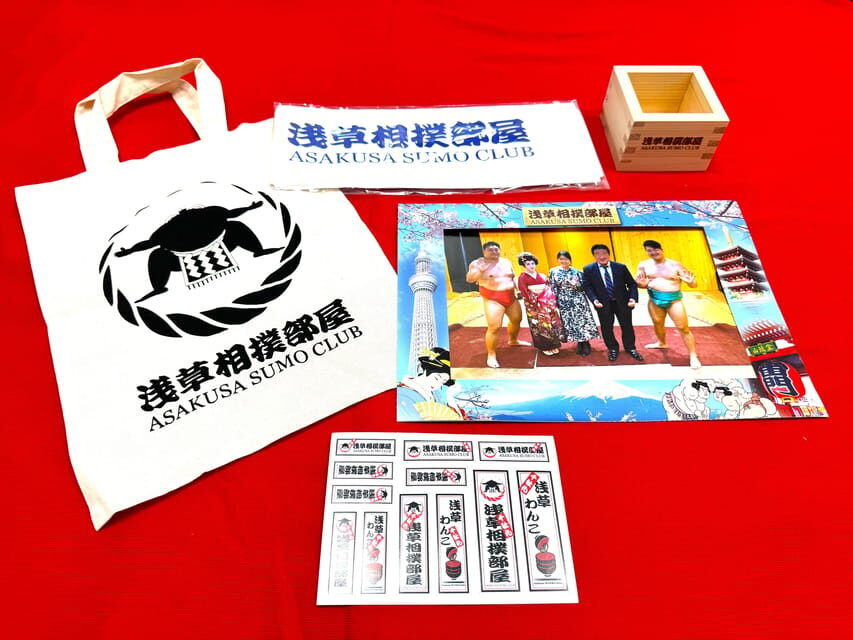
- A printed souvenir photo and a souvenir set
When I look at value like this, it makes more sense. If you had to pay separately for a show, translation support, and a decent sit-down meal with enough time to enjoy it, the total usually climbs fast in Tokyo. This keeps the night simple: you buy one experience, then enjoy the room, the performance, and the food as one flowing block.
The only real “cost” is the reality that this is staged entertainment with retired wrestlers. If you’re chasing the strict, training-focused side of sumo, you’d be better off looking for an active stable experience. But if you want a memorable, easy-to-understand evening that feels genuinely Japanese, this is priced like a fun cultural night that includes more than you’d expect.
Who This Experience Fits Best (And Who Might Want a Different Sumo Option)
This show fits best if you want:
- A family-friendly sumo experience that doesn’t require prior knowledge
- Live explanations in English and Japanese
- A hands-on moment (even if lottery-based) plus a meal
- A compact time commitment that still feels like a real event
It’s also good for multigenerational trips. Reviews describe it as fun for kids, enjoyable for older adults, and entertaining for people who want something culturally themed without long days or complicated logistics.
If you’re the kind of traveler who wants serious, no-smiles sumo training with the rhythm of an active stable, this isn’t that. The show is explicitly an entertainment format. Think performance + learning, not a behind-the-scenes training morning.
Little Extras You’ll Remember: Souvenirs, Photos, and Names to Watch
The end of the night includes souvenirs that make it easy to remember what you did. You’ll receive:
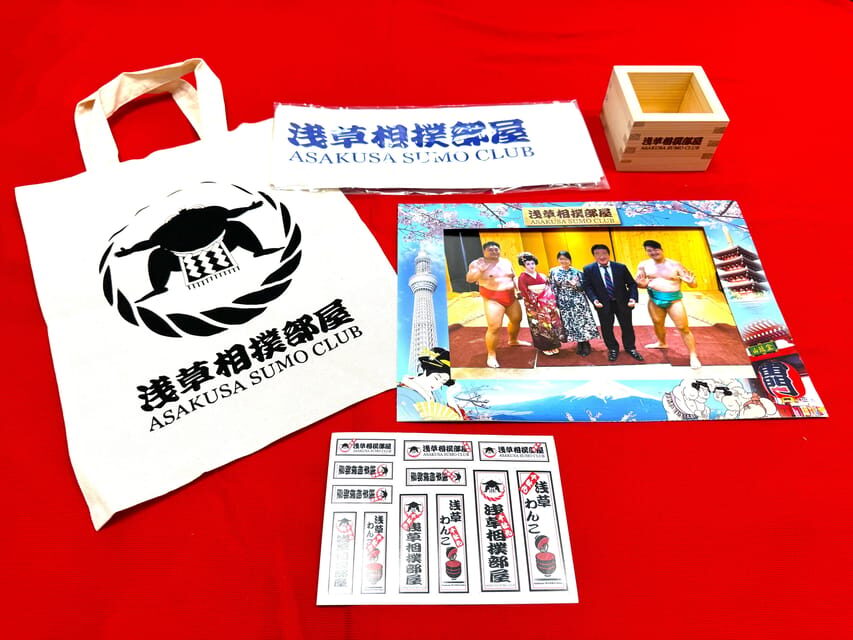
- A printed souvenir photo with the sumo wrestlers
- A souvenir set
- A farewell gift bag
- A framed photo that includes the wrestlers and geisha (as described in the experience details)
One of the fun parts of live shows is catching the personalities. Some reviews call out the host as Lala, and they mention wrestlers like Asanakuma and Ansohibi as especially funny and engaging. Even if names don’t stick for you, the show’s energy tends to.
And if you’re the type who likes to document travel without planning extra photo stops, this is a tidy solution: you get the picture as part of the event, not as an afterthought.
Quick Practical Notes So You Don’t Trip Over Details
A few items to keep in mind so the experience stays smooth:
- Vegetarian and vegan meals are available on request, but you need to reserve at least 2 days in advance.
- Gluten-free and halal meals aren’t provided, but you can bring your own food if needed.
- Wheelchair access exists, but wheelchair-accessible seating is limited, so it’s important to flag that when you book.
- Babies under 1 year aren’t suitable for this show.
Also remember: meeting point can vary depending on your chosen option, so confirm it with your booking details when you lock in your time.
Should You Book This Tokyo Sumo Show?
Yes, if you want a stress-free Tokyo evening that delivers both entertainment and simple education. For most people, the combination of live bilingual commentary, a real dohyō setting, and an included all-you-can-eat chicken hot pot meal makes this feel like more than a standard tourist show.
I’d especially recommend it if you’re traveling with kids, older relatives, or anyone who wants a cultural experience that’s easy to follow in English. If you’re only interested in active stable training and hard-core competition, then skip this and look for a training-style experience instead. But for everyone else? This is one of the cleanest “one ticket, one night, memorable moments” options in Tokyo.