REVIEW · OSAKA
Osaka: Samurai Training Experience KENDO in Osaka
Book on GetYourGuide →Operated by Vicky Co., Ltd. · Bookable on GetYourGuide
A real dojo lesson beats another photo-op. This 2-hour Kendo training in Osaka lets you wear full protective gear, learn the rules, and end with match-style practice.
I love how the session starts with the why (history, Reiho etiquette, and Bushidō mindset) and then moves to hands-on training you can actually use right away.
The one thing to consider is that the workout is real: you’ll be moving hard in armour, so go in ready to sweat, and note that people over 75 can only view.
In This Review
- Key points before you go
- Why Kendo in Osaka City feels different from a performance
- Getting fitted: dōgi, hakama, and full protective bogu
- The Reiho and Bushidō lecture that actually changes how you train
- Shinai basics: posture, footwork, and safe practice for beginners
- Paired drills and match-style practice: where the fun gets serious
- Samurai photos inside the real dojo: what you’ll actually get
- Price and value: is $127 fair for 2 hours?
- Who should book this Osaka Kendo experience?
- Practical tips to help you have an easy, confident session
- Should you book this Osaka Kendo training?
- FAQ
- How long is the Kendo experience in Osaka?
- How much does it cost?
- What’s included in the experience?
- What should I bring?
- Can children participate?
- Is there an age limit for trying Kendo?
- What languages are used during the session?
Key points before you go
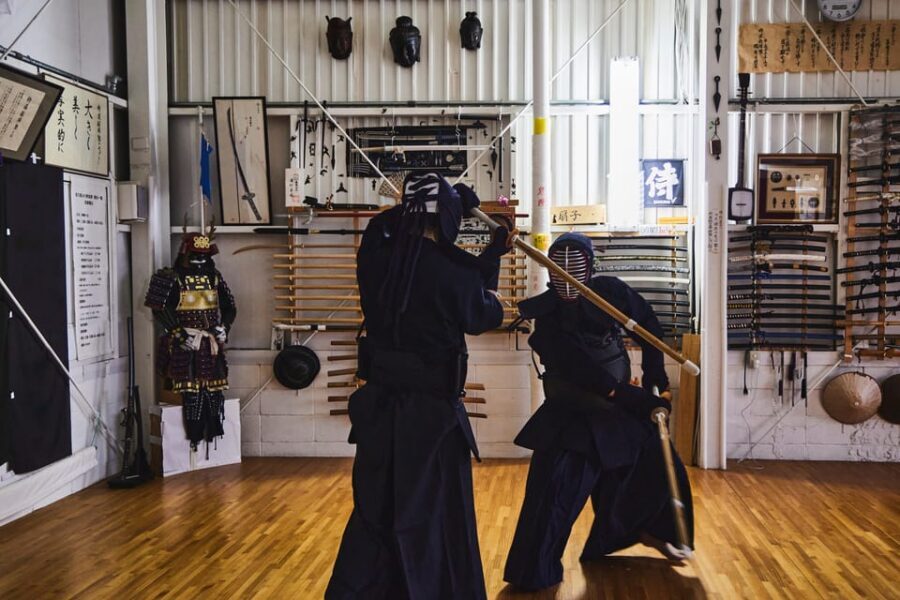
- Full bogu armour: Men, Kote, Dō, Tare, plus a shinai, so you train like it’s Kendo practice—not a demo
- Real dojo + real etiquette: Reiho and proper form come before any sparring
- English support: instruction is explained clearly, with help from staff like Kumi/Kumiko, Nao, and hosts such as Vicky in many sessions
- Match-style practice for beginners: timing and spirit matter more than brute strength
- Dojo photo session: you get Samurai-style photos in an authentic training space
- Clean, spacious training area: many participants call out how tidy and well-run the room feels
Why Kendo in Osaka City feels different from a performance
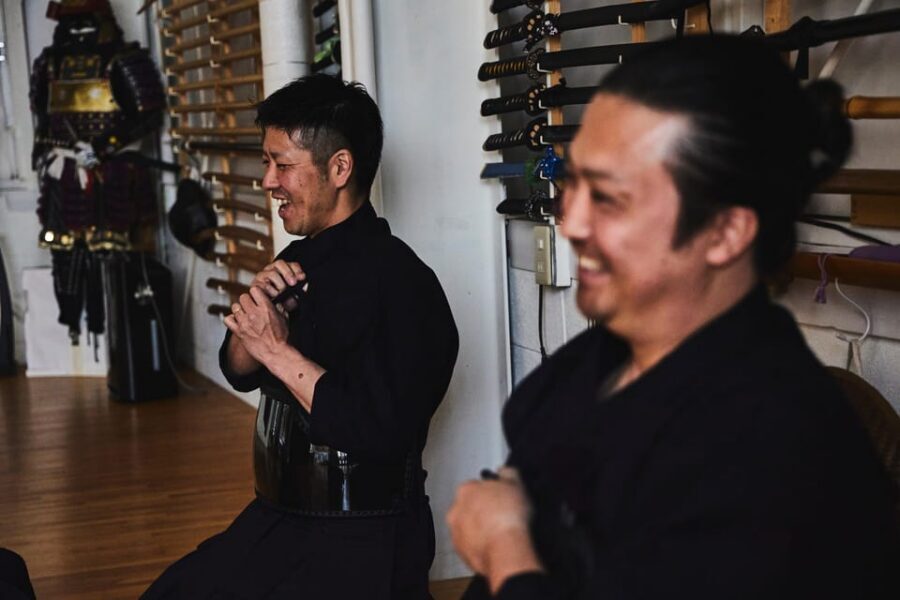
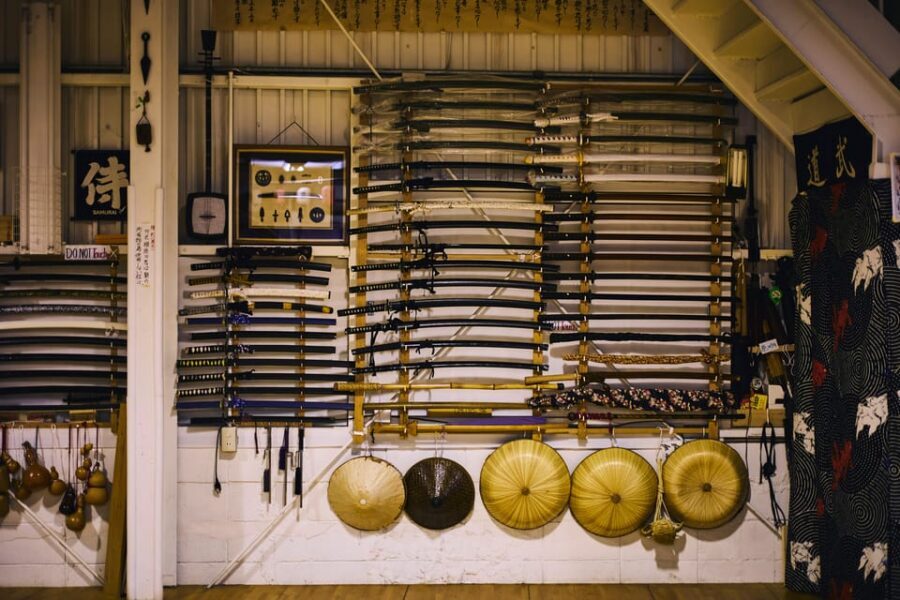
Osaka has no shortage of sword-themed experiences. This one works because you don’t just watch Kendo—you wear it. In full gear, you feel the boundaries of distance, timing, and control that make Kendo more like disciplined sparring than “swing and hope.”
What also makes it worth your time is the focus on how you move, not just what you hit. The instruction spends time on posture, footwork, and safety rules, so even if you’re brand new, you’re not left flailing. And because the instructors often include leaders like Toshi-sensei with assistants like Kumiko, the vibe stays patient and practical.
Still, this is a martial art lesson, not a casual walk-through. If you’re hoping for light stretching and sightseeing photos only, you may find the training portion demanding.
You can also read our reviews of more tours and experiences in Osaka.

Getting fitted: dōgi, hakama, and full protective bogu
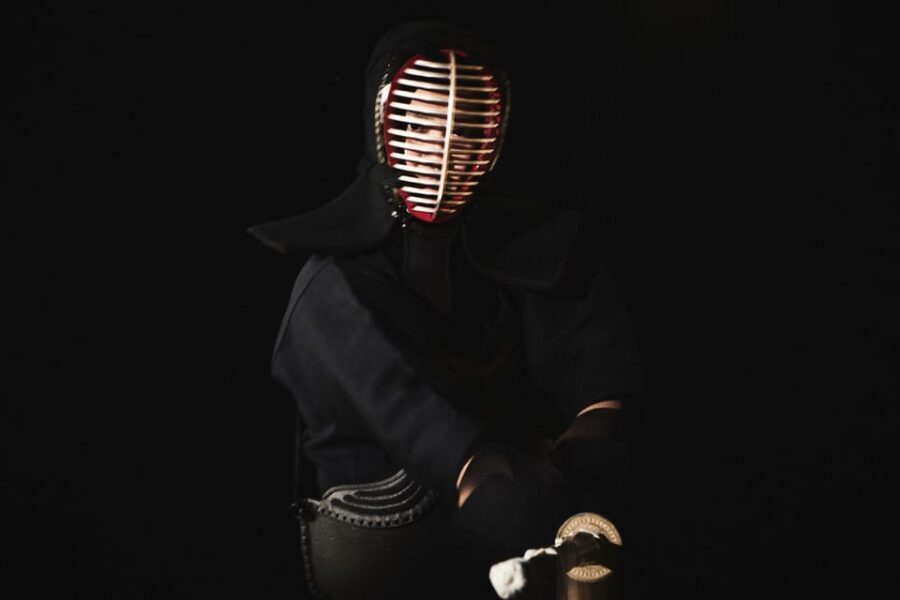
Your experience starts by transforming from visitor to trainee. You’ll put on a traditional dōgi and hakama, then get fitted with full protective armour: Men (helmet), Kote (gloves), Dō (chest guard), and Tare (belt/hip guard). That’s a big deal for value and safety. You’re not borrowing thin props—you’re using proper equipment built for contact-based practice.
Two practical notes for you:
- Expect it to feel snug and warm. Armour does not exist to be comfortable; it exists to keep you safe.
- You’ll get the best fit if you share your height, weight, and gender ahead of time (the operator asks for it to keep the gear secure and movement natural).
If you’re nervous about “doing it wrong,” don’t be. Many sessions are designed for first-timers, and the approach is step-by-step. People also mention they receive clear help while dressing, so you’re not left alone wrestling straps in a corner.
The Reiho and Bushidō lecture that actually changes how you train
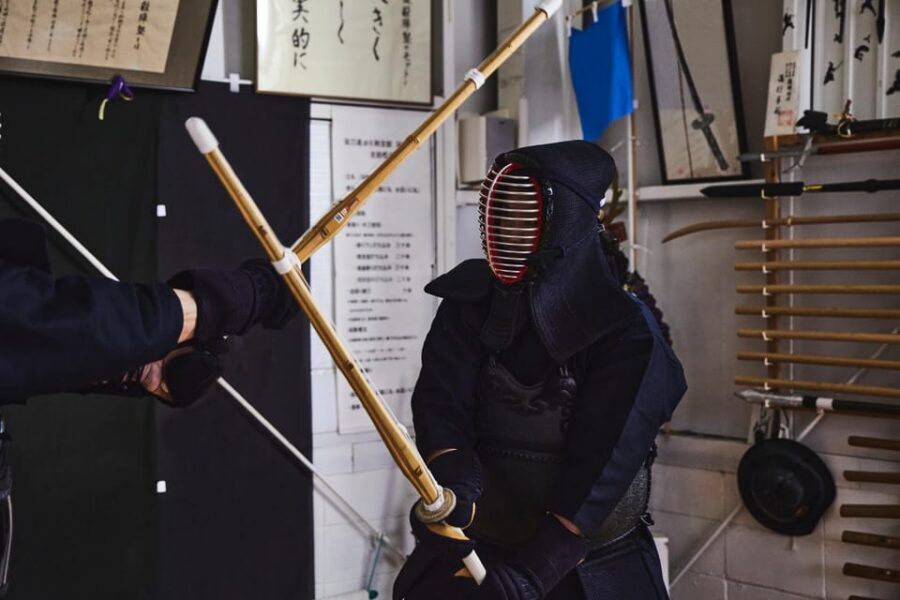
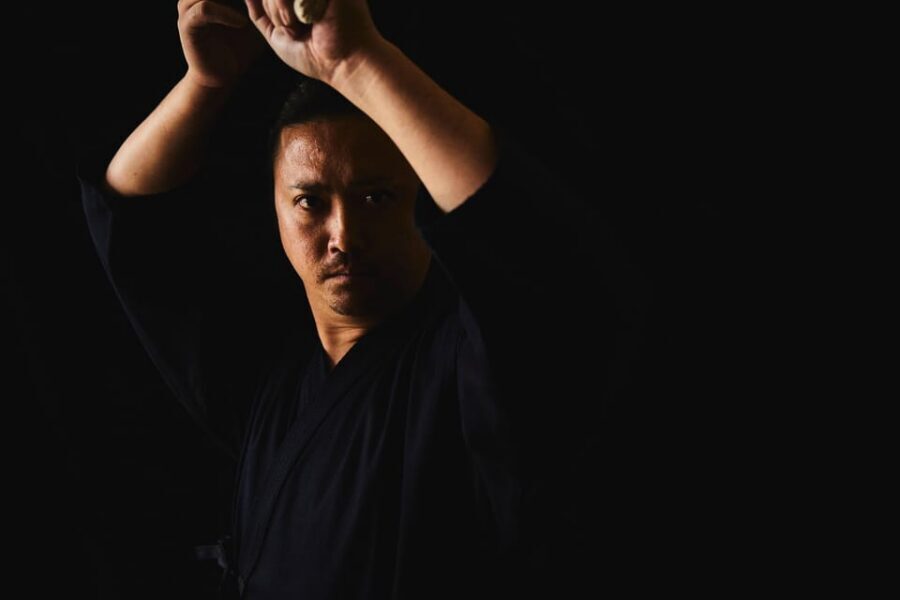
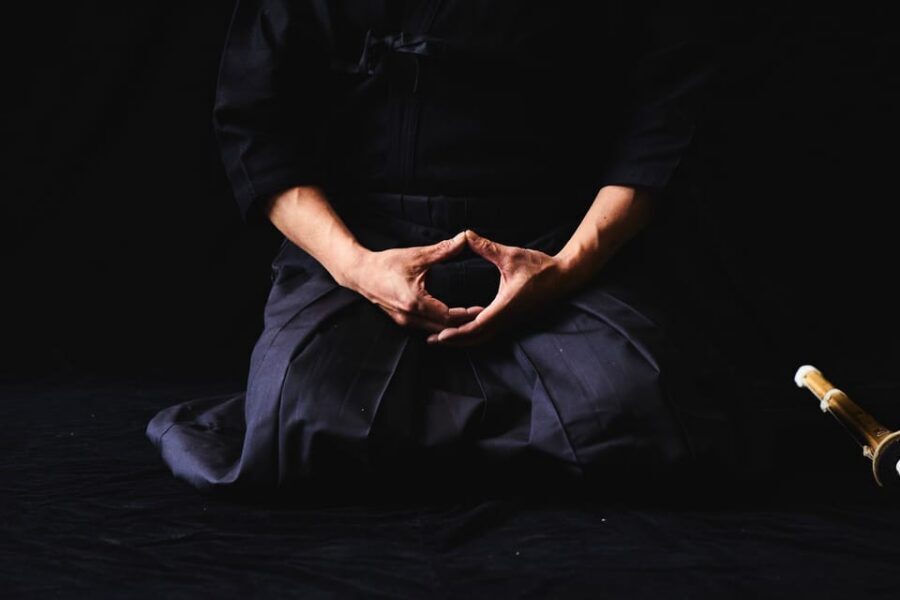
Before anyone turns into a blur of shinai strikes, you learn the mindset. The session includes a lecture on Kendo’s history and its connection to Bushidō, plus an explanation of Reiho, the etiquette that shapes Japanese martial arts.
Here’s why this matters. In Kendo, the rules are part of the training. When you understand why you bow, how you hold yourself, and what respectful sparring looks like, the whole class feels safer—and easier to follow. It also prevents the experience from turning into random hitting. You’re learning a system with manners built in.
You can also tell how serious the instructors are about respectful conduct. Participants repeatedly mention the teachers being patient and encouraging, with corrections given in a way that helps you improve without embarrassment.
Shinai basics: posture, footwork, and safe practice for beginners
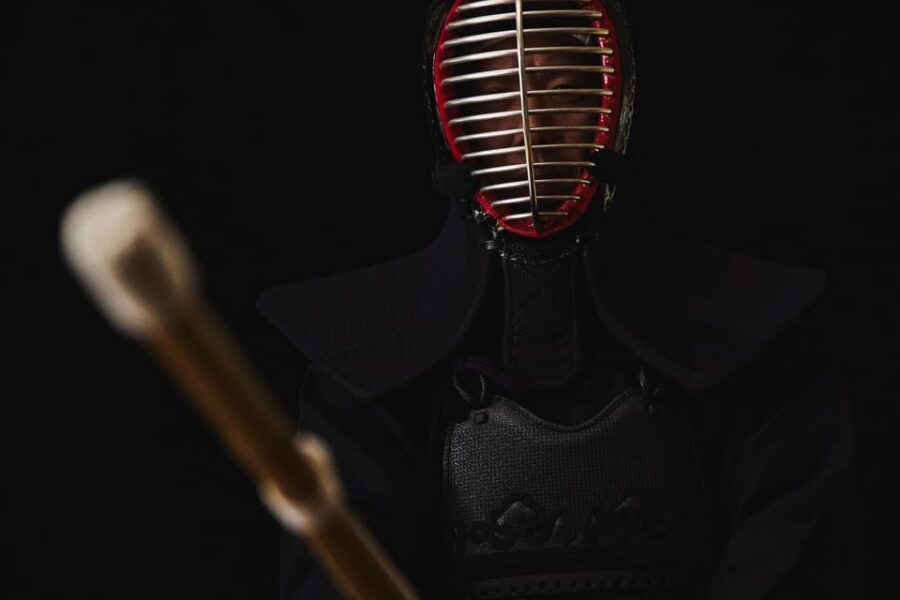
Once you’re geared up, the training moves into basics. You’ll learn how to hold and control the shinai, along with essential posture and footwork. The goal here isn’t to make you fight—it’s to make you stable.
Expect the class to cover things like:
- basic stance and how your body aligns for strikes
- how to move your feet without losing balance
- safety rules for distance, timing, and controlled motion
Many participants stress that instruction is delivered at a level you can follow, and that the instructor adjusts to your pace. If you’re coming in with no martial arts background, this is where you gain confidence fast. The class builds from fundamentals into paired practice, so you’re not overwhelmed all at once.
Also, Kendo is harder than people expect. You’ll feel it in your legs and core because footwork is constant. It’s a workout disguised as tradition.
Paired drills and match-style practice: where the fun gets serious
After you learn the foundational moves, you shift into paired practice. Then comes the part that most people remember: match-style combat using real Kendo rules.
This is where the experience hits its best balance:
- It’s energetic and intense.
- It still stays respectful and structured.
- Strength alone doesn’t carry you. Timing, focus, and spirit matter.
People describe sparring as intense and fun, often including practice against other participants—and sometimes even turns where you get to verse the instructor. That matters because you leave knowing what it feels like when the training becomes a real exchange, not just repetition.
If you’re worried you’ll get hurt, the equipment does its job. Multiple participants highlight that the protective gear makes the sparring injury-free and manageable for first-timers. In other words: you’re allowed to be brave without being reckless.



Samurai photos inside the real dojo: what you’ll actually get
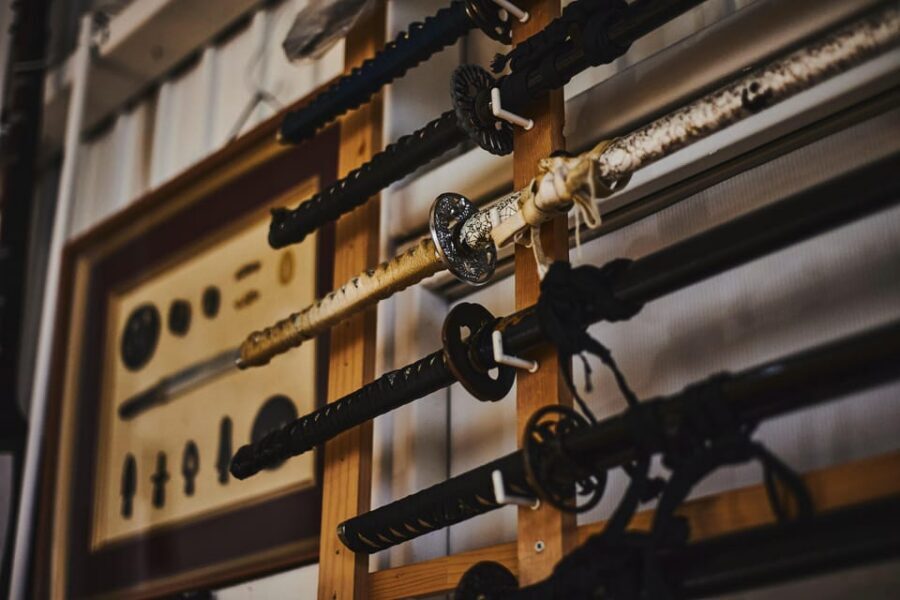
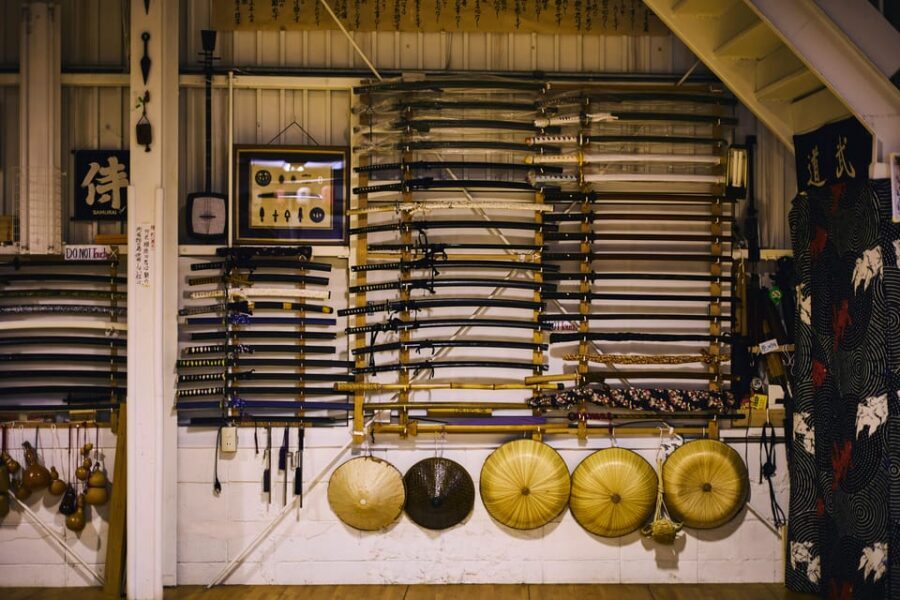
At the end, you shift from training mode to memory mode. You’ll do a photo session inside an authentic dojo setting, using Samurai items and props. People mention that photos are taken in both posed and action moments, so you don’t just get a static helmet shot.
A few practical tips:
- Wear your gear with pride for photos, but also listen when staff ask you to stand a specific way. The posture you practiced during Reiho makes the photos look better and also keeps your head and shoulders in the right position.
- If it’s your first time in armour, keep your movements simple. Photos look sharp when you’re stable, not when you’re wobbling.
Some reviews also mention small extras like Japanese snacks or birthday-style souvenirs depending on the moment, but don’t treat that as guaranteed. Even without extras, you’re paying for gear time, training, and the photo session in a dojo environment.
Price and value: is $127 fair for 2 hours?
At $127 per person for about 2 hours, the price can look steep—until you break down what’s included.
You’re not just buying a lesson. You’re getting:
- a guided lecture on Kendo history and etiquette
- full gear: dōgi/hakama plus complete bogu and a shinai
- instruction from an experienced, patient team with English support
- paired drills and match-style sparring
- the Samurai-themed dojo photo session
In plain terms, you’re paying for professional coaching, equipment, and a safe setup that’s hard to replicate on your own. Kendo gear is not cheap, and dojo time isn’t either. The session length matters too: 2 hours is long enough to feel progression, but short enough to fit into a tight Osaka itinerary without draining your whole day.
So yes, it’s good value if you want a real activity. If you only want a quick costume photo and a light introduction, you might feel the cost more than the training.
Who should book this Osaka Kendo experience?
This is a strong fit if you:
- want authentic hands-on martial arts, not a show
- like anime or Samurai culture but also want something grounded in real technique
- enjoy structured activities and don’t mind a workout
- want clear English instruction
It also fits families with older kids. The program includes a child option for ages 3–5, but it’s mainly about trying on uniforms/armour and doing photos, not the full adult sparring experience. Kids under 2 can’t participate in Kendo.
If you’re an older adult, read the age rules carefully. People over 75 can’t try Kendo (they’re for viewing only). That’s not a minor note—it changes the experience. If you’re within that range, you should treat this as a spectator-friendly option rather than a full hands-on class.
And if you’re sensitive to intense physical practice, be honest about your fitness. Your legs will work. Your lungs will work too.
Practical tips to help you have an easy, confident session
A few things will make your experience smoother:
- Bring drinks (you’ll want hydration after moving in armour).
- Skip alcohol and drugs before the session. The activity is about training safety and focus.
- Provide your height and weight in advance so the gear fits well and you’re not adjusting everything mid-class.
- Plan to wear comfortable clothing to meet; you’ll change into uniform and gear quickly once you arrive.
Also, manage expectations on what you’ll learn. In 2 hours, you’re not becoming a Kendo practitioner—but you can absolutely learn enough to understand form, etiquette, and the feel of controlled sparring. That’s why many participants leave feeling both inspired and accomplished.
Should you book this Osaka Kendo training?
If you want one memorable, active, Japan-culture experience in Osaka, I’d book it. The standout reasons are the full-armour practicality, the etiquette-first teaching approach, and the fact that the class ends with match-style sparring you can participate in safely.
Don’t book it if you only want a lightweight, low-effort activity. This is hands-on Kendo training, and it will challenge your body.
If you’re flexible, curious, and ready to wear the gear, this is exactly the kind of experience that turns a trip into a story you’ll actually tell.
FAQ
How long is the Kendo experience in Osaka?
It runs for 2 hours. Start times depend on availability.
How much does it cost?
The price is $127 per person.
What’s included in the experience?
You get a lecture about Kendo, wearing Kendo uniforms and protective armour, training with an experienced instructor, and a Samurai photo session.
What should I bring?
You should bring drinks.
Can children participate?
Children under 2 can’t try Kendo. Children 3–5 can join, but the program is mostly photos and trying on uniforms/armour, not the full adult training and sparring experience.
Is there an age limit for trying Kendo?
Yes. People over 75 are not allowed to try Kendo (viewing only).
What languages are used during the session?
Instruction is available in English and Japanese.