REVIEW · TOKYO
Traditional Japanese Comedy, Juggling & Magic Live Show in Tokyo
Book on Viator →Operated by EDOCCO STUDIO · Bookable on Viator
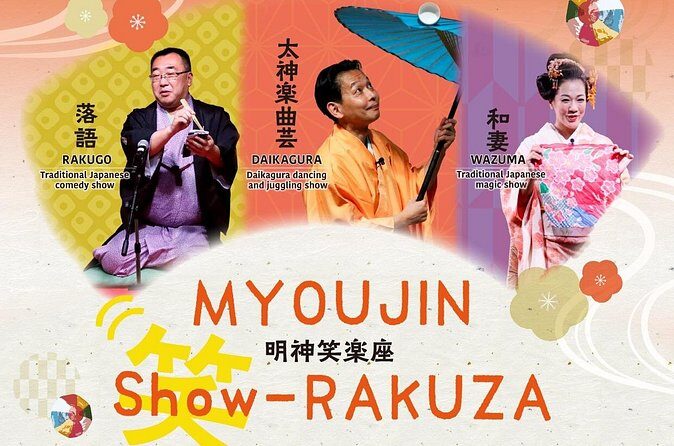
A shrine makes the laughs feel extra close. Here, EDOCCO STUDIO inside Kanda Myōjin Shrine turns a simple ticket into a real mix of Rakugo, Daikagura, and Wazuma magic in about 90 minutes.
What I like most is how the show is built for non-Japanese speakers. You’ll get what’s happening, and you won’t feel shut out of the jokes or the cues.
I also love the way this isn’t just watching. You’ll get chances to try parts of the performance (Daikagura and Wazuma), and there’s a take-home mini gift tied to what you see on stage. That combo makes it feel more like a cultural lesson than a standard venue show.
One possible consideration: the program is limited and tends to book up, so late planning can cost you. Also, even though it’s indoors, the experience notes a weather requirement, so have a flexible mindset if a date gets swapped.
In This Review
- Key things to know before you go
- The Shrine-to-Stage Feeling at EDOCCO STUDIO
- Getting to the Meeting Point Near Akihabara
- The 2:00 pm Schedule: A Tight 90 Minutes
- Rakugo Comedy: When Storytelling Becomes a Stage You Can Join
- Daikagura Acrobatics and Juggling: Fast Skills, Big Smiles
- Wazuma Magic: The Best Part Is Learning the Mechanics
- The Take-Home Props: A Souvenir That Fits the Theme
- Language, Interaction, and How Audience Participation Feels
- Price and Value: Why $36.24 Can Make Sense
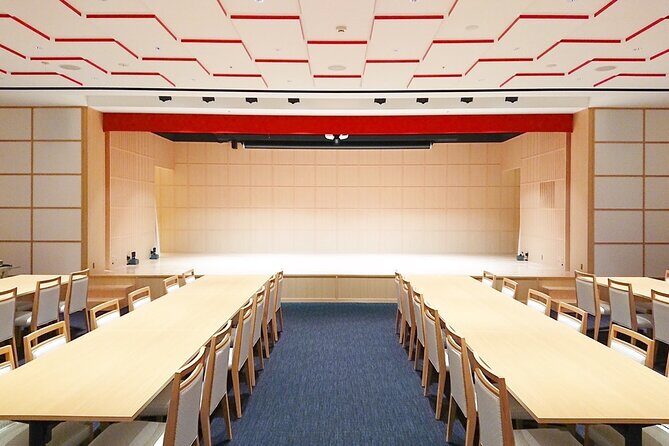
- Atmosphere and Comfort: Indoor, Central, and Small
- Who Should Book This Show, and Who Might Skip It
- Quick Practical Notes Before You Go
- Should You Book This Traditional Comedy and Magic Show?
- FAQ
- FAQ
- How long is the show?
- What time does the show start, and when should I arrive?
- Where exactly does the show take place?
- Do I need Japanese language skills to enjoy it?
- What are the main types of performances included?
- Is there an interpreter or translation help?
- What’s included with the ticket besides admission?
- What kind of mini gift will I get?
- Is the show interactive?
- What are the cancellation terms and weather rules?
Key things to know before you go
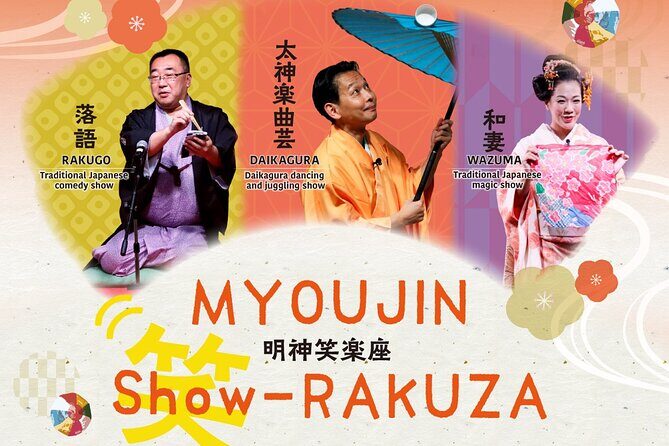
- Three traditional styles in one ticket: Rakugo comedy, Daikagura acrobatics/juggling, and Wazuma magic
- An interactive format: you’re not just seated and silent
- No Japanese needed: interpretation helps you follow along
- A shrine setting near Akihabara: memorable location, easy to fit into a central day
- Small and intimate: capped at a maximum of 100 travelers
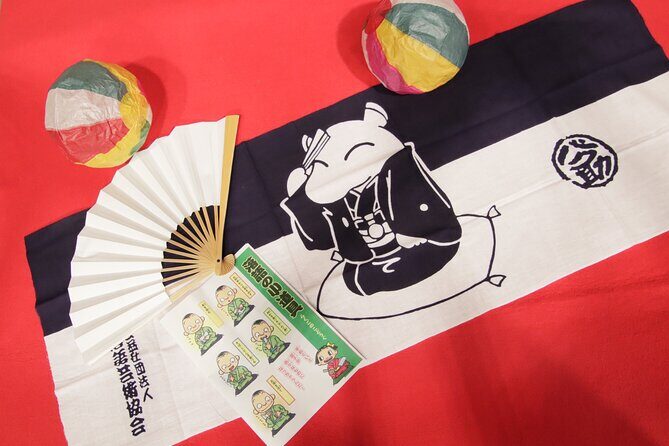
- A take-home cultural prop: tenugui hand towels, folding fans, and paper balloons are part of the gift set
The Shrine-to-Stage Feeling at EDOCCO STUDIO
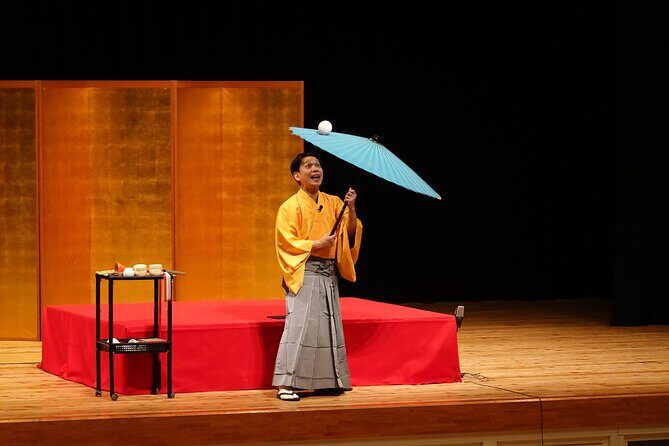
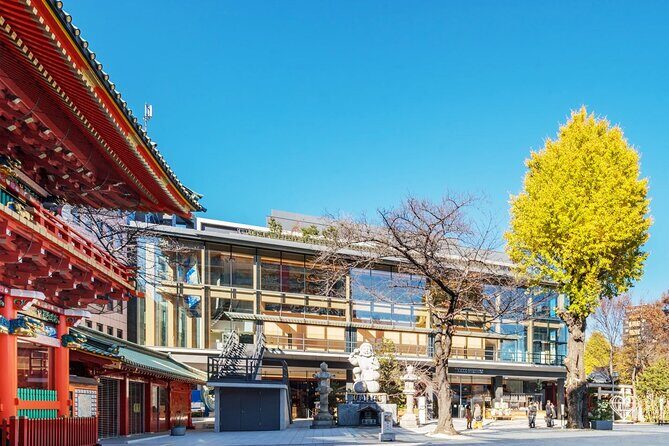
If you like Japan when it’s practical and human-sized, this show hits the spot. It’s held in a modern studio space called EDOCCO STUDIO, but it’s located within the older Kanda Myōjin Shrine area. That contrast matters: you get a calm, cultural setting without needing to navigate something overly formal.
The layout also helps international visitors. You’re not expected to understand Japanese to enjoy the beats. The show is structured so you can follow the action and catch the meaning through interpretation, which makes a huge difference in live comedy and magic where timing is everything.
Finally, it’s short enough to enjoy without planning your whole day around it. At about 1 hour 30 minutes, you can slot it in even if you’re tired from temples, shopping, or train transfers. This is especially useful in Tokyo, where one more stop can either be great or a drag, depending on the day.
A few more Tokyo tours and experiences worth a look
Getting to the Meeting Point Near Akihabara
The meeting point is at EDOCCO2-chōme-16-2 Sotokanda, Chiyoda City, Tokyo 101-0021, Japan. The activity ends back at the same meeting spot, so you don’t have to worry about a complicated pickup or transfer.
Location-wise, you’re in central Tokyo and the venue is described as being just a few minutes from Akihabara. That makes it a smart add-on if you’re already in that area for electronics, anime, or late-afternoon wandering.
One practical tip: plan to arrive early. Doors open at 13:30 and the show starts at 14:00 (the schedule shown is Thursday). Even if you don’t know the exact layout inside, early arrival gives you time to find the room, settle in, and get comfortable before the performers start cueing the audience.
The 2:00 pm Schedule: A Tight 90 Minutes
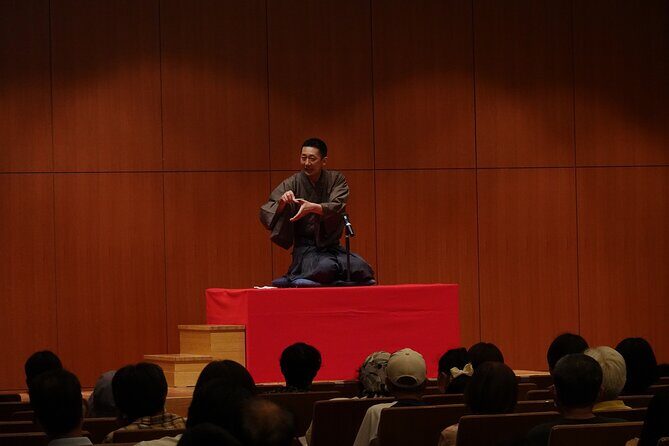
You’re looking at an approximate 1.5-hour show. That’s a good length for live performance in Tokyo: long enough to feel like you got your money’s worth, short enough to avoid that post-laugh fatigue.
Here’s the rhythm to expect based on the structure:
- First, you get Rakugo comedy, which is usually the storytelling-style act where the performer “sets the scene” and plays with language, timing, and audience reactions.
- Next comes Daikagura, a performance style that mixes high-energy acrobatics/juggling with traditional stage flair.
- Then you get Wazuma magic, including audience-friendly learning moments so it’s not just a spectacle.
Because the show blends these styles, the pace stays varied. You’re not waiting through one long act before the next shift. You should still treat it like a single show, not three separate events, and show up ready to focus for the full 90 minutes.
Rakugo Comedy: When Storytelling Becomes a Stage You Can Join
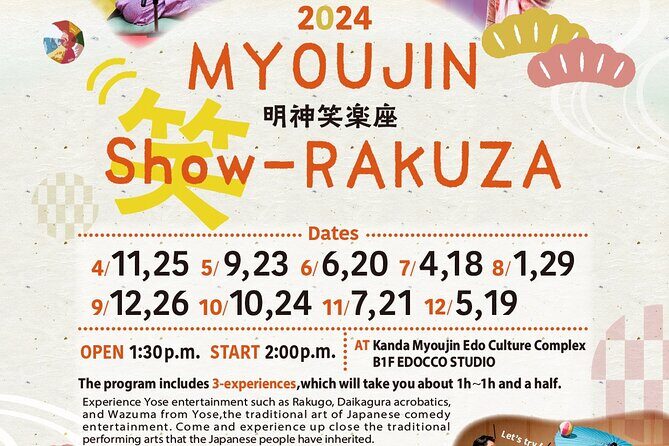
Rakugo is a big reason this show is such a good first stop for traditional Japanese performing arts. In a typical Rakugo setting, a performer uses minimal staging but maximum voice and body language. Here, the audience-friendly goal is clear: you’re not left behind.
From what you can expect in the flow of the program, Rakugo is also where you get the foundation for the rest. It sets a tone of playfulness and helps you understand how the show communicates. That’s important because comedy and magic both depend on setup and timing.
A highlight of this format is that you may get invited into the performance experience in a way that goes beyond quiet participation. Some people describe getting the chance to perform on a Rakugo stage, and even getting taught basic Rakugo expressions. That kind of hands-on learning is exactly what makes a “watch only” ticket feel different.
Daikagura Acrobatics and Juggling: Fast Skills, Big Smiles
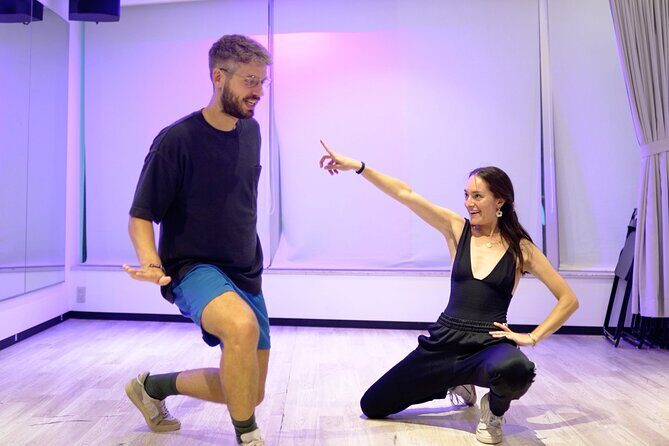
Daikagura in this show isn’t treated like a distant demonstration. It’s presented as part of the shared experience, with moments where you can try things yourself.
What makes this valuable for you is that it changes your role. You’re not just watching someone flip an umbrella or toss a ball. You’re learning how the moves are paced, and you get a feel for how performers read the room. Even if you don’t become an acrobat (thankfully), you’ll understand the control involved.
People also specifically point out acts like an umbrella spinning performance. When a traditional prop is handled with precision, you get why these techniques hold attention. It’s visually clear, and it’s the kind of moment that makes a small theater feel thrilling.
If you’re traveling with kids, this is often the section that pulls everyone’s attention back to the stage. If you’re traveling solo, it’s still a good section because it keeps your engagement high without forcing you into something awkward.






Wazuma Magic: The Best Part Is Learning the Mechanics
Magic shows can go two ways: either they’re pure spectacle, or they come with some teaching so you leave with something to try later. This program leans into the second option.
You’ll see Wazuma magic that includes basic learning. That can mean the staff teaching you simplified tricks or giving you the kind of guidance you can act on right after the show. People have also mentioned that the magician teaches basic magic tricks and that you can get interactive practice, not just applause.
This matters because magic is more fun when you can repeat it. A trick you understand even a little becomes a souvenir you can bring to friends back home. It also makes the memory stick. Instead of thinking, “That was cool,” you can think, “I remember how they set it up.”
The Take-Home Props: A Souvenir That Fits the Theme
Most Tokyo souvenirs are either edible or decorative. This show adds something more practical: you leave with props that match the style of the performance.
The mini gift includes traditional items featured in the show, such as:
- tenugui hand towels
- folding fans
- paper balloons
This is a rare kind of “cultural souvenir.” You’re not just buying an object; you’re taking home a prop that connects to the acts you just saw. It turns the show into something you can reference later when you’re using a fan or packing a towel.
It’s also a nice solution if you’re traveling light. A small set of items is easy to carry, and it doesn’t eat up luggage space like bigger crafts can.
Language, Interaction, and How Audience Participation Feels
A big question for international visitors is always the same: will I understand what’s going on? Here, the show is designed for you. You’re told that no Japanese language skills are needed, and people note that interpretation is provided. In practice, that means you’re less likely to miss the punchlines, the setup, or the instructional parts.
Then there’s audience participation. Some shows make you feel like you’re being dragged on stage. This one is described as interactive in a fun way where you don’t feel too forced. That’s the sweet spot for participation: you can be part of the experience without turning the show into an uncomfortable spotlight.
If you’d rather stay seated, you can usually still enjoy the show fully. If you’re the type who likes to try new things, this is one of those rare performances where your involvement feels welcomed rather than risky.
Price and Value: Why $36.24 Can Make Sense
At $36.24 per person, this isn’t a throwaway impulse buy. But it does compare well against other Tokyo “one evening, one ticket” experiences when you look at what’s included.
You’re getting:
- admission to a small indoor theater show
- a one-and-a-half-hour program with three performance styles
- a mini gift tied to the show
- interpretation support for non-Japanese speakers
- interactive moments where you try parts of the acts
In other words, you’re paying for entertainment plus structured cultural access. That’s a better value than a show that keeps everything strictly observational and offers no learning, no audience participation, and no takeaway.
Booking smart also helps. The average booking window is listed as 62 days in advance, which tells you seats likely move. If you wait too long, the show may simply be sold out.
Atmosphere and Comfort: Indoor, Central, and Small
The show is in an indoor theater setting, which makes it a strong choice when Tokyo weather is unpredictable. Still, note the experience description says it requires good weather. If a date is canceled for weather reasons, you’ll be offered a different date or a refund.
The venue is also tied to a shrine location, which gives you a sense of place. You’re not in a mega-theater with a generic vibe. Even if you’re only there for a short time, it feels more like an intentional cultural event.
Finally, with a maximum of 100 travelers, it stays intimate. You’ll feel closer to the performers. That proximity makes interaction and instruction more believable, since the show isn’t happening in a huge room where your eyes can’t find the details.
Who Should Book This Show, and Who Might Skip It
This is ideal if:
- you want a quick cultural performance in central Tokyo
- you prefer interactive shows over passive sightseeing
- you’re traveling without Japanese language skills
- you’d like a family-friendly option that still feels “real,” not watered down
It might be less ideal if:
- you dislike audience participation entirely (even if participation is described as not too forced, some shows still invite volunteers)
- you need a longer, deeper program and don’t want a short 90-minute experience
- you’re tight on scheduling and can’t arrive before door time (doors open 13:30, show starts 14:00)
Quick Practical Notes Before You Go
- Bring a bit of patience and keep your schedule flexible. It’s a timed show with a specific start.
- Use the mobile ticket option if that’s available to you at booking.
- Plan to be near public transportation. The venue is described as near transit, which is handy in Tokyo.
- Service animals are allowed, and most travelers can participate.
And if plans change: the experience offers free cancellation up to 24 hours before the start time for a full refund. If poor weather cancels the event, you’ll get a different date or your money back. There’s also a minimum traveler requirement noted, so in rare cases a different date or refund may be offered.
Should You Book This Traditional Comedy and Magic Show?
Yes, if you want a Tokyo experience that blends tradition with accessibility and leaves you with something you can actually use. This one is strong because it’s three styles in one ticket, and it doesn’t treat non-Japanese visitors like second-class viewers.
If you’re making a tight Tokyo itinerary, it’s also a practical choice. It’s centralized, it’s indoors, it’s roughly 90 minutes, and it includes a small take-home gift that connects to the acts you watched.
If you’re on the fence, look at your travel personality. If you like laughing, trying a few simple things, and learning how performance works, book it. If you prefer quiet sightseeing and zero interaction, you might still enjoy it from your seat, but you’ll want to be sure you’re comfortable with a more participatory format.
FAQ
FAQ
How long is the show?
The duration is approximately 1 hour 30 minutes.
What time does the show start, and when should I arrive?
Doors open at 13:30 and the show starts at 14:00 (example schedule shown is Thursday). Arriving a little before start time is a good idea.
Where exactly does the show take place?
It’s at EDOCCO STUDIO in the Kanda Myōjin Shrine area. The meeting point address listed is EDOCCO2-chōme-16-2 Sotokanda, Chiyoda City, Tokyo 101-0021, Japan.
Do I need Japanese language skills to enjoy it?
No. The experience is designed for international visitors and does not require Japanese language skills.
What are the main types of performances included?
You’ll see Rakugo comedy, Daikagura (juggling/acrobatic-style performance), and Wazuma magic in one show.
Is there an interpreter or translation help?
The experience is set up for visitors who don’t speak Japanese, and interpretation support is mentioned as part of how it stays understandable.
What’s included with the ticket besides admission?
Admission is included, and you also receive a special mini gift featured in the show.
What kind of mini gift will I get?
The gift includes traditional props such as tenugui hand towels, folding fans, and paper balloons.
Is the show interactive?
Yes. The experience is described as interactive, including opportunities to try Daikagura and Wazuma firsthand.
What are the cancellation terms and weather rules?
You can cancel for a full refund up to 24 hours before the experience’s start time. The experience may be canceled due to poor weather, and you’ll be offered a different date or a full refund. There is also a minimum traveler requirement noted.