REVIEW · KYOTO
Kyoto: Quiet and Graceful Tea Ceremony
Book on Viator →Operated by Omotenashi tea ceremony 南茶道教室 · Bookable on Viator
Kyoto has a way of slowing your brain down fast. This tea ceremony experience in the Omotenashi Tea Ceremony 南茶道教室 setup is built for that exact feeling, with a tea master guiding you through matcha and the etiquette that goes with it.
What I like most is how small the group is (capped at 8), so it doesn’t feel like you’re stuck in a line. The second big plus: you don’t just watch—you learn the steps and get hands-on practice with matcha, plus you get traditional seasonal sweets to go with it.
One thing to think about before you book: this is not a full “kimono + photo moment” production. Kimono rental is not included, and photos during the tea performance are limited.
In This Review
- Key things to know before you go
- Omotenashi Tea Ceremony 南茶道教室: a 45-minute pause in Kyoto
- Tea master instruction: the matcha steps you’ll actually remember
- Seasonal sweets: why they matter, even if you skip dessert at home
- The tea room experience: etiquette, calm, and that tatami quiet
- A small comfort warning for cold months
- Group size, photos, and the kimono question (the practical stuff)
- Kimono rental
- Photos and videos
- Timing and pacing
- Where it starts: the meeting point and how to plan your Kyoto day
- How to slot it into your itinerary
- Who should book this tea ceremony?
- Should you book Kyoto Quiet and Graceful Tea Ceremony?
- FAQ
- How long is the Kyoto tea ceremony experience?
- What’s included in the experience?
- How many people are in the group?
- Is kimono rental included?
- Are photos or videos allowed?
- Will I get to make the matcha myself or only watch?
- Is there an English explanation?
- What’s the meeting point address?
- Can service animals attend?
- What’s the cancellation window?
Key things to know before you go
- Max 8 people makes the experience feel personal, not crowded
- 45 minutes is short enough to fit easily into a Kyoto day
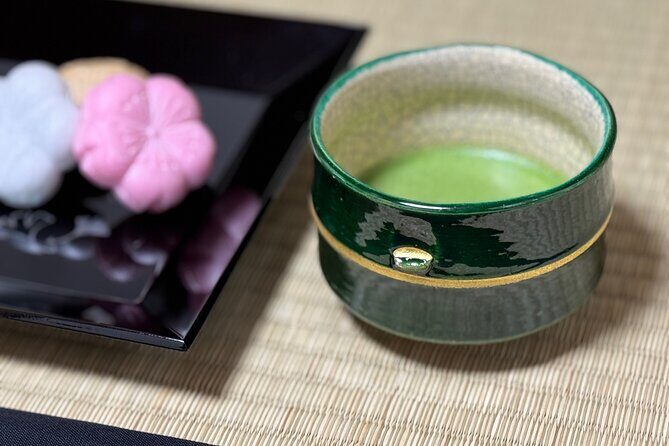
- Matcha + sweets included so you get the full tea-and-dessert rhythm
- No photos during the performance (before/after is fine)
- Kimono rental isn’t included
- Tea master-led etiquette helps you do it the right way
Omotenashi Tea Ceremony 南茶道教室: a 45-minute pause in Kyoto
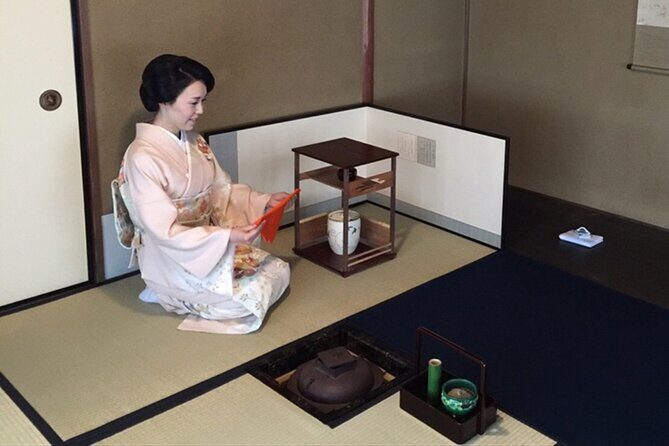
This isn’t the kind of activity where you’re meant to speed-read a culture. It’s more like a timed reset. From the start, the mood is quiet and deliberate, and the room is set up for the ritual—traditional tea-room style, with the kind of calm that makes even normal conversation feel a little louder.
The duration is about 45 minutes. That matters. In Kyoto, you’re often choosing between “see everything” and “actually enjoy what you’re seeing.” A tea ceremony is a rare pick that gives you something real without eating half your day.
The price is $56.49 per person. That sounds simple until you compare what you’re actually buying: a dedicated tea master, a private-style teaching space, and hands-on time. For Kyoto, it’s a fair exchange if you want cultural depth without paying for a giant group show.
You can also read our reviews of more tours and experiences in Kyoto.


Tea master instruction: the matcha steps you’ll actually remember
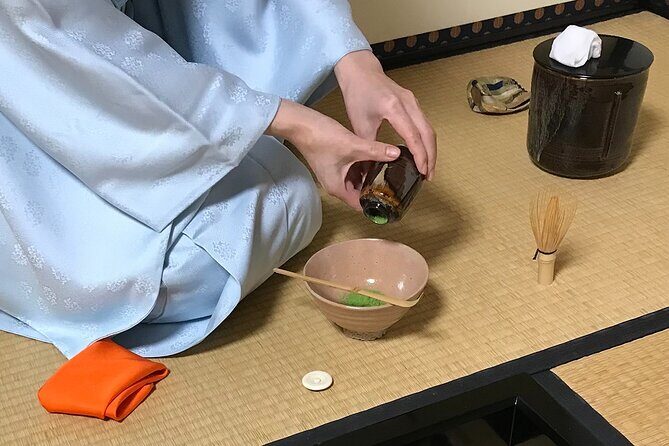
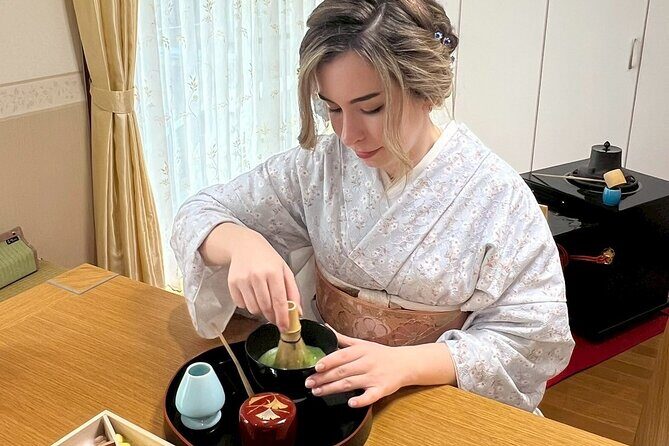
The heart of the experience is watching a tea master demonstrate the precise steps involved in preparing matcha, then putting those steps into your own hands. That hands-on part is where most “tourist tea” experiences fall short, because you’re left with a drink and a vague story.
Here, you learn how the ritual works—not just the outcome. The tea master’s movements are described as graceful and choreographed, with a pace that feels controlled and calm. One review highlighted the way the host’s question-and-answer time added real understanding, not just script-like explanations.
A couple practical notes from what you’ll see and hear:
- You’ll be shown the proper flow of the ceremony, including etiquette for entering and sitting.
- You’ll have time to learn and try the process yourself (reviews mention preparing matcha).
- If you’re shy about asking questions, don’t be. Several reviews point out that the host was patient and open to questions.
Also, at least one host is praised for speaking clear English and explaining so you could follow along comfortably. If you’re not fluent in Japanese, that kind of explanation is a big part of why this works as an activity.
Seasonal sweets: why they matter, even if you skip dessert at home
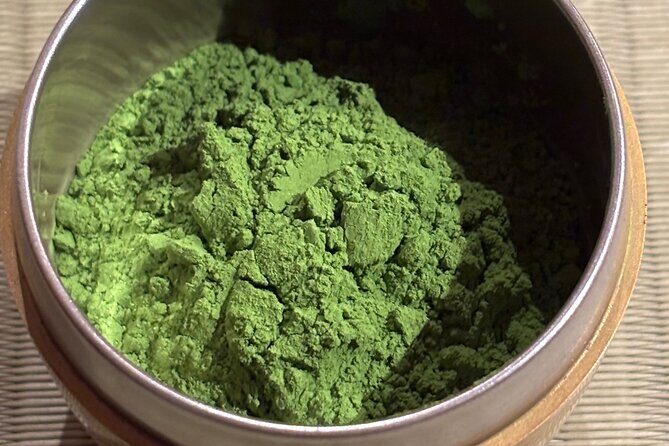
Matcha gets all the attention, but the ceremony’s sweet accompaniment is part of the point. You’ll enjoy traditional Japanese seasonal sweets along with your premium matcha.
Here’s what I think is useful for your decision-making: this isn’t “snack included” in the cheap sense. The sweets are part of the pacing and balance of the ceremony. You’re meant to taste, pause, and pay attention, not just eat quickly and move on.
A nice bonus from the real-world reviews: if a child doesn’t like the sweet, the host may offer alternatives—one family mentioned the host brought Oreos when the kids weren’t into the original sweet. That’s not something you should assume will happen every time, but it does suggest the tea master is watching the room and adjusting to comfort.
The tea room experience: etiquette, calm, and that tatami quiet
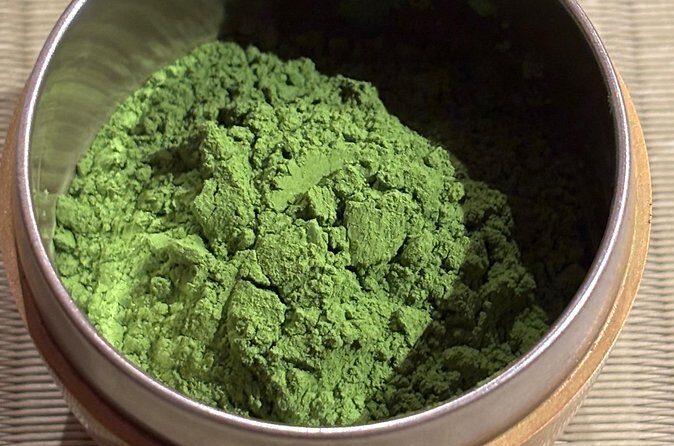
One of the strongest themes in the reviews is the feeling of quiet and mindfulness. People repeatedly describe the room as peaceful, and they mention the calm during the preparation—so calm it helps you notice details you’d normally miss in a busy café.
You should also expect real etiquette instruction. Reviews specifically mention being shown proper behavior for entering the room and sitting. That’s valuable because Japanese tea ceremony isn’t only about taste. It’s about how you move, how you wait, and how you engage with the moment.
And yes, it can feel a bit like you’re in someone’s house. That’s not automatically bad. One reviewer said the ceremony wasn’t fancy and could feel like a home setting, which some people might prefer for authenticity and others might interpret as “not enough polish.” If you want a lavish, staged production, you might be disappointed. If you want quiet and real, you’ll probably like this approach.
A small comfort warning for cold months
One review notes the house stayed very cold in November. If you’re visiting in cooler weather, dress for it. Bring a layer you’re comfortable keeping on. A tea ceremony can’t be “fast and warm” if the goal is calm and traditional airiness.


Group size, photos, and the kimono question (the practical stuff)
This experience is capped at 8 travelers, and that limit shows in the vibe. You’re not competing for the host’s attention, and the ceremony doesn’t get swallowed by noise.
Now for the rules that affect your expectations:
Kimono rental
Kimono dressing is not included. If your ideal Kyoto day includes that full photo-ready kimono look, you’ll need to plan that separately. This ceremony focuses on the ritual itself, not costume add-ons.
Photos and videos
Photography is not allowed during the tea performance itself. You can take photos before and after, which is a nice compromise: you still get a few memories, but the main ritual stays undistracted.
Timing and pacing
Most reviews describe the host as patient and instructive. Still, a couple comments mention it can feel a bit rushed. At $56.49, you’re paying for a full ceremony arc in under an hour. That’s doable, but it also means there’s less time for long wandering around or extra ceremony variations.
If you tend to get anxious about timing, show up a few minutes early so you don’t start the ritual stressed.
Where it starts: the meeting point and how to plan your Kyoto day
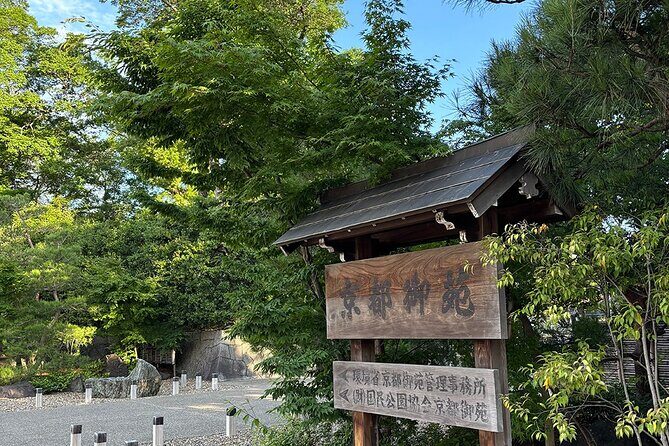
You meet at 南総合会計事務所450-1 Sanbongichō, Nakagyo Ward, Kyoto, 604-0871, Japan. The activity ends back at the meeting point, so it’s easy to fold into your afternoon.
It’s also described as near public transportation, which helps a lot in Kyoto. You won’t need a car, and you won’t have to build your entire day around a taxi situation.
How to slot it into your itinerary
A tea ceremony works best when you’re not rushing to the next “big thing.” I’d pair it with something calmer—like a nearby neighborhood walk—rather than scheduling back-to-back timed attractions. The point is to let your senses reset.
If you’re visiting during peak crowds, this is a smart counter-program. When Kyoto gets loud, a private tea room can feel like a pressure release.
Who should book this tea ceremony?
This fits you best if:
- You want a more authentic-feeling tea ritual than a crowded demo.
- You care about etiquette and want to understand the process, not only drink matcha.
- You like intimate cultural activities where you can ask questions.
It might feel wrong if:
- You’re expecting a kimono rental experience and lots of photo time during the performance.
- You want a super fancy, staged “show” rather than a quietly structured ceremony.
And for families: the experience includes seating for kids as well as adults based on at least one review. If your kids are curious, this can be a calm change of pace. If they’re picky eaters, it helps to know the host has previously offered alternatives like Oreos.
Should you book Kyoto Quiet and Graceful Tea Ceremony?
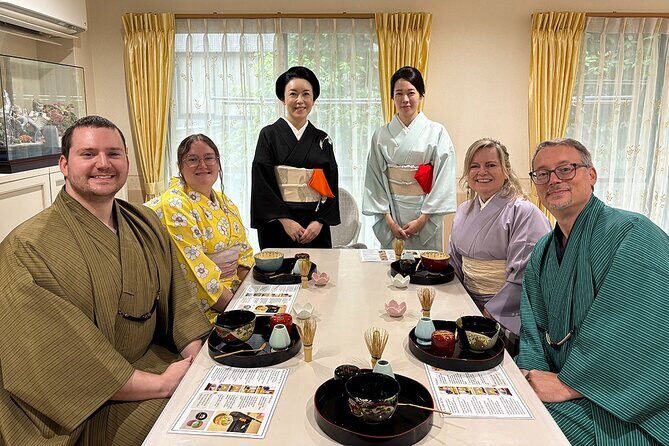
If you’re the type of traveler who gets more from small moments than from ticking boxes, I’d book it. The combination of a small group cap, a tea master who explains and stays patient, and the chance to learn matcha steps yourself makes the $56.49 price feel more like value than like a “pay for a photo” setup.
Book it if:
- You want a calm Kyoto experience that teaches you something you can repeat.
- You’d rather sit quietly and learn than stand in line and move on.
Consider skipping or shopping around if:
- Kimono rental and heavy photo opportunities are your top priorities.
- You dislike cold indoor environments and don’t plan to dress in layers.
- You need a longer class format. This one is designed to be about 45 minutes, so it’s efficient—not sprawling.
If you want Kyoto at its most graceful, this is one of the easier ways to slow down and actually taste the culture.
FAQ
How long is the Kyoto tea ceremony experience?
It lasts about 45 minutes.
What’s included in the experience?
Tea and snacks are included, including premium matcha and traditional Japanese sweets.
How many people are in the group?
The maximum group size is 8 travelers.
Is kimono rental included?
No, kimono rental is not included.
Are photos or videos allowed?
Photos are not allowed during the tea performance. You can take photos before and after the ceremony.
Will I get to make the matcha myself or only watch?
You learn and practice the tea preparation steps as part of the ceremony.
Is there an English explanation?
One review mentions a host who spoke beautiful English and explained everything clearly. You should expect explanations, but language detail can vary by host.
What’s the meeting point address?
You meet at 南総合会計事務所450-1 Sanbongichō, Nakagyo Ward, Kyoto, 604-0871, Japan.
Can service animals attend?
Yes, service animals are allowed.
What’s the cancellation window?
Free cancellation is available up to 24 hours in advance for a full refund. After that point, refunds are not available.