REVIEW · TAITO CITY
Japanese paper Notebook and Mizuhiki Belt Bookmark Workshop
Book on GetYourGuide →Operated by Washi labo TOKYO · Bookable on GetYourGuide
Paper knots beat screen time. This intimate washi notebook and mizuhiki bookmark workshop turns everyday stationery into something personal, hands-on, and quietly impressive. I love how you pick your own Japanese paper look, then shape it into an A6 notebook you’ll actually use. I also love the mizuhiki part, because the belt-style bookmark feels meaningful in a way store-bought bookmarks rarely do. One thing to consider: you’ll be working with sharp tools, so you’ll want to follow the safety guidance carefully.
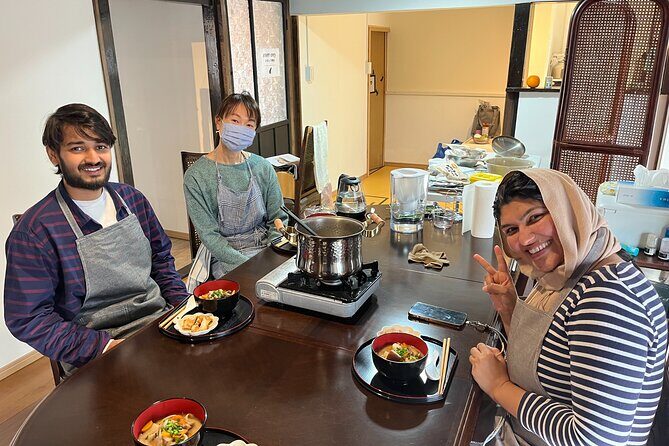
I also like the calm pace for a private group with an instructor who guides in Japanese and English. The tea and sweets are included, which makes the session feel like a real break—not a rushed craft stop. The main drawback is timing: it’s 150 minutes, and finishing the notebook fully takes focus, especially if you’re doing the full knot set from scratch.
In This Review
- Key takeaways
- Japanese paper craft in Tokyo-style studio: washi notebook plus mizuhiki bookmark
- Price and what you’re paying for
- What you make: an A6 washi notebook and a belt bookmark you’ll actually keep
- The washi notebook part: picking paper and building the cover
- A realistic timing note
- Mizuhiki knots and the belt bookmark: learning what each tie means
- What the belt bookmark adds
- Tea, sweets, and a calmer rhythm than sightseeing
- Tools, safety, and staying comfortable with sharp implements
- Private group energy: Japanese and English instruction that keeps you on track
- Who this workshop fits best (and who should skip it)
- What to expect in the full 150 minutes (a practical flow)
- Getting value from $113: how to decide if this is the right use of your time
- Tips before you go: make the most of the materials and your finished keepsake
- Should you book the Japanese paper Notebook and Mizuhiki Belt Bookmark Workshop?
- FAQ
- How long is the workshop?
- What does the $113 per person price include?
- Is this a private group class?
- What languages are used during the workshop?
- Are transportation costs included?
- Is it suitable for children?
- Can I take a photo with the studio cat mascot?
- Is free cancellation available?
- Is reserve & pay later available?
Key takeaways
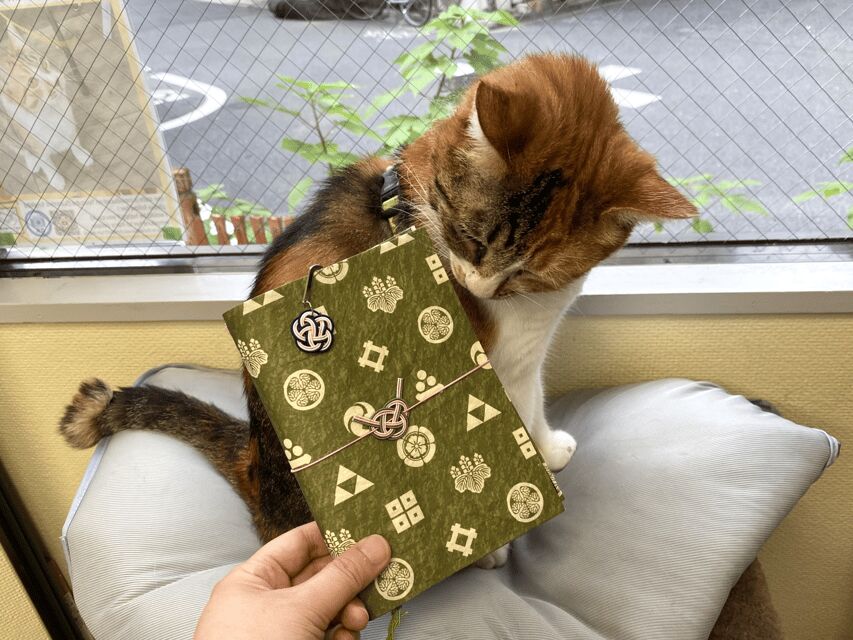
- Choose your own washi and assemble an A6 notebook with a cover that looks like a traveler-style or art-journal notebook
- Learn mizuhiki knotting using a belt bookmark format, including the three knots taught in the class
- Tea and sweets included (coffee or tea, plus snacks and sweets) to keep the experience relaxed
- Safety-first instruction with guidance on how to use sharp tools
- Private group comfort in Japanese and English, plus a chance to take a photo with the studio cat mascot
Japanese paper craft in Tokyo-style studio: washi notebook plus mizuhiki bookmark
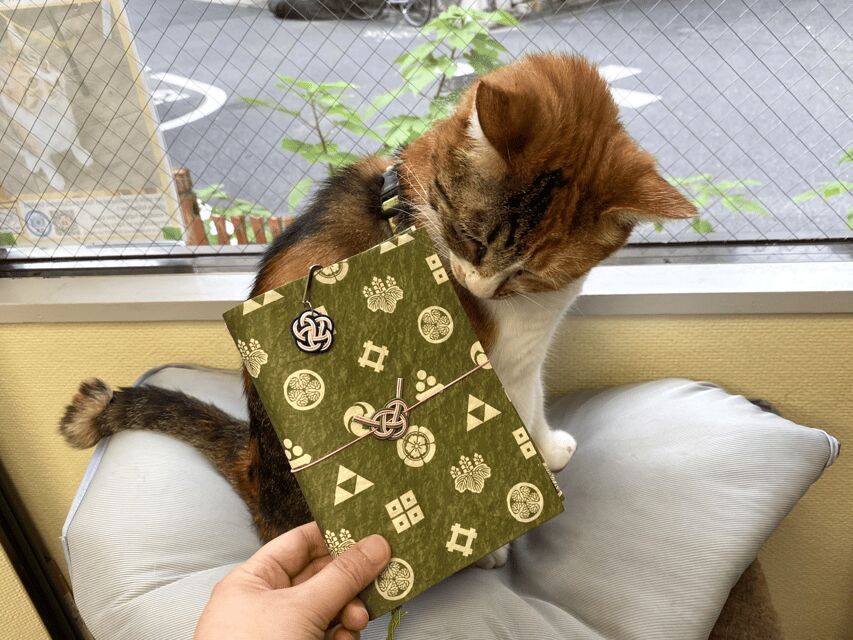
If you like souvenirs you can hold, not just photos you can scroll past, this workshop is a great pick. You’ll make two keepsakes in one sitting: an A6 washi notebook and a mizuhiki belt bookmark. It’s a strong mix because the notebook gives you something practical, while the bookmark gives you something symbolic.
The setting is a craft studio run by Washi labo TOKYO, and the energy is focused and gentle. I like that it doesn’t feel like a performance. It feels like you’re being taught a small piece of tradition step-by-step, then you walk out with proof you did it.
You can also read our reviews of more tours and experiences in Taito City.

Price and what you’re paying for
At $113 per person for 150 minutes, this isn’t the cheapest thing on Honshu. But it’s also not paying for a bus ride and a photo stop. You’re paying for premium materials, a guided workshop at a private-group pace, and structured teaching for both washi notebook making and mizuhiki knotting.
In plain terms: you’re buying time, instruction, and craft-grade supplies. If you normally spend money on paper goods, cards, or decorative stationery, this workshop is a better value because you leave with a handmade item (not just a product).
What you make: an A6 washi notebook and a belt bookmark you’ll actually keep
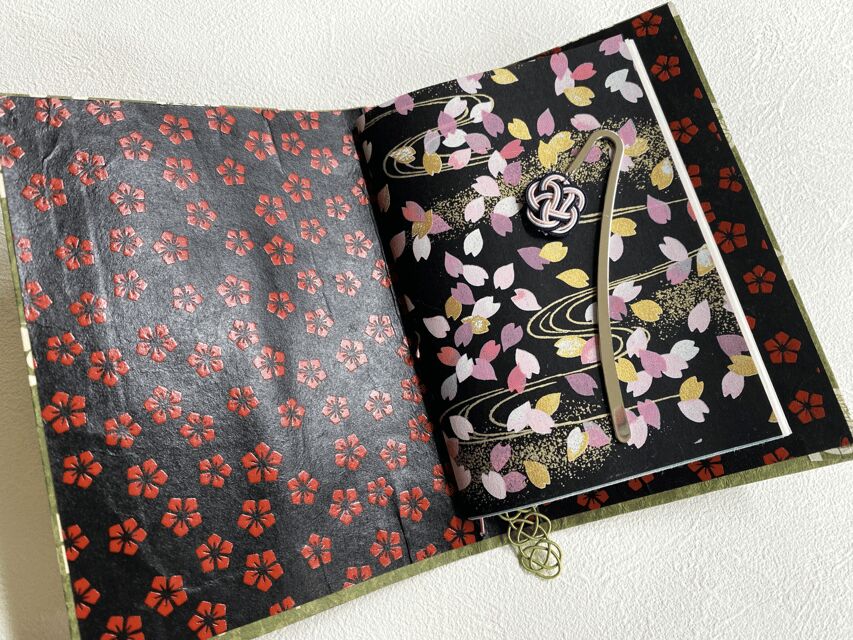
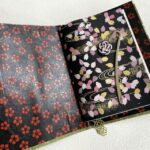
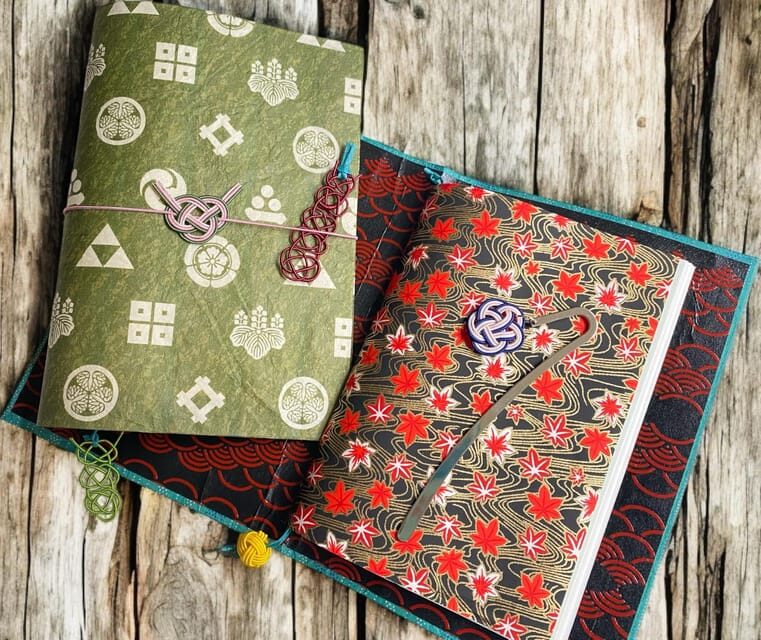
You’re not making a generic notebook. The washi notebook is an A6 size format, and you choose your favorite Japanese paper, then build the cover and structure from there.
The style is close to what many people look for in traveler-style journals and junk-art journals: clean enough to write in, but still “craft enough” to feel special. You’ll also get a notebook that looks like it belongs to you, not like it was ordered in bulk.
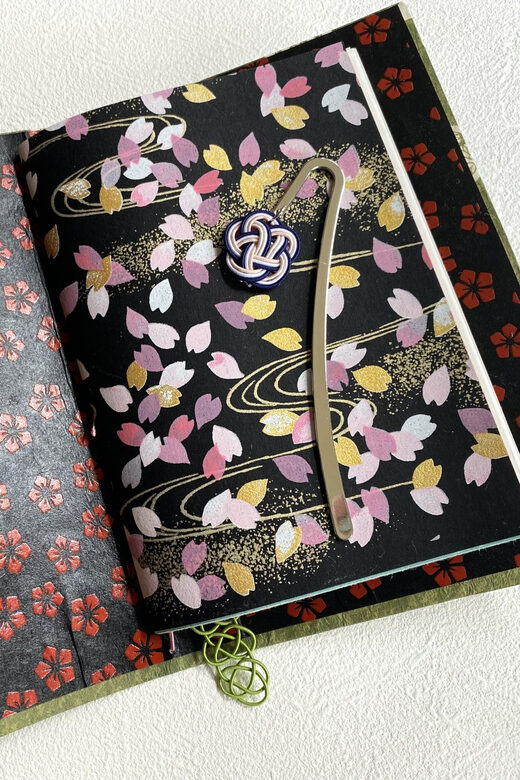
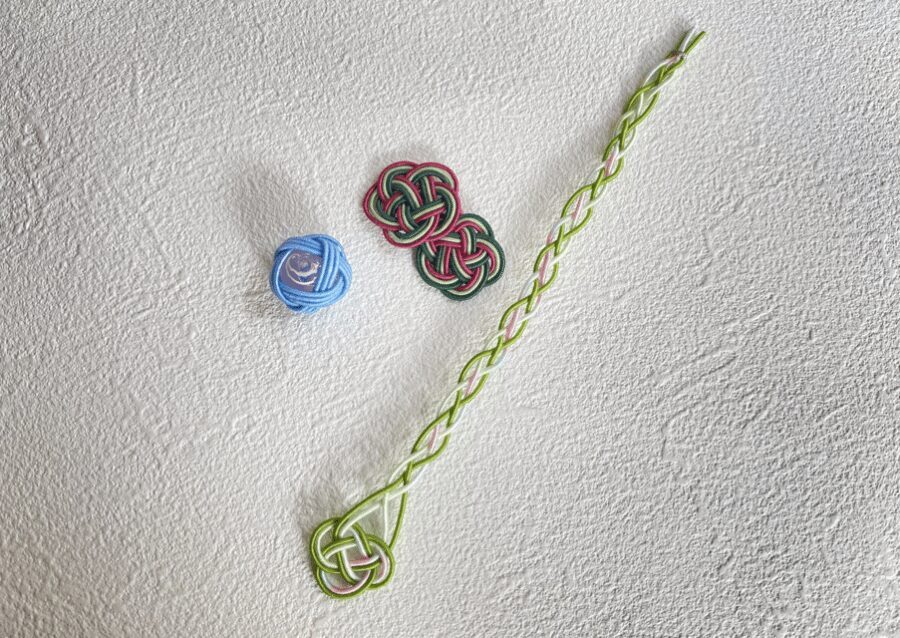
Then comes the second keepsake: your mizuhiki knotting project. You’ll create a notebook belt and a bookmark while learning the three knots used in the class. Mizuhiki itself is a traditional paper cord/string that’s been in use for roughly 680 years, and it’s still tied to weddings and funerals today. So when you tie your bookmark belt, you’re learning a technique that’s still culturally alive, not just decorative.
One more detail that matters: the class isn’t only for complete beginners. If you already know the basics, there’s an option to try a slightly more difficult knot. That’s a nice bonus if you want to feel challenged instead of just guided through the basics.
The washi notebook part: picking paper and building the cover
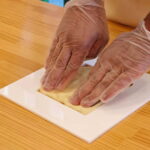
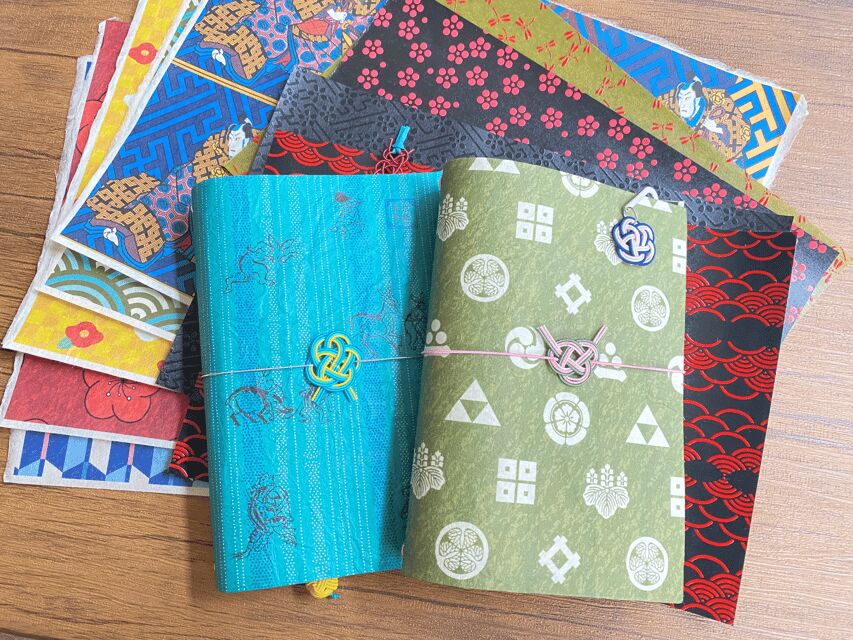
The washi portion is where you start turning materials into something you can customize. You’ll choose your favorite Japanese paper and then make an A6 notebook with a cover. The process is guided, so you’re not stuck guessing how to fold or assemble.
What I like about this part is that it’s creative without being vague. You’re making decisions (paper choice, how you want the cover to look), but the steps are clear enough that you won’t feel lost. That matters because many craft workshops look simple on paper and turn confusing once you’re holding the tools.
For your finished product, the goal is a notebook you can write in, not just keep wrapped. A6 is practical: it’s small enough to carry, but big enough for journaling, sketches, or notes you’d actually revisit.
A realistic timing note
Even though the total duration is listed as 150 minutes, plan for the work to take concentration. Some people complete it closer to the two-hour mark when you slow down for the assembly and do the steps carefully. If you tend to rush, you might feel pressure. If you like doing things neatly, you’ll probably enjoy the pace.



Mizuhiki knots and the belt bookmark: learning what each tie means
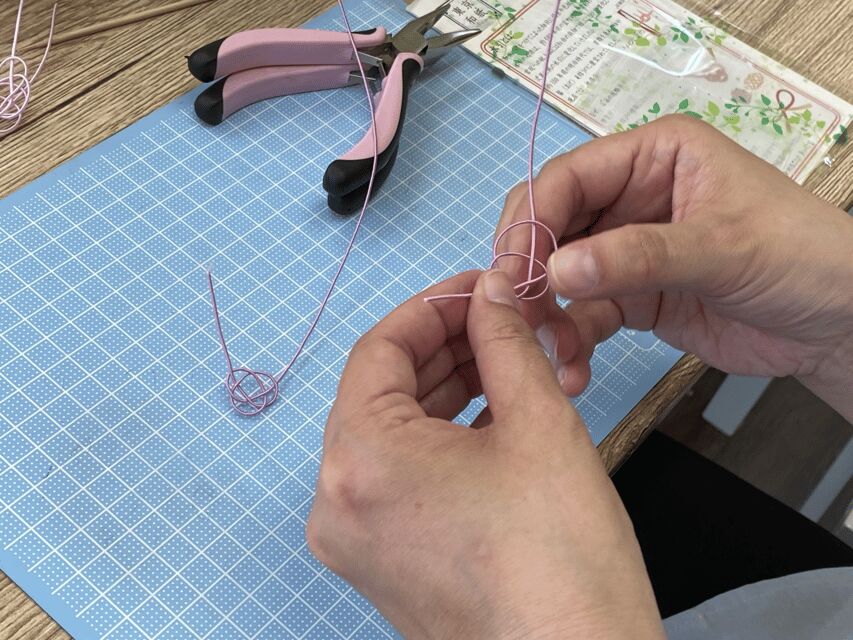
If you want one part of the workshop to feel most “Japanese,” it’s the mizuhiki knotting. You’re not just copying a knot; you’re learning the logic behind how paper string becomes a structured form.
The class teaches three knots as part of your notebook belt and bookmark. The instruction is designed so you can follow along and finish with something that holds its shape. As you tie, you’ll understand why mizuhiki has lasted so long: it’s lightweight, adjustable, and expressive.
One interesting concept you’ll hear in the teaching is the emphasis on proper knot technique—often described around the Awaji knot tradition—because small differences in how you cross and pull can change how the finished piece looks and holds. That’s the kind of detail that turns a craft from random to skill-based.
What the belt bookmark adds
Most bookmarks are flat. A belt-style bookmark does something else: it has presence. It wraps in a way that looks intentional and decorative, and it makes the notebook feel more ceremonial. It also gives you a way to mark pages while keeping the notebook closure vibe.
And because mizuhiki is connected to real life events in Japan (including weddings and funerals), this isn’t just decoration. It’s a technique with context.
Tea, sweets, and a calmer rhythm than sightseeing
A big reason I’d recommend this workshop to non-craft people is the pacing. You’re not rushing between sites. You make, you listen, you tie, and then there’s a break.
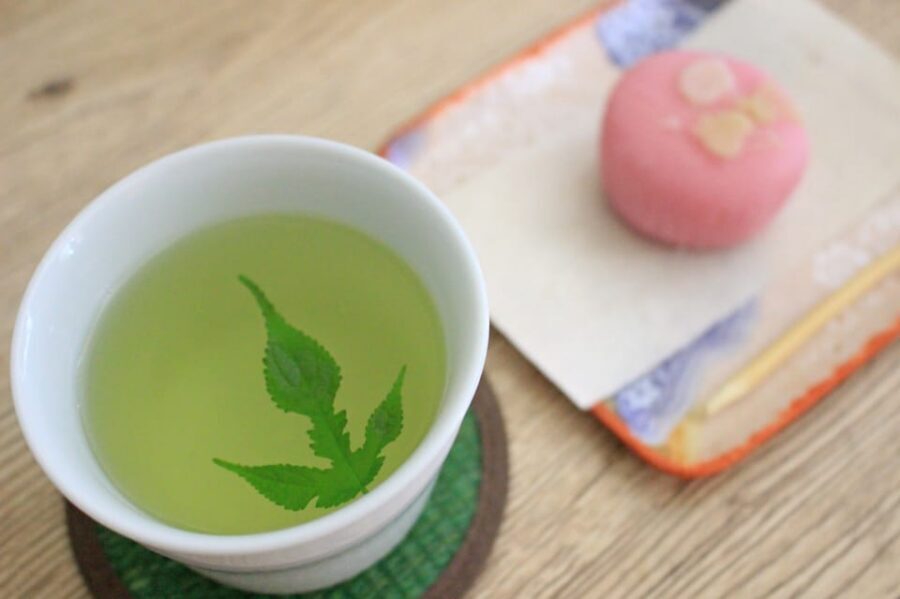
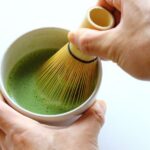
Coffee or tea is included, plus tea and sweets. Depending on the session, you may also enjoy sandwiches and snacks alongside the sweets. The tea tends to be light and refreshing, which is a nice contrast to the concentrated handwork.
That snack break also matters culturally. Japanese craft spaces often build in a quiet rhythm, where you slow down enough to pay attention to what you’re doing. You’re not just producing an object; you’re practicing attention.
Tools, safety, and staying comfortable with sharp implements
Craft classes can be either relaxing or stressful depending on how tools are handled. Here, safety comes first. You’ll receive guidance on how to use sharp tools safely, so you’re not left to figure it out on your own.
If you’re the type who gets nervous around blades or cutters, this is a point in the workshop’s favor. It’s also why the class is listed as not suitable for children under 10. The content is hands-on, and the safety instruction is part of the experience.
Tip for you: wear long sleeves only if they won’t get in the way, and keep your attention on the instructor’s handling. Most of the stress fades once you see how the tools are used and how careful the pace is.
Private group energy: Japanese and English instruction that keeps you on track
This is a private group workshop with an instructor who speaks Japanese and English. That language setup is more than convenient. It’s what makes the steps feel understandable instead of guesswork.
In a private setting, you can ask about the exact part you’re stuck on: where your paper fold is off, how tight to pull the string, or how to correct a knot’s angle. That kind of feedback is hard to get in larger group classes.
You may also get a memorable studio moment: if you’re a cat person, it’s possible to take a picture with the studio cat mascot. It’s a small detail, but it adds warmth to what’s otherwise a focused, quiet activity.
Who this workshop fits best (and who should skip it)
This experience is a strong match if you:
- want a hands-on Japan activity instead of another photo-heavy itinerary
- like paper crafts, calligraphy-adjacent arts, or making gift-style items
- want a keepsake that feels personal because you made it from scratch
- enjoy calm, step-by-step instruction
It’s also a good choice for couples and small groups because the work naturally creates shared time. And it’s well suited to families with older kids. While the workshop isn’t listed for children under 10, kids around that age range can do fine if they can focus on the tool safety rules and follow directions.
You might skip it if:
- you want something purely sightseeing-based with minimal hands-on work
- you hate using tools of any kind, even with safety instruction
- you’re short on time and need a quick stop (this is a full 150-minute class)
What to expect in the full 150 minutes (a practical flow)
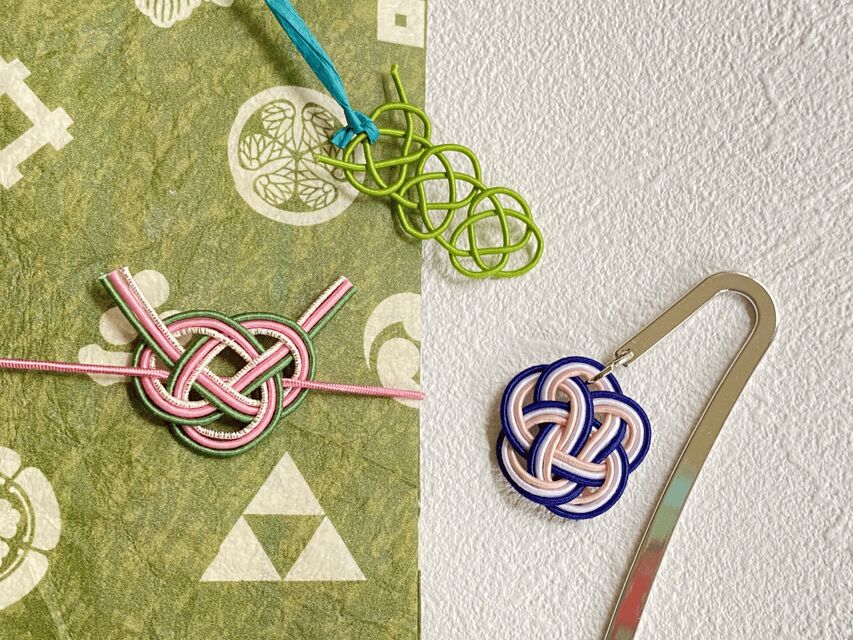
You can think of the session as moving in three phases, each with a different feel.
First, you settle into the studio and start with washi notebook making. You’ll choose the Japanese paper, learn how the A6 notebook takes shape, and follow guided steps to assemble the cover and basic structure.
Second, you shift into mizuhiki knotting. You’ll practice the knots that build the notebook belt and bookmark. This is the part where technique matters, and where it helps that instruction is in Japanese and English.
Third, you take a break for tea and sweets (plus coffee or tea), so your hands can rest while you enjoy the finished work and the calm rhythm of the class.
That flow keeps the workshop from feeling one-note. You get both creative freedom (paper choice) and skill repetition (knot practice), then a reward (snacks and tea).
Getting value from $113: how to decide if this is the right use of your time
Here’s how I’d judge the price for you. If you already buy notebooks and decorative paper, this workshop is a direct upgrade. You aren’t just paying for materials; you’re paying for the guided method that lets you finish something you’d struggle to reproduce at home.
You’re also getting two connected crafts. One project is functional (the notebook). The other project is symbolic and decorative (mizuhiki belt bookmark). That combo usually makes the cost feel more justified than a single-item class.
Also, private-group time is a value lever. You’re not competing with distractions, and the instructor can correct your steps. That’s how you end up with a keepsake you’re proud to show—and actually use.
Tips before you go: make the most of the materials and your finished keepsake
You don’t need special craft experience. But you’ll get better results if you go in with the right mindset.
- Slow down for the first steps. Paper and assembly set the foundation for how your notebook looks.
- Expect the knot work to take patience. Even if you finish, you’ll want to do it neatly.
- Bring your curiosity. Ask why a knot is tied that way, or what makes the bookmark hold its shape.
- If you’re bringing a kid (age 10+), set expectations that this includes safety with sharp tools and calm sitting time.
And if you’re cat-curious, keep your phone ready. The studio cat mascot is part of the charm.
Should you book the Japanese paper Notebook and Mizuhiki Belt Bookmark Workshop?
Book it if you want a meaningful craft experience that produces something you’ll keep for years. This workshop has a rare mix: premium Japanese paper, structured instruction in Japanese and English, careful safety guidance, and the cultural weight of mizuhiki knots. On top of that, you get tea and sweets and a private-group pace that makes learning feel comfortable.
Skip it if you’re after fast sightseeing or if the idea of using tools worries you too much. It’s not a passive activity. It’s a hands-on workshop with a real craft focus.
If you’re deciding between one extra day of activities, this is the kind of class that turns travel into a tangible souvenir. And if you enjoy paper crafts at all, you’ll likely come out with a new skill—and a notebook you’ll want to write in.
FAQ
How long is the workshop?
The workshop lasts 150 minutes.
What does the $113 per person price include?
It includes required workshop materials, and coffee or tea. Tea and sweets are also part of the experience, along with guidance from the instructor.
Is this a private group class?
Yes, it’s a private group experience.
What languages are used during the workshop?
The instructor provides instruction in Japanese and English.
Are transportation costs included?
No. Transportation to the store is not included.
Is it suitable for children?
It is not suitable for children under 10 years old.
Can I take a photo with the studio cat mascot?
Yes, it’s possible to take a picture with the cat if you’re interested.
Is free cancellation available?
Yes. You can cancel up to 24 hours in advance for a full refund.
Is reserve & pay later available?
Yes. You can reserve now and pay later, keeping your travel plans flexible.