REVIEW · TAITO CITY
Asakusa Cultural Walk & Matcha Making Tour
Book on GetYourGuide →Operated by MagicalTrip · Bookable on GetYourGuide
Asakusa can feel like a theme park if you follow the wrong crowd. This tour is built for the real rhythm of the neighborhood, with shrine-and-street walking plus a matcha making stop that turns sightseeing into hands-on culture. I especially like the small-group vibe and the way the guide explains what to notice as you go; the only catch is lunch can be okonomiyaki instead of monjyayaki, even if monjyayaki is part of the pitch.
You’ll start near Senso-ji and work your way through the classic lanes like Nakamise, but with context for temples, daily habits, and what locals actually buy and eat. You’ll also leave with a better sense of how Asakusa fits together, not just a checklist of landmarks.
In This Review
- Key Highlights You’ll Feel Immediately
- Why Asakusa Works Best With a Local Walk Plan
- The 3-Hour Route: Shrines, Nakamise, and Hoppy Street
- Getting oriented at the Kaminarimon Police Box
- Asakusa Shrine (plus a second shrine stop)
- Nakamise shopping street: where you practice reading the street
- Kaminari Issa tea ceremony moment (the longer stop)
- Hoppy Street and a local café lunch
- Matcha Making: What You Learn and What You Tastes
- Lunch: Okonomiyaki or Monjyayaki and How to Handle Expectations
- The Small-Group Advantage (and Why Up to 8 People Helps)
- Guide Style: What Makes It Feel Like Local Knowledge
- Photos, Snacks, and the Little Things That Keep You Moving
- Getting There and Moving Around Without Stress
- Price and Value: Is $88 a Good Deal Here?
- Should You Book This Asakusa Cultural Walk & Matcha Making Tour?
- FAQ
- What is the duration of the Asakusa Cultural Walk & Matcha Making Tour?
- How big is the group?
- Is the tour guide available in English?
- Where do we meet?
- Is matcha making included?
- What’s included for lunch?
- Can I bring luggage or large bags?
- What happens in bad weather?
- Can I cancel for a full refund?
Key Highlights You’ll Feel Immediately
- Small-group pace (up to 8): more questions, less crowd stress.
- Matcha making, not just watching: you’ll do the steps and taste the result.
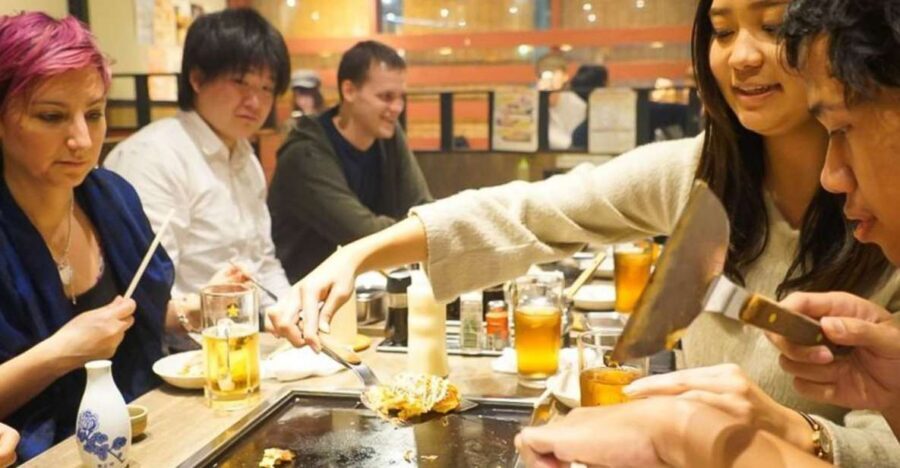
- Lunch with your hands: you’ll make and eat okonomiyaki or monjayaki with a drink.
- Asakusa streets with local logic: stops are chosen for what they represent, not only for photos.
- Tour photos included: so you can spend time looking instead of asking strangers.
- Family-friendly for all ages: a good option if you want something cultural but not stiff.
Why Asakusa Works Best With a Local Walk Plan
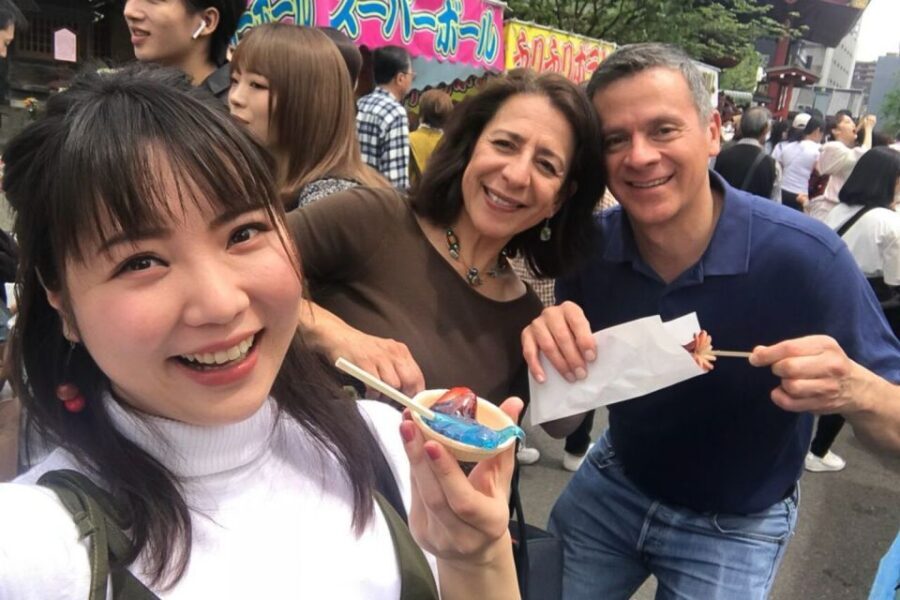
Asakusa is one of those Tokyo neighborhoods where the streets can look the same to you at first glance, but they’re doing totally different things. With this tour, I like that the route tries to explain why each place matters in everyday terms—temples, shopping streets, and the food stops that make the area feel lived-in.
The price also makes sense in a practical way. At $88 for about three hours, you’re not just paying for walking and pointing; you’re getting lunch, matcha making, a snack, and tour photos bundled in. That means less spending mid-walk, and more time to enjoy what you came for.
The one drawback to watch is food expectations. The lunch includes either okonomiyaki or monjayaki, and one prior booking described getting okonomiyaki when monjyayaki was expected—so if monjyayaki is the main reason you booked, confirm how the lunch is handled when you reserve.
You can also read our reviews of more walking tours in Taito City
The 3-Hour Route: Shrines, Nakamise, and Hoppy Street
This is a focused, half-morning style experience. It runs from 11:00 am to around 2:00 pm, so you’ll finish while Asakusa is still active—handy if you want to continue browsing afterward.
Getting oriented at the Kaminarimon Police Box
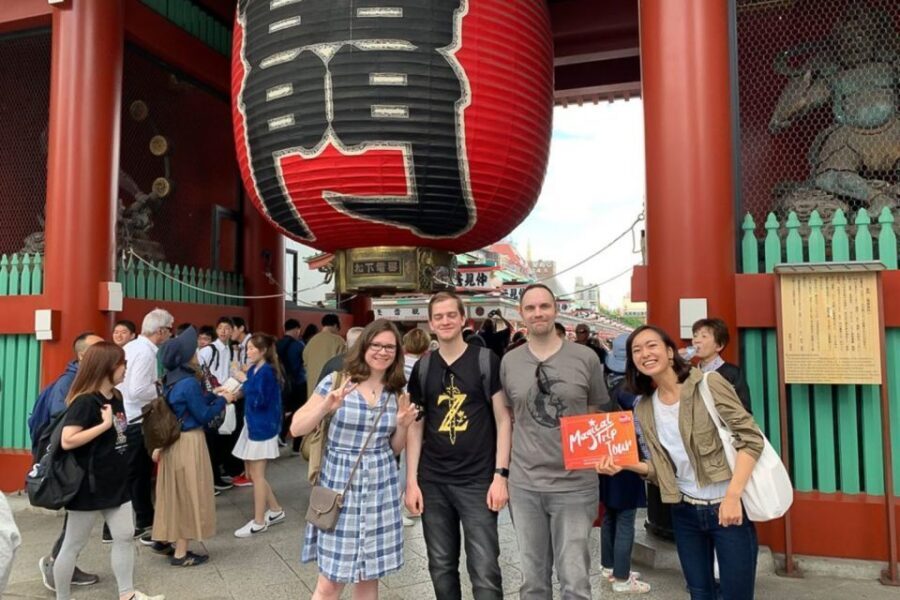
You meet in front of the Kaminarimon Police Box, about three minutes from Asakusa Station (Ginza Line Exit #1). Your guide holds a red/orange sign. This matters because Kaminarimon is a busy landmark, and starting correctly saves you time and stress—especially when you’re traveling alone or with a small group.
Also note the rule about bags: luggage or large bags aren’t allowed. If you’re coming straight from another city, plan to travel light or you’ll be juggling your stuff more than you want.
Asakusa Shrine (plus a second shrine stop)
The tour includes Asakusa Shrine with two separate visit windows (one around 20 minutes, another around 25 minutes). That might sound repetitive until you realize why it’s done: you get time to see the area, then return with a guide’s explanation that helps you notice details you would’ve missed the first time.
The guide’s role here is less about history-as-a-lecture and more about what temples mean in daily Japanese life. You’ll also get pointers on etiquette—stuff that makes you feel confident instead of awkward when you’re surrounded by worshippers.
Nakamise shopping street: where you practice reading the street
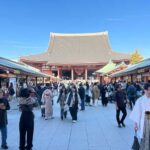
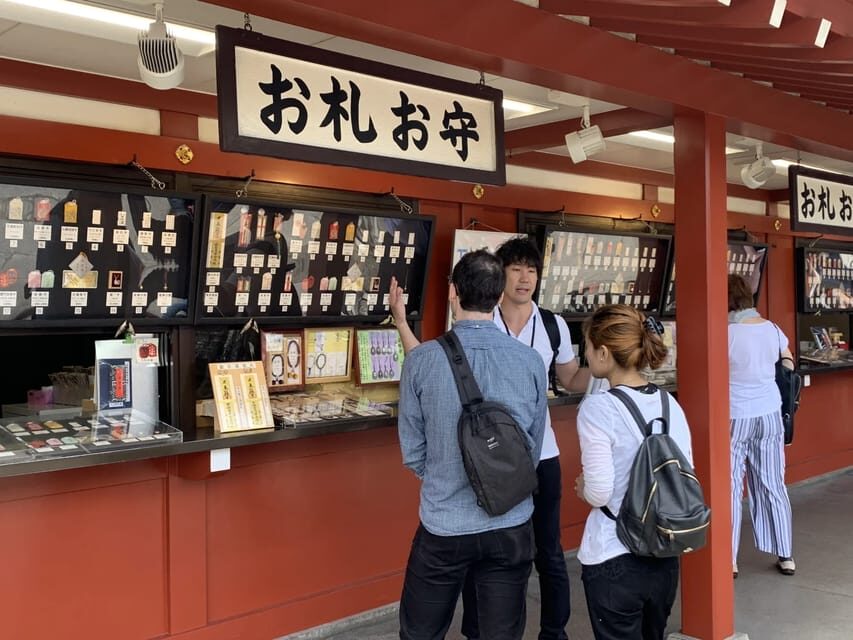
Next up is Nakamise (about 20 minutes). This is the classic approach to Senso-ji, lined with food and souvenirs. On a self-guided walk, it’s easy to skim and just buy whatever looks sweet or shiny.
With a guide, you’re more likely to understand what to sample, what to skip, and what’s genuinely local. Even if you don’t buy much, you’ll come away with the ability to filter the noise.

Kaminari Issa tea ceremony moment (the longer stop)
Then you’ll spend about 55 minutes around Kaminari Issa, tied to a tea experience. This is where the tour stops being only visual and starts feeding your senses in a more direct way.
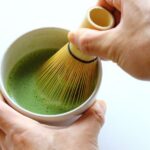
Expect a slow, step-by-step tea format where you learn what matcha is, how it’s prepared, and why the ritual matters. This is also where the “don’t just walk past the crowd” part of the tour pays off.
Hoppy Street and a local café lunch
You’ll hit Hoppy Street (about 15 minutes). It’s a nice shift from temple-shopping intensity into a more casual neighborhood vibe—think relaxed, local energy.
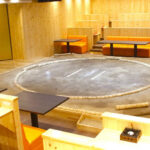
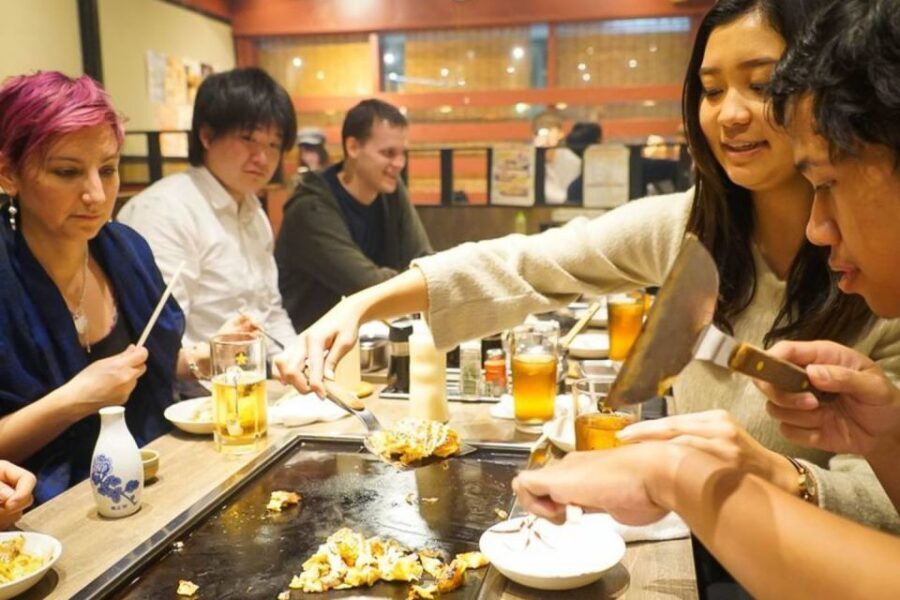
Lunch takes about 40 minutes at a local café. You’ll be making and eating okonomiyaki or monjayaki, plus you’ll get one drink. There’s a vegetarian menu option, but it’s not vegan; and while gluten-free is referenced for lunch options, the tour also says it’s not suitable for people with gluten intolerance, so if that applies, treat it as a strong “check first” situation.
Finally, the tour ends back at Hoppy Street, which is convenient because it puts you near more browsing options when you’re done.
Matcha Making: What You Learn and What You Tastes
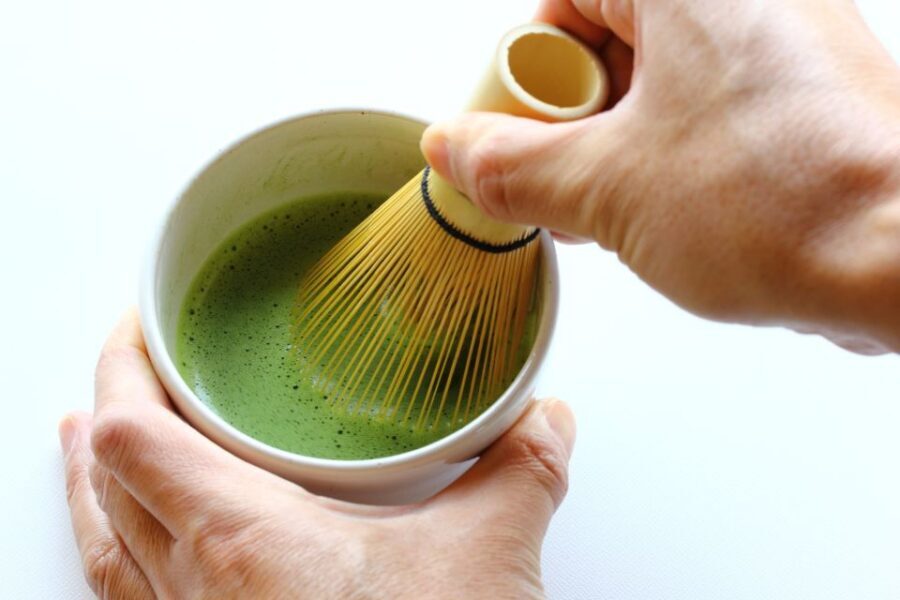
If matcha is on your mind, this tour is one of those “watch less, do more” setups. The matcha making experience is included, and it’s paired with time for a tea ceremony portion.
In one booking, the tea-making guide Hina was praised for walking people through the process step-by-step, with lots of clarity and patience. That kind of structure matters, because matcha making can look easy until you’re actually doing it. Having someone explain what to pay attention to—texture, mixing, and taste—turns the experience from a souvenir activity into a real skill you can repeat.
You’ll also taste the matcha that the tour presents as highly ranked. Even if you don’t become a matcha snob overnight, you’ll notice the difference between a powdered tea you’ve had before and one that’s actually prepared with care.
Practical tip: plan for a relaxed pace here. The tea portion is part of the cultural goal, not a fast photo stop. If you rush, you’ll miss the best part—learning how the ritual changes the flavor experience.
Lunch: Okonomiyaki or Monjyayaki and How to Handle Expectations
Here’s the big decision point for this tour: lunch is included as okonomiyaki or monja-yaki, plus one drink. Vegetarian is available, but it’s not vegan, and it’s not built for gluten intolerance.
Why this matters for value: you’re getting a full meal without hunting down a restaurant during peak Senso-ji traffic. That’s a real quality-of-life benefit, especially if you don’t want to negotiate menus in Japanese.
The downside is simple: if you chose the tour expecting monjyayaki specifically, you might feel disappointed if okonomiyaki shows up instead. One earlier booking mentioned that the snack and lunch didn’t match the exact wording in the ad—no snack was delivered, and monjyayaki was replaced with okonomiyaki.
So I’d handle it like this:
- If monjyayaki is a must, ask the operator how it’s handled on your date.
- Treat lunch as included Japanese street-style comfort food first, and monjyayaki second.
When it goes well, the “hands-on” part makes lunch the cultural moment. Making it yourself helps you understand what makes it Japanese, not just how it’s eaten.
The Small-Group Advantage (and Why Up to 8 People Helps)
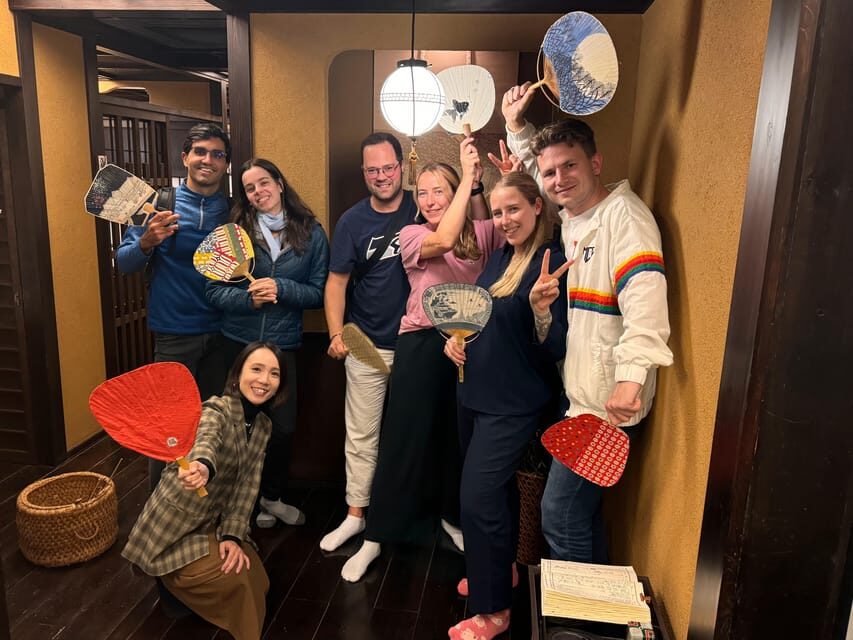
This tour is limited to 8 participants. That small size is why the guide can actually teach, not just herd.
One booking praised Nori for being excellent, including strong communication and a smooth experience in a small group on a perfect spring day. In plain terms, that’s the difference between “a tour” and “a guided walk you can talk in.”
More questions get answered. More confusion gets cleared early. And you get better recommendations for what to buy after the tour ends.
It also helps socially. Even if you come solo, you’re likely to have a relaxed conversation with a few people, and that can be a nice buffer against the intensity of Asakusa crowds.
Guide Style: What Makes It Feel Like Local Knowledge
The tour lives and dies by the guide. The intent is to show you what a long-time resident would notice, not just what a guidebook repeats.
Two guide names came up in past experiences: Nori and Ramesh. Both were described as friendly and fun, and Ramesh in particular got praise for being personable and knowledgeable while keeping the group in good spirits. Another booking singled out Hina for enthusiasm about tea culture, and that energy can be contagious—especially when you’re trying something that’s new to you.
A quick mindset shift helps you get more out of the walk: don’t only look at the buildings. Watch what the guide stops for, then try to figure out why. When the guide explains the logic behind a temple custom or a shopping habit, your brain starts pattern-matching, and the whole area becomes easier to enjoy.
Photos, Snacks, and the Little Things That Keep You Moving
You get tour photos included, which is underrated. When you’re walking through a dense area like Asakusa, it’s hard to capture good shots without losing time. Photos let you keep moving without constantly asking strangers.
There’s also a small snack included, but keep your expectations flexible. One earlier booking said the snack wasn’t provided as advertised, so if food timing matters to you, it’s worth checking what’s guaranteed on your date.
Lunch is included and more reliable in terms of structure: you’ll be fed, not just shown where to eat. The tour is designed so you don’t have to make a decision every ten minutes.
Getting There and Moving Around Without Stress
You meet at a clear landmark near Senso-ji, which is helpful. The Kaminarimon Police Box meeting point is easy to find once you know what you’re looking for, and the guide holding a red/orange sign helps if you’re arriving a bit confused.
The tour runs mostly on foot, and the itinerary includes some locations that aren’t wheelchair or stroller friendly. If mobility is a concern, you should ask ahead so you’re not surprised by stairs or tight lanes.
Bad weather is also planned for. The info says that in bad weather, a rickshaw ride could be replaced with the Ninja Experience in Asakusa. Even though the tour doesn’t describe a rickshaw stop in the listed walking sequence, this contingency matters because it tells you the operator has a backup plan that keeps the experience going.
Bring common sense:
- Wear shoes you can walk in for three hours.
- Don’t bring large bags.
- Arrive a little early so you don’t miss the start.
And one important tone-setter: the tour must start on time. If you’re late and miss the group, you won’t be able to join later or get it rescheduled.
Price and Value: Is $88 a Good Deal Here?
$88 for three hours in a small group with lunch and matcha making included is often a fair value, because you’re paying for several things at once:
- guide time and explanation
- matcha making experience
- lunch (okonomiyaki or monjyayaki) with a drink
- small snack (when provided)
- tour photos
The places in Asakusa that look cheap at first often charge separately for tea experiences, workshops, and meals. Here, you remove some decision fatigue and convert sightseeing time into structured cultural time.
The main “value risk” is mismatch between what you expected and what you receive—especially around monjyayaki versus okonomiyaki and whether the snack is delivered exactly as described. You can reduce that risk by confirming your lunch preference when booking.
Should You Book This Asakusa Cultural Walk & Matcha Making Tour?
Book it if you want:
- a guided Asakusa walk with context for shrines and street culture
- a real matcha making experience instead of a quick tasting
- included lunch that saves you from planning food during peak hours
- a small group where you can ask questions
Skip or reconsider if:
- monjyayaki is the single non-negotiable reason you’re going, since lunch can be okonomiyaki instead
- you have gluten intolerance and need strict gluten-free handling
- you’re traveling with luggage or larger bags
If you’re flexible about lunch and you’re excited to learn through tea and hands-on food, this is a solid way to experience Asakusa without getting stuck in just the busiest lanes.
FAQ
What is the duration of the Asakusa Cultural Walk & Matcha Making Tour?
It lasts about 3 hours.
How big is the group?
It’s a small group, limited to up to 8 participants.
Is the tour guide available in English?
Yes, the tour is English.
Where do we meet?
You meet in front of the Kaminarimon Police Box, about 3 minutes from Asakusa Station (Ginza Line Exit #1). The guide will be holding a red/orange sign.
Is matcha making included?
Yes. The tour includes a matcha making experience and you get to taste the matcha.
What’s included for lunch?
Lunch is included as okonomiyaki or monja-yaki, plus 1 drink. A vegetarian menu is available, but it’s not vegan and gluten-related suitability is limited.
Can I bring luggage or large bags?
No. Luggage or large bags aren’t allowed.
What happens in bad weather?
In bad weather, a rickshaw ride could be replaced with the Ninja Experience in Asakusa.
Can I cancel for a full refund?
Yes, you can cancel up to 24 hours in advance for a full refund.