REVIEW · SAPPORO
Ramen Making Experience in Sapporo
Book on Viator →Operated by 和do Studio Sapporo · Bookable on Viator
Fresh noodles happen fast in Sapporo. This hands-on ramen-making experience at 和do Studio Sapporo takes you step by step through dough, rolling, cutting, toppings, and then you eat the results. I love that no experience is needed, and I also love the from-scratch noodle work—you’re not just decorating a bowl, you’re making noodles. One thing to consider: it can get flour-y, so wear comfortable clothes you don’t mind getting messy.
Erika hosts sessions with real patience and close, detail-focused instruction. The private format (only your group) makes it easier to ask questions while you’re learning the noodle motions and timing.
Plan on about 1 hour 30 minutes from start to finish. You’ll use a mobile ticket, meet at 和do Studio Sapporo, and end back at the same meeting point, keeping the whole afternoon smooth.
In This Review
- Key Highlights You’ll Care About
- Getting Your Hands on Sapporo Ramen Noodles
- The Full Flow: What Happens During the 1.5 Hours
- 1) Tools and steps first
- 2) Making the dough
- 3) Flattening and rolling
- 4) Cutting your noodles
- 5) Add toppings
- 6) Enjoy your ramen right away
- Dough, Rolling, Cutting: Where You’ll Actually Learn Something
- Making dough: your first real win
- Flattening: rolling thin without losing control
- Cutting: using a special knife changes the experience
- Building Your Bowl in Sapporo (Toppings and Flavor Focus)
- What’s Included, What You Pay For, and Whether It Feels Like Value
- Logistics Made Simple: Meeting Point and Getting There
- Allergies and Ingredients: Check Before You Go
- Who This Ramen Noodle Class Is Best For
- Should You Book This Sapporo Ramen Making Experience?
- FAQ
- How long does the ramen making experience last?
- What is the price per person?
- Do I need any cooking experience?
- What will I make during the class?
- Is the experience private?
- Is a meal included?
- What should I wear?
- Are transportation costs included?
- Are there any allergy concerns I should know about?
- Where do we meet, and do we end at the same place?
- What is the cancellation policy?
Key Highlights You’ll Care About
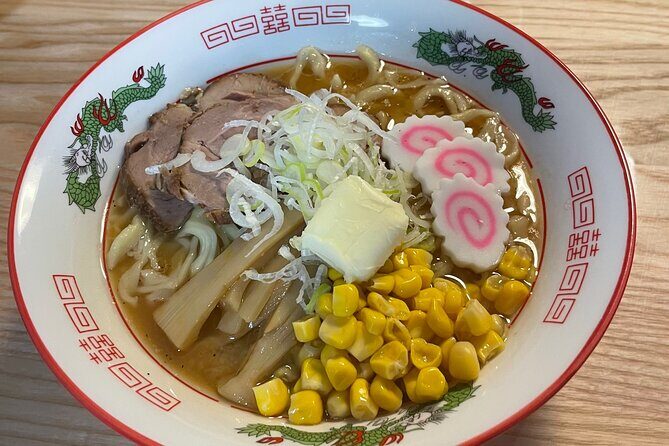
- Noodles from scratch: dough, flattening, cutting, then into your bowl
- Step-by-step teaching so you can succeed even if you’ve never cooked ramen before
- A private, small-group setup designed for hands-on learning
- Food you make and eat immediately, right after the class
- Mess-friendly planning: aprons and paper hats provided, but you still need the right outfit
Getting Your Hands on Sapporo Ramen Noodles
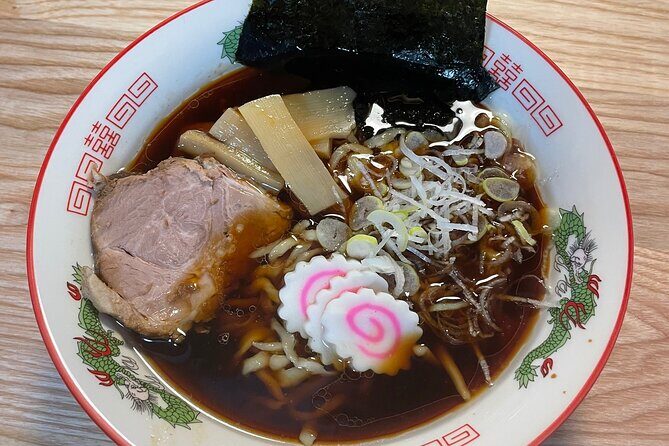
If your idea of a fun Sapporo day includes food you can actually make, this class delivers. The tone is practical: before anyone starts kneading, the instructor explains the tools and the steps, so you’re not guessing. You’ll work through the full noodle process, which is the main reason this experience feels more like a skill-building workshop than a simple tasting.
Two things stand out in the way this is taught. First, Erika’s style is careful and thorough—she breaks down what you need to do, then keeps you moving at the pace where you can still get the dough right. Second, you get a real payoff at the end: you eat what you made, while it’s fresh and still feels like your own creation.
One small heads-up for your comfort: you should plan to get flour on your clothes at least a little. They supply paper hats and aprons, but you’re still working with dough, and flour dust is part of the deal.
You can also read our reviews of more tours and experiences in Sapporo.



The Full Flow: What Happens During the 1.5 Hours
The experience is designed to move through a clear sequence, and the order matters because ramen noodles are all about texture and consistency. Here’s the rhythm you can expect, in plain terms.
1) Tools and steps first
You start with an explanation of the tools and the process. This is where you learn what each stage is trying to achieve: smooth dough, thin sheets, then noodle cuts that cook evenly.
Why it’s valuable: ramen noodles are finicky. When you understand what the class is aiming for at each step, it’s easier to recover if your first try isn’t perfect.
2) Making the dough
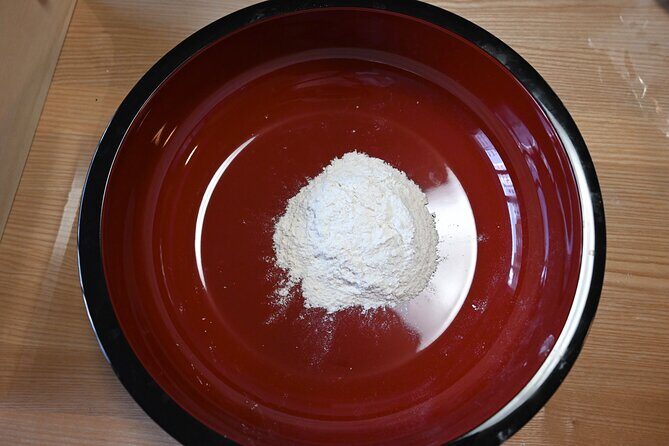
Next comes the foundation—mixing flour and water, then kneading until the dough turns smooth.
This is the part that makes the experience feel authentic. You’re not outsourcing the work. You’re building the dough yourself, which means you can later recognize how the texture should feel as you roll.
Practical tip for you: if dough feels sticky, don’t rush. Take your time with the kneading steps the instructor shows.
3) Flattening and rolling
Then you stretch and roll the dough into thin sheets.
This step is where you start to see the ramen shape taking form. If you’ve only had ramen noodles in shops, this is the moment that makes it click: the thickness and evenness matter for how the noodles behave.
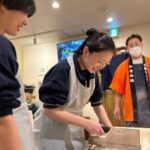
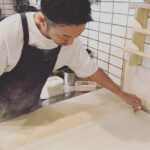



4) Cutting your noodles
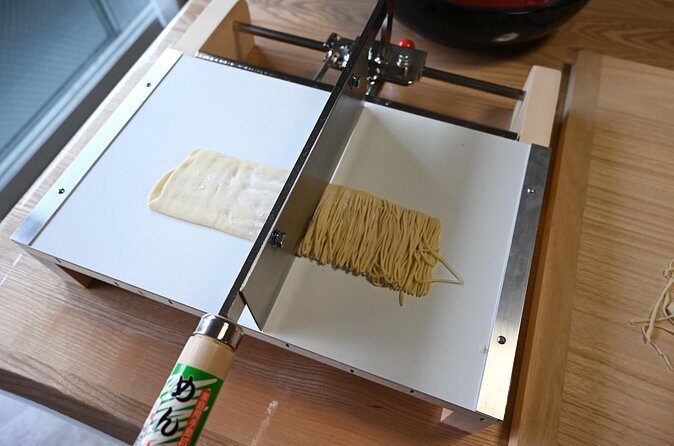
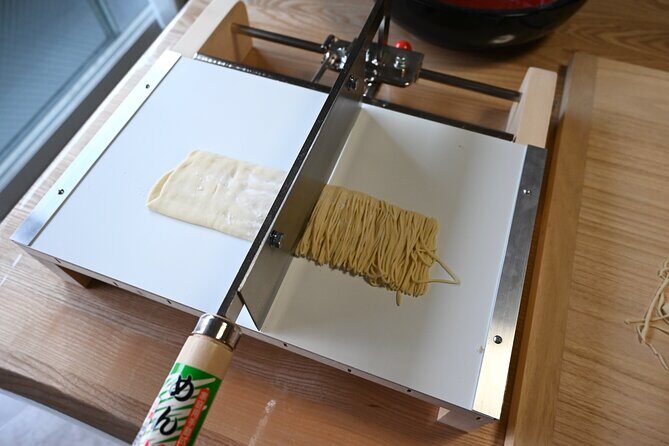
After the sheet is ready, you cut your own noodles using a special knife.
This is usually the most memorable hands-on task. It’s also the point where you’re making choices you can feel—how straight you cut, how consistent the pieces are, and how confident you feel as you work.
5) Add toppings
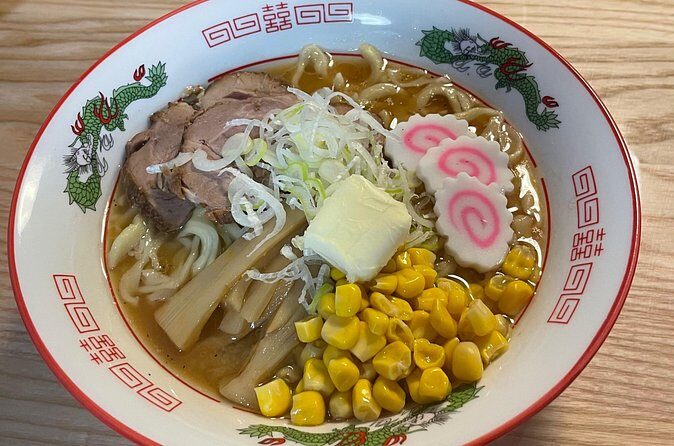
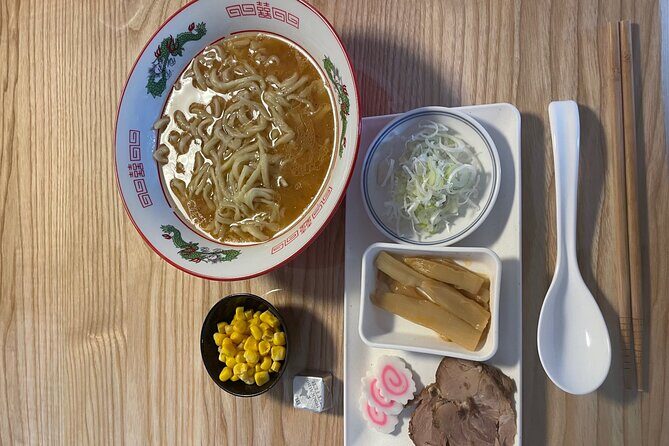
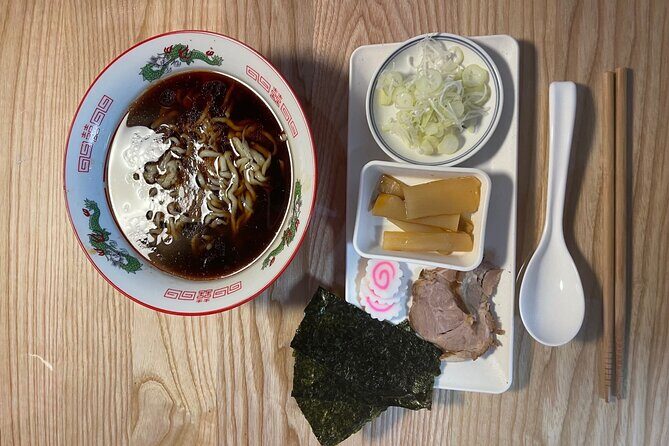
Once the noodles are done, you decorate your bowl with your favorite toppings.
This is your chance to personalize the meal and steer it toward what you actually like—fresh toppings plus noodles you made yourself is a combo that tastes better than the sum of its parts.
6) Enjoy your ramen right away
Finally, you taste your freshly made ramen.
Eating immediately is part of what makes the class rewarding. You’ll get the satisfaction of finishing, not just learning.
Dough, Rolling, Cutting: Where You’ll Actually Learn Something
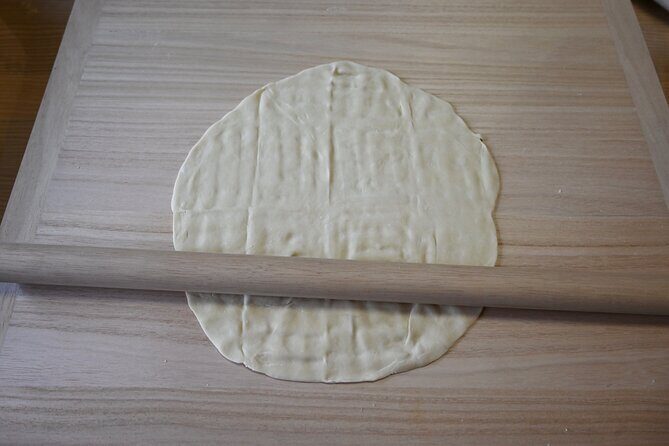
What makes this class especially worth it is that it covers the full noodle workflow. Many cooking classes stop at assembly or sauces. Here, you do the key labor that determines ramen’s identity.
Making dough: your first real win
Kneading until the dough is smooth sounds simple, but it’s the step that affects everything later. Smooth dough is easier to roll into consistent sheets, and consistent sheets make cutting and cooking much less frustrating.
I like that the class starts with basics. Even if you’re a beginner, you’re not expected to know ramen technique already.
Flattening: rolling thin without losing control
Rolling and stretching the dough into thin sheets is where your confidence grows. At first, it can feel like you’re trying to balance thickness and flexibility. With guidance, you learn how to work the dough so it stays usable.
The best part: you’re not just being told what to do—you’re doing it, and the process is short enough that you don’t lose interest.
Cutting: using a special knife changes the experience
Cutting with the special knife is a small detail that matters. The tools are part of the lesson, and you learn how ramen noodles are actually formed rather than mimicking the look without understanding the method.
If you love ramen, this step alone makes the class feel like a genuine ramen skill, not a gimmick.
Building Your Bowl in Sapporo (Toppings and Flavor Focus)
After noodle-making, you shift from dough technique to taste. The class has you add toppings to your bowl, so you end the experience with something that feels tailored to your preferences.
One standout tip from past sessions: some people strongly recommend trying the miso broth base. If that’s an option in your class, it’s a smart move because miso pairs naturally with savory ramen flavors and works well with handmade noodles.
Also, since the class is designed for learning and eating, it’s not just a snack break. You’ll enjoy and eat your own ramen noodles—so you leave full, not just satisfied that you participated.
What’s Included, What You Pay For, and Whether It Feels Like Value
At $64.87 per person for roughly 1 hour 30 minutes, you’re paying for more than ingredients. You’re paying for:
- guided instruction through multiple noodle stages
- the tools and setup used for cutting and rolling
- a meal that includes the noodles you make
It’s not the cheapest way to eat ramen in Sapporo. But it is usually a strong value if you care about learning something tangible. If your goal is to just eat, you’ll find less expensive ramen shops. If your goal is to come home with a skill and the memory of making noodles, this class fits that better.
You’ll also get a mobile ticket and a private format, which adds comfort if you’re traveling with a partner, friends, or family group and want your own pace.
Logistics Made Simple: Meeting Point and Getting There
This experience starts at 和do Studio Sapporo (address: 和do Studio Sapporo, 060-0063 Hokkaido, Sapporo, Chuo Ward, Minami 3 Jōnishi, 9-chōme998 ICハイデンス). It ends back at the meeting point, so you don’t have to plan a second location.
It’s near public transportation, but public transportation itself is not included. Private transport isn’t included either, so build travel time to and from Chuo Ward into your day.
The private setup also helps with timing. Your group participates together, and the experience ends where it started—low stress, especially if your schedule in Sapporo is tight.
Allergies and Ingredients: Check Before You Go
You’ll want to take the allergy notice seriously. This ramen includes: wheat, egg, milk, sesame, mackerel, soy, pork, chicken, gelatin, rice, seafood, and apple.
That’s a long list, and it matters. If you have any of these allergies or dietary restrictions, don’t assume it’s easy to swap ingredients. You should review your needs carefully before booking.
For planning: wear comfortable clothes you don’t mind getting flour on, and expect powder to show up on fabric. The class provides paper hats and aprons, which helps a lot, but it won’t make you dry-clean-proof.
Who This Ramen Noodle Class Is Best For
You’ll probably love this experience if:
- you’re a ramen fan who wants to understand how noodles are made
- you like hands-on food activities more than watching from the sidelines
- you want a private, guided class with patient instruction (Erika’s style comes up again and again)
- you’re happy eating right after you cook
You might think twice if:
- you hate mess at all costs (flour is part of the process)
- you have allergies tied to wheat, egg, milk, soy, sesame, or seafood and can’t safely accommodate them
Should You Book This Sapporo Ramen Making Experience?
I’d book it if your trip to Hokkaido includes one food activity that’s genuinely interactive. The best part is that you don’t just taste ramen—you make the noodles from scratch, cut them yourself, add toppings, and eat what you cooked right away. That combination turns a meal into a memory.
Book it too if you’re drawn to careful teaching. Erika’s approach is detailed and patient, which is exactly what you want when you’re learning rolling and cutting for the first time. And if miso broth is offered during your session, I’d take the advice from prior classes and choose it.
If you want a totally hands-off meal experience or you have major food restrictions you can’t work around, then a regular ramen shop might suit you better. But for most ramen lovers, this class is a very satisfying use of 90 minutes in Sapporo.
FAQ
How long does the ramen making experience last?
It runs for about 1 hour 30 minutes.
What is the price per person?
The price is $64.87 per person.
Do I need any cooking experience?
No experience is needed. The instructor guides you step by step.
What will I make during the class?
You’ll make ramen noodles from scratch, including the dough, rolling/flattening, and cutting the noodles, then you’ll add toppings.
Is the experience private?
Yes. It’s a private activity, and only your group participates.
Is a meal included?
Yes. You enjoy and eat your own ramen noodles.
What should I wear?
Wear comfortable clothes you don’t mind getting a little messy, since flour may get on your clothes. Paper hats and aprons are provided.
Are transportation costs included?
No. Public transportation and private transportation are not included.
Are there any allergy concerns I should know about?
Yes. The ramen includes wheat, egg, milk, sesame, mackerel, soy, pork, chicken, gelatin, rice, seafood, and apple.
Where do we meet, and do we end at the same place?
You start at 和do Studio Sapporo and the activity ends back at the meeting point.
What is the cancellation policy?
You can cancel for free up to 24 hours in advance for a full refund.