REVIEW · TOKYO
Tokyo Private Tour to Learn History and Shinto
Book on Viator →Operated by Fulfilling Inc. · Bookable on Viator
Tokyo’s shrines feel like a different planet, and this private tour is built to explain why. You’ll see the Senbon Torii red gate tunnel at Nezu Shrine, then move through major Tokyo religious sites with an English-speaking guide using the subway. It’s history and symbolism in real places, not just photos.
I especially liked two parts: walking through the bright red torii at Nezu, and watching the kind of traditional wedding procession that people associate with Meiji Jingu. The tour also helps you connect dots between design, rituals, and the Shinto world.
One thing to plan for: you’ll do a lot of walking and city transit in about six hours, so wear comfortable shoes and keep your schedule flexible around crowd flow.
In This Review
- Key Highlights You’ll Actually Feel
- Six Hours of Shinto Stories Across Tokyo
- Hotel Pickup and Metro Rides Without Stress
- Nezu Shrine and the Senbon Torii Red Gate Tunnel
- Senso-ji Temple: Pagoda Views and the Hozo-mon Gate
- Asakusa Shrine’s Edo-Era Connections and Sanjya Festival Energy
- Meiji Jingu Shrine and the Wedding Procession Moment
- What You Learn About Shinto From Seeing It, Not Just Reading It
- Price and Value: Is $123.57 Per Person Worth It?
- Logistics That Matter on a Shrine-Centered Day
- Who Should Book This Private Shinto and History Tour?
- Should You Book This Private Tour to Learn Shinto History?
- FAQ
- What is the duration of the Tokyo Private Tour to Learn History and Shinto?
- Is hotel pickup included?
- Is this tour private?
- Which main places are included in the tour?
- Is admission included for the shrines and temple?
- How do we get between stops?
- Is it suitable for kids and adults?
- What happens if the weather is poor?
- How much flexibility do I have to cancel?
Key Highlights You’ll Actually Feel
- Senbon Torii at Nezu Shrine: that striking red gate “tunnel” experience
- Nezu Shrine art and sacred symbolism: design details and delicate sculptures
- Meiji Jingu ritual moments: including a traditional Japanese wedding procession
- Senso-ji Temple big-site views: five-story pagoda and the Hozo-mon gate
- Asakusa Shrine’s Edo festival links: Sanjya Gongen and the Sanjya Festival in May
Six Hours of Shinto Stories Across Tokyo
This is the kind of tour that works for both adults and kids because it’s visual and story-driven. You’re not stuck in one neighborhood. You’ll hop across Tokyo on public transportation with your guide, which is the fastest way to hit key shrine and temple stops without wasting time.
What makes it especially useful is the focus on meaning. You’ll look at the design choices—shapes, symbolic artwork, and sculptures—and your guide will connect them back to Shinto culture and Japanese history. That turns a walk through sacred space into something you understand, even if you’re brand-new to Shinto.
The schedule is also realistic: about one hour at each main stop. That’s enough time to see the big features, slow down, and ask questions. It’s also not so long that you’ll burn out before the last shrine.
You can also read our reviews of more private tours in Tokyo



Hotel Pickup and Metro Rides Without Stress
The tour includes meeting your guide in your hotel lobby and pickup service. That matters in Tokyo, where getting the route right can be half the day if you do it alone. Once you’re with the guide, you’ll ride public transportation to move between sites efficiently.
From the reviews, guides like Yoshinori and Kono stood out for being friendly and helpful in the moment. In particular, one guide (Yoshi) helped people figure out how to navigate the train system, so you can feel more confident before you head out on your own afterward.
Just keep expectations practical: this is a private tour, but it’s still Tokyo. Trains, stations, and shrine approach streets can get crowded. Build in a calm mindset and let your guide handle the flow.
Nezu Shrine and the Senbon Torii Red Gate Tunnel
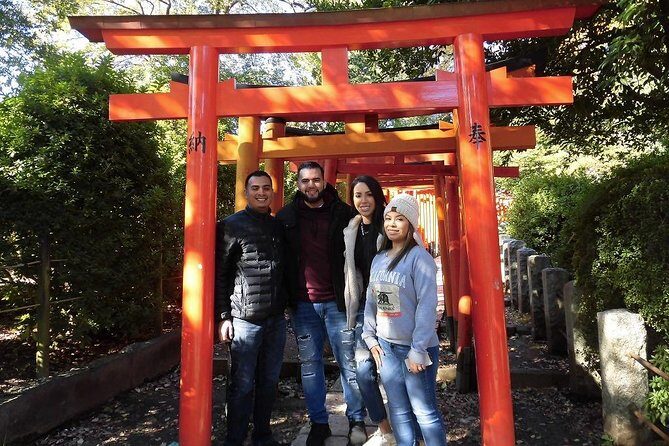
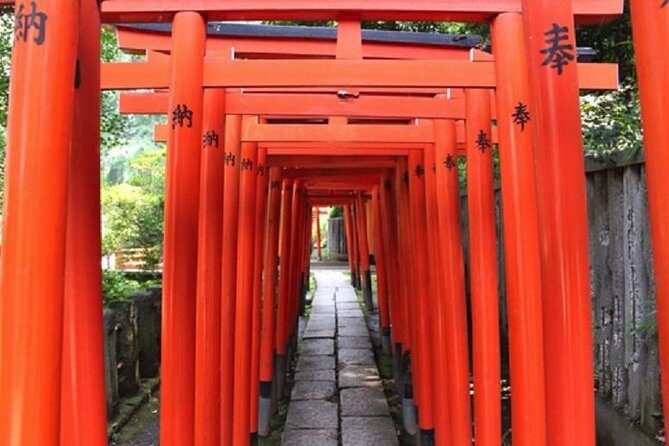
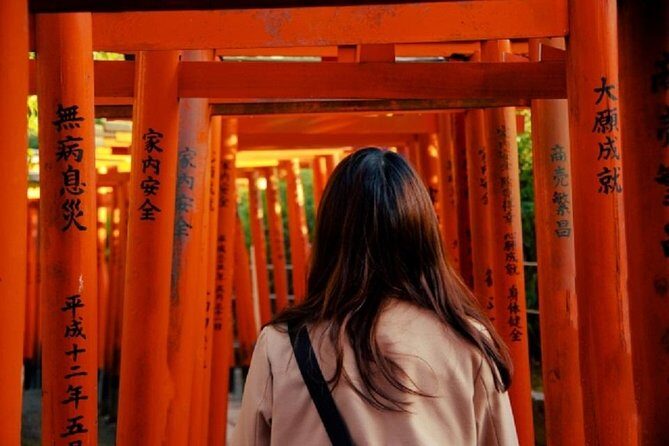
Nezu Shrine is where the tour earns its wow factor fast. The highlight here is the Senbon Torii area—those hundreds of red torii gates that create a vivid corridor as you walk through. It’s one of those scenes that instantly looks like a movie set, but you’ll be standing in the real thing.
You’ll spend about an hour at Nezu. Admission isn’t included, so you’ll want to budget for entry on-site. The shrine itself is dedicated to gods found in Japanese mythology, with a history of 1900 years, and that age shows in the way the site feels layered rather than brand-new.
There’s also a strong cultural angle beyond the torii tunnel. Several buildings at the shrine are designated as important cultural properties by the country. Your guide will point out design and symbolic artwork, along with delicate sculptures, so you don’t just walk past details—you learn what you’re looking at.
Practical note: since you’re walking through the torii corridor and then moving around the shrine grounds, plan for steady foot movement. Bring shoes that you can stand and walk in comfortably for an extended stretch.
Senso-ji Temple: Pagoda Views and the Hozo-mon Gate
Next up is Senso-ji Temple, one of Tokyo’s most popular temple sites. You’ll have about an hour here, and admission ticket costs for this stop are not included.
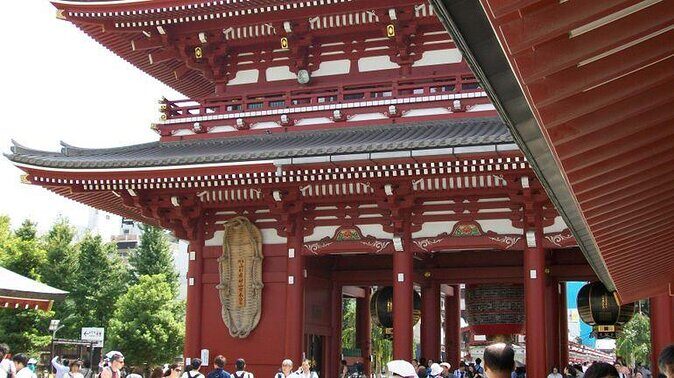
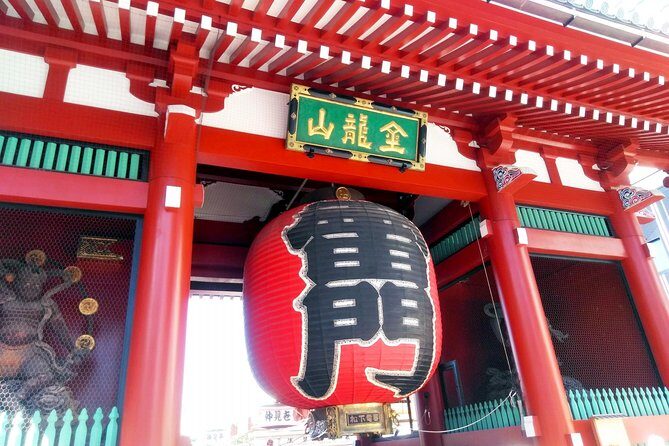
This is a great place to see classic temple architecture concentrated in one area. Inside the temple grounds, you’ll find the five-story pagoda and the Hozo-mon Gate, also called the Treasure-House Gate. Even if you’re not chasing every building, those two features give you a clear sense of scale and tradition.
The main tradeoff with a major attraction like this is crowds. It’s popular for a reason, but peak times can slow down your pace. The value of a private guide is that you’re not just stuck wandering. You’ll get help focusing on the most meaningful sights and moving with less guesswork.
If your group includes kids, this stop can work well because the architecture is dramatic and easy to spot. For adults, it’s a strong contrast point: after a Shinto-centered shrine, you’ll see a different kind of sacred space with its own iconic structures.
Asakusa Shrine’s Edo-Era Connections and Sanjya Festival Energy
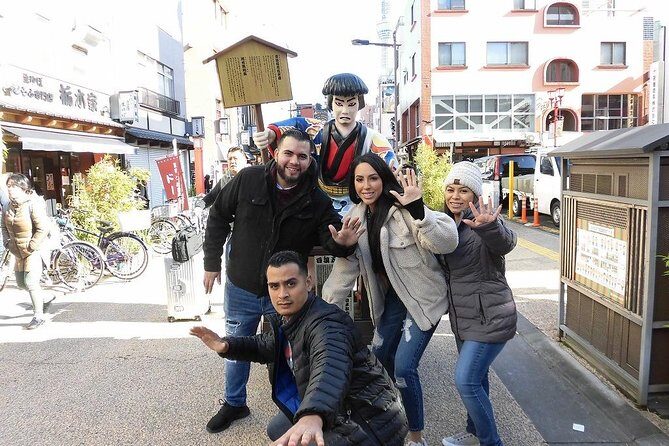
Asakusa Shrine, also known as Sanjya Gongen, is a Shinto shrine stop and includes free admission. You’ll spend about an hour, which is a nice pacing break between bigger, more crowded areas.
What I found useful here is the connection to Edo-era culture and the Sanjya Festival. The festival in May is described as one of the Edo’s three major festivals, and your guide can turn that into something you can picture instead of a random fact from a guidebook.
Asakusa’s name and identity are tied to its legends and the way the shrine fits into the city. During your visit, you’ll get stories that help explain why people keep returning and why certain shrines have such strong seasonal attention.
If you’re traveling with family, this is often a strong mid-tour stop because it feels more intimate than the biggest headline attractions. If you’re into history, it also gives you a time anchor: you’ll be learning about older cultural layers that shaped Tokyo.
A practical reminder: since this is still a shrine area, be respectful with how you move and where you pause for photos. Your guide will help you find good viewing spots without turning the visit into a traffic jam.
You can also read our reviews of more historical tours in Tokyo
Meiji Jingu Shrine and the Wedding Procession Moment
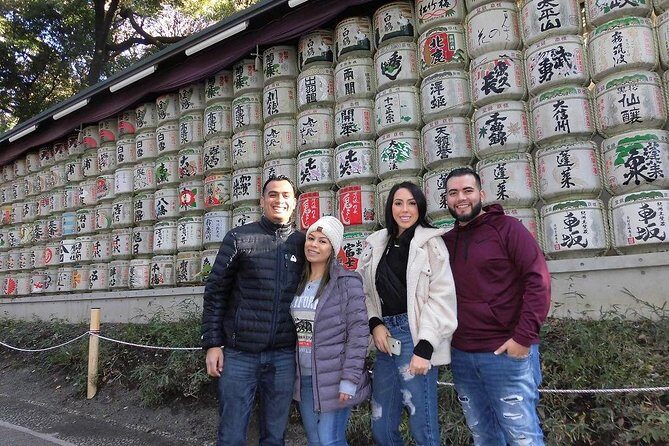
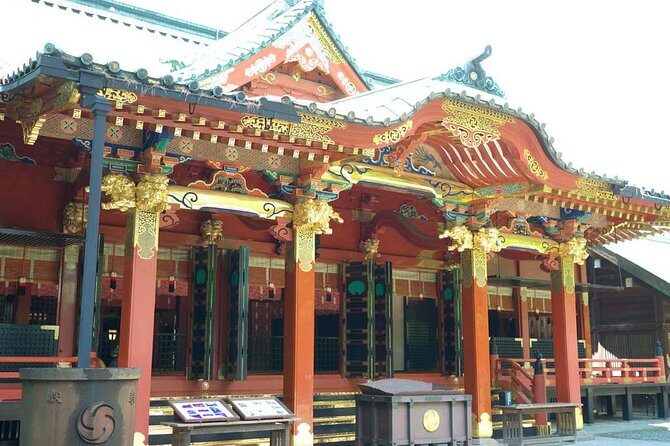
Meiji Jingu Shrine brings a different mood to the day. It enshrines Emperor Meiji and Empress, and the shrine was built in 1920. Admission is free for this stop, which is a nice value boost in the middle of the tour.
This is the place to expect memorable ritual sights. The tour highlights a traditional Japanese wedding procession, which can be a real eye-opener if you’ve never seen Japanese ceremonies in a shrine setting. Even if you’re not attending with wedding-day context, you’ll understand why the shrine’s atmosphere matters.
Meiji Jingu is also one of those sites where the details help you slow down. The design and sacred setting make it feel less like a checklist and more like a place where people come to worship and reflect.
From the review comments, guides such as Kono brought positive energy and focused explanations at each shrine. That style fits Meiji Jingu well because the setting rewards calm attention. If you tend to rush, a guide helps you keep pace without missing the meaning.
One consideration: because the tour is set for about an hour here, you might want to be ready to watch and listen immediately when something ritual-related happens. Your guide can help you time your attention so you don’t miss the moment.
What You Learn About Shinto From Seeing It, Not Just Reading It
This tour is designed around practical understanding. You’ll hear stories about the shrine gods, the site history, and what certain design choices are communicating. For example, at Nezu Shrine you’ll learn about the myth connections and why that torii tunnel matters as a sacred pathway.
Shinto is easier to grasp when you see it in motion—people approaching a shrine, symbols in use, and architecture that feels intentional. You get all of that through the combination of stops: Nezu for mythology and torii symbolism, Asakusa for Edo-era festival links, and Meiji Jingu for a more formal, ceremonial atmosphere.
Your guide’s role is big here. Review feedback highlighted guides like Yoshinori as friendly and capable, with directions for what to do after the tour. That means the learning doesn’t end at the last stop. You’ll likely leave with a short list of follow-up ideas that fit your interests.
If you’re traveling with kids, the story format helps them stay engaged without turning it into a long lecture. If you’re traveling solo or as a couple, you’ll still get the context you need so you can enjoy the beauty without feeling lost.
Price and Value: Is $123.57 Per Person Worth It?
At $123.57 per person for about six hours, the value depends on how you travel. If you’re used to solo navigating, you might find that private guiding is worth it just for time savings and fewer wrong turns. Tokyo transit is fast, but it’s also easy to overthink.
This price includes an English-speaking professional guide, a private group setup, and hotel pickup meeting in the lobby. It also includes public transportation to and from for the guided portion, which removes one more planning headache. Admission fees for customers are not included, but you do have at least two free stops on the itinerary.
So the pricing isn’t just about someone walking beside you. It’s about focused context at each site, help with route planning via subway, and a smoother visit experience. If you like being able to ask questions and learn the meaning behind what you see, it’s a solid use of your day.
There’s also the group discount note. If you’re traveling with family or friends, pricing can feel more reasonable because the guide’s attention is still private for your group.
Logistics That Matter on a Shrine-Centered Day
This experience runs on a schedule and works best when you keep your day flexible. You’ll spend around an hour at each major stop and use public transportation between them. That means you’ll likely do a fair amount of walking plus short station transfers.
The tour also requires good weather. If conditions are poor, the provider may offer a different date or a full refund. In practice, that’s a good sign: shrine visits make much more sense when you can comfortably move outside.
You also get a mobile ticket, which helps once you’re on-site. It’s a small convenience, but in a day with multiple locations, small friction adds up fast. Having a mobile ticket keeps things calmer.
Finally, remember this is private. Only your group participates. That generally makes it easier to set a pace that works for kids, for older family members, or for anyone who wants more time at one stop.
Who Should Book This Private Shinto and History Tour?
Book it if you want a structured way to understand Shinto culture without doing hours of homework. It’s also ideal if you value a guide who can help with the city itself.
From the review comments, guides like Yoshi were praised for helping people learn how to navigate Tokyo trains. That makes this tour especially attractive if you’re staying somewhere central but still find station maps confusing.
It’s also a good fit if you’re traveling with kids. The highlights are visual—the torii tunnel, shrine spaces, ceremony moments. And the tour is designed so you don’t spend the whole day in one place.
If you already know a lot about Shinto and you like solo wandering, you might not need a private guide. But even then, the torii corridor at Nezu, the Meiji Jingu wedding procession highlight, and the architecture focus at Senso-ji are strong reasons to consider guided time.
Should You Book This Private Tour to Learn Shinto History?
Yes—if you want meaning with your photos. This is the kind of tour that turns sacred sites into understandable stories through design symbolism, shrine history, and ritual context. The Nezu torii tunnel and Meiji Jingu ceremony highlight are two standout reasons alone.
I’d think twice only if you hate walking and short transit hops, or if you prefer total freedom with no set pacing. The tour runs for about six hours and you’ll be on the move.
If you’re the type who likes to leave a place knowing what to look for next, this private Shinto and history day is a smart use of time.
FAQ
What is the duration of the Tokyo Private Tour to Learn History and Shinto?
It lasts about 6 hours.
Is hotel pickup included?
Yes. The guide meets you in your hotel lobby.
Is this tour private?
Yes. Only your group participates.
Which main places are included in the tour?
Nezu Shrine, Senso-ji Temple, Asakusa Shrine, and Meiji Jingu Shrine.
Is admission included for the shrines and temple?
Admission ticket details vary by stop: Nezu Shrine and Senso-ji Temple are listed as not included, while Asakusa Shrine and Meiji Jingu Shrine are listed as free.
How do we get between stops?
The tour uses public transportation with your guide.
Is it suitable for kids and adults?
Yes. The tour is described as great for both kids and adults.
What happens if the weather is poor?
The experience requires good weather. If it’s canceled due to poor weather, you’ll be offered a different date or a full refund.
How much flexibility do I have to cancel?
You can cancel up to 24 hours in advance for a full refund. If you cancel less than 24 hours before the start time, the amount paid is not refunded.