REVIEW · TOKYO
Mount Fuji and Hakone Private Tour from Tokyo (Customizable)
Book on Viator →Operated by Xplor Japan · Bookable on Viator
Fuji in one long, well-planned day. This private tour strings together the best sighting spots on a 10-hour route, with round-trip transfers from Tokyo so you’re not fighting trains and connections. I love that you get flexibility in a private setting, but you should be ready for extra ticket costs once you’re in Hakone.
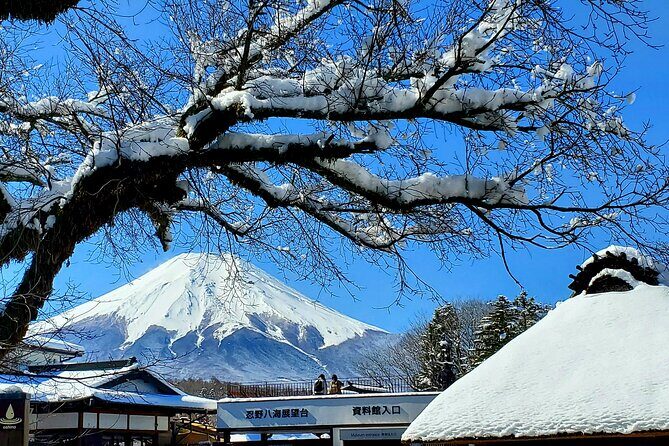
You’ll start at a classic Fuji backdrop with Chureito Pagoda, then switch gears to cultural stops like Kitaguchi Hongu Fuji Sengen Jinja and the clear-spring lanes of Oshino Hakkai. The most important consideration: the experience includes transport and guidance, but some headline activities like the Ropeway and optional Lake Ashi cruise are paid separately.
The other thing to know up front is that Hakone is about views and atmosphere. That means weather matters, and the day can feel long when traffic and crowds slow things down. If you want a smooth, no-hassle day with a real plan from someone who can read the timing, this is a strong way to do it.
In This Review
- Key highlights worth planning for
- Door-to-door Tokyo pickup and a private-day rhythm
- Chureito Pagoda: the Fuji postcard stop
- Kitaguchi Hongu Fuji Sengen Jinja: shrine views with meaning
- Oshino Hakkai: eight springs, clear water, classic village feel
- Hakone Ropeway: scenic time (and an extra ticket cost)
- Owakudani Valley: geothermal action up close
- Lake Ashinoko: Fuji views over the water (with optional cruise)
- Price and logistics: where your $448 really goes
- Your guide experience: private, but check what you expect
- Best time to go: Fuji visibility and a long day reality
- Should you book this Mount Fuji and Hakone private tour?
- FAQ
- What is the duration of the Mount Fuji and Hakone private tour from Tokyo?
- How much does the tour cost?
- Is pickup available from Tokyo?
- Is this tour private?
- What stops are included in the itinerary?
- What’s included in the price?
- What’s not included?
- What if weather is poor for seeing Mount Fuji?
Key highlights worth planning for
- Door-to-door Tokyo transfers make Hakone feel doable in a day
- Private guidance lets you ask questions and adjust your pacing
- Chureito Pagoda + Hakone viewpoints give you multiple chances at Mount Fuji
- Owakudani geothermal time puts you right beside the sulfur-scented action
- Oshino Hakkai springs add a quieter, classic-side trip feel
- Most major sights have free entry (but not Ropeway and the cruise)
Door-to-door Tokyo pickup and a private-day rhythm
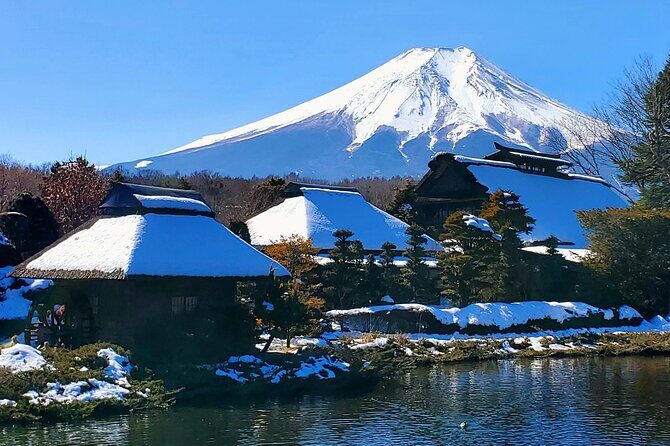
This tour is built for convenience. You get an air-conditioned vehicle, tolls and parking handled, and an English-speaking guide to keep the day moving. The start time is 8:00am, and because the route depends on traffic and sighting windows, you’ll appreciate having an actual plan instead of trying to stitch together buses on your own.
The price is $448 per group (up to 5). That’s usually where the value math gets interesting: if you travel as a full group, it’s about $90 per person; if you’re just two people, it’s more like $224 each. Either way, you’re paying for two things you can’t easily buy separately: reliable transport and a guide who can shape your stops around timing.
Also note the tour uses a mobile ticket and offers pickup, which reduces the usual headache of meeting points and last-minute ticket confusion.
You can also read our reviews of more private tours in Tokyo


Chureito Pagoda: the Fuji postcard stop
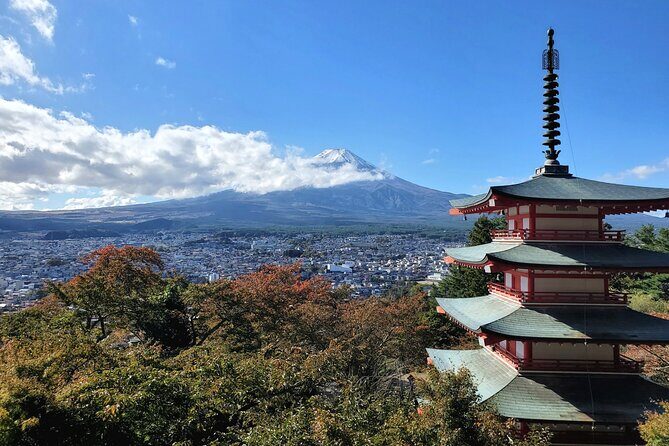
Your day kicks off at Chureito Pagoda in Fujiyoshida, a spot famous for getting Mount Fuji lined up behind a five-story pagoda. You’ll have about 1 hour, and the ticket cost is free for this stop.
What makes this stop worth the early start is how quickly it delivers that iconic composition. Even if Fuji is hiding a bit, the area still works as a quick orientation point: you see what the landscape is trying to do and you know what kind of shots are possible later in Hakone.
A small practical note: this is the kind of place where crowds can surge. If you care about photos, use your first minutes to scout angles and check how the light is hitting the pagoda and the mountain view.
Kitaguchi Hongu Fuji Sengen Jinja: shrine views with meaning
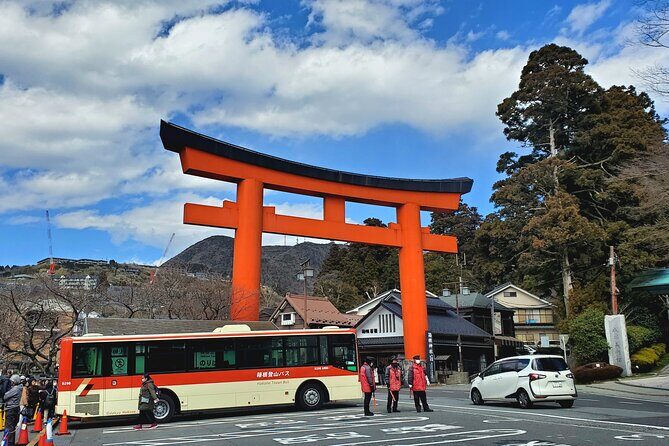
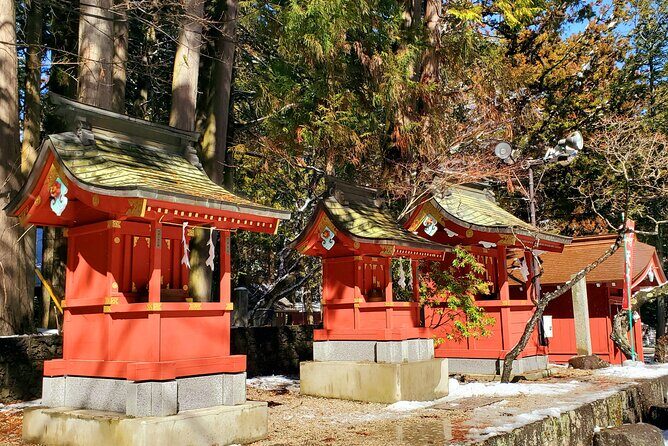
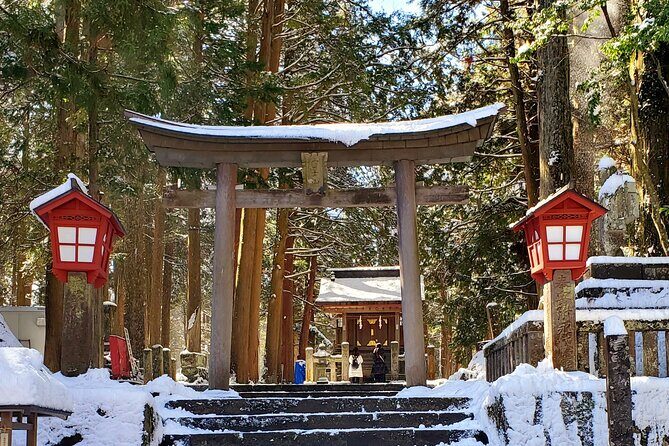
Next is Kitaguchi Hongu Fuji Sengen Jinja, with around 30 minutes. Entry is free, and it’s set on the northern slopes of Mount Arakura, a detail that matters because it helps you understand why the views feel so framed and intentional.
This isn’t just a stop to say you saw a shrine. In a day focused on landscapes and landmarks, this is the pause that turns the trip into something more grounded. You’ll get a chance to slow down, look at the architecture, and experience the kind of place that locals connect with year after year.
Because your time here is shorter than at some other stops, go in with a simple plan: take a walk, look for the best view point, and then step back before you feel rushed. If you want context, ask your guide what the shrine is tied to and what the location adds to the story.
Oshino Hakkai: eight springs, clear water, classic village feel
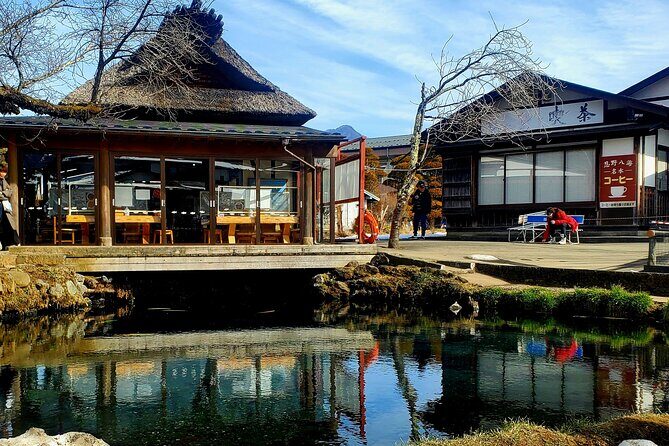
Oshino Hakkai comes next for about 1 hour. Admission is free. The name translates to Eight Seas of Oshino, referring to springs known for their clear, spring-fed water.
This stop is a nice contrast after the pagoda and shrine. It’s easier to enjoy at a slower pace because it has a village feel, with small shops and watermills working alongside the springs. If your goal is photos, you’ll find plenty of easy moments here—reflections, stone edges, and water channels that look good without complicated planning.
One drawback to keep in mind: it’s still a popular destination. If you want quieter walking time, arrive with a calm mindset and be willing to shift to side paths when the main lanes get crowded.
Hakone Ropeway: scenic time (and an extra ticket cost)
Now comes the Hakone leg. You’ll take Hakone Ropeway for about 30 minutes. The Ropeway fee is not included and costs ¥1,500 per person.
The ropeway matters because it changes your perspective. You don’t just arrive at Owakudani—you approach it from above, and that shift is usually where the views start to feel more dramatic. It’s also one of the best ways to break up the day so the geothermal stop doesn’t feel like a single long slog.
Since it’s a paid add-on, I recommend budgeting for it early so there are no surprises later. If you’re trying to keep costs tight, confirm how the day will work if you decide not to ride. (This tour includes the transport and sequencing, but Ropeway itself is extra.)





Owakudani Valley: geothermal action up close
At Owaku-dani Valley, you get about 40 minutes. Admission is listed as free here, and the area is known for geothermal activity, hot springs, and sulfurous fumes rising from the earth.
This is the stop where you start to smell the reality of Hakone. Don’t expect it to be subtle. The air can feel intense, and the ground looks and sounds like it belongs to a living system. If you like natural spectacle—steam vents, dramatic rock tones, and bold atmosphere—this is usually the highlight.
Timing can help here. If the weather shifts, the fumes and visibility can change fast. If Fuji views are already fading, Owakudani can still deliver a memorable experience because it’s not dependent on clear skies in the same way.
Lake Ashinoko: Fuji views over the water (with optional cruise)
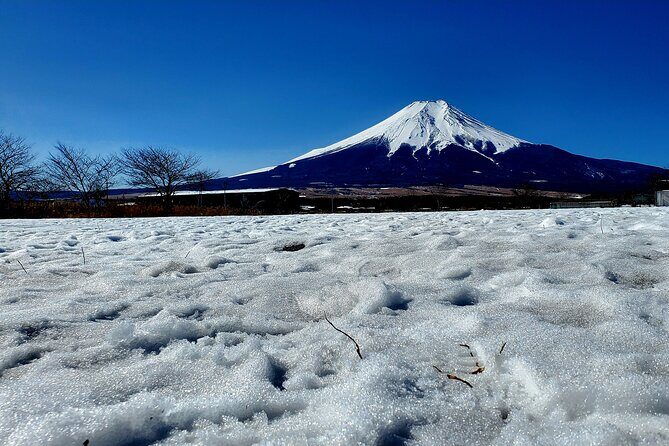
Your final big scenic stop is Lake Ashinoko, with about 1 hour. This part is where Mount Fuji often steals the show again, plus you’ll see Hakone’s broader appeal: hot springs, lake energy, and that classic sense of being in a resort corridor.
The note to plan around: the Lake Ashi Pirate Cruise Ship fee is ¥1,200 per person, and it’s listed as not included. If you want that ride, add it to your budget. If you don’t, you can still enjoy the lake area, viewpoints, and photos during your allocated time.
This is also where I’d aim for flexibility. If Fuji is visible, you’ll want to maximize your time near the best angles. If it’s cloudy, you’ll be glad you didn’t schedule only one photo spot—Hakone gives you more than one shot at seeing something worthwhile.
Price and logistics: where your $448 really goes
Here’s the practical breakdown of what you’re paying for, and why it can be good value:
Included with the tour price:
- Private transportation in an air-conditioned vehicle
- English-speaking guide
- Tolls, gas, and parking
- Round-trip Tokyo transfer structure
Not included (you’ll likely budget for these):
- Lunch and drinks/snacks
- Hakone Ropeway: ¥1,500 per person
- Lake Ashi Pirate Cruise: ¥1,200 per person
So even though the base price can look high at first glance, you’re not just buying tickets to sights. You’re buying the hardest part of this route: getting from Tokyo to Fuji/Hakone and moving between stops efficiently without losing your day to transit transfers.
If you travel with 3–5 people, the private format often feels like a smart swap. You’re basically paying for a controlled day that would be expensive to replicate with multiple taxis, timed rail changes, and the mental load of planning.
Your guide experience: private, but check what you expect
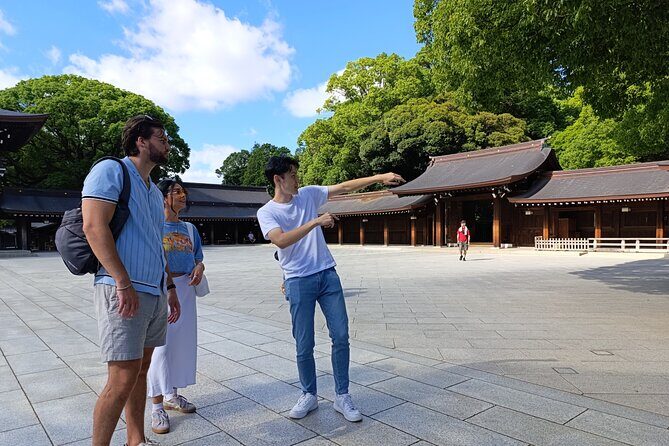
This is marketed as a private tour with an English-speaking guide, and many days sound excellent on that front. Names that came up include Ryu, Haris, and Aaryen, and their service styles show a pattern: they tend to keep the itinerary smooth, explain what you’re seeing, and offer helpful timing tips.
For example, one group noted that Aaryen arrived before 5:30am after advising them to leave early to avoid heavy traffic and gain more sightseeing time. Another group highlighted Ryu for sharing Japanese culture and making good recommendations during the day. Haris was praised for not rushing, taking pictures, and keeping the pace comfortable.
But there’s one important caution from the available feedback: in at least one case, the booking expectation of an actively guided experience didn’t match what was delivered, with the day feeling more like a driver service than a full guide-style narrative.
So before you go, make sure you’re aligned on what you want from the guide:
- Do you want cultural commentary at each stop?
- Do you want help choosing viewpoints and photo angles on the spot?
- Do you want a more flexible pace, or a strict schedule?
If those expectations are clear, you’re much more likely to get the best version of this day.
Best time to go: Fuji visibility and a long day reality
Mount Fuji is the headline, but it’s also weather-dependent. The tour is set up to give you multiple opportunities through the day, including viewpoints connected to Hakone (like Lake Ashinoko) and the Fuji-framed areas earlier.
Even on a great-weather day, plan for the time cost. It’s a 10-hour day, and traffic and crowding can slow things down. That means the day works best when you’re not trying to pack in extra activities beyond what’s scheduled.
If your schedule allows, go earlier in your trip so you can handle the possibility of a weaker Fuji day. The operator also notes the experience requires good weather, and in poor conditions, you may be offered a different date or a full refund.
Should you book this Mount Fuji and Hakone private tour?
Book it if you want:
- One planned day that covers Fuji icons and Hakone geothermal highlights
- Tokyo-to-Hakone transport handled with minimal stress
- A private format where you can ask questions and shape pacing
Skip it (or adjust expectations) if:
- You’re hoping for every activity to be fully included without extra ticket fees
- You expect a very hands-on, talk-every-step kind of guided tour and want to be absolutely sure that’s how it will feel
If you’re traveling in a group of up to 5, this tour often becomes a cost-effective way to do a complicated route. You get structure, flexibility, and enough variety in the stops to keep the day from feeling repetitive—even when the mountain isn’t perfectly visible.
FAQ
What is the duration of the Mount Fuji and Hakone private tour from Tokyo?
It runs for about 10 hours.
How much does the tour cost?
The price is $448.00 per group, up to 5 people.
Is pickup available from Tokyo?
Yes. The tour offers pickup, and round-trip transfers are included.
Is this tour private?
Yes. It’s a private tour/activity, and only your group participates.
What stops are included in the itinerary?
You’ll visit Chureito Pagoda, Kitaguchi Hongu Fuji Sengen Jinja, Oshino Hakkai, Hakone Ropeway, Owaku-dani Valley, and Lake Ashinoko.
What’s included in the price?
The tour includes air-conditioned vehicle, private transportation, English speaking guide, tolls, gas, and parking.
What’s not included?
Not included are lunch and drinks/snacks, Hakone Ropeway (¥1,500 per person), and the Lake Ashi Pirate Cruise Ship fee (¥1,200 per person).
What if weather is poor for seeing Mount Fuji?
The experience requires good weather. If it’s canceled due to poor weather, you’ll be offered a different date or a full refund.