REVIEW · KANAZAWA
1-Day Shirakawago & Takayama Tour (Round Trip from Kanazawa)
Book on Viator →Operated by JTB Global Marketing & Travel Inc. · Bookable on Viator
Two villages. One packed day.
This Kanazawa day tour links UNESCO Shirakawago (gassho-zukuri thatched roofs in Ogimachi) with old Takayama and its famous festival floats. You’ll ride in an air-conditioned, heated coach, follow an organized route, and get an English-speaking National Government Licensed guide to explain what you’re seeing along the way.
What I like most is the blend of styles: Shirakawago gives you real village atmosphere and time to wander, while Takayama focuses on craft and festival culture—especially the float exhibition hall. I also like the small-group feel (max 15), because it makes it easier to hear the guide and manage the walking.
One thing to plan around: it’s a long day with no lunch included, and Shirakawago can mean extra time spent entering a thatched house (and sometimes cold waits if you arrive during peak congestion).
In This Review
- Key things to know before you go
- Why Shirakawago and Takayama click as a single day
- The 8:15 start: pacing a 10-hour day from Kanazawa
- Ogimachi Shirakawago: thatched roofs, village pace, and warm-winter planning
- Should you pay for the Shirakawago observation deck shuttle?
- Takayama Festival floats at Yatai Kaikan: what you’ll actually enjoy
- Kusakabe Folk Museum: great in 2025, changed in 2026
- Kamisannomachi: Edo-era merchant streets with shopping time
- Takayama Station drop-off option for your own schedule
- Price and value: is $209.53 a smart use of your day?
- Small group touring tips that actually help
- Who should book this Shirakawago & Takayama tour?
- Should you book?
- FAQ
- How long is the Shirakawago and Takayama tour?
- Where does the tour start and end?
- What time does the tour begin?
- Is lunch included in the tour price?
- What admissions are included?
- Does the tour include a stop at the Shirakawago observation deck?
- Is there a museum visit at Kusakabe Folk Museum every year?
- How much time do you get in Kamisannomachi?
- Can I get dropped off at Takayama Station?
Key things to know before you go
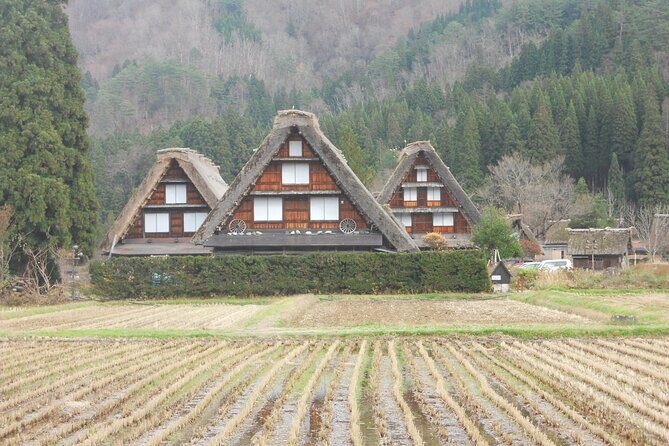
- Ogimachi Shirakawago time is generous: you’ll spend about 2 hours 30 minutes there, including entry to a thatched house.
- Yatai Kaikan makes festival culture easy: you get 30 minutes focused on the Takayama Festival floats.
- Museum plans can change by year: Kusakabe Folk Museum is only listed for 2025; in 2026, the Kusakabe Heritage House won’t be visited.
- Kamisannomachi timing shifts by year: about 40 minutes (2025) or 70 minutes (2026), both on the Edo-era merchant-town streets.
- Optional Shirakawago observation deck shuttle costs extra and may be suspended depending on weather.
- Max 15 people keeps the day from feeling like a cattle-herd bus tour.
Why Shirakawago and Takayama click as a single day
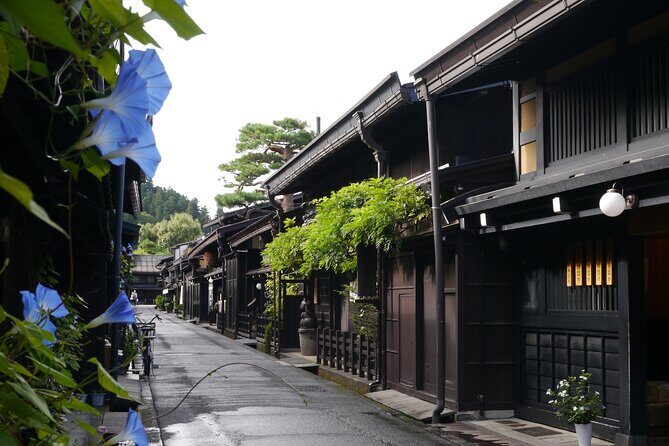
If you’re using Kanazawa as your base, this pairing makes sense. Shirakawago gives you the “snow-country village” Japan people dream about—steep, thatched roofs designed for heavy winter snow. Then Takayama feels like a different chapter: a compact mountain town with Edo-period streetbones, sake and food culture, and festival pride.
You’re not just collecting photos. With a licensed guide, you get context for why these places look the way they do—house design, town layout, and the role festivals play in local identity. That’s especially valuable if you’ve only got a day and can’t slow down for museums, countryside drives, and town walking separately.
A few more Kanazawa tours and experiences worth a look


The 8:15 start: pacing a 10-hour day from Kanazawa
The tour starts at Kanazawa Station at 8:15am and runs about 10 hours total, returning to the meeting point. That timing matters because you’ll get a head start on busier hours at Shirakawago, even if the drive itself takes a chunk of your day.
Expect coach travel and organized stops rather than free-form roaming. The day also notes that after the departure, the bus may stop in Kanazawa City to pick up additional guests at hotels—so don’t count on quick breaks at those points. The flip side is you can relax. The bus is heated and air-conditioned, and the guide handles the flow.
Group size is capped at 15, which I consider a sweet spot. You still have to walk, but it’s less chaotic than the mass-departure tours that feel like check-in lines.
Ogimachi Shirakawago: thatched roofs, village pace, and warm-winter planning
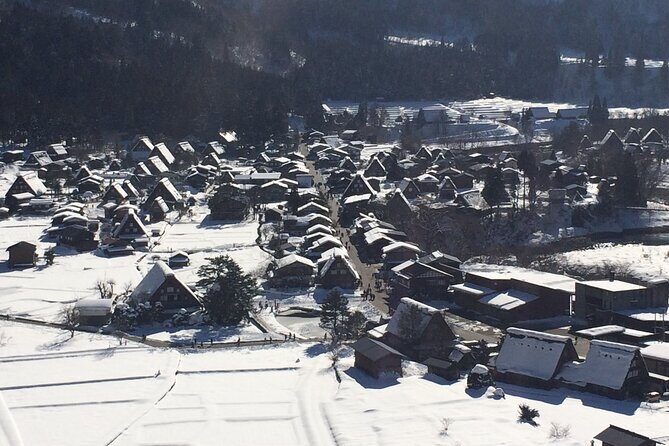
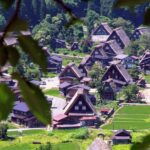
Shirakawago is built around gassho-zukuri farmhouses—steep roofs that evolved for snowy mountain winters. On this tour, you’ll visit Ogimachi and spend about 2 hours 30 minutes total there, including entry to one thatched house.
Here’s what the timing really means for you: it’s enough time to see the village core, take in the rooflines from multiple angles, and still have room to walk at a comfortable pace. A guide explains what you’re looking at, then you get freedom to explore on your own.
A practical detail: entry into a thatched house can take time, and in some cases the interior may feel crowded at peak moments. You’ll typically be able to see the interior with everyone, then continue exploring outside. Another key note: you’ll visit a thatched house in Ogimachi specifically, and you can stroll around after the house visit.
Also plan for cold. Several guides and drivers have been praised for handling snow and rough weather safely, which is exactly what you want to hear before a long winter drive. Bring layers. If it’s chilly at ground level, your photos will be better when you’re not rushing around shivering.
Should you pay for the Shirakawago observation deck shuttle?
The tour includes optional access via a shuttle bus to the observation deck for an additional fee. You pay on-site, and operation can be suspended depending on weather. That means you should treat the observation-deck stop as a bonus, not a guarantee.
If the weather looks clear and you want those classic higher-angle views, it can be worth considering. If the deck shuttle is halted, you’ll still have plenty to do in the village area itself.
Takayama Festival floats at Yatai Kaikan: what you’ll actually enjoy
The second major stop is the Takayama Festival Floats Exhibition Hall (Yatai Kaikan). You’ll have about 30 minutes here, with admission included. This is one of the easiest “culture meets craftsmanship” parts of the day: you see festival floats up close, without needing to time your visit for the actual festival days.
Why this stop works: it turns something you might only hear about in guidebooks into something you can look at closely—structure, carving, and the sheer visual work that goes into these floats. Even if you’re not a festival super-fan, the level of detail is the point.
It’s also efficient. Thirty minutes is just long enough to get oriented and enjoy what’s in front of you, without eating the whole afternoon.




Kusakabe Folk Museum: great in 2025, changed in 2026
Next is the Kusakabe Folk Museum (also referred to as the Kusakabe Heritage House). The important detail is the year-specific change: this stop is listed as only available in 2025. It says the Kusakabe Heritage House will not be visited on tours in 2026.
So if you’re booking for 2026, don’t count on this house-museum stop. If you’re going in 2025, it’s a short but worthwhile break from walking streets: you’ll be in a traditional Japanese-style townhouse setting and see folk art and traditional handicrafts for about 30 minutes.
Either way, this portion of the day keeps you anchored to “how people lived” and “what they made,” which balances the visual wow of Shirakawago and the festival craftsmanship of Takayama.
Kamisannomachi: Edo-era merchant streets with shopping time
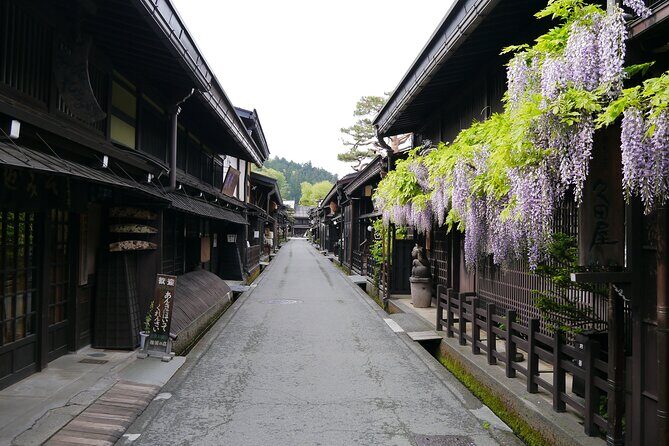
After the float hall and museum, you’ll head to Kamisannomachi, Takayama’s old merchant-town area. It’s free to enter and designed for slow wandering, with 40 minutes in 2025 and 70 minutes in 2026.
This is the part where you can shift from “guided sightseeing” to “shop and snack decisions.” The street layout and storefront vibe are what you’re after: an old-town feel that still supports local commerce. Even if you don’t buy anything, it helps to just walk slowly and notice details—signage style, building forms, and how the street supports people moving through town.
If you like food and small local crafts, this is a good place to check for miso and folk-art-style souvenirs. The guide typically gives context, but the time is yours to explore.
Takayama Station drop-off option for your own schedule
The final noted stop is Takayama Station, with a short 10-minute window. There’s an important rule here: the tour may add a drop-off at Takayama Station if you tell the guide in the morning on the day you want it. If you don’t request it, you shouldn’t assume you can get off there.
Otherwise, the tour ends back at the original meeting point in Kanazawa. So you’re either staying on for the return ride, or you’re stepping out to continue independently from Takayama.
Price and value: is $209.53 a smart use of your day?
At $209.53 per person, this tour isn’t cheap—but it’s also not just “a bus and a ticket.” The included costs matter:
- A National Government Licensed English guide (interpreter fee included)
- Transportation by air-conditioned, heated coach
- Admission fees at key sites (Shirakawago thatched house, the float exhibition hall, and the Kusakabe museum where applicable)
And you’re saving decision fatigue. Instead of planning transport, ticketing, and a route through three different “types” of attractions (UNESCO village, museum/interior, and festival craftsmanship), the day is handled for you.
Where the value can be weaker: lunch isn’t included. If you’re the kind of traveler who likes a set meal early and then keeps moving, you’ll need to plan where you’ll eat around the schedule. Also, optional extras like the observation deck shuttle cost extra.
Still, if your goal is a high-quality day trip from Kanazawa—one that hits Shirakawago and Takayama without draining you with logistics—this price starts to look reasonable.
Small group touring tips that actually help
A few practical moves will make the day smoother:
- Dress for cold and for walking. Shirakawago can be wintry, and even when it’s not snowing, mornings can feel sharp.
- Bring a plan for lunch. Since meals aren’t included, you’ll likely need to pick something yourself rather than count on a restaurant stop.
- Use the viewing time intentionally. In Shirakawago, the thatched house entry can take some time; once you’re out, spend the “free stroll” time where you get the best roof angles.
- If you care about the observation deck, keep flexibility. The shuttle can be affected by weather, so don’t rely on one specific photo spot.
- If you’re sensitive to crowds, expect peak-time congestion. The house interior entry is sometimes slow when it’s busy; going calm helps more than rushing.
One more small comfort: the tour is designed for a maximum of 15 people, and that tends to make the whole experience feel easier—less waiting, more chance to hear your guide.
Who should book this Shirakawago & Takayama tour?
This is a strong fit if you want:
- A one-day way to see UNESCO Shirakawago and Takayama without doing separate day trips
- Clear, guided explanations in English
- A mix of village atmosphere, festival craftsmanship, and old-town walking
- A small-group day that feels organized, not chaotic
It’s not the best match if you:
- Want a full-on food crawl with lunch provided
- Plan to spend hours in one place and take your time far beyond set stop times
- Are hoping for a guaranteed Shirakawago observation deck shuttle regardless of weather
Should you book?
Yes—if you’re using Kanazawa as your base and you want maximum culture per day, this is a practical, well-structured choice. The included guide and admissions do a lot of the heavy lifting, and the day covers the big hits: Ogimachi Shirakawago and Takayama’s festival-float craft.
If you’re going in 2026, check that Kusakabe Heritage House won’t be part of your day, and if the observation deck matters to you, be ready with a weather-friendly mindset.
FAQ
How long is the Shirakawago and Takayama tour?
The tour lasts about 10 hours.
Where does the tour start and end?
It starts at Kanazawa Station and ends back at the meeting point.
What time does the tour begin?
The start time is 8:15am.
Is lunch included in the tour price?
No. Lunch is not included.
What admissions are included?
Admission fees are included for the Shirakawago thatched house visit, the Takayama Festival Floats Exhibition Hall, and the Kusakabe Folk Museum (where applicable).
Does the tour include a stop at the Shirakawago observation deck?
There is an optional shuttle bus to the observation deck with an additional fee, and it may be suspended depending on weather.
Is there a museum visit at Kusakabe Folk Museum every year?
No. It is listed for 2025, and the Kusakabe Heritage House will not be visited on tours in 2026.
How much time do you get in Kamisannomachi?
It depends on the year: about 40 minutes in 2025 and about 70 minutes in 2026.
Can I get dropped off at Takayama Station?
A stop/drop-off at Takayama Station may be made for customers who inform the guide in the morning on the day.