REVIEW · KYOTO
Let’s make only one original onigawara in the world
Book on Viator →Operated by 瓦工房you家 kawarakoubouyouya · Bookable on Viator
One tile, one story, and one very pointed face. This small Kyoto workshop teaches you how onigawara (the demon-faced roof ornament) is made, then it gets fired and sent to your home. You’re not just copying a souvenir shape; you’re working with the same kind of protective symbolism you’ll see on temple roofs.
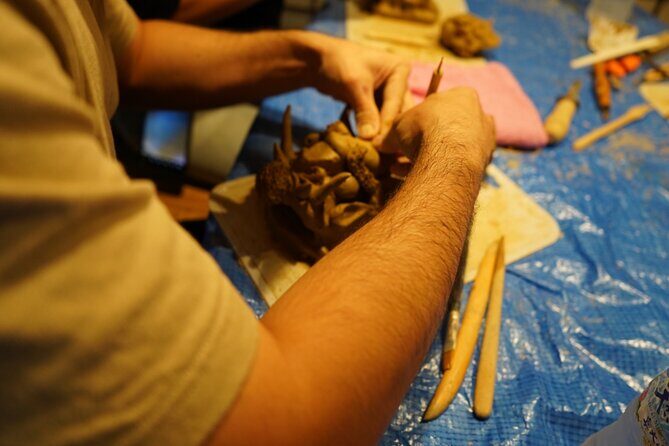
I especially liked the hands-on making process and the fact that your onigawara comes out as your own version of the same design. You’ll learn the purpose of Kawara roof tiles in Japanese architecture, and it makes the whole craft feel grounded, not gimmicky. You’ll also get close, patient instruction from the artisan—often in clear step-by-step guidance from Yuya-san.
One thing to plan for: you don’t take home a finished tile the same day. The clay needs drying and firing, and shipping isn’t included, so you should budget extra time and money for delivery.
In This Review
- Key things that make this workshop worth your time
- Kyoto roof-tile symbolism: what onigawara actually does
- From clay to a demon face: what you do in the 2-hour workshop
- The workshop’s kiln step: why your tile changes after class
- Shipping home later: timing, payment, and expectations
- Location and getting there: where to meet and how to plan your time
- What to wear (and what not to forget)
- Who this onigawara class suits best
- Value check: how the $89.17 price makes sense
- Your booking checklist: simple questions to ask yourself
- Should you book this onigawara tile workshop in Kyoto?
- FAQ
- How many people are in the onigawara workshop?
- How long does the workshop take?
- What’s included in the price, and what isn’t?
- Is the workshop good for beginners?
- When will I get my finished onigawara?
- Can I cancel if my plans change?
Key things that make this workshop worth your time
- Demon-face meaning built into the craft, not treated as decoration
- Small-group size (max 5) for real guidance, not just watching from the sidelines
- Fired in a kiln by the workshop after you shape your tile
- One-of-a-kind results even when everyone starts from the same basic pattern
- Your piece ships home later, so you travel lighter
Kyoto roof-tile symbolism: what onigawara actually does
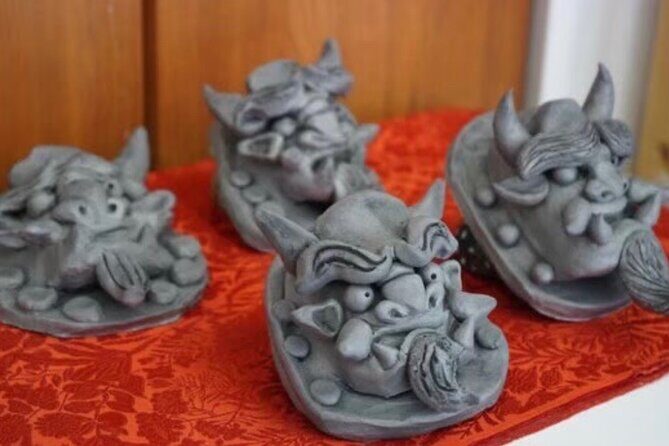
Onigawara are those fierce-looking tiles you notice at the ends of the main ridge line on Japanese building roofs, especially temples. Traditionally, they feature ogre- and gargoyle-style faces, carved in a way that looks half funny and half intimidating. The idea is simple: these guardians help protect the roof from evil and from the daily grind of rain.
What I like about this workshop is that you get the meaning before you touch the clay. You’re making an object with a job, not just a cute miniature. That context helps you understand why the design rules matter—then it also helps you see why your personal twists still fit.
And once you start shaping the face, you’ll notice how forgiving clay can be. Even when the goal is one specific kind of demon tile, the final expression varies: snarl angles, nose shape, and proportions change what the tile feels like.
You can also read our reviews of more tours and experiences in Kyoto.



From clay to a demon face: what you do in the 2-hour workshop
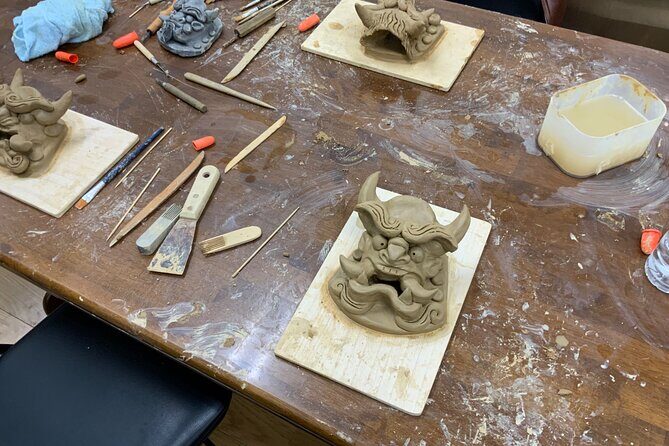
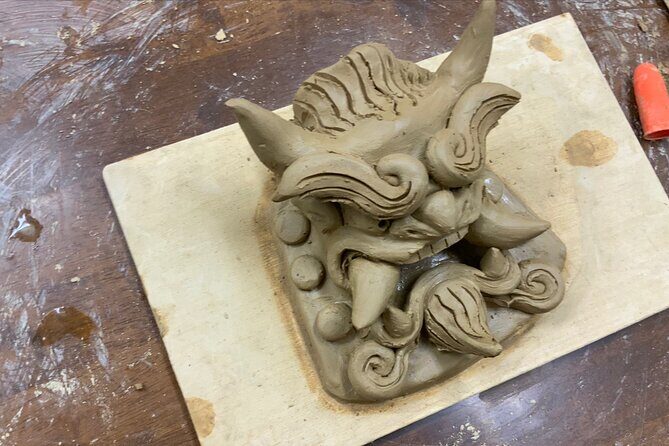
The session happens at 瓦工房you家 (Kawarakoubouyouya) in Higashiyama Ward, near public transportation. Expect a step-by-step build of a small, simple onigawara tile with a demon face. The workshop emphasizes a process that’s designed to be workable, even if you’re new to ceramics or your hands aren’t exactly steady.
Here’s the flow in practical terms:
- You start with soil/clay and shape your tile using the workshop’s method.
- You focus on creating the recognizable face form—eyes, mouth, and the general ogre expression.
- Your artisan guides you through each part so you can finish within the session time.
A theme you’ll hear in the room is trust the procedure. The instructor breaks the project into manageable steps, and the build is structured, not random. You’ll still make choices, though—so your onigawara ends up looking like you, not like a factory copy.
Also, this isn’t “quick and messy.” The process is described as an original method and specifically made for people who might find traditional onigawara difficult. In other words, you’re not expected to be a sculptor before you arrive.
The workshop’s kiln step: why your tile changes after class
When your tile is done shaping, the workshop doesn’t stop there. Your piece gets fired in a kiln at the factory, which is a key part of why it can survive shipping and still look like a proper finished work.
This part matters because clay that looks fine right away usually isn’t finished yet. Drying and firing are what turn your creation into something durable. You’ll probably learn (or at least hear clearly) that patience is part of the deal with ceramics.
The good news: you’re not responsible for firing. Your job is to shape the demon. The workshop’s job is to take that shape through the ceramic steps that you can’t do at home unless you have a kiln, the right setup, and time.
Shipping home later: timing, payment, and expectations
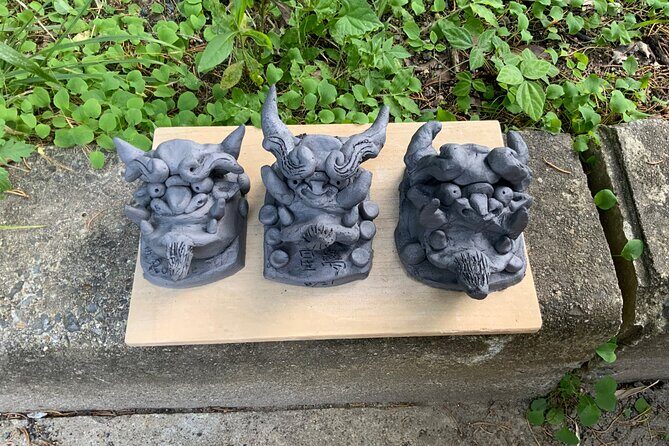
Your onigawara is delivered to your home after firing and curing. Plan on a wait; drying takes time, and the piece then needs to be processed and shipped.
From the information provided, you should expect shipping to happen after the clay has had enough time to dry out—often around a month—then your tile arrives a few weeks later. That means you should treat this as a souvenir that shows up after your trip, not a take-it-home-in-your-bag project.
Two money notes you should take seriously:
- Shipping costs are not included in the base price.
- You may need to pay shipping separately after the class, and cash can be requested.
So when you budget, don’t just think about the $89.17 workshop fee. Think about the workshop plus whatever shipping ends up being for your specific piece and destination.
Location and getting there: where to meet and how to plan your time
You’ll meet at 瓦工房 You家 (Kawarakoubouyouya) at 373-2 Yamazakichō, Higashiyama Ward, Kyoto (605-0841). The activity ends back at the same meeting point, which is helpful if you’re trying to keep your afternoon simple.
Since it’s near public transportation, you can usually avoid overly complex navigation. Still, I recommend building a little buffer into your schedule. Small workshops run best when you arrive calm and ready to sit with the clay.
The session is listed at about 2 hours. If you’re slow with your hands or you want to take your time making facial details, plan for the experience to feel like more than a quick craft stop.





What to wear (and what not to forget)
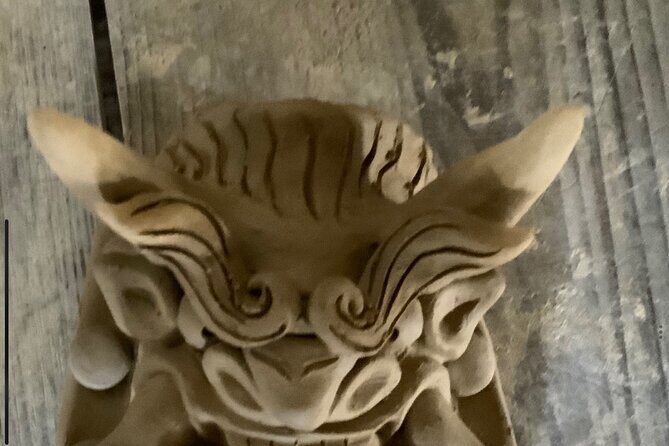
This workshop uses soil/clay. That means your clothes should be ready for a little pottery life. Wear something you don’t mind getting dirty, and consider bringing a simple cloth or old towel for your hands.
An apron is not included, so don’t count on a provided smock. You’ll be much happier if you come prepared with an apron or an old overshirt.
You do get bottled water included, which is a nice touch when you’re working with warm materials and a focused, seated pace.
If you bring a bag, you’ll want to keep it out of the way and follow what the instructor suggests for storage during the process. The workshop is set up for people actively working with clay, so it’s not a walk-around-and-sit-later kind of experience.
Who this onigawara class suits best
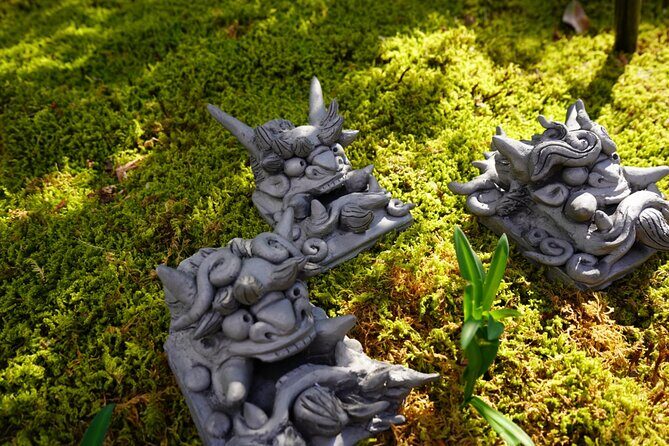
This is one of those Kyoto activities that works even when you’re not a pottery person.
You’ll fit well if:
- You want a souvenir with actual meaning, not just something mass-produced.
- You enjoy crafts where the steps matter more than being “talented.”
- You like small-group attention and clear guidance.
It’s also a solid choice for families and teenagers because the method is built to be doable. The workshop description even frames it as for clumsy hands and children—so the aim is confidence, not gatekeeping.
You might want to think twice if:
- You hate waiting for mail deliveries.
- You strongly prefer taking your purchase home in the moment.
- You’re allergic to messes (even careful clay work can be slightly chaotic).
If you can handle a short wait for a package, this is a memorable way to slow down in Kyoto without feeling like you’ve fallen into a tourist trap.
Value check: how the $89.17 price makes sense
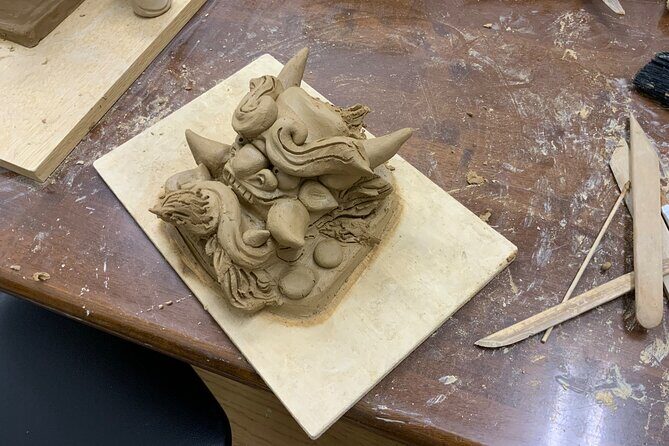
At $89.17 per person, you’re paying for more than a generic craft class. Here’s what that fee effectively covers:
- Instructor-led guidance to help you shape a correct onigawara tile
- The workshop materials and setup for the clay work
- The firing step in the kiln (handled by the workshop)
- Bottled water
- A small-group experience capped at five people
What’s not included is shipping. That’s the big variable. Still, the base experience price is strong value for something you won’t find everywhere: a one-of-a-kind demon-face roof tile made by your hands, fired for you, and delivered later.
There’s also mention of group discounts and a small-group cap. If you’re traveling with others, grouping can add value because you may qualify for that discount structure.
Your booking checklist: simple questions to ask yourself
Before you book, I suggest you check three things:
- Are you okay with a souvenir that arrives after your trip?
- Can you budget extra for shipping on top of the $89.17 fee?
- Are you willing to wear clothes that can tolerate clay?
If you answer yes to those, you’re basically set.
Also, if you’re booking as a group of 5 or more, note that the workshop location can change for groups, and the overall group rules allow larger groups up to 40. If you’re just a solo traveler or couple, you’ll likely enjoy the smaller, more focused format.
Should you book this onigawara tile workshop in Kyoto?
Book it if you want a hands-on Kyoto experience with meaning, not just a photo stop. The small-group size and the structured, forgiving process make it a craft you can actually finish confidently—even if you’re starting from zero.
Skip it if you absolutely need a finished souvenir immediately and you don’t want to deal with shipping. The waiting and extra shipping cost are real trade-offs, and they’re part of how ceramics works here.
If you’re traveling through Kyoto and you want one activity that feels personal and symbolic, this is a great pick. You’ll leave with the kind of memory that’s hard to buy: your own demon-face guardian, made step by step.
FAQ
How many people are in the onigawara workshop?
The workshop has a maximum of 5 travelers, which keeps the instruction personal.
How long does the workshop take?
The experience is listed at about 2 hours.
What’s included in the price, and what isn’t?
Bottled water is included. Shipping costs are not included in the experience fee, and any optional items like an apron are not included either.
Is the workshop good for beginners?
Most travelers can participate, including people who have never worked with clay before. The process is taught step by step, and the workshop focuses on making it doable for beginners.
When will I get my finished onigawara?
Your tile is fired after your class and then delivered to your home later. The clay needs time to dry, so you should expect a wait before it arrives.
Can I cancel if my plans change?
Yes. You can cancel up to 24 hours in advance of the experience for a full refund. If you cancel less than 24 hours before the start time, the amount paid won’t be refunded.