REVIEW · KYOTO
Kyoto: Japanese Calligraphy Class
Book on GetYourGuide →Operated by MK TRAVEL · Bookable on GetYourGuide
Japanese calligraphy feels simple until ink hits paper. Then it clicks. In this Kyoto workshop, you learn the basics fast, write real Kanji, and leave with your own pieces you can take home right away.
Two things I like a lot: the class is taught in English, and the process is hands-on from the first stroke. You’re not just watching—you’re practicing, getting help, and walking out with finished calligraphy that looks good on a shelf or wall.
One thing to consider: this is a 1-hour experience, so you’ll improve quickly, but you won’t master advanced calligraphy styles in one sitting.
In This Review
- Key Points Before You Go
- Kyoto Station Calligraphy Class: Easy Access Meets a Slow, Calm Skill
- What Happens in Class: Brush Control, Ink Use, and Stroke Basics
- Start With Basic Kanji: Your Own Scroll-Style Character Practice
- Write Your Name and a Favorite Word: Personal Meaning in Kanji
- Souvenirs You Can Actually Use: Fan, Card, Stationary, and More
- The Instructor Experience: Why English Instruction Changes Everything
- Price and Value: $51 for One Hour With Materials and Take-Home Art
- Who This Class Is Best For (and When to Skip It)
- Small Details That Make the Whole Hour Better
- Should You Book? My Honest Take on Kyoto Calligraphy
- FAQ
- What is the duration of the Kyoto Japanese calligraphy class?
- Where does the class meet?
- Is there English instruction?
- What do I get to take home?
- Do I need prior experience with Japanese writing?
- Can I write my name in Kanji?
- Is this class private or in a group?
- Is the class suitable for young children?
Key Points Before You Go
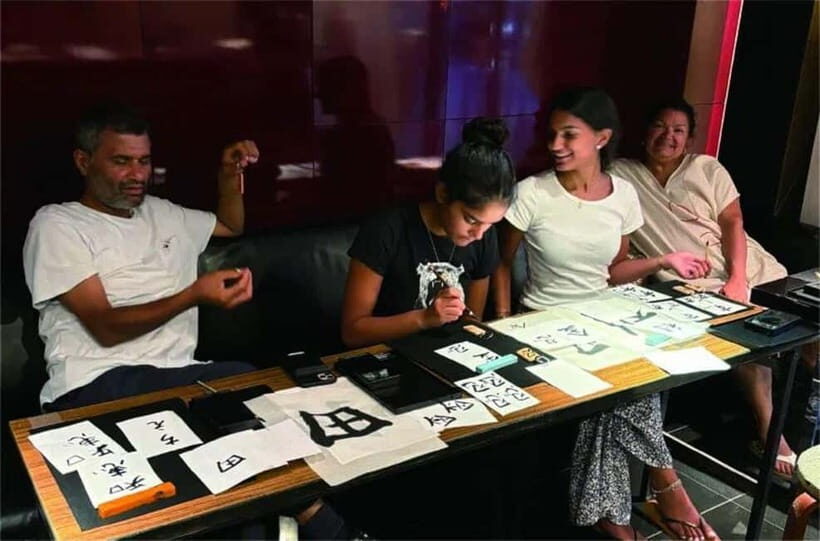
- Kyoto Station meeting point means easy timing before or after sightseeing and transit.
- English instruction included, so you can focus on the art instead of decoding directions.
- You write a Kanji character scroll and keep what you make.
- Your name and a favorite word in Kanji get support, including meaning ideas.
- Take-home souvenirs are part of the experience, not just a final sheet of paper.
- Private or small groups keep the pace calm and the corrections practical.
Kyoto Station Calligraphy Class: Easy Access Meets a Slow, Calm Skill
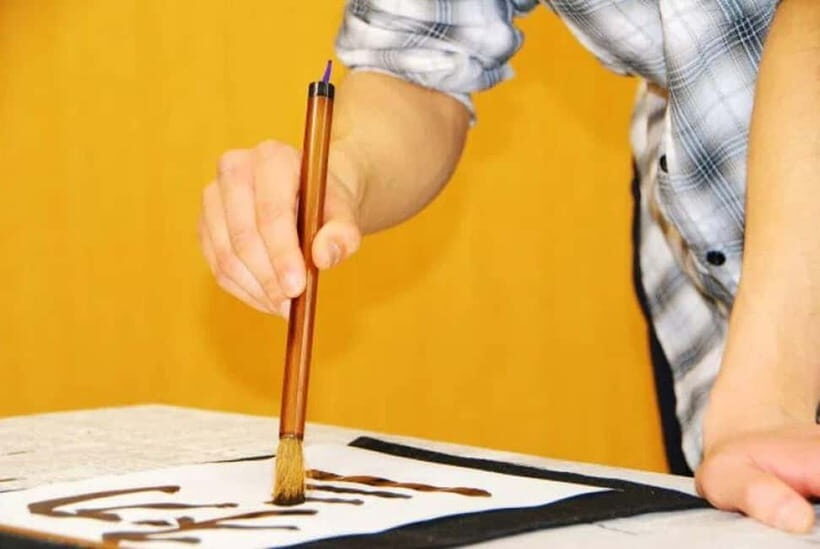
Kyoto moves fast, and calligraphy is the break you didn’t know you needed. The workshop starts right in front of Kyoto Station, which is a big deal in a city where time can vanish between temples, buses, and lines. You can fit this into the middle of a busy day without sacrificing an entire half-day tour.
I also like that you’re not thrown into the deep end. The structure is simple: brush and ink basics first, then guided writing, then personalization. That arc matters. It turns a cultural activity into something you can actually use: your strokes get corrected while the ink is still fresh, not after.
The class runs about 1 hour (it may vary slightly depending on how quickly people finish). So you’re left with enough time to learn what matters, but you won’t feel trapped. It’s a perfect “Kyoto pause” between busier plans.
A few more Kyoto tours and experiences worth a look


What Happens in Class: Brush Control, Ink Use, and Stroke Basics
The learning starts with a short lecture and demo. Staff show you how to handle the brush, how to use ink, and how to make strokes that land with the right pressure and direction. Even if you’ve never written a single character before, the approach is practical: the goal is repeatable movement, not abstract theory.
Then you begin with the fundamentals—basic characters. This part is worth paying attention to because Japanese calligraphy isn’t only about meaning. It’s also about motion. Your brush angle, how long you hold pressure, and how you finish a stroke all change the final look.
One of the best signs you’re in good hands is what the instruction seems to focus on: stroke-by-stroke clarity. Many sessions are praised for a patient teaching style, including 1:1 support for getting strokes right. In some groups, instructors are described by name, including Rena, Lana, and Waka, with particular credit given for answering questions and correcting technique.
Practical tip: wear clothes you’re comfortable getting a little ink on. Even with careful setup, calligraphy is messy in a human way.
Start With Basic Kanji: Your Own Scroll-Style Character Practice
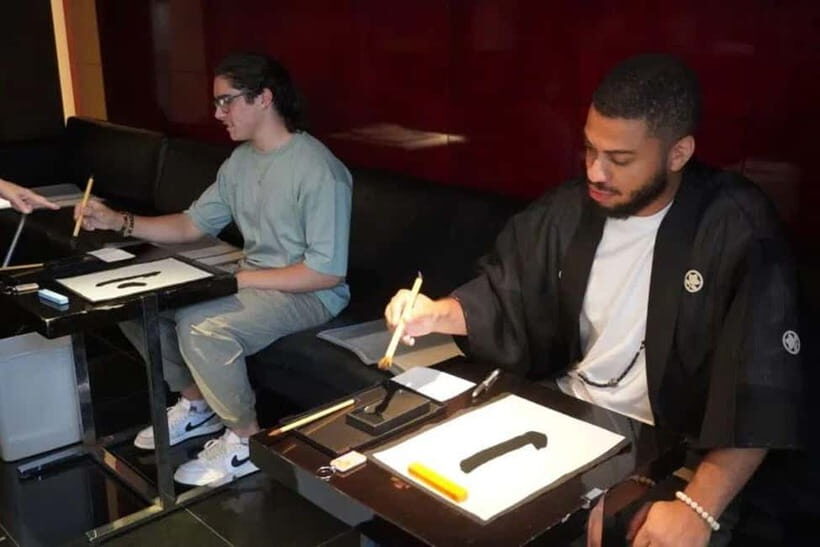
After the brush and ink intro, you’ll write basic characters as guided practice. This isn’t just practice scribbling. You end up creating a scroll of the Kanji characters you write, and it becomes a souvenir you can take home.
Why this matters: beginners often worry they’ll leave with something too small or too generic. A character scroll is a clear “I did it” keepsake. It also helps you learn the structure of Kanji—how components relate, how the spacing works, and how strokes should flow.
Expect the pace to feel supportive. Reviews repeatedly mention patience and encouragement, and that questions get answered clearly—especially when you’re unsure what a character should look like. If you’re the type who learns better by doing than by reading, this part will feel satisfying quickly.
Write Your Name and a Favorite Word: Personal Meaning in Kanji
This workshop’s most memorable section is the personalization. You’ll write your own name and a favorite word using Kanji characters and also include alphabets when needed.
The staff assist you with possible Kanji options and their meanings. This is where the experience shifts from art class to cultural translation. You aren’t just copying shapes. You’re thinking about what the character represents.
The class uses concrete examples to show how names can map into Kanji. For instance:
- Brian → 武礼安
- Liz → 梨図
You don’t need to understand the Japanese language to appreciate the idea. It’s a fun way to connect a Latin-name sound or an intended feeling to characters with meaning—something you can’t really replicate by buying a postcard.
Also, this is where extra help really shows. Reviews mention that teachers work with participants to pick characters and explain what they mean. That’s especially useful if you want more than a decorative result and you’re curious about the cultural logic behind the strokes.
Souvenirs You Can Actually Use: Fan, Card, Stationary, and More
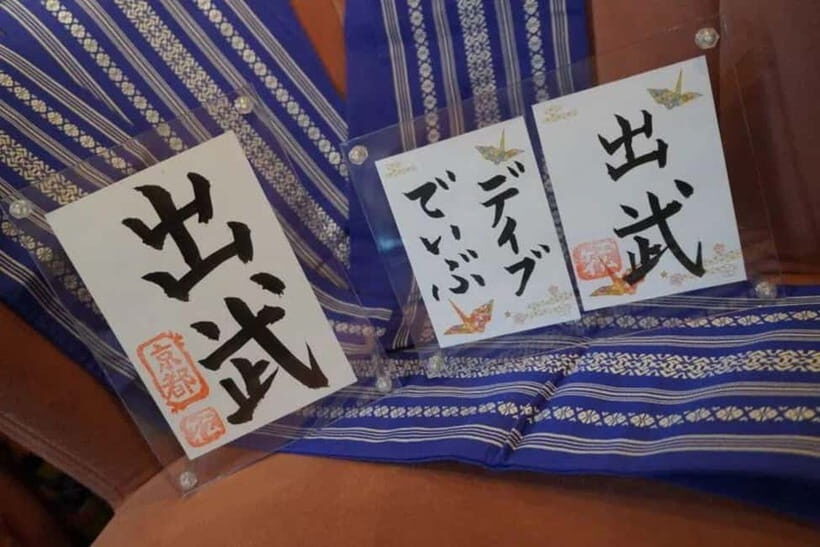
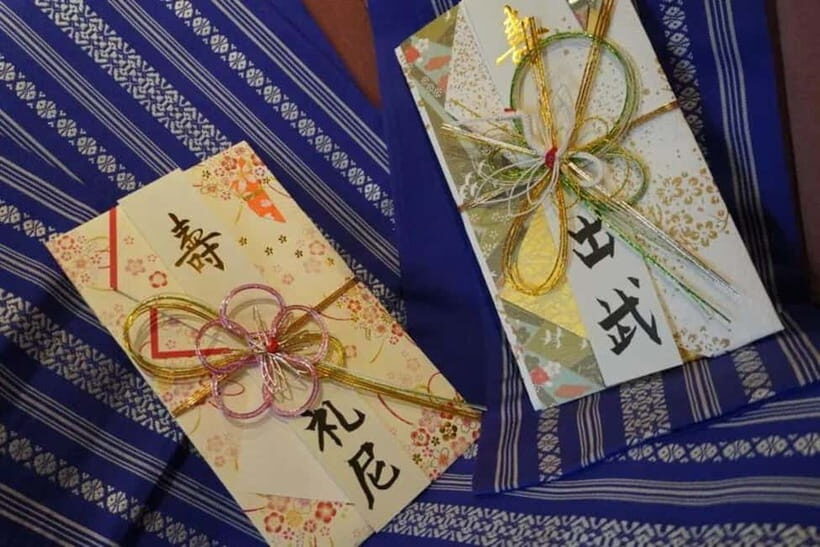
A lot of cultural workshops end with one flat sheet and a vague “good job.” This one is set up to give you more. You can take your products home as souvenirs, and the class includes materials and some items you can keep, such as a Japanese fan and a picture frame (plus other take-home pieces).
What people commonly leave with includes things like:
- a fan
- a postcard
- stationary
- and a special card tied to what they made
Even if the exact set-up varies by session or option, the consistent point is that you leave with crafted objects—not only ink on paper that fades in a drawer. That adds value, and it also makes the workshop feel complete.
If you like gifting, this is a smart move. A handmade calligraphy item is personal in a way store-bought kanji wall art rarely is.



The Instructor Experience: Why English Instruction Changes Everything
This class includes English instruction, which is a big deal for calligraphy workshops. Without it, you often end up memorizing steps you can’t really understand. With it, you can ask questions and adjust while you’re still writing.
Many write-ups praise instructors for being warm, patient, and clear—names mentioned include Rena, Lana, Waka, and Yoshia Kobayashi, along with a guide named Kou. The theme is consistent: you get support that helps you keep your strokes correct, and you also get cultural explanation that makes the characters feel less random.
This is one of those activities where good teaching is the difference between practicing a skill and simply making a mess. The best part is that the class tone stays calm, so you can take your time instead of rushing for a timed tourist spot.
Price and Value: $51 for One Hour With Materials and Take-Home Art
At $51 per person for about 1 hour, this workshop can look pricey until you factor what’s included. You’re getting:
- brushes, ink, and washi-paper
- instruction in English
- and finished pieces you can take home, including extras like fan or frame items (depending on what your session includes)
For me, the value is the combo: a skill you practice and keepsakes you don’t have to hunt for afterward. In Kyoto, that’s often better than paying for a sightseeing-only experience where you leave with photos and a memory of a line you stood in.
If you’re doing this as a couple or small group, the “private or small groups available” option also helps. Smaller setups usually mean more attention per person, and calligraphy rewards that kind of feedback.
Who This Class Is Best For (and When to Skip It)
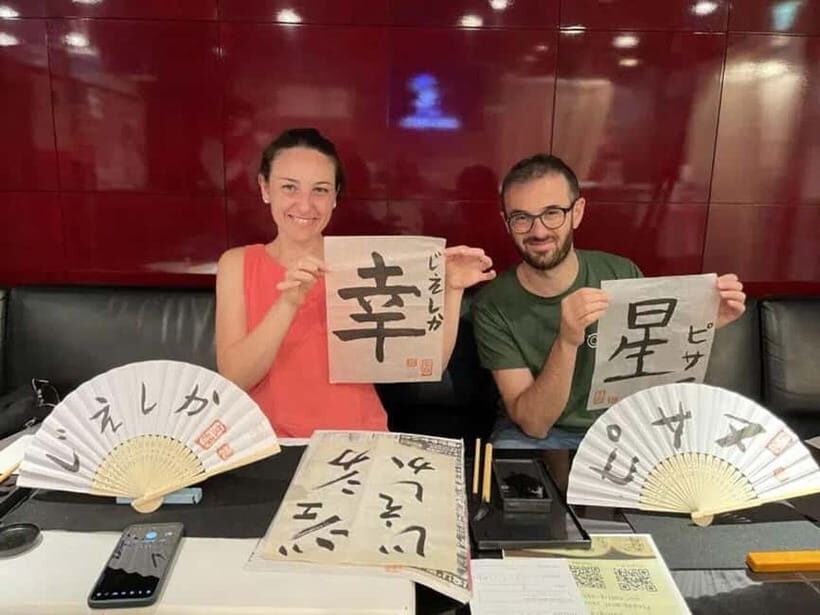
This workshop is great for beginners. You don’t need prior knowledge to start, and the instruction is built to get you writing quickly.
It’s also a good fit if you want a break from the visual overload of Kyoto. Writing characters on purpose is grounding. You trade crowds and noise for focused, repeatable motion.
Two cautions from the provided details:
- Children under 5 years aren’t suitable.
- Because it’s about 1 hour, it’s not a long deep-discipline training session. Think of it as your first solid step, not a full mastery course.
If you’re the kind of traveler who loves crafts, writing, or anything hands-on, you’ll probably feel like this was time well spent. If you only want a quick photo stop, it may feel too “work” for your style.
Small Details That Make the Whole Hour Better
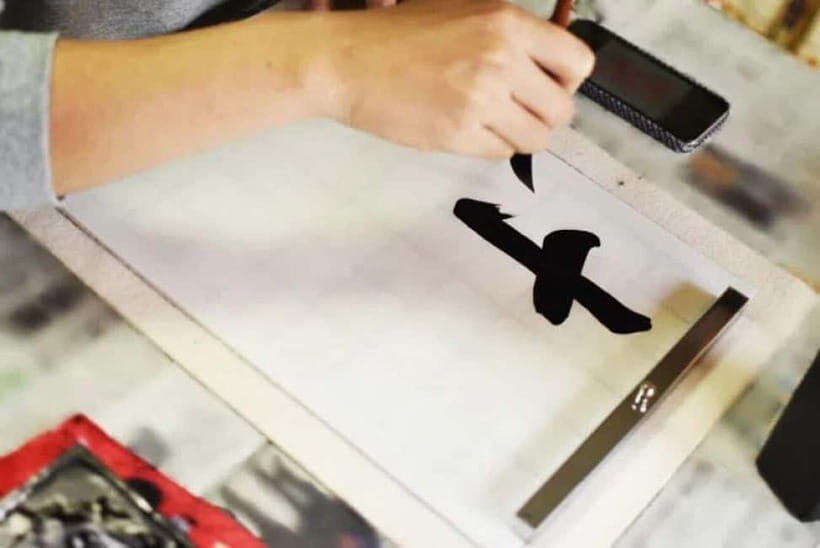
These are the practical reasons the class tends to land well:
- The location by Kyoto Station keeps transit stress low.
- The structure moves from basics to personal characters, so you don’t feel stuck.
- The English guidance makes questions useful instead of awkward.
- You leave with finished calligraphy, not only a lesson.
One more point: calligraphy is slow by design. That’s not a downside. In Kyoto, where you can easily burn a day running, slowing down for an hour can refresh the rest of your plans.
Should You Book? My Honest Take on Kyoto Calligraphy
Book this if you want a meaningful souvenir you made yourself, plus a calm skill you can repeat later. The English instruction, the personalized name-and-word section, and the chance to take home multiple items make it feel like more than a “try it once” activity.
Skip it if you’re chasing only passive entertainment or you need a long, advanced course. This is built for beginners and first-time calligraphy: short, focused, and rewarding.
If you’re in central Kyoto anyway, the location alone makes it worth considering. When an activity is easy to reach and you leave with real objects, you’re more likely to feel satisfied, not rushed.
FAQ
What is the duration of the Kyoto Japanese calligraphy class?
The class takes about 1 hour (it may vary depending on how quickly activities are completed).
Where does the class meet?
The workshop is located in front of Kyoto Station. The exact meeting point may vary depending on the option booked.
Is there English instruction?
Yes. The instructor provides English instruction.
What do I get to take home?
You can take home the calligraphy you create. The class also includes some take-home items such as a Japanese fan and a picture frame, and other souvenir items may be included.
Do I need prior experience with Japanese writing?
No prior experience is required. The class includes instruction on brush and ink use and starts with basic characters.
Can I write my name in Kanji?
Yes. You can write your own name and also a favorite word in Kanji characters and alphabets, with staff assistance on possible Kanji and their meanings.
Is this class private or in a group?
It can be private or a small group, depending on the option you choose.
Is the class suitable for young children?
It is not suitable for children under 5 years.