REVIEW · TOKYO
Tokyo: Meiji Jingu Shrine and Shinto Culture Walking Tour
Book on GetYourGuide →Operated by Traveling Tokyo · Bookable on GetYourGuide
One of Tokyo’s most peaceful walks starts with a shrine, not a city street. This Meiji Jingu Shinto culture tour guides you through the sacred grounds where nature and ritual are treated as one, from the Imperial Garden paths to the main shrine area.
What I like most is how the guide connects the visuals to the meaning: you don’t just see the big torii and the offering barrels, you learn what people are doing there and why. The other standout is the setting—between the quiet garden and the 100,000-tree forest walk, it feels like a reset button after Tokyo noise.
One thing to keep in mind: at just 2 hours, the route is focused. If you want long, slow wandering on your own, you may feel slightly rushed, so plan extra time before or after the tour.
In This Review
- Key takeaways before you go
- Why Meiji Jingu’s Shinto Forest Feels Different From Usual Sightseeing
- Meeting at Starbucks Near Harajuku: Easy Start, Clear First Step
- Meiji Jingu Gyoen Imperial Garden: Guided Calm and Photo Time
- The Big Torii Gate: Learning the Symbol Before You Pass It
- Consecrated Sake Barrels: A Practical Lesson in Offerings
- Consecrated Wine Barrels: The Same Ritual Logic, New Detail
- Inside Meiji Shrine: What the Main Guided Hour Usually Gives You
- Duration and pacing: Why 2 hours works (and when it doesn’t)
- Price and value at $19: Paying for meaning, not just entry
- Who this tour is best for in Tokyo
- Should you book this Meiji Jingu Shinto culture walking tour?
- FAQ
- How long is the Meiji Jingu Shrine and Shinto Culture walking tour?
- How much does the tour cost?
- Where do we meet for the tour?
- What stops are included during the 2-hour walk?
- Is entry to Meiji Shrine and the Imperial Garden included?
- Is the tour guided in English?
- Are photos included?
- Is the tour wheelchair accessible?
- Is there free cancellation?
- Is reserve now, pay later available?
Key takeaways before you go
- Small-group pace with time for questions, so you’re not just watching from the sidelines
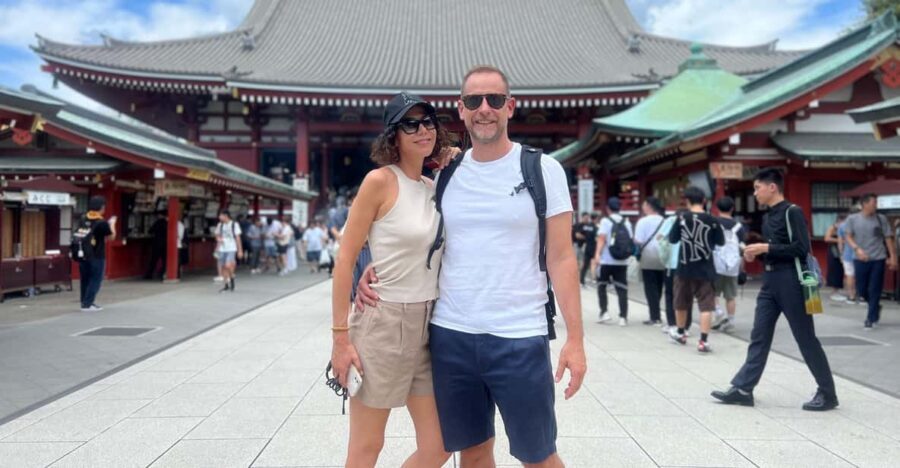
- Photo stops built in, with the guide taking pictures for you during key moments
- Meiji Jingu Gyoen (Imperial Garden) gives you calm visuals before you hit the busier shrine core
- Major Shinto sights explained: big torii, and the consecrated sake and wine barrels
- A short, logical route that still covers the spiritual highlights of Meiji Jingu
Why Meiji Jingu’s Shinto Forest Feels Different From Usual Sightseeing
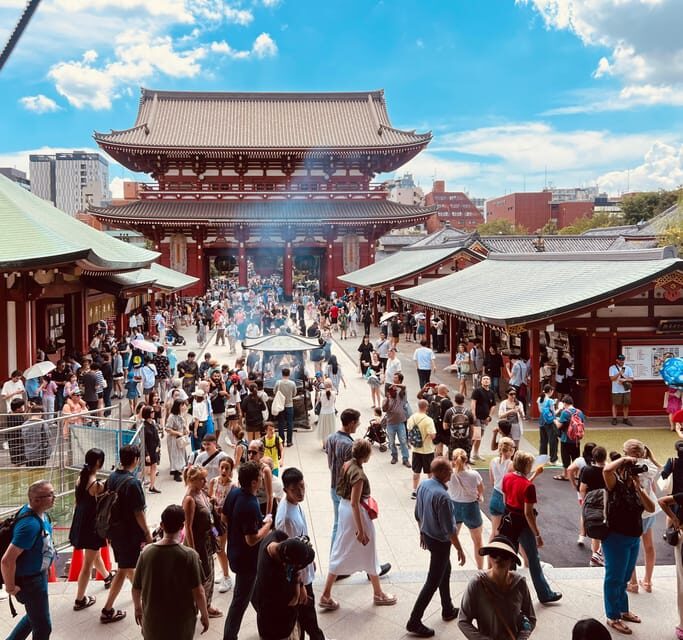
Meiji Jingu works because it’s not trying to be a theme park. Even though it’s one of Tokyo’s most famous shrines, the experience is built around quiet movement, deliberate spaces, and ritual cues that most people never notice on their own.
You’ll learn the basics of Shinto practice in a place that actually feels lived-in. You’ll also see how Japanese spirituality often points back to nature: trees, shade, seasonal atmosphere, and the sense that the shrine grounds are a boundary between everyday life and something more sacred.
You can also read our reviews of more walking tours in Tokyo


Meeting at Starbucks Near Harajuku: Easy Start, Clear First Step
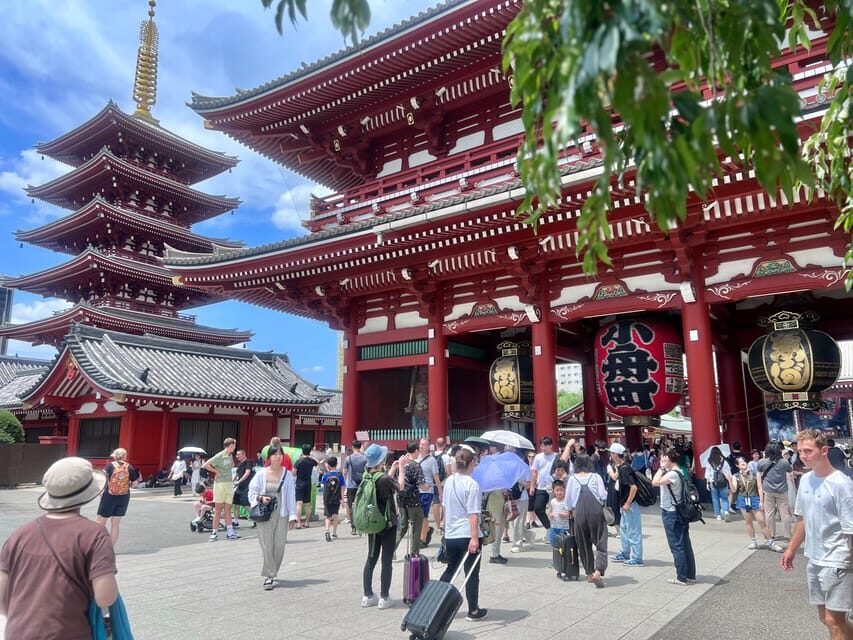
The tour starts at Starbucks Coffee next to Harajuku, with the meeting point described as in front of the Starbucks that’s closest to Meiji Shrine. If you like to avoid last-minute guessing, pin the coordinates 35.6705208, 139.7031067 in your map app before you leave.
This setup is practical. You’re starting near a familiar landmark, and that helps on the first day in Tokyo when everything else still feels new. It also makes it easier to arrive, find your guide, and get moving quickly into the shrine area.
Meiji Jingu Gyoen Imperial Garden: Guided Calm and Photo Time
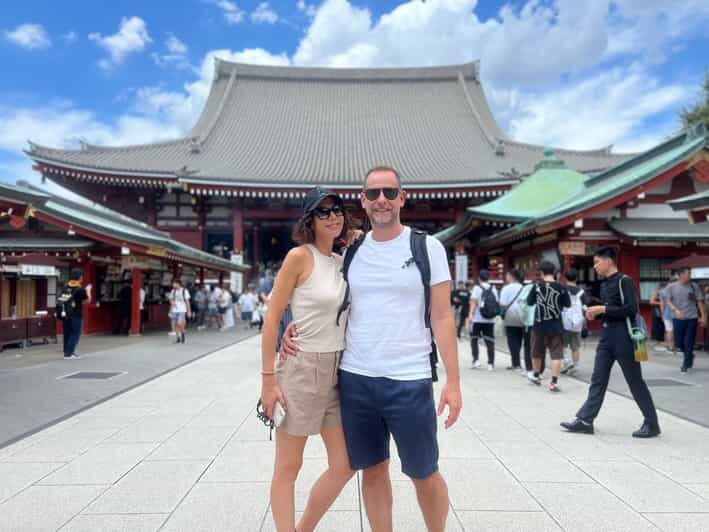
Your first stop is Meiji Jingu Gyoen, the Imperial Garden portion of the shrine grounds. You get a photo stop plus a guided visit here for about 30 minutes, which is a smart timing choice because it slows the tour down early.
This is where you pick up the mindset for what follows. The garden’s calm spaces help you understand the shrine’s tone: less about shouting information at you, more about learning how the environment supports ritual and reflection.
If you’re the type who wants the story behind the setting, this is the moment. You’ll likely come away seeing the garden as more than a pleasant walk.
The Big Torii Gate: Learning the Symbol Before You Pass It
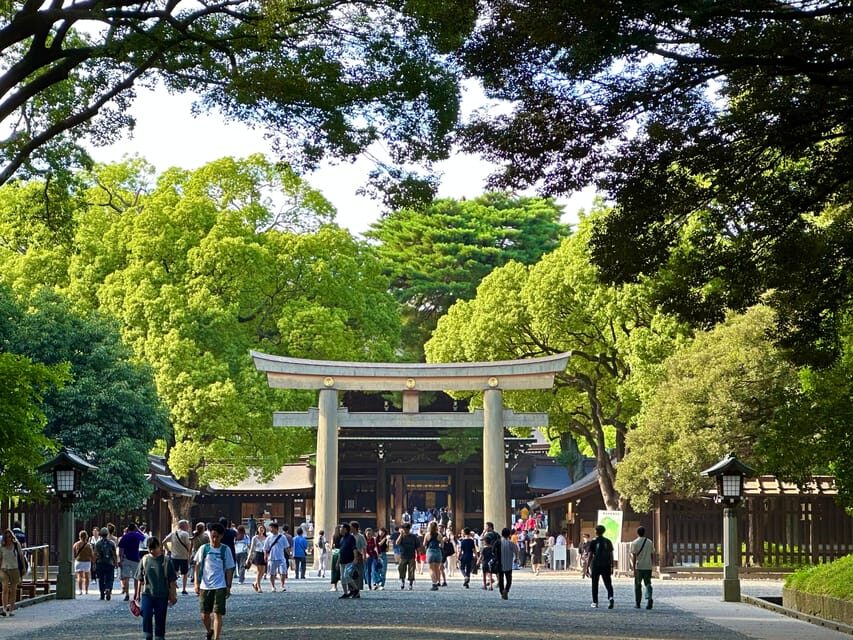
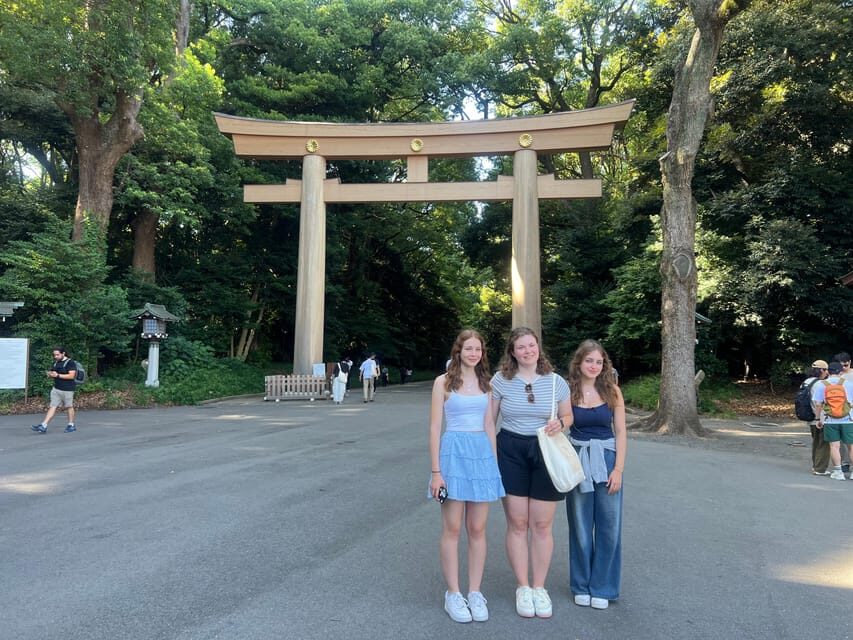
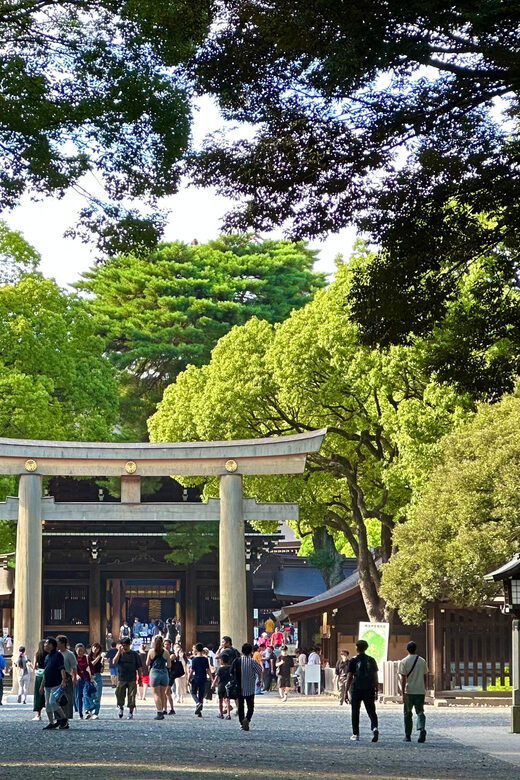
Next comes the big torii, where your guide spends about 10 minutes walking you through what you’re seeing. A torii can look like just an iconic gate if you don’t know what it marks, but once it’s explained, it changes how you view everything beyond it.
The tour keeps the pace steady and the focus tight. You’re not standing around for long speeches; you’re moving through meaningful checkpoints that build to the main shrine experience.
Practical tip: take a moment before you cross. Even one pause for your own photos helps you feel the transition the gate represents.
Consecrated Sake Barrels: A Practical Lesson in Offerings
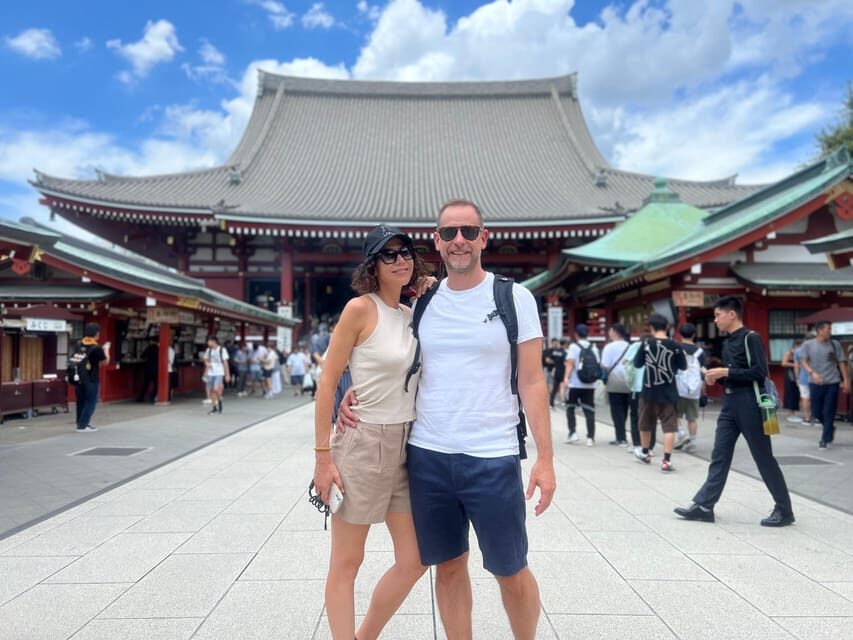
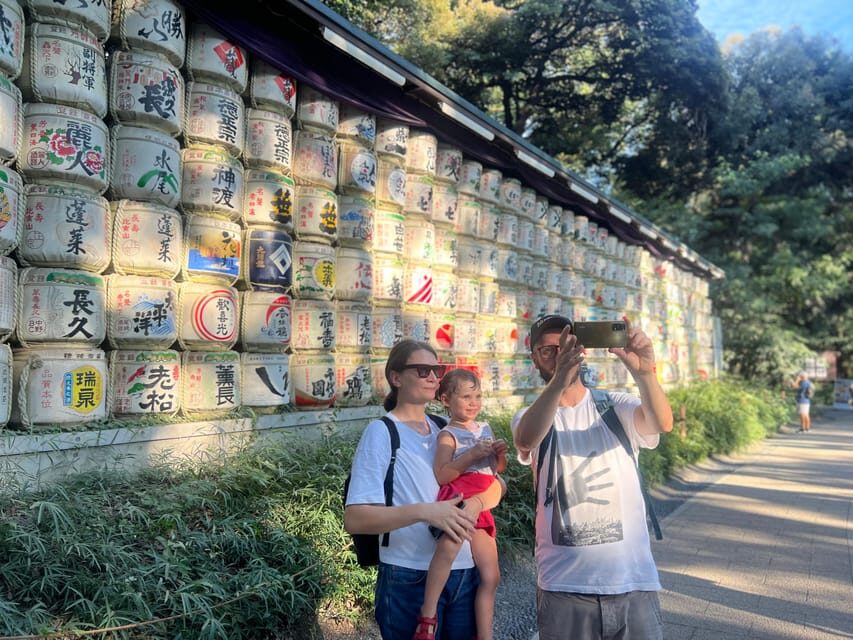
Then you’ll stop at consecrated sake barrels for around 10 minutes. This is one of those stops that surprises people because it’s easy to misread what you’re looking at. Here, you learn how offerings fit into Shinto practice and how visitors interact with the idea of reverence.
The guide’s job is to translate the visual language. Instead of you guessing why something is there, you get the purpose in plain terms, which makes the shrine feel less like a random collection of objects and more like a working cultural system.
If you like cultural details that make you feel like you understand what you’re looking at, this stop is a strong payoff.






Consecrated Wine Barrels: The Same Ritual Logic, New Detail
Right after the sake barrels, the tour adds the Meiji Jingu consecrated wine barrels stop, also about 10 minutes. It’s a good design choice because it shows the same ritual logic in a different form.
You’ll likely notice how the guide frames these offerings: not as spectacle, but as a way to connect people’s respect to the shrine’s spiritual purpose. That consistency is what helps the information stick.
This is also a nice segment for photos, since barrels and markings create strong visual composition. Just remember the atmosphere is part of the experience, so keep your shots respectful and quick.
Inside Meiji Shrine: What the Main Guided Hour Usually Gives You
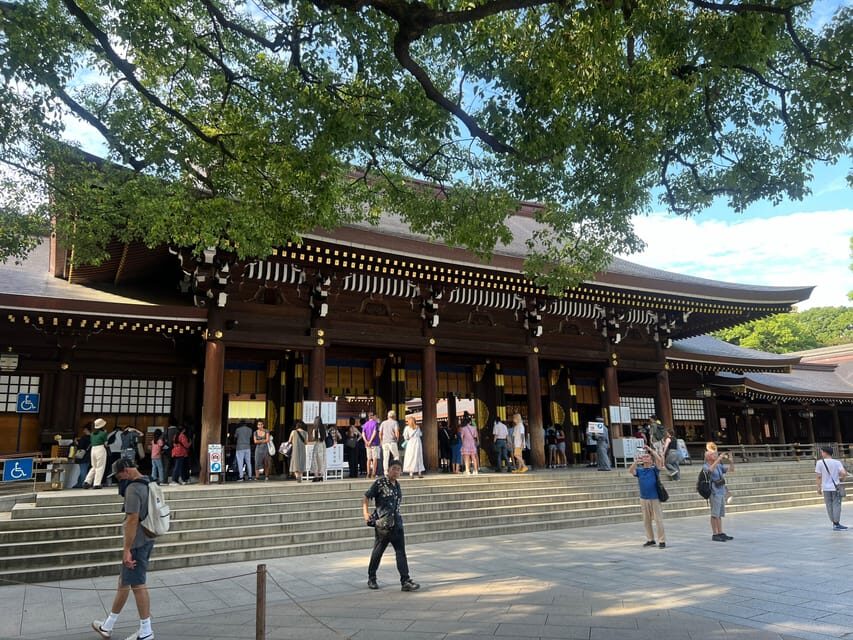
The heart of the tour is Meiji Shrine itself, with about 1 hour for guided sightseeing. This is where you should expect the most explanation and the best chance to ask follow-up questions.
You’ll also move through the shrine grounds that include a sacred forest of 100,000 trees. Even without numbers being the point, the effect is real. The space feels designed for slow attention, and the guide’s explanations help you notice things you might otherwise walk past.
From what the guides are repeatedly praised for, the main guided hour is typically interactive. People appreciate when the guide answers questions, explains customs clearly, and gives context that turns the visit from sightseeing into understanding.
Duration and pacing: Why 2 hours works (and when it doesn’t)
A 2-hour tour is short enough to fit into a busy Tokyo schedule, yet long enough to cover several major checkpoints. It also helps you start with a focused route instead of getting lost in the grounds trying to figure out what matters most.
The tradeoff is time. Meiji Jingu is big, and the shrine grounds reward slow wandering. If you want extra quiet time at specific areas, consider doing this early and leaving the rest of your morning or afternoon open for your own pace.
Price and value at $19: Paying for meaning, not just entry
At $19 per person for a 2-hour guided experience, the value comes from what’s included, not just the sights. You get:
- a professional English-speaking guide
- entry/admission to Meiji Shrine and the Meiji Shrine Imperial Garden
- historical insights
- photos taken during the tour
That combination matters. Shrine visits can be expensive once you add separate tickets, guide time, and the hassle of trying to figure out etiquette or meaning on your own. Here, you’re buying a guided structure that helps you see more with less guesswork.
If it’s your first time in Tokyo, this can be a great value because the guide also sets you up with cultural context right away. If you’ve visited before, it can still be worth it because the focus on rituals and offerings gives a different angle than a typical fast photo loop.
Who this tour is best for in Tokyo
This tour is ideal if you want a straightforward introduction to Shinto culture in a place that actually supports the lesson. It also suits you if you learn best by asking questions in real time, since the experience is designed for interaction.
I’d especially recommend it if:
- it’s your first few days in Japan and you want quick context
- you care about religious symbolism, not only photos
- you prefer small-group attention instead of a crowded, one-way route
If you’re someone who loves doing everything on your own with zero structure, you might prefer a self-guided visit so you can linger as long as you want. But if you want a guided interpretation, this format is strong.
Should you book this Meiji Jingu Shinto culture walking tour?
I’d book it if you want Meiji Jingu to feel understandable, not mysterious. The tour is short, the sights are well chosen, and the guide-led focus on rituals, torii symbolism, and offerings helps you notice what matters.
Skip it (or add extra free time) if you’re planning to spend hours just wandering. Two hours is enough to get the core experience, but not enough to satisfy every impulse to slow down deeply in every corner.
FAQ
How long is the Meiji Jingu Shrine and Shinto Culture walking tour?
The tour duration is 2 hours.
How much does the tour cost?
The price listed is $19 per person.
Where do we meet for the tour?
You meet in front of the Starbucks that is closest to Meiji Shrine (coordinates: 35.6705208, 139.7031067).
What stops are included during the 2-hour walk?
The tour includes Meiji Jingu Gyoen (Imperial Garden), the big torii, consecrated sake barrels, consecrated wine barrels, and Meiji Shrine.
Is entry to Meiji Shrine and the Imperial Garden included?
Yes. Entry/Admission to Meiji Shrine and Meiji Shrine Imperial Garden is included.
Is the tour guided in English?
Yes. The live tour guide is English.
Are photos included?
Yes. Photos are taken during the tour.
Is the tour wheelchair accessible?
Yes, it is listed as wheelchair accessible.
Is there free cancellation?
Yes, you can cancel up to 24 hours in advance for a full refund.
Is reserve now, pay later available?
Yes. The activity offers reserve now & pay later.