REVIEW · CHIYODA CITY
From Tokyo: Mt Fuji, Arakurayama and Kawaguchi Lake Day Trip
Book on GetYourGuide →Operated by Hakuu Co Ltd. · Bookable on GetYourGuide
Mt. Fuji day trips can feel too staged. This one is powered by Hikari-san, whose jokes and Fuji stories make the whole day land like more than a checklist. You’ll love the multiple Mt Fuji viewpoints from Arakurayama Sengen Park to Lake Kawaguchi, plus the photo stops that actually work year-round. The one drawback to plan for: the 397 steps up to Chureito Pagoda can be tough, especially if you’re traveling with slower movers.
The logistics are refreshingly simple: meet near the taxi stand at Tokyo Station Marunouchi North Exit, ride in an air-conditioned bus, then hop stop to stop without wrestling transfers. Still, the schedule is tight enough that you need to stay with your group and be on time at each stop—otherwise you’ll end up chasing the tour by taxi.
In This Review
- Key things I’d circle before booking
- From Tokyo Station to Fuji Viewpoints: the value of “someone else drives”
- Arakurayama Sengen Park and Chureito Pagoda: 397 steps, all seasons, best photo odds
- Hikawa Clock Shop: a quick stop with a surprisingly good Fuji frame
- Oshino Hakkai: eight springs, quiet views, and local snacks you can actually taste
- LAWSON Lake Kawaguchi: the famous sign, plus a real snack break
- Lake Kawaguchiko: Oishi Park flowers or the Maple Corridor tunnel
- Weather reality check: Mt. Fuji isn’t guaranteed, and that’s okay
- Pace, timing, and the bus-you-must-not-miss rule
- Price and logistics: why $55 can feel like a bargain
- Who should book this, and who might want a different plan
- Should you book this Mt Fuji Day Trip?
- FAQ
- Where do I meet the guide in Tokyo?
- How long is the day trip and when do we return to Tokyo?
- Is Mount Fuji always visible?
- Are meals included?
- Can elderly travelers or families with children do this tour?
- What changes in late October and early November?
Key things I’d circle before booking
- Hikari-san is the reason the day feels fun, not just efficient, with clear timing and plenty of photo tips
- Arakurayama Sengen Park + Chureito Pagoda means real effort (397 steps) for real payoff
- Oshino Hakkai’s eight springs give you calm views and a chance to taste the water
- LAWSON Lake Kawaguchi is a convenience-store break that doubles as a signature Fuji photo
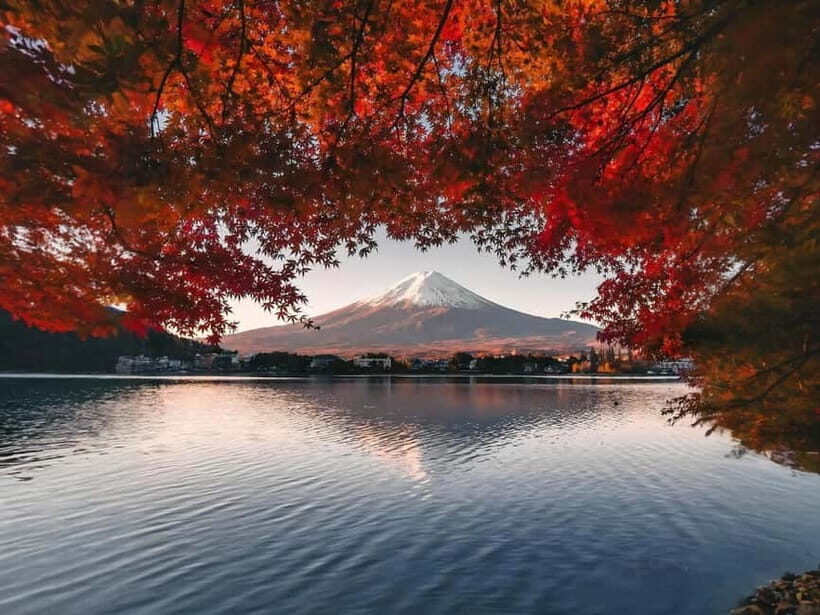
- Lake Kawaguchiko swaps Oishi Park for Maple Corridor from late Oct to Nov for the best seasonal colors
From Tokyo Station to Fuji Viewpoints: the value of “someone else drives”
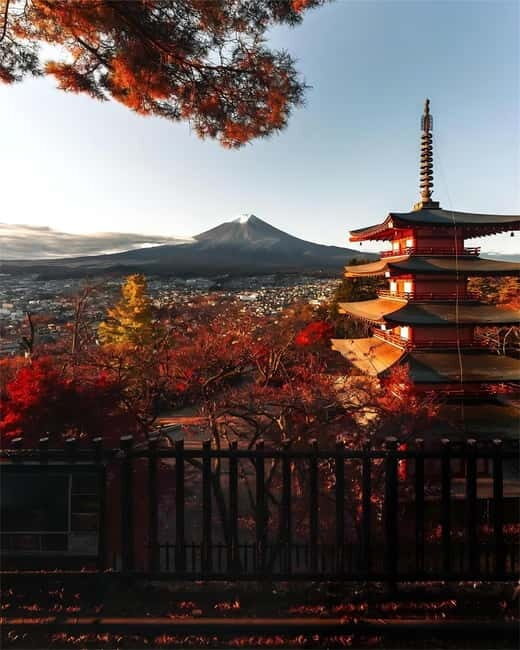
If this is your first trip to the Fuji area, what you’re really buying here is time and mental energy. You’re on a roundtrip air-conditioned bus from Tokyo, with a guide handling the flow of the day. That matters because getting in and out of the Lake Kawaguchi region on your own can turn into a puzzle—especially when weather shifts and crowds decide to show up.
The meeting point is very central: Tokyo Station, Marunouchi North Exit, near the taxi stand. The provider sends the guide’s phone number and vehicle license plate the night before (around 7:00–8:00 PM), so you’re not scrambling at dawn. You’ll also appreciate the multilingual guide options (English, Chinese, Japanese), and the way Hikari-san keeps the ride lively with laughs and Fuji-focused storytelling—not long lectures.
One practical note: the day is long at 10 hours. It’s not “see everything and linger forever.” It’s more like: hit the key places, get real viewing chances, and move smoothly between them.
You can also read our reviews of more tours and experiences in Chiyoda City.

Arakurayama Sengen Park and Chureito Pagoda: 397 steps, all seasons, best photo odds
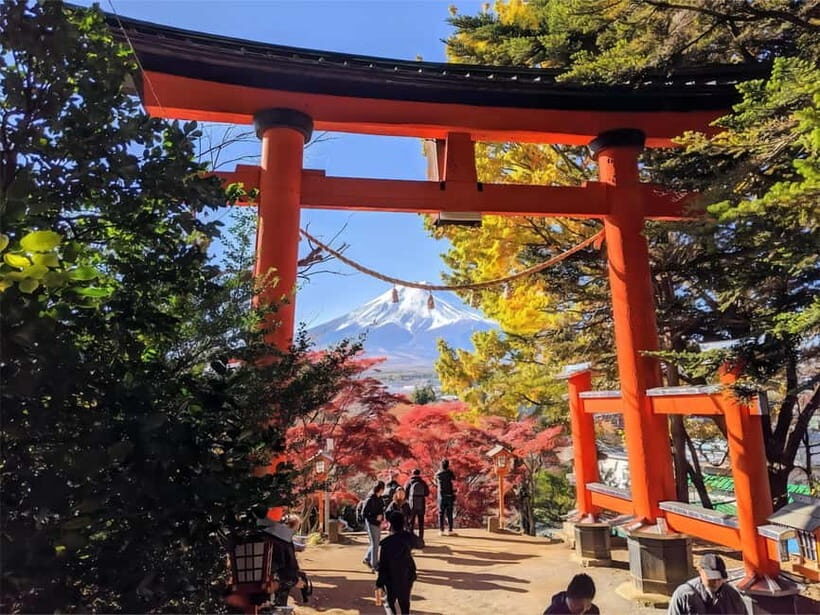
This is the headline stop. Arakurayama Sengen Park sets you up with wide Fuji sightlines, then you get the iconic climb to Chureito Pagoda. You’re looking at 397 steps up, and your stop is built to include photos, sightseeing, and a bit of breathing room (about an hour at Arakurayama, then about 45 minutes focused on Chureito).
What I like about this part of the day is how seasonal it is. The same viewpoint has different moods:
- Spring cherry blossoms change the whole frame
- Summer adds lush greenery
- Autumn puts Fuji under dramatic maple tones
- Winter can turn the scene snowy and sharp
Crowds are real at Chureito Pagoda. The upside is that a good guide helps you avoid wasting time standing in the wrong spot. From the feedback you gave, Hikari-san is careful about getting people to the best photo angles and keeping the group organized so you’re not wandering.
Your consideration here is simple: wear comfortable shoes and plan for the stairs. If you’re with older legs or small kids, this is the part to think about most. The tour does mention it may be challenging for elderly travelers due to the steps, so don’t pretend it’s optional.
Hikawa Clock Shop: a quick stop with a surprisingly good Fuji frame
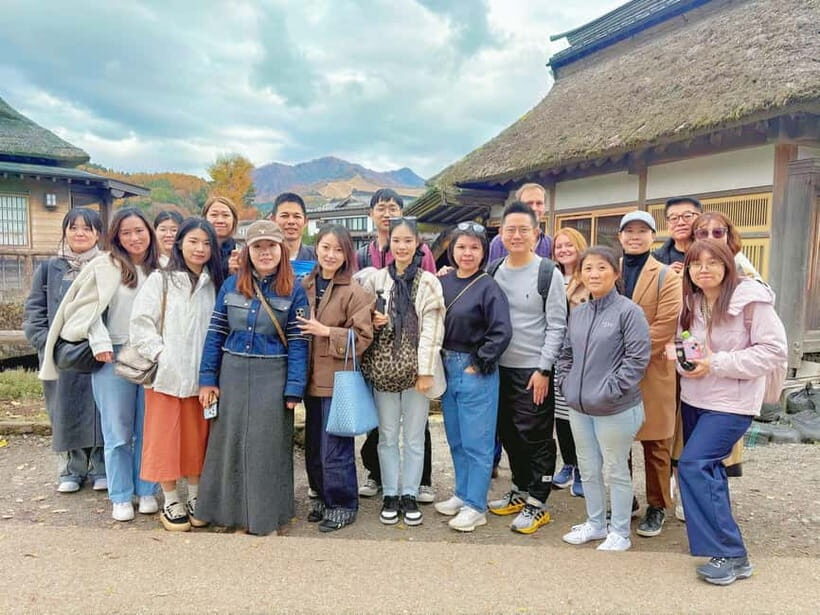
Between major sites, you’ll stop at Hikawa Clock Shop. Think of it as a short palate cleanser: a photo stop with free time, plus a little scenic walking along the way. The schedule gives this around 20 minutes, so you won’t get stuck shopping.
Here’s the fun part: the street layout is designed for a classic Fuji composition. It’s the kind of spot that can look ordinary until you line up the angle—and then it becomes a clean, simple “Fuji in the background” shot.
Don’t expect big museum energy from this stop. You’re here for a quick photo moment and a break before the next Fuji-heavy location.
Oshino Hakkai: eight springs, quiet views, and local snacks you can actually taste
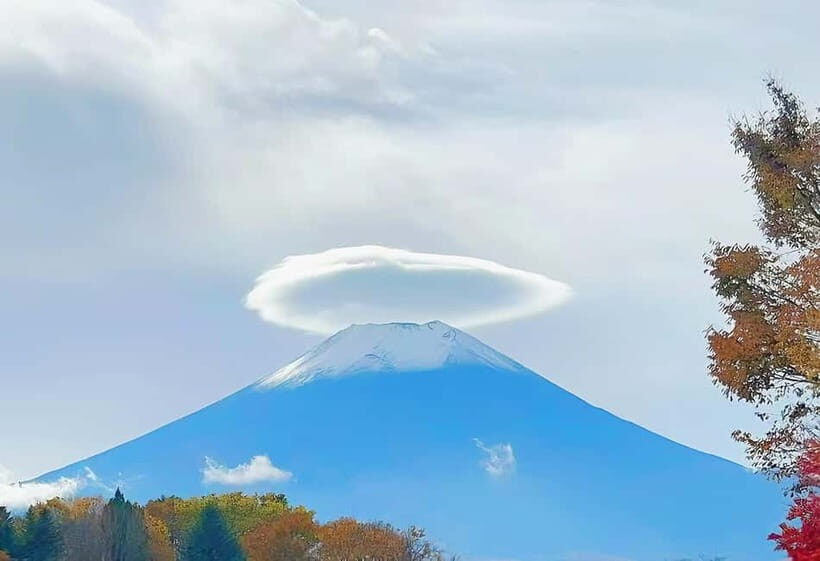
Oshino Hakkai is where the day slows just enough to feel meaningful. The area centers on eight springs fed by snowmelt from Mt. Fuji. That detail matters because it explains what you’re seeing: a network of springs that creates reflections, calm water, and that slightly magical feeling you only get around natural water sources.
You’ll get about 80 minutes here, including photos, sightseeing, and shopping. The main experience is:
- walk around the spring area for Fuji reflections
- pause long enough to notice the water and the atmosphere
- snack and browse small local shops
I also like that this stop includes food that feels specific to the area. You might find tofu with pickled miso and kusamochi, a green rice cake with sweet red bean paste. These are the kinds of bites that help Oshino Hakkai feel less like a photo pit stop and more like a real place.
One practical tip: you’ll likely want some cash. The information you provided includes a note that some stalls at Oshino Hakkai may have limited card options. Even if you plan to eat lightly, carrying a bit of yen can save you from awkward moments when you’re hungry and the line is moving.
LAWSON Lake Kawaguchi: the famous sign, plus a real snack break

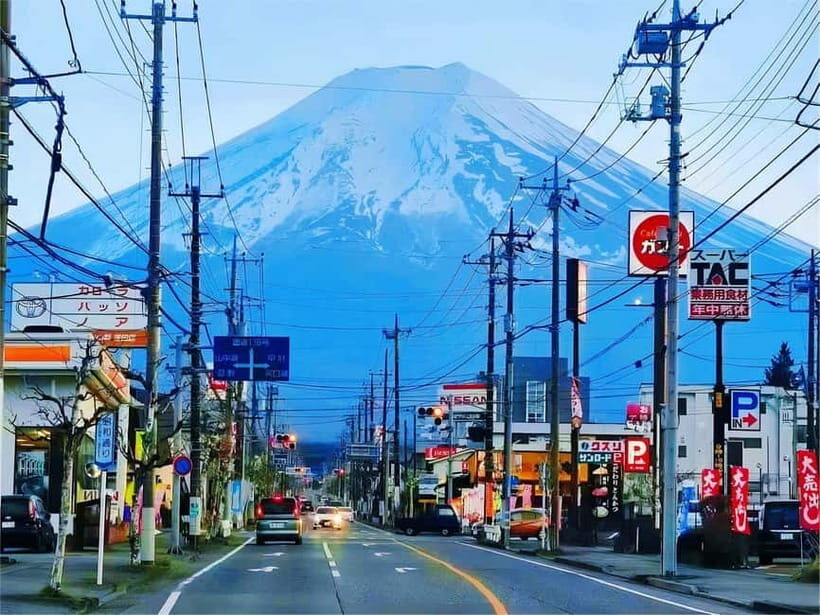
Yes, it’s a convenience store sign. No, it’s not just a gag. LAWSON Lake Kawaguchi is one of those “only in Japan” photo stops that actually works because Mt. Fuji and the branding share the same frame.
You’ll get about 20 minutes here for a photo stop, coffee or shopping, and a short break. The real value is that it gives you a breather during a busy day. If the weather is shifting or Fuji is playing hide-and-seek, this stop is still enjoyable because you can keep your momentum without rushing.
This is also a good spot to grab something quick:
- ice cream from the convenience store
- a hot snack if you need warmth
In other words, it’s functional. You’re not waiting for a meal later.
Lake Kawaguchiko: Oishi Park flowers or the Maple Corridor tunnel
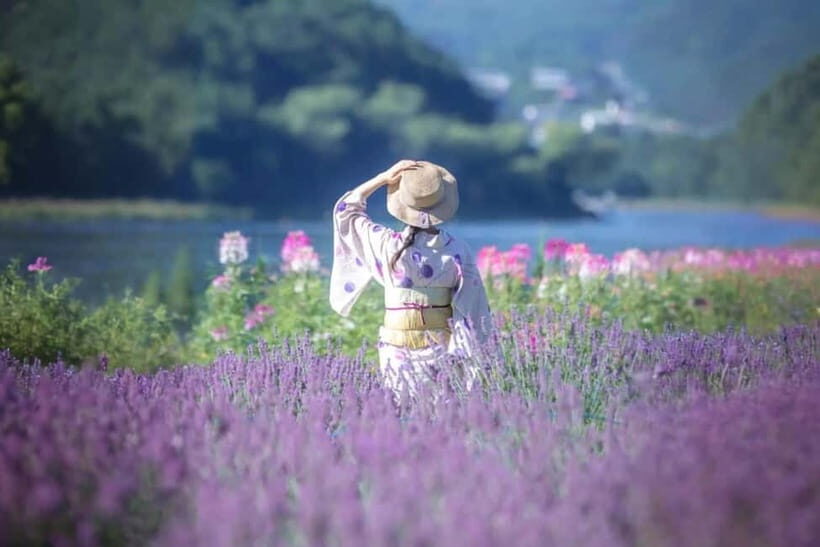
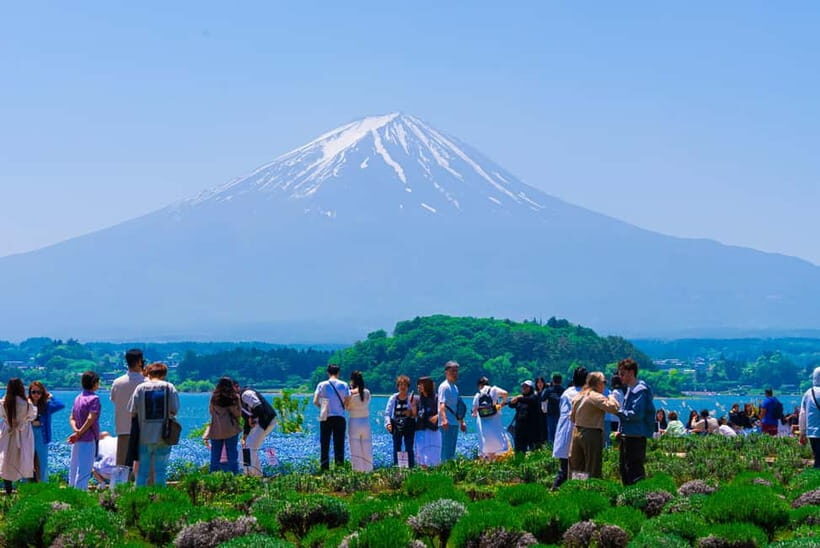
The final scenic push is Lake Kawaguchiko, where you’ll spend about 50 minutes. Most of the year, the tour finishes at Oishi Park. That park is known for flower fields, with seasonal blooms like lavender, begonia, cosmos, and Japanese blood grass.
From about October 30 to November 20, the plan switches to the Maple Corridor instead of Oishi Park. That seasonal swap is worth knowing because late October and early November can look spectacular in this region, with a tunnel of autumn color that makes Fuji feel like it’s framed by the trees rather than just sitting behind them.
In both versions, the experience is similar: walk, look for the best Fuji angles, and get your last photos before returning to Tokyo. If you’re trying to maximize your chances of seeing Mt. Fuji clearly, the timing of this stop can be important, since weather often changes across the day.
Weather reality check: Mt. Fuji isn’t guaranteed, and that’s okay
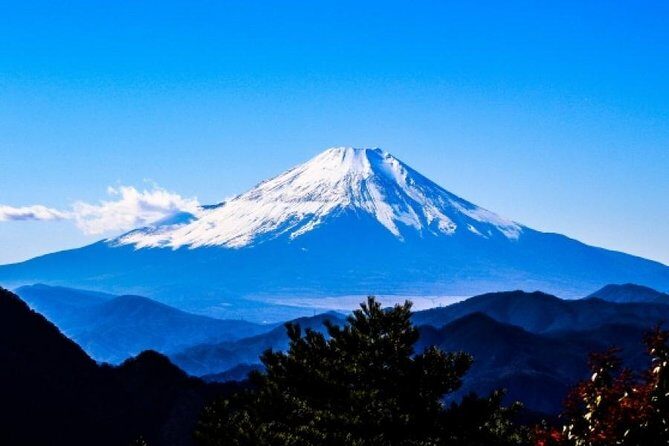
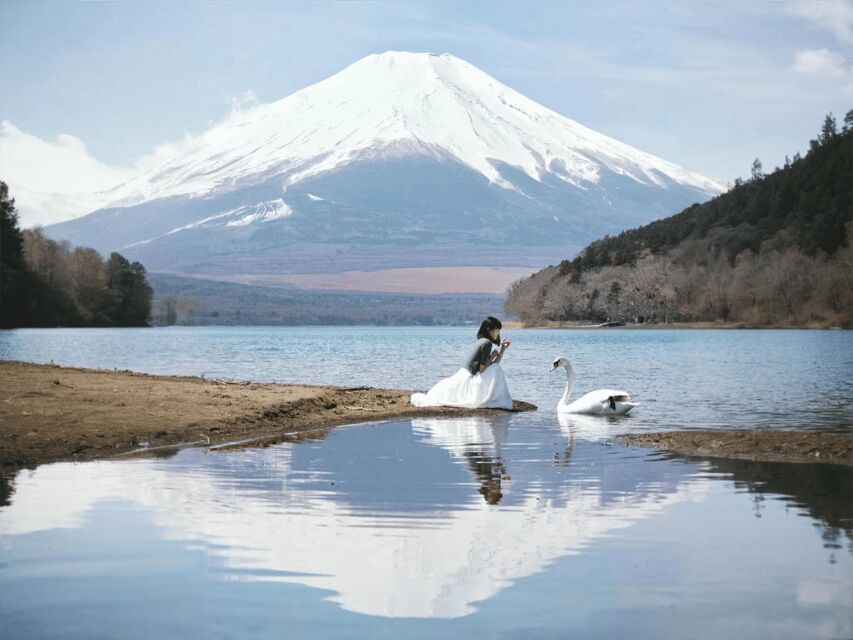
Here’s the part you should accept early: Mt. Fuji visibility changes. The tour includes multiple viewpoints so you’re not betting the entire day on one single viewpoint.
When Fuji is visible, it’s stunning—people are especially lucky when the skies clear around midday. When it’s cloudy, you still have:
- the pagoda climb experience
- the spring-fed ponds at Oshino Hakkai
- the lake area and seasonal park
- the convenience-store Fuji photo stop
So think of this day as a Fuji-focused itinerary with strong backups, not a guaranteed Fuji day. Bring layers. Weather can shift fast in the Fuji region.
Pace, timing, and the bus-you-must-not-miss rule
This tour is structured for efficiency. You’ll spend about 105 minutes riding out from Tokyo, then move through multiple stops with set time windows. Some stops include free time, but the schedule still aims to keep you moving.
That means you should expect a bit of a “busy day” feel. A few people noted the day can feel rushed at each stop because there are so many highlights packed in. The upside is that the itinerary still seems to work for families and first-timers who mainly want easy transport and clear guidance.
Also: be on time. The details you provided are explicit that if you miss the bus at a stop, it will leave, and you’d need to take a taxi to the next location. So yes, set your expectations for a fast-moving schedule—and then make it easy on yourself by staying with the group.
Luggage is another practical issue. The tour notes limited space for bags and says luggage or large bags aren’t allowed. Travel light. If you normally carry a big backpack, consider switching to a smaller day bag.
Price and logistics: why $55 can feel like a bargain
At around $55 per person (for the basic 10-hour option), what you’re getting is roundtrip air-conditioned bus transport plus a guide. The guide isn’t a minor add-on here; the day runs smoothly because the guide handles timing, photo spots, and stop-by-stop flow.
That said, the price doesn’t cover everything. Admission tickets aren’t included, and meals aren’t included. Snacks and drinks on the go are also not included. You should plan for:
- snacks you choose at Oshino Hakkai
- drinks and convenience-store treats
- lunch on your own if you want something specific
Even with that, the value is strong for people who:
- want an easy first trip to the Fuji area
- don’t want to coordinate buses and trains
- prefer guided explanations while they photograph and walk
If you’re traveling with people who hate stairs or long walks, you might decide to reduce your effort at Chureito Pagoda—or switch to a different style of tour. But for many visitors, the “transport + guide + main sights” bundle is exactly what they came for.
Who should book this, and who might want a different plan
This tour fits best if you want a straightforward Mt Fuji day with minimal planning. It’s also a good choice for solo travelers because you’re not alone at stops—you’re part of a group with clear meeting instructions and photo guidance.
It’s described as family-friendly, but the 397 steps are the limiting factor. If your group includes kids or seniors, bring comfortable shoes, plan breaks, and be realistic about the climb pace.
One clear no: people over 75 years old are listed as not suitable. That aligns with the stairs and overall length of the day.
If you’re the type who can’t stand rushing, this might feel like a lot. But if you like seeing several iconic places in one day and you value the guide’s timing, it’s a strong match.
Should you book this Mt Fuji Day Trip?
I’d book it if you want the best-known Mt Fuji moments—Arakurayama/Chureito, Oshino Hakkai, LAWSON Lake Kawaguchi, and then the seasonal Kawaguchiko park—without spending your vacation mapping transit routes. I’d also book it for the guide experience: the feedback you shared points hard to Hikari-san as the kind of guide who makes photos easier and the day feel lighter.
Don’t book it if your main goal is a slow, lingering nature day with zero stairs. This is a structured day, and Chureito Pagoda is the workout.
If you do book, do these three things:
- wear shoes you can climb in
- pack light (no large bags)
- carry some cash for small stalls, just in case
FAQ
Where do I meet the guide in Tokyo?
Meet your guide at Tokyo Station Marunouchi North Exit, near the taxi stand. You’ll receive the guide’s phone number and other pickup details the night before.
How long is the day trip and when do we return to Tokyo?
The tour runs about 10 hours. It ends around 16:30, and you’re scheduled to return to Tokyo around 18:00–18:30, though delays can happen based on transport and weather.
Is Mount Fuji always visible?
No. Weather can affect visibility, so you should plan for a day that still works even if Mt. Fuji isn’t clearly visible at every stop.
Are meals included?
Meals aren’t included. You can buy snacks and local specialties, especially around Oshino Hakkai, and it’s also fine to bring your own lunch.
Can elderly travelers or families with children do this tour?
It’s described as family-friendly, but the 397-step climb to Chureito Pagoda may be challenging. Comfortable shoes help, and you should take breaks as needed.
What changes in late October and early November?
From approximately October 30 to November 20, the tour visits the Kawaguchiko Maple Corridor instead of Oishi Park to showcase autumn colors.