REVIEW · TOKYO
Tokyo: Samurai Kendo Practice Experience
Book on GetYourGuide →Operated by Park for us Co.,Ltd · Bookable on GetYourGuide
There’s nothing like suiting up and stepping into a kendo dojo. In this Tokyo session, you practice real sword-fighting movements in full kendo armor, guided by an instructor in a small group.
I especially like the mix of tradition and action: you learn basic striking targets and etiquette, then you actually move through drills like a practice match. I also like that you get gear rental taken care of, plus a towel and water so you can focus on showing up and training.
One thing to consider: if you wear glasses, the head protector can be tricky, and damage is possible. The instruction is pretty clear: it’s not advisable to wear spectacles during kendo head armor, so bring contact lenses if you need them.
In This Review
- Key highlights I’d plan around
- Finding 誠道館 Near JR Uguisudani North Exit
- Dojo Etiquette First: Calm Before Contact
- Suiting Up: What Kendo Armor Really Changes
- Your 2-Hour Kendo Session: Men, Kote, Do in Order
- What you can expect to learn
- What that means for your body
- Training Swords, Controlled Sparring, and Real-Feeling Discipline
- English Support and a Small Group That Actually Helps
- What You Get for $116: Value in Gear, Instructor Time, and a Real Workout
- What to Bring (and What Not to Forget)
- Who This Kendo Practice Fits Best
- Should You Book Samurai Kendo Practice in Tokyo?
- FAQ
- Where is the meeting point?
- How long is the kendo practice experience?
- Is this beginner-friendly?
- What’s included in the price?
- Will I need to buy food?
- Do I need hotel pickup?
- What should I wear or bring?
- Can I wear glasses during the session?
Key highlights I’d plan around
- Full kendo armor training so you feel the discipline, weight, and spacing of real practice
- Men, kote, do basics plus counters, taught in a beginner-friendly progression
- Small group (up to 6), which helps you get corrections fast
- Safe sparring style practice, with contact controlled so newcomers can participate
- Dojo etiquette and tranquility before you start swinging
Finding 誠道館 Near JR Uguisudani North Exit
This experience is set up close to JR Uguisudani Station, about a 10–12 minute walk from the North Exit. The meeting address is 4-7-2, Higashinippori, Arakawa-ku, Tokyo (誠道館). It’s practical, and it’s also one of those places where showing up a few minutes early helps you avoid stress.
One practical note from real training conditions: the dojo is described as being run out of a house-type setup. That’s not a dealbreaker, but it does mean you should check the exact spot and give yourself time. If you show up flustered, you’ll feel it immediately when you’re trying to get fitted for armor.
You can also read our reviews of more tours and experiences in Tokyo.



Dojo Etiquette First: Calm Before Contact
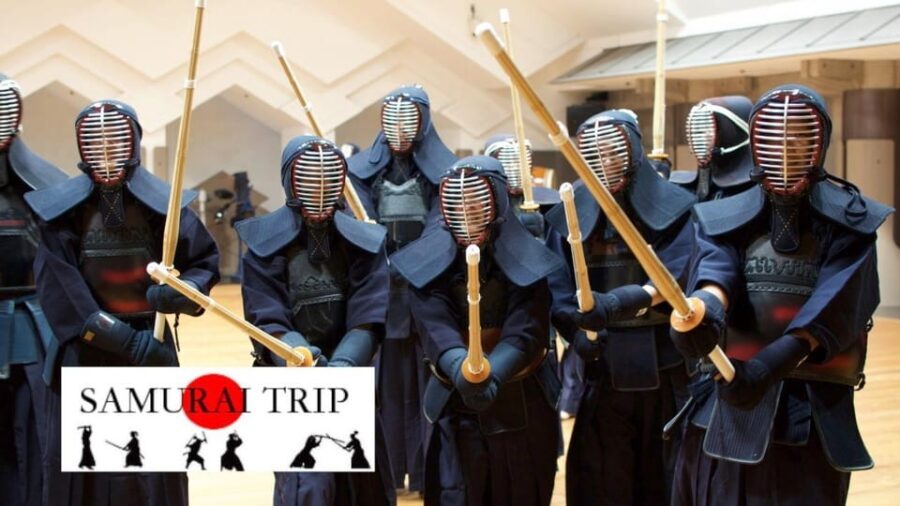
Kendo isn’t only about hitting fast. Before you start training, you’ll be guided through the dojo mindset: calm focus, respectful behavior, and the basic etiquette that keeps the practice safe and meaningful.
In a hands-on martial arts class, etiquette can sound like a lecture. Here, it matters because your body is about to wear protection and your distance from others changes. You’re learning how to move in a controlled way, and etiquette is basically the rulebook for that. Expect a training atmosphere that feels serious but structured, not chaotic.
That’s also why beginners often say they feel comfortable adapting quickly. You’re not thrown into the deep end; you’re guided step by step into the rhythm of practice.
Suiting Up: What Kendo Armor Really Changes
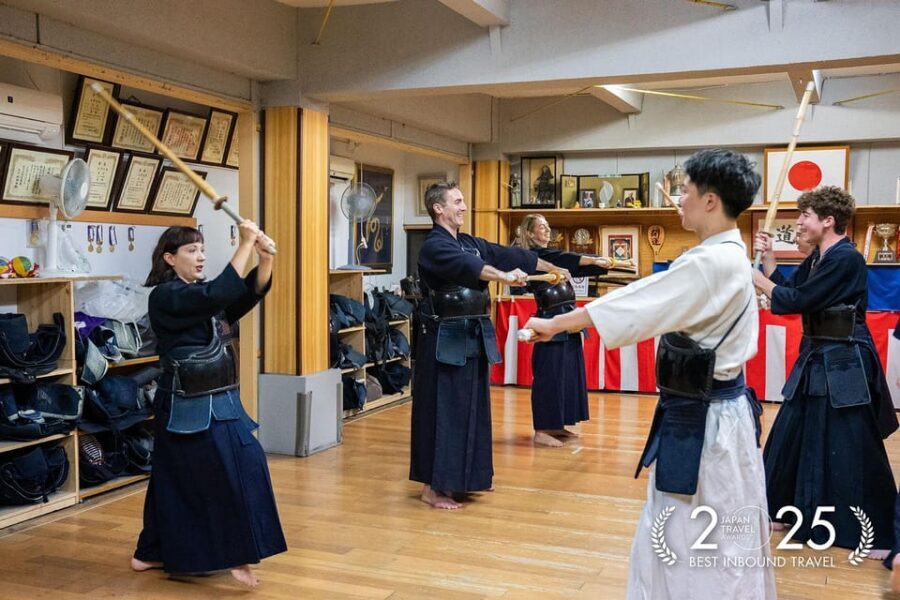
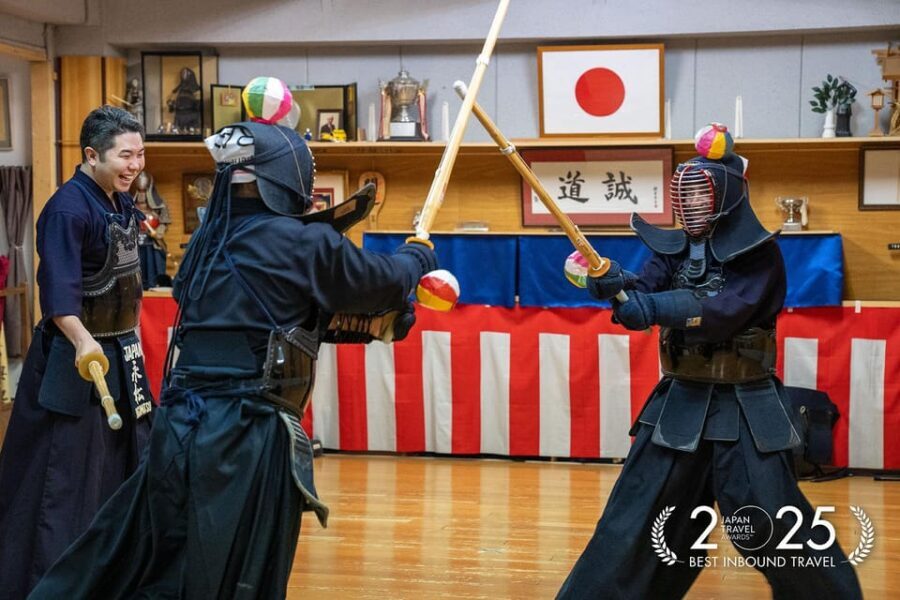
The biggest “wow” factor is that you train in full kendo armor and equipment. Even if you’ve never done a sport like this, the armor gives you a very specific experience of distance, timing, and impact zones.
Here’s what you should plan around:
- You may need loose fitted exercise clothing under the gear. Bring something you can sweat in.
- The class includes rental equipment, but there can be practical limitations on sizing. If there isn’t a kendo uniform size that fits you, you may be asked to practice using your own clothing.
- If you wear glasses or spectacles, be careful. The training notes explain it’s not advisable to wear spectacles under the head protector due to difficulty and the possibility of damage. Contact lenses are the suggested alternative.
A few participants also noted that the armor fit isn’t for everyone, so if you’re bigger-bodied and expect a lot of options, it’s worth considering that this is a standard training setup with limited sizing.
Your 2-Hour Kendo Session: Men, Kote, Do in Order
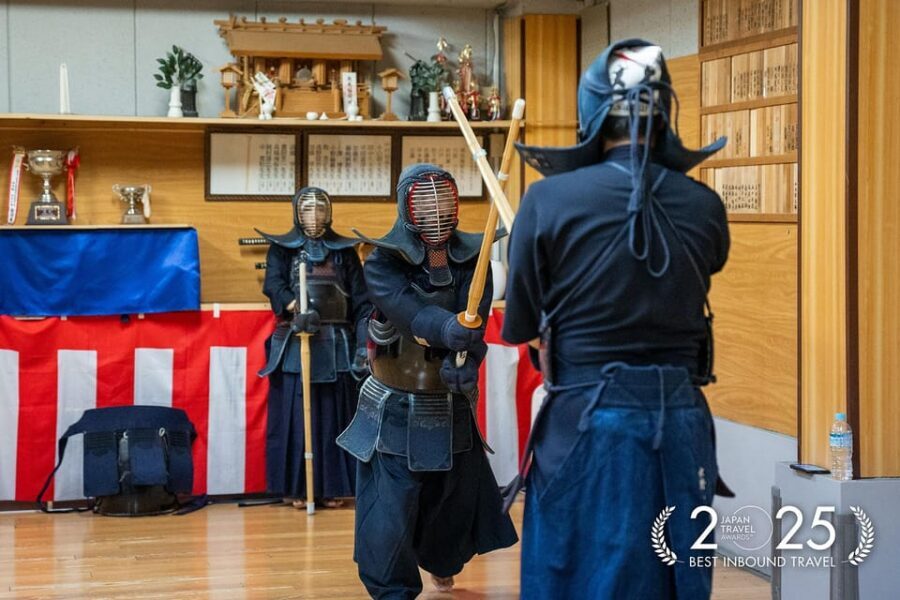
The program runs about 2 hours. The schedule is an approximation, so build in a little breathing room. In martial arts, time can stretch depending on how the group is progressing and how smoothly the fitting and safety briefing go.
The training itself follows a clear logic: you learn the basics, you practice the basics with good form, then you apply them in light sparring and game-like drills.
What you can expect to learn
You’ll focus on core target areas and strikes. One common breakdown described in prior sessions includes the three fundamentals:
- Men (head strike target)
- Kote (wrist/forearm target)
- Do (body/chest target)
You may also work on some counter techniques, and you’ll get guided interaction where you practice against the instructor and against other participants in a controlled way.





What that means for your body
Even in “beginner” mode, kendo feels more physical than it looks on video. It’s speed plus footwork plus accurate distance. You’ll probably realize quickly that good strikes come from movement, not just arm swings.
You’ll also get coaching on kendo rules at a basic level, so it’s not only exercise. It’s starting you toward understanding how kendo matches are structured.
Training Swords, Controlled Sparring, and Real-Feeling Discipline
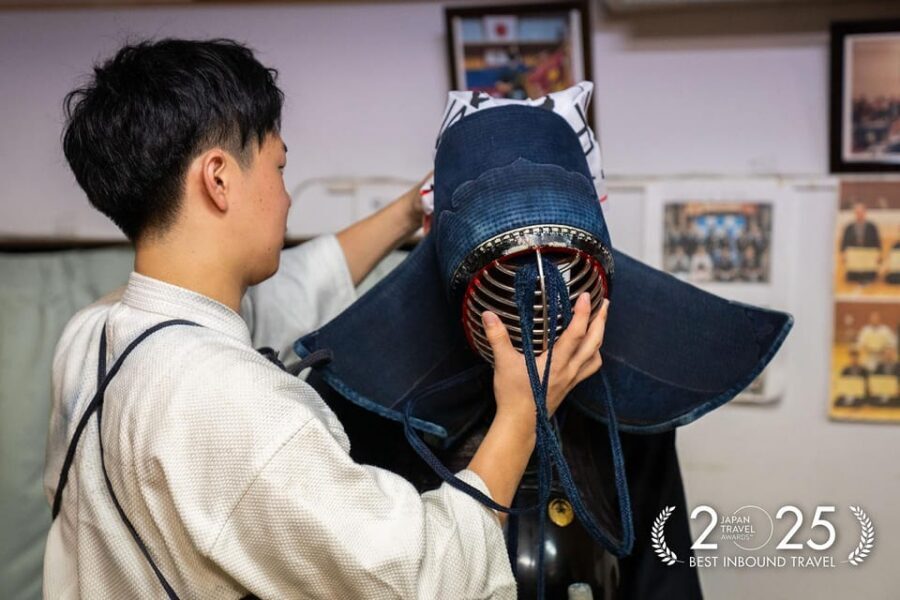
The class is built to feel like a fight practice, but safety stays central. Expect drills that let you try attacking and responding without uncontrolled contact.
In some sessions, participants describe very exciting moments like being allowed to hold a real katana under supervision. At minimum, you’ll train with kendo swords as part of the guided practice, and you’ll wear the armor that turns it into a true kendo environment rather than a costume demo.
Also watch for “fun” practice elements. Several past participants described playful drills and light sparring games where the instructor controls the intensity. One person even mentioned surprise balloon-style sparring elements, which tells you the approach is flexible: you’ll learn while the instructor keeps it engaging.
English Support and a Small Group That Actually Helps
The instructor supports English and Japanese, which is great if you don’t read Japanese. The small group size matters here: you’re limited to up to 6 participants. That typically means less waiting, more direct correction, and faster feedback on posture and footwork.
In past sessions, one downside that came up is that explanations can move quickly, and instructions may feel rushed at times. That’s not unusual in energetic training environments. If you’re new, take a breath and focus on doing the movement right rather than grabbing every word.
Also: instructors can be strict in the kendo style. Some people love that. Others find it blunt. Either way, the strictness usually comes from keeping everyone safe and helping you learn efficiently.
What You Get for $116: Value in Gear, Instructor Time, and a Real Workout
At $116 per person for 2 hours, this isn’t a bargain-basement activity. But it also isn’t just paying for a tutorial. Your value comes from several built-in costs and outcomes:
- A professional instructor/guide who runs your training and keeps it safe
- Rental of kendo armor and equipment, so you don’t hunt gear in Tokyo
- A practical inclusion of one drink (mineral water) and a kendo towel
- A small group experience, meaning you’re more likely to get individual coaching
You’re paying for access to a real dojo setting and real training structure. If you’ve ever tried a “martial arts demo” for tourists, this feels closer to a training session than a performance.
If you’re the type who wants to actively do something physical while also learning a cultural practice with rules and etiquette, this is one of those experiences that can feel worth the money.
What to Bring (and What Not to Forget)
You’ll get the rental armor, water, and a hand towel. Your job is to show up ready for movement and quick adjustments.
Bring or wear:
- Loose fitted exercise clothing you can sweat in
- Contact lenses if you need vision correction
- Anything you need for comfort if you’re sensitive to sweat or heat
Avoid planning on wearing spectacles during head armor. The training notes spell out the issue clearly: head protection makes glasses hard to wear safely and could lead to damage.
Also, be ready to get sweaty. You’ll likely want to change clothes after. If you’re going straight to dinner or sightseeing, bring a plan for fresh clothes.
Who This Kendo Practice Fits Best
This experience fits best if you want:
- A real training feel (not just watching)
- Beginner-friendly guidance that still moves toward actual fighting mechanics
- A workout with structure: targets, footwork, counters, and controlled sparring
You’ll probably adapt quickly even without martial arts experience. That said, some background in sports can help with footwork and balance. One participant noted prior martial arts experience helps you pick things up faster.
Consider alternatives if:
- You rely on glasses and can’t use contact lenses
- You need very inclusive sizing options for armor
- You’re expecting a gentle, no-discipline vibe (kendo training can be strict)
Should You Book Samurai Kendo Practice in Tokyo?
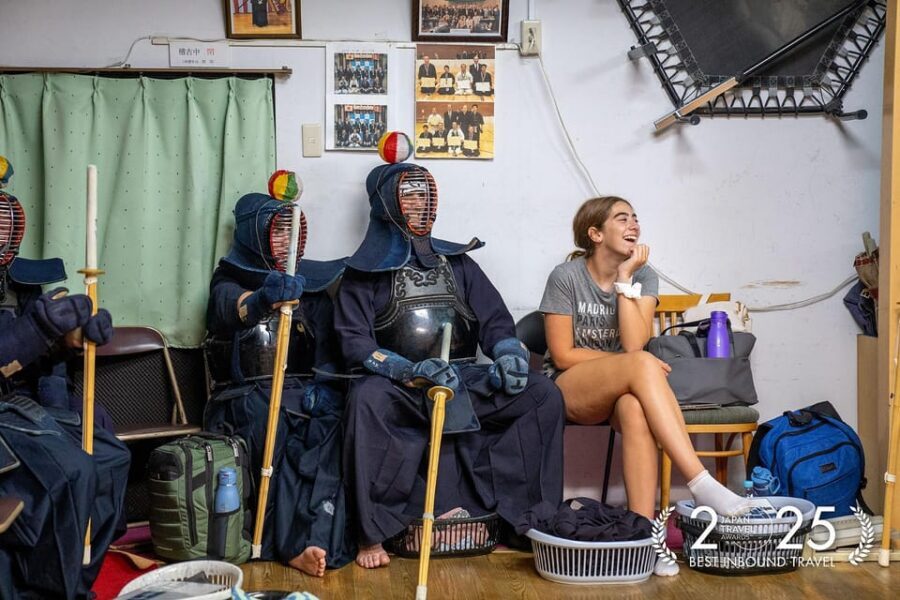
Yes, if you want a hands-on Tokyo experience that’s active, structured, and genuinely kendo. The small group format, instructor-led progression, and the armor-based training environment make it more immersive than a typical tourist activity.
Book it especially if you like sports with rules and you’re curious about Japanese martial etiquette. If you’re nervous about the headgear and vision, plan for contacts and give yourself time to find the dojo. If that’s handled, you’ll walk away with a new respect for the craft and a real memory that isn’t just photos.
FAQ
Where is the meeting point?
You’ll meet at 誠道館 (4-7-2, Higashinippori, Arakawa-ku, Tokyo), which is about 10–12 minutes from JR Uguisudani Station North Exit.
How long is the kendo practice experience?
The session is listed at 2 hours, though the program time can vary slightly depending on conditions.
Is this beginner-friendly?
Yes. It’s described as safe and fun for beginners, and you’ll be guided step by step.
What’s included in the price?
Included are a professional guide/instructor, rental of kendo armor and equipment, free mineral water, and a free Japanese hand towel.
Will I need to buy food?
No. Food isn’t included.
Do I need hotel pickup?
No. Hotel pickup isn’t included.
What should I wear or bring?
Bring loose fitted exercise clothing. Also be ready to practice in your own clothing if kendo uniform sizes aren’t available.
Can I wear glasses during the session?
It’s not advisable to wear glasses/spectacles during kendo head armor due to difficulty and possible damage. The notes suggest contact lenses instead.