REVIEW · OSAKA
【For adult】Traditional Mochi Pounding Experience with Tasting
Book on Viator →Operated by Theosaka · Bookable on Viator
Pounding mochi is surprisingly satisfying. This small-group class puts you hands-on with the traditional mortar and pestle, and you leave with freshly pounded mochi plus a tasting lineup that includes kinako and sweet red bean paste. My only caution: mochi can be chewy, so if you’re older or have swallowing concerns, take small bites.
You’ll start in the Dōtonbori area at Mochi Pounding Experience Osaka「Oh Mochi」, with English instruction and Chinese support available through slides or interpretation. Sessions run for about an hour, so it’s an easy cultural stop when you want something more active than a museum.
In This Review
- Key things that make this mochi class work
- Entering the Oh Mochi workshop in Osaka’s Dōtonbori
- The 10-minute mochi history talk (and why you’ll actually remember it)
- From steamed rice to mochi: the mortar-and-pestle rhythm
- Shaping and timing: how the class keeps you from standing around
- Tasting mochi with five toppings, plus tea
- Small-group attention with friendly instruction
- Price and value: is $32.37 for an hour a fair deal?
- When to go: morning vs afternoon sessions and the weather factor
- Who should book this mochi pounding class
- Should you book it? My take
- FAQ
- Where is the meeting point for the mochi pounding experience?
- How long does the experience take?
- How much does it cost?
- What happens during the class?
- What mochi flavors or toppings can I expect?
- Is there an English option?
- Can I choose a morning or afternoon session?
- What’s the group size limit?
- Is it suitable for vegans or vegetarians?
- Is it okay for older participants to eat mochi?
Key things that make this mochi class work

- You’ll touch the real tools: steam, then pound the rice into mochi using a mortar and pestle.
- A short history talk that stays practical: about 10 minutes before you start working.
- Multiple toppings, not just one flavor: you’ll taste mochi with five seasonings/ingredients, plus tea.
- Small group size (max 10 people): easier turn-taking and more attention from the instructors.
- English and Chinese support: helps you follow along even if your Japanese is basic.
- Everyone gets a chance: the rhythm is shared, and staff support your photos/videos too.
Entering the Oh Mochi workshop in Osaka’s Dōtonbori

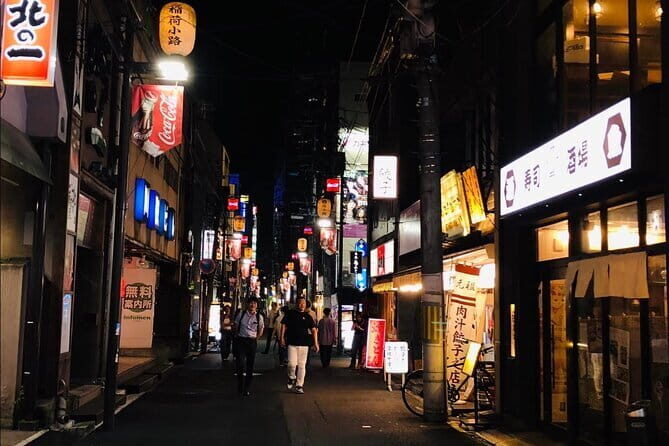
This experience is built for a one-hour “do it yourself” culture hit. You meet at Mochi Pounding Experience Osaka「Oh Mochi」 in Chuo Ward, in the Dōtonbori area, and the activity ends back at the meeting point—so you don’t lose time searching for the next stop.
The location matters because Osaka’s food-and-shopping zone can be chaotic. Here, you get a clear, contained plan with a start time and a guided flow. It’s also handy that you can choose either a morning or an afternoon session, which makes it easier to fit around your day’s temple stops, market walks, or late-night street-food wandering.
If you like hands-on workshops over passive sightseeing, this format hits the sweet spot: short explanation, then action.
You can also read our reviews of more food & drink experiences in Osaka


The 10-minute mochi history talk (and why you’ll actually remember it)
Before any pounding starts, you get a 10-minute talk about the history and cultural significance of mochi pounding. It’s not a lecture, and that’s the point. The lesson gives you context for what you’re doing with your hands—turning steamed glutinous rice into something chewy and elastic, using traditional methods.
In a session like this, context is useful because it changes how you eat at the end. When you understand that mochi pounding is part art, part community tradition, tasting becomes more meaningful than simply sampling a dessert.
You’ll also get guidance on how to enjoy mochi—helpful because mochi isn’t like cake or cookie. It has its own texture, and the toppings are what make it exciting.
From steamed rice to mochi: the mortar-and-pestle rhythm

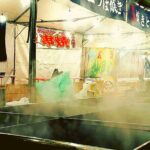
The core of the class is the transformation: steamed glutinous rice becomes mochi through pounding. You’ll join the process of steaming, then use the traditional tools to pound the rice into mochi.
Two things make this stage especially fun:
- It’s physical in a controlled way. You’re not just watching; you’re building strength and rhythm with each turn.
- You see the change in front of you. The texture shift is quick enough to feel rewarding, but slow enough to understand what’s happening.
You’ll be in a small room, so expect it to feel warmer during the active part. A practical tip: wear something light and comfortable. You’ll be in work mode for part of the hour, and you don’t want to be thinking about your clothes instead of your mochi.
Also, don’t be shy about asking for adjustments to your grip or pace. The instructors keep things moving and make sure everyone takes part.
Shaping and timing: how the class keeps you from standing around

Once the rice is pounded, the class doesn’t stop at the mortar. You’ll portion the freshly pounded mochi and then shape it with your hands. This is where the experience turns from food prep into a souvenir you can actually make.
A lot of workshops lose energy here, but the flow stays upbeat. The staff help keep the pace smooth and generally keep everyone involved, including people who arrive a few minutes late and are still slotted into the activity.
You may even get a mochi-making costume at the start, which sounds silly until you realize it’s part of the fun and a great photo moment. If you like taking pictures, the staff will also help so you’re not juggling your phone while your hands are busy.
Tasting mochi with five toppings, plus tea

After pounding and shaping, you get to eat what you made. Your tasting comes with freshly pounded mochi served alongside five beloved seasonings/ingredients and a cup of tea.
Two flavors you should expect to see in the lineup are:
- Kinako (toasted soybean flour)
- Sweet red bean paste
Those two are classics for a reason. Kinako brings a nutty, slightly roasted flavor that works with mochi’s mild sweetness, while sweet red bean gives you a warmer, dessert-like contrast. The other toppings round out the experience so you’re not stuck making a single flavor decision for the whole class.
A big value here is that the mochi is fresh in the moment. Store-bought mochi can be good, but fresh mochi is different: it’s more elastic and satisfying, and it takes toppings more enthusiastically.



Small-group attention with friendly instruction

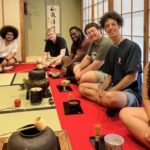
This isn’t a massive production. The group is capped at 10 people, which is exactly what you want for a tool-based workshop. With more space and more hands involved, the instructors can check technique and keep everyone from getting left behind.
What really comes through is how welcoming the instructors are. Names you may hear include Aiko, Grace, Seina, Runa, and Mao. The tone is upbeat and supportive, and explanations are delivered in English, with Chinese support handled through slides or interpretation by ChatGPT.
That language setup is practical. If you’re traveling in a group with mixed language comfort, you won’t feel stuck. And if you’re alone, you’ll still be able to follow the steps and enjoy the pacing.
Price and value: is $32.37 for an hour a fair deal?

For $32.37 per person (about one hour), you’re paying for three things at once:
- Guided instruction that walks you through a traditional method
- Hands-on time with equipment that most people can’t easily use at home
- Enough mochi tasting to make the experience feel complete
A workshop like this can be surprisingly filling, too—because you’re not just sampling a bite. Fresh mochi plus multiple toppings adds up faster than you expect, and the tea helps round it out.
If you like culinary experiences where you eat what you make, this tends to be strong value. If you mainly want to sightsee or you’re not into chewy textures, you might find the effort isn’t your style. But for most people going to Osaka for food, this is the kind of activity that lands.
When to go: morning vs afternoon sessions and the weather factor

You can choose a morning or afternoon session, which is ideal for planning. The key catch is weather: this experience requires good weather, and if it’s canceled due to poor weather, you’ll be offered a different date or a full refund.
That matters if your trip is tight and you only have one day to spare. If you’re building an Osaka schedule, try not to place this as the only event that can’t move. Treat it like a flexible “anchor” that you can shift if the sky turns.
Who should book this mochi pounding class
This is a great fit if:
- You want a hands-on cultural activity rather than a passive tasting
- You like Japanese sweets and want to taste mochi with several toppings (not one flavor)
- You enjoy learning how food is made, not just what it costs
It also works well for families, since kids are more than welcome. For adults, it’s also a fun break if you’ve been doing too many tea ceremonies or sake tastings and want something rarer.
One more practical note: mochi can be choking-risky if eaten carelessly, especially for older people. The class guidance is to eat in small portions. If you have swallowing concerns, take that advice seriously and go slow.
Should you book it? My take
If you’re in Osaka and you want something that mixes culture, action, and dessert, I’d book this mochi pounding experience. The small group size, the mortar-and-pestle involvement, and the fresh tasting with multiple toppings make it feel like more than a quick gimmick. It’s also easy to fit into a day because it runs about an hour and returns you to the meeting point.
Skip it only if you know you dislike chewy foods or you need a completely non-physical activity. Otherwise, this is the kind of “learn it, do it, eat it” moment that you’ll remember long after the toppings are gone.
FAQ
Where is the meeting point for the mochi pounding experience?
You’ll meet at Mochi Pounding Experience Osaka「Oh Mochi」, 2-chōme-4-11 Dōtonbori, Chuo Ward, Osaka, 542-0071, Japan.
How long does the experience take?
The experience lasts about 1 hour (approx.).
How much does it cost?
It costs $32.37 per person.
What happens during the class?
You’ll get a 10-minute talk about mochi’s history and significance, join in steaming glutinous rice, pound it with traditional tools to make mochi, and then enjoy freshly pounded mochi with five seasonings/ingredients and a cup of tea.
What mochi flavors or toppings can I expect?
You’ll taste mochi with a lineup of five seasonings/ingredients, including options like kinako and sweet red bean paste.
Is there an English option?
Yes. The experience is offered in English, with Chinese support provided through slides or interpreted by ChatGPT.
Can I choose a morning or afternoon session?
Yes. You can choose from morning or afternoon sessions to fit your schedule.
What’s the group size limit?
The experience has a maximum of 10 people.
Is it suitable for vegans or vegetarians?
The experience accommodates vegans and vegetarians, so you can participate without worries.
Is it okay for older participants to eat mochi?
You should eat mochi in small portions because mochi cakes may pose a choking risk.