REVIEW · TOKYO
Official Sumo Tournament Ticket with Guided Experience
Book on Viator →Operated by Amigo Tours Japan · Bookable on Viator
Sumo feels like theater with rules. This guided experience turns a tough-to-get ticket into a clear, step-by-step way to understand what you’re watching, from sumo’s origins to the ring. You get an official tournament ticket plus a guide who explains the sport’s rituals and how the bouts work.
I especially like two things: the reserved seat setup (so you’re not wandering hoping for the best), and the fact that you’re not just watching—you’re getting context while you walk through the sumo world.
One thing to plan around: food and drinks aren’t allowed inside the stadium, so bring your energy for the arena and plan snacks outside.
In This Review
- Key highlights to know before you go
- Why this official sumo tournament ticket feels worth it
- Entering sumo mode at Former Yasuda Garden
- Ryogoku Kokugikan walking tour: learn the arena before the noise
- The real payoff: watching live bouts in Ryogoku
- Reserved seats (B or C, second floor): how to think about value
- The guide makes or breaks the day
- Pace, timing, and group size: a day that won’t swallow you
- Stadium rules that affect your comfort (especially food)
- Etiquette and what you’ll notice once someone explains it
- Price and value: is $209 a fair deal?
- Who should book this sumo tour?
- Should you book this guided sumo tournament experience?
- FAQ
- How long is the sumo tournament experience?
- What does the tour include?
- Where does the tour start and end?
- What seating will I get?
- Is food and drinks allowed inside the stadium?
- Can I take photos during the tournament?
- Are loud or disruptive behaviors allowed?
- How big is the group?
- Is confirmation provided after booking?
- What is the cancellation policy?
Key highlights to know before you go
- Reserved seat B or C on the second floor means you can focus on the action instead of seat hunting
- Former Yasuda Garden stop gives you a quick sumo backstory before you reach Ryogoku
- Guided walking tour at Ryogoku Kokugikan helps you understand the building and match rhythms
- 3 hours of live tournament time gives you enough coverage to catch multiple bouts
- A real pro guide with Q&A momentum, including names like George, Cesar, Lily, and Ethan from past groups
- Small group size (max 25) keeps the day from feeling rushed or chaotic
Why this official sumo tournament ticket feels worth it
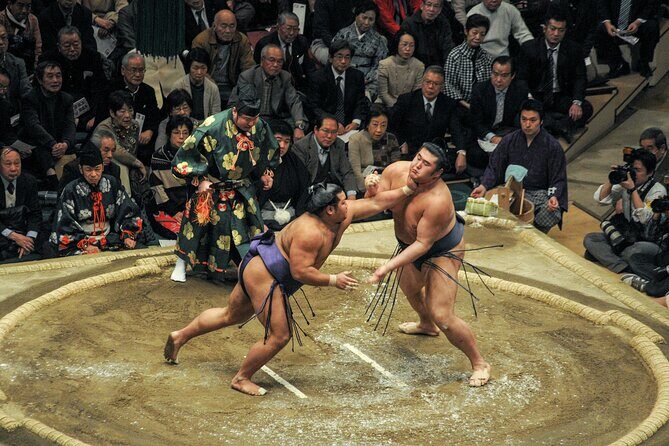
Tokyo has plenty of famous sights, but sumo is different. It’s not just a show; it’s a set of traditions where formality matters as much as strength. That’s exactly why I like this setup: you’re not arriving cold.
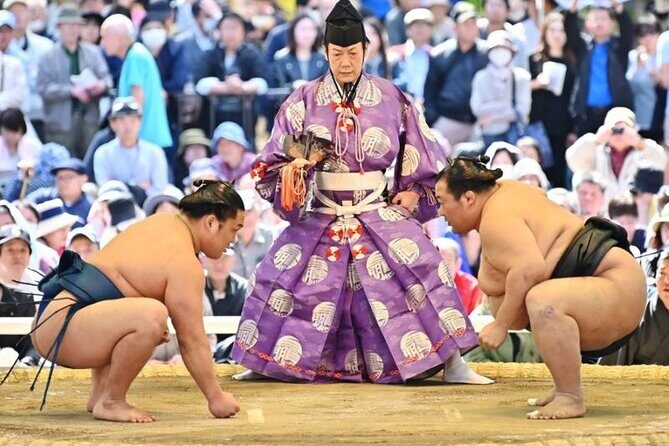
This experience includes an official sumo tournament ticket and a professional sumo expert who explains what’s happening—rules, ranking, and the meaning behind the rituals. You’ll still get the spectacle (guys charging, fast clashes, dramatic pauses), but you also get a framework for understanding why the ceremony looks the way it does and why some bouts matter more than others.
Also, the ticket piece is the practical win. Official tournament seating is notoriously hard to secure through normal channels. Here, the tour handles the ticket, and you’re given a reserved seat in the B or C class category (second floor). That turns a stressful “will we get in?” scramble into a straightforward plan.
A few more Tokyo tours and experiences worth a look


Entering sumo mode at Former Yasuda Garden
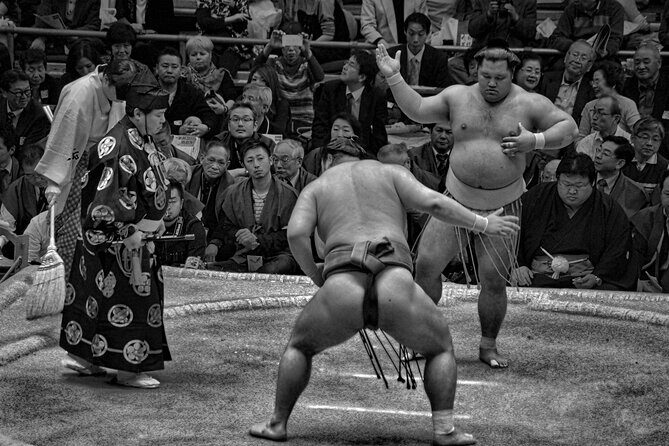
The day starts at Former Yasuda Garden in Sumida, where you get a short intro to sumo history. It’s only about 30 minutes, and admission there is free as part of the stop.
Why this matters: sumo looks simple until you know what you’re looking at. The rituals, the way wrestlers enter, the ranking system, even the respect shown before action—those things land harder when you’ve had a quick pre-lesson.
This stop also helps you get your bearings. You’re not yet at the stadium chaos. You’re building a mental checklist: which ceremonies to notice, what terms might pop up during explanations, and what to watch for once you’re inside Ryogoku Kokugikan.
Ryogoku Kokugikan walking tour: learn the arena before the noise
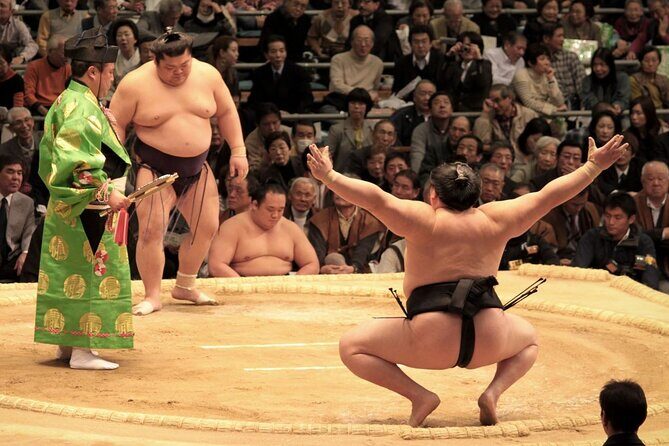
Next comes Ryogoku Kokugikan, the famous sumo stadium in Tokyo. You’ll do a guided walking tour that’s about 30 minutes, and the admission ticket is included here too.
I like this timing. It’s long enough for the guide to show you key parts of the stadium area and explain how sumo events run, but short enough that you don’t feel stuck before the actual bouts begin.
This is where the guide’s role really shows. Past participants highlighted guides like George and Cesar for turning the information into something you can actually use during the matches. That’s the goal here: you should be able to ask questions and catch details while you’re watching, not just hear facts after the fact.
The real payoff: watching live bouts in Ryogoku
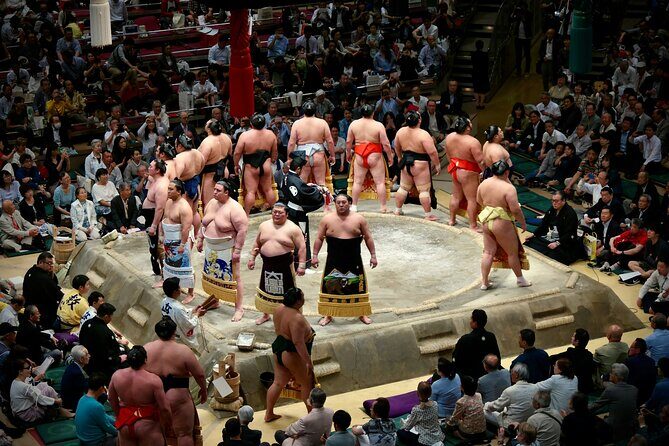
Then you move into the heart of it—live sumo tournament time at Ryogoku (about 3 hours). This is the part you came for: the intensity of the bouts, the ceremonial pacing, and the way the crowd reacts when it gets tense.
A few things to expect with this kind of experience:
- You’ll have reserved seating (second floor, class B or C depending on what you selected). That means you can settle in and follow along without constantly changing vantage points.
- The guide’s explanations help you track what the match is “about,” not just that it’s fast and physical.
- You get enough time to catch a decent spread of action across the tournament segment you attend.
One small but important reality check: second-floor seating can feel farther than the most dramatic close-ups you may see online. Still, with the ceremonial pace and the guide’s context, you’re not just watching movement—you’re learning how sumo works in real time.
Reserved seats (B or C, second floor): how to think about value
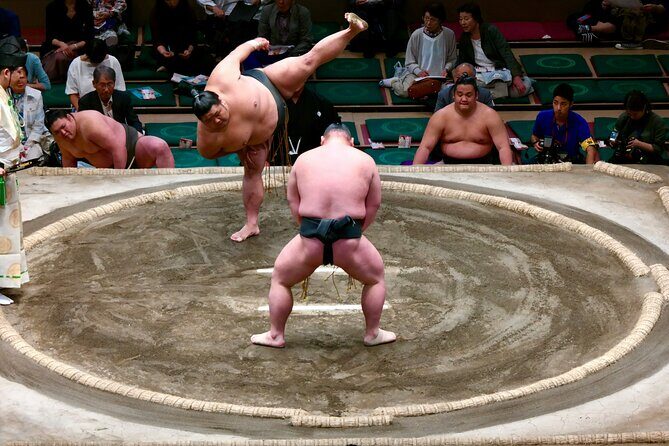
You’ll be assigned reserved seat B or C (based on your chosen option), and the seating is on the second floor. For most people, that’s a fair trade: you get reliability and a plan, and you don’t have to gamble on whether you’ll find a decent spot.
Here’s how I’d weigh it:
- If you hate uncertainty, this reserved setup is a win.
- If you’re chasing the absolute closest view, you might still find the second floor less thrilling than ground-level alternatives (but those aren’t what’s offered in this package).
- If you care more about understanding what you’re seeing, second-floor seats are fine because the key moments repeat through the ceremonies and match flow—and your guide will help you catch them.
Bottom line: you’re paying for access plus interpretation, not just proximity.
You can also read our reviews of more guided tours in Tokyo



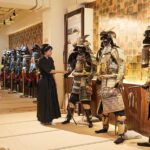
The guide makes or breaks the day
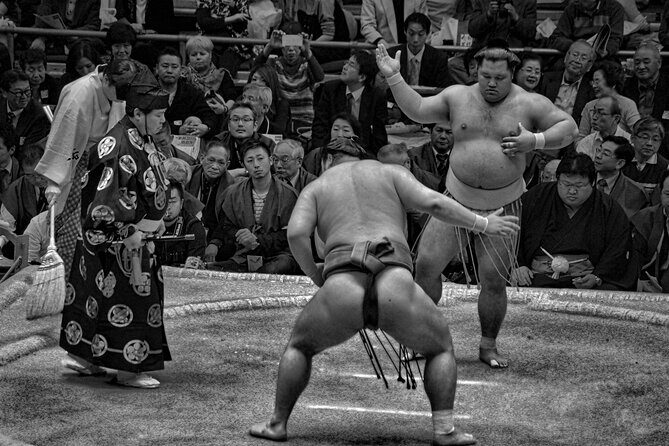
With sumo, the learning curve can be steep if you show up expecting it to be self-explanatory. This tour treats that problem head-on.
The experience includes an expert guide to explain sumo traditions, and that support seems to be the difference between a fun outing and a real “I get it now” day. Several past groups specifically praised guides by name—Lily was described as passionate and full of energy, while Ethan stood out for making the mix of history, culture, and sport feel well organized and clear. George and Cesar also received strong mentions for explaining and answering questions during the matches.
What that looks like in practice is simple: you should feel comfortable asking things like why certain rituals happen, how rankings influence the emotional stakes, and what signals to notice before and during the bout.
If you want sumo as more than a photo stop, this is the part you’ll actually remember.
Pace, timing, and group size: a day that won’t swallow you
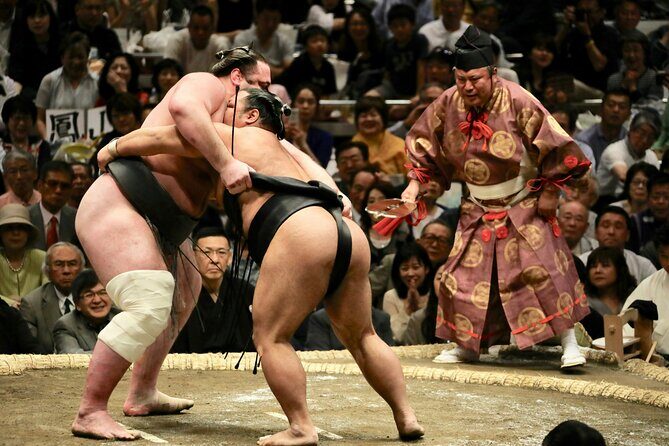
The full experience is about 5 hours. That’s a sweet spot: long enough for history, stadium orientation, and real match time, but not so long that it turns into a full-day endurance test.
The group size is capped at 25 travelers. That matters more than it sounds. Smaller groups tend to keep movement smoother, and you’re more likely to get personal attention during Q&A rather than feeling like a number.
You’ll also be near public transportation, which helps if your morning plans run a little late. And since the tour ends at Ryogoku Kokugikan Sumo Arena, you’re dropping right where you need to be.
Stadium rules that affect your comfort (especially food)
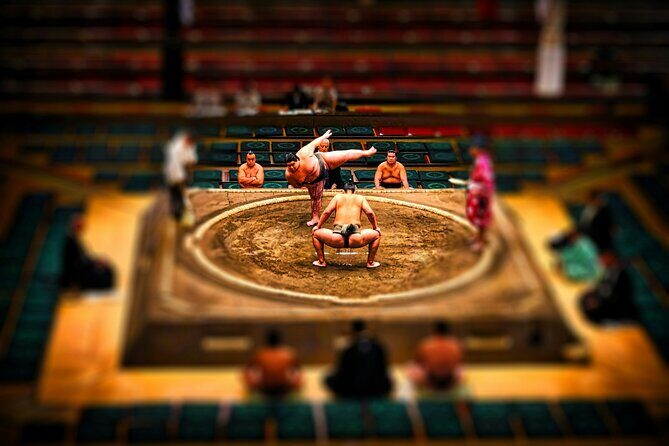
Some of the rules are about respect and safety, but they also affect your planning.
- Food and drinks are not permitted in the stadium.
This is the one practical drawback I’d flag. If you assume you can snack inside while you wait for bouts, you’ll be disappointed. Plan to eat before you go, and keep your drinks separate from stadium entry.
- Photos are allowed, but no flash and avoid bulky equipment that blocks others.
In other words: bring a camera you can hold, not a production rig.
- Be quiet and courteous. The experience asks you to avoid loud or disrespectful behavior so you don’t disturb other spectators.
If you’re traveling with kids, or you tend to get snacky when you’re excited, treat this as a heads-up to plan your timing.
Etiquette and what you’ll notice once someone explains it
Sumo has a “pause and respect” feel that can slip by if you’re only half-paying attention. With guided explanation, you’ll start noticing the structure: entrances, pre-bout rituals, and how wrestlers reset between intense moments.
This is also where the “culture” part becomes real. Sumo isn’t random violence. It’s ceremonial discipline with a very specific set of cues. Once you have those cues, the sport stops being just impressive bodies and becomes something you can follow like a story.
That’s why the best moments often happen in the quieter seconds, not only during the fastest collisions.
Price and value: is $209 a fair deal?
At $209 per person, this isn’t a budget activity. But it’s also not “you pay for a ticket and good luck.”
You’re paying for three things:
- An official tournament ticket you don’t have to hunt down yourself
- Reserved seating in class B or C (second floor)
- A guided experience that explains the sport’s rules and traditions as you go
If you’ve ever tried to get tournament tickets the usual way, you know the price of convenience is real. And the guide component matters too: a sumo match becomes more satisfying when you understand what the ranking, ceremonies, and bout flow mean.
So I’d call this a solid value if you care about culture and you want to understand the sport while you watch. If you only want a quick live spectacle and you don’t care about context, you may find cheaper ways to attend events—but you’d be giving up the clarity and ticket-handling that make this smooth.
Also note: confirmation comes at booking time, and if you cancel or request changes, it’s non-refundable and can’t be amended. That’s the risk side—book when you’re confident you can go.
Who should book this sumo tour?
This one fits best if you:
- Want official tournament access without ticket stress
- Prefer experiences with a guide who helps you understand what you’re seeing
- Love Japanese culture and want it explained in plain, practical terms
- Like structured sightseeing with a small group (max 25)
It may not be ideal if you:
- Plan to eat inside the arena (you can’t)
- Want the absolute closest view possible
- Don’t want a guided framework and just want to wander freely
The good news: the experience notes that most travelers can participate, and it’s near transit, so it’s approachable for a wide range of visitors.
Should you book this guided sumo tournament experience?
Yes, if you want sumo to be more than a ticket punch. I’d book it when you care about understanding the ceremony, the rules, and the match rhythm while you’re actually there. The reserved second-floor seats, the expert explanations, and the smooth flow from Yasuda Garden to Ryogoku Kokugikan to the ring make it feel like a whole package, not just admission.
Skip it only if your main goal is lowest cost or you’re determined to snack inside the stadium. Otherwise, this is one of those Tokyo experiences where good organization turns into better memories.
FAQ
How long is the sumo tournament experience?
It runs for about 5 hours (approx.).
What does the tour include?
You get an expert guide, sumo tournament tickets, and reserved seats in class B or C (second floor), depending on the chosen option.
Where does the tour start and end?
It starts at Former Yasuda Garden at 1-chōme-12-1 Yokoami, Sumida City and ends at Ryogoku Kokugikan Sumo Arena at 1-chōme-3-28 Yokoami, Sumida City.
What seating will I get?
You’ll receive a reserved seat B or C class, and it is on the second floor.
Is food and drinks allowed inside the stadium?
No. Access to the stadium with food and drinks is not permitted.
Can I take photos during the tournament?
Yes, photos are allowed, but no flash and avoid bulky equipment that could block other people’s views.
Are loud or disruptive behaviors allowed?
No. The experience asks you to be respectful and refrain from loud or disrespectful behavior.
How big is the group?
There is a maximum of 25 travelers.
Is confirmation provided after booking?
Yes. Confirmation will be received at the time of booking.
What is the cancellation policy?
It is non-refundable and cannot be changed for any reason.