REVIEW · NAGANO
Nagano: Tateyama-Kurobe Guided Walking Tour
Book on GetYourGuide →Operated by Machinovate Japan Ltd. · Bookable on GetYourGuide
Big mountain rides can still feel organized. This Nagano guided trip turns the Tateyama-Kurobe Alpine Route into a one-day plan you can actually follow, and I love the variety of mountain transport plus the leisure guided walk from Japan’s highest station. One thing to watch: it’s a long day with no lunch included, and in cold months the ground can turn icy.
What makes it click is the people running it. In past groups, guides like Kieron, Orlando, Luki, and Jans have been praised for clear English, being patient, and keeping everyone moving to the right vehicles on time. That matters here, because you’re hopping between multiple systems like a well-timed train of buses, ropeways, and cars.
If you’re the type who likes seeing the full chain of how Japan conquers a hard landscape (in this case, high altitude), this is a great fit. You’ll start early in Nagano, reach Ogizawa by late morning, go up to Murodo at 2,450 meters, then come back to Nagano around 18:00 to 19:00.
In This Review
- Quick highlights
- From Nagano Station to Ogizawa: the day starts early, but it’s worth it
- Ōgizawa Station: your short break before the mountain goes vertical
- Kurobe Dam: engineering scale you can feel, not just read about
- Tateyama Ropeway and the Kanden Tunnel trolley bus: a ride-heavy day done right
- Murodo at 2,450 meters: the highest station walk is the calm part of the day
- The guided walk: about 1 hour, reasonable fitness
- Free exploration: optional, but useful
- Electric car and the descent: quiet power back toward the valley
- When the colors change: summer alpine flowers, autumn reds, and winter ice
- Temperature reality check
- Price and value for $232: what you’re really paying for
- What to pack for a comfortable day in Nagano’s mountains
- Who this tour suits best (and who may want a different plan)
- Should you book this Nagano Tateyama-Kurobe guided walk tour?
- FAQ
- Where is the meeting point for the Nagano Tateyama-Kurobe guided walking tour?
- How long is the tour, and when do we return to Nagano?
- What is the highest elevation reached on this tour?
- Is lunch included in the price?
- What transport types are used to reach the summit area?
- Is there an English-speaking guide?
- Is the tour suitable for people who are not very fit?
- Is the tour wheelchair accessible?
- Can I pay later and cancel for free?
Quick highlights
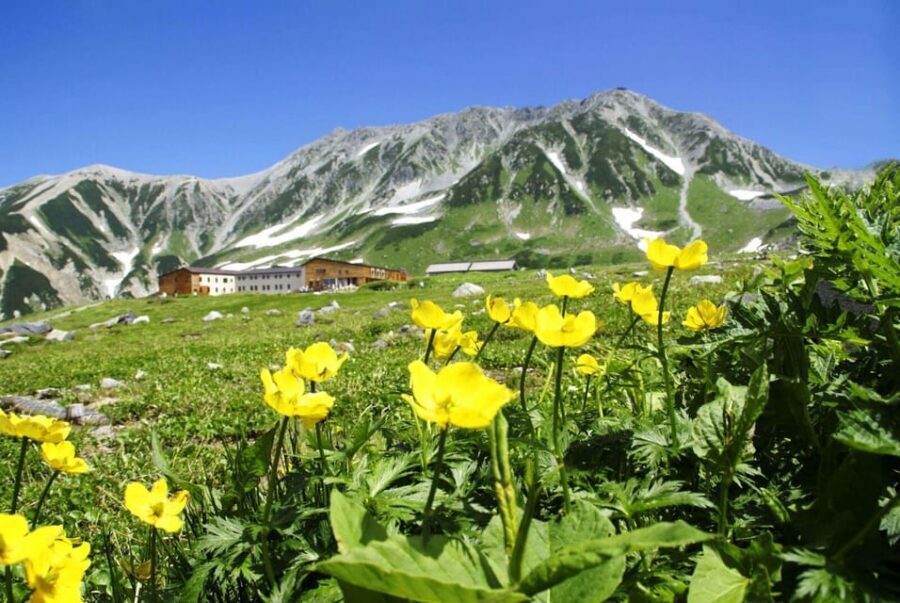
- Roof of Japan access via the Tateyama-Kurobe Alpine Route with multiple transport modes in one day
- Kurobe Dam views plus context for Japan’s biggest engineering pride points
- Tateyama Ropeway (1,700 meters of lift) to Daikanbo, then onward by trolley bus
- Time on the alpine plateau at Murodo, including a guided walk for about 1 hour
- Seasonal color changes from summer alpine flowers to September–October autumn tones to winter snow and ice
- A small-group vibe with steady timing, helped by an English-speaking guide
From Nagano Station to Ogizawa: the day starts early, but it’s worth it
Most people think the hard part of the Tateyama-Kurobe Alpine Route is getting there. This tour removes that stress fast by meeting you at JR Nagano Station (08:15), right in front of the information board across from the Shinkansen gates.
Then you’re on a coach for about 115 minutes toward Ōgizawa Station. The ride isn’t just transit. It’s your buffer time—time to get oriented, use the restroom, and mentally shift into mountain mode. When the group arrives around 09:45, you get a focused 25 minutes at Ōgizawa to prepare before the first climb step.
A practical note: the day is timed tightly around transport schedules. If you’re the “slow and scenic” type, you’ll still have chances to look around, but the plan won’t wait for a late start at every stop. That’s why I like having a guide handling the handoffs.
You can also read our reviews of more walking tours in Nagano

Ōgizawa Station: your short break before the mountain goes vertical
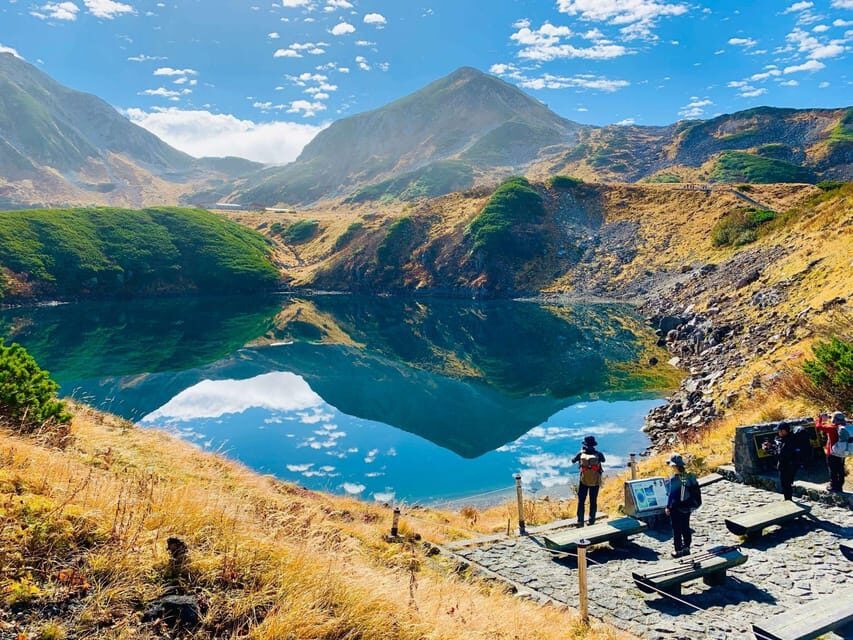
Ōgizawa is your staging area, and the tour treats it that way. You’ll get a guided sightseeing/pause window (about 25 minutes) before you board the first major ascent transport.
This is where I’d focus on two things. First, check your footwear and socks—once you’re higher, you don’t want to be improvising. Second, decide how you’ll handle cold: even if the morning feels mild in Nagano, the alpine route can shift fast once you’re near the summit area.
Because the itinerary is built around catching specific departures, this short stop is deliberately brief. It keeps the full day on track, and it also helps the whole group avoid stress.
Kurobe Dam: engineering scale you can feel, not just read about
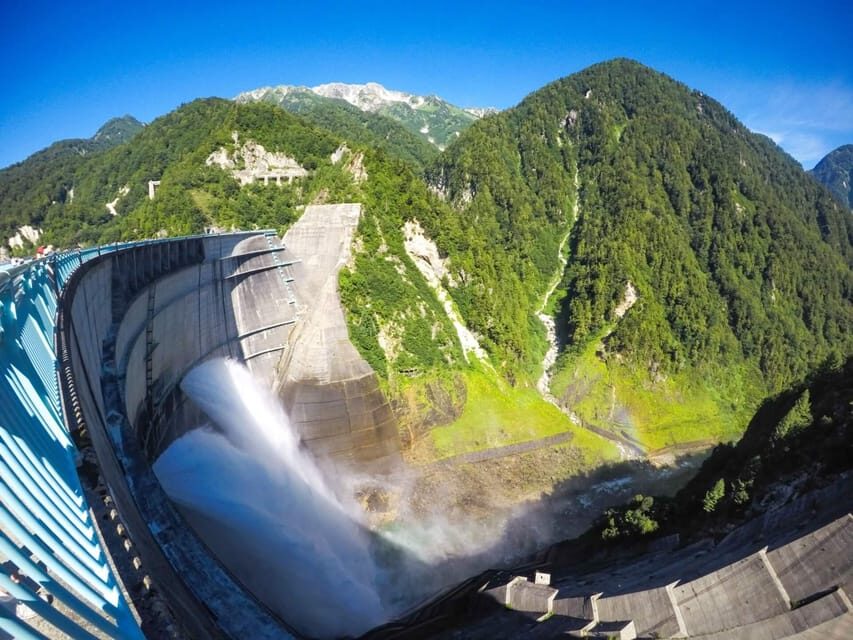
Kurobe Dam is the kind of stop that surprises people. It’s not a quick photo spot; it’s a real viewpoint break with time to absorb what you’re looking at.
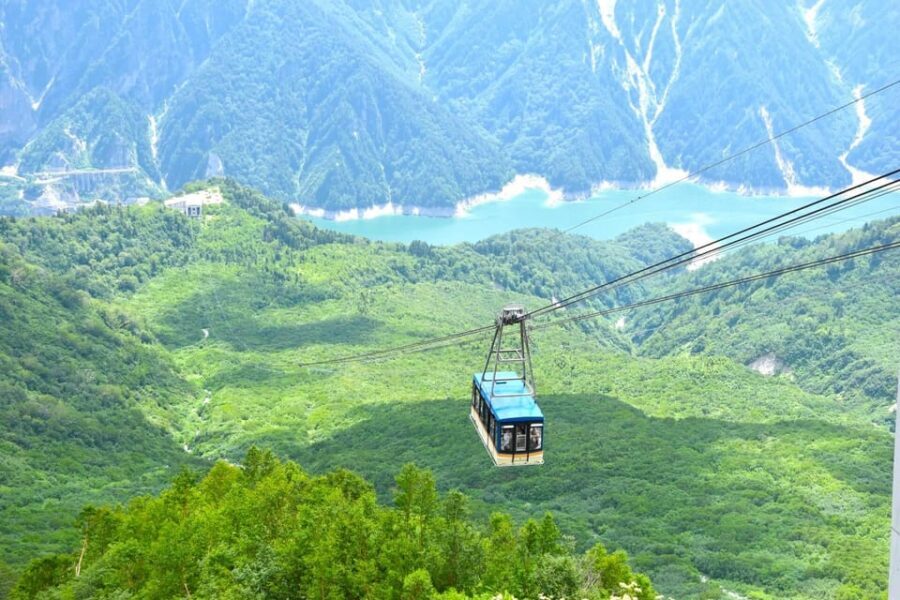
You’ll spend around 30 minutes there, with a mix of break time, sightseeing, and guided explanation. The dam was constructed between 1956 and 1963, and it’s Japan’s highest dam. The scale is tied to massive labor—up to 10 million people were involved—so your guide can connect the view to the human effort it took to build something this big in a mountain region.
Here’s what I like about this stop: it gives meaning to the rest of the route. When you later ride ropeways and trolley buses up to extreme heights, it helps to remember that this alpine system didn’t appear by luck. It’s an answer to difficult terrain and dramatic elevation changes.
The weather can also matter here. If you get clear skies, the surrounding mountains look sharp. If it’s foggy, the dam still works as a solid mental anchor—a big, confident structure to break up the day’s motion.
Tateyama Ropeway and the Kanden Tunnel trolley bus: a ride-heavy day done right
The Tateyama-Kurobe Alpine Route is famous for the way it mixes transport types. This tour leans into that, and it’s one of the biggest reasons the day feels efficient instead of chaotic.
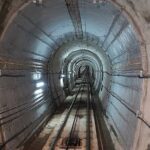
Right after Ōgizawa, you board the Kanden Tunnel trolley bus, the first step in the climb chain. Then the route highlights the Tateyama Ropeway, which spans 1,700 meters of lift to Daikanbo. After that, you take the final trolley bus to Murodo.
What does that mean for you in real life? It means less time spent waiting in long lines at separate ticket counters, and more time moving with the group’s pace. You also spend less energy fighting logistics, which you’ll appreciate later when you switch from transport-mode to walking-mode.
It can feel like a lot of transit, but there’s a tradeoff: you get changing vantage points without having to hike the entire elevation. The route is essentially a highlight reel of mountain access methods in Japan.
Also, consider temperature. Ropeway and trolley bus rides can be chilly, especially if wind picks up. A light layer you can add or remove is a smart move.
Murodo at 2,450 meters: the highest station walk is the calm part of the day
When you reach Murodo (2,450 meters), you’re at Japan’s highest station. That’s not a trivia flex; it changes how the air feels and how the view reads.
You’ll have two main blocks at Murodo: a guided portion (including sightseeing and a gondola ride, totaling about 2.5 hours) and then free time (about 2 hours) after you meet up again. This structure matters because it protects your energy. You get guided context up front, then you can choose your own pace for exploring.
You can also read our reviews of more guided tours in Nagano

The guided walk: about 1 hour, reasonable fitness
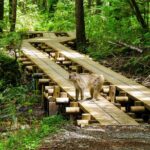
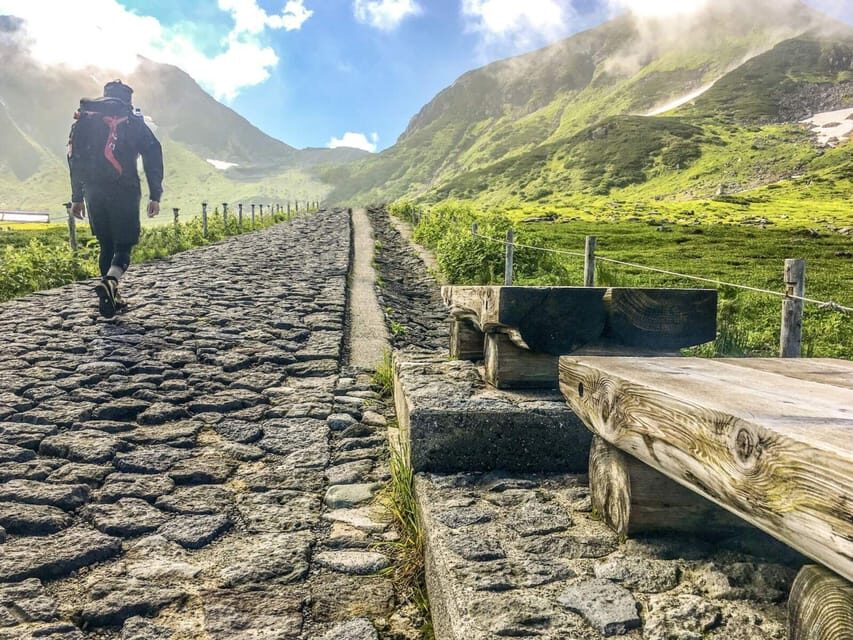
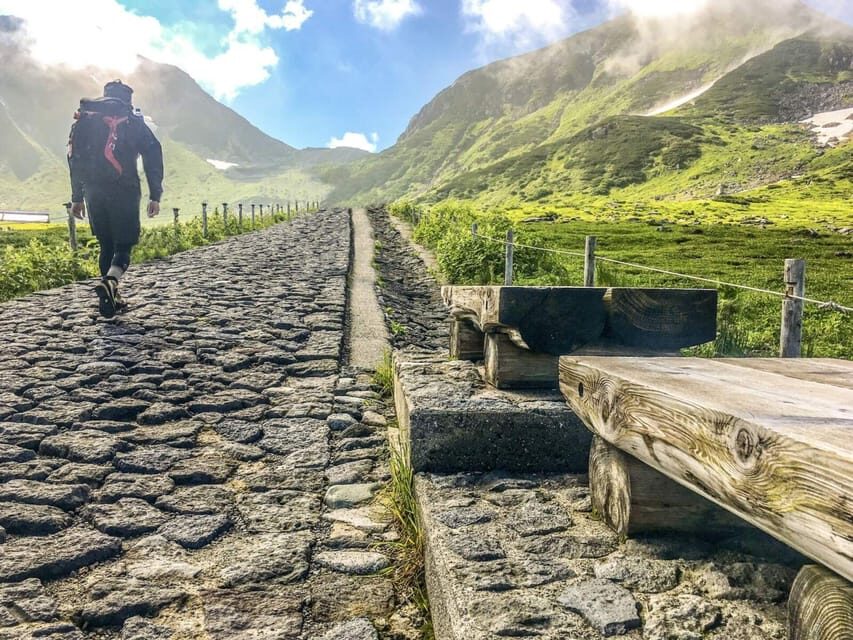
The tour includes a leisurely trail walk of about 1 hour beneath the mountain summit area. It’s described as suitable for anyone with reasonable fitness, which is reassuring if you don’t want a steep slog.
During the walk, your guide explains the surrounding landscape’s place in Japan’s tradition of mountain worship. That kind of story changes how you look at what you’re seeing. Instead of just thinking altitude and rocks, you start noticing patterns in where people focus their attention.
Free exploration: optional, but useful
You also have the choice to spend time exploring on your own and then meet your guide at the appointed time. I like having that freedom here, because alpine plateaus can feel different block to block. If the weather shifts, you’ll want to use your free time to catch the best visibility.
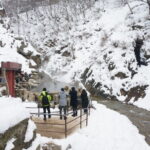
If you visit in colder months, watch your footing. One person reported ice on the paths in November and said spikes/overshoes helped. If you’re going late season and you can bring spiked overshoes, it’s a very practical idea.
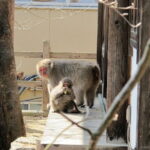
And yes, wildlife can show up. One review mentioned monkeys on the road. That doesn’t mean they’ll be there when you go, but it’s a reminder to stay alert around routes and edges.
Electric car and the descent: quiet power back toward the valley
After your time at Murodo, the tour transitions to the next transport segment: an electric car ride for about 2 hours.
This part is one of those unglamorous features that makes the whole day easier. You’re still traveling, but it’s a smoother, calmer rhythm than constant climbing. It also helps you recover from the altitude walking time without needing to sit in long, uncomfortable stretches.
Then between 15:00 and 15:30, your guide collects you to start the descent back down. You’ll return to Ōgizawa, where the tour bus waits. After that, you ride back to Nagano Station, usually landing between 18:00 and 19:00.
That evening return matters for planning. You avoid losing a full extra day to mountain logistics, and you can keep your Japan schedule more flexible.
When the colors change: summer alpine flowers, autumn reds, and winter ice
The Tateyama-Kurobe Alpine Route is seasonal, and this tour plays well across the year because the schedule is designed for high-altitude visibility windows.
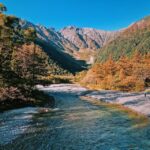
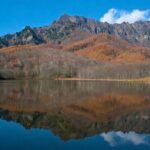
If you go in summer, the highlight description points to alpine flowers and summer color. In September and October, the chances for some of Japan’s most striking autumn color are higher: grasses and shrubs can burn red, orange, and brown, while forests below are visible from the ropeway on the way up and down.
If you go in November, plan for winter conditions. The tour notes average daytime temperatures that drop sharply by late fall, and one person specifically warned about icy paths even when they hadn’t expected it. That’s where having traction gear and a warmer layer can save your day.
Temperature reality check
The tour provides average day-time temperatures:
- July: 11–16°C
- August: 12–18°C
- September: 9–15°C
- October: 3–10°C
- November: -5 to 2°C
So even if the forecast says you’ll be fine, treat the alpine route like a separate climate zone. Bring layers and expect that you’ll want warmer clothing at higher elevations, especially when you stop moving.
Price and value for $232: what you’re really paying for
At $232 per person for a 1-day guided experience, it’s not a budget snack. But it’s also not just a guided walk in a park.
Here’s the value math that matters:
- The price includes transport to and from the Tateyama-Kurobe Alpine Route via Ōgizawa Station, plus the return ticket for the Alpine Route itself.
- You get an English-speaking guide who manages timing across multiple transport systems.
- The day is organized around a full chain of mountain access: trolley bus, ropeway, gondola, electric car, and bus back down.
What’s not included is equally important:
- Shinkansen to/from Nagano (you handle that separately)
- Lunch and other snacks/drinks (you’ll need to plan)
- Accommodation (this is a day trip)
If you’re already in Nagano and want to see the full alpine route without wrestling tickets and connections, this price can feel fair. If you’re trying to build the day entirely on your own, you might spend extra time on planning and timing, and that’s time you’d rather spend watching the view change.
What to pack for a comfortable day in Nagano’s mountains
Because the tour doesn’t include lunch, I recommend you plan food in advance. At minimum, bring a snack so you’re not stuck hunting for something during a tight schedule.
Beyond food, pack for altitude and cold. The itinerary includes long transport segments and a walking trail of about an hour. That means you can warm up on the move, then cool down quickly when the vehicles stop.
If you’re traveling in late season (especially around November), traction gear becomes more than “nice to have.” One review highlighted the benefit of overshoes with spikes when paths turned icy, even though they weren’t brought.
A simple approach:
- layers for cold
- shoes you trust on uneven ground
- something warm for stops (wind can bite at height)
- snacks since lunch isn’t included
Who this tour suits best (and who may want a different plan)
This tour fits people who want big alpine scenery without committing to a multi-day hike. The guided walk is about 1 hour and described as suitable for reasonable fitness, which makes it approachable if you’re comfortable walking at altitude for short stretches.
It also suits solo travelers. One review mentioned the option worked well for a solo visitor and described a small group where it was easy to connect with others. I like that structure because it gives you companionship without forcing conversation.
If you don’t want a guide’s structure, you can still enjoy free time at Murodo. But the core value here is the system: you want someone to make sure the group reaches the next ride on schedule.
Finally, the tour is listed as wheelchair accessible. That’s a strong signal to consider it if mobility is limited, though you should still be ready for real-world constraints of mountain transport and time at higher altitude.
Should you book this Nagano Tateyama-Kurobe guided walk tour?
Book it if you want a guided, time-managed day that hits the big highlights: Kurobe Dam, ropeway lift to Daikanbo, the ride chain up to Murodo, and an easy guided walk at 2,450 meters. The combination of transport variety and guide timing is a good match for people who like efficiency and want to see a lot in one shot.
Skip it (or consider another approach) if you need a very flexible schedule, or if you’re the type who hates being on fixed departures and coordinated meeting times. Also, if you’re sensitive to cold, treat late-season visits seriously and pack accordingly.
If your goal is to experience the Roof of Japan route as a coherent day, not a logistics project, this one is a strong choice.
FAQ
Where is the meeting point for the Nagano Tateyama-Kurobe guided walking tour?
Meet your guide at JR Nagano Station at 08:15, in front of the information board directly opposite the Shinkansen ticket gates.
How long is the tour, and when do we return to Nagano?
The tour is 1 day. You return to Nagano Station between 18:00 and 19:00.
What is the highest elevation reached on this tour?
You reach Murodo at 2,450 meters, which is described as Japan’s highest station.
Is lunch included in the price?
No. Lunch and other snacks or drinks are not included, so you’ll want to plan your own food.
What transport types are used to reach the summit area?
You’ll use several mountain transport modes, including a trolley bus (Kanden Tunnel), the Tateyama Ropeway (1,700 meters), another trolley bus to Murodo, plus a gondola ride and an electric car as part of the route.
Is there an English-speaking guide?
Yes. The tour includes an English-speaking guide.
Is the tour suitable for people who are not very fit?
The guided walking portion is about 1 hour and is described as suitable for anyone with reasonable fitness.
Is the tour wheelchair accessible?
The activity is listed as wheelchair accessible.
Can I pay later and cancel for free?
You can reserve now & pay later, and there is free cancellation up to 24 hours in advance for a full refund.