REVIEW · KYOTO
Kimono Rental,Kimono Experience in Gion Kyoto
Book on Viator →Operated by Momoka KimonoRental Kimono Experience · Bookable on Viator
Kyoto looks better when you slow down. A kimono rental in Gion turns routine sightseeing into a full-on day. I love the carefully selected pure silk kimono options and how the shop handles everything, from dressing to a basic hair style. I also like that you can leave your luggage and explore hands-free. One consideration: you must return by 5:00 PM to change out, and late returns cost extra.
What makes this plan work is simple: the store is close to the Gion core (near Gion Hanamachi and Chaya District), and you’re given staff support even if it’s your first kimono. Chinese and English help is available, and the tone in the reviews is consistently about patience and kindness when it comes to fitting, styling, and making the whole process feel safe and doable.
In This Review
- Key Points Before You Go
- Why Gion Kimono Rental Beats the DIY Plan
- What You Actually Get: The $36.36 Kimono Package
- Choosing Your Look in the Shop: Styles and Silk
- Dressing and Hair Styling: How the Staff Make It Easy
- Timing That Matters: Luggage Help and the 5:00 PM Change-Out
- Gion Day Route: From Yasaka Shrine to Kennin-ji
- Yasaka Shrine: First Photos and First Immersion
- Kodai-ji Temple: A Softer Pace After the Busy Entry
- Kiyomizu-dera Temple: The Big Landmark Moment
- Kennin-ji Temple: A Calm Ending Before Gion Streets
- Gion: Finish Where You Started Looking for
- The Kimono Details That Save You From Common Mistakes
- Upgrades, Photos, and Make-Up: What’s Worth Paying For
- Who This Works Best For (And Who Might Want a Different Plan)
- Value, Service, and the Booking Reality in Kyoto
- Should You Book Momoka Kimono Rental in Gion?
- FAQ
- What is included in the kimono rental set?
- Do I need to bring anything to rent a kimono?
- Is dressing and hair styling included?
- What languages do the staff speak?
- Where is the meeting point and where does it end?
- What time do I need to return to change out?
- Can I cancel or change the booking?
- Are there any health or sizing restrictions?
Key Points Before You Go
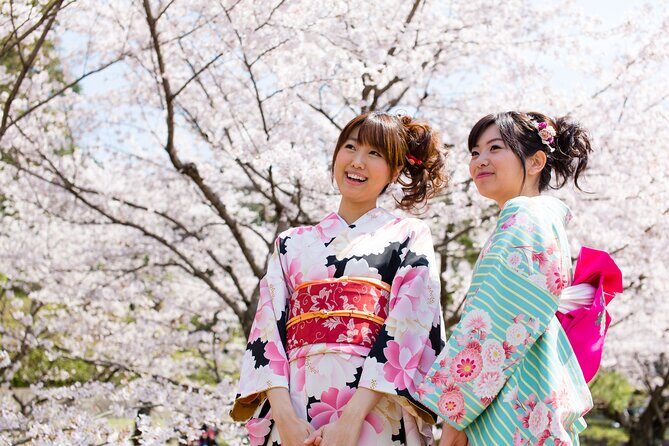
- Pure silk kimono variety with styles ranging retro, cute, classic, modern, and Taisho Roman
- Staff-assisted dressing and basic hair styling for first-timers
- All-in rental set includes kimono, obi, bag, tabi, and zori
- On-site luggage handling so you can sightseeing without dragging bags
- Gion location makes it easy to start your day and grab photos close to the streets you came for
- Strict timing with a 5:00 PM change-out deadline and fees if you run late
Why Gion Kimono Rental Beats the DIY Plan
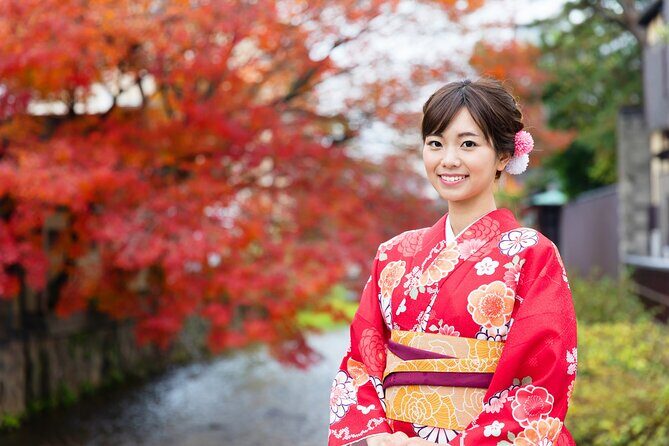
If you’ve ever tried to rent a kimono on your own in Kyoto, you know the stress: sizing, folding fabric correctly, and figuring out how an obi actually works on your body. This kind of setup removes most of that work. You arrive at the shop, check in, pick your kimono, and the staff helps you get into it.
I also like that this is built for real sightseeing time. The outfit isn’t just a costume drop-off. You’re dressed professionally, you get a basic hair style that fits the look, and then you’re free to enjoy the day.
One more smart detail: the shop takes care of your luggage once you’re ready. That matters in Gion because you’ll want your hands free for photos, walking, and buying a snack without hauling a bag around.
You can also read our reviews of more tours and experiences in Kyoto.



What You Actually Get: The $36.36 Kimono Package
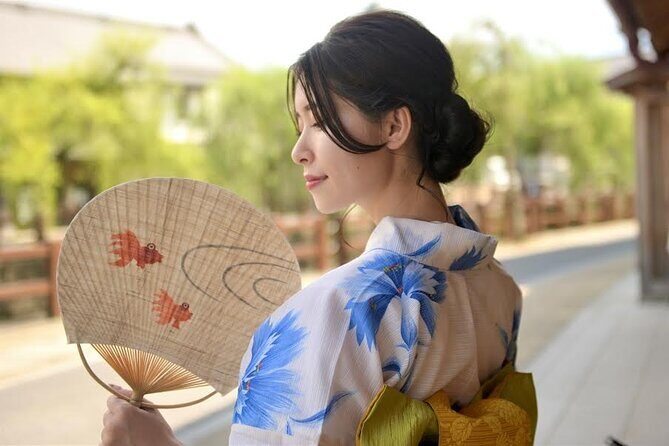
This price is for a full rental set—so you’re not stuck calculating what you still need to add. Included are:
- Rental of a complete kimono set (basic Komon)
- Obi
- Bag
- Tabi and zori
That’s the practical win. When kimono rentals start turning expensive, it’s usually because you discover you still need accessories and the basics. Here, the “come empty-handed” concept is real: you rent the whole working outfit.
You’ll also get dressing service and basic hair styling. That usually covers the look you need for photos without pushing you into paid add-ons immediately.
If you want to push the glam level higher, upgrades are available, but they’re clearly optional:
- Upgraded hairstyle: ¥1,650
- Make-up service: ¥8,800
- Photography service: 1 hour for up to 3 people, ¥18,700
The value question is easy to ask: do you just want the kimono and a clean, photo-ready look? If yes, this is a straightforward deal. If you want full glam and professional photos, you’ll want to budget for those extras.
Choosing Your Look in the Shop: Styles and Silk
What I like about the selection is the range. You can choose from retro, cute, classic, modern, and Taisho Roman styles. That means you’re not limited to just one “safe” look that everyone ends up with. If you’re building an Instagram-ready theme for your Kyoto trip—souvenir photos for friends, matching outfits, or a particular vibe—this gives you real options.
The shop also emphasizes that the fabrics are original pure silk kimono. That’s more than marketing language. Silk tends to drape well and photograph beautifully, especially in Gion where the streets and traditional buildings give your outfit context.
And from the reviews, the staff focus isn’t just on clothes. It’s on making you feel comfortable in them. One set of reviews highlights the staff being extremely patient with three daughters, including dealing with very curly hair and tall bodies. That’s a big deal for first-timers who fear the fit process might be awkward or time-consuming.
Dressing and Hair Styling: How the Staff Make It Easy
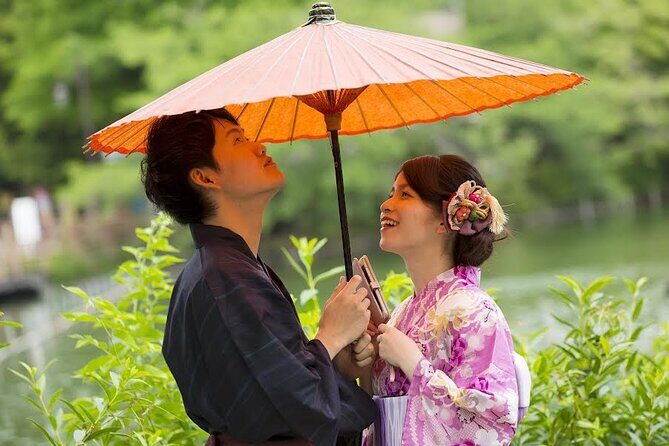
The flow is designed to reduce decision fatigue and stress:
- Check in and get greeted
- Select your kimono
- Get dressed with staff assistance
- Get a basic hair style that complements your kimono
- Head out for sightseeing while your luggage is handled
Because the staff can assist in Japanese, Chinese, and English, you’re not forced to translate every step yourself. In a kimono rental, small misunderstandings can become big annoyances—wrong obi placement, unclear tie points, or confusion about where things should sit. Having language support makes the whole thing smoother.
Hair is where a lot of first-timer anxiety lives. The included basic hair style gives you a polished look, and there’s an upgrade path if you want more. If you have long, very curly, or thick hair, don’t assume it’s a problem—reviews specifically mention the staff taking time and being patient with challenging hair.
Timing That Matters: Luggage Help and the 5:00 PM Change-Out
This experience is about a day. You’re given a clear rhythm: dressing first, then sightseeing, then changing out by a firm deadline.
The big rule is simple: return by 5:00 PM to change out of your kimono. If you run late, the late return fee is ¥1,100 per person per 30 minutes. It’s strict, and no-contact during business hours means the shop closes as scheduled.
So plan your day like this:
- Start early enough to enjoy multiple stops without rushing
- Keep an eye on travel time between major sights
- Build a buffer before 5:00 PM so you’re not sprinting in kimono
The luggage part is included and worth using. Once you’re dressed and ready, you can enjoy Gion without dragging bags. That alone improves the experience—less friction, more walking, more photos.




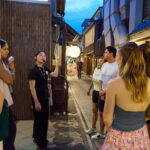

Gion Day Route: From Yasaka Shrine to Kennin-ji
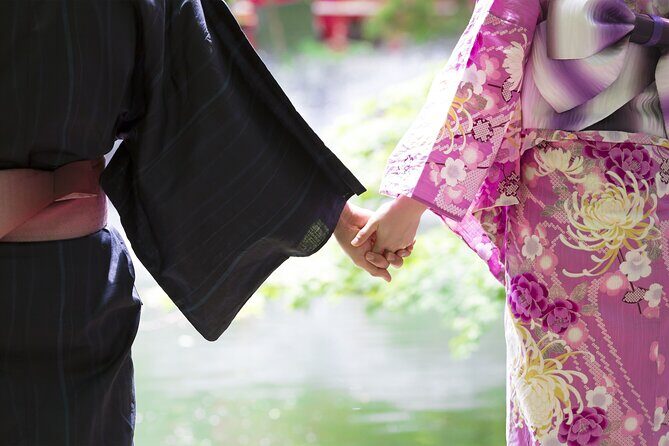
Your day is built around classic Kyoto landmarks and the Gion area. You’ll visit:
- Yasaka Shrine
- Kodai-ji Temple
- Kiyomizu-dera Temple
- Kennin-ji Temple
- Gion
Here’s what that means for your experience, in plain terms.
Yasaka Shrine: First Photos and First Immersion
You start at Yasaka Shrine, which is a strong opener because it sets the “Kyoto in a kimono” mood fast. You’ll likely want to slow down here—kimono photos look best when you give yourself space for street angles, not just quick snaps.
Practical note: kimono fabric and your movement matter. Walk carefully at the edges of crowds and avoid yanking on sleeves or the obi when you turn for photos.
Kodai-ji Temple: A Softer Pace After the Busy Entry
Kodai-ji Temple can be a good mid-morning or mid-day moment to breathe. After the initial shrine energy, temple grounds give you a different feel: more time to take in details and find calmer spots for pictures.
Drawback to plan for: temples and shrines usually mean steady walking and changes in ground level. With tabi and zori, you’ll feel how the outfit changes your stride. Move slowly and keep your steps controlled.
Kiyomizu-dera Temple: The Big Landmark Moment
Kiyomizu-dera is the headline stop on the list. This is where your kimono will really look like part of the scenery. If you like dramatic Kyoto views in your photos, this is where you’ll probably spend the most time.
The main consideration: it’s easier to feel rushed on big-name stops. I’d treat this as the place to aim for “one strong photo sequence” rather than trying to capture everything in one run.
Kennin-ji Temple: A Calm Ending Before Gion Streets
Kennin-ji Temple is a good bridge between major sightseeing and returning to the vibe of Gion. This is where you can shift from landmark-mode to strolling and enjoying the atmosphere around you.
If you’re doing upgrades like a dressed-up hairstyle, you’ll want the hair and kimono to survive the rest of the day smoothly. Keep small items secured in the included bag so you’re not adjusting too much while walking.
Gion: Finish Where You Started Looking for
The final stop is Gion. This is where your kimono really pays off. Gion is all about streets, traditional storefronts, and the kind of scenes that make the outfit feel intentional instead of temporary.
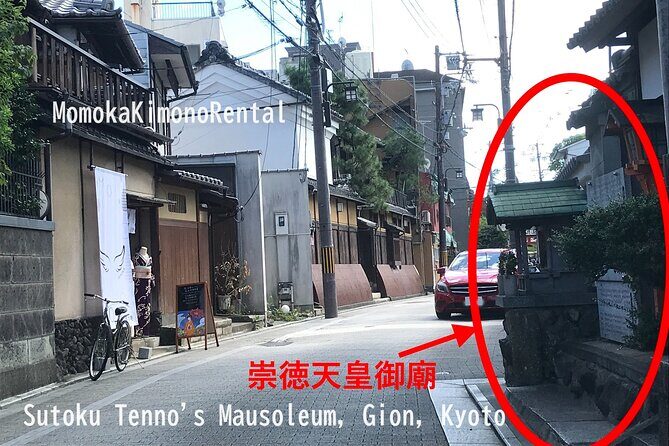
Because the shop is extremely close to the Gion Hanamachi and Chaya District area, you also get the advantage of not being far away from your photo options. You can wrap up your day in the area that makes you want a kimono in the first place.
The Kimono Details That Save You From Common Mistakes
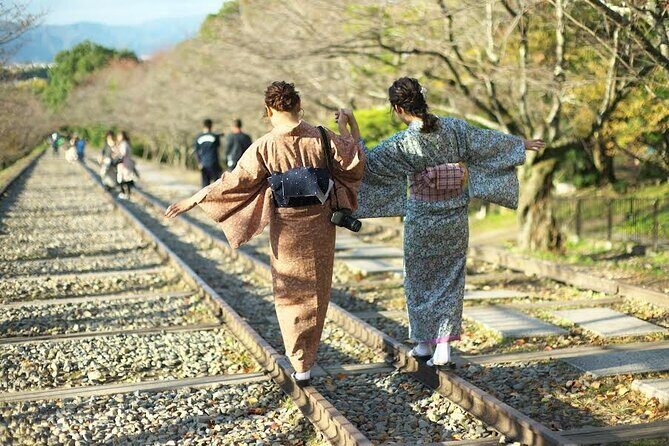
A kimono makes you notice your own habits—walking speed, how you hold your arms, where you store your phone, and how you avoid snagging fabric.
A few tips that fit this exact style of experience:
- Use the staff help during dressing early. Don’t wait until later to ask for small adjustments.
- Treat tabi and zori as part of the “equipment.” If you’re not used to them, take it slow in your first hour.
- Your luggage is stored on-site, so pack lighter than you think you’ll need. You’ll enjoy the day more if you’re not constantly managing bags.
- Plan your photo stops around your body comfort, not just the prettiest angle.
The outfit variety matters too. Retro and cute styles tend to feel playful for shopping streets and photo corners. Classic and Taisho Roman styles often look especially clean in temple and shrine settings.
Upgrades, Photos, and Make-Up: What’s Worth Paying For
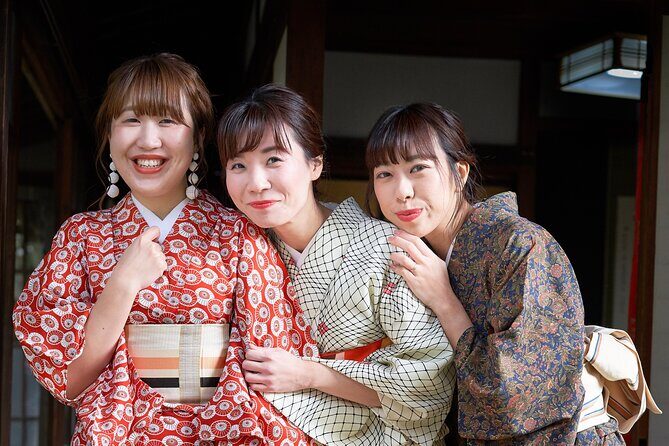
Upgrades are available, but you don’t have to take them all. This is where I’d make a simple choice based on your goals.
- If you mainly want a kimono day with a solid look for photos, the included basic hair style is usually enough.
- If you want a more polished, event-style look, upgrade the hairstyle.
- If make-up is important to you for camera-heavy travel, the option exists, but it’s a big add-on price.
- If you want professional-looking photos with timing that isn’t based on other people stopping to take yours, the 1-hour photography option is the one to consider.
One more value angle: kimono rentals can be expensive if you’re chasing every add-on. This package keeps the “core day” affordable, and upgrades are optional.
Who This Works Best For (And Who Might Want a Different Plan)
This experience is a strong fit if:
- You want the classic Gion kimono look without doing the logistics yourself
- You’re new to kimonos and want language support
- You value kindness and patience during the dressing process
It’s less ideal if:
- You’re not comfortable with a firm end time and strict return deadline
- You’re planning to stay out very late, since late return fees apply and the shop closes on schedule
There are also clear fit and health considerations you should take seriously:
- Kimono during pregnancy is strictly prohibited, and the shop won’t be responsible for health problems from wearing while hiding pregnancy.
- Adult kimonos are limited if your hip size exceeds 130 cm.
- Children’s kimonos are for kids over 70 cm and aged 12 and under.
If any of those apply, it’s best to confirm details with the shop before you commit.
Value, Service, and the Booking Reality in Kyoto
At about $36.36 per person, this isn’t a “luxury-only” option. It’s priced like a practical, enjoyable way to turn a day in Kyoto into a memory you can wear.
Also, it’s built to be scheduled: confirmation is received at the time of booking, and it’s commonly reserved around 25 days in advance. If you’re traveling during peak season or on specific dates tied to your Kyoto plan, booking ahead is smart.
Service quality is one of the standout themes in the reviews: staff friendliness and patience show up again and again, especially when it comes to helping families and managing difficult hair types. That’s the sort of thing you can’t fake with marketing. It affects your whole day, because you spend less time worrying and more time walking.
Should You Book Momoka Kimono Rental in Gion?
I’d book it if you want an easy kimono day in the Gion area with real staff help, especially if it’s your first time. The package includes the full outfit, basic hair styling, dressing assistance in Japanese/Chinese/English, and luggage support—so you don’t waste your Kyoto time troubleshooting clothing.
Skip it or look closely at your fit and timing needs if you’re pregnant (strictly prohibited), have hip size concerns, or you don’t think you can reliably return by 5:00 PM.
If your goal is simple—look great in Gion, visit major landmarks nearby, and spend less time figuring out logistics—this is a solid, value-forward option.
FAQ
What is included in the kimono rental set?
The package includes a complete rental set of a basic Komon kimono, obi, bag, tabi, and zori.
Do I need to bring anything to rent a kimono?
The plan price includes everything needed to wear the suit, so you can come empty-handed.
Is dressing and hair styling included?
Yes. You’ll get dressing service and a basic hair style. Upgraded hairstyle is available for an extra fee.
What languages do the staff speak?
Staff assistance is available in Japanese, Chinese, and English.
Where is the meeting point and where does it end?
You start at Momoka Kimono Rental at 570-41 Gionmachi Minamigawa, Higashiyama Ward, Kyoto, and the activity ends back at the meeting point.
What time do I need to return to change out?
Please return by 5:00 PM to change out of your kimono.
Can I cancel or change the booking?
This experience is non-refundable and cannot be changed for any reason.
Are there any health or sizing restrictions?
Yes. Wearing a kimono during pregnancy is strictly prohibited. Adult kimonos are limited if your hip size exceeds 130 cm. Children’s kimonos are for kids over 70 cm and aged 12 and under. If the kimono or accessories are damaged, you’ll pay a damage fee, and on-site insurance is advised (JPY 550).